You come home from work, drop your bag by the door, and before you can even take your shoes off, your cat is weaving between your ankles, pressing their cheek against your shin like you’ve been gone for a year. It’s one of the most familiar moments in life with a cat. But what’s actually going on?
The honest answer is: it depends. Your cat’s rubbing behavior can mean several different things at once, and the distinction between a loving social gesture and a calculated territorial signal is more nuanced than most people realize. Understanding the difference gives you a real window into how your cat thinks.
The Science Behind Cat Scent Glands
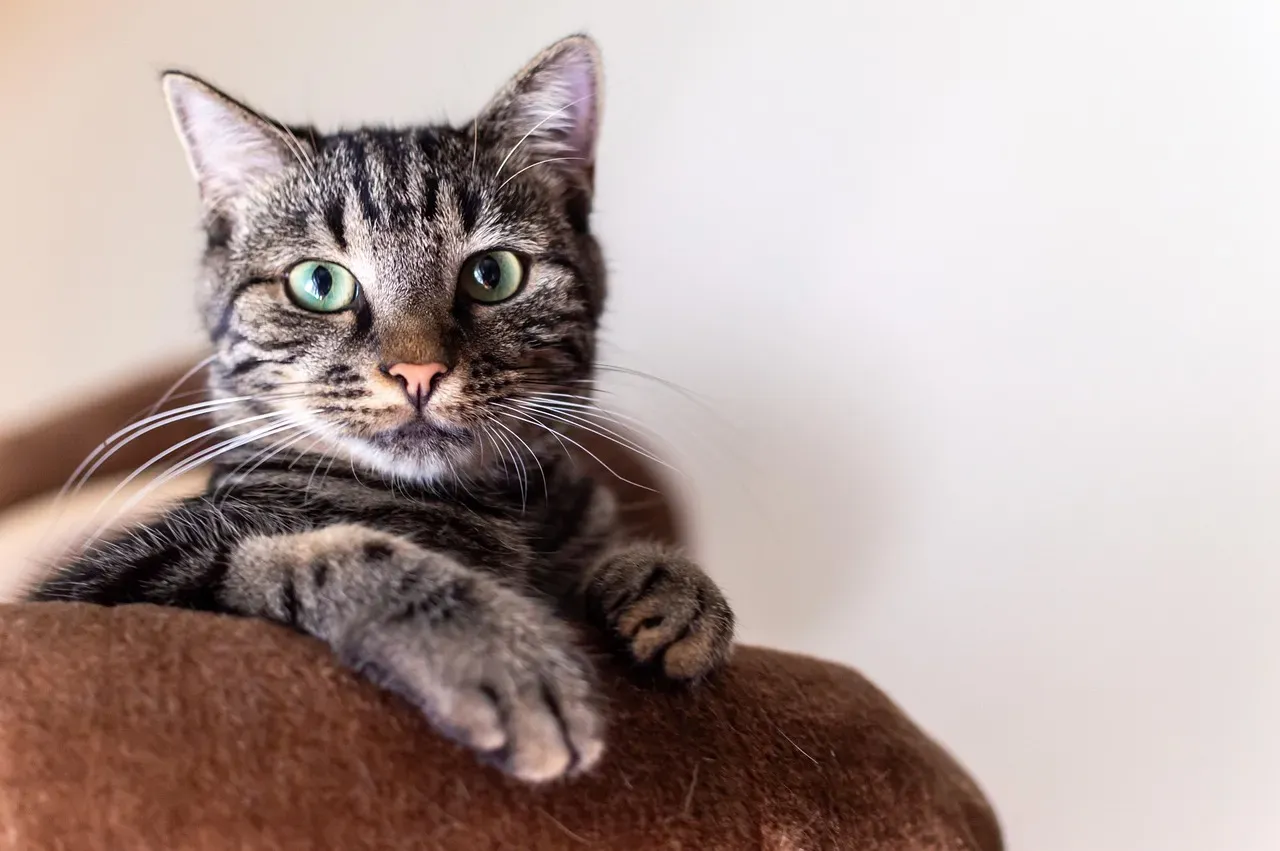
Your cat’s body is essentially a mobile scent-broadcasting system. Cats possess scent glands located on their forehead, cheeks, chin, and around the base of their tail, and these glands secrete pheromones – chemical signals that convey a variety of information to other cats. These aren’t random contact points. Each location releases a slightly different chemical profile, and your cat deploys them with more purpose than most owners ever notice.
Specialized sebaceous glands on a cat’s forehead, cheeks, chin, and tail base produce chemical signals during rubbing that create a shared “colony odor” – the same scent-bonding mechanism cats use with other cats in free-ranging colonies. So when your cat rubs you, they’re essentially enrolling you in their social network, not just leaving a sticky post-it note that says “mine.”
What Bunting Actually Is (And Isn’t)
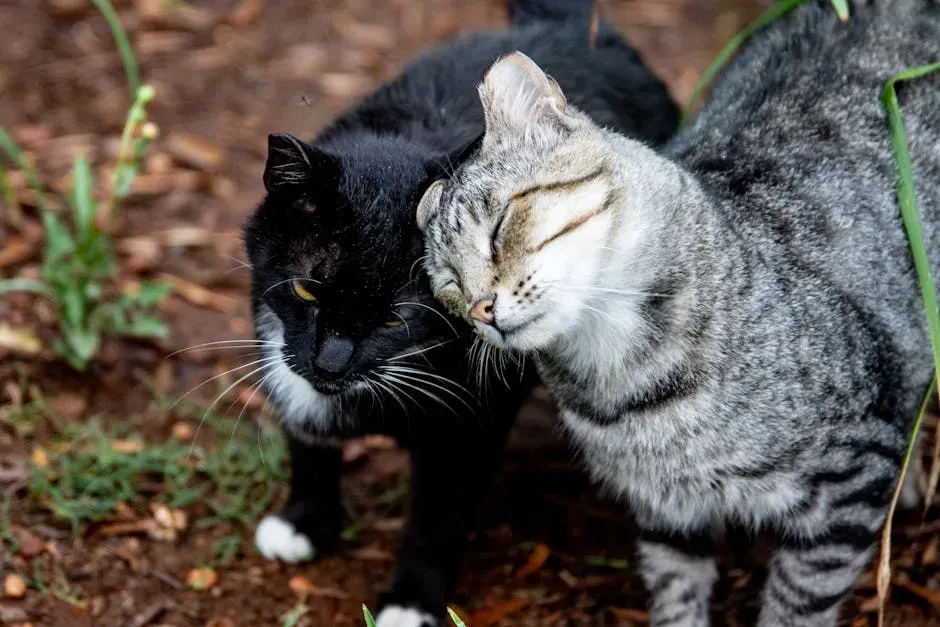
Also referred to as head-bumping or headbutting, bunting occurs when a cat briefly presses or rubs their head against a human, another animal, or an object, often closing or half-closing their eyes. Though headbutting is often associated with aggression in other species, feline head-bunting is a form of social behavior generally indicative of familiarity, trust, and affection. That distinction matters more than you might expect.
A common misconception frames bunting as a cat “claiming ownership” over a person or object. Research does not support this framing. Dr. John Bradshaw’s work on feline social behavior establishes that rubbing is an affiliative, distance-reducing behavior. In plain terms, your cat is pulling you closer, not planting a flag.
The Social Role of Rubbing in Cat Colonies
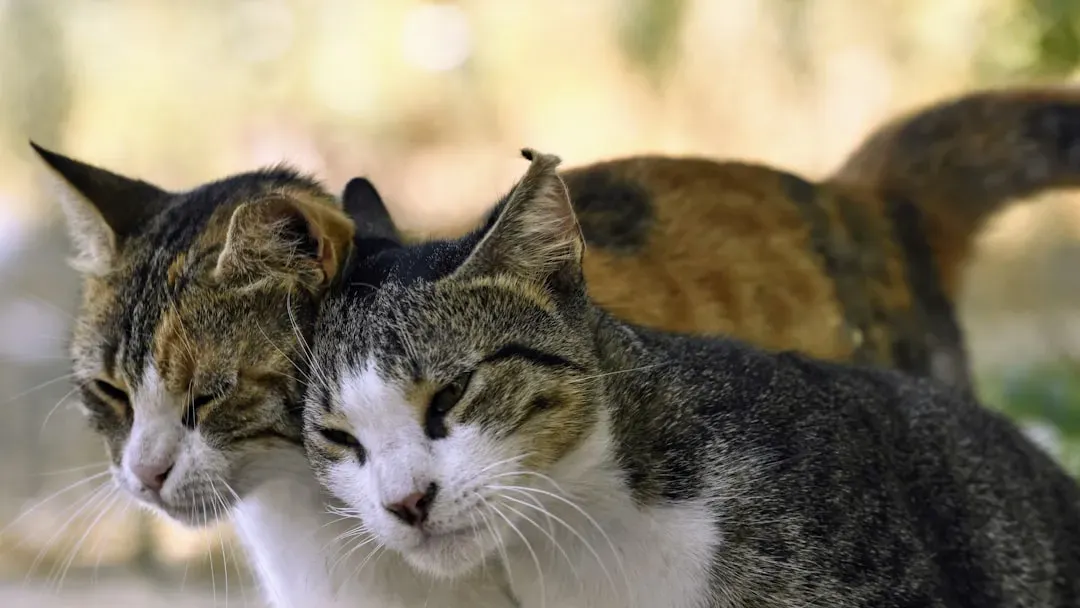
Cat-to-cat bunting is a form of allorubbing, a social greeting and bonding behavior involving reciprocal contact. Bringing their head so close to another cat’s teeth and claws makes a bunter extremely vulnerable, so cats will typically only engage in this behavior when they feel safe and trust the recipient. That vulnerability is the point. It’s a trust signal, not a power move.
Researchers studying feral cat colonies determined that mutual head bunting occurs primarily between closely bonded individuals, such as littermates or mothers and their offspring. In multi-cat households, it’s an affiliative behavior used to signal acceptance and reinforce bonds between related cats or non-related individuals who view each other as part of the same social group, which reduces conflict and encourages group cohesion. Your cat is doing the same thing with you.
When Rubbing Is About Territory, Not Affection
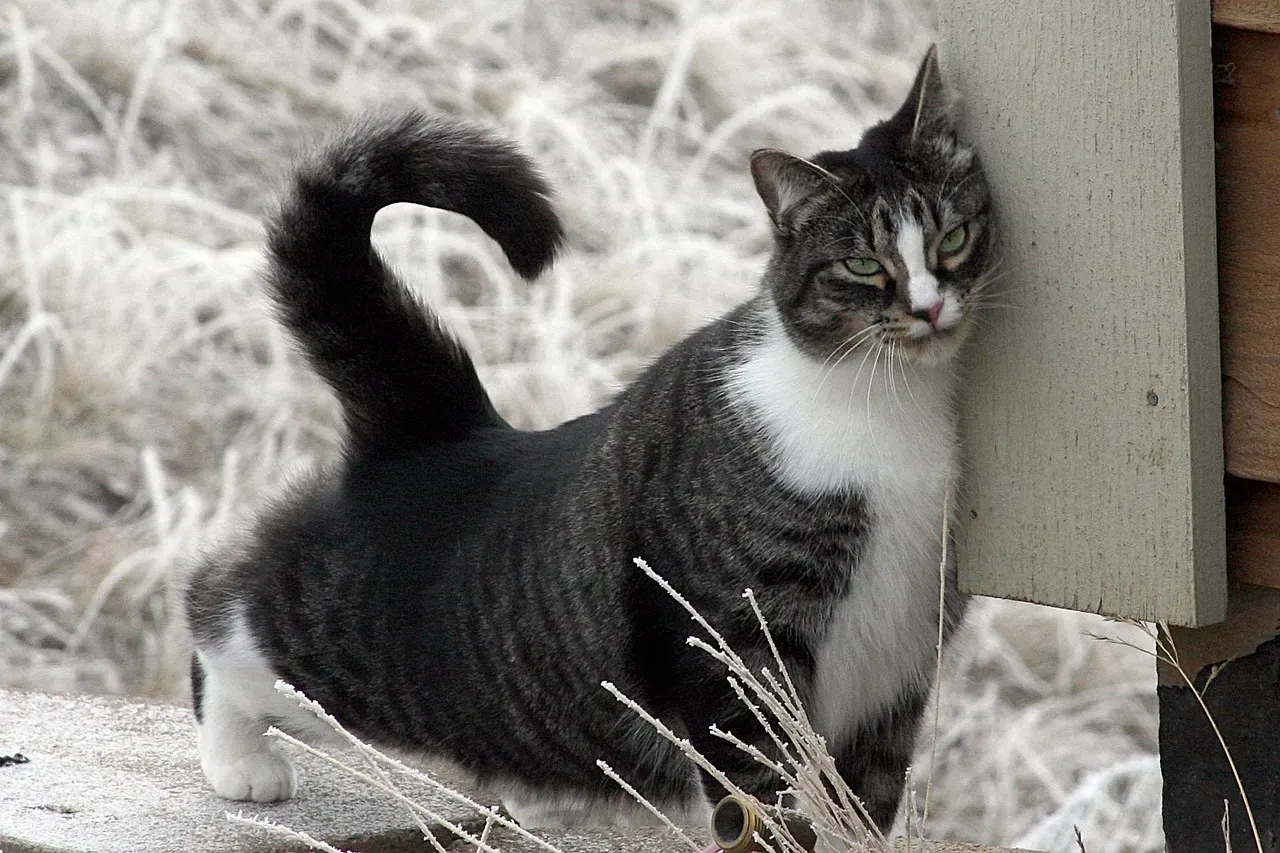
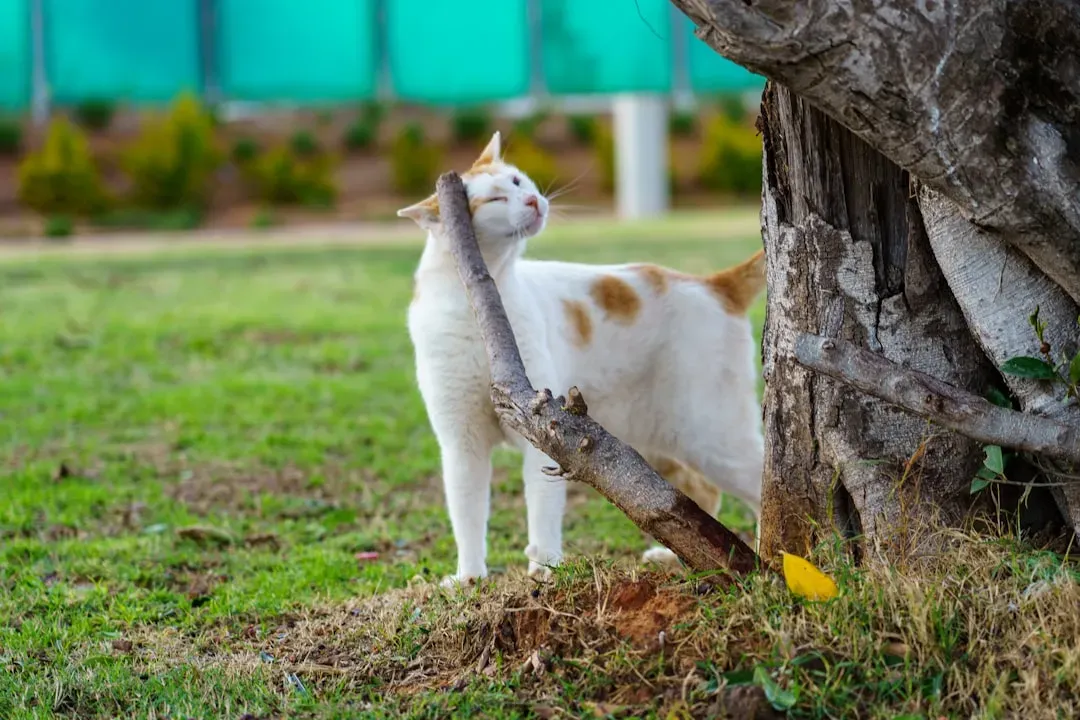
We typically think of spraying urine as how cats mark their territory, but cats also communicate through scent glands on their cheeks, flanks, and paws. When you see your cat rubbing on furniture, the corner of the wall, or even your legs, that’s marking territory and claiming ownership of that space. So rubbing can carry a territorial dimension, even when it doesn’t feel aggressive or anxious.
Cats that rub surfaces to mark with their cheek glands are less apt to spray urine in the same location. Furthermore, the pheromones found in the cheek glands seem to have a calming effect on cats, so encouraging facial marking can be an effective treatment for spraying. This is one of the more practical pieces of cat behavior knowledge out there – cheek rubbing and urine spraying often serve overlapping purposes, but one is far easier to live with than the other.
The Different Pheromones Cats Use and Why It Matters
The F2 pheromone fraction is associated with sexual marking behavior, with intact males depositing their scent on objects near a potential mate. Cats use F3 to orient themselves spatially, marking familiar objects and frequently used “safe” zones in their home. F4 is deposited in social situations during allorubbing, where a cat bunts a familiar cat, human, or other animal to establish an affiliative relationship and promote bonding.
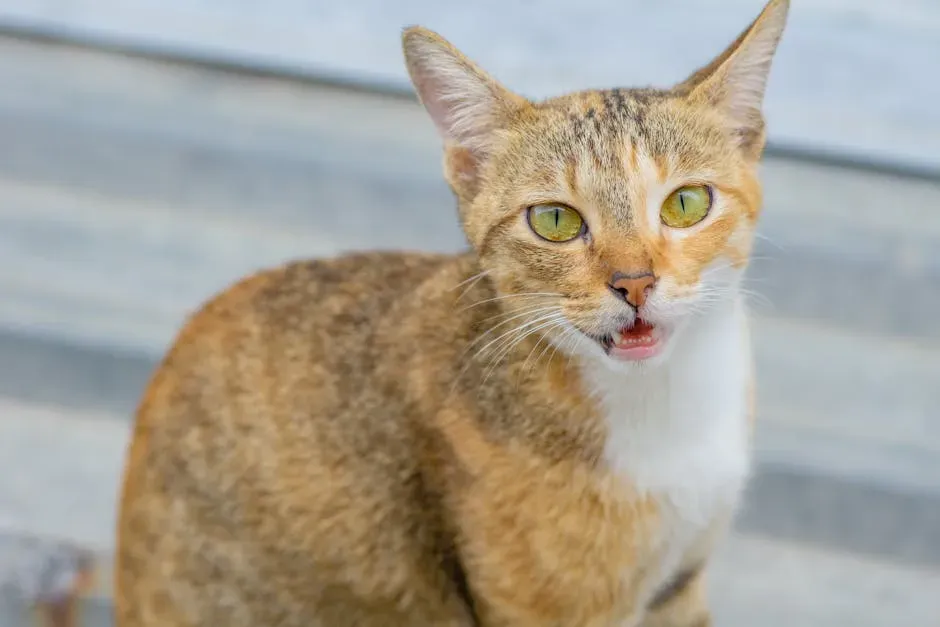
Other cats detect these pheromones through a behavior known as the Flehmen response, where they open their mouth slightly, push their tongue to the front of their palate, retract their upper lip, and inhale, appearing to grimace or make a “stink face.” This action allows them to analyze the scent using a specialized organ in the roof of the mouth known as the vomeronasal or Jacobson’s organ. You’ve probably seen this reaction and had no idea what it meant.
Urine Marking: The Other Kind of Territory Claim
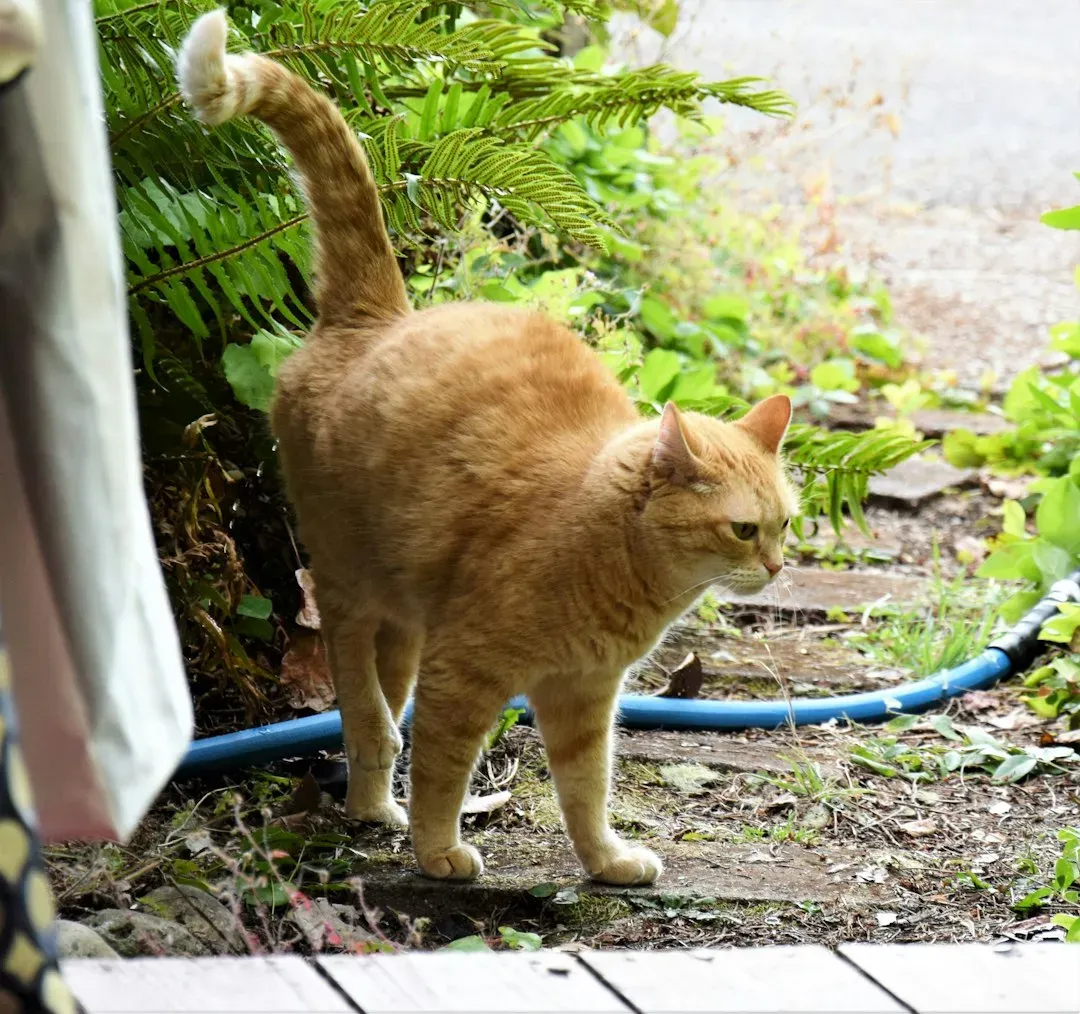
Cats will often spray urine around their territory and they may even do this indoors if they’re feeling stressed or threatened. Urine spraying is different from normal urination as it involves depositing small amounts of urine and is usually sprayed against vertical surfaces such as walls. This is where the behavior shifts from social bonding into something closer to a stress response or boundary assertion.
Urine marking in intact cats is a normal signal of reproductive status, yet about ten percent of neutered males and five percent of spayed females persist in showing urine-marking behaviors. Motivations for neutered cats to urine mark include territorial signaling and anxiety associated with social conflict or environmental stressors. So if your neutered cat is still spraying, it’s worth looking at what might be causing them stress in their environment.
How to Read What Your Cat Is Actually Saying
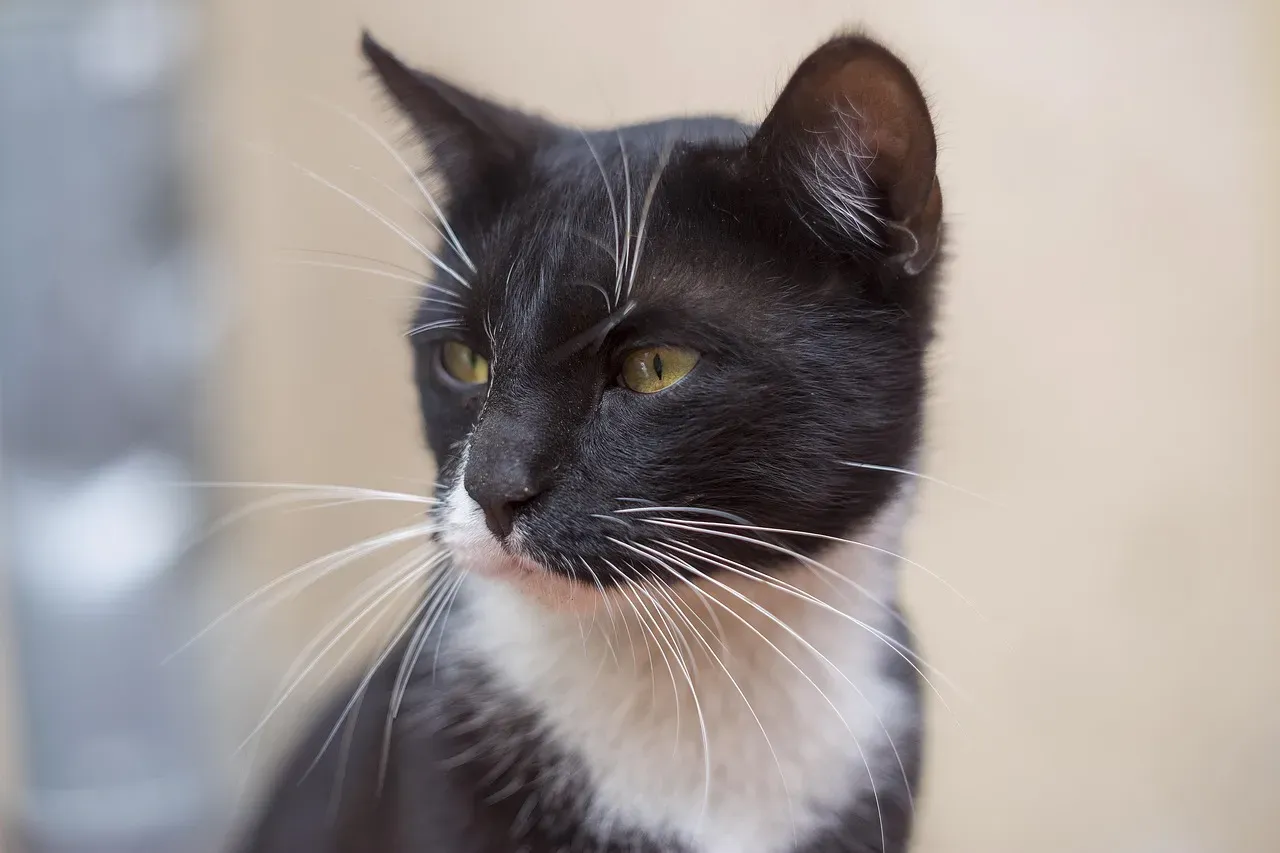
Cats use scent to mark their territory, yes, but they also do it to create comforting familiarity, show respect, create a common colony scent important for survival and cat colony harmony, self-soothe, and announce sexual status through urine marking. The reason a cat uses scent depends on their immediate circumstances and the part of their body they use. Context is everything.
Once you come home from being out in the world, your cat’s personal scent has faded. So, they may want to mark you again by rubbing, headbutting, licking, or even gently biting you. This allows your cat to reclaim you, and it’s thought that these behaviors release endorphins, which gives your cat a sense of calm, happiness, and safety. That ankle-weaving isn’t just cute – it’s genuinely reassuring for your cat.
When Rubbing Becomes a Warning Sign
Sometimes cats will aggressively rub against their owners to signal that something is wrong. This could be illness, or perhaps it’s a gentle reminder to clean out their litter box or that they want to play. That’s why it’s important to monitor and learn your cat’s behavior so you can recognize changes and understand when they need something from you.
You should seek veterinary evaluation if your cat presses their head firmly against walls while appearing disoriented – which is a neurological emergency called head pressing – or if rubbing behavior increases or decreases dramatically, especially with other behavioral changes, or if rubbing is accompanied by excessive drooling, facial swelling, or pawing at the mouth, which may indicate dental disease. Normal bunting is rhythmic and soft. Pressing a head hard and steadily against a wall is an entirely different situation.
Building a Stronger Bond Through Scent Communication
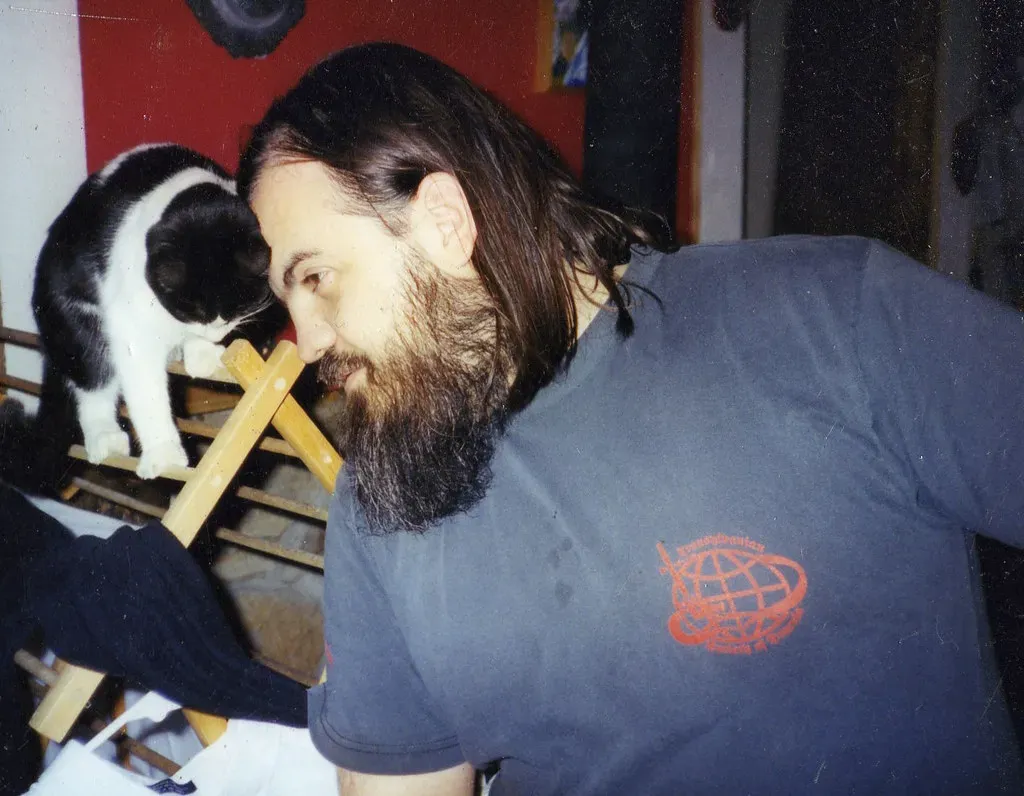
A study conducted in 2021 found that allorubbing is a significant reunion behavior, with roughly four out of five cats bunting or rubbing against their human companions after a separation. That number is worth sitting with. Your cat is actively choosing to re-establish your shared scent every time you walk back through the door.
This rubbing behavior isn’t something cats simply make up as they go along. It’s actually learned from their mothers and passed down through generations of felines. Mother cats teach their kittens that rubbing and headbutting are proper ways to show acceptance, mark territory, and maintain family bonds. So when your adult cat rubs against you, they’re using the same communication methods they learned as a tiny kitten. There’s something quietly remarkable about that.
Conclusion
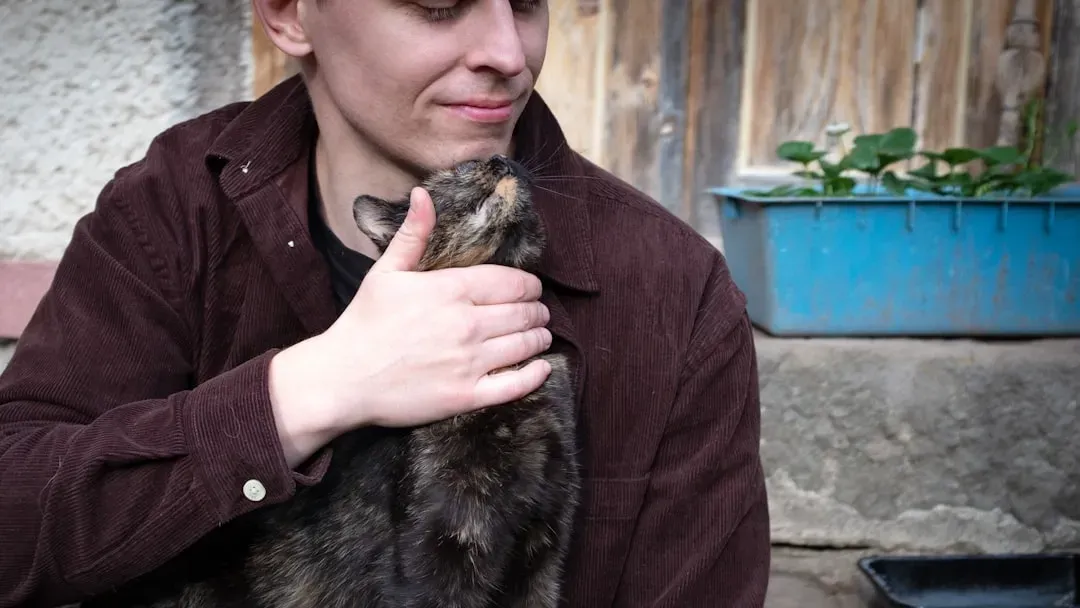
The line between rubbing and marking isn’t always clean, and that’s perfectly fine. Your cat’s scent behavior is layered – part social greeting, part territorial management, part emotional reassurance. The same nose-press against your ankle can be all three things at once, depending on the moment.
What matters most is learning to read the whole picture: body posture, context, frequency, and the specific body part your cat leads with. Rubbing, in almost all its forms, is your cat choosing to include you. That’s worth paying attention to, even on the days when the ankle-weaving nearly sends you down the stairs.