Cats have a reputation for being mysterious, indifferent creatures who simply tolerate the humans they live with. That reputation is mostly wrong. The truth is that your cat pays close attention to what you do each day, often building expectations and associations around the smallest details of your routine.
Understanding which of your everyday habits actually bring your cat comfort and joy can shift how you see your relationship with them. Some of what delights your cat is remarkably simple, and you’re probably already doing it without realizing it.
1. Keeping a Predictable Daily Routine
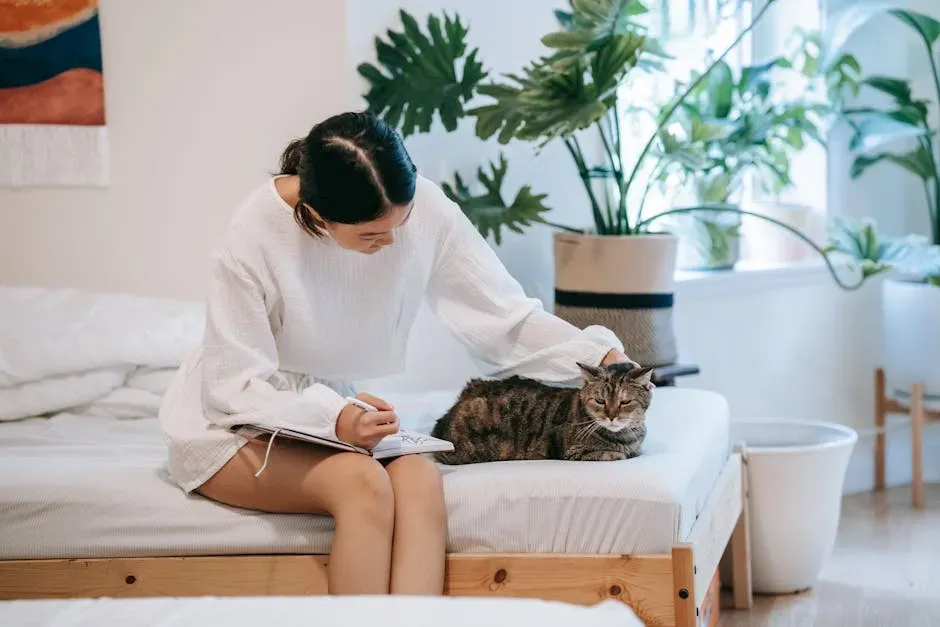
A consistent routine gives your cat a sense of security and control over their environment. When they can predict what happens next, they experience less stress and anxiety, which leads to better overall health and behavior. This isn’t just a nice idea – it’s rooted in how cats evolved as hunters who depended on predictable patterns for survival.
Cats detect regular timing, such as meals, play sessions, and your coming and going, by associating time intervals with expected outcomes. Their circadian rhythms and interval timing allow them to anticipate events hours in advance. When your cat comes to find you five minutes before dinner, that’s not coincidence. That’s a deeply content animal who trusts the world you’ve built for them.
2. Talking to Your Cat in a Calm, Soft Voice
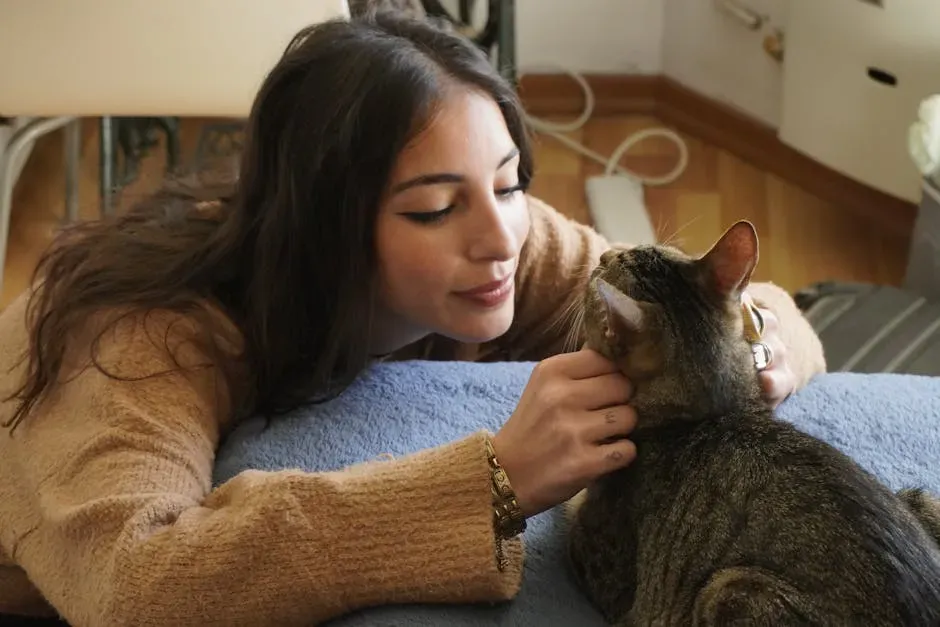
Studies show that cats enjoy their owner’s voice and even recognize their names over time. The tone of voice you use matters: cats can be comforted by a calm, soft tone and even like high-pitched or melodic tones, similar to how humans speak to infants. So that slightly embarrassing baby voice you use? Your cat is actually a fan.
Consistent, gentle communication helps build trust. Cats learn to associate your voice with safety, comfort, and positive experiences. Your voice likely acts as a cue to your cat that they’re in a safe place with safe people, and they will remember and appreciate that voice. Talking to your cat is, in the most literal sense, a form of emotional reassurance.
3. Slow Blinking at Them
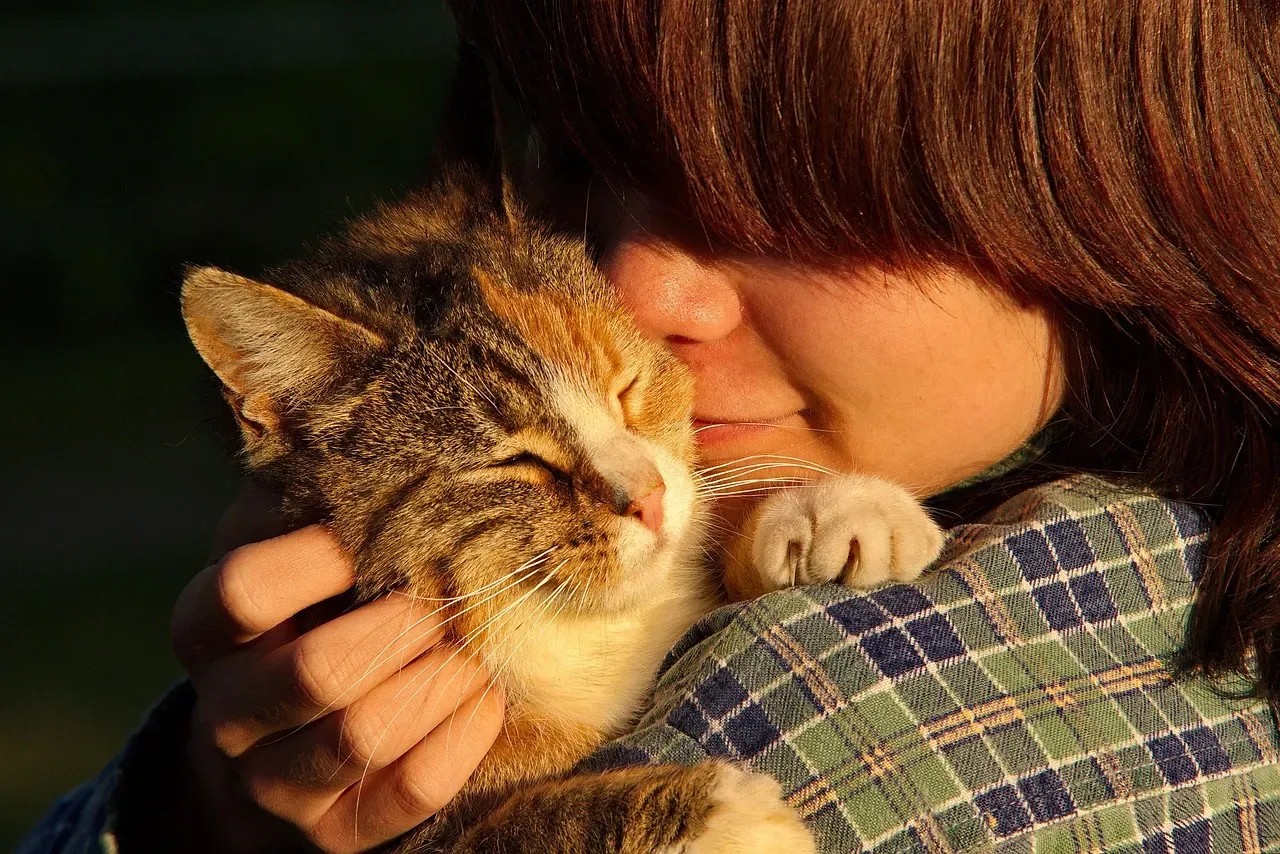
When a cat slow blinks at you, they are often expressing a sense of trust, contentment, and affection. In the feline world, closing their eyes in the presence of another creature makes them vulnerable, since they’re unable to detect potential threats. When you slow blink back, you’re speaking fluent cat.
Research found that cat half-blinks and eye narrowing occurred more frequently in response to owners’ slow blink stimuli toward their cats, and in a second experiment, cats had a higher propensity to approach an experimenter after a slow blink interaction than when they had adopted a neutral expression. Collectively, these results suggest that slow blink sequences may function as a form of positive emotional communication between cats and humans. It’s one of the simplest, quietest gestures you can offer.
4. Playing With Them Every Day
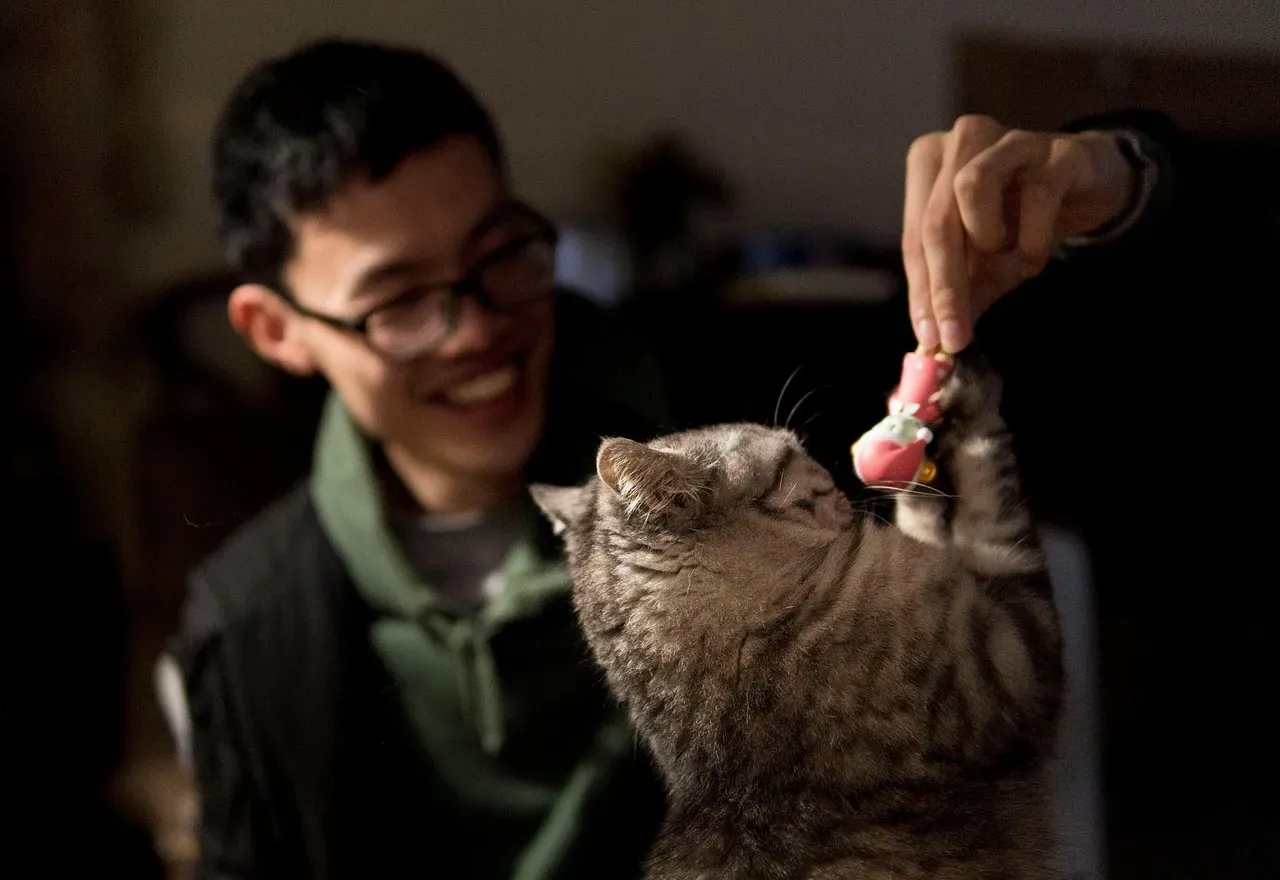
Wand toys, laser pointers, or feather teasers allow cats to express natural hunting behaviors. These sessions help them burn energy, relieve stress, and bond with you as their playmate. For your cat, play isn’t entertainment – it’s a core biological need.
Skipping daily play can lead to boredom and destructive habits, but just ten to fifteen minutes a day makes a noticeable difference in behavior. It also helps shy or anxious cats come out of their shell. Think of it as the most enjoyable part of being a cat parent – the part where you both get something out of it.
5. Letting Them Come to You on Their Own Terms
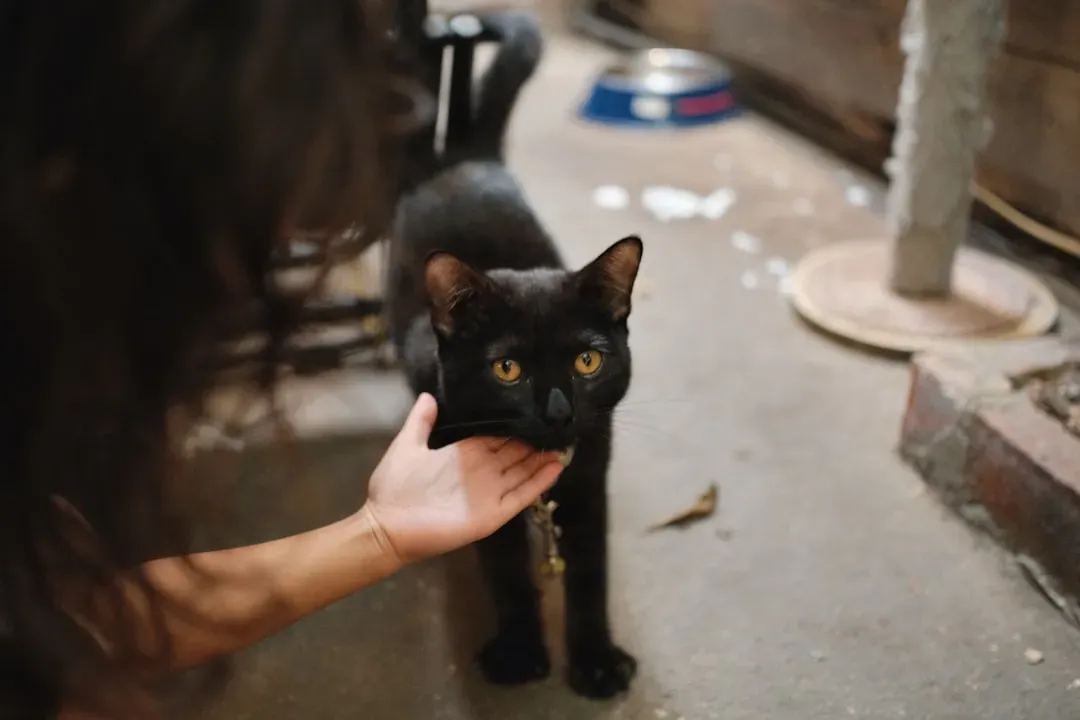
A cat’s trust is earned, not assumed, and respecting their personal space is key. Letting them dictate when and how affection happens builds confidence. You might notice that the moment you stop reaching for your cat, they suddenly decide to come sit directly on you. That’s not manipulation – that’s a cat feeling genuinely safe.
Giving space may actually invite closeness later on. Cats often return to those who give them room to breathe, and over time, they’ll associate your presence with comfort and safety. The irony is that the less you chase their affection, the more freely they offer it.
6. Providing Warm, Cozy Spots Around the Home
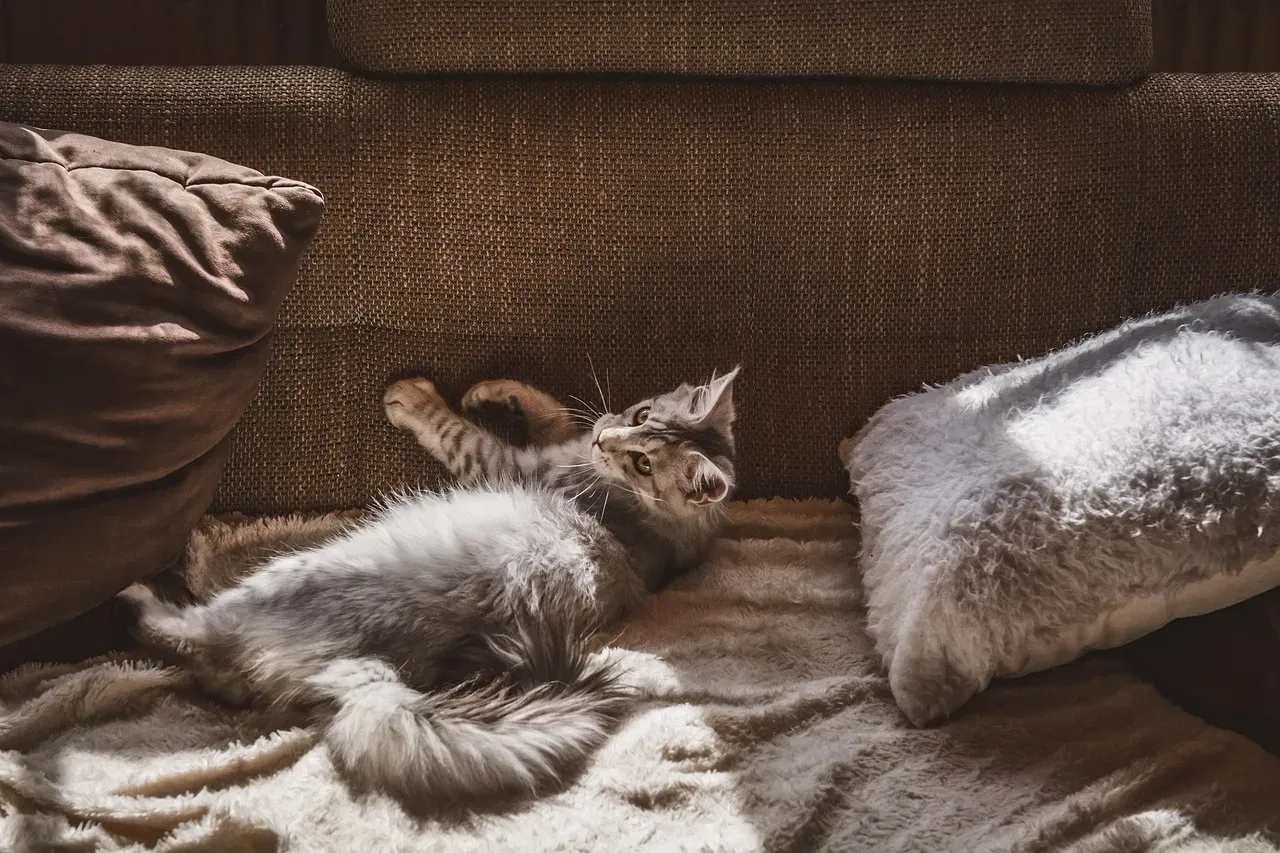
A cat’s normal body temperature is 102 degrees Fahrenheit, compared to our 98.6, and cats typically seek out cozy, warm locations for naps. They’ll also adjust their body position to maximize heat retention. When you arrange a soft blanket near a sunny window or position a cushion in a warm corner, you’re doing something your cat genuinely appreciates.
If there’s a ray of sunlight coming through your window, your cats will almost certainly locate it and take full advantage of its warmth. Indoor cats quickly learn to shift to different window locations as the day progresses and the light changes. Leaving those warm, quiet spots consistently available is one of the easiest habits you can maintain for a happy cat.
7. Maintaining a Clean Litter Box Regularly

Just like people, cats want a private, quiet, and clean place to relieve themselves. Cat owners should think carefully about the location and size of the litter box and the type of litter used when choosing these supplies. A clean box isn’t a luxury – it’s a fundamental need your cat notices immediately when it isn’t met.
Scooping twice daily mimics the cleanliness cats instinctively prefer in the wild, and doing so prevents infections and behavioral issues like avoidance. One box per cat, plus one extra, placed in quiet spots, works best, and unscented litter tends to be the clear preference. Your cat can’t maintain this themselves, so the habit of keeping things clean is entirely your gift to them.
8. Brushing and Grooming Them Gently
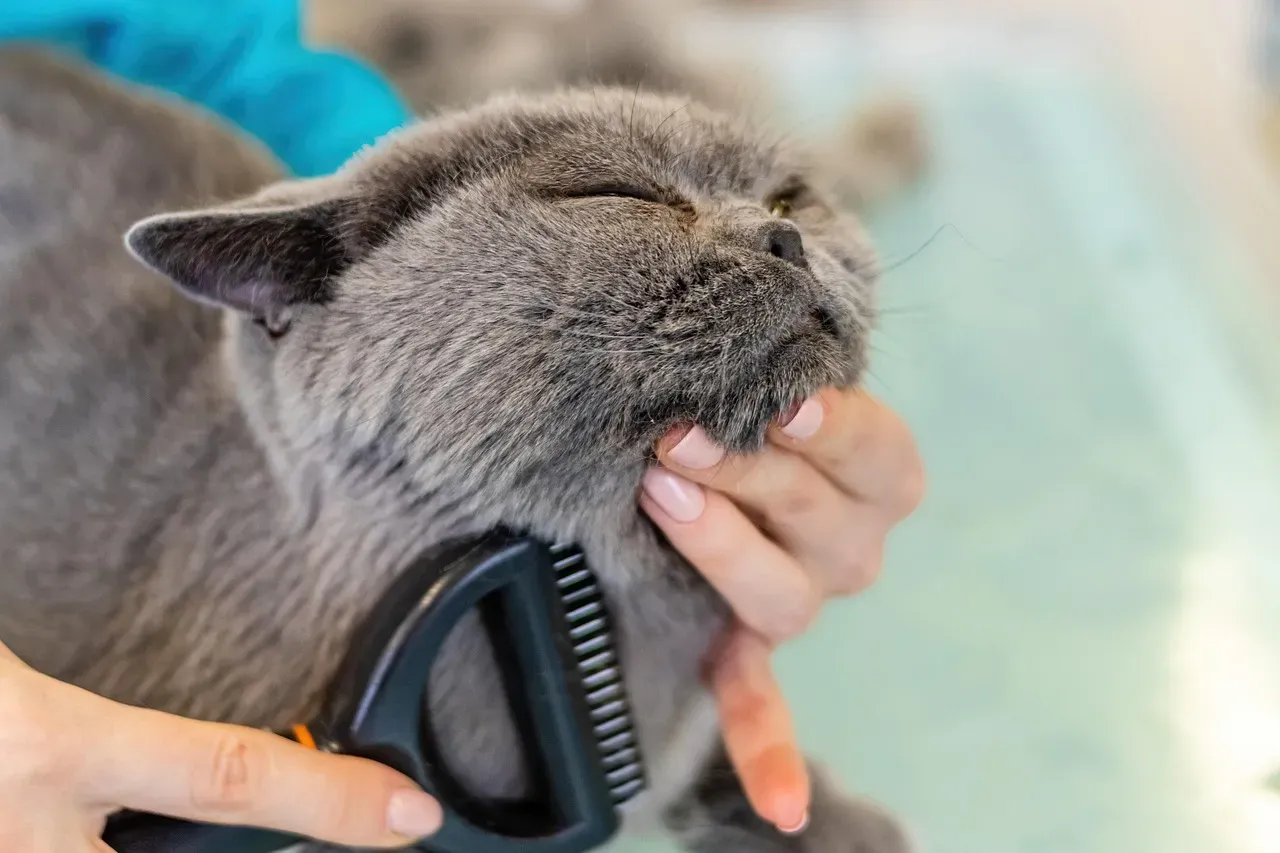
Picture your cat’s fur tangled and shedding – regular brushing prevents that. It distributes natural oils, keeping the skin healthy and reducing hairballs. Beyond the physical benefits, most cats experience brushing as a pleasurable form of social bonding, similar to how cats groom each other in the wild.
Starting with short sessions using a soft brush lets most cats warm up quickly, turning it into genuine bonding time. You’ll notice less loose fur around the home and a noticeably shinier coat within weeks. For many cats, a slow, steady grooming session is about as close to bliss as it gets.
9. Feeding Them on a Consistent Schedule
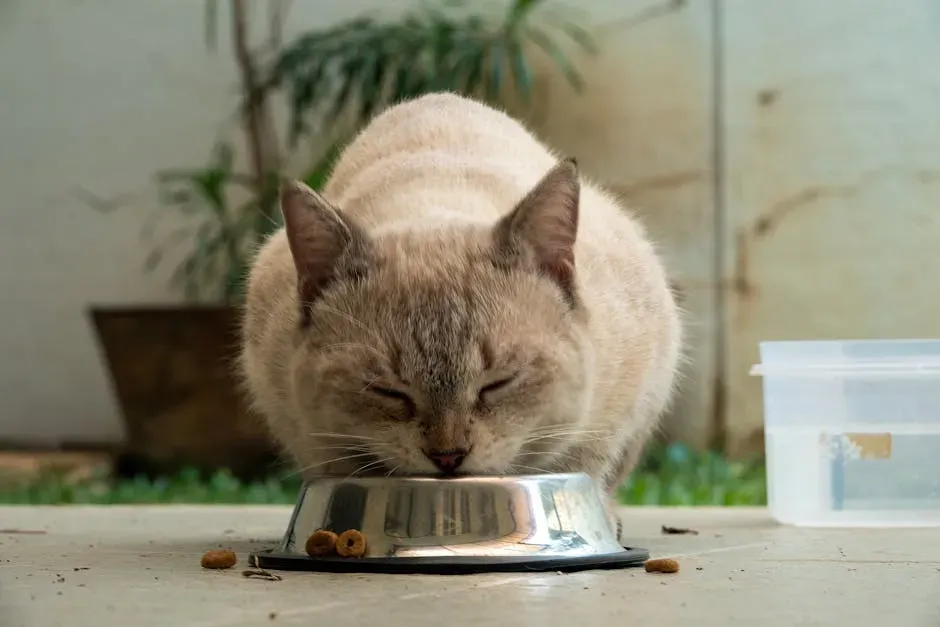
Knowing when to expect food can reduce begging behaviors and anxiety around mealtime. Cats often form strong associations with their feeding routine – the sound of a can opener or the crinkle of a treat bag can signal mealtime, reinforcing their sense of predictability. That familiar sound you make before filling their bowl? Your cat has categorized it, stored it, and looks forward to it.
Measured portions twice daily help maintain an ideal weight, and high-quality food fuels vitality without excess calories. Mixing wet and dry food provides variety along with dental benefits. Beyond nutrition, the act of feeding your cat at the same time each day is one of the most comforting habits you can build for them.
10. Offering Vertical Spaces to Climb and Perch
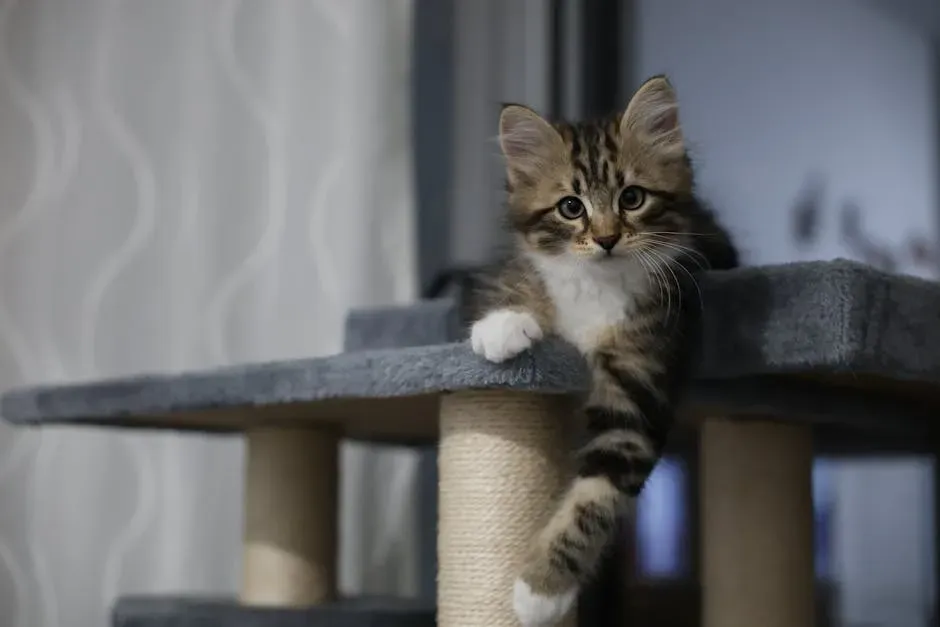
Cats are natural climbers who enjoy being up high. Height gives them a sense of adventure and control over their territory, whether they’re perched on a bookcase or exploring the top of the fridge. They love viewing their environment from above, and it provides real cerebral stimulation. When you allow or create high-up spaces in your home, you’re honoring one of your cat’s deepest instincts.
Jumping and climbing to high places continues to be completely normal behavior for domesticated cats. Like their ancestors, your feline friends seek out high places to survey their home territory and to escape from another pet, a young child, or something that frightens them. You can satisfy this love by providing approved spaces for climbing, jumping, escaping, resting, and surveying the environment. A cat tree near a window does more for your cat’s wellbeing than most people realize.
11. Spending Quiet Time Simply Being Near Them

A study done at Oregon State University showed that the majority of cats prefer social interaction with people over food, which came in second. The study included both pet cats and shelter cats who were given a choice between food, toys, scent, and social interaction with humans, and the majority of both groups preferred to interact with people more than anything else. That finding tends to surprise people. It probably shouldn’t.
Studies reveal that cats will choose human companionship over food and toys. Spending time with your cat each day, whether petting, playing, or simply being nearby, matters more than most cat owners assume. You don’t need elaborate gestures. Working at your desk while your cat dozes two feet away is, from their perspective, a genuinely good afternoon.
12. Responding Gently to Their Headbutts and Cheek Rubs

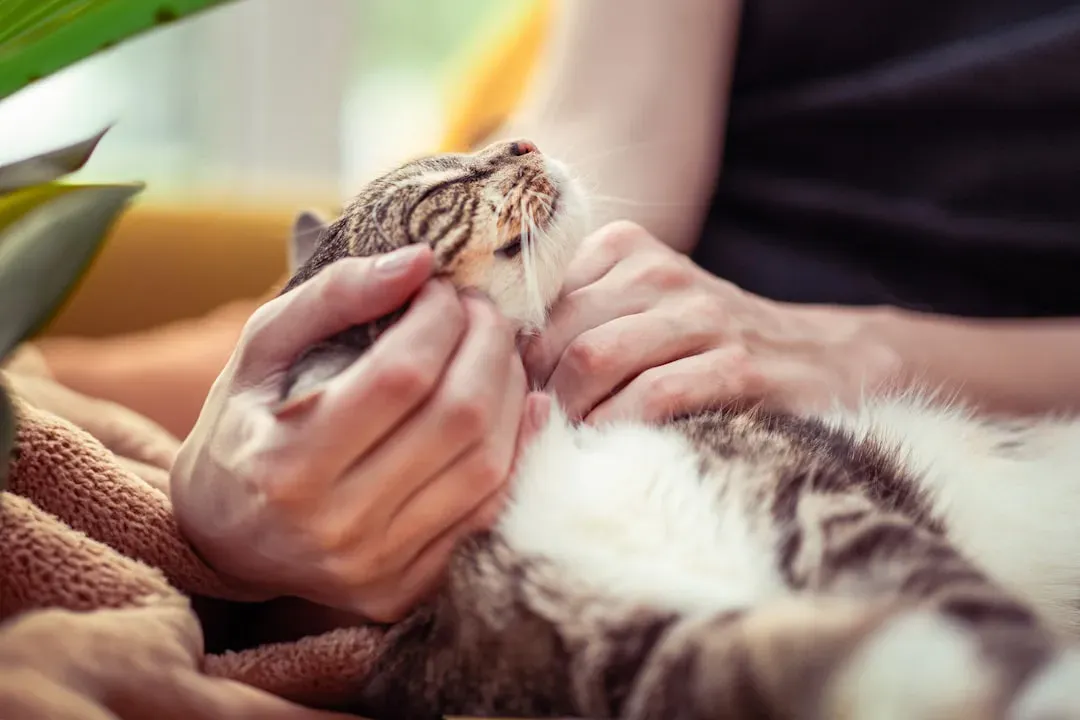
When your cat rubs their cheeks on you or an object, that is their way of imprinting, marking territory, and expressing love using scent glands. You can reassure them by responding with gentle chin scratches. Far from being a random quirk, this behavior is one of the most direct expressions of affection a cat can offer a human.
Cats communicate through scent using chemicals and pheromones from glands located around the mouth, chin, forehead, cheeks, lower back, tail, and paws. Their rubbing and head-bumping behaviors are methods of depositing these scents onto substrates, including humans. When a cat rubs its cheeks on you, it is depositing a pheromone known as a contentment pheromone. Receiving that gesture calmly and returning it with gentle touch tells your cat, in their own language, that you belong to each other.
The Bond Is in the Details
None of these twelve habits are complicated. They don’t require expensive equipment, hours of training, or any special talent. What they share is consistency and attention, which, it turns out, is exactly what cats are looking for from the people they’ve chosen to live with.
Building a lasting bond with your feline companion takes more than just food and shelter – it’s about understanding their unique behaviors and emotional needs. Cats thrive on trust, respect, and consistency. The habits you repeat day after day are the language your cat uses to understand you.
So the next time you settle into your favorite chair and your cat quietly appears from nowhere to sit beside you, know that you’ve likely been doing something right all along. The small things have a way of adding up, and to a cat, the small things are everything.
Kristina is a young writer from India. An arts graduate and an avid content creator, Kristina is passionate about animals and wildlife. She enjoys exploring topics related to pet care, animal behavior, conservation, and nature, combining thorough research with engaging storytelling.