There’s something quietly unsettling about watching your cat freeze in the middle of the hallway, stare at nothing, and then bolt before a storm rolls in hours later. You didn’t hear a thing. You didn’t feel a shift in the air. Your cat did. This kind of moment has fueled centuries of wonder about what cats are actually perceiving, and whether their seemingly supernatural awareness is something more than folklore.
The truth is both more grounded and more fascinating than the myths suggest. Cats have long been associated with mysterious and uncanny abilities, often described as having a sixth sense or extrasensory perception, but there’s actually a scientific basis for many of their behaviors and instincts. You don’t need to reach for the supernatural to explain what your cat is doing. You just need to understand the extraordinary biological machinery behind those alert yellow eyes.
The Evolutionary Roots of Feline Awareness

To understand why cats exhibit such remarkable intuitive behaviors, it’s essential to look at their evolutionary history. Cats, both domestic and wild, are natural hunters whose ancestors relied on keen instincts to track prey, avoid predators, and ensure their survival. Over time, these traits were passed down to their domestic descendants, shaping their intuitive abilities.
All animals instinctively respond to escape from predators and to preserve their lives. A wide variety of vertebrates already express early-warning behaviors that we understand for other types of events, so it’s possible that a seismic-escape response could have evolved from this already-existing genetic predisposition. Your cat isn’t being dramatic when it reacts to things you can’t detect. It’s running millions of years of survival code.
A Nose That Rewrites the Rules
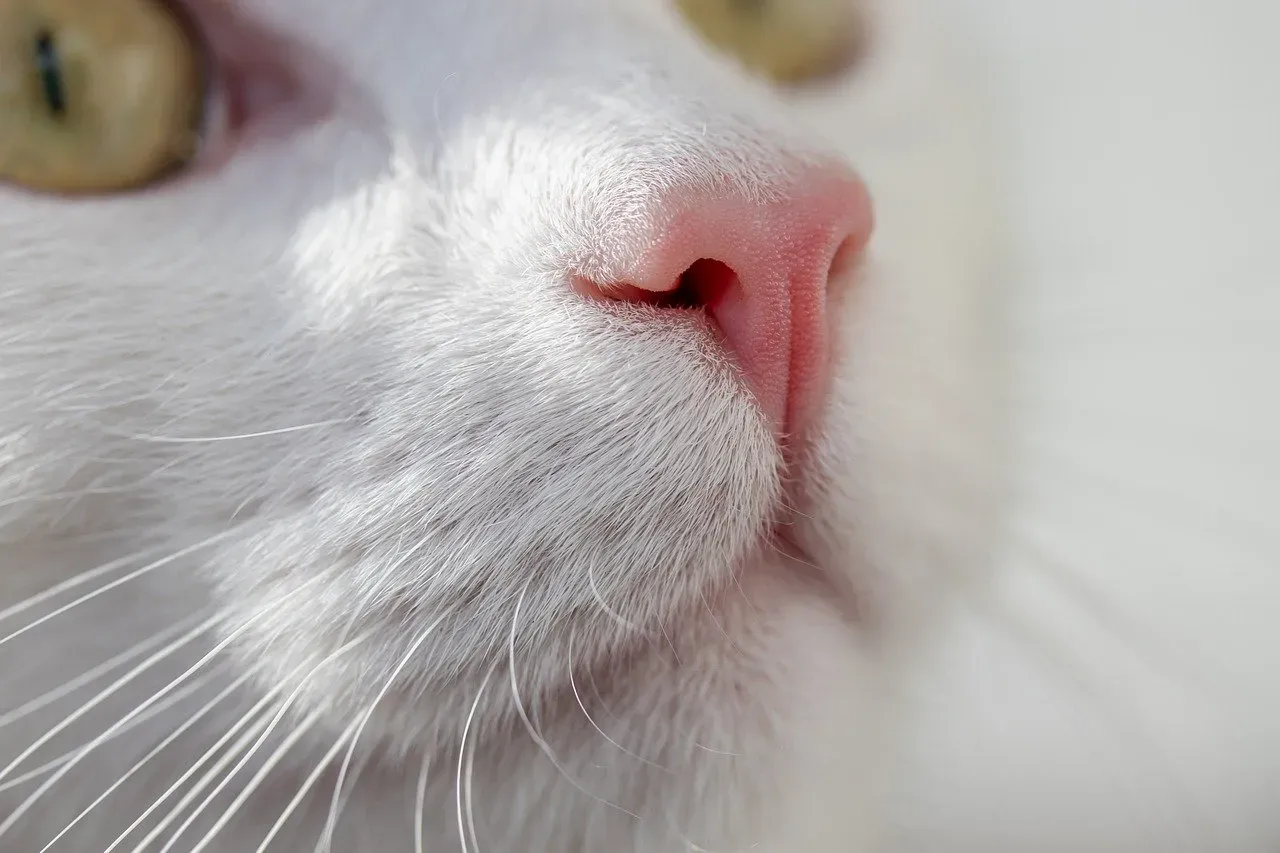
One of the most prominent theories behind cats sensing change is their excellent sense of smell. Cats have around 200 million odor-sensitive cells in their noses compared to a human’s mere 5 million, and this refined olfactory system allows them to pick up on chemical changes in the body that occur as a result of illness. That’s a staggering gap in capability, and it explains a great deal.
Your body chemistry changes slightly when you come down with an illness or go through changes like pregnancy, producing different-smelling chemical odors. It’s possible that pets can smell these changes, causing them to behave differently. From your cat’s perspective, you are broadcasting information constantly, whether you realize it or not. While humans have roughly 5 to 6 million olfactory receptors, cats boast around 200 million, making their sense of smell approximately 14 times more powerful than ours. This enhanced olfactory system, combined with their specialized vomeronasal organ, enables cats to detect subtle chemical signals that humans might never notice.
The Whisker System: Nature’s Own Radar
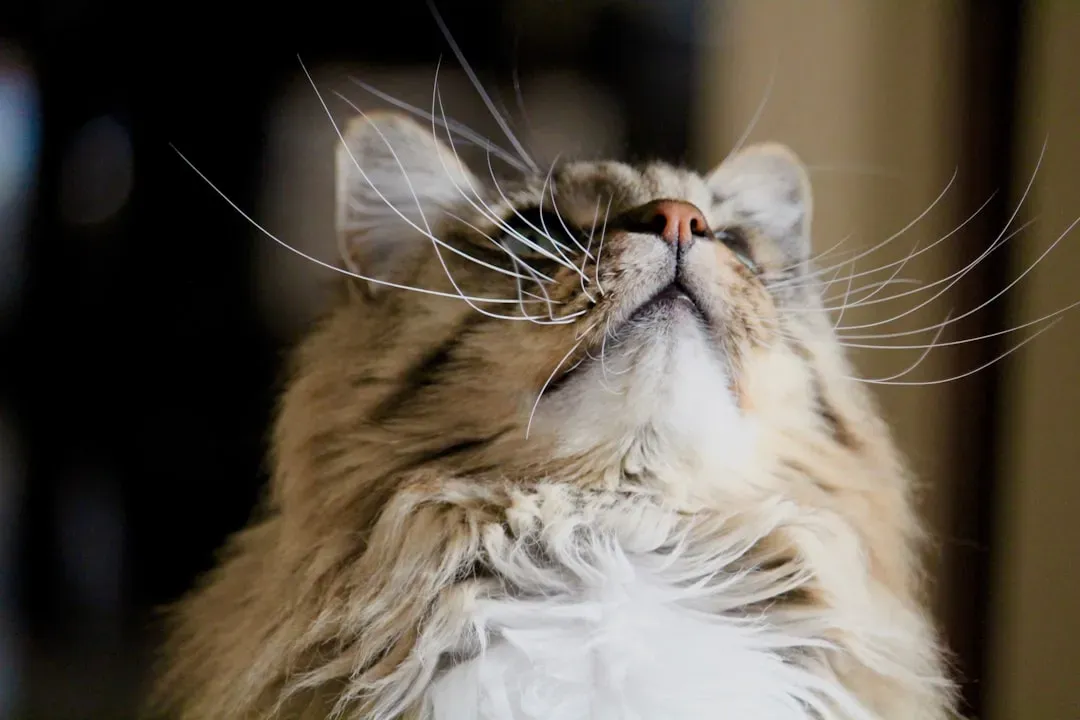
Cat whiskers represent one of nature’s most sophisticated sensory systems, consisting of specialized hairs that grow from follicles densely packed with nerve endings and blood vessels. Unlike regular fur, these tactile hairs called vibrissae possess unique structural properties that make them incredibly sensitive to even the slightest environmental changes. This is not decorative anatomy. It’s a finely engineered detection system.
Each whisker follicle contains between 100 and 200 nerve fibers, compared to regular hair follicles that contain only 2 to 3 nerves. This massive neural network connects directly to the brain’s sensory processing centers, creating an instant communication pathway that provides detailed environmental information. Beyond direct contact, whiskers are finely tuned to detect minute shifts in air pressure and currents. A cat’s movement stirs the air, and when that air bounces off a nearby object, the whiskers detect the resulting vibrations, allowing the cat to sense the presence, size, and proximity of obstacles before physically touching them.
Hearing the Future: A Cat’s Extraordinary Auditory Range
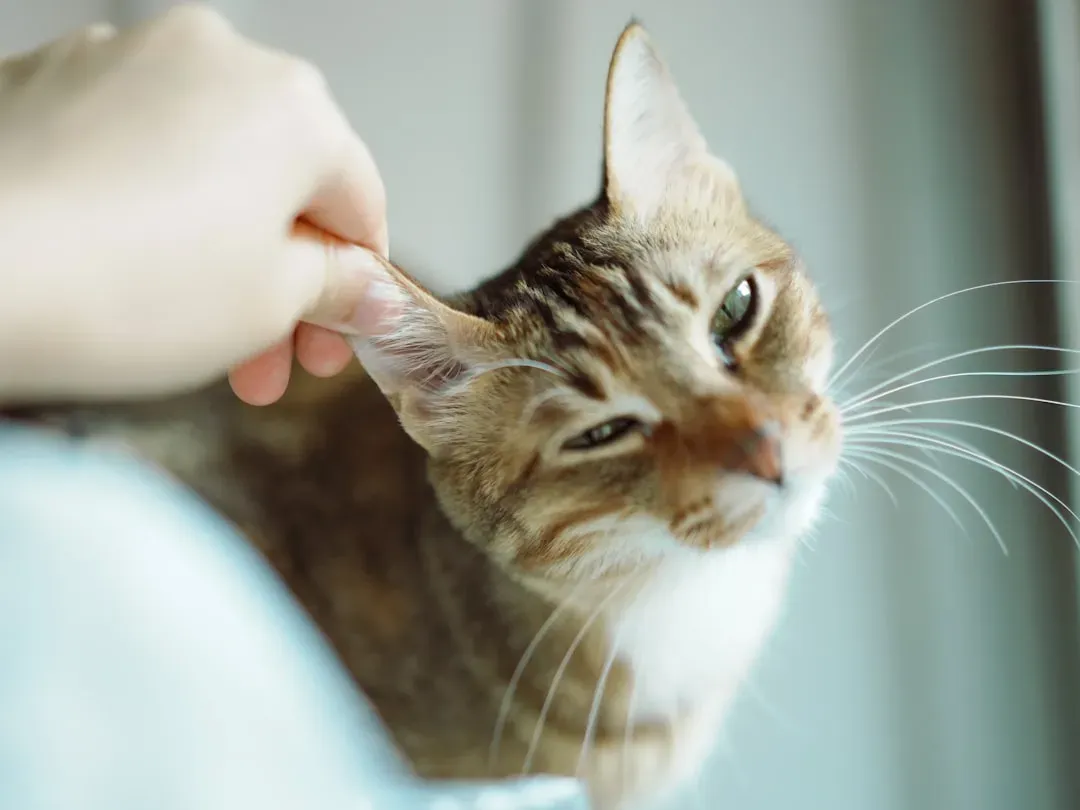
Cats can hear a wider range of frequencies than humans. While humans can hear sounds between 20 Hz and 20,000 Hz, cats can hear frequencies from 48 Hz to 85,000 Hz. This means cats can detect high-pitched sounds, such as a mouse squeaking or a distant ringing sound, that humans simply cannot hear. That kind of range opens up a completely different acoustic world.
A cat’s whiskers are sensitive enough to detect changes in air currents while hunting fast-moving prey, so picking up the subtle shifts in airflow that precede a weather front is well within their capability. Cats also hear frequencies far above the human range, which means they can detect distant thunder or the low-frequency vibrations of an approaching storm system before you hear a thing. When your cat disappears under the bed an hour before a storm hits, it’s already been listening to the storm for a while.
Reading the Barometer: How Cats Sense Incoming Storms
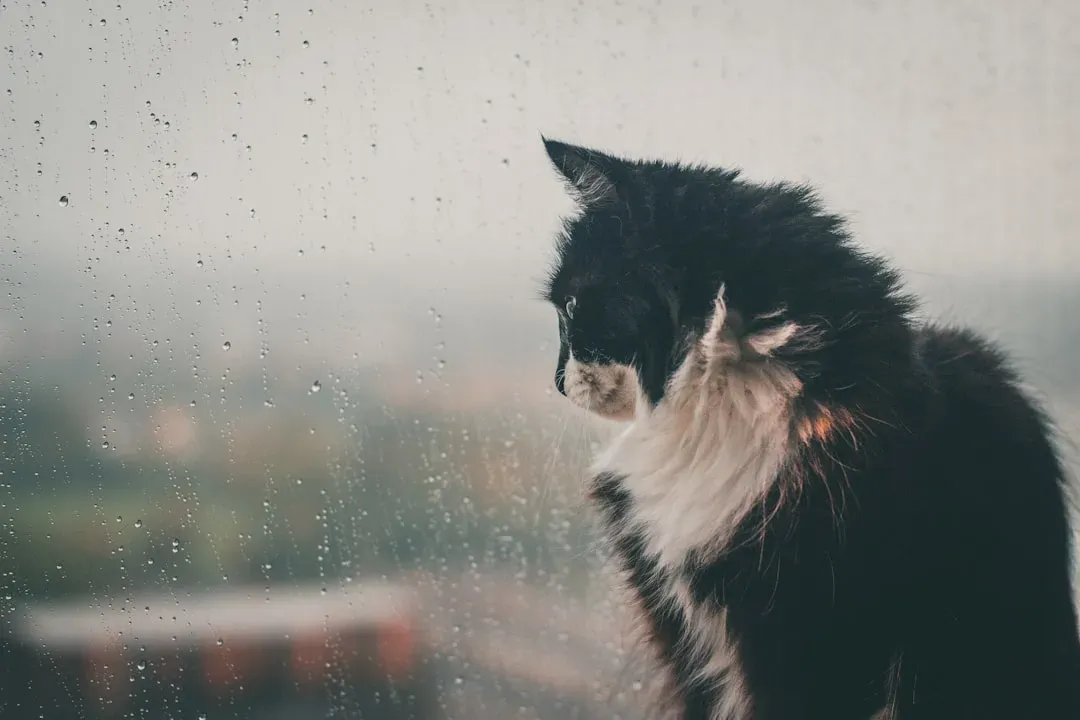
Cats can often sense approaching thunderstorms due to their sensitivity to changes in atmospheric pressure. As a storm brews, the drop in pressure, along with changes in humidity and a buildup of static electricity, can make them feel uneasy or anxious. They can also hear the distant rumble of thunder long before we do and may even sense static in the air.
The most likely explanation for weather sensing in cats involves the inner ear. A 2025 study published in Scientific Reports found that lowered barometric pressure activated specific sensory neurons in the vestibular system of mice. The neurons in the inferior vestibular ganglion, which connects to structures responsible for balance and spatial orientation, fired significantly more in animals exposed to dropping pressure compared to controls. You can reasonably expect that similar mechanisms are at work in cats, given their comparable physiology.
Detecting Earthquakes Before You Feel Them

The leading theory is that cats feel the smaller preliminary vibrations, called P-waves, that travel through the ground before the larger, destructive waves arrive. Their paws are in direct contact with the floor, and their low body weight makes them more sensitive to faint tremors than a heavier animal or a standing human would be.
While we can’t say for certain if or how cats know an earthquake is coming, the hearing range of a cat is around 45 to 64,000 Hz, compared to 64 to 23,000 in humans, meaning they can detect both higher and lower frequencies, like the low rumble of earth moving over shifting tectonic plates. The delicate skin of feline toe pads is packed with nerve endings, making them extra sensitive to textures, movements, and vibrations, so they may be able to detect micromovements in the earth before we can. Whether cats can predict a quake days in advance remains scientifically contested, but their ability to register the earliest waves is well within biological reason.
Sensing Illness and Physical Change in the People Around Them
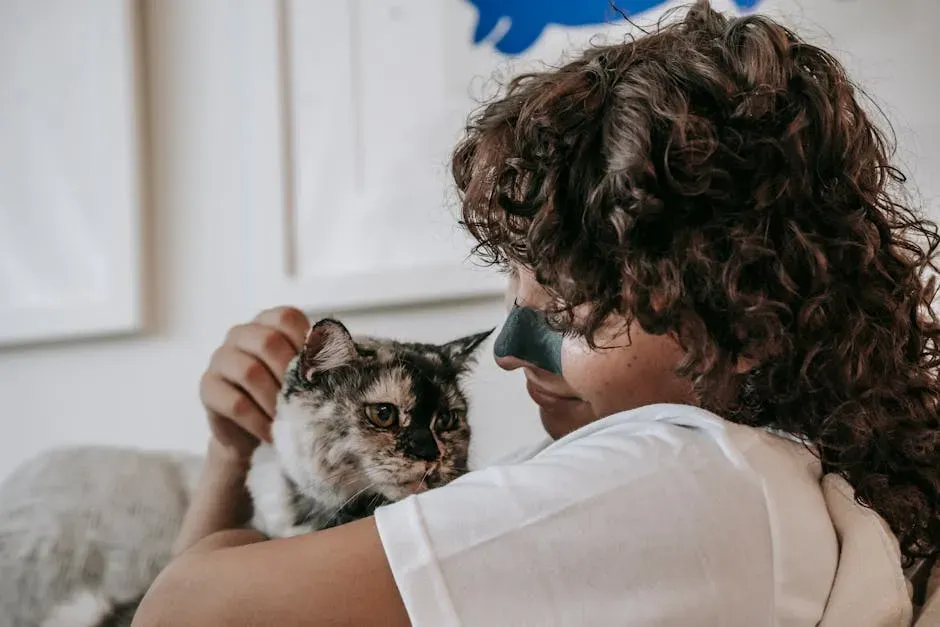
One of the most famous examples involved Oscar, a cat residing in a New England nursing home, who accurately foresaw the deaths of more than two dozen residents. Staff observed that he would curl up next to patients hours before they passed away, offering quiet companionship. This behavior repeated consistently enough to alert caregivers. Experts attributed Oscar’s precision not to mysticism but to his keen detection of chemical shifts in the body as vital functions declined.
During pregnancy, a woman’s body undergoes significant hormonal changes that alter her natural scent. While there’s no hard scientific evidence that cats can directly smell pregnancy hormones like hCG, their enhanced olfactory capabilities allow them to detect subtle changes in their owner’s body chemistry and pheromone production that occur during early pregnancy. These hormonal shifts create new scent profiles that cats can easily identify, even when humans remain completely unaware of these changes.
Reading Your Emotions Through Scent, Sound, and Body Language
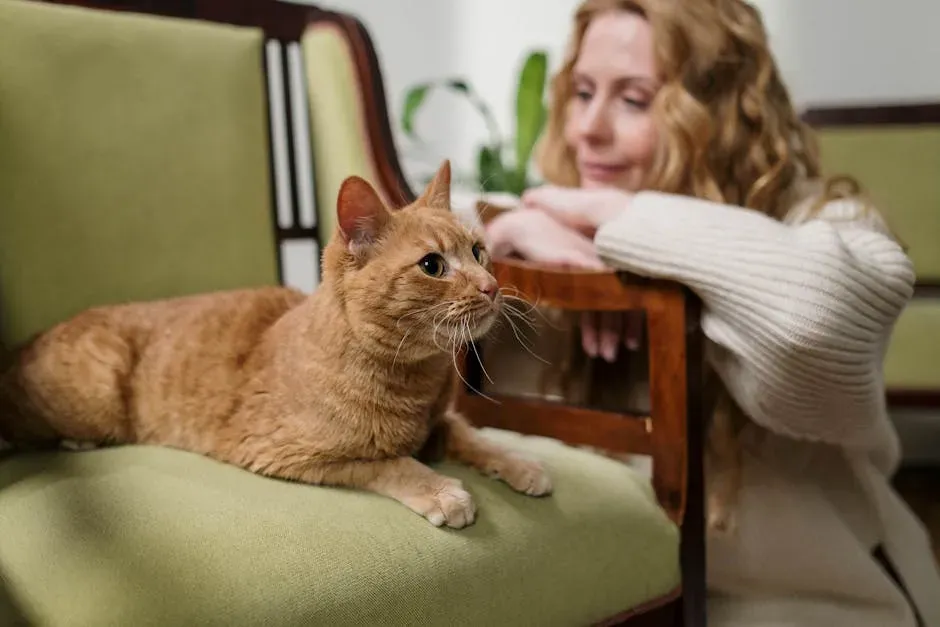
Cats communicate through a complex system of pheromones, chemical substances that convey information about an individual’s emotional and physiological state. These pheromones play a crucial role in feline social dynamics, helping cats establish territories and identify other cats. Some experts believe that cats may be able to detect changes in human pheromones associated with stress, fear, or other negative emotions. In a household where tension or stress is prevalent, cats might pick up on these subtle chemical signals and alter their behavior accordingly.
Your tone of voice gives away a lot about how you’re feeling, and cats can pick up on these subtle changes in vocal cues and may adjust their behavior accordingly. Cats are observant creatures and can pick up on changes in body postures, which may cause them to adjust their behavior accordingly. Your cat may come and sit with you when you are sad, run off and hide away when you are angry, or follow you around if she senses something is wrong. The combined picture is of an animal doing continuous, unconscious social monitoring of everyone in the household.
The Bond Between Cat and Owner Amplifies Everything

The bond between you and your cat might also explain parts of their intuition, especially when it comes to their ability to pick up on moods and illness. Cats who are close with their owners are more likely to know their routines, habits, and body language. This ability to understand how you’re feeling and know when things deviate from the norm might appear like amazing intuition or a sixth sense.
Studies from the University of Kyoto have confirmed that cats form strong emotional bonds with their owners and can distinguish their voices from those of strangers. This deep connection enables cats to respond to their owners’ emotional states with remarkable accuracy. When humans experience stress, anxiety, or depression, their cats often display empathetic behaviors such as increased physical proximity and purring, which can have therapeutic effects on both parties. The longer you live with your cat, the more calibrated that sensitivity becomes. It’s not magic. It’s intimacy reinforced by biology.
Conclusion: Extraordinary Senses, Not Supernatural Powers
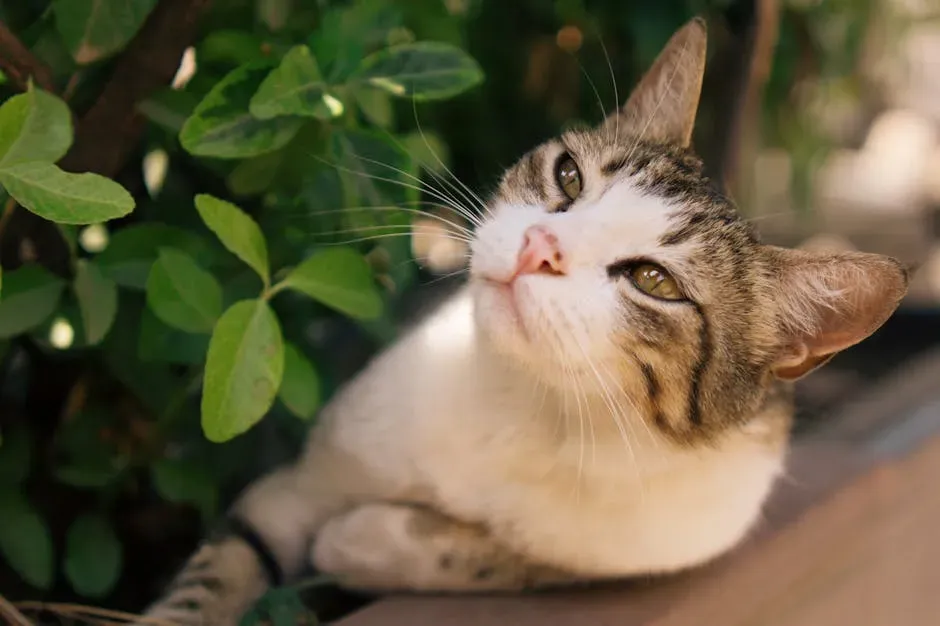
While cats may not possess a sixth sense in the mystical sense, their extraordinary sensory abilities often give them the appearance of having one. Their keen sense of hearing, exceptional night vision, powerful sense of smell, and ability to sense vibrations all contribute to their seemingly supernatural behavior. These abilities, combined with their emotional sensitivity, make cats mysterious and captivating creatures.
What you observe when your cat acts strangely before a storm, a move, or a moment of personal crisis isn’t psychic ability. It’s the result of finely tuned biological systems doing exactly what they evolved to do, just operating on information you can’t access. While there is no concrete evidence to suggest that cats have a true sixth sense, there are many interesting stories from pet parents about their cats’ great intuition, paired with some possible explanations. Regardless of whether the sixth sense is real or not, some cats are clearly capable of sensing things that humans cannot, and those things just might be worth looking into. In the end, your cat doesn’t need to be mystical to be remarkable. The biology alone is more than enough.
Kristina is a young writer from India. An arts graduate and an avid content creator, Kristina is passionate about animals and wildlife. She enjoys exploring topics related to pet care, animal behavior, conservation, and nature, combining thorough research with engaging storytelling.