You’ve probably heard it at least once, maybe aimed at a friend, a relative, or even yourself. A woman gets a second cat, and suddenly the comments start. The label arrives almost automatically, carrying centuries of baggage in a single phrase. But if you stop and trace the story of the “crazy cat lady” from ancient temples to modern political flash points, something surprising becomes clear: the insult was never really about cats at all.
What you find when you dig into the history is a stereotype that served a very specific social purpose. It was designed to mock women who lived independently, who didn’t conform to the expected script of marriage and motherhood, and who found genuine joy in caring for animals. That’s not a character flaw. By most measures, it sounds like a perfectly reasonable way to live. And the science, the history, and the cultural conversation of the last few years all agree.
Where the Stereotype Actually Came From
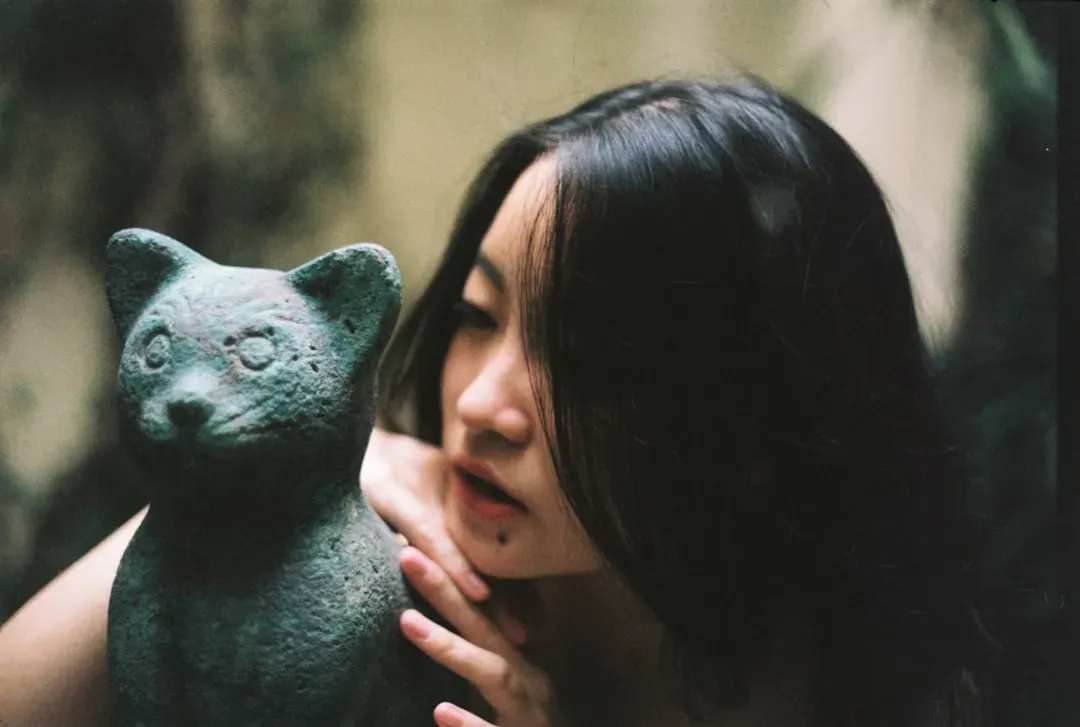
In ancient times, cats and feminine deities went hand in hand. Egypt’s half-cat, half-woman Bastet was the goddess of domesticity, childbirth, and women’s secrets, while the Chinese cat goddess Li Shou was a symbol of fertility, and in Norse mythology, the goddess Freya rode a chariot led by cats. This wasn’t a punchline. It was reverence.
During the Middle Ages, black cats were thought to be manifestations of the devil and were often linked with witches and witchcraft. This may be when the negative connotations around the “crazy cat lady” stereotype first began to take shape. The shift from sacred to suspicious was swift, deliberate, and driven largely by institutional power seeking to suppress anything that didn’t fit a narrow, obedient mold.
The Medieval Church and the War on Women Who Owned Cats
Cat lady stereotypes originated in medieval Europe, a time when any woman’s behavior that went against social norms was considered witchcraft. An Oxford University professor of English literature, Diane Purkiss, explained that during the witch trials, people began looking at the animals around them and the owners of those animals with deep suspicion. Keeping a cat, it turned out, could be enough to put your life at risk.
Women who tried to leave the church or followed a different religious belief were labelled as witches and often killed. These women were typically poor, single, widowed, or elderly, which meant they were unprotected by society and essentially powerless. If a woman was content with singlehood and owned a cat, this caused great suspicion. How could a woman be happy without a husband and children? That question, asked with contempt centuries ago, still echoes today.
The 18th and 19th Century Spinster Myth
The spinster stereotype was born in the 18th century, and a woman who chose a cat, an animal that is arguably never entirely tamed, was to be suspected of being untameable herself. This was not subtle social commentary. It was a coordinated effort to shame women who did not marry into compliance.
Because single women of the time were so often viewed as a nuisance, without access to jobs and reliant on relatives for financial support, the cat lady became a figure of ridicule. As resentments toward these women grew, so did the popularity of the stereotype. Opponents of women’s suffrage also used images of cats to attack the movement in the 19th century. In anti-suffragist cartoons published in the US, men were portrayed as the homemakers tasked with caring for children and cats while their newly enfranchised wives emasculated them. Even back then, cats were political props.
How Pop Culture Kept the Trope Alive
The “crazy cat lady” often appears in films and TV shows as a woman grappling with mental health challenges, usually portrayed as isolated, a bit quirky, and always surrounded by cats. These character sketches, while fictional, continue to shape the cultural landscape, influencing perceptions and keeping the trope fresh in our collective memory. Think of Eleanor Abernathy on The Simpsons, or Angela on The Office, whose devotion to her cats was played relentlessly for laughs.
One particularly sharp element of the cat lady stereotype is the element of control embedded within it. Whether cat ladies are characterized as childless, lonely, or eccentric, the underlying message is about what marks a successful woman versus an unsuccessful one. As Professor Purkiss notes, all three versions of the cat lady are seen, by those using the stereotype, as failures. The judgment isn’t really about the cats. It never was.
The Political Flashpoint That Changed the Conversation
In a 2021 interview on Fox & Friends, then-senator and future vice president JD Vance called the leadership of the country “a bunch of childless cat ladies who are miserable at their own lives.” He later received significant negative reaction for the comment. The backlash was swift and, for many cat owners, galvanizing.
Pop superstar Taylor Swift topped Yale University’s 2024 list of most notable quotes by signing an Instagram post as “Taylor Swift Childless Cat Lady” while endorsing Kamala Harris for president. Data subsequently showed that childless cat ladies are, in fact, much like everyone else demographically. They’re largely suburban, most have at least some college education, and their income distribution is fairly normal. The data quietly dismantled the caricature.
What Science Actually Says About Cat Owners and Mental Health
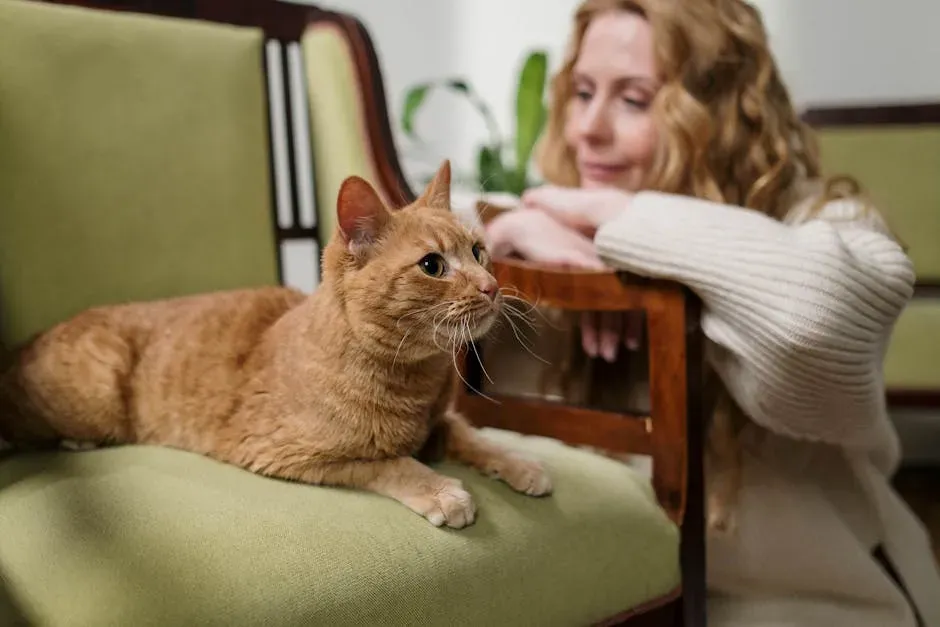
The idea that cat companionship is a sign of poor mental health is patently false. The Mental Health Foundation says that pets are highly effective at relieving stress and anxiety, and other research has shown that cat owners have significantly lower risks of both stroke and heart attack. These aren’t fringe findings. They’re consistent across multiple bodies of research.
According to one Australian study, cat owners do have better psychological health than people without pets. On questionnaires, they claim to feel happier, more confident, and less nervous, and to sleep, focus, and face problems in their lives more effectively. Cat owners were more likely than dog owners to say their pets offer companionship, provide a calming presence, and help reduce stress and anxiety. That’s a meaningful distinction worth sitting with.
The Healing Power of a Purr Is Real
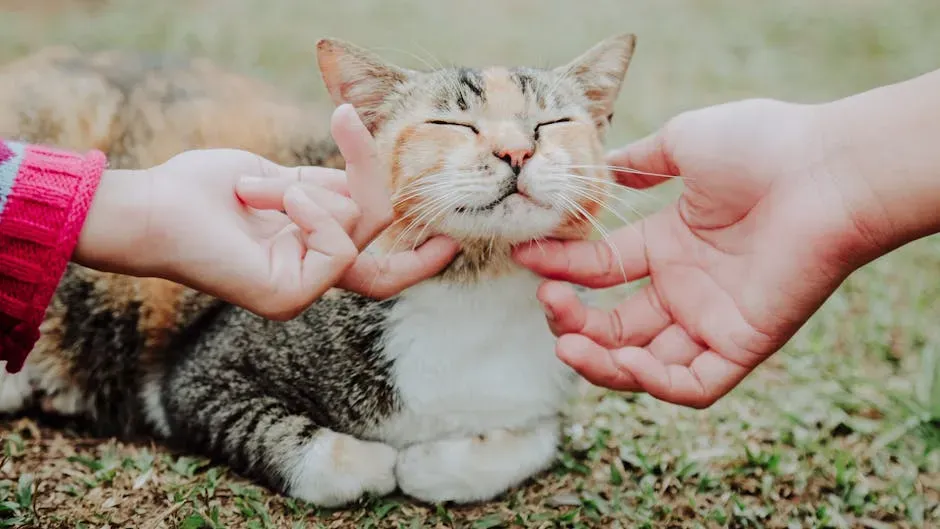
Studies have confirmed that purring falls between 25 and 240 Hz, which happens to be the frequency range known to speed up the healing process of wounds, broken bones, and tendon and joint injuries. Some people report that their cat’s purring aids in relieving migraines. Purring also causes the release of endorphins in cats and may do the same for humans, with endorphins lowering stress and blood pressure.
Interacting with cats triggers the release of hormones in humans such as serotonin, dopamine, and oxytocin. These are associated with positive feelings, and oxytocin in particular has been recognized for its role in bonding and stress relief, as well as physiological effects such as decreased heart rate and slowed breathing. Additionally, cortisol decreases when people spend time with cats. Your body, in other words, responds to your cat in measurably good ways.
Famous Women Who Wore the Title With Pride
Florence Nightingale, the founder of modern nursing, reportedly kept more than 60 cats during her lifetime and often spoke about how animals brought comfort and emotional healing. Her affection for cats reflected a deep appreciation for the emotional comfort animals provide, something modern pet owners still value today. Hardly a picture of someone unraveling at the seams.
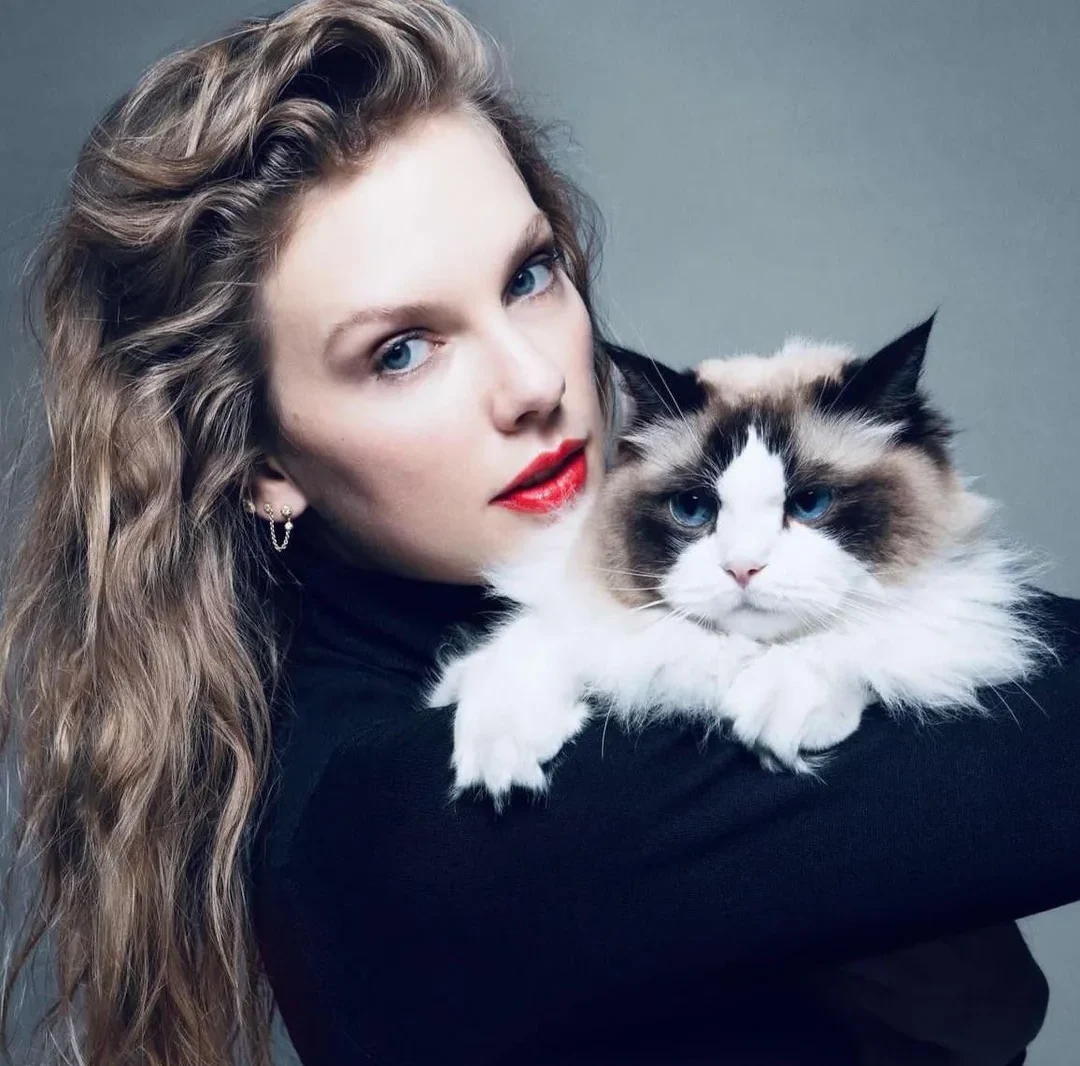
Celebrity Taylor Swift has referred to herself as a cat lady on multiple occasions, and in an Instagram post endorsing Democratic presidential candidate Kamala Harris in the 2024 United States presidential election, Swift signed the post off referring to herself as “Childless Cat Lady” in direct reference to Vance’s comment. Swift, one of the biggest celebrities in the world, has three adorable cats at home and is very much on top of her game. It’s hard to sell the “lonely and pathetic” narrative when the woman reclaiming the label is selling out stadiums.
Reclaiming the Label, One Cat at a Time
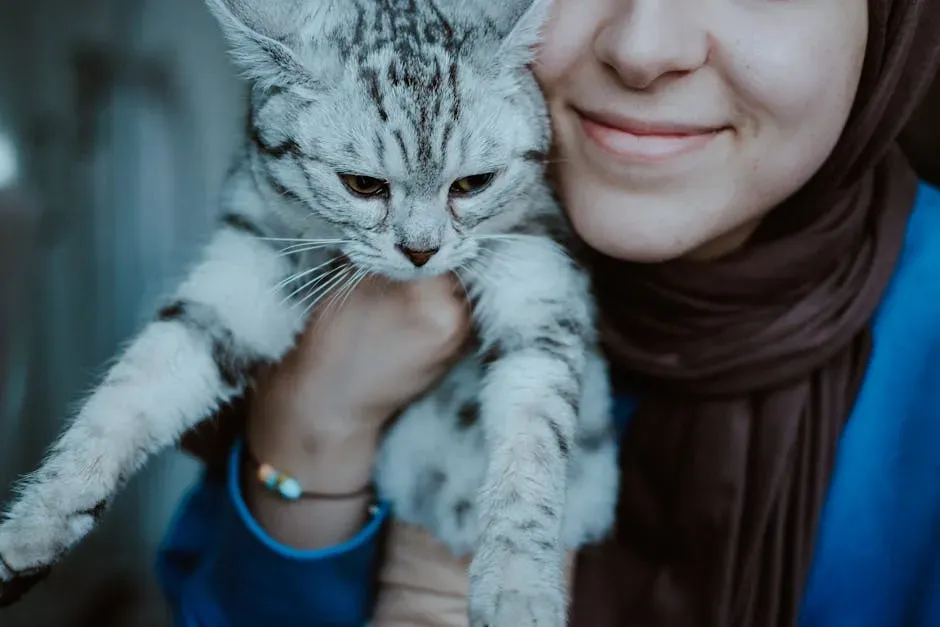
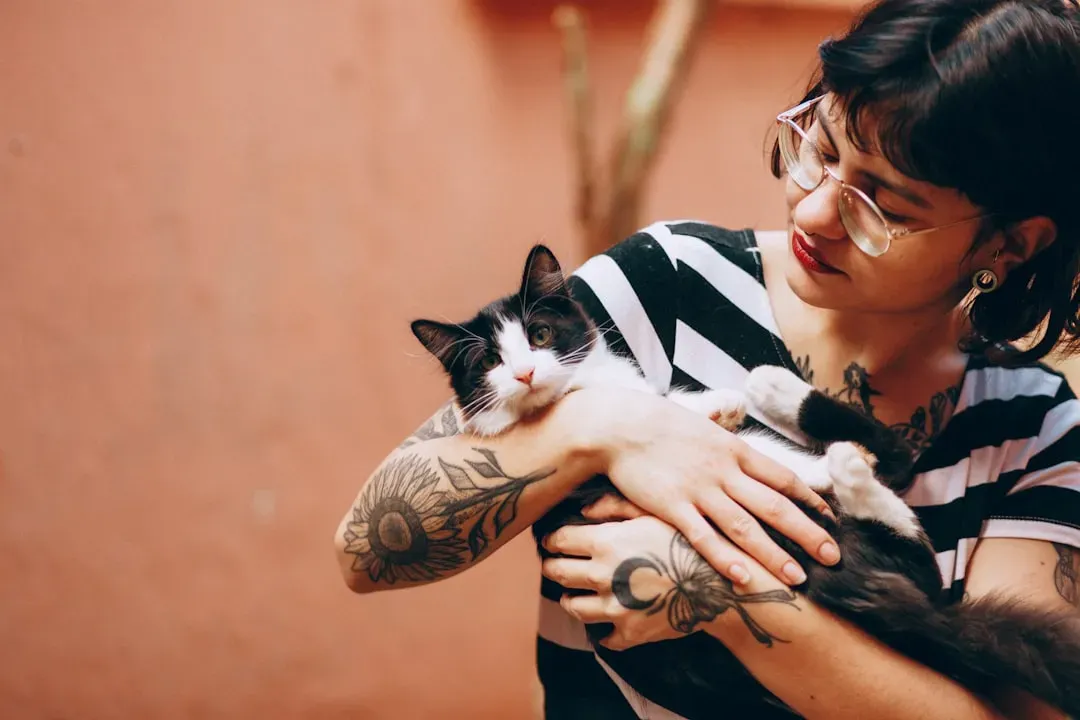
The cat lady label, which started as a stereotype, is evolving into a symbol of independence, confidence, and the unapologetic pursuit of happiness. Feminism teaches us to challenge the labels that society imposes, and by embracing the cat lady image, single women are pushing back against the pressure to conform, highlighting that fulfillment can come in many forms. In a world that constantly tries to define what women should be, feminist values encourage women to define themselves.
What connects every period of cat lady history has little to do with the animals themselves. Rather, it’s about a deep-rooted fear of feminine power and female autonomy. Fear of goddesses, fear of witches, fear of single women. All dressed up in mockery and disdain, in order to disincentivize other women from embracing their own power. Once you see it that clearly, the whole thing starts to feel less like an insult and more like an accidental compliment.
Conclusion
The “crazy cat lady” stereotype turns out to be one of the longest-running pieces of misdirection in cultural history. What was packaged as a joke at the expense of lonely, eccentric women was actually a reaction to something far more unsettling to the status quo: women who were independent, self-sufficient, and genuinely happy on their own terms.
The cats were never really the point. They were just an easy prop for a much older anxiety about women who didn’t need permission to live the way they chose. So if someone hands you that label, the most accurate response isn’t embarrassment. It’s a quiet acknowledgment that you’re in remarkable company, from ancient goddesses to nursing pioneers to pop stars who top Yale’s most notable quotes list. That’s not a stereotype to run from. That’s a lineage worth owning.
Kristina is a young writer from India. An arts graduate and an avid content creator, Kristina is passionate about animals and wildlife. She enjoys exploring topics related to pet care, animal behavior, conservation, and nature, combining thorough research with engaging storytelling.