Most people assume that a cat staring into space or sitting with its back turned has switched off mentally. The reality is almost the opposite. Your cat is constantly sending out signals, many of them subtle, all of them meaningful, and most of them completely missed by the humans sharing the same couch.
Cats can use a range of communication methods, including vocal, visual, tactile, and olfactory communication. The challenge isn’t that your cat has nothing to say. It’s that they’re speaking a language most of us never learned. Once you start to recognize the patterns, what looked like indifference begins to read as a very active, expressive inner life.
The Meow Was Made for You
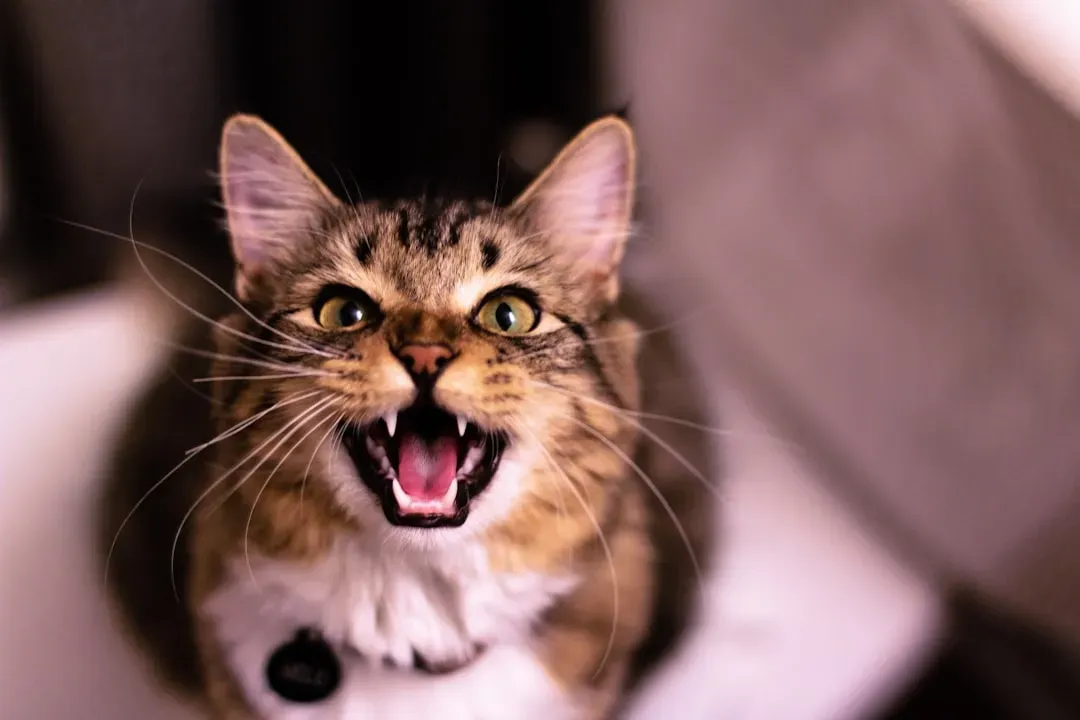
One of the most fascinating facts about the domestic cat’s meow is that it exists almost entirely because of you. Cats meow primarily to communicate with humans, not with each other. Kittens meow to tell their mothers they’re cold or hungry, but as they mature, cats almost entirely stop meowing at other cats. This isn’t random. It’s a deliberate, evolved strategy.
One leading theory suggests that cats learned to meow at humans because it worked. Throughout the domestication process, cats that vocalized more were likely to receive attention, food, and other forms of care. Over generations, this behavior became ingrained, creating a feedback loop where meowing was reinforced as a successful strategy. In short, your cat learned that you respond to sound in a way that other cats simply don’t.
Their meows are less threatening, as well as more high-pitched and kitten-like. People are more sensitive to this type of sound and also more likely to respond positively, such as by providing care, much like we do when an infant cries. So the next time your cat meows at you, know that this sound was essentially tailored for your ears specifically.
The Slow Blink Is Their Version of “I Love You”
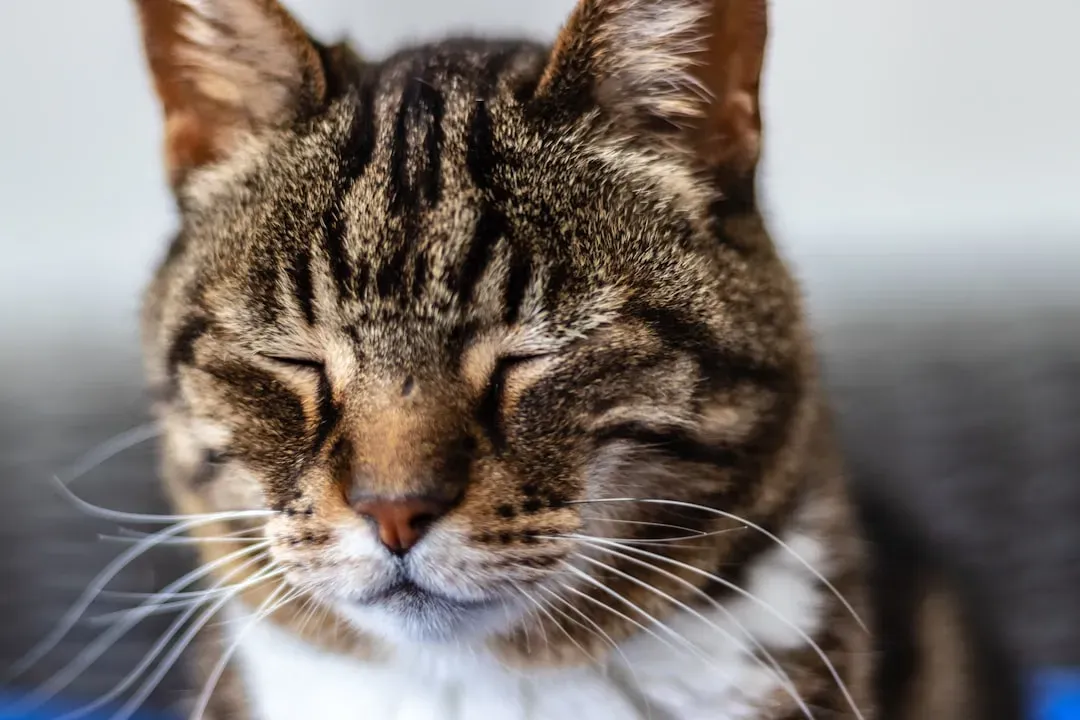
When a cat slow blinks at you, they are often expressing a sense of trust, contentment, and affection. In the feline world, closing their eyes in the presence of another creature makes them vulnerable, as they are unable to detect potential threats. That means the moment your cat drifts those eyelids shut in your presence, they’re doing something genuinely brave for a creature wired for survival.
Research has shown that slow blinking is not just an anecdotal behavior observed by cat owners but a scientifically supported form of communication. A study conducted by the University of Sussex found that cats are more likely to slow blink at their owners when their owners slow blink at them. Furthermore, cats were more likely to approach an experimenter who had slowly blinked at them compared to one who maintained a neutral expression. These findings support the idea that slow blinking serves as a form of positive emotional communication between cats and humans.
It should also be noted that while communicating through slow blinking requires attention and eye contact between humans and cats, direct eye contact in the form of a prolonged stare can be perceived negatively and as a threatening behavior by cats, so slow blinking needs to be used in a subtle, non-confrontational way. Try it yourself. Soft eyes, slow close, gentle open. You might be surprised at what comes back.
The Tail Tells You Everything
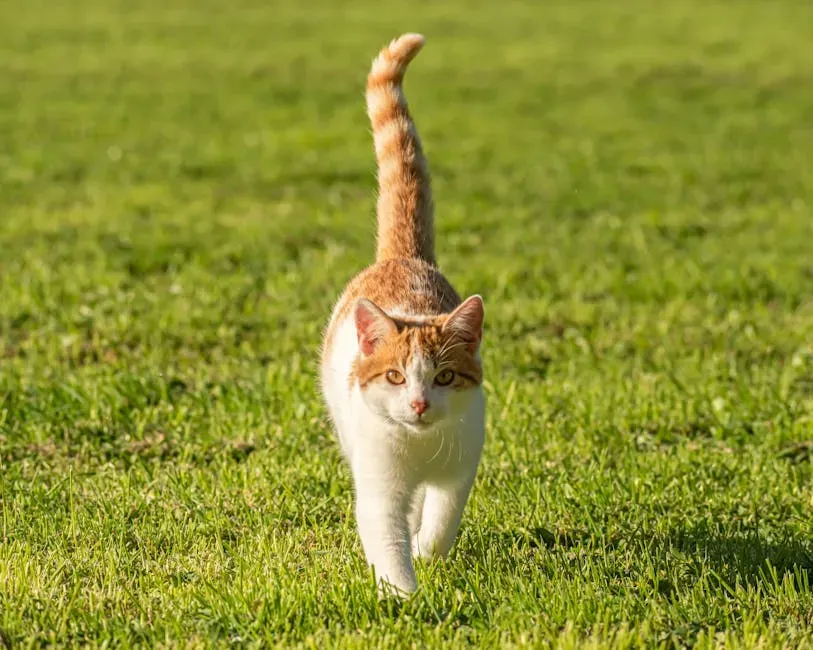
A cat’s tail is one of the most expressive parts of their body and an important communication tool. When a cat’s tail is upright, they are feeling social and confident, and are approaching in a friendly manner. This cat tail language indicates a friendly greeting between cats, and it’s how kittens greet their mothers. When your cat walks toward you with a tall, straight tail, that’s a greeting loaded with warmth.
A tail tucked between the back legs is often a sign that a cat is anxious or fearful, whereas a tail held out, moving slowly side-to-side across the body, may signal frustration. If you are petting your cat and they start thrashing their tail, they are trying to tell you to stop. If you don’t, then the thrashing tail may be a prelude to hissing, growling, swatting, or biting. That rapid lash is not a playful wag. It’s a firm request for space.
Just as we greet one another with handshakes or hugs, cats may greet by curling their tails around people and by intertwining their tails with other cats. Tail wrapping is an affiliative behavior that demonstrates a willingness to interact. Think of a tail curled around your ankle as the cat equivalent of a gentle arm around the shoulder.
Scent Marking: When Your Cat Claims You
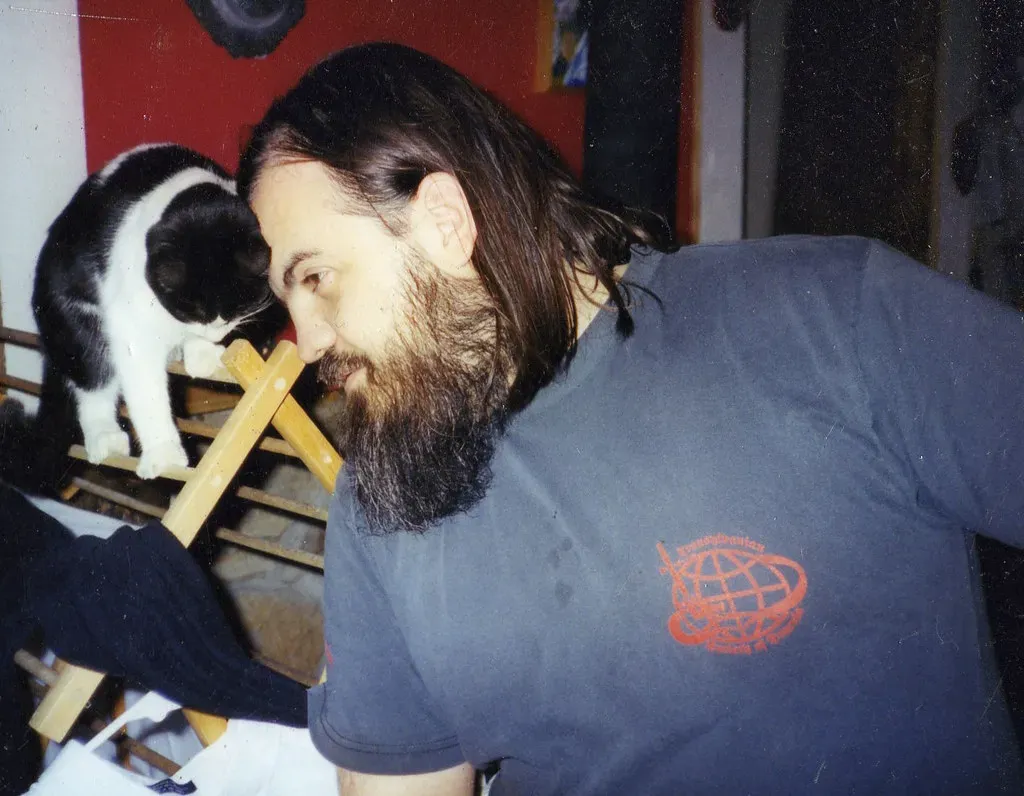
One of the most important ways cats share information with each other, and even with humans, is through scent. Unlike humans, who rely primarily on verbal and visual cues, cats use scent as a fundamental part of their social interactions. A cat’s sense of smell is far more powerful, with about 200 million scent receptors in its nose compared to our mere 5 million. This heightened ability allows them to detect and interpret an incredible range of odours, making scent one of their primary means of communication.
When your cat rubs around your legs to greet you, they are doing the same as they would in greeting another cat by mutual rubbing of the face and body. As they can’t easily reach your face, for convenience, they’ll use your legs. Afterwards, your cat will take themselves off to groom and check out your scent. Far from being ignored, you’ve just been formally recognized as part of the family.
Bunting refers to the behavior of a cat rubbing its head, cheeks, and body against a person, object, or another animal. This is a way for cats to deposit pheromones from specialized glands, marking their territory and creating a sense of familiarity and belonging. Consider it a compliment. Your cat isn’t just comfortable near you. They’re actively making you part of their safe world.
Ear Position Speaks Volumes
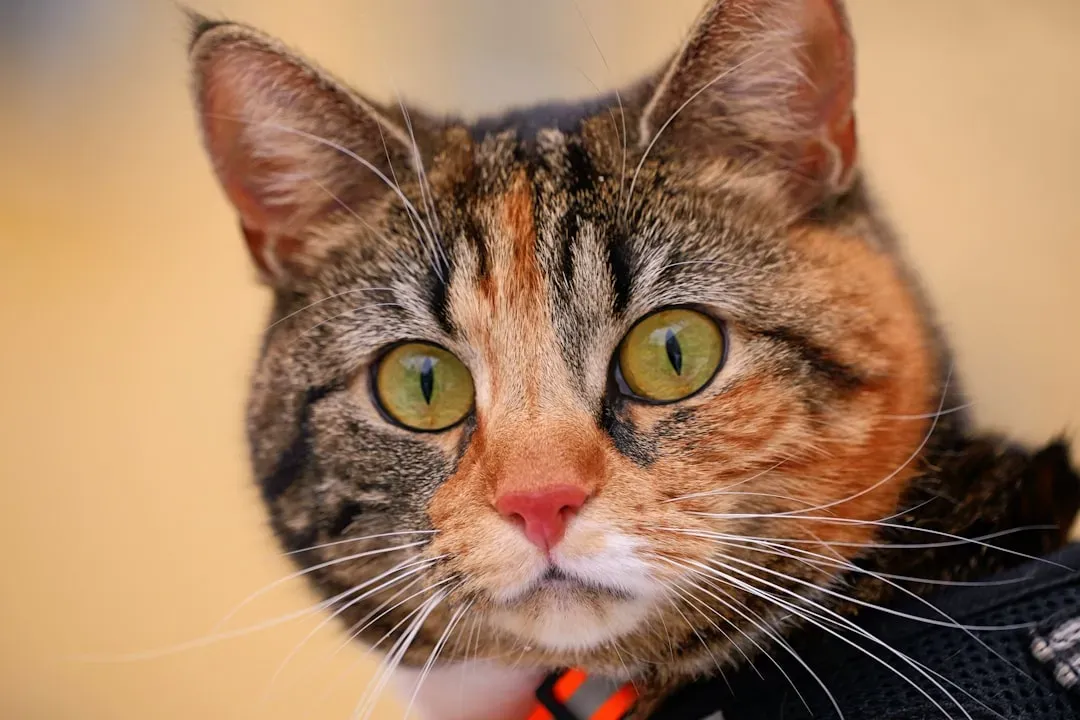
A cat’s ear position can give you a strong idea about how they’re feeling. Ears held naturally means the cat is relaxed, while ears pinned back mean the cat is afraid. When a cat’s ears are facing forward and close together, that means the cat is interested in something. These shifts can happen quickly and quietly, which is why most people miss them entirely.
Ears high on the head with the opening facing forward indicate a neutral, relaxed position, while ears turned out to the side or flat against the head can signify anxiety, fear, or aggression. The position of ears is an important visual signal and is part of the facial configuration in cats as well as in other domestic species such as dogs and horses. As interactions include face-to-face contact, it is not surprising that the relative positions of ears are predictive of the outcomes of interactions. Ear postures likely convey a continuum of motivation along the three principal dimensions of interactive behavior: affiliation, defense, and threat.
Kneading Is a Form of Deep Trust
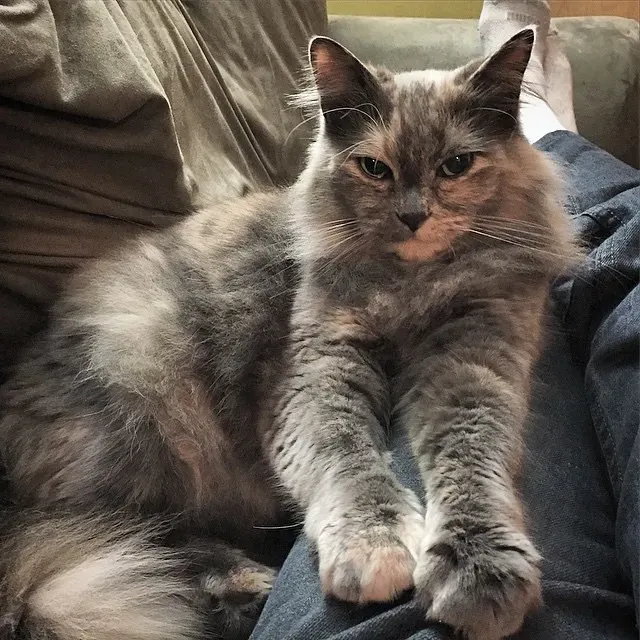
Since most of the preferred domestic traits are neotenous or juvenile traits that persist in adults, kneading may be a relic juvenile behavior retained in adult domestic cats. It may also stimulate the cat and make it feel good, similar to a human stretching. Kneading is often a precursor to sleeping, and many cats purr while kneading, usually taken to indicate contentment and affection.
Cats often prefer specific textures that remind them of their mother’s fur or that feel particularly good against their paw pads. Similarly, they may knead only on people they feel especially bonded with or comfortable around. The fact that your cat chooses to knead on you specifically says something real about how safe they feel in your presence.
Cat making biscuits is when cats knead on soft objects like a blanket or on their human’s lap to show contentment, love, and affection. They push one paw after another rhythmically, which resembles kneading dough, and hence the behavior is known as “cat making biscuits.” While it might not be the most comfortable experience for you, your cat is showing you love and affection by kneading on you.
Eye Dilation Reveals Their Inner State
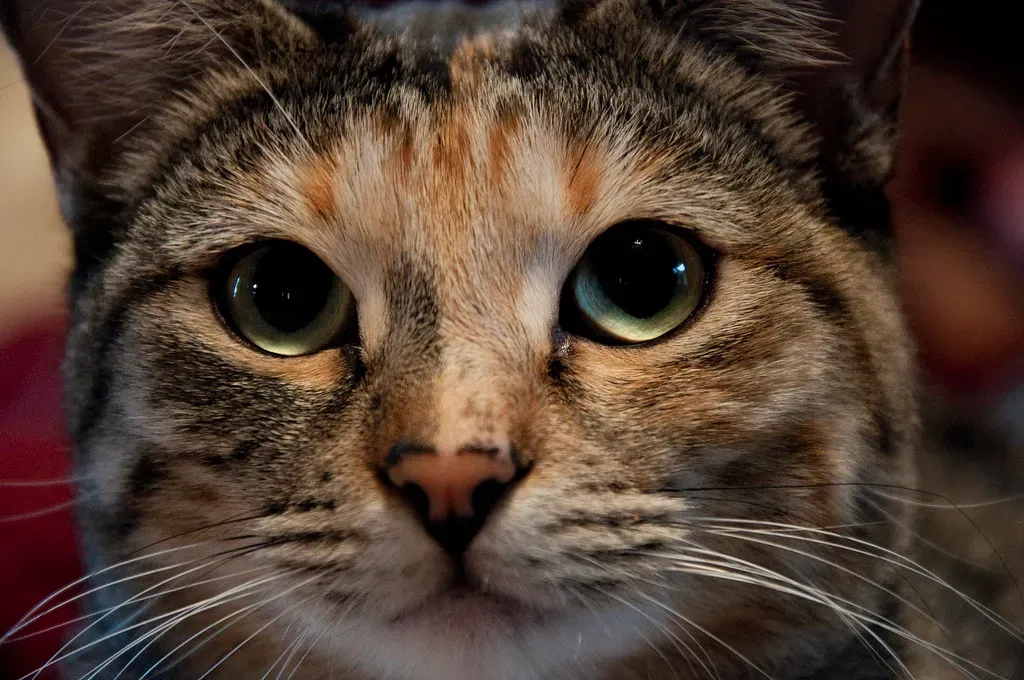
Like humans, cats’ eyes dilate and contract with the change of light. They also dilate and contract based on their mood. You may have noticed that your cat’s eyes dilate and are nice and big and round when they are playing with a toy or watching a bird. Those wide, round pupils in a play context are a sign of excitement and engagement, not fear.
Dilated pupils and staring can indicate a cat is aroused, asserting their dominance, or about to become aggressive, and pupils that are small slits can be signs of pleasure, excitement, fear, or anger. Context is everything here. Eye language can mean different things, so it’s always important to assess the whole cat, including eyes, ears, whiskers, body, and tail posture, to get a better understanding of what they are truly trying to tell you.
Purring Isn’t Always Happiness
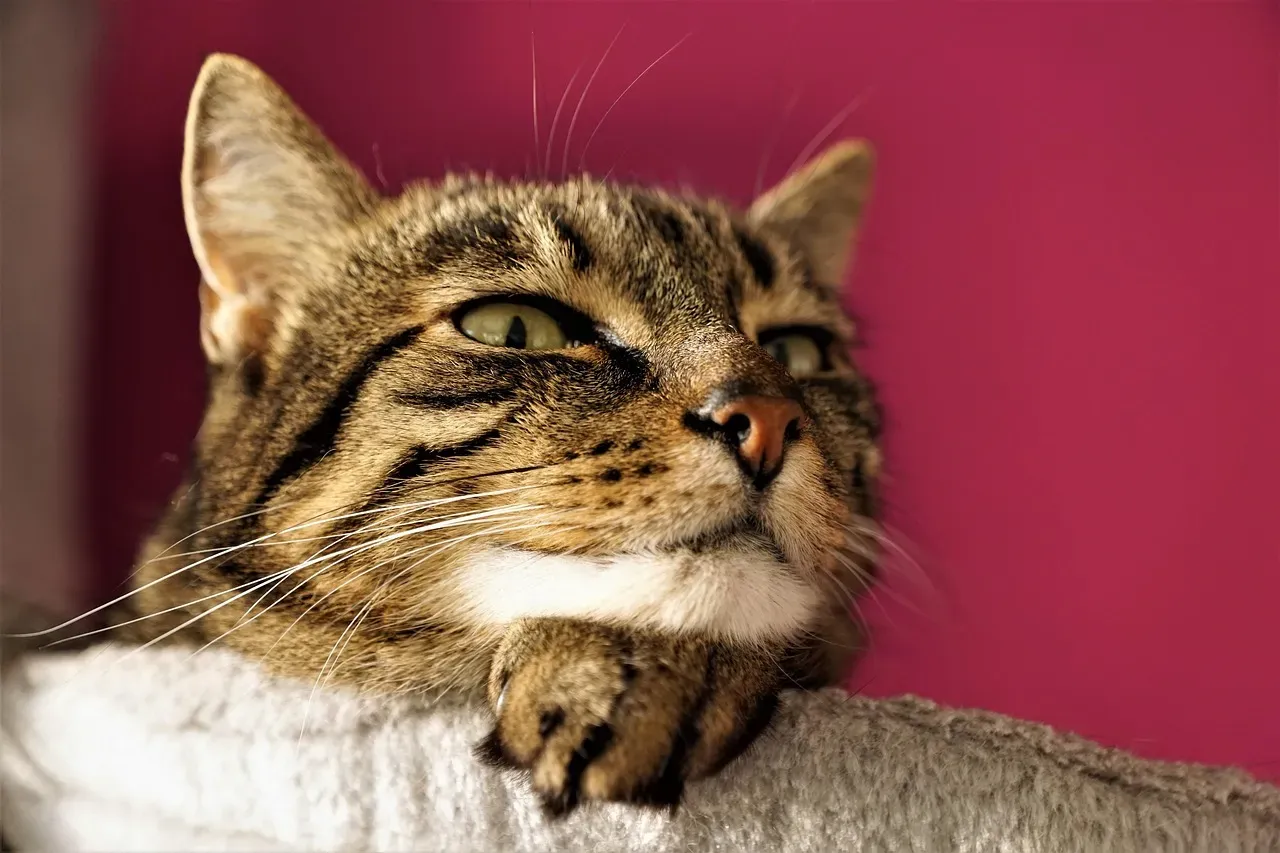
Purring is not just a way of communicating contentment, affection, and happiness, but it is also a self-soothing technique. So yes, a stressed cat might also purr. This surprises many cat owners who assume a purring cat is always a happy one. The sound can serve very different functions depending on the context.
Of course, purring does not exclude contentment, and if the cat is feeling good, its trusted human will notice this from the rest of their behavior. A cat purring softly while curled in your lap, with relaxed ears and a still tail, is almost certainly comfortable. A cat purring alone in a corner after a stressful event is likely self-soothing through discomfort. Reading the whole picture, not just the sound, is what separates fluency from guesswork.
Belly Exposure Is Trust, Not an Invitation
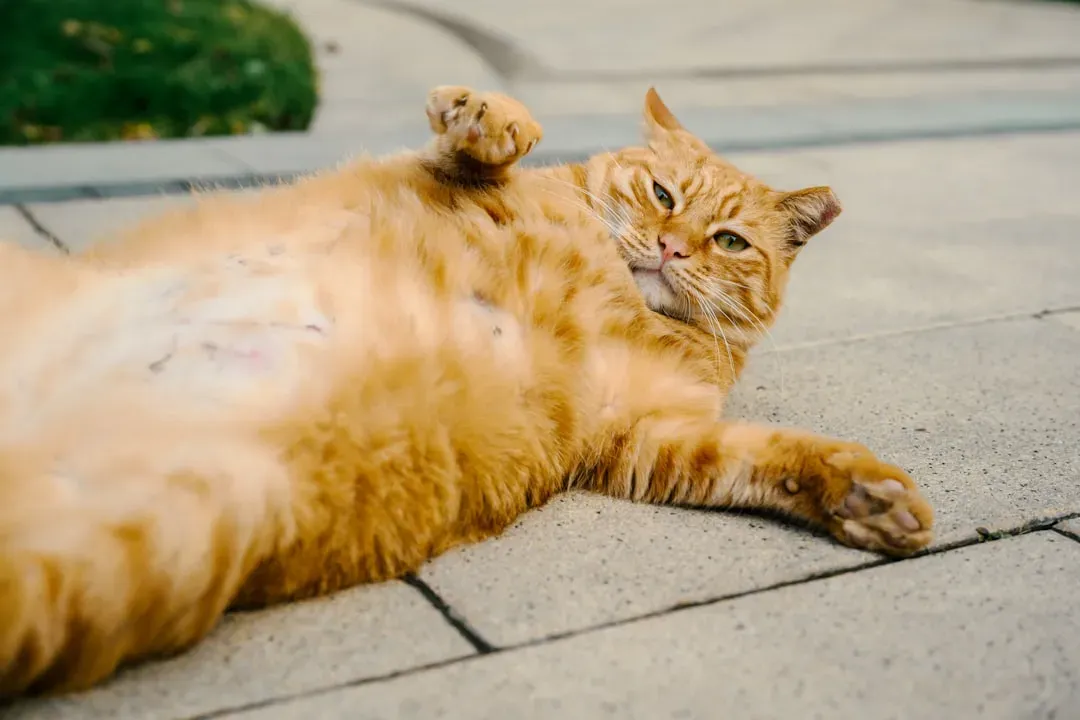
When a cat lies on its back with its belly exposed, this can be taken as a sign of trust. Because it feels safe, it also feels able to adopt this vulnerable position. It’s genuinely meaningful when a cat rolls over and shows you their underside. In the wild, exposing the belly is a significant risk. Your cat is telling you they believe you won’t take advantage of it.
Be cautious of the “Venus Cat Trap” though. When a cat exposes their belly, it’s a sign of trust but not necessarily an invitation for belly rubs. You might notice your cat roll over, exposing its belly as if begging you to scratch it, however, when you go to pet it, she may wince or become disgruntled at your actions. When some cats feel threatened or potentially cornered, they may stretch out to appear larger and more threatening as a defense. However, many cats will also do this same pose when they’re feeling happy and relaxed. Respecting this distinction is part of learning to truly hear your cat.
Conclusion: Learning to Listen Without Words

Your cat has never been silent. They’ve been fluent all along, working through a system of tail angles, eye movements, scent deposits, and carefully placed sounds built over thousands of years of living alongside humans. When a cat lives with a human, it very quickly learns to read their mood at any given moment from their body language, the sound of their voice, and eye contact with them. Your cat is already doing the work of understanding you.
While the different means of feline communication are a good starting point and guideline to begin with and watch out for in your feline, you will need to be sure to use context along with putting all the signals together to best understand your cat. No single gesture tells the whole story. It’s the combination, the ears alongside the tail, the eyes alongside the posture, that gives you the full sentence.
The more you watch without rushing to interpret, the more the language reveals itself. Your cat isn’t giving you the cold shoulder. They’re waiting, patiently, for you to learn to read them back.
Kristina is a young writer from India. An arts graduate and an avid content creator, Kristina is passionate about animals and wildlife. She enjoys exploring topics related to pet care, animal behavior, conservation, and nature, combining thorough research with engaging storytelling.