Most people assume that when a cat meows, that’s the conversation. The truth is far richer than that. Your cat is speaking to you constantly, through the angle of their ears, the curve of their tail, and the weight of a slow blink. Words are just a fraction of the story.
All felines use body language to share their emotions with us and other animals. Everything from their ears, eyes, and whiskers to their toes and the very tips of their tails gives you clues as to what your cat thinks of you and the world around them. Once you start reading these signals properly, your whole relationship with your cat can shift.
The Slow Blink: Your Cat’s Version of “I Love You”
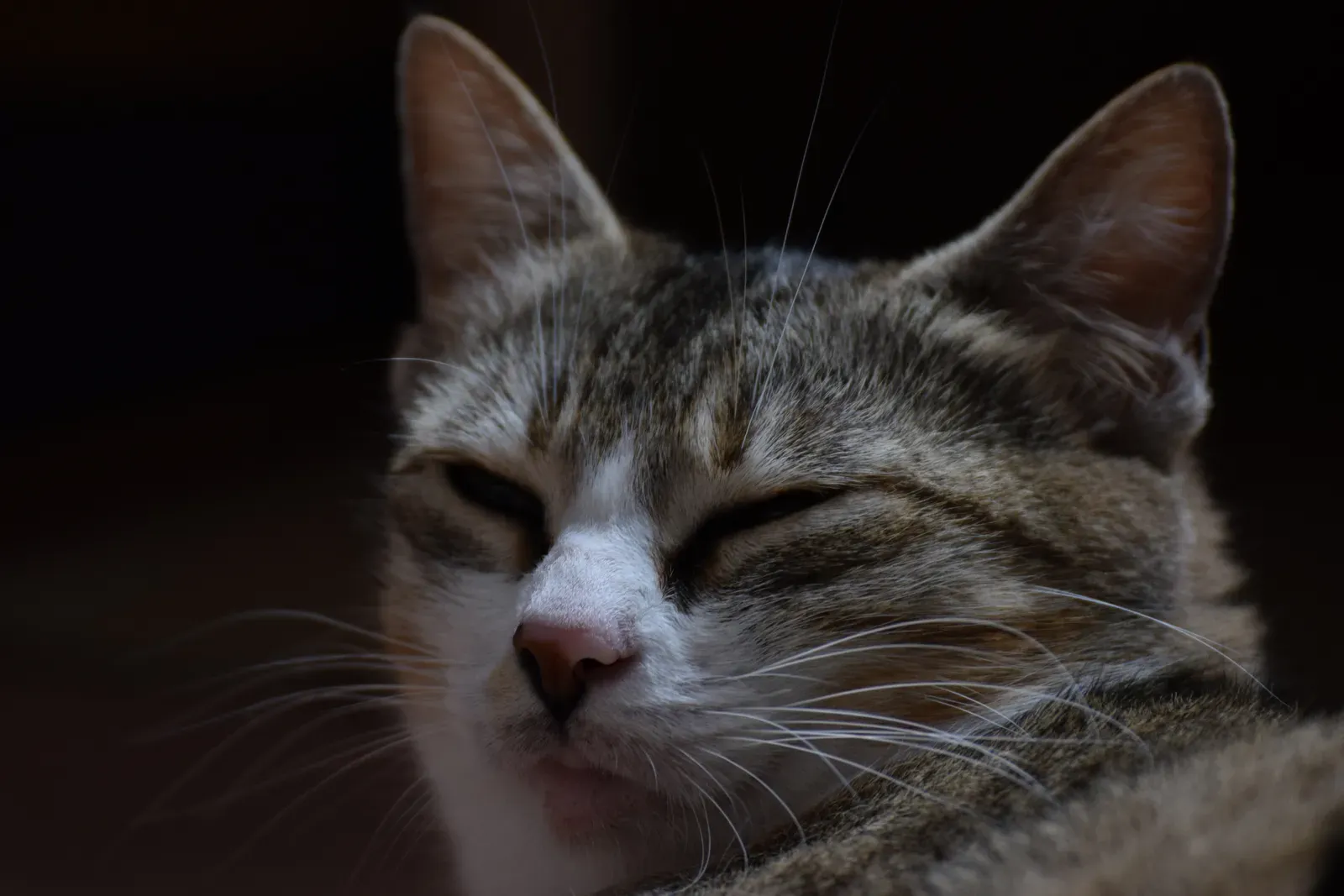
If your cat ever looks at you and closes their eyes in a long, lazy blink, they’re not being dismissive. If a cat blinks slowly at you, it means they trust and love you. You can blink slowly back to show them that you love them too. It’s one of the most direct expressions of affection in the feline world, and most people completely miss it.
Your cat may blink slowly to show trust and affection. Studies suggest that this behavior releases oxytocin, a hormone associated with bonding. So the next time your cat offers you a slow blink across the room, consider it a genuine gesture of closeness and return it in kind.
The High Tail Greeting: They’re Actually Happy to See You
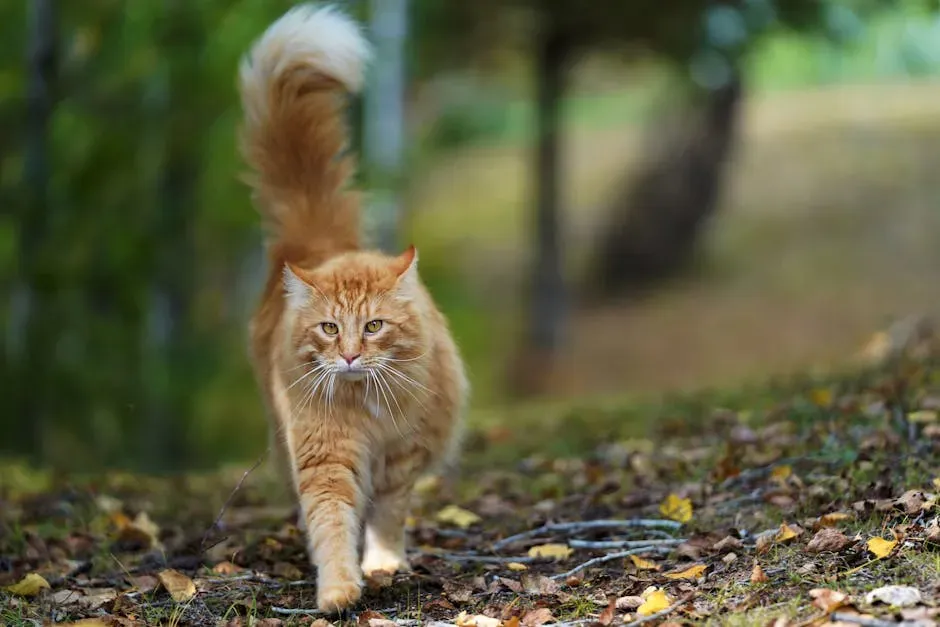
One of the most reliable signs of a confident cat is a tail that’s lifted vertically, high in the air. Most of the time, this tail position indicates that the cat feels comfortable and open to interaction. When your cat walks toward you with their tail straight up, that’s not just a neutral approach. It’s a warm hello.
When greeting their owners, cats often hold their tails straight up with a quivering motion that indicates extreme happiness. That subtle vibration at the base of the tail is easy to miss, but it’s one of the most enthusiastic signals your cat has in their repertoire. Think of it as their version of a wagging dog tail.
Head Bunting: Claiming You as Their Own (In the Best Way)
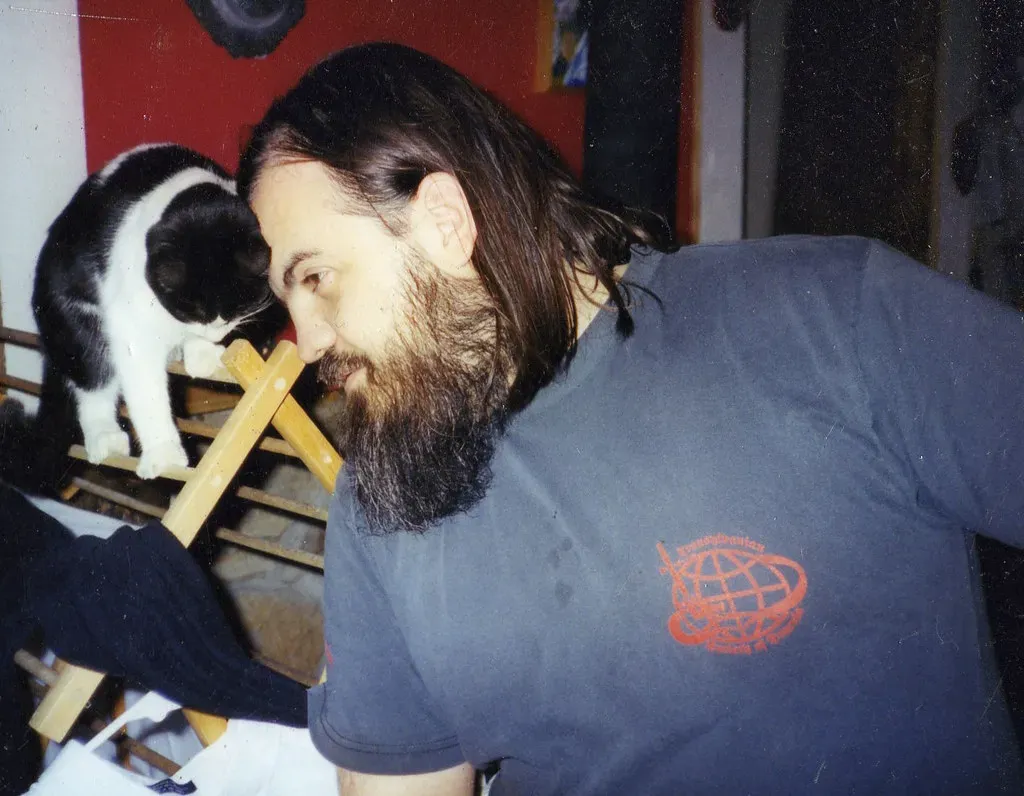
Cats sometimes “head-bump” humans or other cats with the front part of the head, an action referred to as “bunting.” This communication has an olfactory component as there are scent glands in this area of the body. When your cat presses their forehead into your chin or cheek, it isn’t random. They’re intentionally marking you.
Head butts and chin rubbing are clear signs that your cat loves you because cats have scent glands in their faces that allow them to claim friends and objects as their own. It might look like a small gesture, but it carries a big message: you belong to them, and they’re proud of that fact.
Kneading: A Habit That Goes Back to Kittenhood
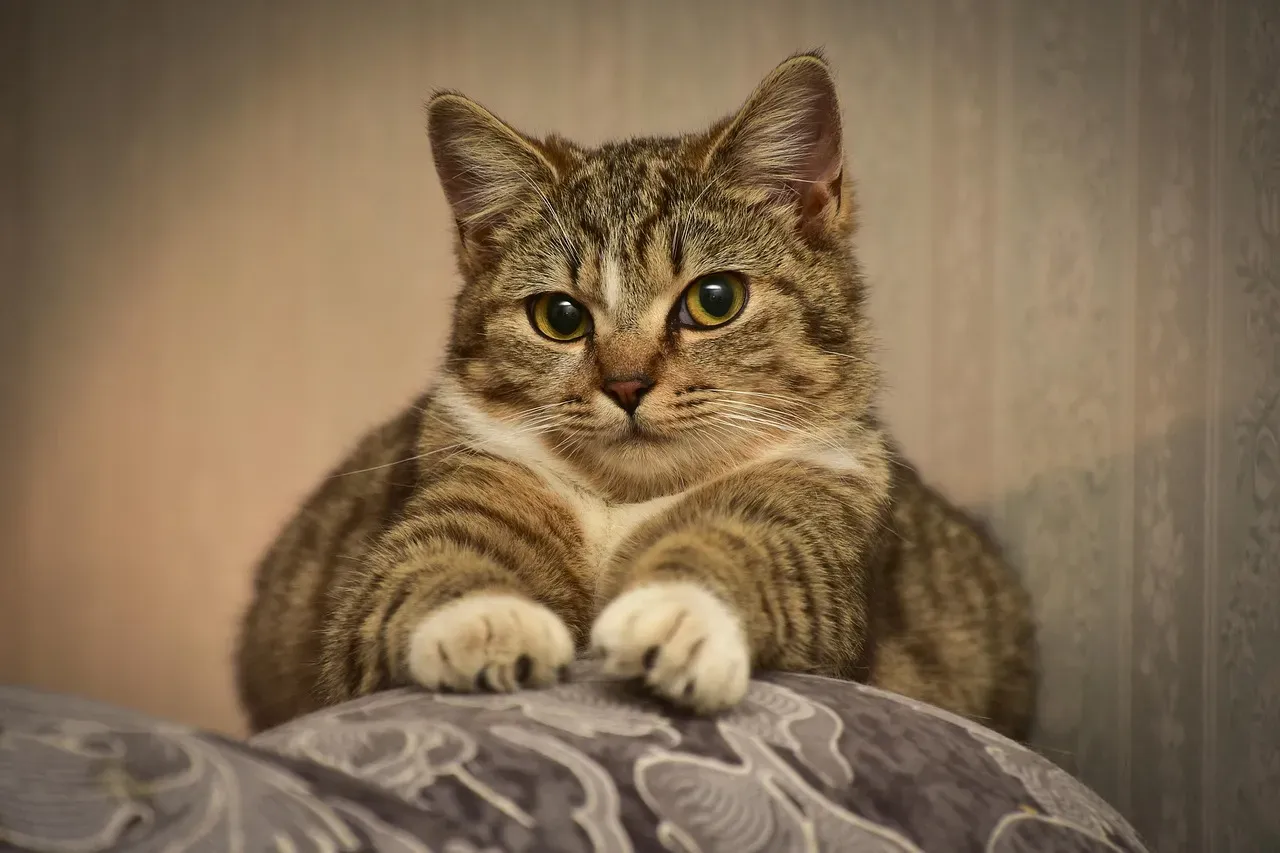
When your cat is spending some time cuddling on your lap, you might notice them kneading (aka “making biscuits”), a sign of enjoyment because it mimics feeding behavior in nursing kittens. It seems a little odd when you think about it. A fully grown cat, rhythmically pushing their paws into your thigh, completely absorbed in the motion.
Kneading, often called “making biscuits,” signals comfort and contentment. When your cat kneads on you specifically, it suggests they feel completely safe in your presence. Some cats only ever knead on their most trusted person. If that’s you, take it as a real compliment.
Whisker Position: The Mood Indicator You’re Probably Ignoring
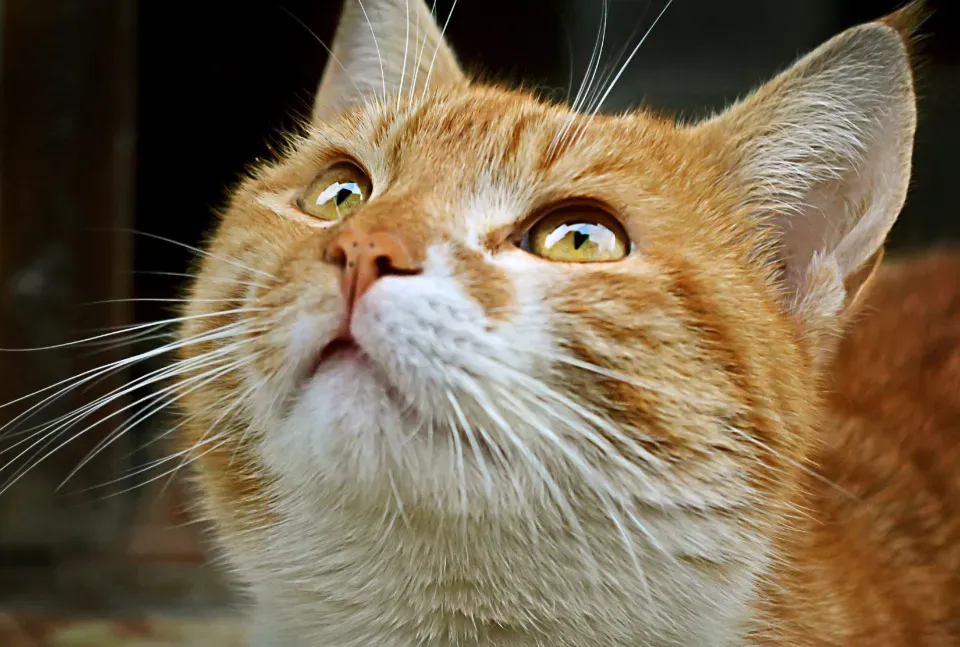
Whiskers are essential sensory organs for cats, providing valuable information about their environment. When a cat feels relaxed, their whiskers will be in a neutral position. However, if they’re startled or agitated, their whiskers may be pulled back against their face. Forward-facing whiskers often signify curiosity or excitement. Most people never even glance at their cat’s whiskers.
Whiskers not only act as a sensory aid for cats to find their way around in the dark, they also can tell you how a cat is feeling. The next time your cat approaches something new in the house, watch the whiskers fan forward with interest. It’s a surprisingly precise emotional thermometer once you know what to look for.
Ear Rotation: A Real-Time Mood Compass
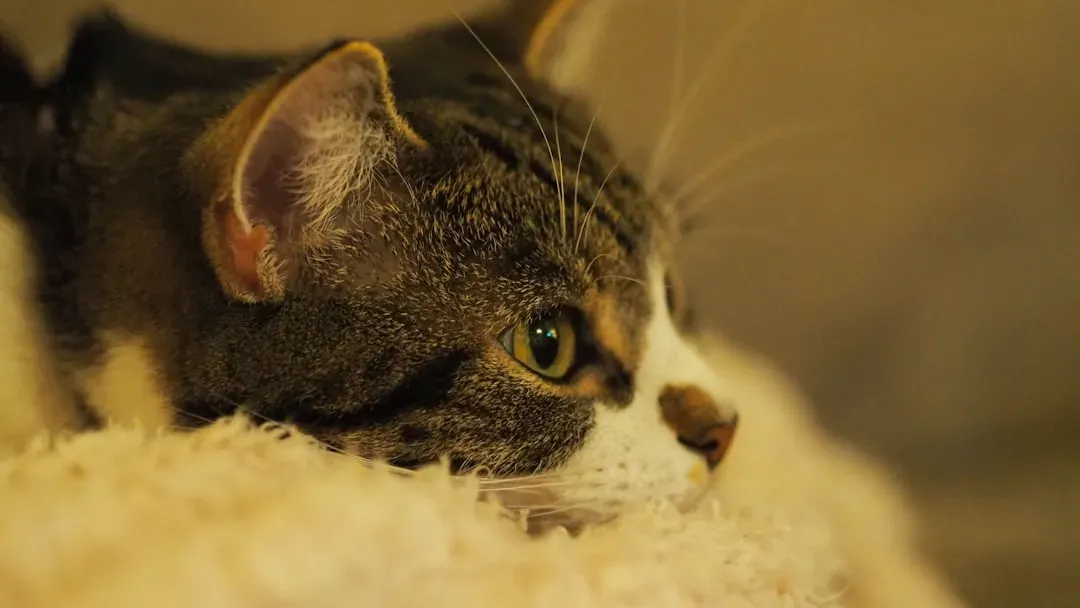
When a cat’s ears are facing forward and erect, it indicates a positive and friendly disposition. It means the cat is interested in something in its environment, whether a toy, a new sight, or a captivating smell. Relaxed and forward ears signify comfort and security in their surroundings. Ears are one of the fastest-moving parts of a cat’s body language toolkit.
The sideways ear position serves as a warning sign, indicating annoyance, fear, or potential aggression. When a cat’s ears are sideways, it is best to remove any potential stimulus causing discomfort and give the cat some space to calm down. Learning to read ear position takes only a few days of mindful observation, and it can save you more than a few unplanned scratches.
The Belly Expose: Trust, Not an Invitation
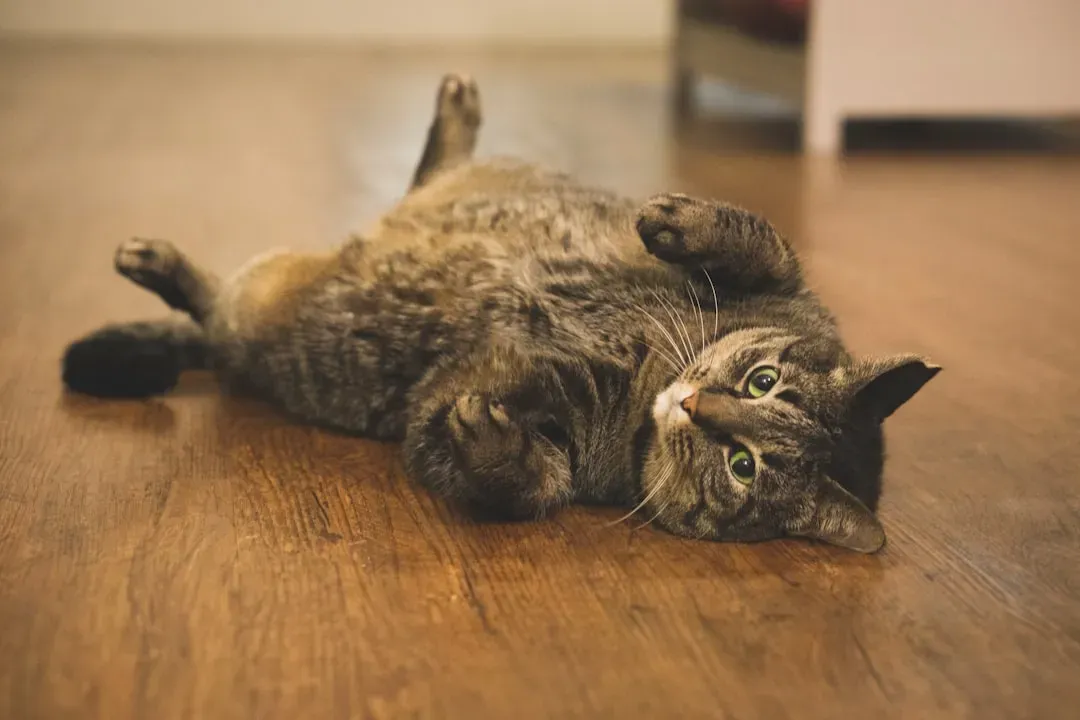
When a cat is happy, their posture is typically loose, with their limbs and tail stretched out away from their body when lying down. If they are showing their belly, it probably means that they feel safe, though this is not necessarily an invitation for a belly rub. This is one of the most commonly misread signals in the human-cat relationship.
When a cat lies on its back with its belly exposed, this can be taken as a sign of trust. Because it feels safe, it also feels able to adopt this vulnerable position. Your cat is saying they feel completely at ease with you. Responding by reaching for their belly can actually break that trust rather than deepen it, so appreciate the gesture and keep your hands to yourself.
Tail Flicking: Pay Attention Before You Pet Further
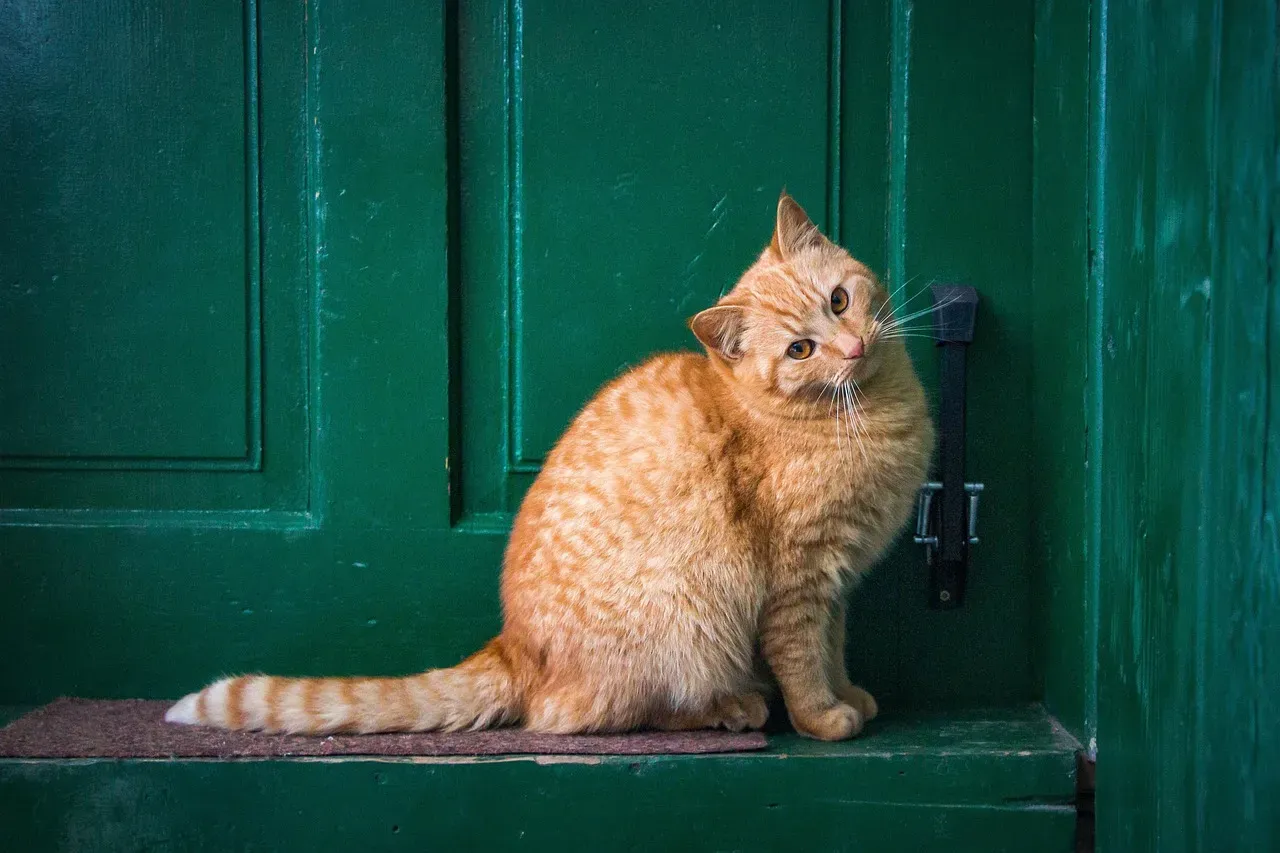
The tail flick of a seated cat often indicates irritation. It’s a small movement, easy to dismiss as idle fidgeting, but your cat is actually sending you a clear signal. They’re at their limit and would prefer a little space right about now.
The slow and soft tail wag means they are enjoying your pets and feeling happy. However, if that tail begins wagging faster and more aggressively, almost like a thrash, then that means the cat is getting irritated and you should stop whatever you’re doing. Think of it as a built-in meter: slow wag means carry on, rapid thrash means stop immediately.
Scent Rubbing Against Your Legs: You’ve Been Approved
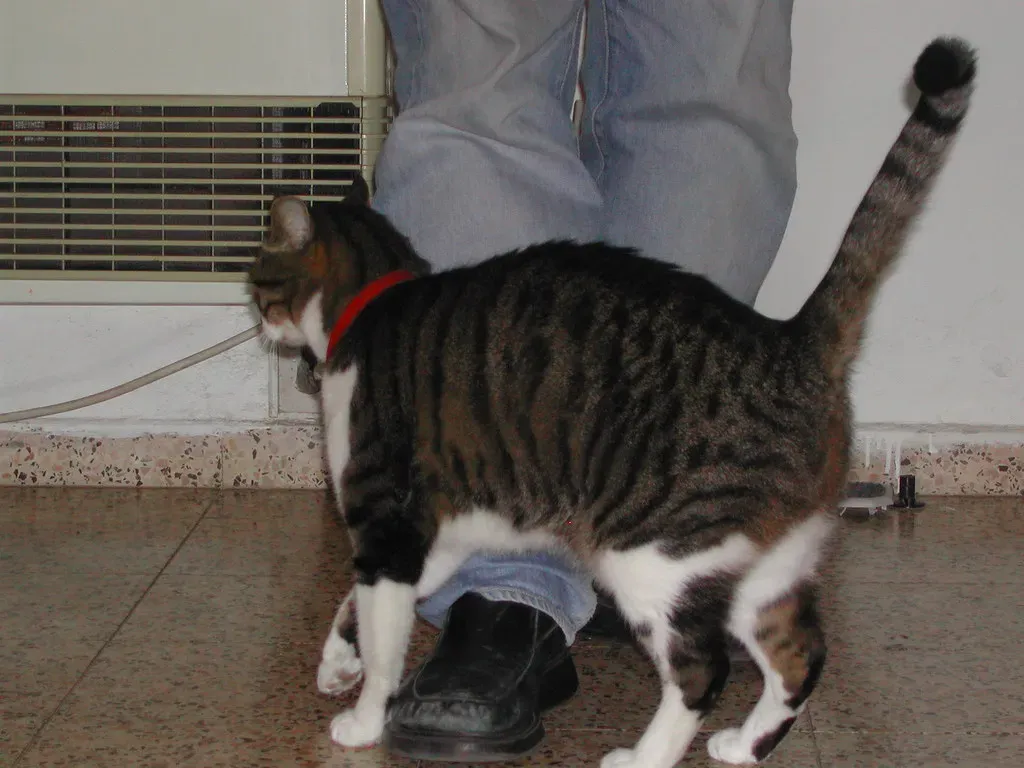
Scent rubbing is a friendly gesture where a cat transfers calming pheromones, fostering positive interactions with humans. When your cat weaves in figure eights around your ankles, they’re not just trying to trip you. They’re actively depositing their own scent onto you as a form of social bonding.
When a cat rubs against a person’s hand, it transfers scent pheromones, which have a calming effect on the cat. So the rubbing benefits both of you. Your cat feels reassured, and you’ve just been officially accepted into their inner circle. That’s a good deal by any measure.
Dilated Pupils: Excitement or Anxiety, Context Is Everything
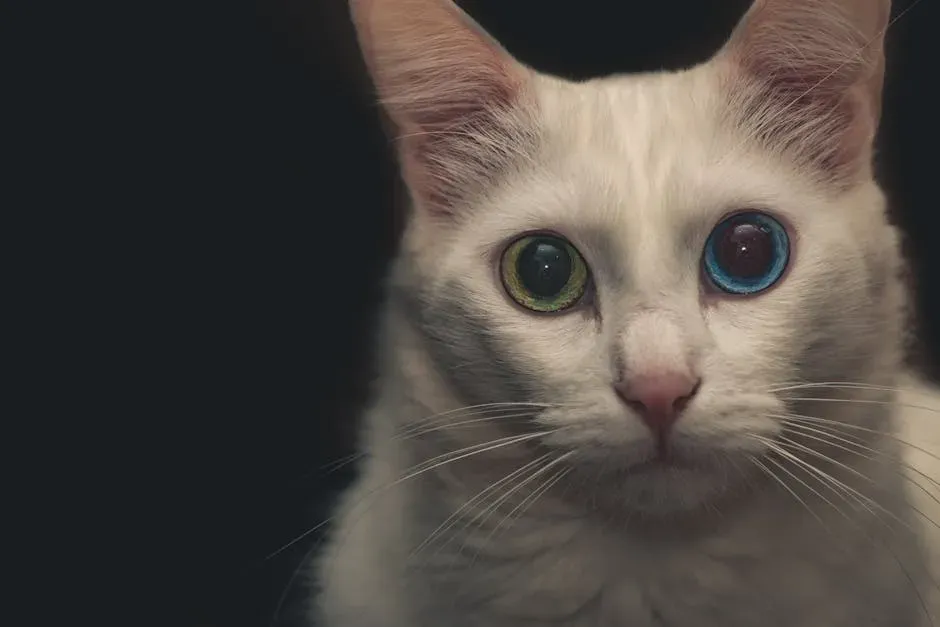
Like humans, cats’ eyes dilate and contract with the change of light. They also dilate and contract based on their mood. Your cat’s eyes dilate and become big and round when they are playing with a toy or watching a bird. Wide, dark pupils are one of the most visually striking signals a cat can give you, and they carry very different meanings depending on the situation.
Cats will stare at other cats or people as an aggressive signal. Aggressive stares are intense, wide eyes indicate anxiety or hyperarousal, and friendly eye contact is soft. Your job is to read the whole picture: Is your cat crouched and tense, or rolling around mid-play? The pupils alone won’t tell you everything, but combined with posture and ear position, they complete a very clear sentence.
The Arched Back: More Than Just Surprise
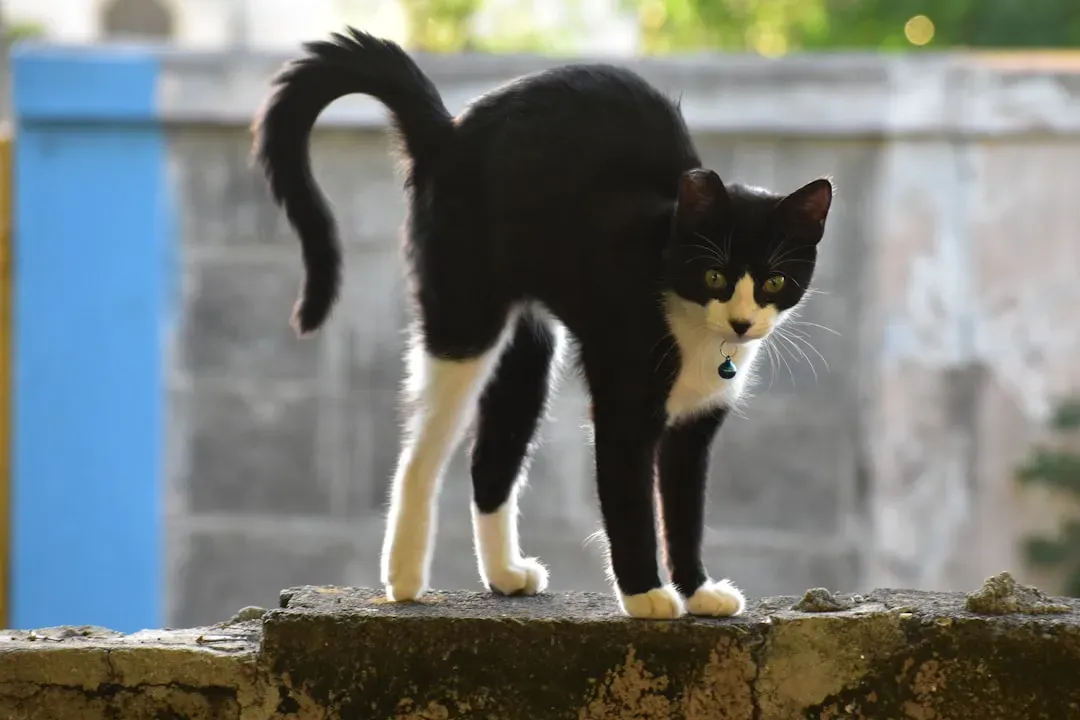
When a cat arches its back, it is typically feeling aggressive, and the posture is often accompanied by fluffing fur along the back and tail. This is the cat’s attempt to appear larger and more threatening. Most people associate the arched back purely with the Halloween-poster cat, but it shows up in everyday interactions too.
Cats appear larger by standing tall, raising their fur, dilating their pupils, and displaying aggressive body language such as arching their back, thrashing their tails, and showing their claws. When you spot this combination in your own home, the smartest response is always to back off and give your cat room to de-escalate on their own terms. Trying to comfort them in this state rarely works and sometimes makes things worse.
Gentle Love Bites: Affection With Teeth

Gentle biting, often accompanied by purring and kneading, can communicate affection or playfulness, directed at the human owner or another cat. If your cat nips softly at your hand while purring, resist the urge to pull away or scold them. They’re not being aggressive. They’re being loving, in the most feline way possible.
Kneading and gentle biting, often accompanied by purring, indicate affection or comfort. Gentle biting, particularly when paired with purring, signals playfulness or a desire for attention. The key distinction is always pressure and context. A love bite is soft, brief, and paired with relaxed body language. If it starts to escalate in force, that’s a clear sign to redirect the energy with a toy instead.
Conclusion: Your Cat Is Already Talking. You Just Need to Listen.
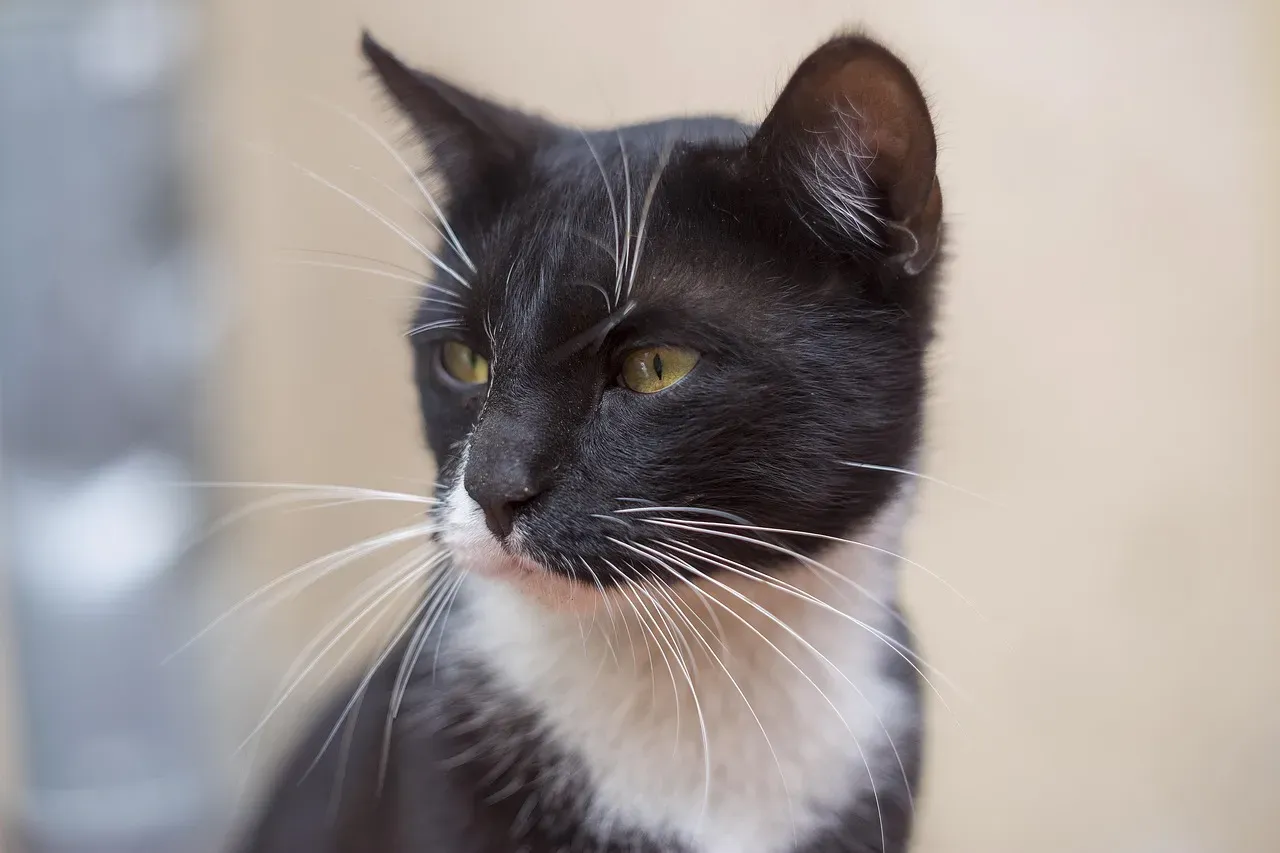
Cats, like human beings, reveal their inner states through their body language. The twelve cues above are just the beginning of a much richer vocabulary that your cat uses every single day. None of these signals require a degree in animal behavior to understand. They mostly just need your attention.
Cats are subtle and complicated in the way they communicate, but taking time to learn their body language can help to strengthen the relationship with your cat. The more you observe, the more you’ll notice patterns that are unique to your specific cat. Every animal has their own dialect within this shared feline language.
Living with a cat is a conversation that never quite ends. Once you start picking up on these signals, something shifts. You move from being a person who owns a cat to someone who actually understands one. That’s a different relationship entirely, and it’s well worth paying attention to.
Kristina is a young writer from India. An arts graduate and an avid content creator, Kristina is passionate about animals and wildlife. She enjoys exploring topics related to pet care, animal behavior, conservation, and nature, combining thorough research with engaging storytelling.