You’ve probably spent time picking out the perfect houseplants to brighten your living space. A trailing pothos on a bookshelf, a lush peace lily by the window, maybe a bold monstera in the corner. They look beautiful, they’re easy to care for, and most garden centers sell them without a single warning label. The trouble is, if you share your home with a cat, some of those plants are quietly working against you.
Your home might be filled with beautiful greenery, but some common household plants can pose serious dangers to your feline friends, and some of these plants are more likely to show up in a flower bouquet than you’d ever expect. When a cat does become unwell, it’s often because something has brushed onto their fur or paws and they’ve then ingested it while grooming. There’s greater risk within the home because it’s a confined area, and a bored or curious cat might investigate an indoor plant by playing and nibbling. Knowing which plants to avoid could genuinely save your cat’s life.
1. Lilies (Lilium and Hemerocallis Species)
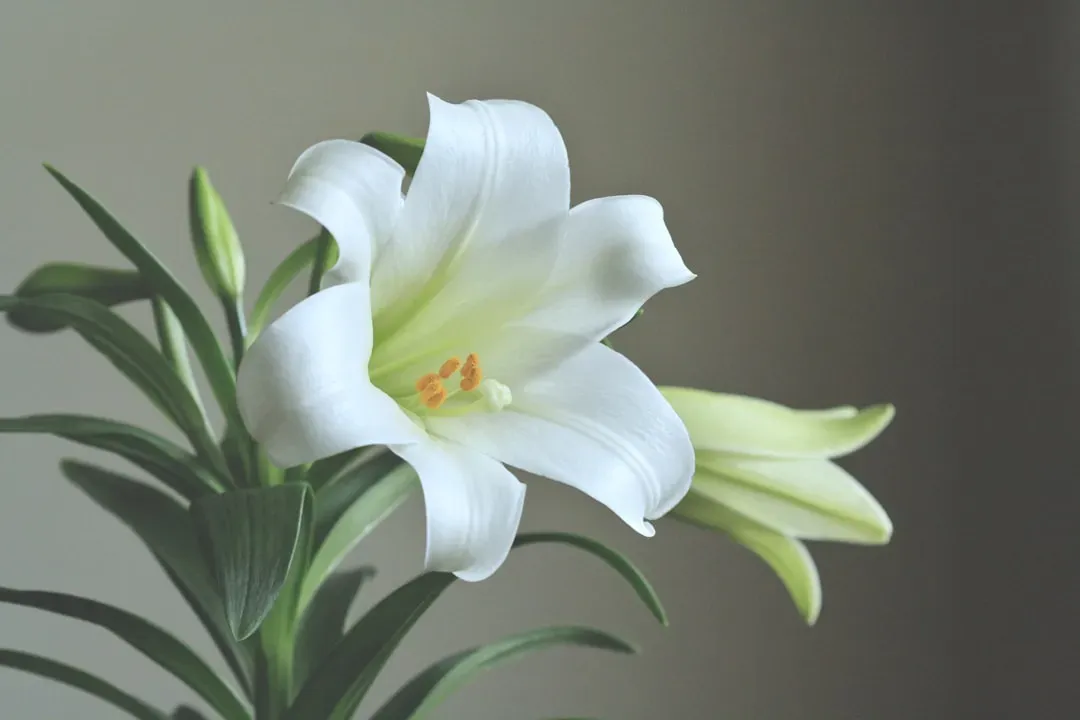
Of all the plants on this list, true lilies deserve your most urgent attention. True lilies are possibly the most dangerous and life-threatening toxin known to cats. The dangerous lilies refer to those of the Hemerocallis and Lilium species, including Easter lilies, Japanese show, Asiatic, stargazer, wood, red, western, tiger, and rubrum lilies. The level of danger here is not something to take lightly.
Your cat needs to ingest only a tiny amount, for instance, chewing on one or two petals or leaves, to take in enough toxin to cause death. Even just licking the pollen from the flowers or drinking water from the vase of lilies can be fatal. True lilies have been shown to damage renal tubular epithelial cells, and if left untreated, lily toxicosis results in acute renal failure. If you suspect any contact at all, this is an emergency situation that requires immediate veterinary care.
2. Pothos (Epipremnum aureum)
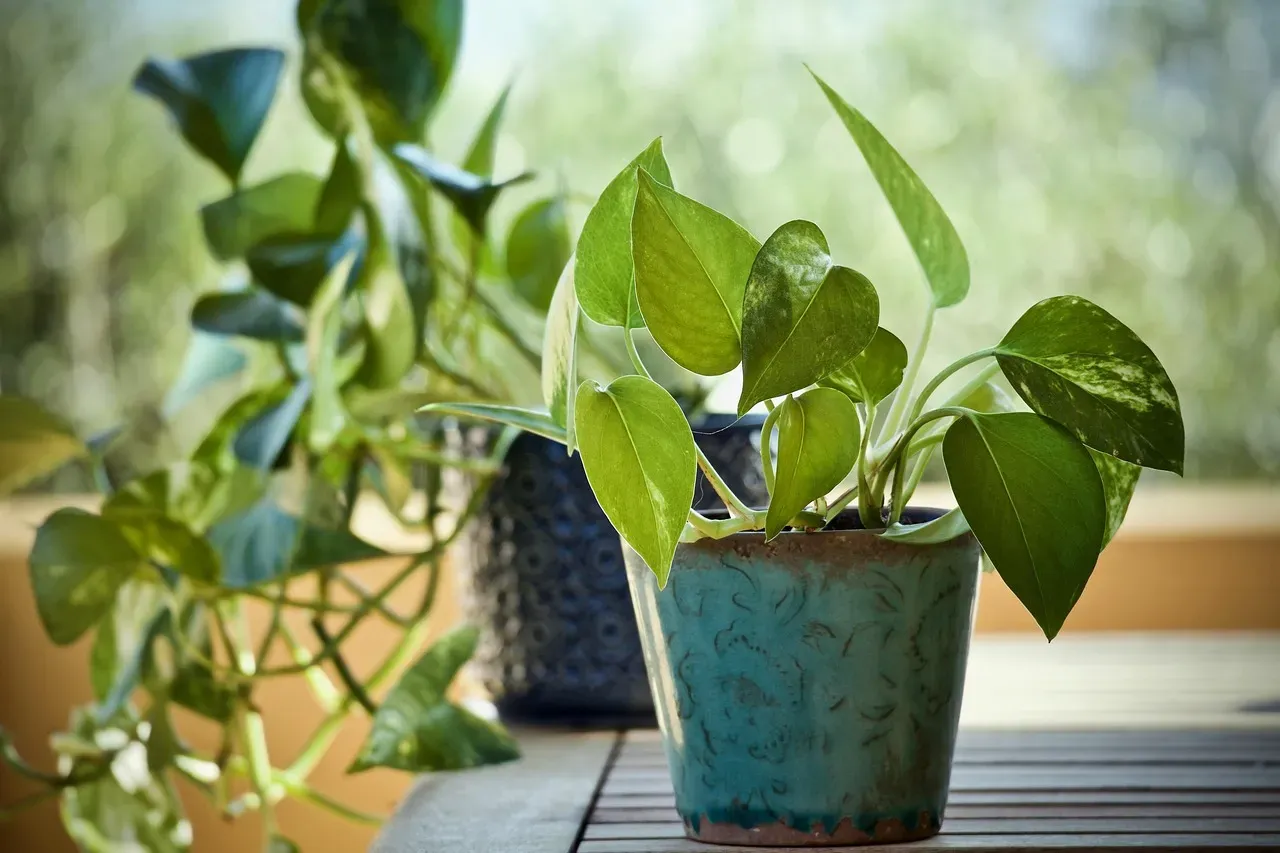
Known as golden pothos, taro vine, and devil’s ivy, this plant has waxy, heart-shaped leaves that are so glossy and vibrant they almost look artificial. Pothos plants originate from tropical and subtropical regions and are particularly prevalent in Southeast Asia. Pothos are a staple of many indoor gardens because they are low maintenance and thrive even in low light, which makes them especially popular among first-time plant owners.
Pothos plants contain insoluble calcium oxalates, which are toxic to cats. When a cat chews or ingests the leaves, the crystals are released, causing tissue penetration and irritation in the mouth and gastrointestinal tract. This can lead to excessive drooling, vomiting, difficulty swallowing, and even a loss of appetite. There’s no antidote for pothos poisoning, so treatment focuses on managing symptoms. Your vet may administer medications to soothe gastrointestinal irritation and vomiting. Removing the plant from your home entirely is the safest option.
3. Sago Palm (Cycas revoluta)

Despite having “palm” in its common name, the sago palm is not actually a palm at all. It’s a cycad, an ancient seed plant with a crown of large compound leaves and a stout trunk. These plants have increased in popularity because they can be cultivated inside the home and then replanted outside, making them a surprisingly common sight in living rooms and patios alike.
Every part of the sago palm contains toxins that can cause severe liver damage within hours of ingestion. When sago is ingested, toxicity starts with liver damage and can lead to liver failure and death. The sago palm contains the cycasin toxin, which after affecting the gastrointestinal tract and attacking the liver will lead to neurological disorders and abnormal bleeding. Even with aggressive treatment, the survival rate for a cat that has ingested a sago palm plant is only about fifty percent. This plant has no place in a cat-friendly home.
4. Aloe Vera (Aloe barbadensis miller)
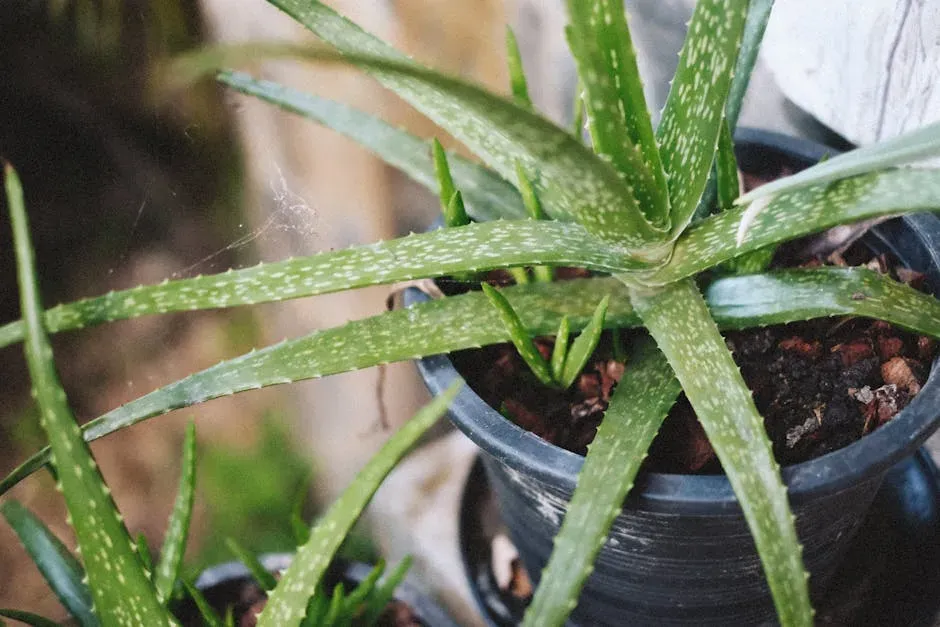
Aloe vera sits on kitchen windowsills across the world. It’s practical, it’s hardy, and most people think of it as a healing plant. What they don’t realize is that what soothes a human sunburn can make your cat seriously ill. Aloe vera contains saponins, specifically anthraquinone glycosides, and this compound is toxic to cats. Anthraquinone glycosides act similarly to laxatives, and toxicity in cats is typically mild to moderate, resulting in diarrhea, vomiting, and stomach discomfort.
Though aloe vera is often a household staple, especially in the kitchen, where its healing powers can be employed at the ready, this plant is toxic to cats. The gel itself is actually considered edible when extracted, but the thick plant material that surrounds the gel can cause gastrointestinal upset including vomiting, lethargy, and diarrhea. Signs usually occur within a few hours of ingestion, after the gastrointestinal bacteria has had time to metabolize the toxin. If your cat gets into your aloe plant, call your vet promptly.
5. Philodendron (Philodendron spp.)
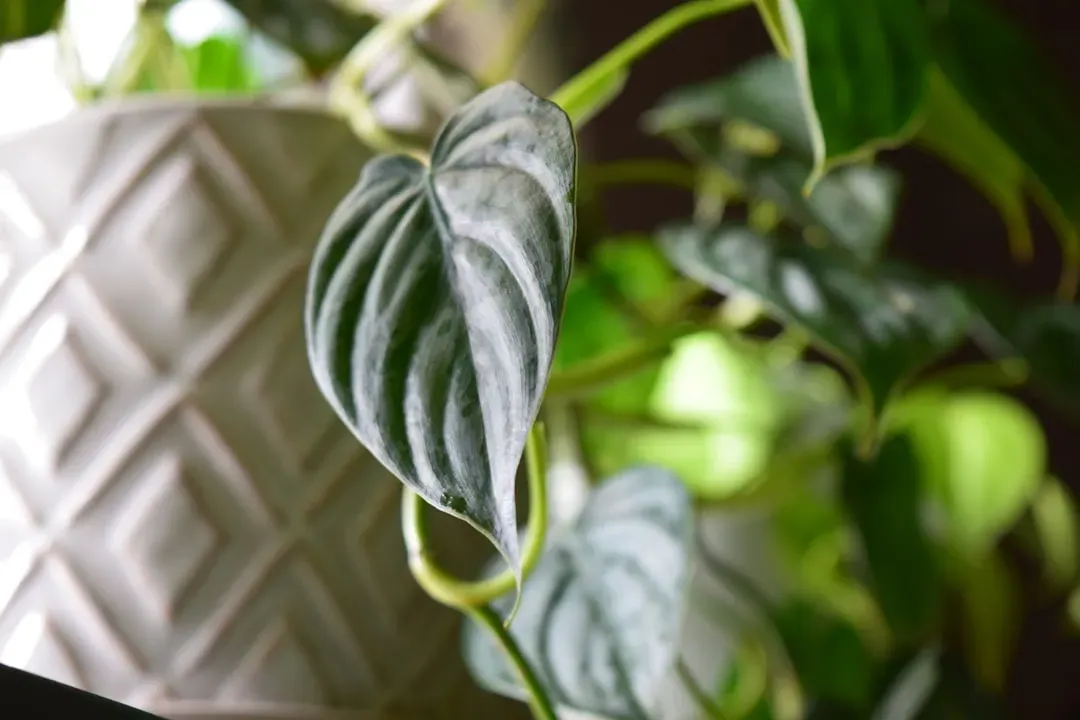
Philodendrons are toxic to cats and the philodendron family contains several varieties, such as heartleaf philodendrons and fiddle-leaf philodendrons. Philodendrons are toxic to cats because they contain insoluble calcium oxalates, which are small sharp crystals that are released inside the cat’s stomach, intestines, and mouth if the plant is eaten. These crystals cause real physical damage to the soft tissues they contact.
Philodendron leaves contain calcium oxalate crystals which, if ingested, irritate the gastrointestinal tract all the way through. Cats that have been affected will have oral irritation, swelling of the mouth, drool excessively, and show signs of abdominal pain. Plants such as philodendron may cause lasting respiratory problems due to irritation of the mouth and throat. Clinical signs may fade without long-term effects within 24 hours, but as a pet parent, if you notice your cat has difficulty swallowing or skin irritation, visiting your vet is recommended even after symptoms subside.
6. Peace Lily (Spathiphyllum spp.)
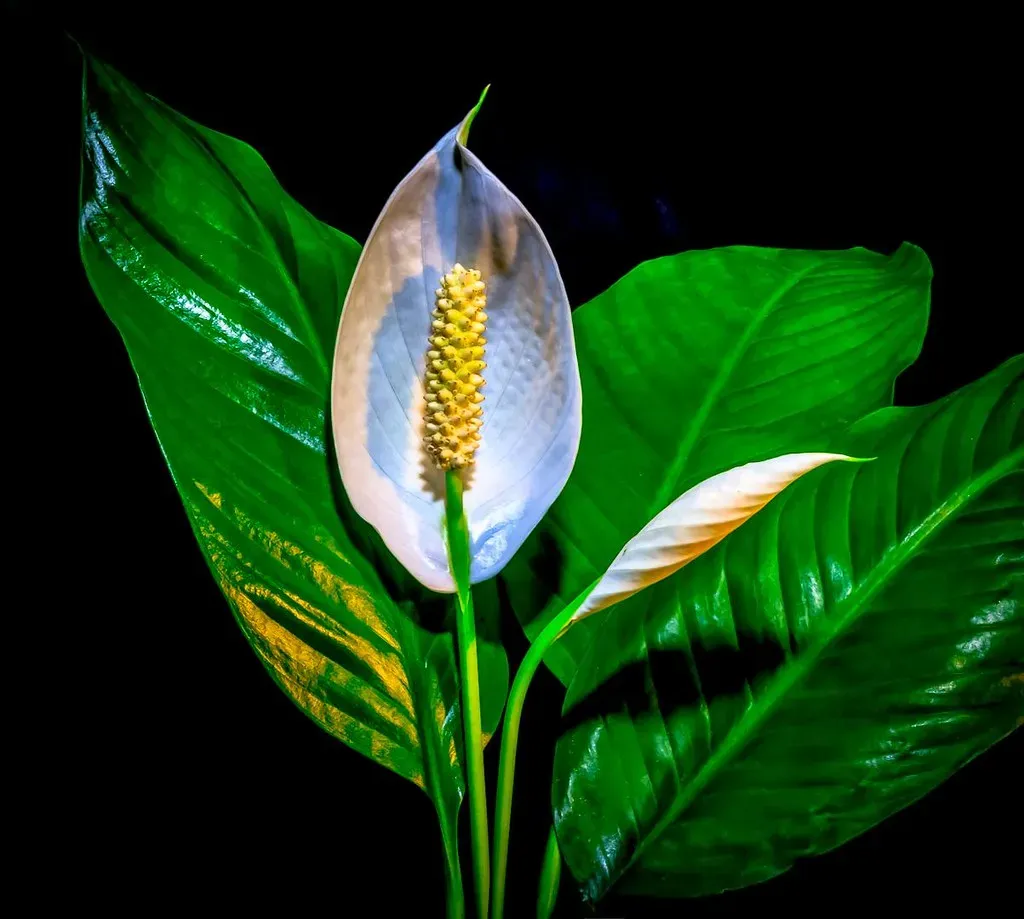
With their clean white blooms and glossy green leaves, peace lilies are a favorite for offices and minimalist home decor. They’re sold almost everywhere and marketed as easy, air-purifying plants. The peace lily contains a toxic compound called insoluble calcium oxalate that can cause serious health problems in cats if ingested. All parts of the peace lily plant, including the leaves, stems, blossoms, and pollen, contain calcium oxalate crystals that are toxic to cats.
Peace lilies often cause intense drooling, oral irritation, vomiting, and difficulty swallowing. The toxic effects of peace lilies are considered mild to moderate depending on the number of leaves ingested and rarely lead to acute kidney failure. You will first notice the signs of peace lily poisoning within 6 to 12 hours of ingestion, with the first signs including vomiting, drooling, and an altered desire to drink. Prompt supportive management is often enough for peace lily intoxication, and the symptoms usually resolve within 24 hours. Still, it’s never worth the risk of waiting to see how things develop.
7. Dieffenbachia (Dumb Cane)
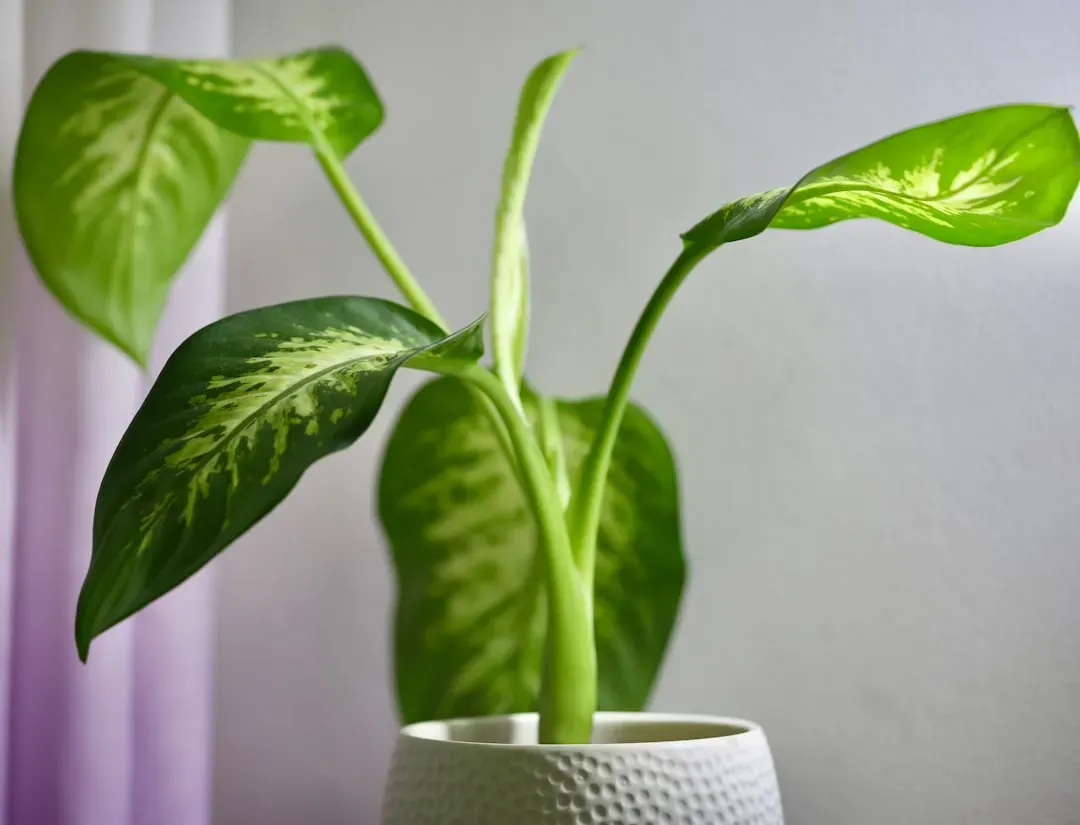
Dumb cane, dieffenbachia, charming dieffenbachia, it goes by many names. Whatever you call it, dumb cane can be toxic to cats. It’s a popular choice for indoor spaces because of its dramatic, broad leaves with contrasting green and white patterns. The same lush foliage that makes it visually striking is also what makes it dangerous to your cat.
The giant dumb cane comes with a highly toxic protein as well as insoluble calcium oxalates that can harm your cat. Signs that your cat may have ingested the plant include oral irritation, difficulty swallowing, and vomiting. Symptoms include oral irritation, intense burning, and irritation of the mouth, tongue, and lips, along with drooling and difficulty swallowing. If your cat’s organs have been affected by ingesting a toxic plant, symptoms of poisoning may include breathing difficulties, drooling, difficulties swallowing, excessive drinking, frequent urination, overall weakness, or irregular heartbeat. Contact your vet without delay if you suspect your cat has chewed on this plant.
What to Do If Your Cat Ingests a Toxic Plant
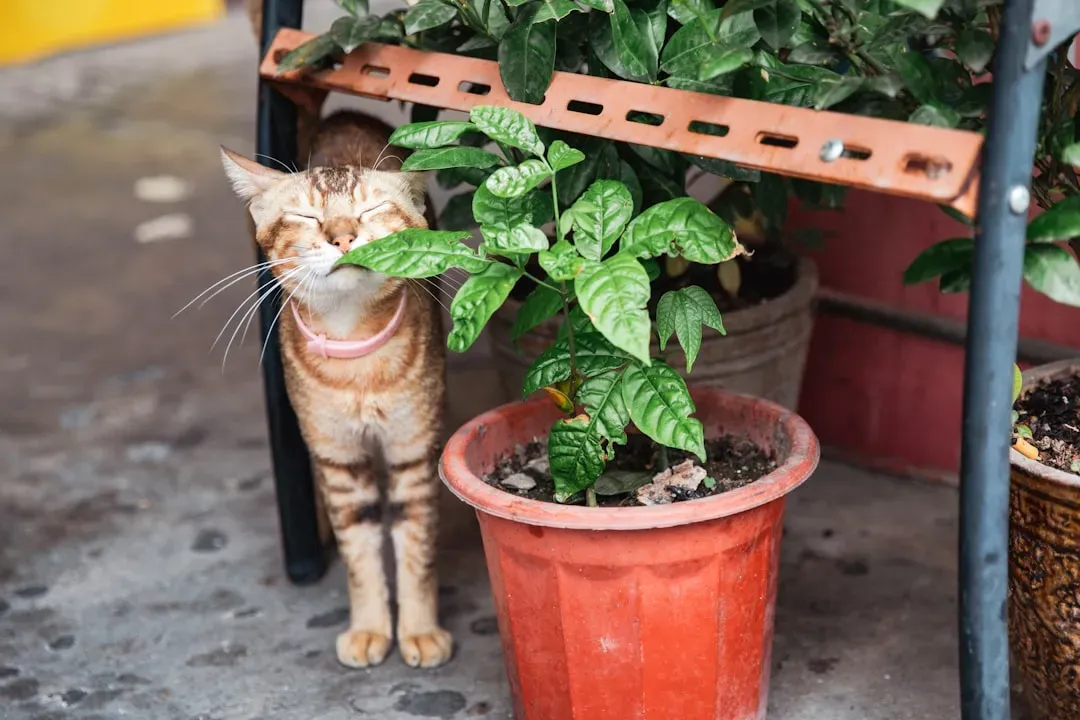
In minor cases, plants toxic to cats can cause gastric upset or skin irritation, but in serious cases, they can lead to organ failure, seizures, or even death. Cats are very skilled at hiding their symptoms, which is a defense mechanism that keeps them safe in the wild. You should call your vet or the ASPCA hotline if you suspect your cat has eaten one of these poisonous plants, even if they aren’t acting overtly sick.
If you believe your animal is ill or may have ingested a poisonous substance, contact either your local veterinarian or the ASPCA Poison Control’s 24-hour emergency poison hotline at (888) 426-4435. If your cat does ingest a toxic or poisonous houseplant, knowing the plant’s name will help your vet treat your cat quickly and with fewer tests. Keeping a photo of your plants on your phone is a surprisingly practical habit worth starting today.
Conclusion
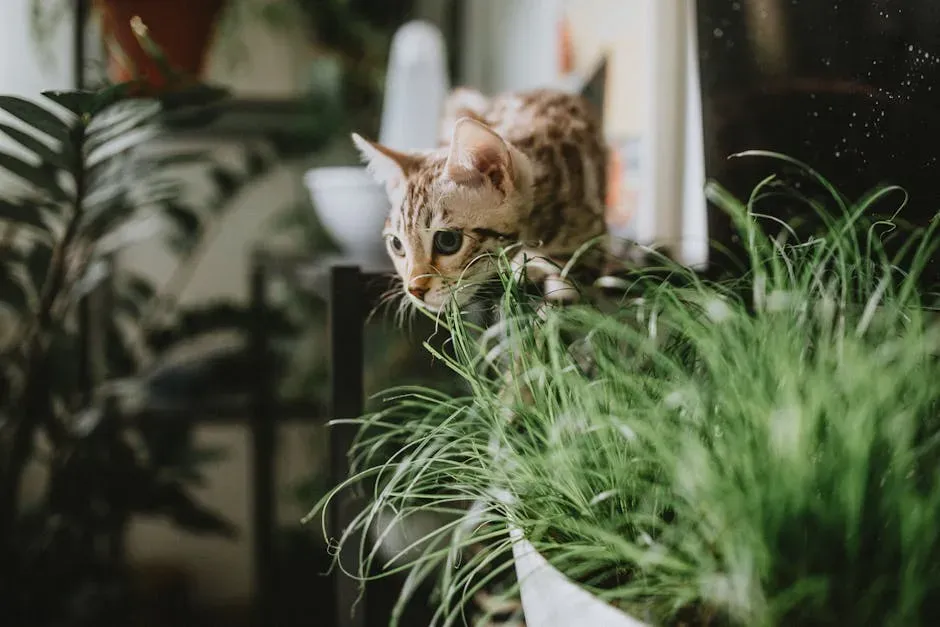
The gap between a beautiful home and a safe home for your cat is often just a matter of knowing which plants belong in which category. None of the seven plants on this list are obscure or unusual. You’ve probably seen them in garden centers, in friends’ homes, in offices. That’s exactly what makes this knowledge so valuable.
Vets recommend that you take some time to learn the names of the plants you have in your home and research which ones are toxic to your cat. When it comes to plants, it’s best to do the research before buying and only bring home plants that are safe for your pet. The good news is that there are many genuinely beautiful, cat-safe alternatives out there, from spider plants to Boston ferns, so you don’t have to choose between a green home and a safe one. You just need to choose wisely.
Kristina is a young writer from India. An arts graduate and an avid content creator, Kristina is passionate about animals and wildlife. She enjoys exploring topics related to pet care, animal behavior, conservation, and nature, combining thorough research with engaging storytelling.