Your cat is talking to you right now. Not with sound, not with eye contact, though those matter too. The real conversation is happening at the other end of their body, in the steady or frantic or barely-there movements of their tail.
Our feline friends don’t communicate with us solely through vocalizations like meows and purrs. A cat’s tail holds a complex language all its own. Once you start reading it, you’ll realize your cat has been speaking fluently all along, and you’ve simply been missing most of what they say.
Why the Tail Is Your Cat’s Most Expressive Tool
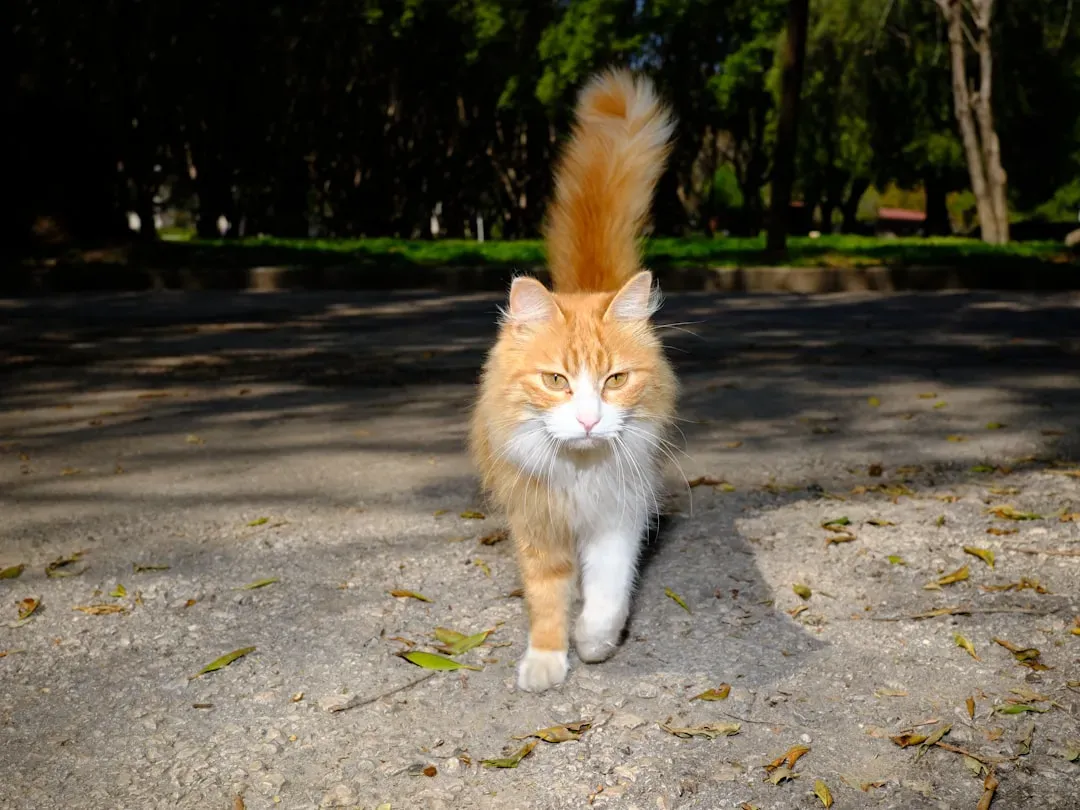
Feline behavior experts agree that cats use their tails as part of a broader system of body language to communicate a wide range of emotions. Your cat relies on their eyes, ears, body, and tail to express fear, anger, joy, contentment, and curiosity. The tail, though, tends to be the most visible and constant signal on display.
A cat’s tail is remarkably flexible, thanks to its unique anatomy. It consists of 18 to 23 small bones, known as caudal vertebrae, which interlock like a chain, enabling the tail to move in many directions. When a cat experiences an emotion, its brain sends signals to muscles in the tail through the pudendal nerve, which connects tail muscles to the central nervous system. In other words, those tail movements you’re watching are direct, neurological expressions of emotional state.
Reading your cat’s body language allows you to identify the situations or environments that make your cat happy or cause fear. It can also help you identify illness and pain more readily. That alone makes learning this language well worth your time.
The High Tail: Confidence and a Friendly Hello
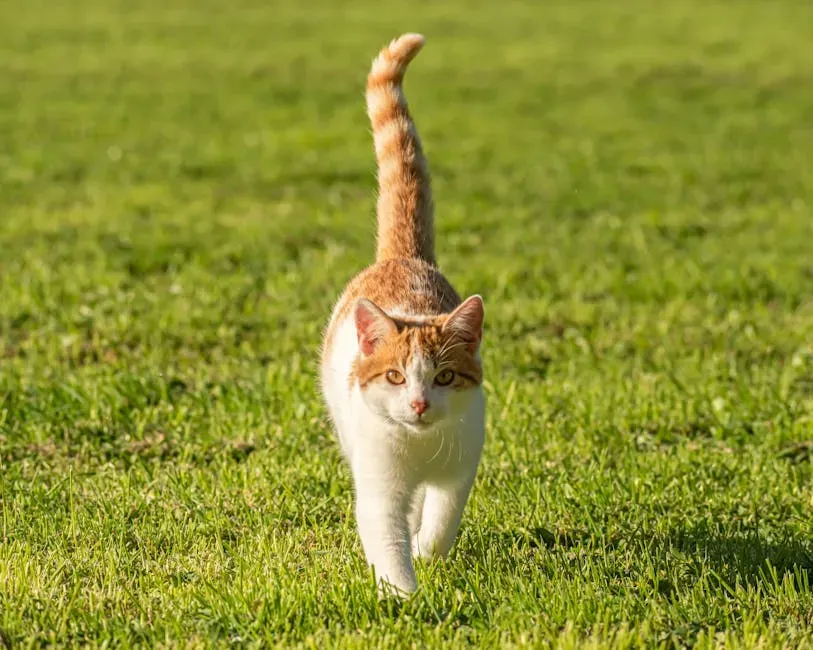
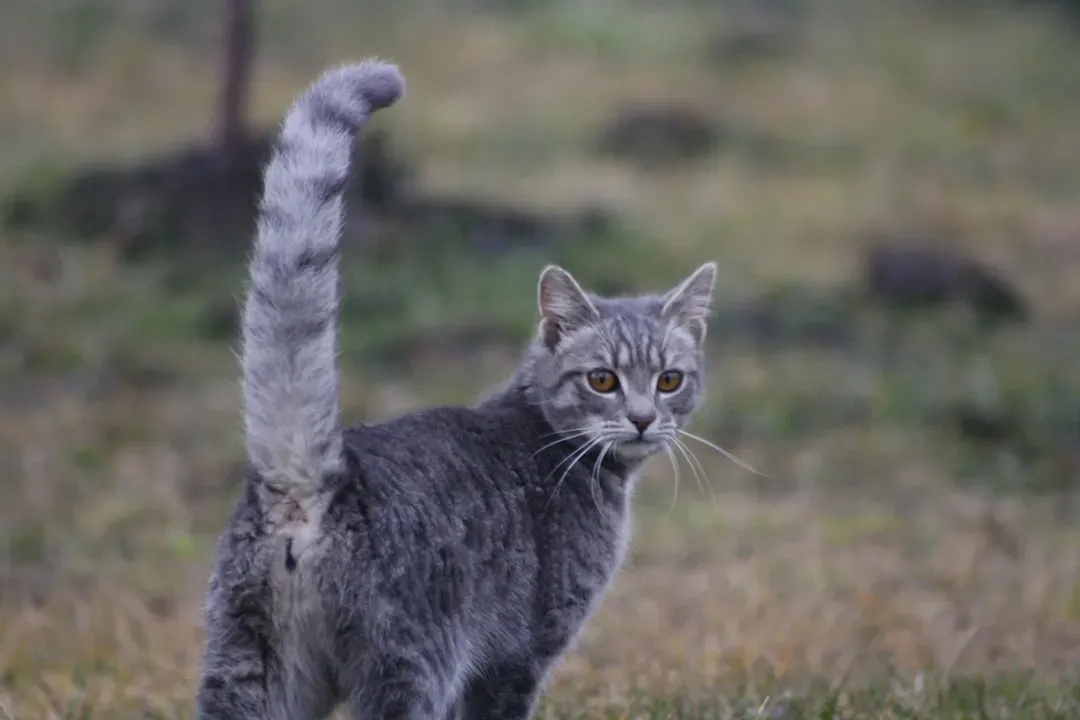
When your cat holds their tail high in the air as they move about their territory, they’re expressing confidence and contentment. A tail that sticks straight up signals happiness and a willingness to be friendly. If your cat walks into the room with that tail pointed straight toward the ceiling, consider it a greeting worth acknowledging.
When a cat’s tail is upright, they are feeling social and confident, and are approaching in a friendly manner. This tail language indicates a friendly greeting between cats, and it’s how kittens greet their mothers. So when your cat does it with you, there’s something quietly touching about that. You’re being treated the way they once greeted the cat who raised them.
The Question Mark Curl: An Invitation You Shouldn’t Ignore
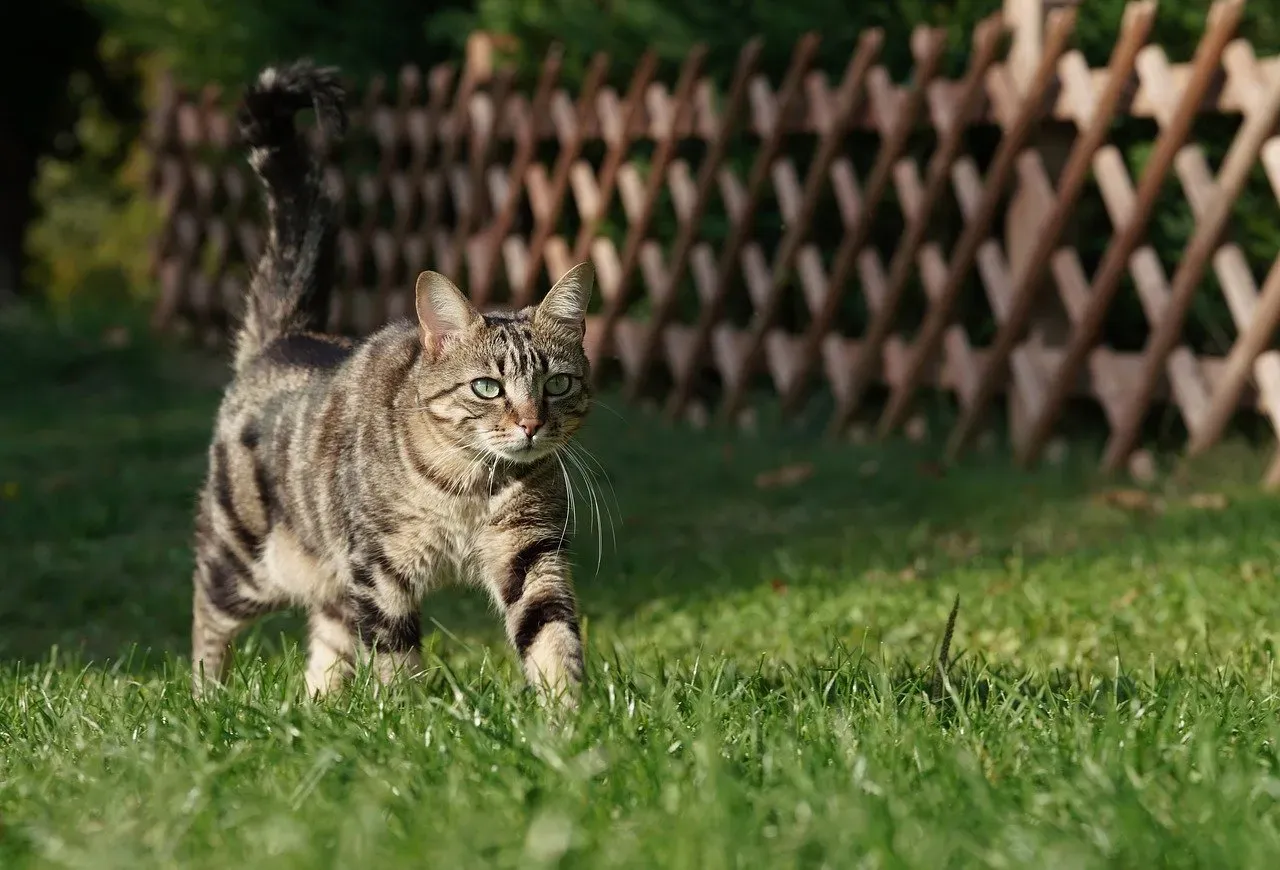
You may notice that sometimes your cat’s tail looks like a question mark: it stands upright but curls at the end. This cat tail language indicates that your cat is happy and approaching amicably. When your cat’s tail is in this position, it means it’s an invitation to interact. Think of it as your cat extending a hand.
A tail in the shape of a question mark is a gesture that is often a subject of cartoons and humorous musings about cats. The question mark isn’t about confusion but instead is an invitation to play or interact. Perhaps your kitty is also suggesting they’re open to whatever you want to do. It’s one of the warmer signals in a cat’s repertoire, and responding with gentle attention usually goes over well.
The Lashing or Thrashing Tail: Back Off, Now
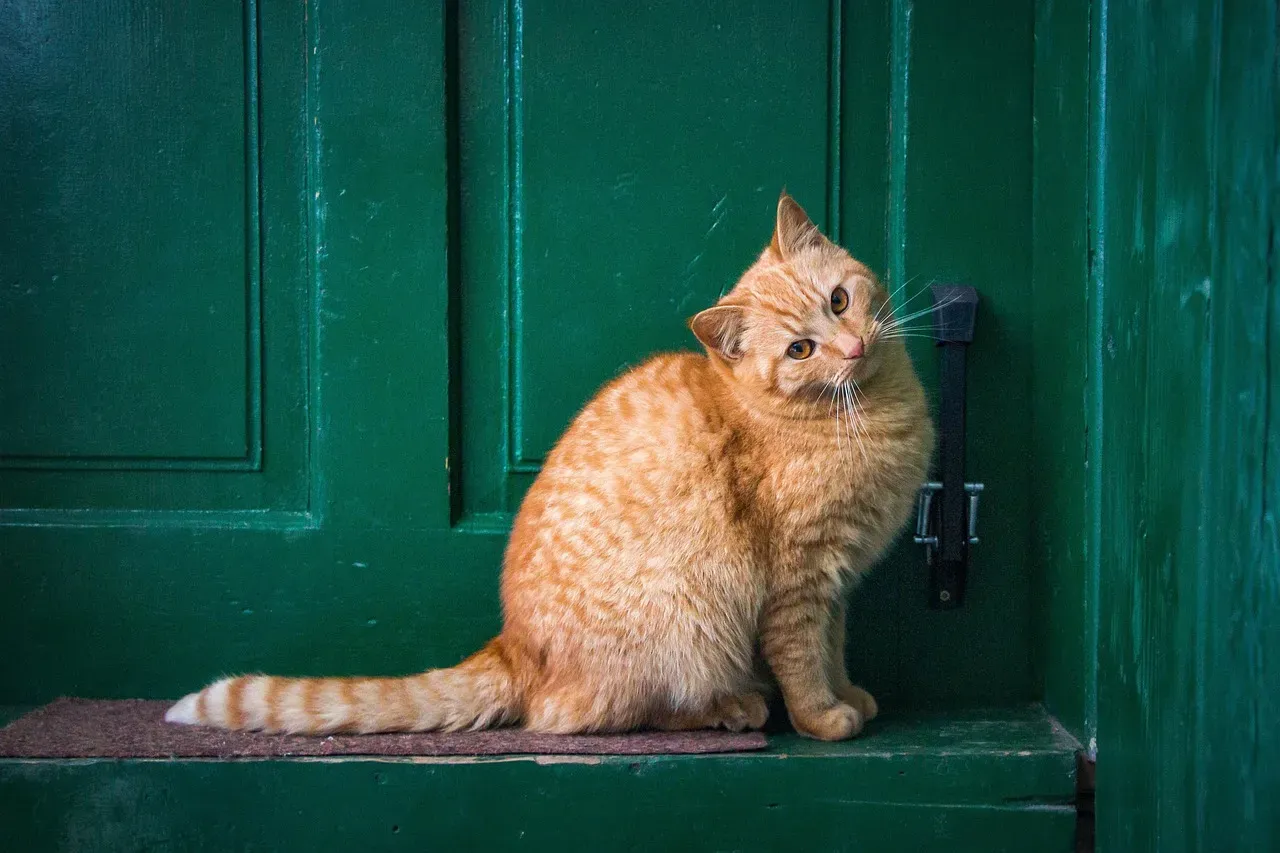
When your cat thrashes their tail or is thumping it on the ground, they are irritated, annoyed, or angry. This tells you that something is bothering your cat. This is a distance-increasing behavior. In other words, if you are petting your cat and they start thrashing their tail, they are trying to tell you to stop. Most scratches that seem to come out of nowhere have actually been preceded by exactly this warning.
If you don’t respond, then the thrashing tail may be a prelude to hissing, growling, swatting, or biting. Pay attention to a change in tail positions as well as accompanying body language that indicates a mood shift. For example, your cat may be enjoying being petted around the head and neck, but as you begin to stroke along the spine and base of the tail, the tail starts lashing. What was relaxing and enjoyable has transitioned to being either too stimulating or even painful. The tail rarely lies, even when you wish it would.
The Puffed-Up Tail: Fear in Its Most Visible Form
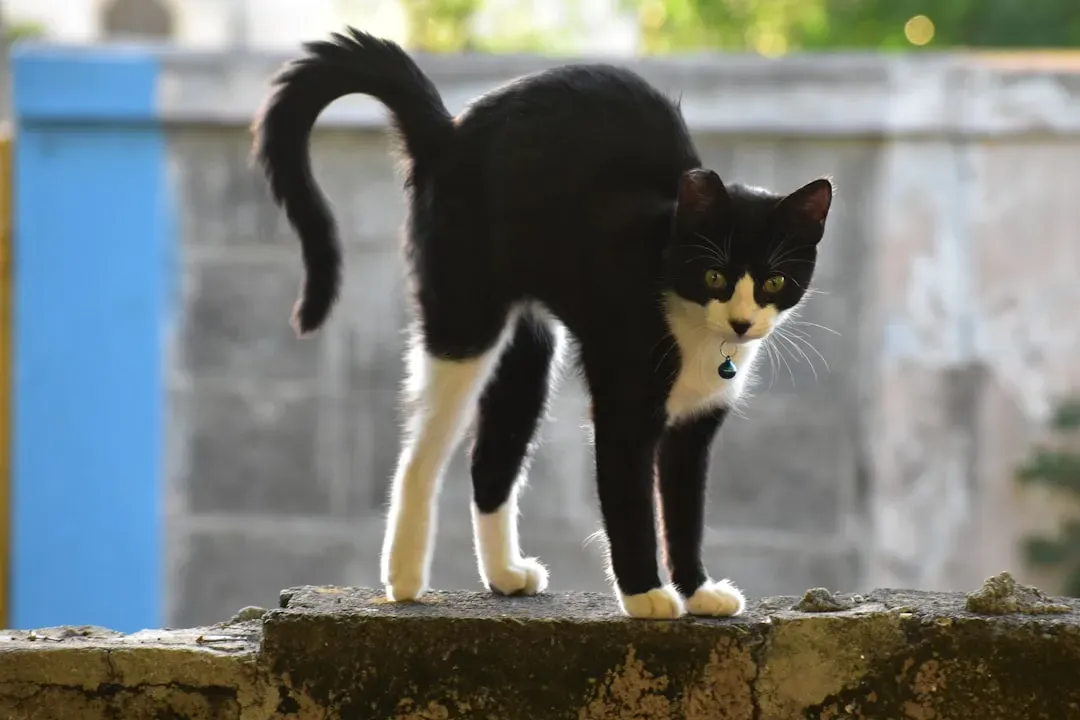
If your cat assumes the classic Halloween-cat posture with a puffed tail and arched back, they are startled or frightened by a sudden, severe threat. Your cat’s hair stands on end through a process called piloerection so they can appear to be larger. This is a defensive reaction indicating that your cat wishes to be left alone. The visual effect is dramatic on purpose.
It’s a defense mechanism designed to communicate that they’re actually very large and scary and not worth fighting. Your cat wouldn’t puff their tail if they weren’t feeling threatened to begin with, so the behavior almost always stems from a fearful reaction. Similar to other signs of fear, remove the thing that’s scaring them if you can, but don’t try to move your cat, who’s in panic mode and may respond by trying to protect themselves. Give them space, stay calm, and let the moment pass.
The Tucked Tail: Submission, Fear, or Pain
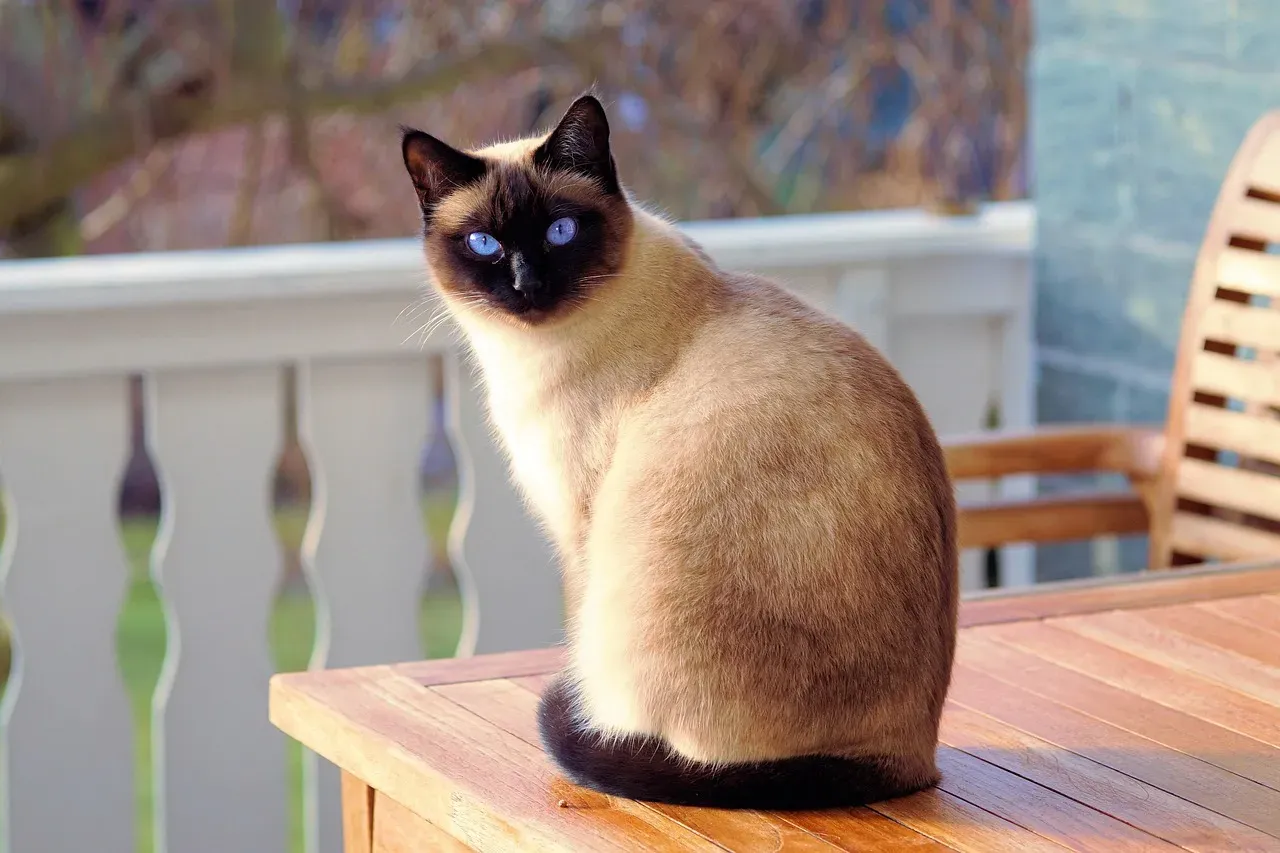
A cat may lower their tail below the level of their back if they are frightened or anxious. If your cat’s tail is tucked between their legs, then they are really scared or may be experiencing pain. It’s one of the more urgent signals to pay attention to, particularly if it’s out of character for your cat.
A cat who has tucked the tail between their hindlegs is very frightened. This is a submissive posture where the cat is trying to appear small and non-threatening. Don’t assume though that this posture says it’s safe to approach. If there’s no means of escape, the frightened cat may display defensive aggression. The instinct to comfort them is natural, but patience serves you better than rushing in.
The Tail Wrap: The Quietest Sign of Love
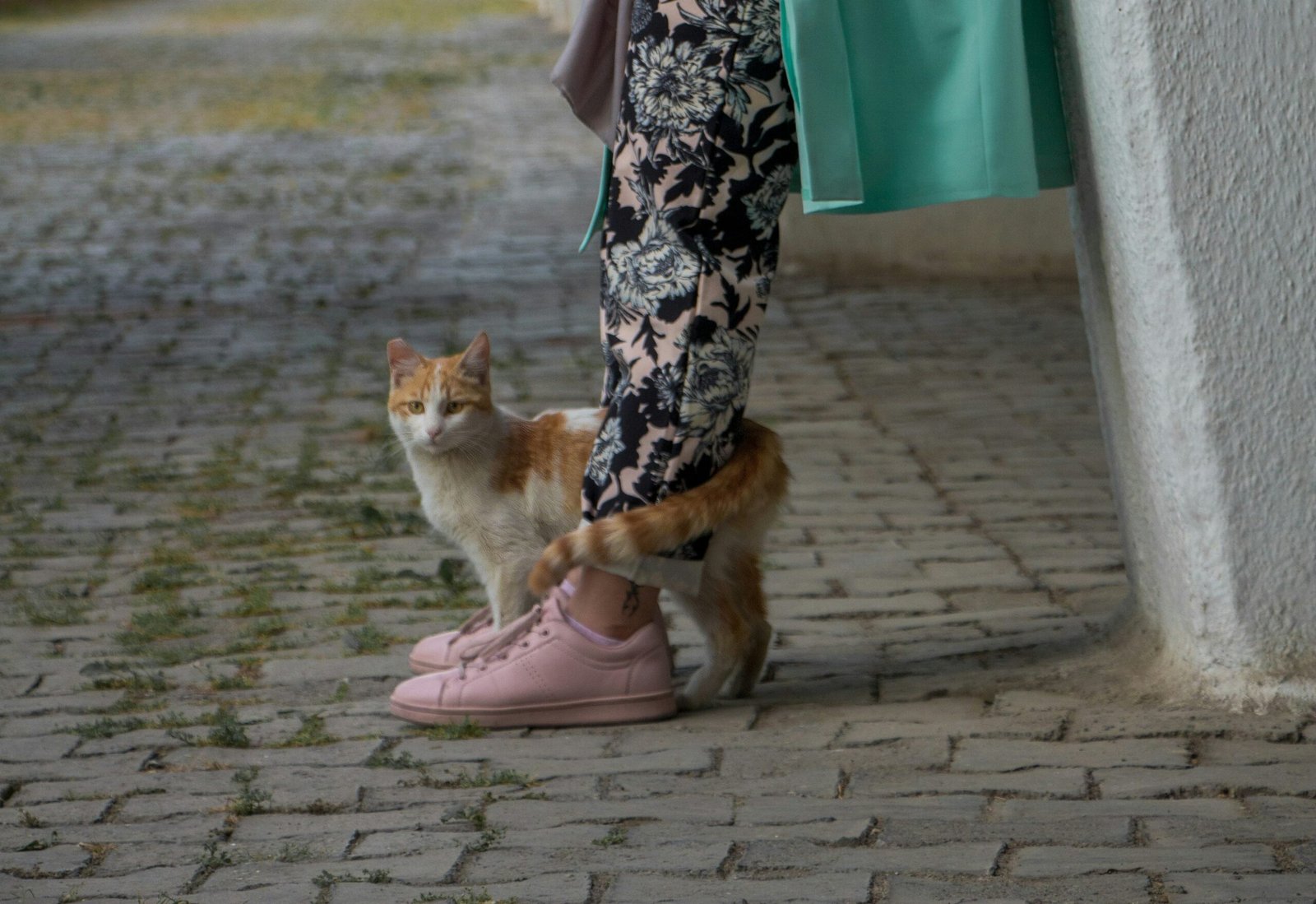
When a cat wraps their tail around a person or animal, it is usually a sign of affection. If a cat uses their tail to wrap around your leg or perhaps another cat’s tail, this is a sign of close affection. At a biological level, a cat’s tail includes scent glands, so the tail is being used to swap scents with the other creature. It’s territorial, in the warmest possible sense. They’re claiming you as theirs.
If you’ve ever seen cats cuddling curled with their tails around each other, you know how adorable this cat behavior is. It’s also a very pro-social tail behavior. In other words, this is one of the ways cats bond and socialize with each other. It’s a way of marking each other with their scent and signaling who their friends are. If your cat snuggles up next to you with their tail curled around you, it means you’re part of their in-crowd. Few things in cat body language are as straightforwardly generous as this one.
Reading the Whole Picture: Tail Language in Context
Cats rely heavily on nonverbal communication. In the wild, clear signals prevent unnecessary fights and help cats navigate social interactions. For domestic cats, those same signals tell us whether they’re feeling relaxed, anxious, playful, or threatened. The tail is central to that system, but it’s never the whole story on its own.
Being aware that a tail-up approach with ears non-erect may have a different meaning than when ears are erect might be a way to better process the information given by cats. Cat tail language can sometimes be more challenging to interpret and may be quite individual and character-based. In certain instances, tail positions that often present in cases of pain, fear, or illness may also be used by a cat in neutral and even positive circumstances, such as when sleeping and resting. Knowing your specific cat’s baseline matters enormously.
Cats are masters of communication and your job is to pay attention. If you learn to accurately read body language signals and respect what your cat is telling you, it will create trust and strengthen the bond you share. That trust, built signal by signal, is what turns a cat from a mysterious housemate into a genuine companion.
Conclusion
There’s something quietly rewarding about the moment a cat’s tail language stops being noise and starts making sense. You’ll begin to notice when your cat is genuinely happy versus just tolerating your attention, when they’re restless versus content, when something in the house has spooked them long before they make a sound.
The ability to interpret your cat’s tail language is not only a tool for understanding their emotions but also a means to create a stronger and more enriching bond. Your cat has been fluent in this language their entire life. The learning curve, it turns out, has always been yours.
Kristina is a young writer from India. An arts graduate and an avid content creator, Kristina is passionate about animals and wildlife. She enjoys exploring topics related to pet care, animal behavior, conservation, and nature, combining thorough research with engaging storytelling.