Your cat has been sitting quietly across the room, eyes half-closed, seemingly indifferent to the world. Then one ear twitches. Just once. It’s so small, so fast, that you almost miss it. Yet that single movement carries more information than most people realize, a quiet broadcast from your cat’s inner world, transmitted through one of the most finely engineered communication tools in the animal kingdom.
Cats are masters of nonverbal language. Every flick, swivel, and tilt of their ears is part of a broader vocabulary that most cat owners walk past every day without fully reading. Once you start paying attention, though, the picture becomes remarkably clear. Your cat has been talking to you all along.
The Engineering Behind the Ear
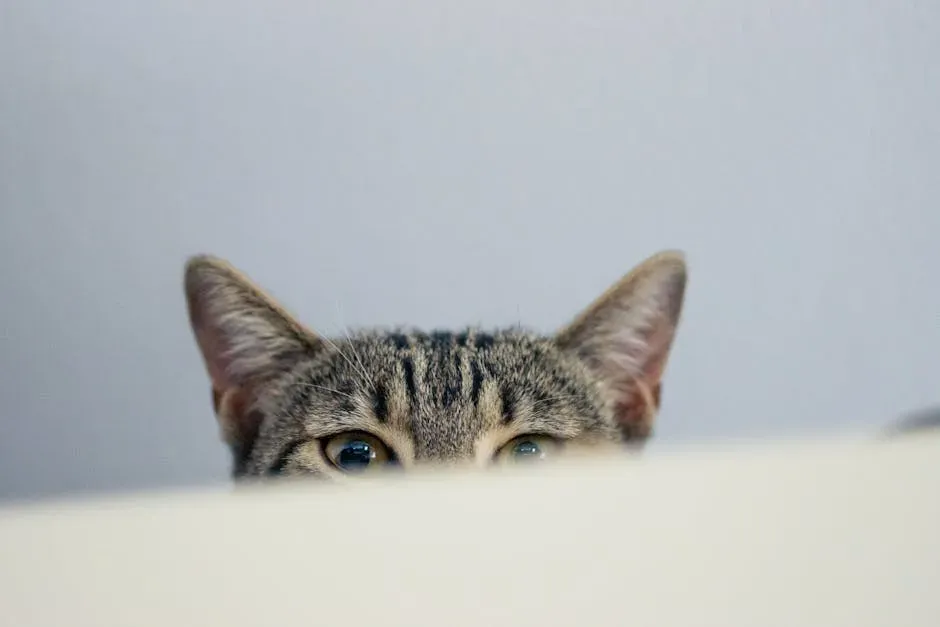
Each cat ear contains 32 muscles, compared to just 3 in human ears. That’s not a small difference. It’s the reason your cat can hold a full conversation with its ears while the rest of its body barely moves.
Cats can move each ear separately, rotating them around 180 degrees. You likely can’t even wiggle yours. This independent rotation allows your cat to monitor two completely different sound sources at the same time, a function that is both a survival tool and an emotional outlet.
Neutral Ears Mean Everything Is Fine
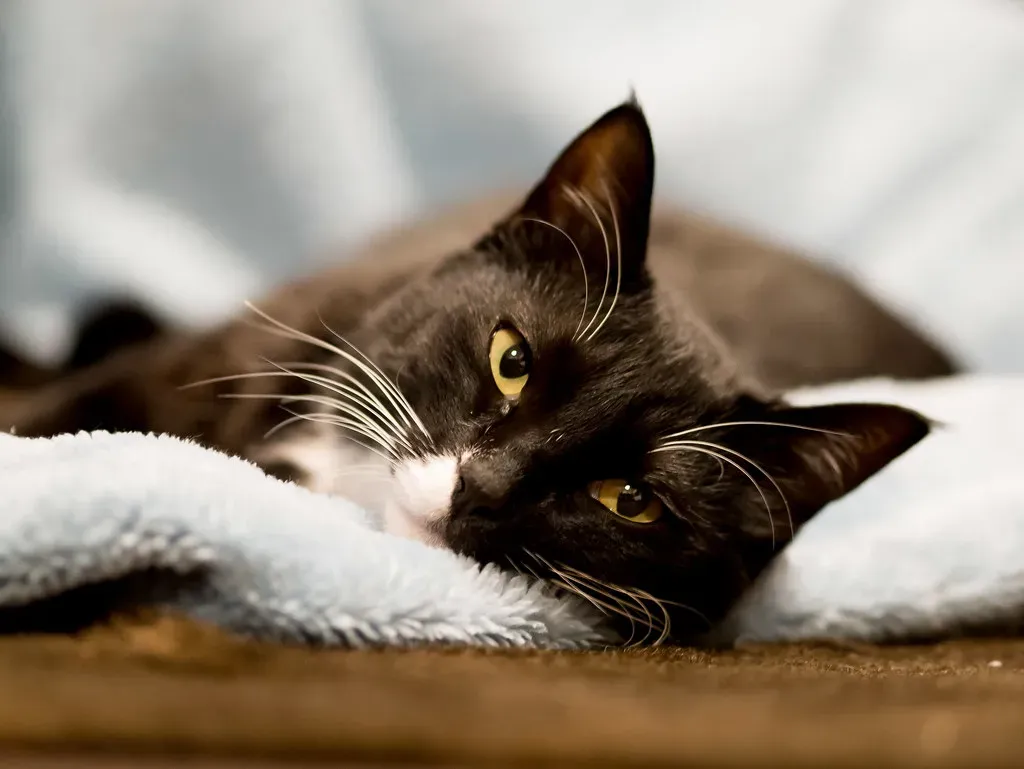
When your cat’s ears are in their natural position, facing forward but relaxed, it usually means they’re comfortable and at ease. This neutral stance suggests your cat feels safe and might even accompany slow blinks or gentle purring. Think of it as your cat’s version of a relaxed sigh.
In a neutral position, a cat’s ears are relaxed and pointed slightly forward. This typically signals that your cat is feeling friendly and at ease. Neutral ears are often accompanied by a tail pointing straight up, which is also a sign of an easygoing kitty. When your cat fits this description, it’s usually a good time to greet them with some gentle petting or invite them to cuddle.
Forward and Alert: Your Cat Is Tuned In
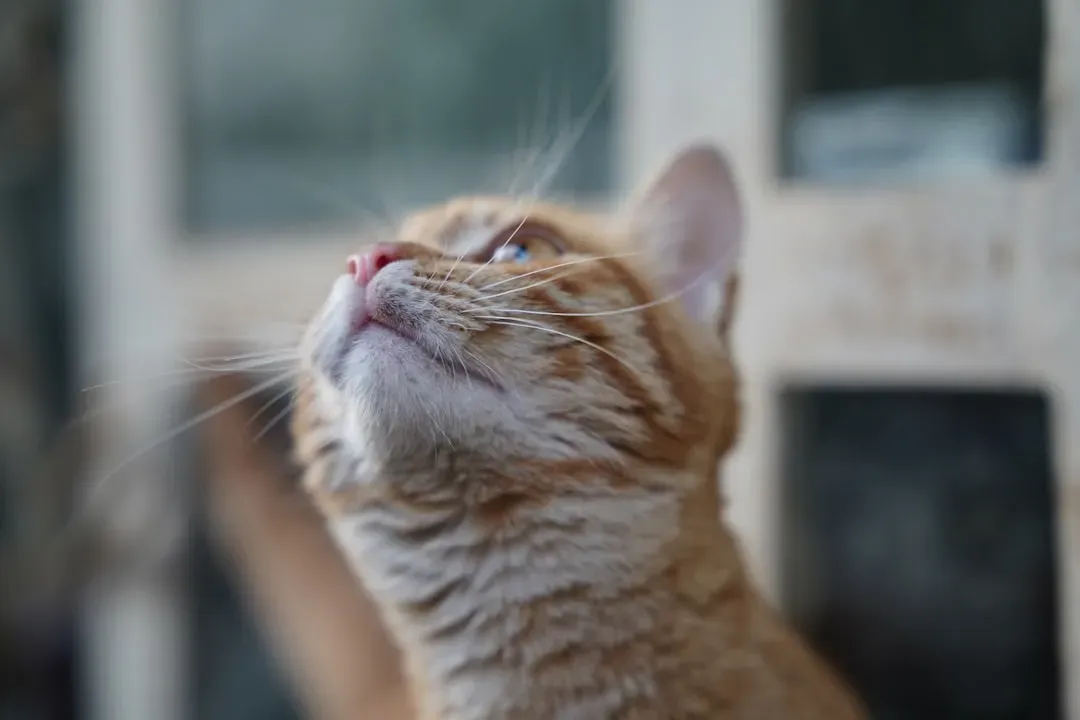
Cat ears that are tilted forward and upright signal interest in their surroundings. This is often seen in situations such as when your cat is exploring a new environment, watching birds outside, or is even engaged in play. The forward ear isn’t just curiosity. It’s focused attention, actively gathering data.
This ear position is a definite indicator that your cat is alert and focused on something that’s caught their interest. Their ears will be facing the direction of the sound that they’re trying to zone in on. While your cat’s ears will usually be facing forward, your cat can move their ears independently, so you may see their ears facing in different directions.
The Pre-Pounce Twitch: Hunting Mode Activated
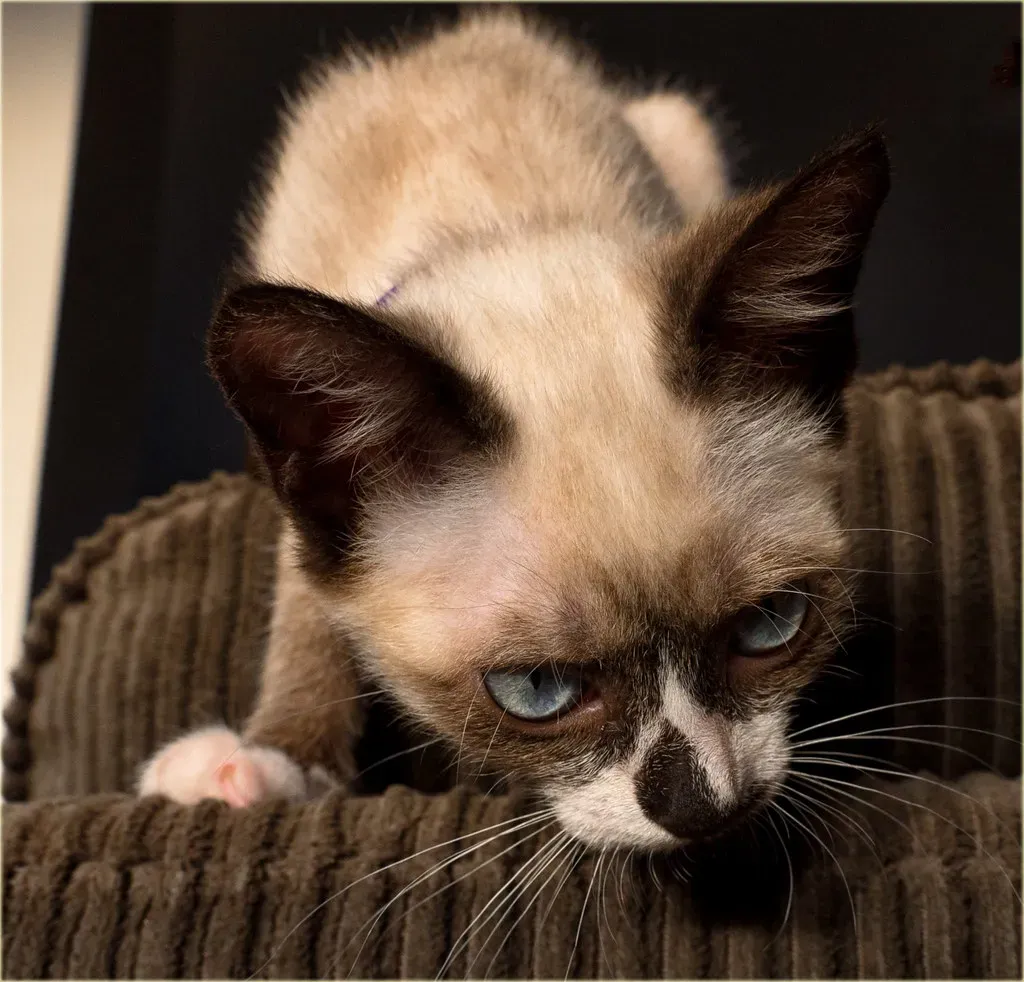
If you see your cat’s ears twitching, they may be getting ready to pounce on something. This ear language will often follow the straight-up and facing-forward position if your cat decides that whatever they’ve been watching is worth chasing. While they’re twitching their ears, you may also see your cat wiggling their bottom and lowering their bodies as they prepare to pounce on whatever has caught their attention.
Ear twitching is thought to help cats pinpoint the location of a sound source. By twitching their ears, cats can adjust the direction and focus of their ears to capture and process sound more effectively. This ability is especially useful for cats in the wild, where they need to hunt prey and avoid predators. In your living room, the “prey” might just be a dust particle or a rustling plastic bag, but the instinct runs deep.
Flattened Ears: The “Back Off” Signal

If your cat’s ears are flattened against their head in “airplane mode,” it means that they’re frightened or nervous, and it could lead to aggressive behavior. When a cat’s ears are in this position, the cat is telling you that they’re uncomfortable and need some space.
When your feline is thinking about starting a scuffle, her ears will be pointed diagonally backward, not quite forward or completely back. When a kitty is ready to strike with claws and teeth, their ears will flatten against their head. Doing so protects the ears from an opponent’s bites and scratches. If you see this happening, take the hint and give your cat room to breathe.
One Ear Up, One Ear Down: Confusion or Concern
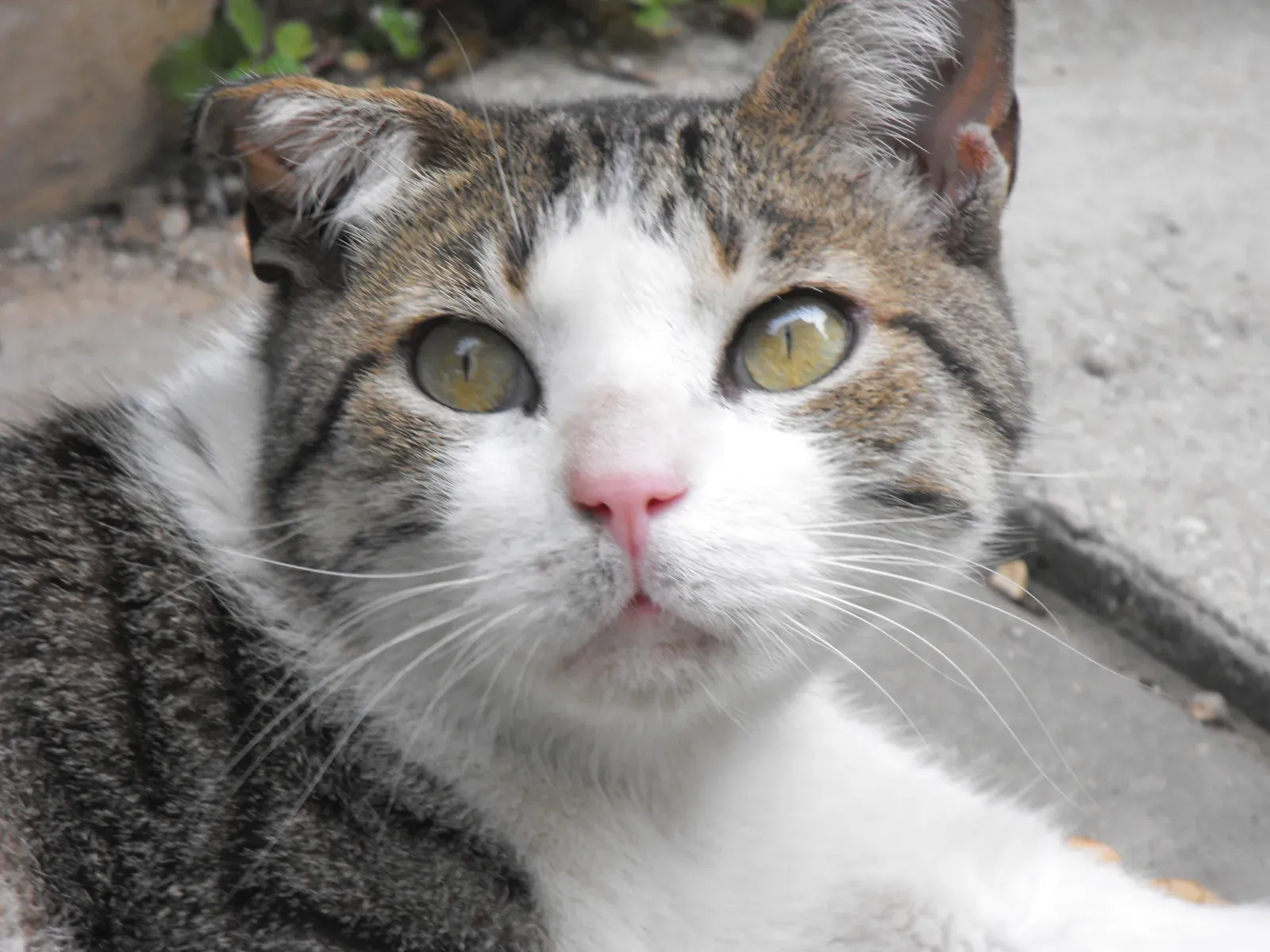
If your cat is holding one of their ears up, it can mean that they are feeling confused. Often your cat does this when they are trying to focus on two different noises or if they are in a new environment with lots of different stimuli they haven’t experienced before. It’s essentially your cat’s version of tilting its head and saying “wait, what was that?”
Another reason one ear might be up and one down is your cat has health problems, including an ear infection. Ear infections are very common in cats. They can be caused by bacteria or yeast. Your cat may hold the ear down as it is too painful to move. Context matters here. A one-off asymmetric ear is probably curiosity; a persistent one is worth a vet visit.
Rapid Ear Flicks: Irritation or Overstimulation
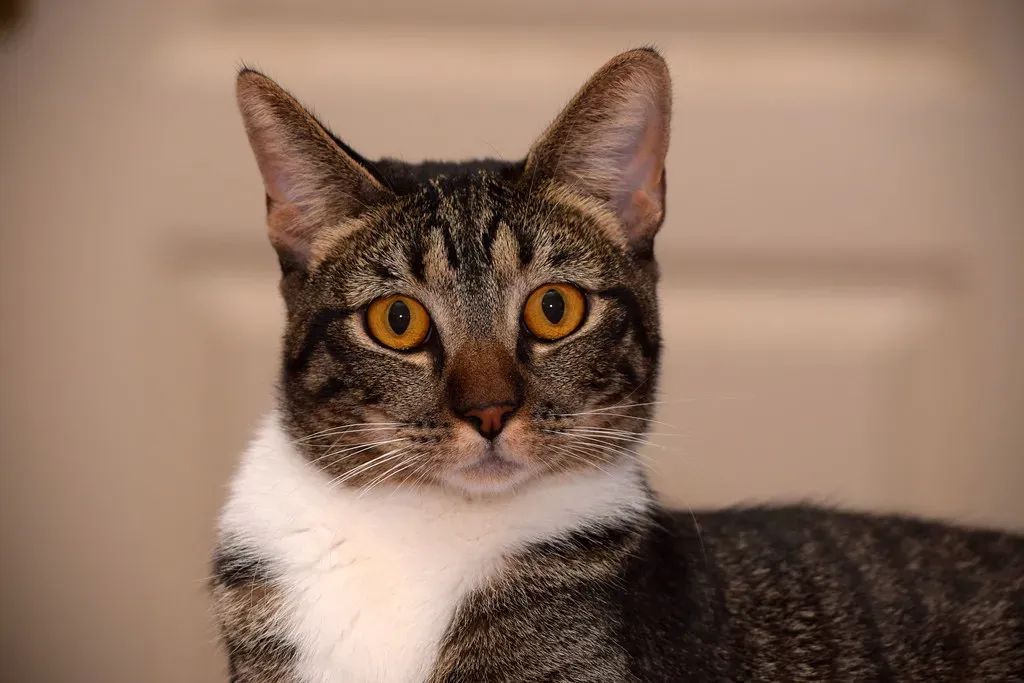
Quick, repeated ear flicks often mean your cat is feeling irritated or overwhelmed. You might see this when there’s too much noise, movement, or unwanted touching. It’s one of the first signs that something isn’t right. This is your cat’s polite way of warning you before something less polite follows.
Ear twitching can be an indication of a cat’s mood. If a cat is feeling agitated or anxious, it may twitch its ears more frequently than usual. On the other hand, if a cat is feeling relaxed and content, its ears may twitch less frequently. The frequency tells its own story, and once you’ve watched long enough, you’ll start reading it automatically.
Twitching During Sleep: Still On Guard
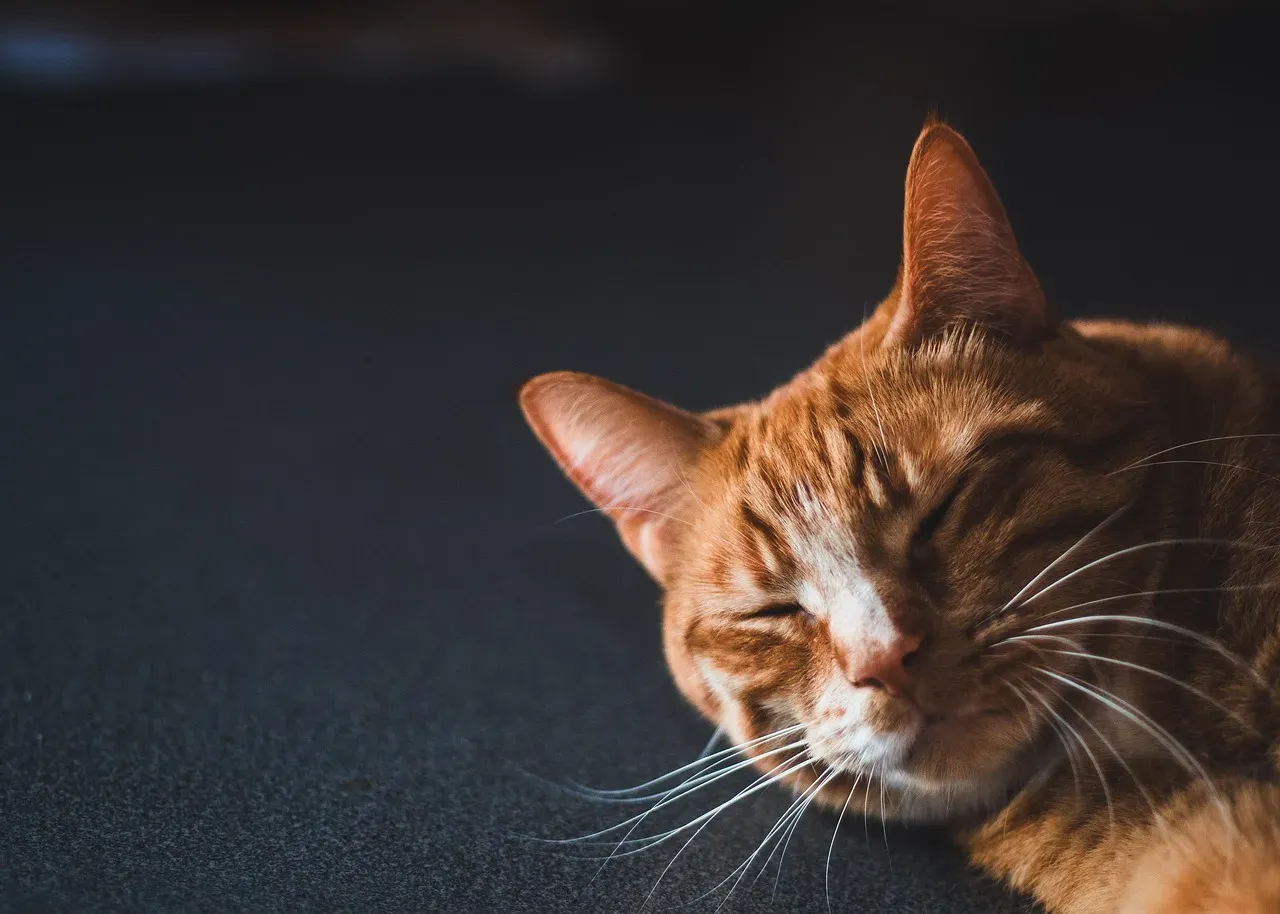
Cats are light sleepers by nature. Even when they close their eyes, their ears stay busy. This keeps them ready to react to things like footsteps, door creaks, and rustling leaves outside the window. That ear twitch during your cat’s midday nap isn’t random. It’s a biological alarm system running quietly in the background.
This behavior comes from instinct. In the wild, staying alert helps felines avoid threats and catch prey. That’s why a nap never means a full shutdown. So if your cat’s ears twitch or rotate while they snooze, they’re not just dreaming but monitoring. It’s their way of staying safe without giving up their cozy spot.
When Ear Twitching Is a Medical Signal
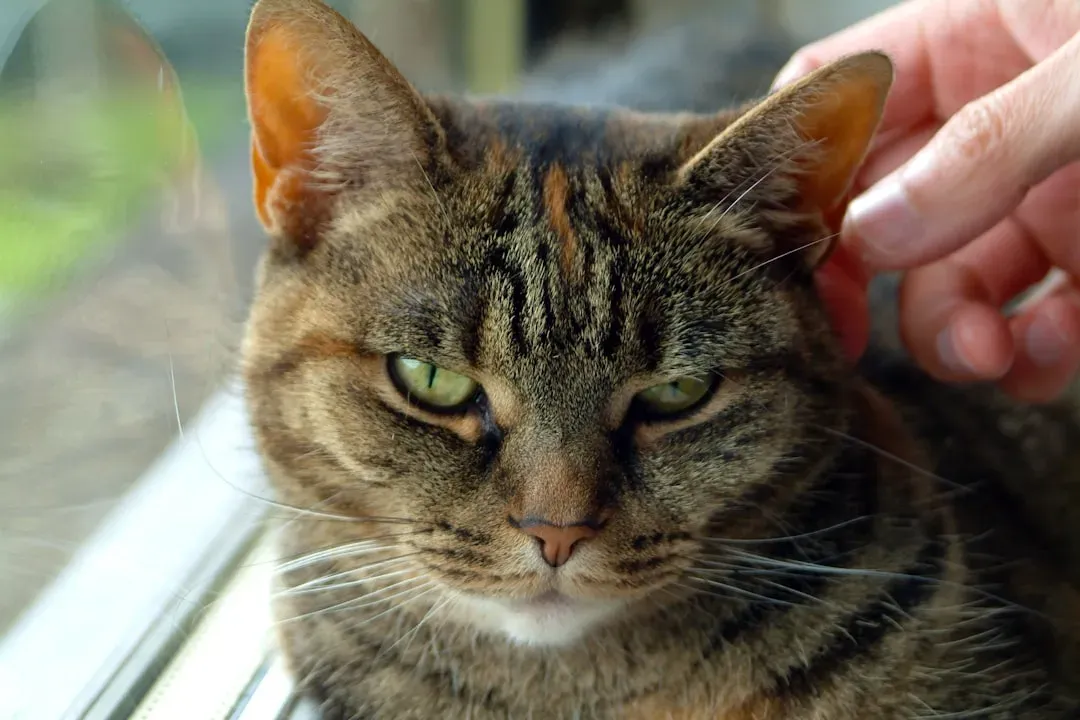
Your cat’s ears are home to microscopic substances, including the fungus Malassezia. If something changes the environment in your cat’s ear, the fungi can overgrow and result in an ear infection. Besides twitching, you might also notice redness, swelling, a foul odor, or discharge. If you suspect your cat has an ear infection, you should take them to the vet for early treatment.
Diabetes is a condition that causes a cat’s blood sugar levels to fluctuate. If a cat with diabetes experiences low blood sugar, their ears might twitch as a subtle symptom. Other potential signs of feline diabetes include unexplained weight loss and excessive hunger and thirst. The ears, in other words, aren’t just communicating mood. Sometimes they’re communicating health, and it pays to listen.
Reading Ears as Part of the Whole Picture
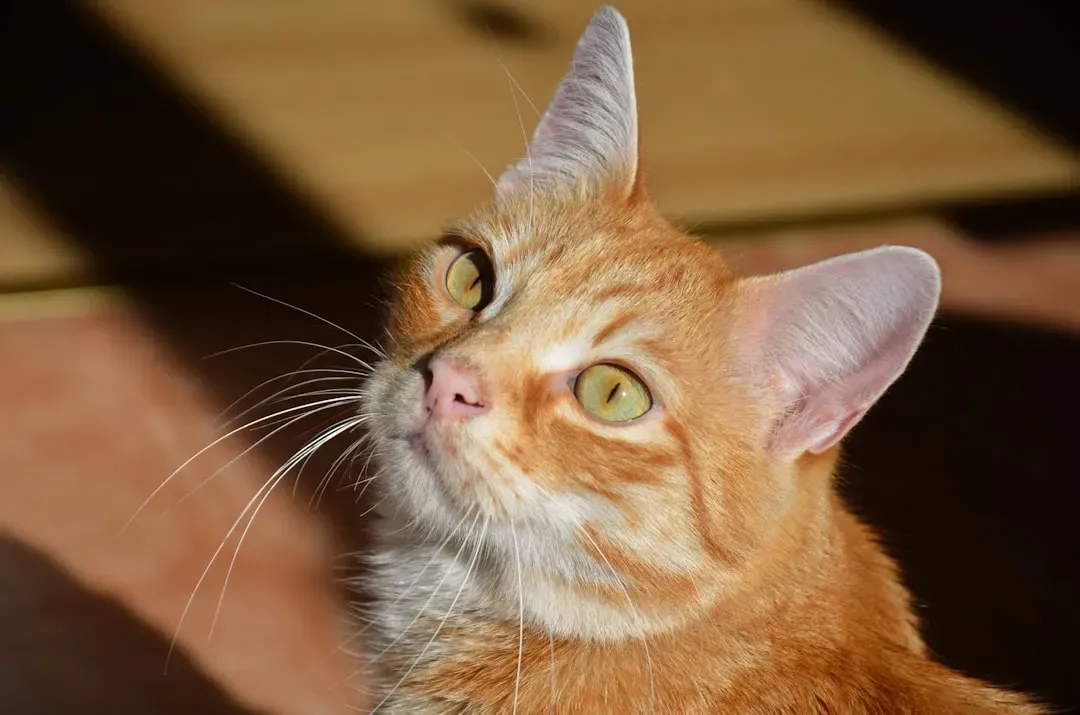
Observing your cat’s ear signals in combination with their body language, tail position, and vocalisations can provide a complete picture of how your cat is feeling. No single cue works in isolation. The ears are one chapter of the story, not the entire book.
Interpreting cat ear position meaning isn’t just about curiosity. It’s about connection. When you understand your cat’s subtle signals, you respond more appropriately to their needs. This leads to a calmer home environment, reduced stress, and deeper trust between you and your feline friend. That trust, once built, shows up in everything from how your cat greets you at the door to how willingly they settle near you on a quiet evening.
Conclusion
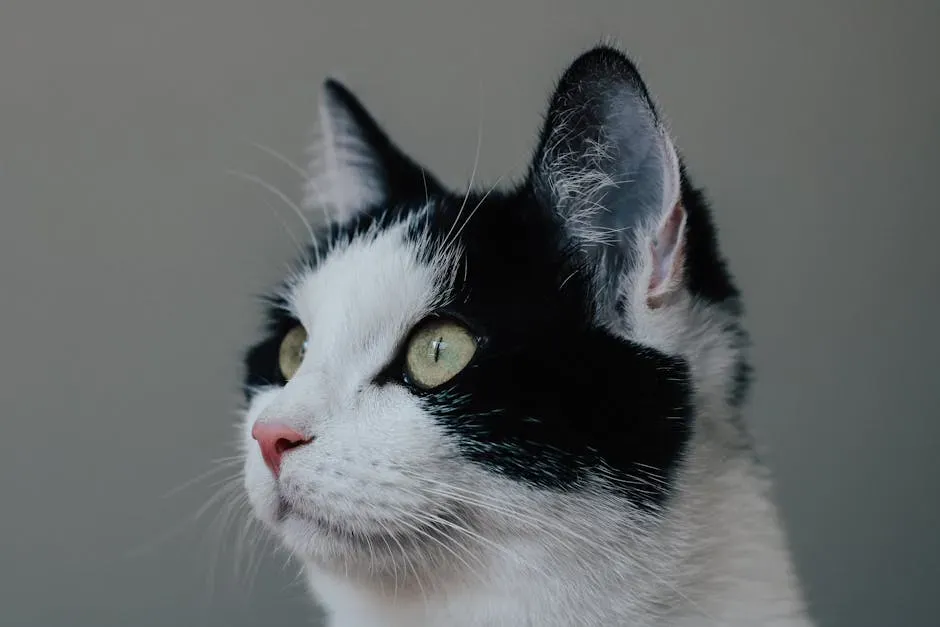
There’s something quietly rewarding about learning to read a cat’s ears. It requires patience, observation, and a willingness to notice things that are easy to overlook. Once you develop that habit, your relationship with your cat shifts. You stop guessing and start understanding.
The sensitive, complex structure of the cat’s ear makes it a highly effective emotion detector. By paying close attention to these subtle cues, from the happy forward-tilt to the defensive flat ears, you gain a valuable window into your cat’s inner world. Understanding and respecting these signals is the key to forging a stronger, more trusting relationship. Your cat has always been telling you how they feel. The ears were just waiting for you to start reading them.
Kristina is a young writer from India. An arts graduate and an avid content creator, Kristina is passionate about animals and wildlife. She enjoys exploring topics related to pet care, animal behavior, conservation, and nature, combining thorough research with engaging storytelling.