You set the alarm. You pay the mortgage. You buy the food. Yet somehow, the moment you share your space with a cat, you get the distinct impression that none of that entitles you to much. Your cat surveys the room from the back of the sofa with the calm confidence of someone who has already made their decision about who is really in charge here.
This is not a coincidence. It is not even really a personality quirk. The behavior that makes cats seem so certain of their authority over your home is rooted in millions of years of evolution, and understanding it changes how you see every stare, every headbutt, every commandeered armchair. Here is what is actually happening behind that composed, slightly superior expression.
Your Home Is Their Territory, Full Stop
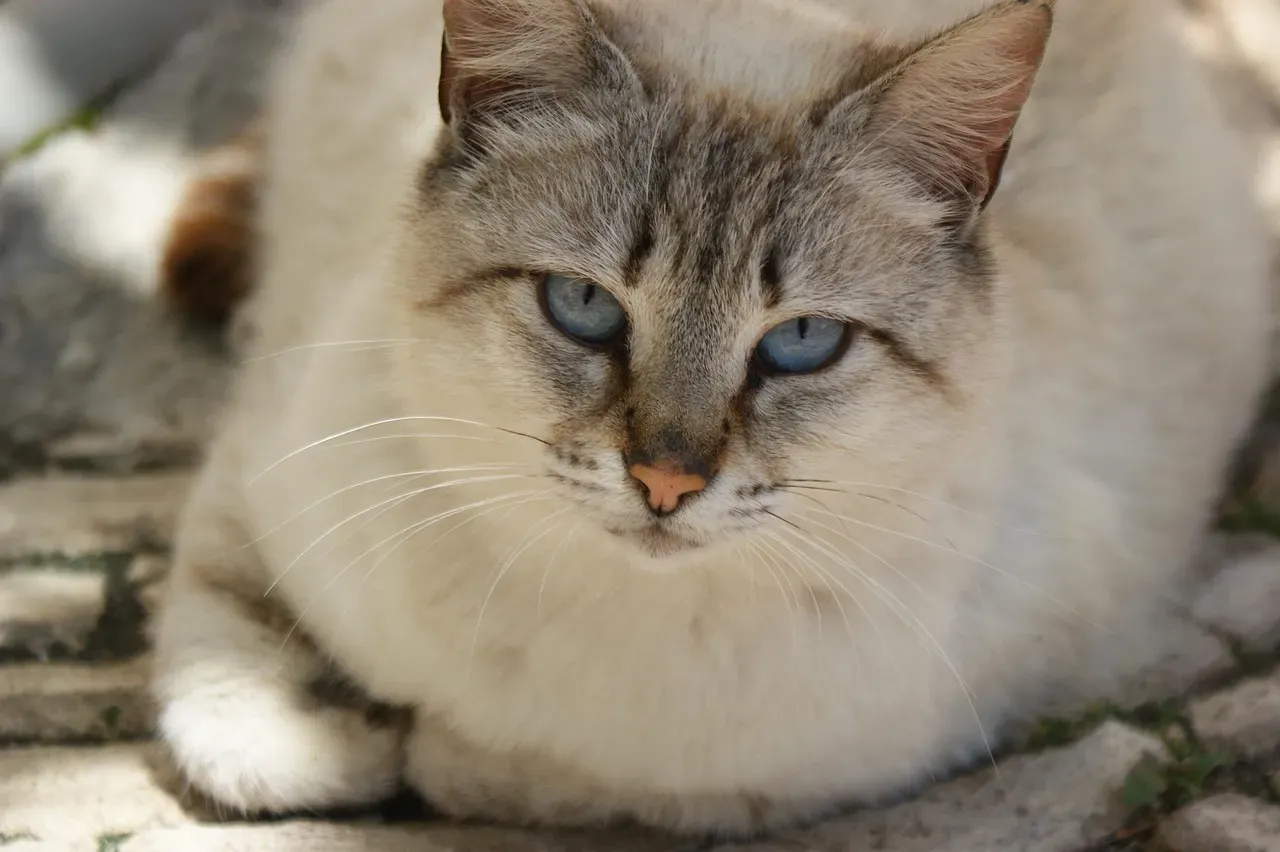
Cats are territorial creatures, and in the wild, a cat’s survival depends on securing a safe space free from threats. When you bring a cat into your home, they immediately see it as their own territory, not yours. This happens almost from the moment they arrive, and it is not something they negotiate.
Cats are territorial by nature. In the wild, space equals survival, and at home, that instinct turns into owning your furniture, your bed, and sometimes your laptop keyboard. The scale changes, but the instinct stays exactly the same.
The Science of Scent: How Your Cat Marks What Is Theirs
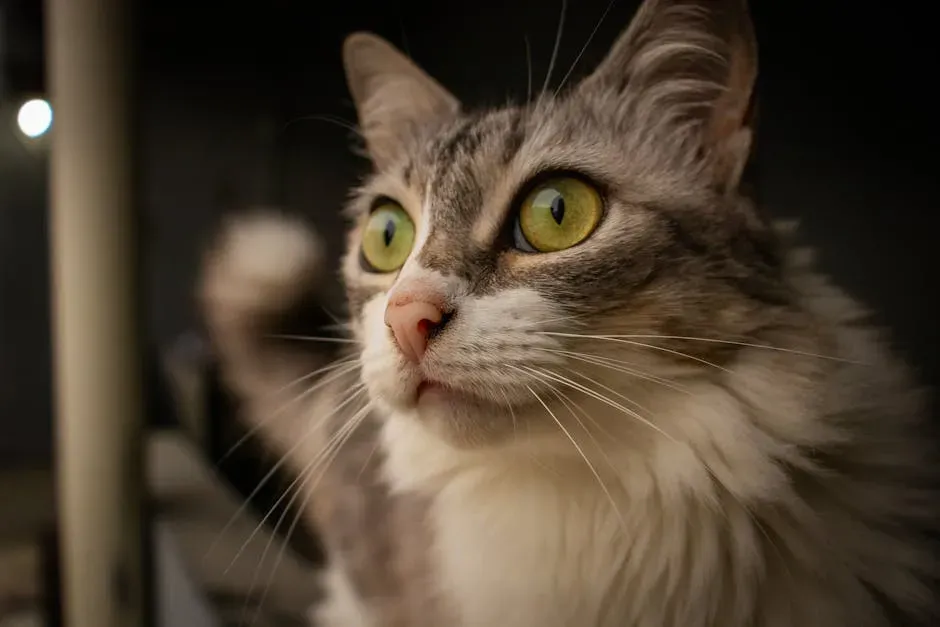
One of the most common ways cats mark their territory is through scent glands located on their face, paws, and tail. These glands release pheromones, invisible chemical signals that cats use to communicate. When your cat rubs its face against furniture, walls, or even you, it is spreading its scent to claim ownership. This behavior, known as bunting, leaves a comforting, familiar marker in their environment.
Feeling in control of their environment gives cats a sense of security. When they mark their territory with scent glands located on their face and paws, they create a familiar and comforting environment for themselves. This behavior helps reduce stress and anxiety. So that gentle rub against your leg is not purely affection. It is also a quiet claim of ownership.
Why Your Cat Scratches Your Furniture (And Means It)
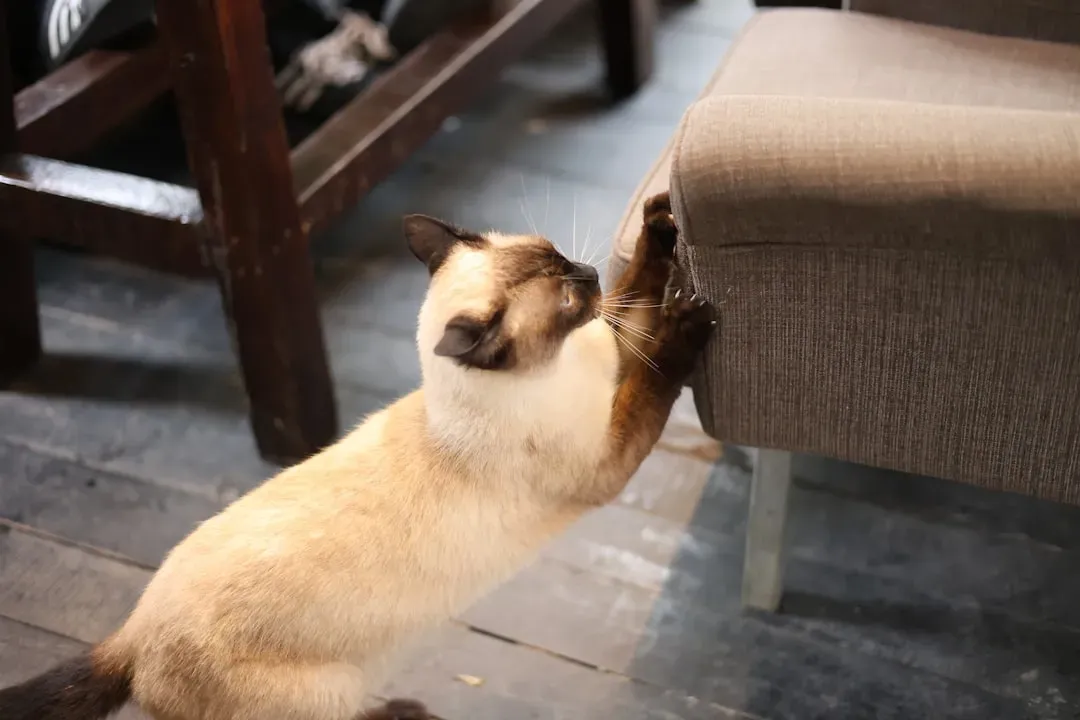
Scratching serves a dual purpose: it sharpens a cat’s claws while also marking territory. Cats have scent glands between their paw pads, so scratching leaves both a visible mark and a scent signal. This behavior communicates to other cats, “This space is mine.”
Cat scratching is a self-motivated and natural behavior, yet cat owners commonly report unwanted scratching on household items, such as furniture, walls, and carpets. If your cat scratches only new objects or furniture, she may simply be marking unmarked territory. This will usually pass when she develops a sense of ownership of the new objects. In other words, your cat is not being destructive. Your cat is being thorough.
Kneading: The Ancient Art of Claiming You
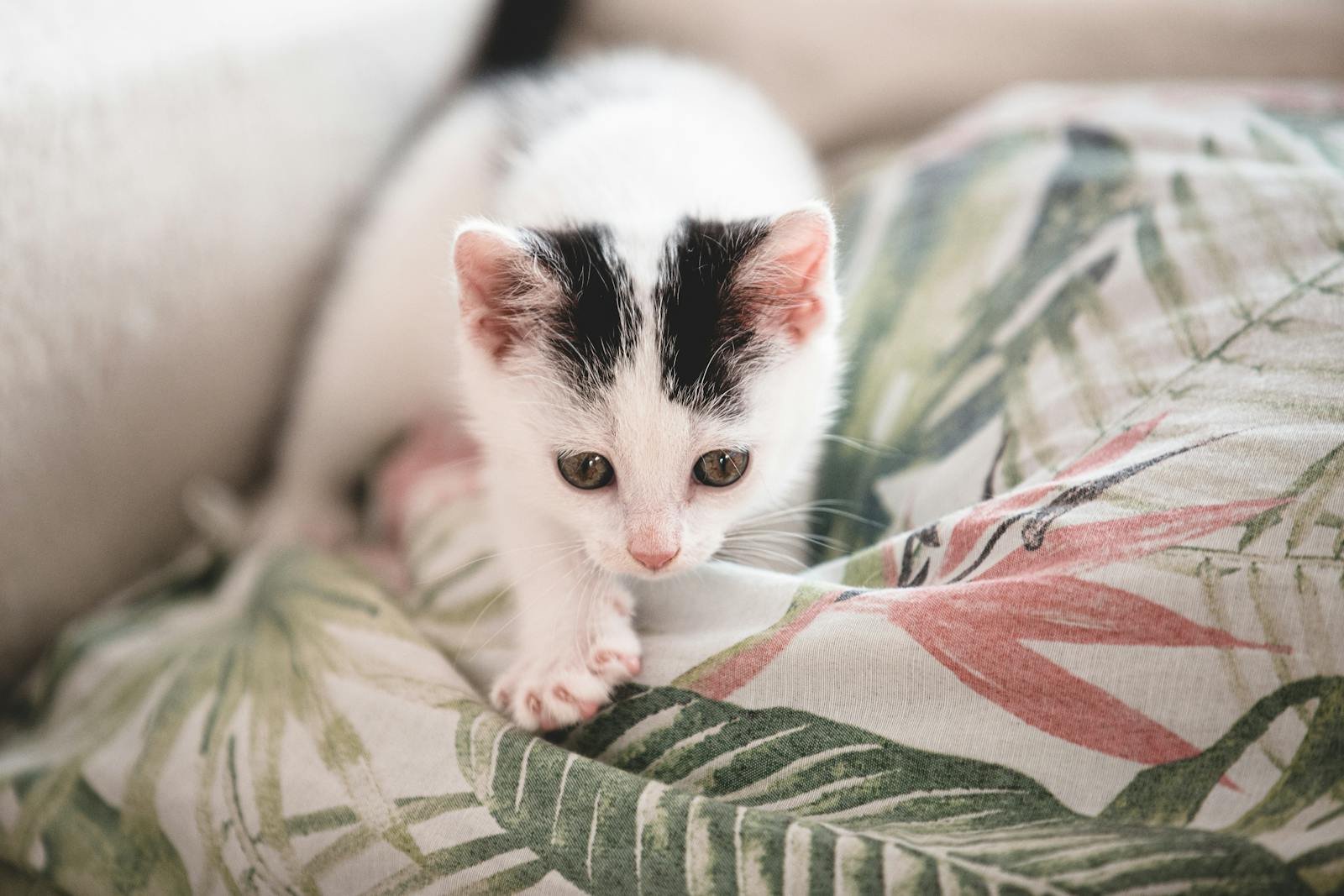
Kneading is a deep-rooted instinct that starts in kittenhood to stimulate milk flow. It is a powerful sign of love, contentment, and trust when directed at you. Cats have scent glands located in the soft pads of their paws. Every time they push their paws into a surface, they deposit their own unique pheromones, leaving behind an invisible message that says, “This is mine.”
When your kitty kneads, they are also leaving behind a faint scent that signals ownership. If your feline overlord is kneading your favorite blanket or you, it is their way of claiming it as their own. Nursing kittens knead their mother’s belly to stimulate milk flow, and the comforting feeling often carries into adulthood. That is why even adult cats may knead when they are especially content or sleepy. It reminds them of safety and warmth.
Resource Guarding: Who Really Owns the Best Spots
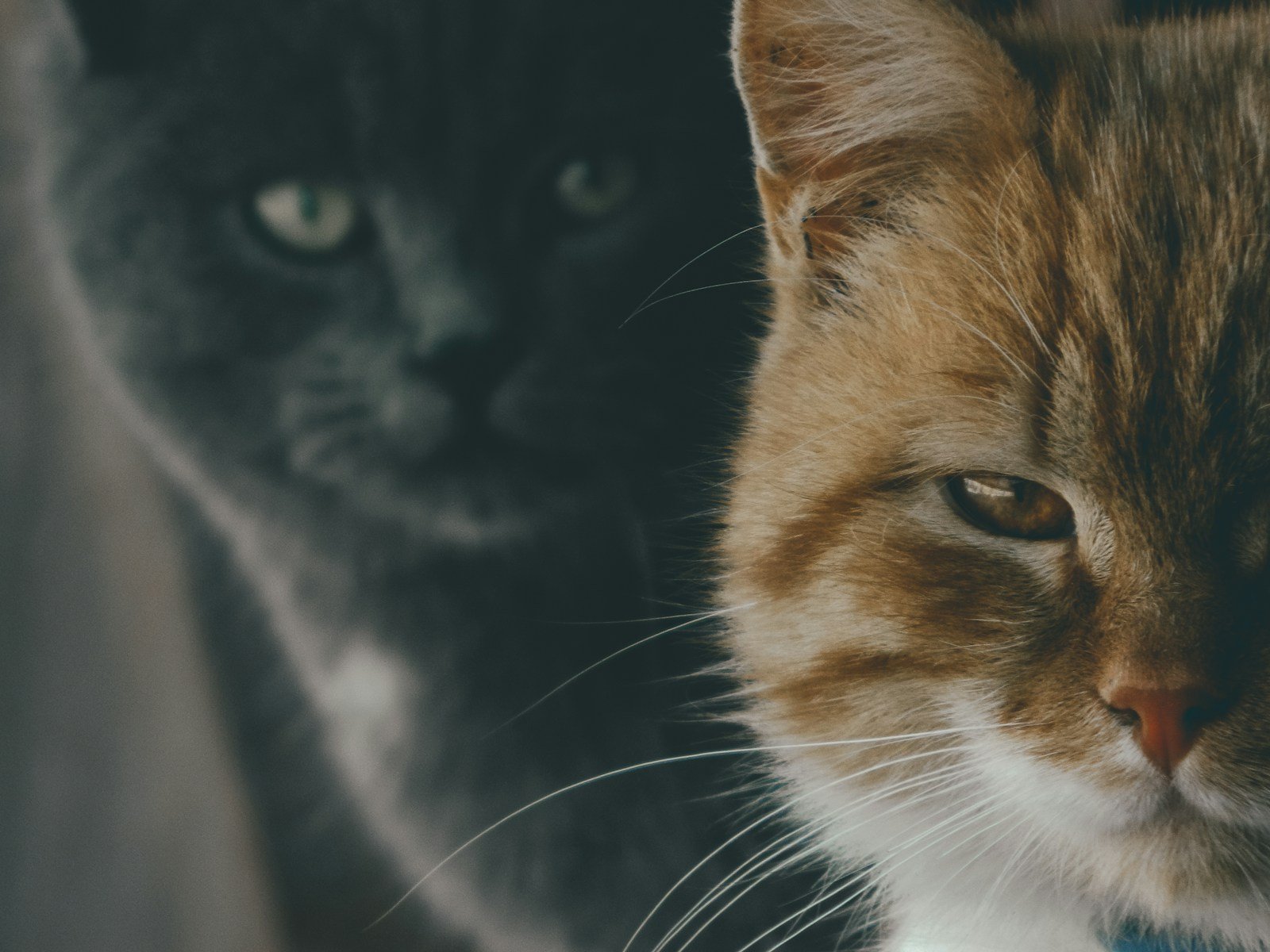
The most consistent sign of an assertive cat is controlling access to shared resources. A guarding cat eats first and often lingers at the bowl after finishing, not because it is still hungry, but to prevent the other cat from approaching. This behavior extends beyond food. Litter boxes, water bowls, window perches, and preferred sleeping spots all become contested territory.
Control is significant to cats as a species. Cats feel happiest with free access to do and go wherever they want. Dominance in cats is about establishing control over resources like food, territory, or attention, often through subtle or overt behaviors. The comfortable chair, the sunny windowsill, the warmest corner of the couch: these are not shared. They are assigned.
The High Ground: Why Your Cat Claims Every Elevated Spot
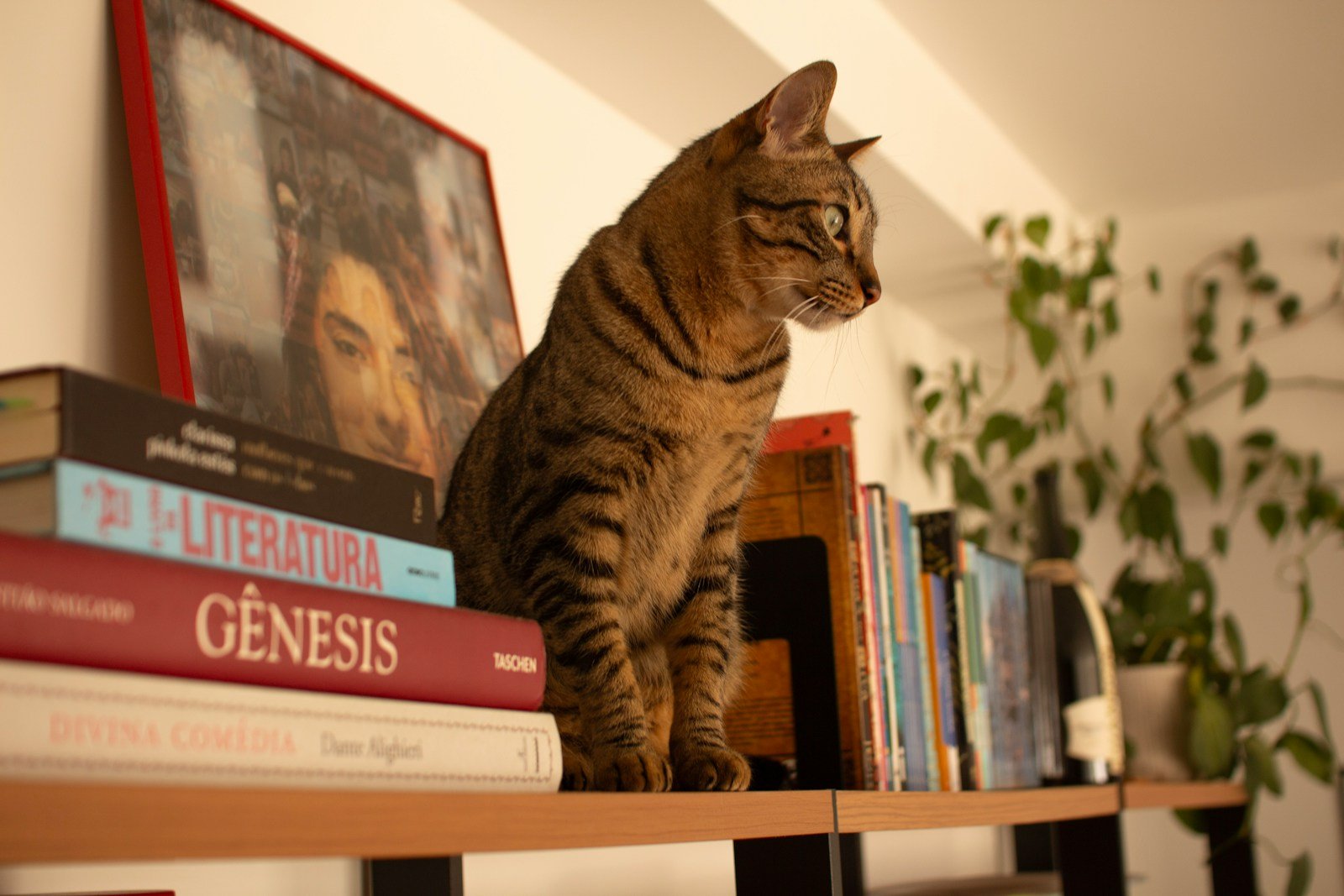
Cats love to climb and often seek out high places like shelves or the top of the fridge to survey their environment. From these vantage points, they can watch over their domain with a keen eye. This literal position of elevation symbolizes their superior status in the household hierarchy.
Cats are natural climbers and perchers. Giving them access to high places like cat trees, shelves, and window perches can help satisfy this instinct in a safe way. Providing vertical territory also gives cats a place to observe their kingdom from on high, which can help them feel more secure and confident. When your cat sits on top of the wardrobe and watches you move around below, understand that this is a deliberate choice, not a random one.
Sleeping on You: An Act of Affection and Ownership Combined
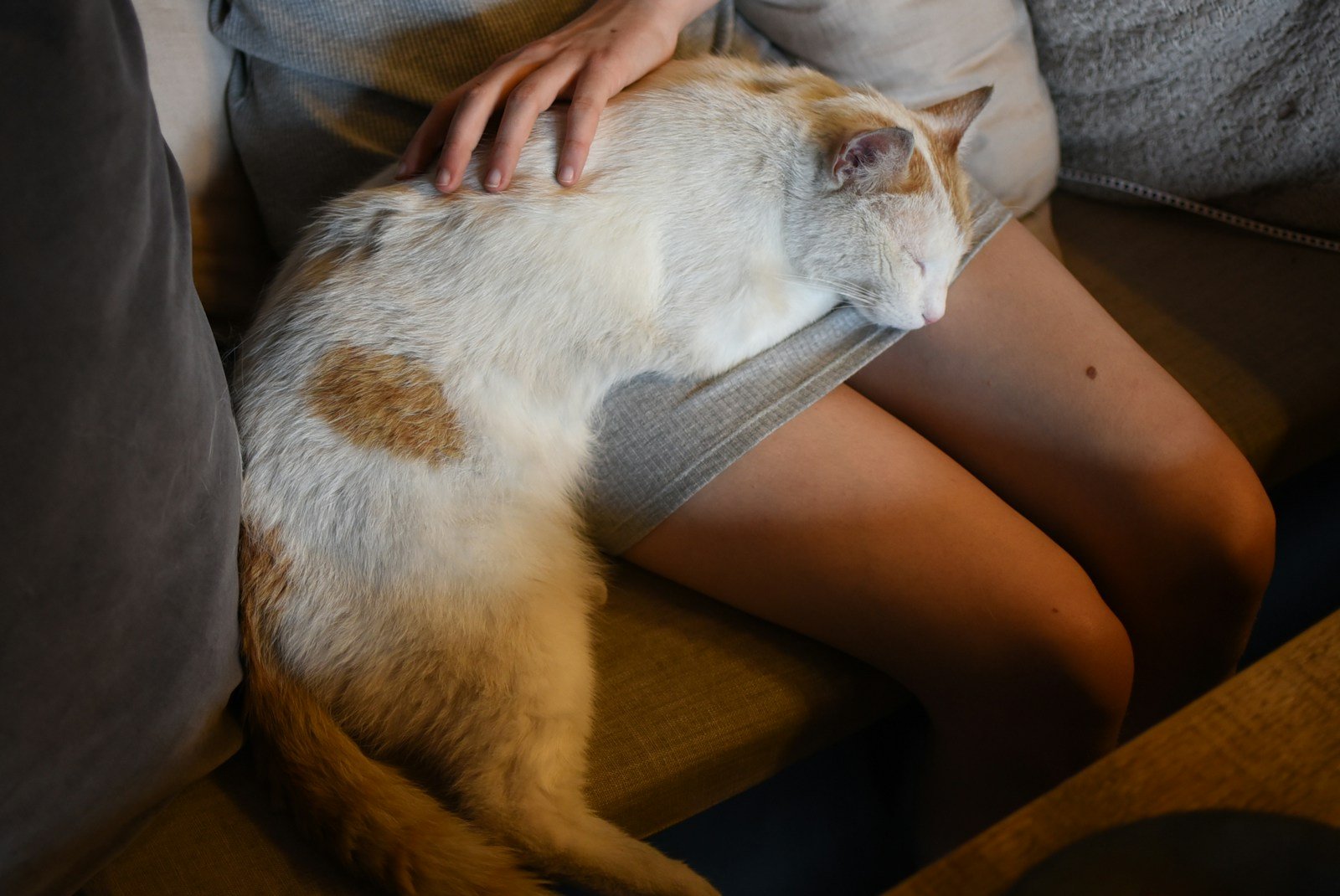
Cats are territorial creatures. When they sleep on you, they might also be marking you, subtly claiming you as part of their territory through scent exchange. Their body oils contain pheromones that signal ownership, bonding, and familiarity. This form of territorial behavior is not possessive in a negative sense; it is actually a sign of affection and inclusion. Your scent comforts your cat, and in turn, their scent tells other animals, “This human is mine.”
Research by Chomel and Sun found that roughly six in ten cats sleep with their adult owners, indicating a strong preference for human warmth. Physical closeness is how cats reinforce trust. When a cat chooses to sleep directly on you, especially in vulnerable positions like your chest or stomach, it means they feel completely safe. The rhythmic sound of your heartbeat and breath provides comfort similar to that of a mother cat’s purring.
Vocal Commands: Your Cat Knows Exactly How to Train You
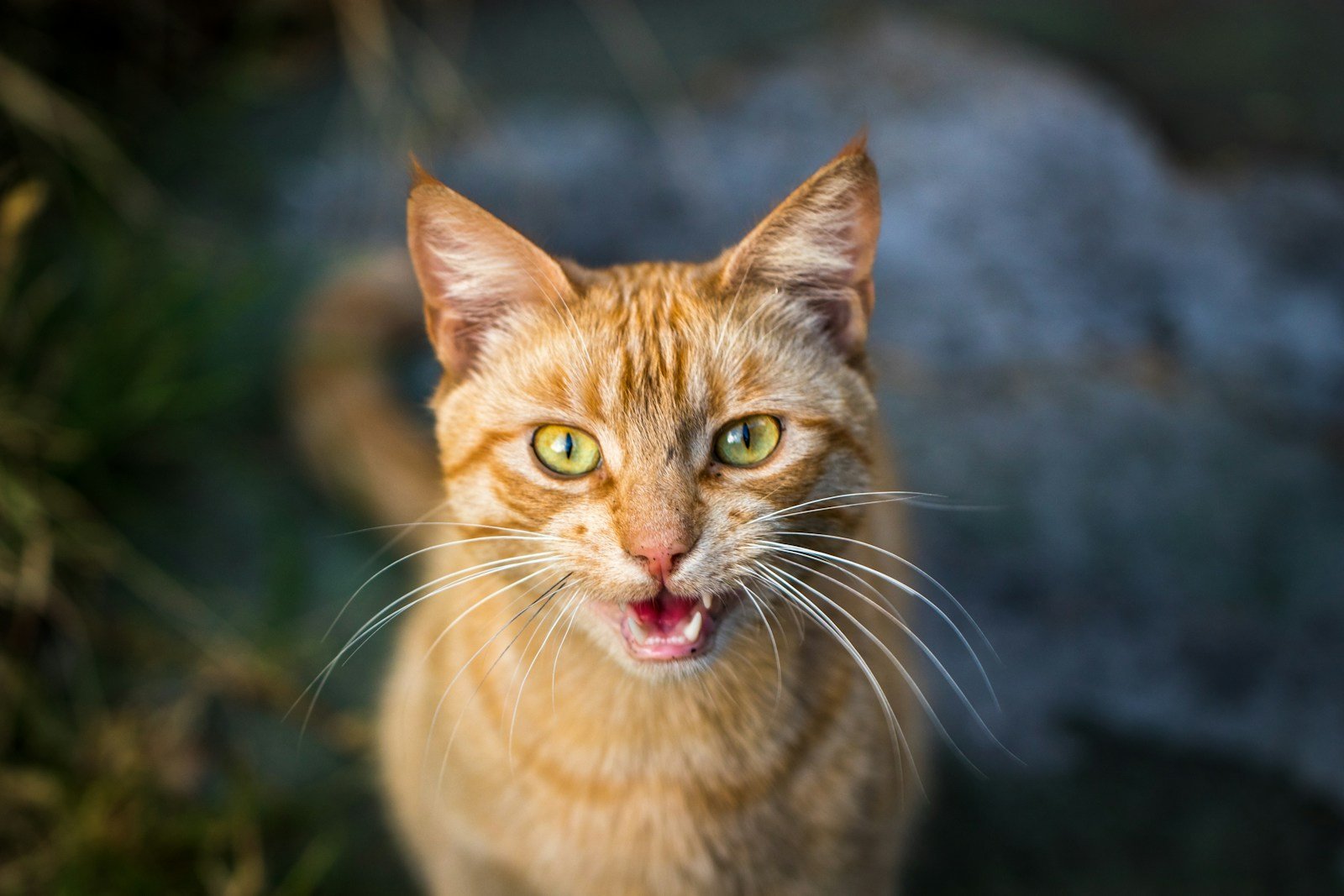
According to National Geographic, scientists have found that cats learn how different people in the house will react to their antics, and they understand exactly which noise they have to make to draw someone into the room or conjure a snack. This is not accidental learning. It is deliberate strategy.
Cats communicate territorial claims vocally through meows, yowls, or growls. These sounds are particularly evident during confrontations with other cats or when unfamiliar animals enter their domain. Providing your kitty with healthy cat food and fresh water is an essential part of being a pet parent, but you had better do it on her schedule. Your cat thinks she is the boss of what you do and when you do it. Most cat owners would quietly agree.
Blocking Pathways: The Strategic Use of Space
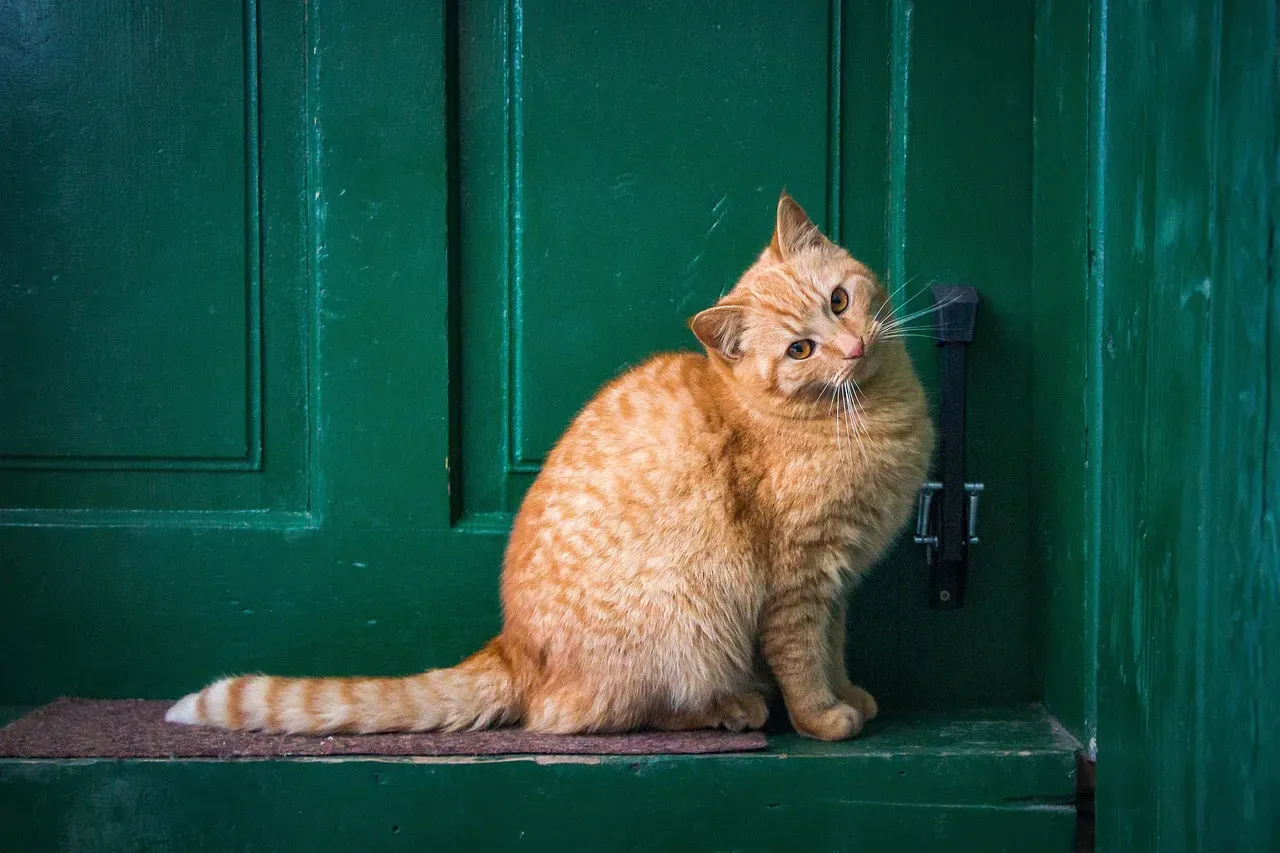
Sometimes, domination is quiet but calculated. A dominant cat might perch in hallways, doorways, or staircases, not to nap, but to control access. These spots become strategic choke points, allowing her to monitor and restrict the movement of others.
By positioning herself this way, she asserts psychological control, limiting others’ freedom without outright violence. Over time, other animals may begin taking longer routes or hesitating near these spots. It is a subtle but powerful way she shows who really owns the floor plan. You may have noticed this yourself: that moment you instinctively step around your cat rather than ask it to move.
It Is Instinct, Not Ego: Understanding What Drives It All
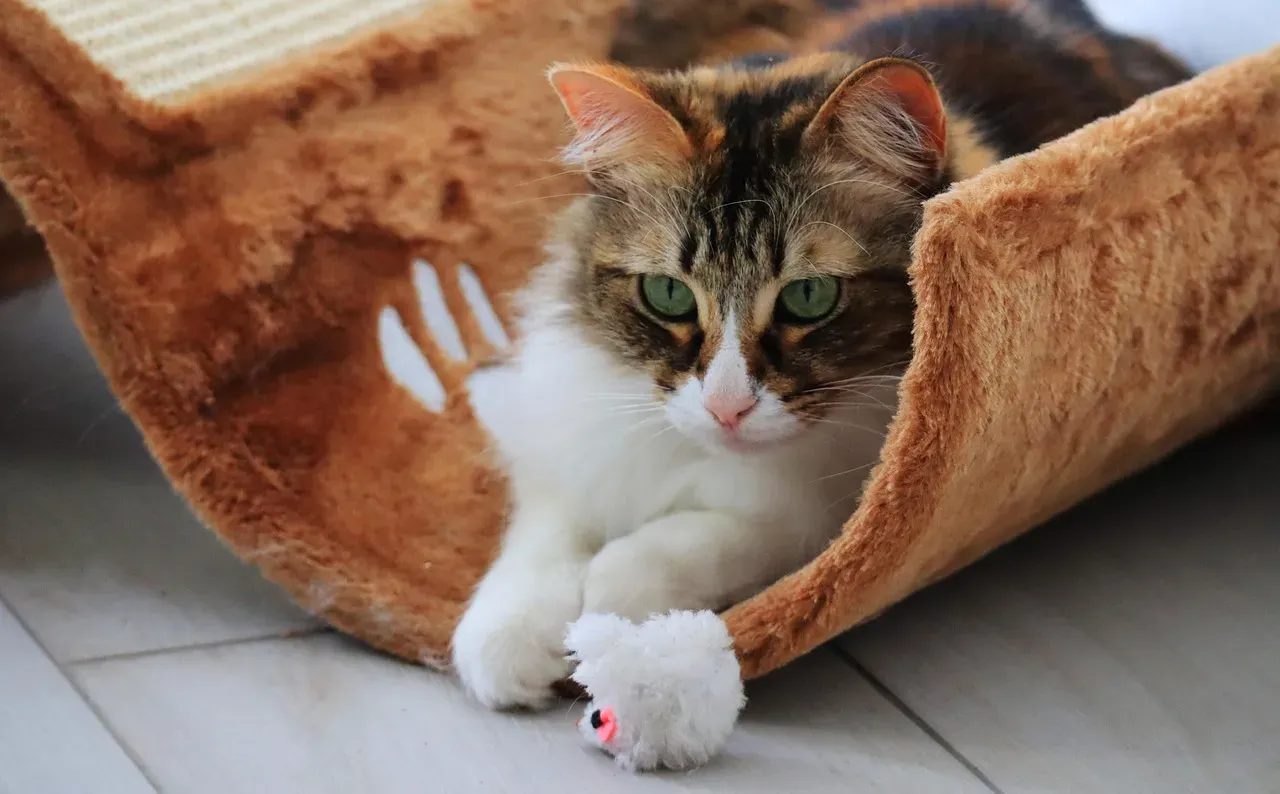
It is important to remember that cats, no matter how adorable, are animals with some of their natural instincts still in play. These instincts can sometimes manifest in territorial behavior problems. Just like you and me, your cat needs to know that they have an adequate food supply and are safe from life-threatening conflicts in order to feel secure in their daily life. The innate desire for those two conditions is what leads many cats to exhibit territorial behavior.
Modern feline behavior research, including the 2024 American Association of Feline Practitioners guidelines on intercat tension, is clear that cats do not form rigid dominance hierarchies the way dogs sometimes do. What looks like dominance is almost always about resource competition, with one cat claiming priority access to things it values. The cat who “owns” the food bowl at dinner may defer to another cat on the couch an hour later. The rulership is real, but it is also flexible and context-driven.
Conclusion: Living Peacefully With a Self-Appointed Ruler
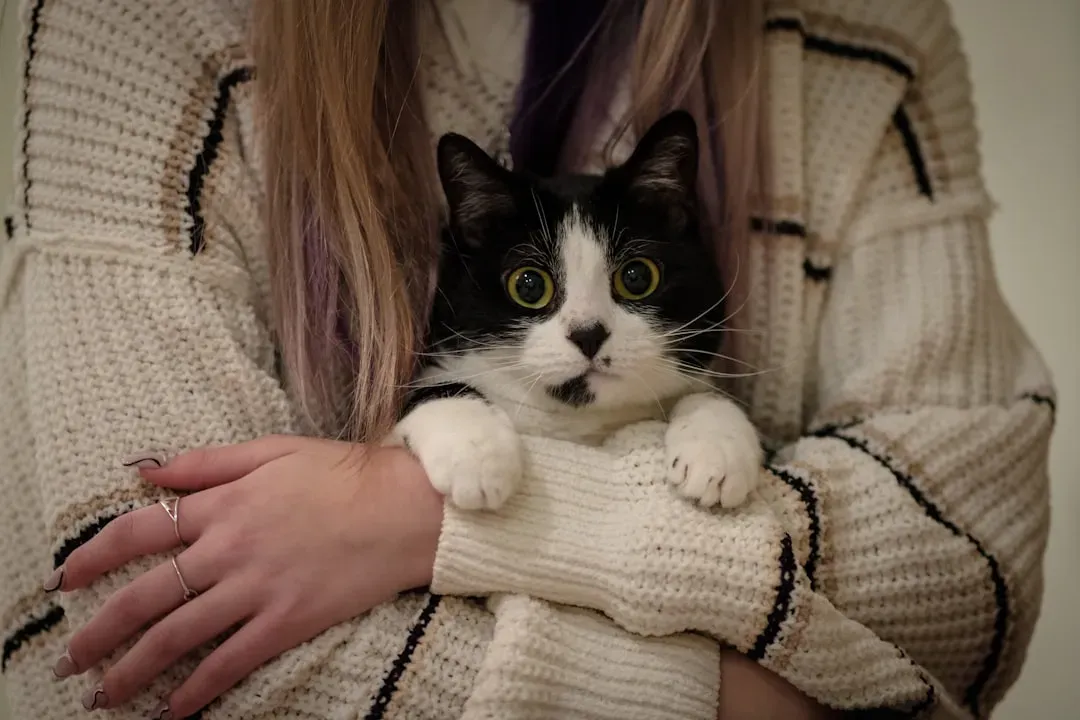
None of this means your cat dislikes you. Quite the opposite. The marking, the claiming, the strategic lounging on your keyboard while you are mid-sentence: these are all signs that your cat considers this home worth defending and considers you worth including in it. You are not a stranger to them. You are part of the territory.
When a cat chooses your lap for a nap, it likely sees you as a resource provider and accepts you into its inner circle. Understanding these factors can help you tailor your approach to managing your cat’s territorial behavior. Providing multiple scratching posts and vertical spaces can help redirect their marking instincts towards acceptable outlets. Similarly, setting clear boundaries and establishing a predictable routine can also help reduce stress and aggression in multi-cat households.
The most honest takeaway may be this: your cat does not rule out of arrogance. They rule because, from where they sit, it genuinely makes sense. You provide food, warmth, comfort, and stability. In exchange, they allow you to remain. That arrangement, strange as it sounds, is the foundation of one of the oldest and most enduring partnerships between humans and animals. Maybe the wisest move is simply to accept your role, and enjoy the company of a creature who, against all odds, has decided you are worth keeping around.
Kristina is a young writer from India. An arts graduate and an avid content creator, Kristina is passionate about animals and wildlife. She enjoys exploring topics related to pet care, animal behavior, conservation, and nature, combining thorough research with engaging storytelling.