Most people assume a cat’s daily routine is pretty simple: eat, sleep, repeat. Stare at a wall for twenty minutes. Knock something off the counter for no obvious reason. It’s easy to dismiss these behaviors as quirky or random, but researchers studying feline cognition have been quietly building a very different picture.
Your cat is, in many ways, a sophisticated cognitive machine. The science behind how cats think, remember, and communicate has grown considerably in recent years, and what’s emerging is a portrait of an animal whose inner life runs much deeper than its reputation gives it credit for.
1. Solving Problems Through Trial and Error
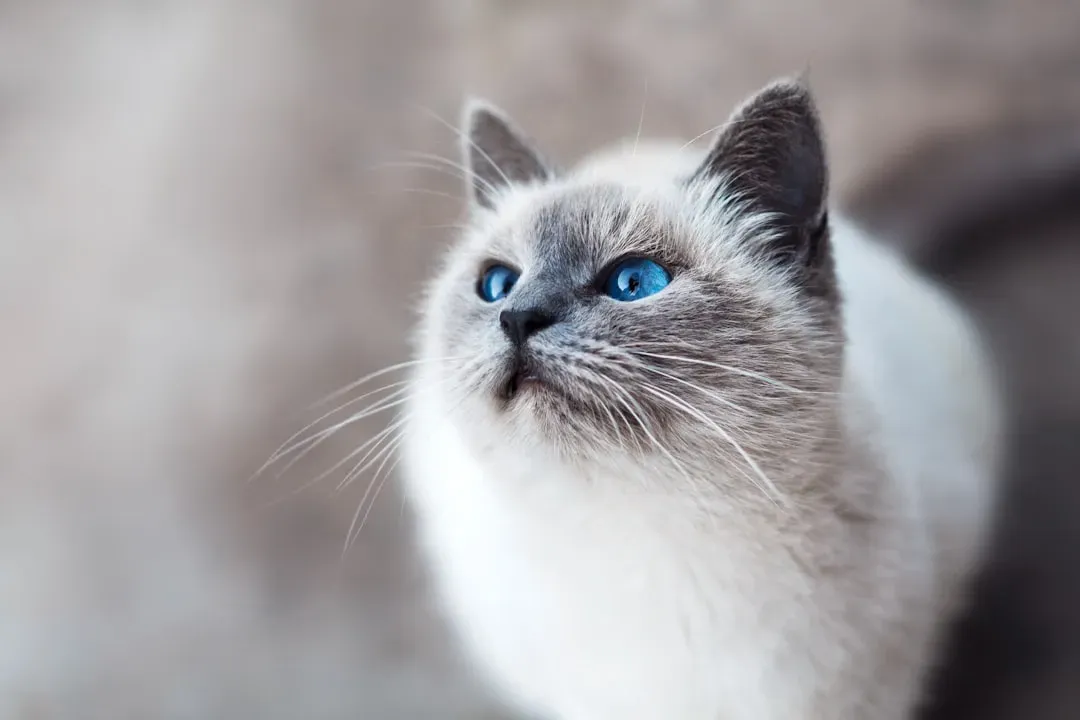
Cat intelligence is recognized as the capacity for learning, thinking, and problem solving, and cats learn by trial and error, observation, and imitation. This isn’t a recent discovery. Psychologist Edward Thorndike conducted key experiments on cats’ learning capacity, placing them in puzzle boxes with a door opened by pulling a weighted mechanism. The cats were observed to free themselves through trial and error, and Thorndike generally found that as cats continued the trials, the time taken to escape the boxes decreased in most cases.
Researchers have found that cats use logical reasoning to access rewards through trial and error, and these findings suggest feline cognition involves a combination of instinct and problem-solving skills. So the next time your cat figures out how to pop open a cabinet door, that’s not a fluke. That’s genuine iterative reasoning at work, and it tends to improve with practice.
2. Reading Your Emotional Cues
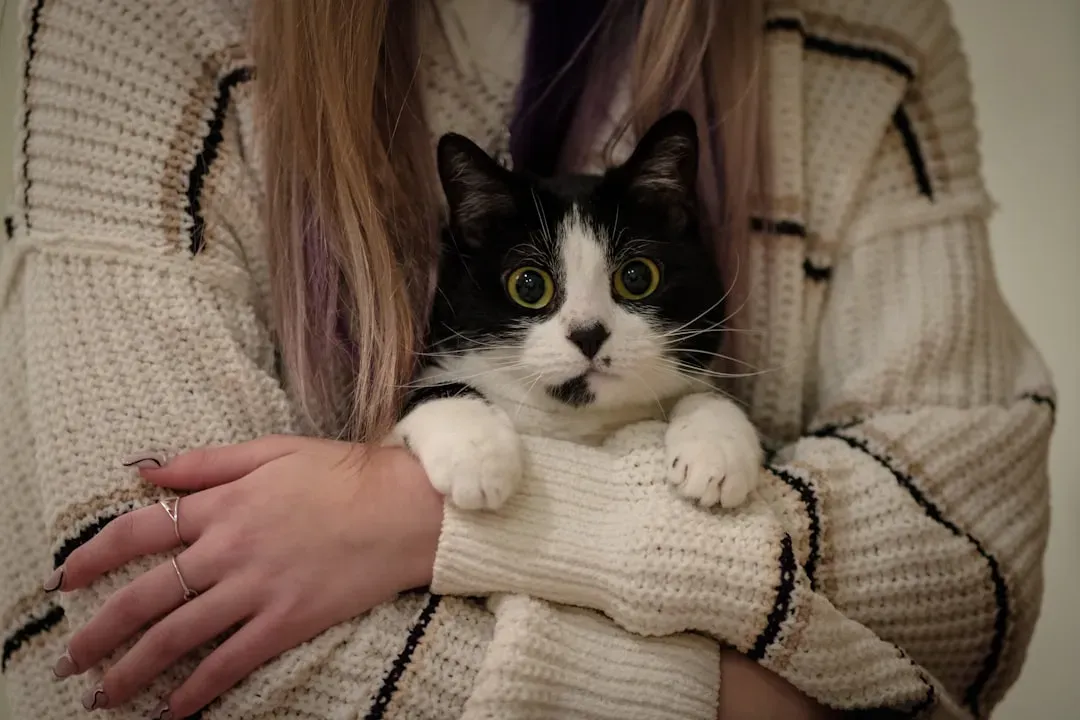
Cats’ communicative behaviour toward humans has been explored using a social referencing paradigm in the presence of potentially frightening objects. One group of cats observed their owner delivering a positive emotional message, while another group received a negative emotional message, testing whether cats use the emotional information provided by their owners to guide their own behaviour. The results were striking. Most cats, roughly four out of five, exhibited referential looking between the owner and the object, and also to some extent changed their behaviour in line with the emotional message given by the owner.
When cats encounter strange objects and do not know what to do, they can read the human’s facial expression or behavior. This kind of social referencing is a hallmark of socially intelligent animals. Your cat isn’t indifferent to how you’re feeling. They’re quietly watching and updating their behavior based on what they observe in you.
3. Following Human Gaze as a Directional Cue
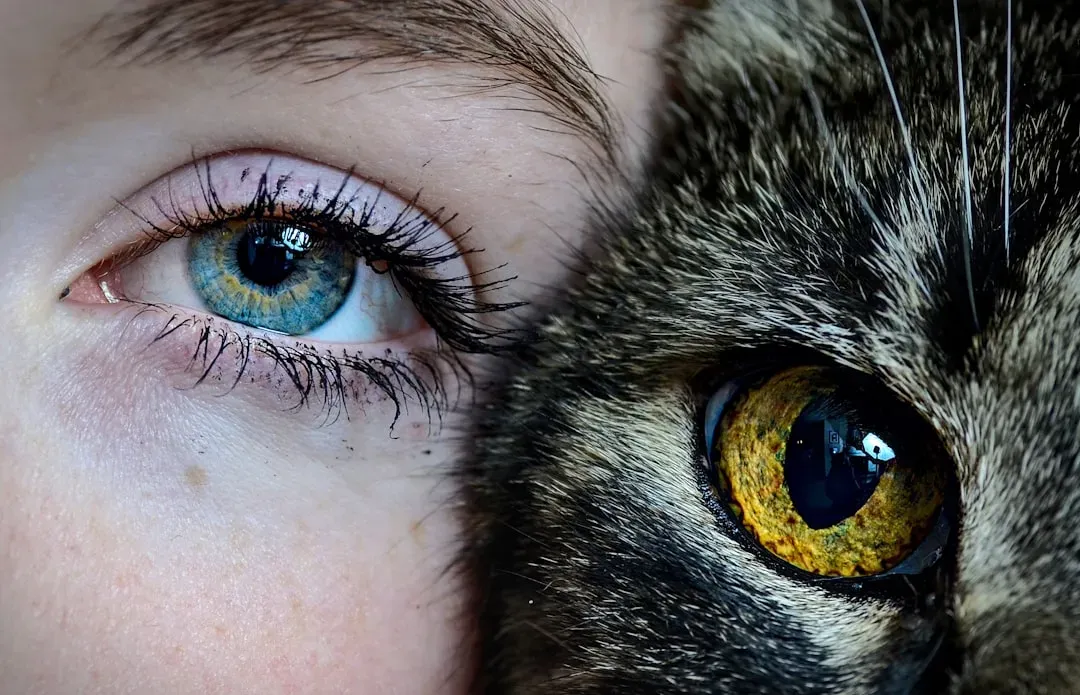
Cats tested at their owner’s home achieved a roughly seventy percent overall success rate in following human gaze as a referential cue, and their success rate was unaffected by the type of gazing or the presence of ostensive communication, showing that cats followed even the more difficult momentary cues. This is a more complex cognitive task than it might appear. It requires your cat to understand that your eyes are communicating something meaningful about the external world, not just your mood.
Research results were among the first to prove cats’ ability to follow human gaze, which is considered one of the more difficult visual referential signals given during human-animal interactions, and ostensive human signals were found to be a more effective attention elicitor compared to non-ostensive vocalizations. When your cat watches your eyes and follows the direction of your glance, they’re demonstrating a level of social intelligence that researchers once believed was far more limited in felines than in dogs.
4. Remembering Events for a Remarkably Long Time
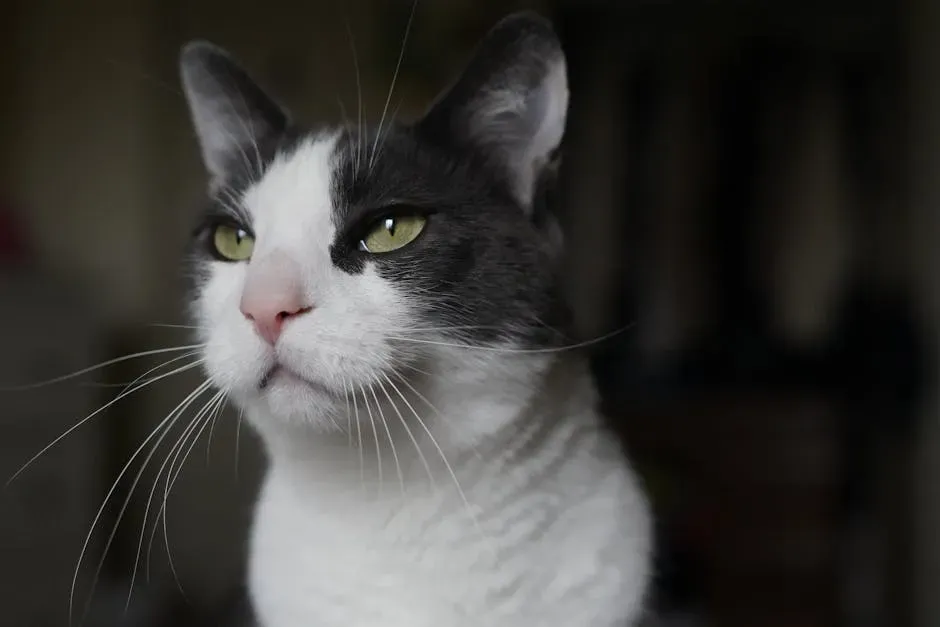
Cats display neuroplasticity, allowing their brains to reorganize based on experiences, and they have well-developed memory capable of retaining information for a decade or longer. These memories are often intertwined with emotions, allowing cats to recall both positive and negative experiences associated with specific places. This is why a cat that had one bad experience at the vet can become vigilant the moment they recognize the carrier being brought out, even months later.
A working memory span of about thirty seconds proves sufficient for hunting and problem-solving tasks, while long-term memory can retain information for years. Cats can learn through both observation and experience, watching human companions and other animals to acquire new skills such as opening doors or manipulating objects, and their procedural memory for learned tasks can last up to a decade or more, especially when associated with positive experiences or rewards.
5. Understanding Object Permanence
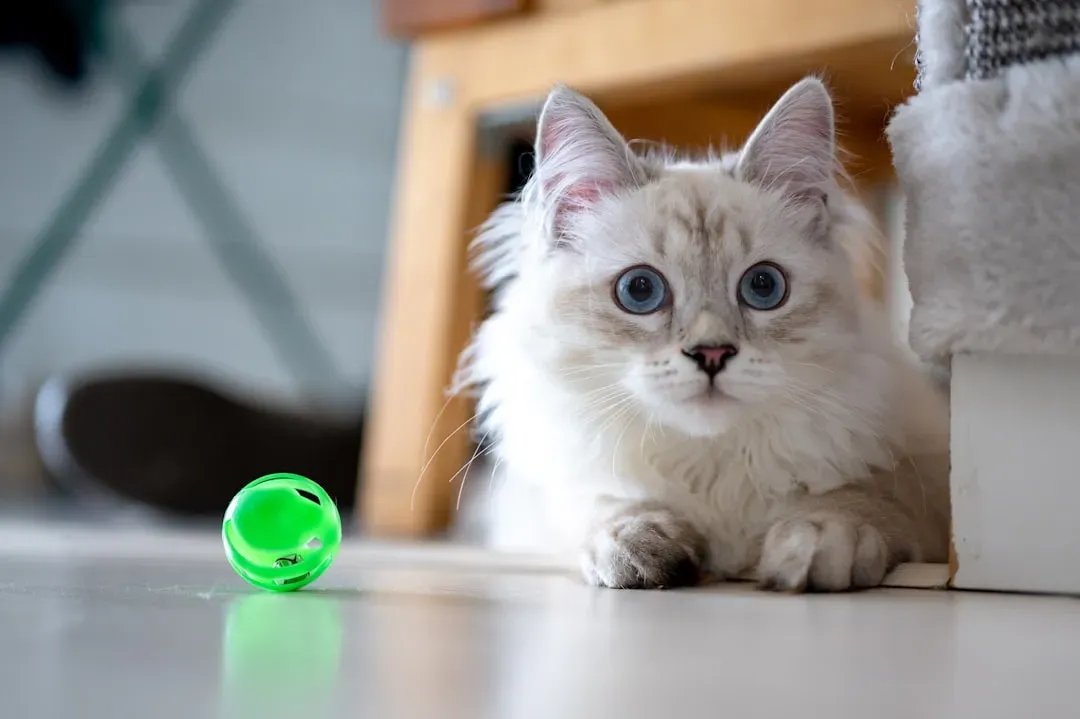
In controlled experiments, cats demonstrated fully developed concepts of object permanence, indicating that their sensorimotor intelligence is complete. In contrast, human infants are tested with multiple invisible displacements of an object to assess the emergence of mental representation during the sixth and final stage of sensorimotor intelligence. In plain terms, your cat genuinely understands that something still exists even when it disappears from view.
Cats pass object permanence tests by searching for objects where they were last seen, suggesting they understand that the object still exists even when it is not visible, and research indicates that cats easily solve visible displacement tests, demonstrating a clear understanding of object permanence. Evidence also suggests that cats have a working memory for hidden objects that lasts up to at least one minute. This explains why stashing toys in a drawer doesn’t fool your cat one bit.
6. Asking for Help When They Can’t Solve Something Themselves
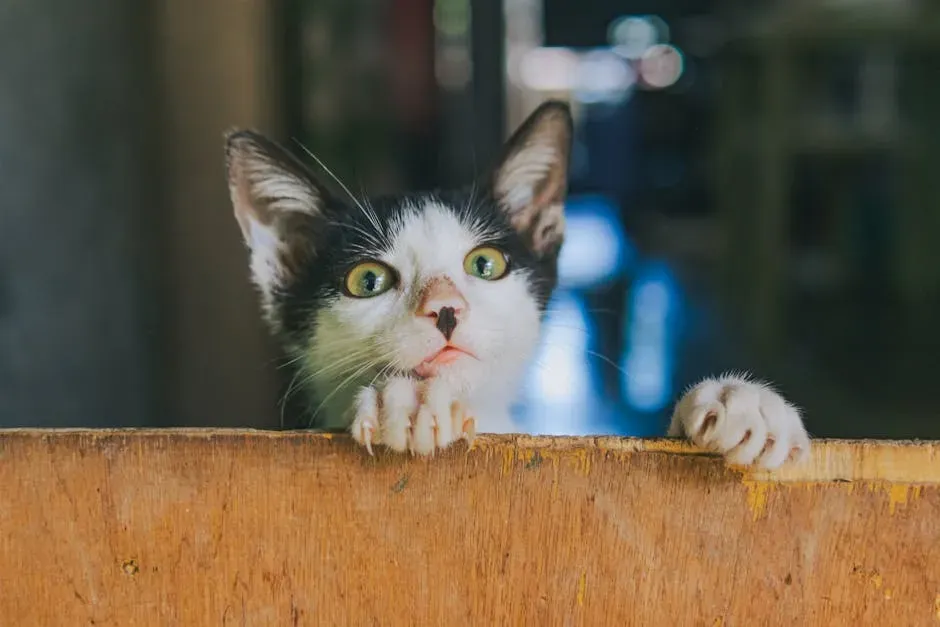
Research suggests that gaze alternation is a behavior reliably indicating social referencing in cats and that cats’ social communication with humans is affected by the person’s availability for visual interaction. When your cat brings you over to their empty food bowl and alternates glances between you and the bowl, that’s not coincidence. That’s a deliberate communicative strategy with a clear intention behind it.
When in the presence of an attentive caregiver, cats initiated first gaze at the caregiver faster and gazed at the caregiver for longer, compared to when the caregiver was inattentive. The socio-cognitive capacity of domestic cats may be greater than previously assumed. Your cat knows whether you’re paying attention, and they time their communication accordingly. That’s a level of social awareness that’s genuinely impressive.
7. Learning by Watching Others
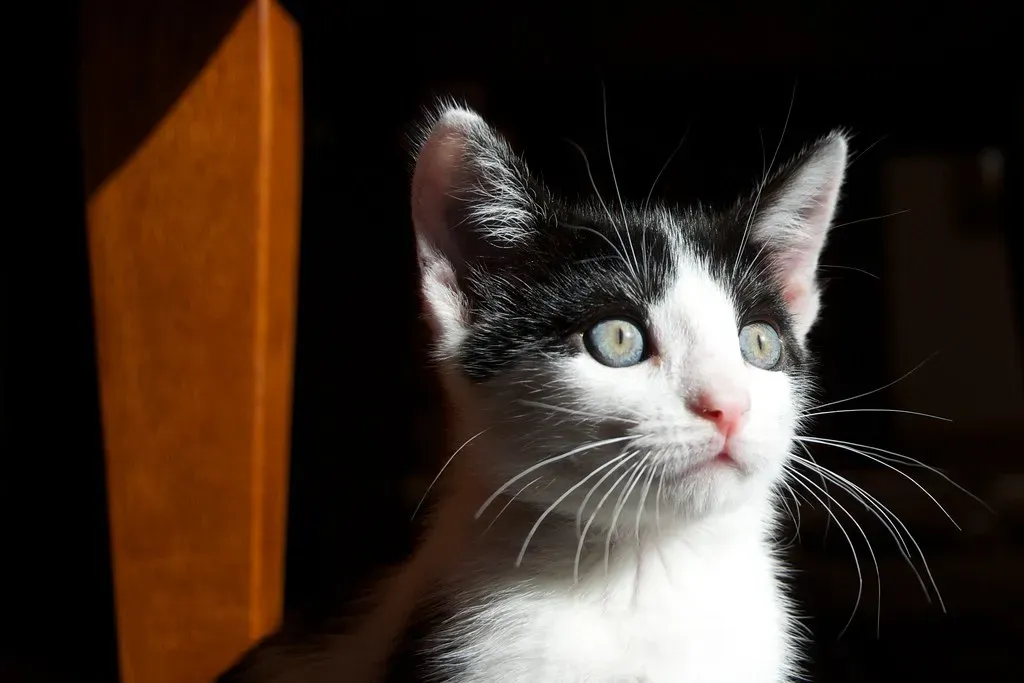
Kittens learn essential survival skills by observing their mothers, while adult cats refine their abilities through trial and error. This observational learning doesn’t stop in kittenhood. Perhaps most impressively, cats can learn through both observation and experience, watching their human companions and other animals to acquire new skills such as opening doors or manipulating objects.
Studies have shown that kittens who had the opportunity to observe their mothers hunt become better hunters than kittens who didn’t. Even so, most kittens who never see their mothers hunt can still instinctually figure it out on their own. The combination of hardwired instinct and active observational learning gives cats a notable cognitive flexibility. They’re watching you more carefully than you probably realize.
8. Executing a Precise, Multi-Step Hunting Strategy
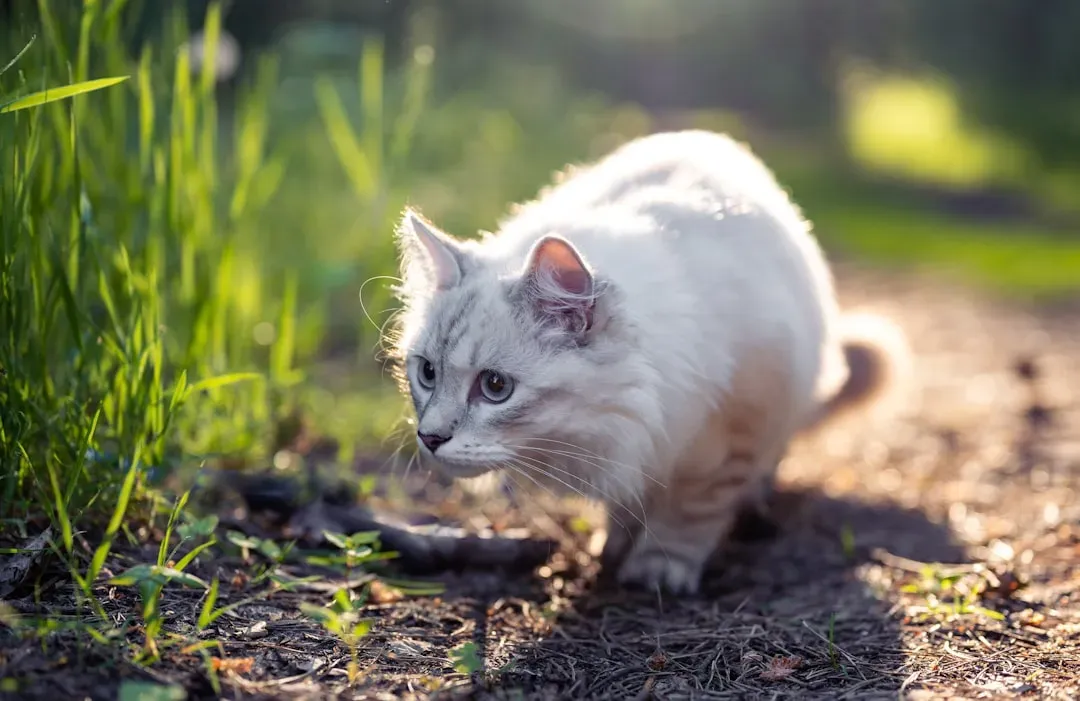
Cats use a seek, capture, and kill process when hunting. First, they search their environment for potential prey. Once they’ve spotted something, they will slowly approach or stalk the prey until they are close enough to pounce and capture it. Then, they may play with it for a while before killing it, depending on their hunger level and the difficulty or size of the prey. This isn’t impulsive behavior. It’s a sequenced, calculated strategy that requires patience and real-time decision-making.
Cats usually approach their prey by stalking in a crouched position with their head outstretched. Slow movements are used on the initial approach, which may speed up to a sprint the closer the cat gets to their prey. As the cat gets close enough, they stop and prepare to spring forward, holding themselves in a tense position before a brief sprint to strike the prey with one or both of their front paws. The sheer coordination required for this speaks to a highly developed brain-body system.
9. Adapting Their Routines to a Changing Environment
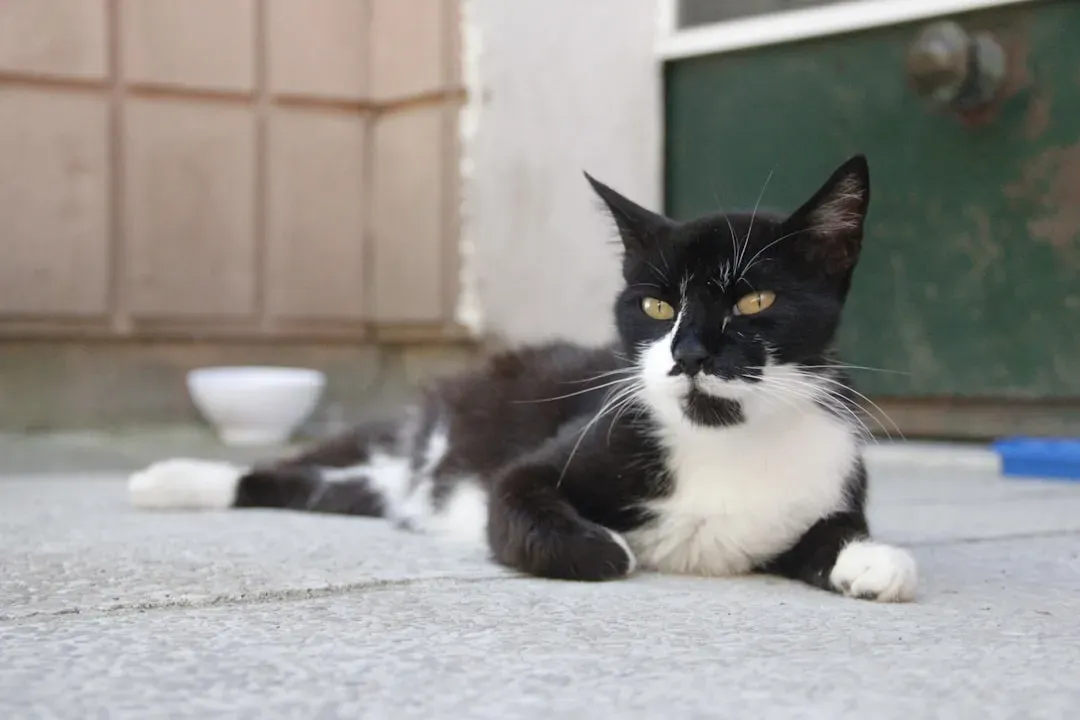
Cats’ intelligence may have increased during their semi-domestication, with urban living providing an enriched and stimulating environment requiring novel adaptive behaviours. In other words, the complexity of living alongside humans has actively pushed feline cognition forward. Living in urban environments has exposed cats to challenges that require adaptive behaviors, contributing to cognitive development.
It’s worth noting that cats don’t only learn when we think we’re training them. Every day, they learn new things based on what happens around them, whether that’s the human behaviour they see, the environment they’re living in, or other animals around them. They never stop learning. Your cat is reading your patterns, your schedule, your moods, and the general rhythm of your household. That constant environmental processing is intelligence in action.
10. Using Scent Marking as a Strategic Communication System
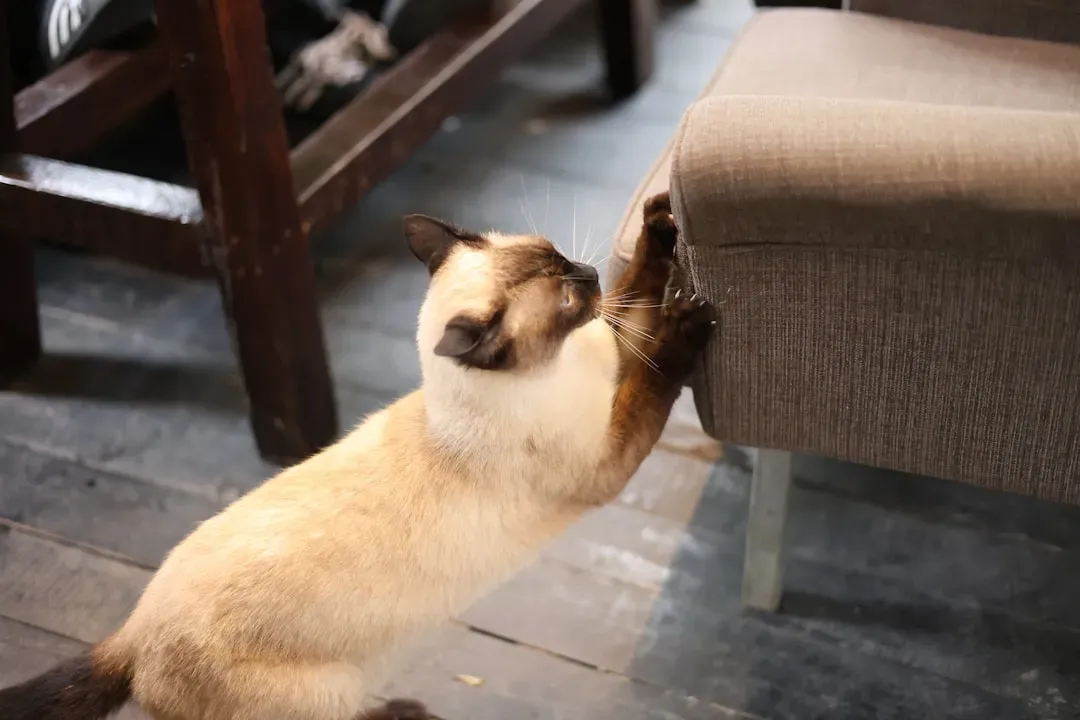
As territorial creatures, cats use scent marking to define their hunting grounds, and by rubbing their face or scratching surfaces, they leave behind traces of their presence. This behavior signals to other animals to respect their space, reducing the chance of confrontation. This is far more than just an instinct. It’s a form of silent, persistent communication that conveys information to other cats long after your cat has moved on.
Scratching is a normal and healthy cat behavior, and it’s not just about stretching or sharpening claws. Scratching is a way for cats to mark their territory. Your cat’s scratching habits, their cheek-rubbing on furniture, and their deliberate headbutts against objects in your home are all part of an ongoing information system. They’re not just living in your space. They’re actively managing it.
11. Training You Without You Knowing
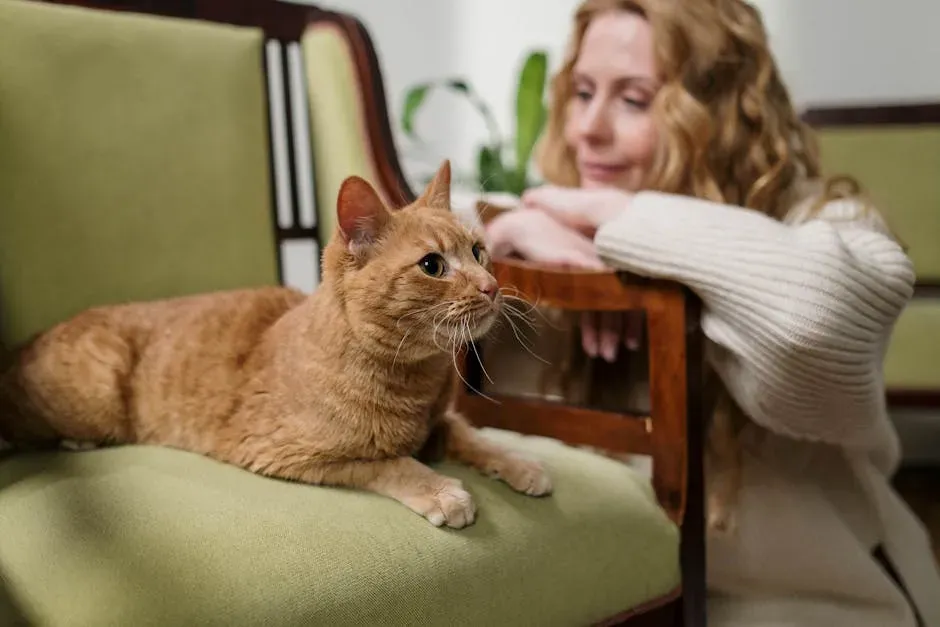
When we think of cats tapping our faces to wake us up, we may think of that as them being clever. They’ve learned that behaviour because they know that the consequence is that you’ll eventually wake up and give them attention or feed them, and that’s the reward. This is operant conditioning working in reverse. Your cat has run the experiment, identified the reliable outcome, and repeats the behavior because it works. Every single time.
You could call it intelligence, or you could call it instinct, but the fact is that cats are such a successful species because they’ve learned how to take such good care of themselves. Whether it’s the persistent meow that reliably gets them dinner five minutes early, or the perfectly timed affectionate headbutt that makes you forgive them for something they knocked over earlier, your cat is shaping your behavior just as much as you’re shaping theirs.
Conclusion
Cats have long suffered from a reputation as aloof, independent, and fundamentally less intelligent than their canine counterparts. The research tells a more nuanced story. Although the totality of evidence suggests that domestic cats have developed a range of behaviors and mechanisms that facilitate their interactions with humans, cats have frequently been portrayed in a negative light in popular culture, often depicted as selfish or manipulative, revealing deep-rooted societal biases that may have contributed to limited research on the topic.
Analyses of cat brains have shown they are divided into many areas with specialized tasks that are vastly interconnected and share sensory information in a hub-and-spoke network, with a large number of specialized hubs and many alternative paths between them. That’s not the architecture of a simple mind. The eleven habits covered here are just the surface of what feline cognition encompasses. The more you understand what your cat is actually doing and why, the harder it becomes to see their behavior as random. Most of the time, there’s a remarkably clear method behind what looks like madness.
Kristina is a young writer from India. An arts graduate and an avid content creator, Kristina is passionate about animals and wildlife. She enjoys exploring topics related to pet care, animal behavior, conservation, and nature, combining thorough research with engaging storytelling.