Watch your cat long enough and you’ll notice something quietly remarkable. One moment, your cat is lounging in a patch of afternoon sun, a picture of domestic contentment. The next, something across the room catches their eye, a dust mote, a shadow, or the tip of your moving foot, and the entire body language shifts in an instant. The pupils dilate. The hindquarters begin their subtle wiggle. Then comes the pounce.
It’s easy to smile and move on. Yet that split-second transformation from cozy companion to focused predator tells a far deeper story than simple entertainment. Your cat’s every stalk, leap, and ambush is a living replay of behaviors shaped over millions of years. Understanding where those instincts come from, and how they show up in your home every single day, changes the way you see your cat entirely.
The Ancient Origins of Your Cat’s Wild Side
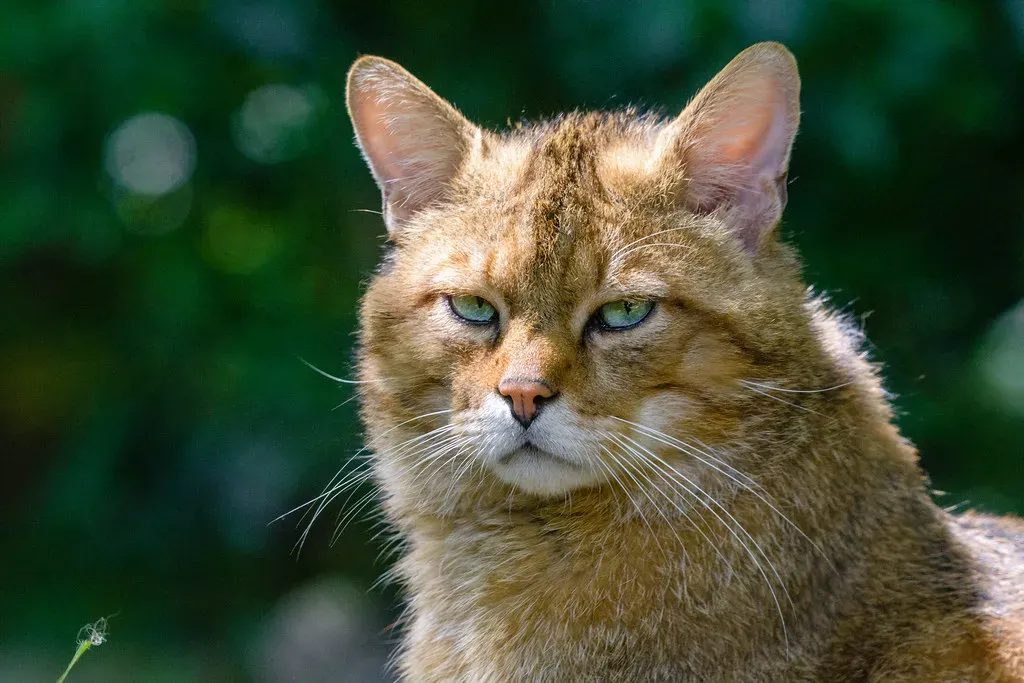
Hunting behavior is hard-wired into your cat’s DNA, and it’s your cat’s wild ancestors that developed their hunting skills over millions of years of stalking and chasing prey to feed themselves and their young. The domestic cat we know today descends primarily from one ancient source. It is the Near Eastern wildcat, living in Asia and North Africa, that is now thought to be the major ancestor of the modern-day domestic cat, with more recent evidence showing that feline domestication probably began around 10,000 years ago or more in the Middle East, in the region of the Fertile Crescent.
As humans began storing grains, rodent populations increased, attracting wildcats to human settlements, where a mutualistic relationship developed. Wildcats benefited from readily available prey, and humans gained natural pest control for their crops, while wildcats more tolerant of human presence were more likely to approach these settlements, leading to a gradual taming process. Critically, your cat carries forward almost everything from that wild starting point. Compared to dogs, cats have undergone far less selective breeding aimed at changing behavior, and their genome remains very close to that of the African wildcat, meaning most of their sensory, motor, and predatory traits are intact.
Why Your Fed Cat Still Wants to Hunt
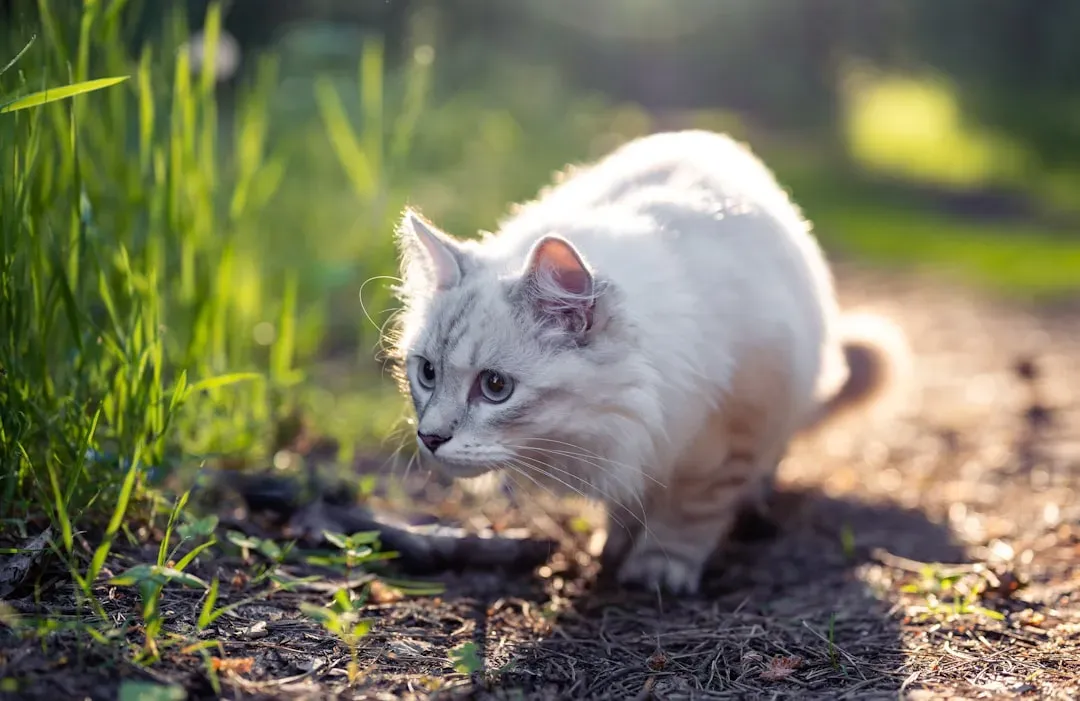
Although hunting is no longer required of the majority of cats, it remains a permanent part of their lives. Along with the urge to procreate and to defend their territory, the hunting instinct is one of the most distinctive behavioral patterns in cats, and the desire to hunt is not governed by hormones and therefore does not diminish after neutering. This surprises many people. You fill the bowl twice a day, so why does your cat still stalk the curtains?
In the wild, small felids hunt multiple small prey items daily to survive, and domestic cats may still display hunting behaviors even when well-fed because the instinct is not driven purely by hunger but by the neural reward system triggered by stalking, chasing, and catching. In short, the hunt itself is its own reward. Feeding your cat will have some effect on their hunting behavior, but because hunting is not entirely motivated by hunger, providing your cat with greater amounts of food won’t reduce their desire to hunt.
The Predatory Sequence Behind Every Pounce
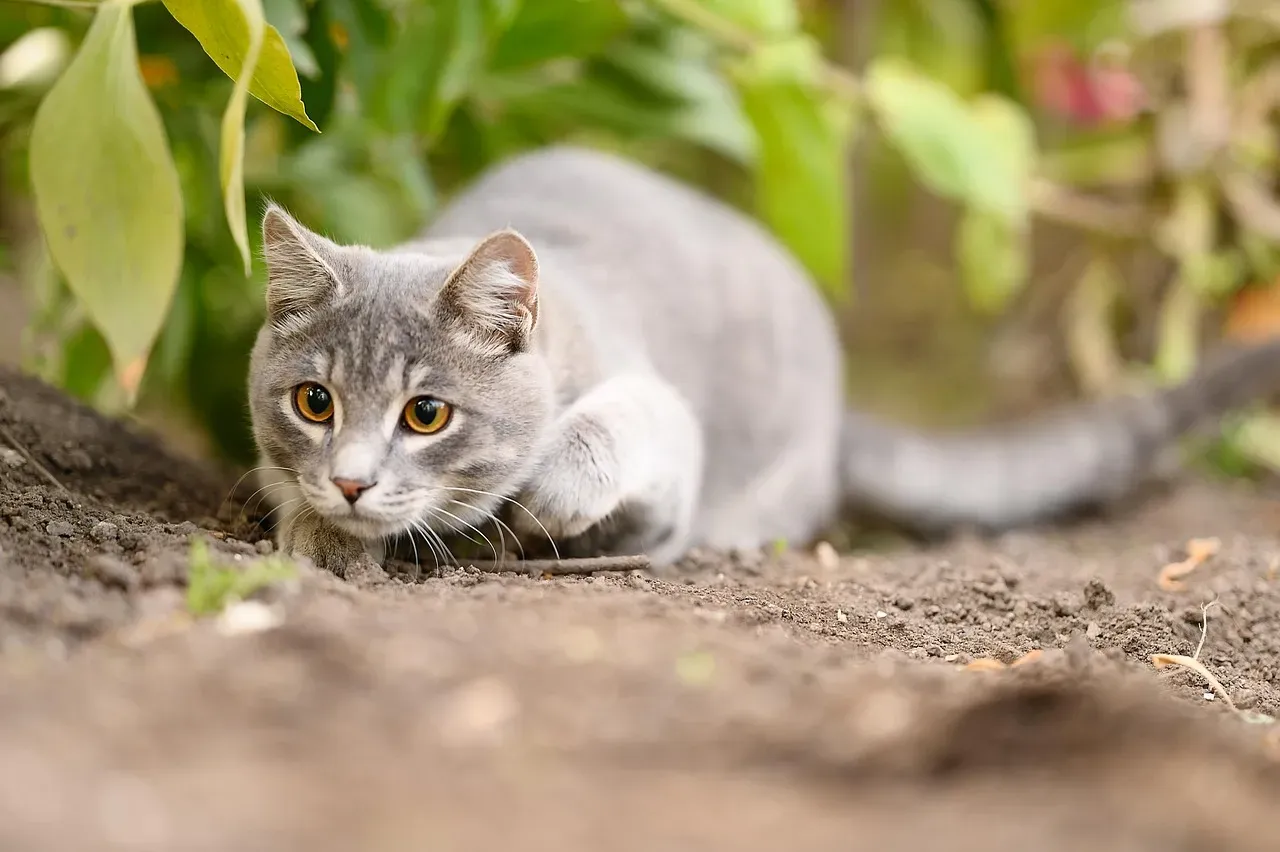
Cats use a seek, capture, and kill process when hunting. First, they search their environment for potential prey, and once they’ve spotted something, they will slowly approach or stalk the prey until they are close enough to pounce and capture it. Then, they may play with it for a while before killing it, depending on their hunger level and the difficulty or size of the prey. Every one of those steps has a purpose rooted in survival efficiency.
Cats are instinctively driven to stare, stalk and chase, pounce and grab, and finally deliver the kill bite. When you see your cat lock onto a toy from across the room, crouch low, then sprint across the floor in a blur, you are watching every stage of that ancient sequence execute in real time. Even when cats know the prey is not real or alive, they still go through the predatory dance sequence, and they love every part of it.
The Science of the Stalk and Pounce
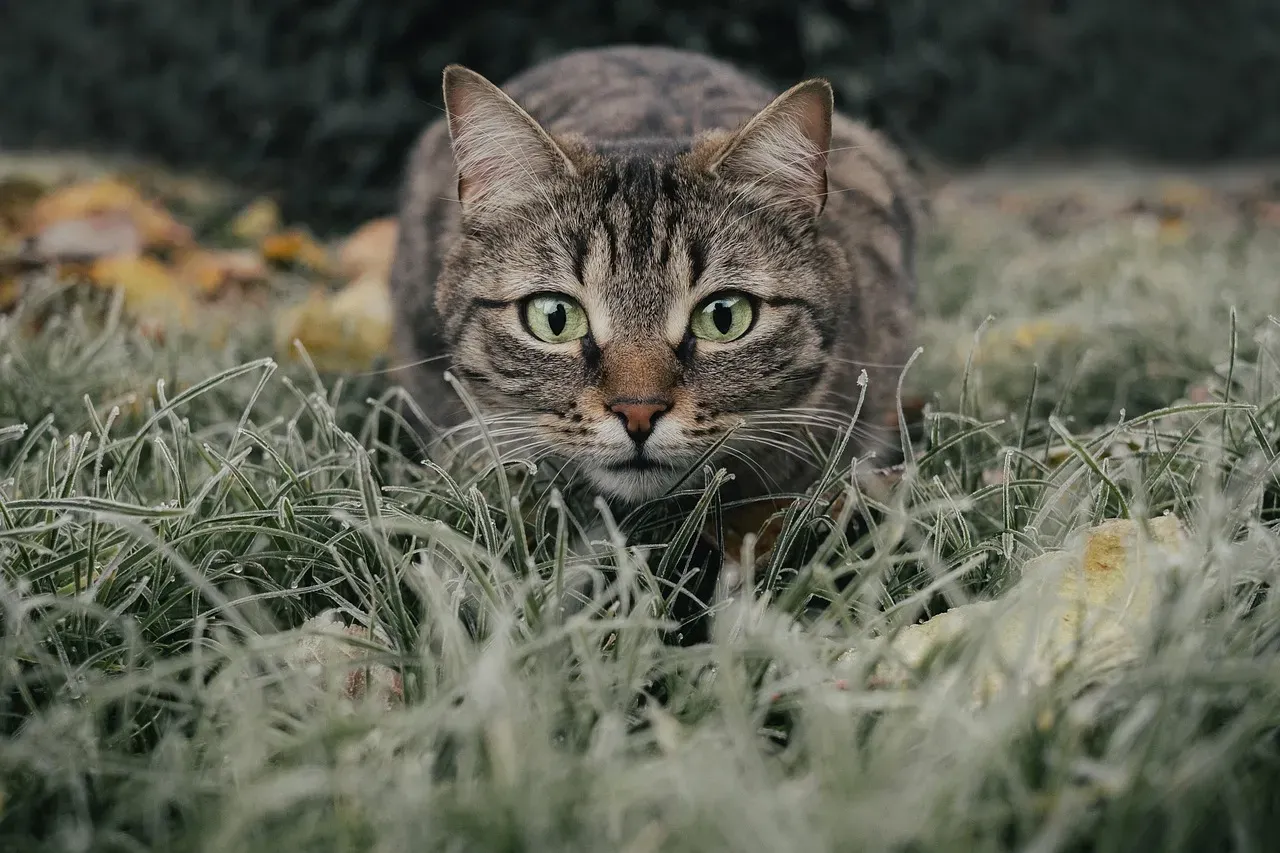
The predatory behaviors of cat stalking and pouncing begin in a cat’s early years, and kittens can already master the art of pouncing in a little over two months. Whether in their early years or as adults, felines are consistent in how they do it, following a particular order of movements, just like a dance. The mechanics are precise and deliberate. Stalking is crucial in the art of cat pouncing because it allows felines to carefully observe their targets and adjust the energy they need to exert to have a good pounce. If the target is large, it calls for more intense wiggling and adjusting to gain balance and energy before they leap.
A study of wild mountain lions tracked their movements via GPS collars fitted with accelerometers to determine how much energy they expended while hunting using the stalk and pounce method. Researchers discovered that the cost of hunting was high in terms of energy, which is why the cats tended to stay in one position and creep up on their prey to save precious energy. The study also found that cats adjust their initial pounce depending on the size of the prey, again to conserve energy and save big leaps for bigger prey. Your small domestic cat operates on the same principle, every movement calculated rather than reckless.
A Body Built for the Hunt
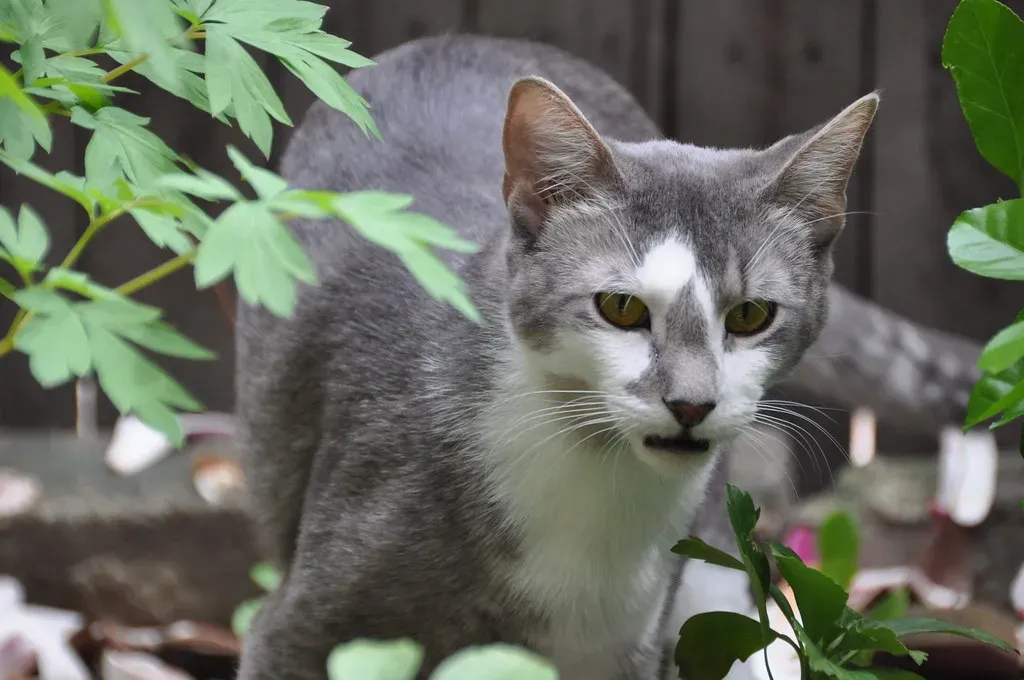
Cats have evolved several physical adaptations that aid in their hunting prowess, including sharp retractable claws, keen senses, and a flexible spine that allows them to pounce and maneuver swiftly. These adaptations, honed over generations, enable cats to excel as skilled predators. Nothing about a cat’s anatomy is accidental. Cats have a keen sense of hearing, and their ears are mobile and can move independently of one another, allowing cats to pinpoint sounds with accuracy. The cat’s hearing is tuned to higher frequencies because the sounds of its usual prey are generally higher pitched.
Because domestic cats are crepuscular hunters, they need only one-sixth of the illumination levels humans require to see well. Their whiskers add yet another dimension to this sensory toolkit. The whiskers are touch receptors that are vital to the cat’s hunting ability, and the eyebrows and hairs of the cheek, chin, legs, and ears are extremely sensitive to vibrations and provide cats with a great deal of information. This cat “radar” is vital to their ability to move about and hunt in low-light conditions.
Play as a Rehearsal for the Real Thing
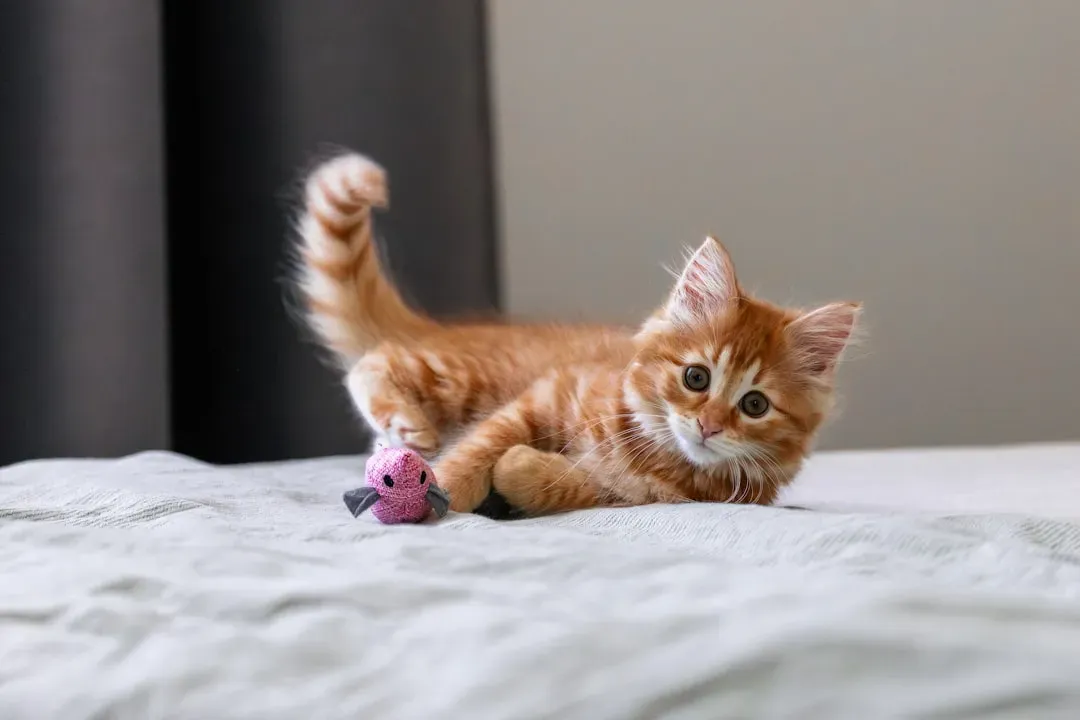
Playtime for cats isn’t just for fun; it’s serious business. The playful antics of batting, pouncing, and using claws are actually mini hunting lessons, helping kittens develop their hunting skills. These play behaviors mimic real hunting scenarios, allowing cats to refine their techniques. This is why a kitten chasing a ball of foil and a cat in the wild ambushing a mouse look so remarkably similar. Play serves a crucial role in the development of a cat’s predatory skills. Kittens, from a very young age, engage in various forms of play that mimic hunting behaviors, learning crucial lessons about coordination, balance, stalking, and pouncing. They engage in mock battles with their littermates, honing their hunting instincts in a safe and controlled environment.
When adult cats play with toys that you provide, you essentially see them performing predatory behavior directed towards inanimate objects. Studies have found that adult cats show more intense and prolonged play with toys that resemble actual prey items, and similarly, the hungrier the cat was at the time of object play, the more intense and prolonged the play sessions were. Both factors indicate that cats consider these toys to be prey when they are playing. In other words, your cat isn’t pretending to hunt. From their perspective, they are hunting.
Indoor Cats and the Pent-Up Predator
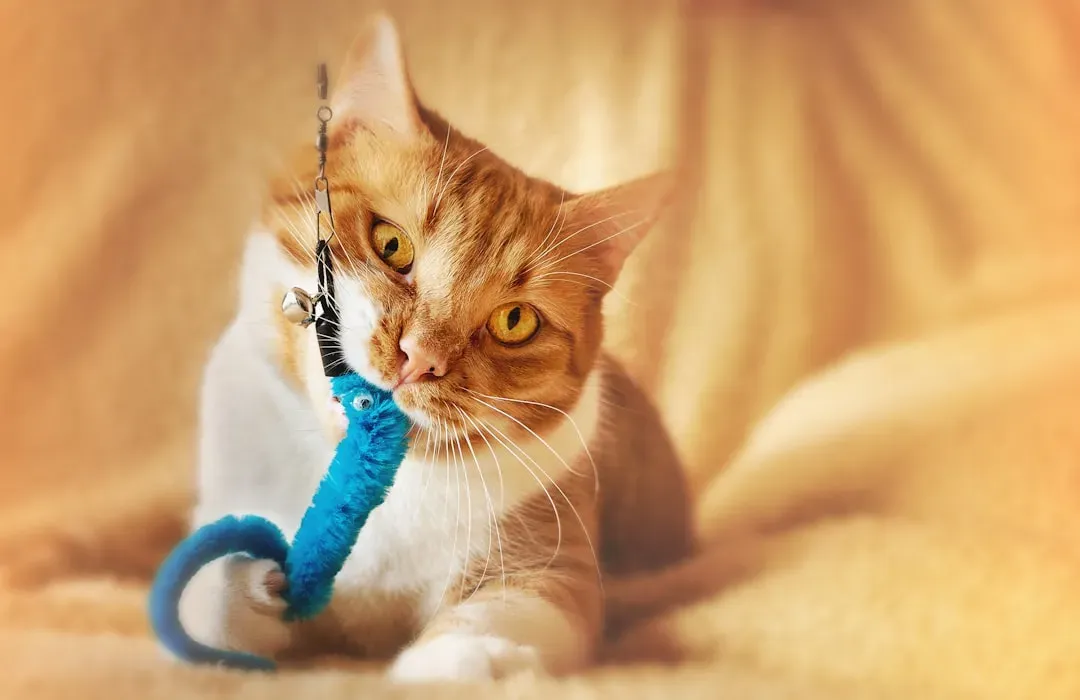
Indoor-only cats show a more intense reaction to prey-like stimuli than indoor-outdoor cats. Many companion cats in industrialized countries are raised under human supervision and kept completely indoors, and even if cats were not selected against hunting behavior, their differences in experience still affect their willingness to engage in hunting-type behaviors. The instinct doesn’t fade just because the opportunity is removed. Even an indoor cat that is not constantly confronted with stimuli prompting it to pursue and catch prey has within it the hunting instinct and the desire to act on it. To keep a cat in a manner consistent with its needs and avoid behavioral problems, it is therefore very important to channel the hunting instinct into constructive play.
Indoor cats don’t get to chase butterflies, stalk prey, or climb trees like their outdoor counterparts. That lack of natural stimulation can lead to boredom, weight gain, anxiety, and even behavioral problems. Your cat may act out by scratching furniture, over-grooming, or waking you up at night with zoomies. Recognizing this connection between unmet instincts and difficult behaviors is one of the most useful things you can understand about your cat’s emotional life.
Satisfying the Hunt Without Opening the Door
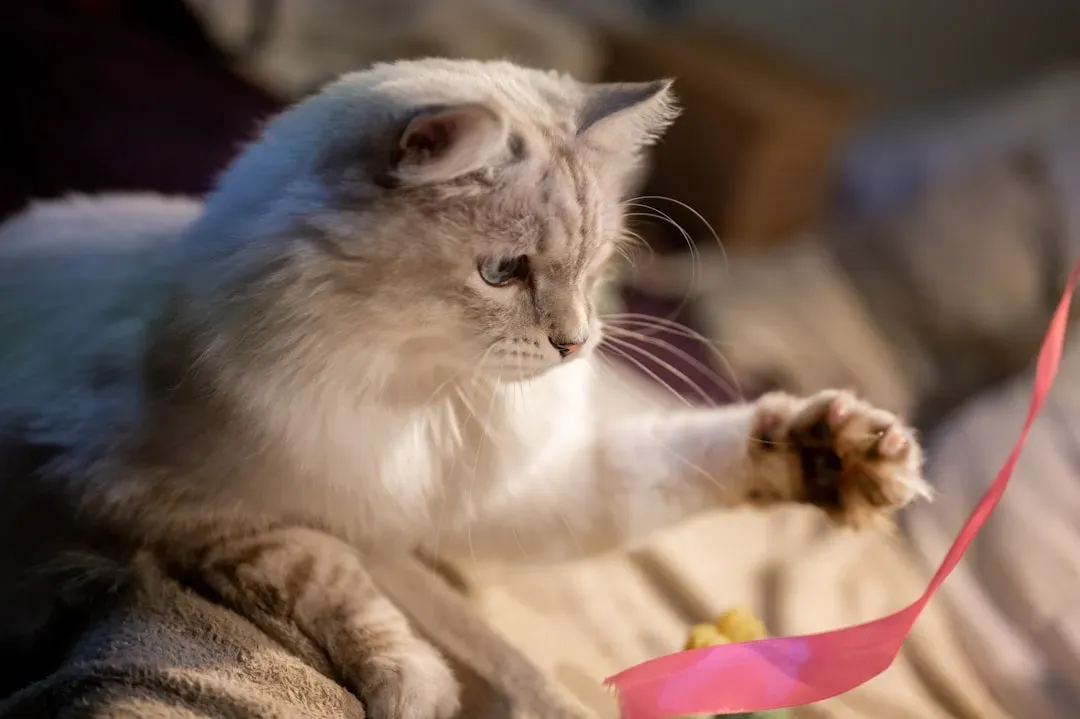
Since hunting is an instinctive behavior in cats, the goal is not to eliminate it but to redirect it into safe, enriching activities that meet the same behavioral needs. Simulating hunting behavior through play is essential. Toys that mimic prey, such as feather wands, mouse-like plush toys, and motorized puzzle toys, can engage a cat’s stalking and chasing instincts. Play sessions should follow the natural hunt, catch, kill, and eat sequence, encouraging stalking and pouncing, allowing the cat to grab and “kill” the toy, and then ending with a food reward.
Playing short, interactive sessions throughout the day with toys that mimic prey helps maintain your cat’s natural rhythm of stalking, chasing, and catching. Even just ten to fifteen minutes of interactive play a couple of times per day can provide much-needed stimulation. Allowing your cat to stalk, pounce, and “catch” the toy at the end of the play session helps to satisfy their hunting cycle. Puzzle feeders extend this idea further. Puzzle feeders and interactive toys encourage mental stimulation by making your cat work for their food, and puzzle feeders dispense small amounts of kibble when your cat interacts with them, stimulating their hunting instincts and providing a rewarding challenge.
What Your Cat’s Pounces Are Really Telling You
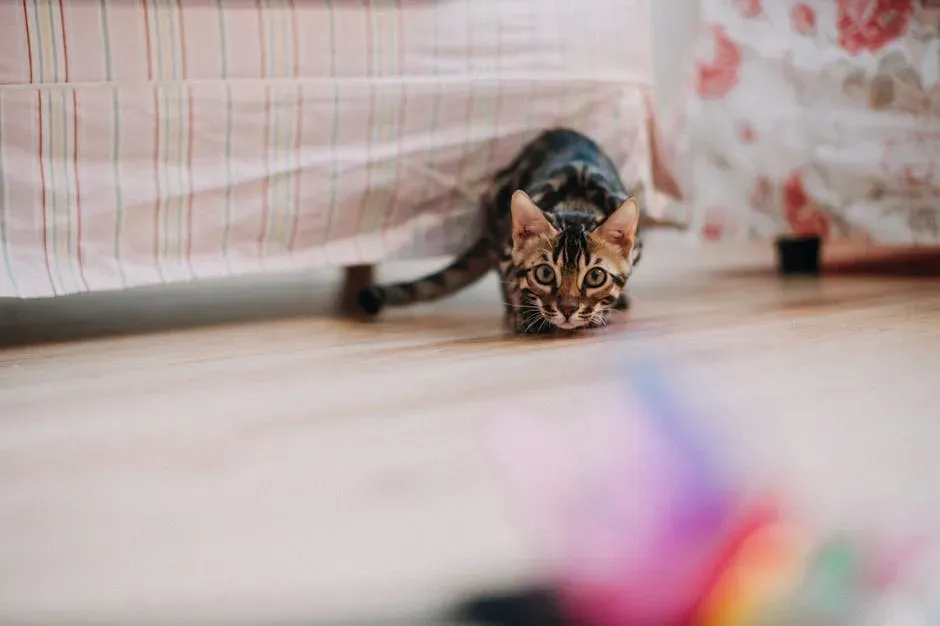
Stalking behavior in cats is a natural manifestation of their predatory instincts and often reflects a cat’s need for mental and physical stimulation. Cat lovers can observe these behaviors as a sign of a healthy, energetic pet. When your cat ambushes your ankles from behind the sofa, it isn’t aggression or a personal grievance. This type of play is essential for pet cats, as they don’t have many opportunities to hunt naturally, which may cause behaviors like biting, pouncing on your feet, or being destructive.
The cat hunting instinct in domestic cats drives behaviors like stalking, pouncing, and chasing. According to feline behaviorists, this instinct doesn’t vanish just because your cat lives indoors. Reading your cat’s body language during these moments tells you a lot. A low-to-the-ground stance signals they’re in hunting mode, wide pupils indicate excitement or focus common in staring behavior, a flicking or swishing tail shows they’re ready to pounce, and ears pointing forward suggest curiosity or play. These aren’t random quirks. They’re a precise, ancient communication system your cat inherited and never stopped using.
Conclusion
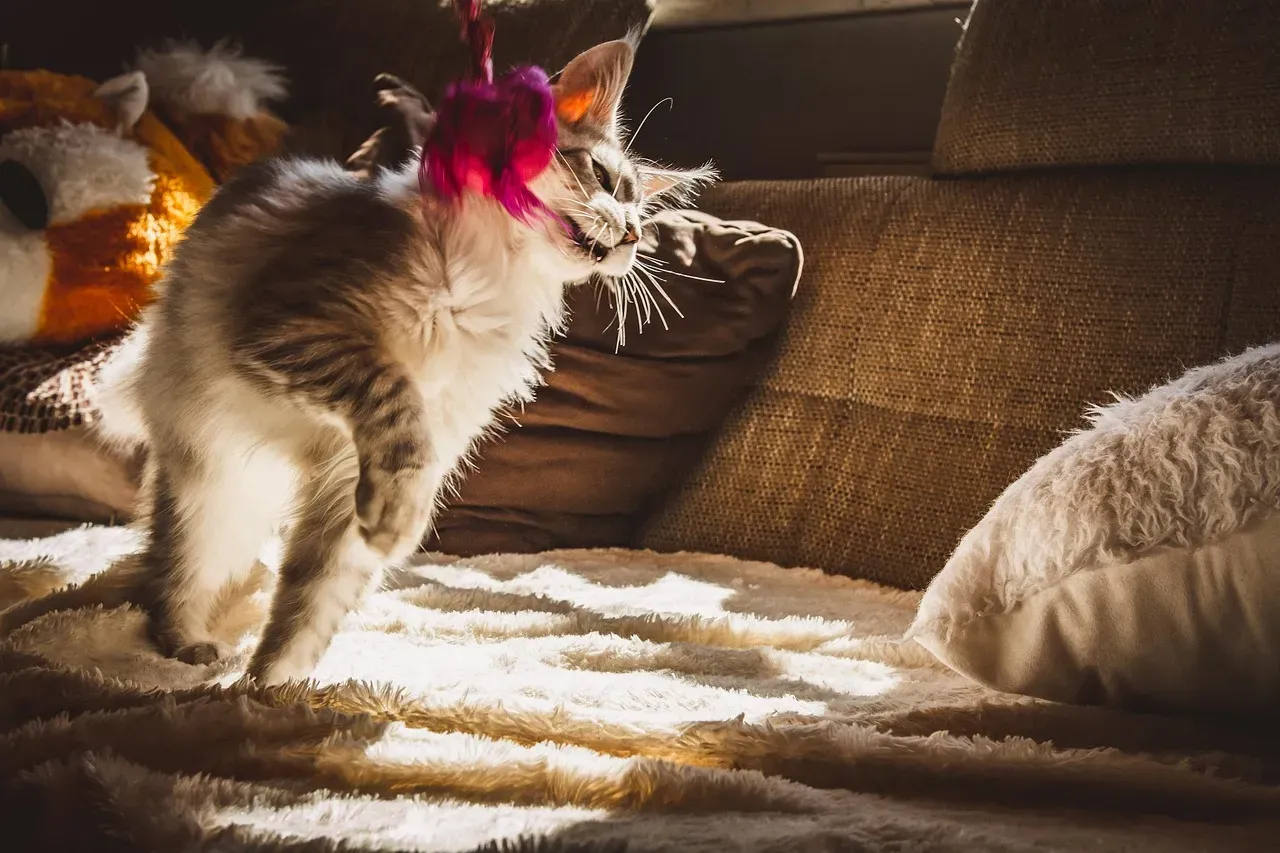
Your cat’s playful pounces are not small, charming oddities to be dismissed. They are windows into an unbroken lineage stretching back through thousands of years of evolution. Every wiggling hindquarter, every slow-motion stalk across the living room floor, carries the full weight of a biological heritage that no amount of domestication has managed to erase.
The most meaningful thing you can take from this is practical: when you play with your cat, you’re not just passing time. You’re honoring something deeply wired into who they are. Although domestic cats show increased tolerance towards humans compared to wildcats, they largely retain many of their ancestral hunting instincts. Even today’s house cats display behaviors like stalking, pouncing, and territorial marking, and their evolutionary journey has shaped them to blend ancient predatory instincts with a capacity for companionship. That combination, fierce hunter and devoted companion living side by side within the same small animal, is what makes the domestic cat unlike anything else sharing your home.
Kristina is a young writer from India. An arts graduate and an avid content creator, Kristina is passionate about animals and wildlife. She enjoys exploring topics related to pet care, animal behavior, conservation, and nature, combining thorough research with engaging storytelling.