Cats are private creatures by nature. They’ll share your sofa, steal your warmth, and greet you on their own terms – but when something’s wrong, they rarely make a scene about it. That’s not stubbornness; it’s biology. Cats are adept at masking discomfort and illness, a survival mechanism rooted in their wild ancestry. In the wild, showing weakness invited danger, so hiding pain became a deeply ingrained instinct.
The result is that you, as a cat owner, often have to work a little harder to notice when something’s off. With some understanding of how cats show symptoms of illness, you can recognize early warning signs and know what information you need to give your veterinarian. The signals are there – you just have to know what you’re looking for.
1. They Suddenly Start Hiding From You
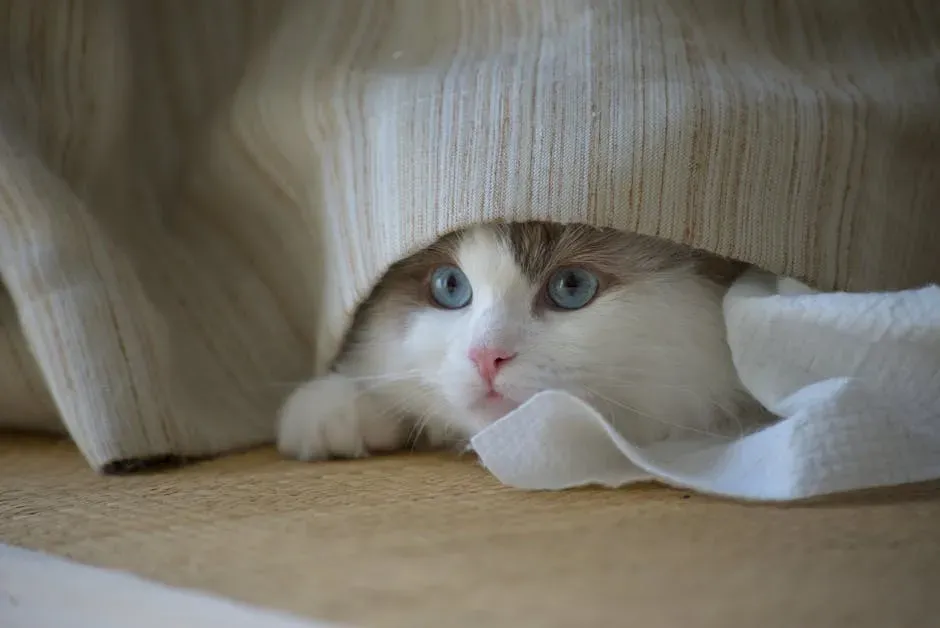
If your normally curious cat has taken up permanent residence under the bed or behind the washing machine, that’s worth paying attention to. When your usually outgoing cat suddenly vanishes for hours or hides in dark corners, that might be a problem. Most cats that are sick will withdraw instinctively to protect themselves.
A cat that is sick may search out new places to “hide” in and around the house to ensure they will be left alone. This isn’t a mood – it’s a signal. If your cat is avoiding the usual spots where they nap, eat, or seek you out, something may be genuinely wrong. Give them a quiet, safe space, but don’t let the hiding go on for more than a day without contacting your vet.
2. Their Appetite Changes in Either Direction
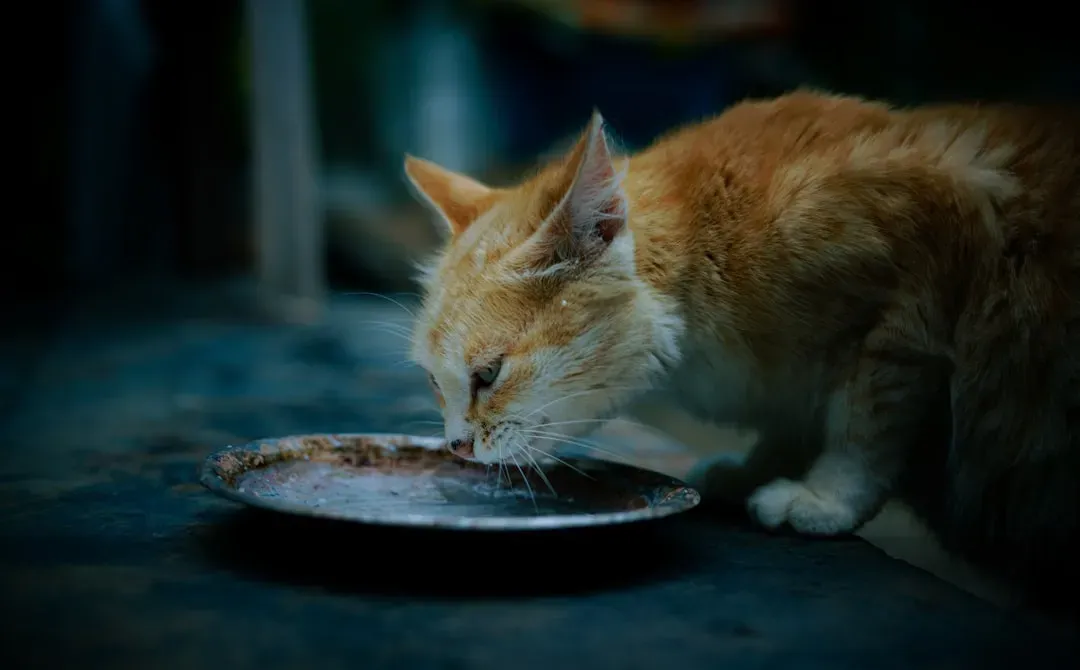
Sick cats may eat less or more than usual, and they may drink less or more than usual, so any change in appetite or thirst may be of concern. You might notice your cat turning away from a meal they’d normally inhale, or conversely, acting ravenous in a way that seems out of character.
Cats that have some metabolic diseases such as hyperthyroidism or diabetes mellitus may have a hearty appetite and increased thirst. Cats with liver or kidney problems often lose their appetite, but have increased thirst. Either pattern is meaningful. If your cat has not eaten properly for 24 hours, seek immediate veterinary attention. Cats that have not eaten are prone to developing a condition called hepatic lipidosis or fatty liver disease, in which the cat’s appetite becomes completely suppressed for weeks.
3. Their Grooming Habits Shift Noticeably
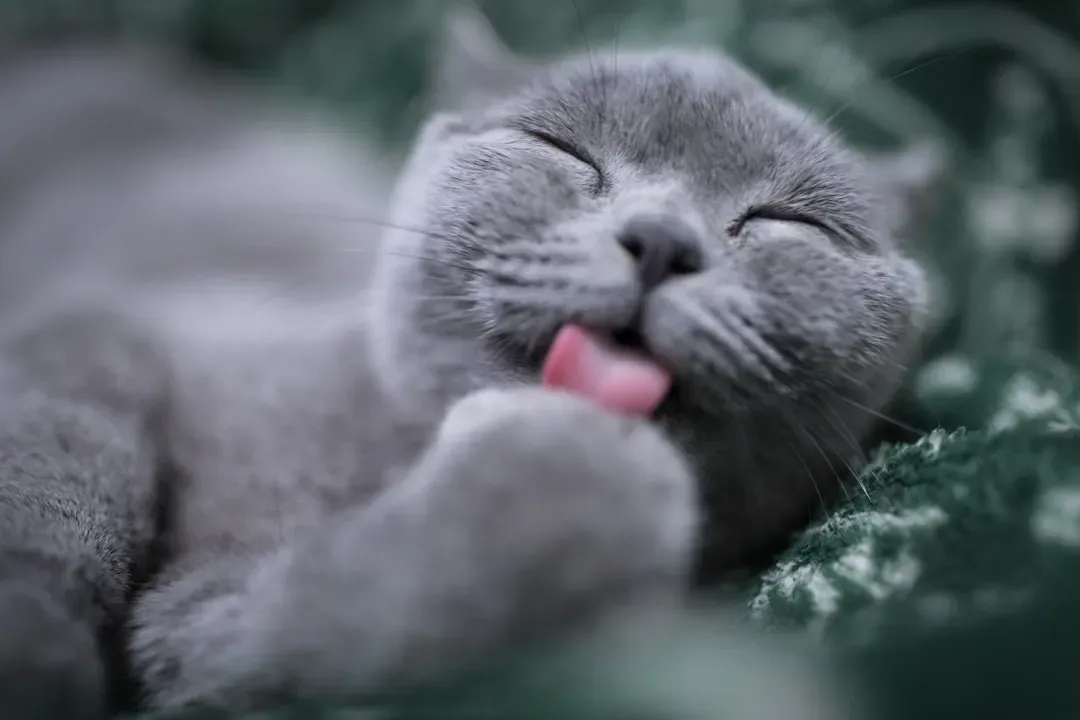
A healthy cat typically spends up to half of their waking hours grooming, keeping their coat pristine and well-maintained. So when that routine changes, it’s rarely random. Cats that are not feeling well do not tend to groom themselves well. You’ll usually see a messy or greasy coat, mats of fur, or clumps of loose hair. In some cases, you will see a difference in the coat’s shine or an increased amount of dandruff.
Over-grooming tells a different story, though. Excessive grooming may be a reaction to a skin problem such as allergies; a parasite such as fleas, mites, or ringworm; pain such as that from arthritis or a bladder problem; or stress. Over-grooming or focusing excessively on one area might be a cat’s way of addressing pain or itching. Either way – too much or too little – a change in grooming is a sign that something deserves your attention.
4. Their Posture and Movement Look Off
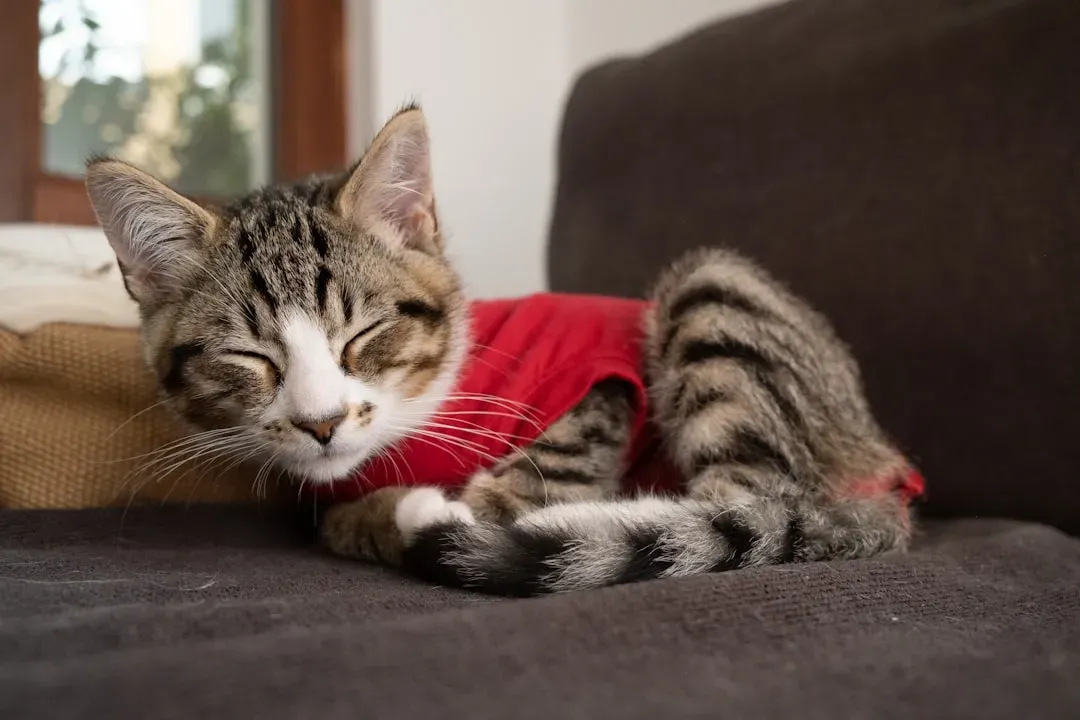
You know your cat’s usual stride and resting pose better than you might realize. If your cat is not feeling well, they may not look quite right. They may sit in a more hunched position or move with less grace than usual. Tilting the head or carrying the tail differently could indicate that something is wrong, too.
A cat that is sick may hunch over with their back arched, head low, and legs tucked in close to the body. A cat that is wobbly or unsteady on their feet is definitely not feeling well. They may sway, stumble, or have trouble keeping their balance. Like the limp and weak posture described above, this is a very serious symptom and requires prompt veterinary attention. Don’t dismiss changes in the way your cat carries themselves – their posture can speak volumes.
5. They Become Unusually Vocal – or Go Strangely Quiet
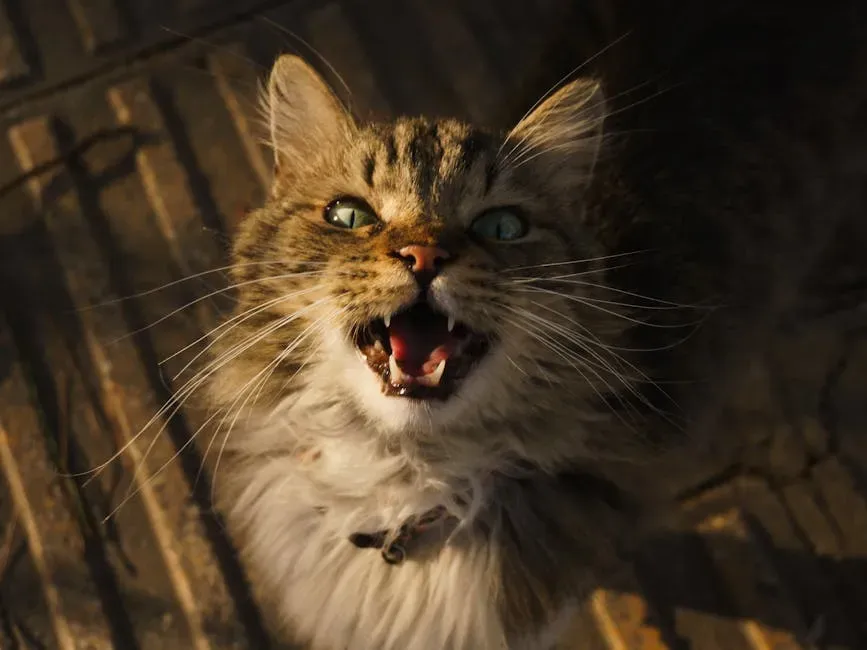
Vocal changes in cats are easy to overlook because they feel less dramatic than physical symptoms. Still, they matter. Some cats become loud when they’re unwell, while others go quiet. That shift either way is what matters most. If your normally talkative cat stops meowing, or your quiet cat starts crying at night, pay attention. These sounds are often directed at getting your attention.
Increased vocalization can signify many things. It could mean that your cat is in pain, has an upset stomach, or is even suffering from a neurological problem. Increased vocalization or howling is more common in older cats and is often seen with some underlying condition. Many cats also have increased vocalization if they are in pain or anxious. Track when the sounds occur – particularly if they’re connected to movement, eating, or being touched.
6. Their Litter Box Habits Change
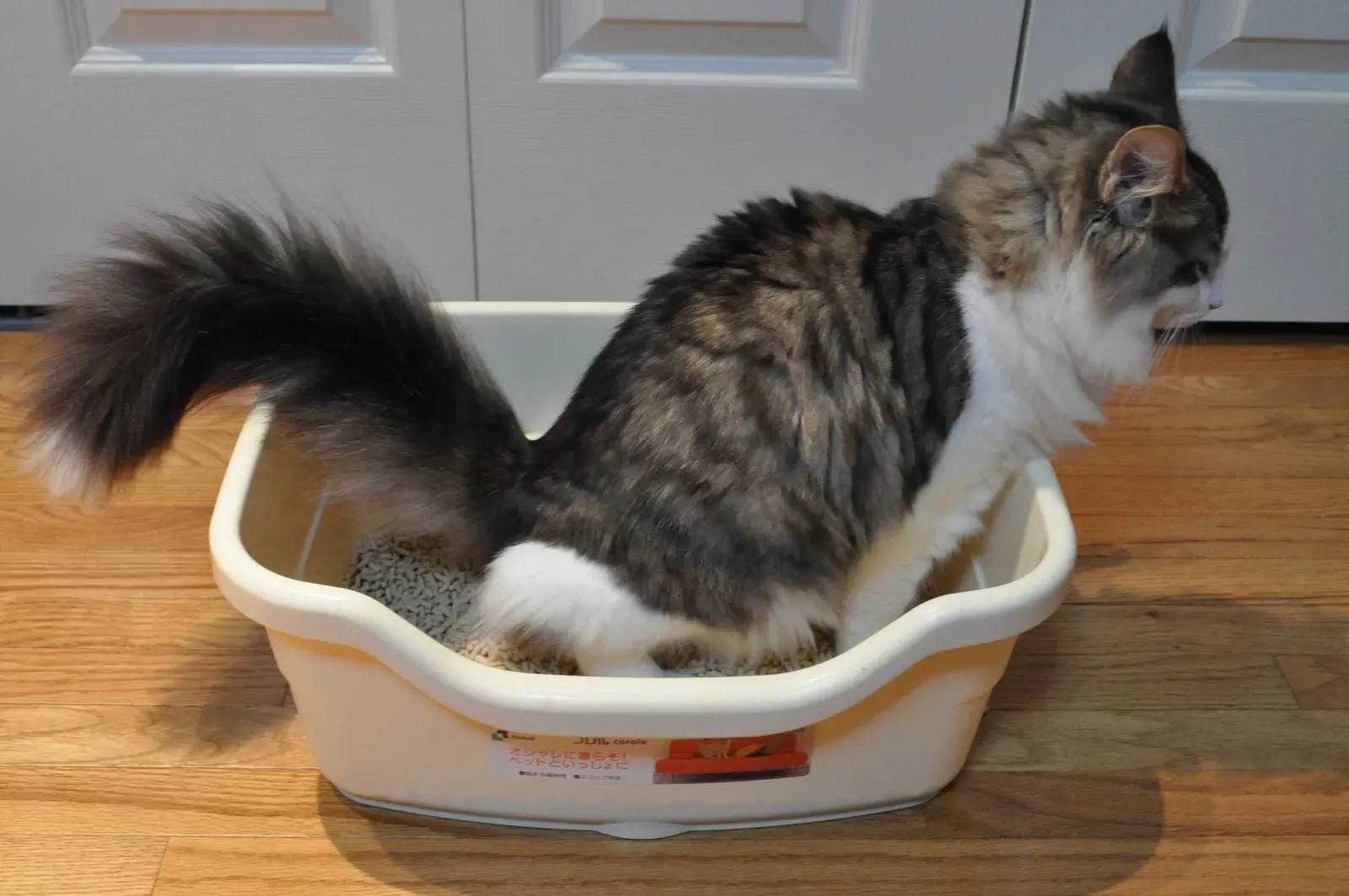
The litter box is one of the most reliable health monitors in your home, as unglamorous as that sounds. Monitoring your cat’s litter box habits can help you detect health issues early on. Increased frequency of urination or a change in the size of the clumps could indicate conditions such as diabetes or kidney disease. On the other hand, less frequent urination or small, hard stools can signal dehydration or constipation.
If you notice your cat straining without producing much urine, this could be a symptom of a urinary blockage, which is a medical emergency. Inappropriate urination and defecation often accompany an underlying medical condition and do not occur “for spite.” If your cat is suddenly going outside the box or seems uncomfortable during elimination, that warrants a call to your vet without delay.
7. They Withdraw Socially or Become Uncharacteristically Aggressive
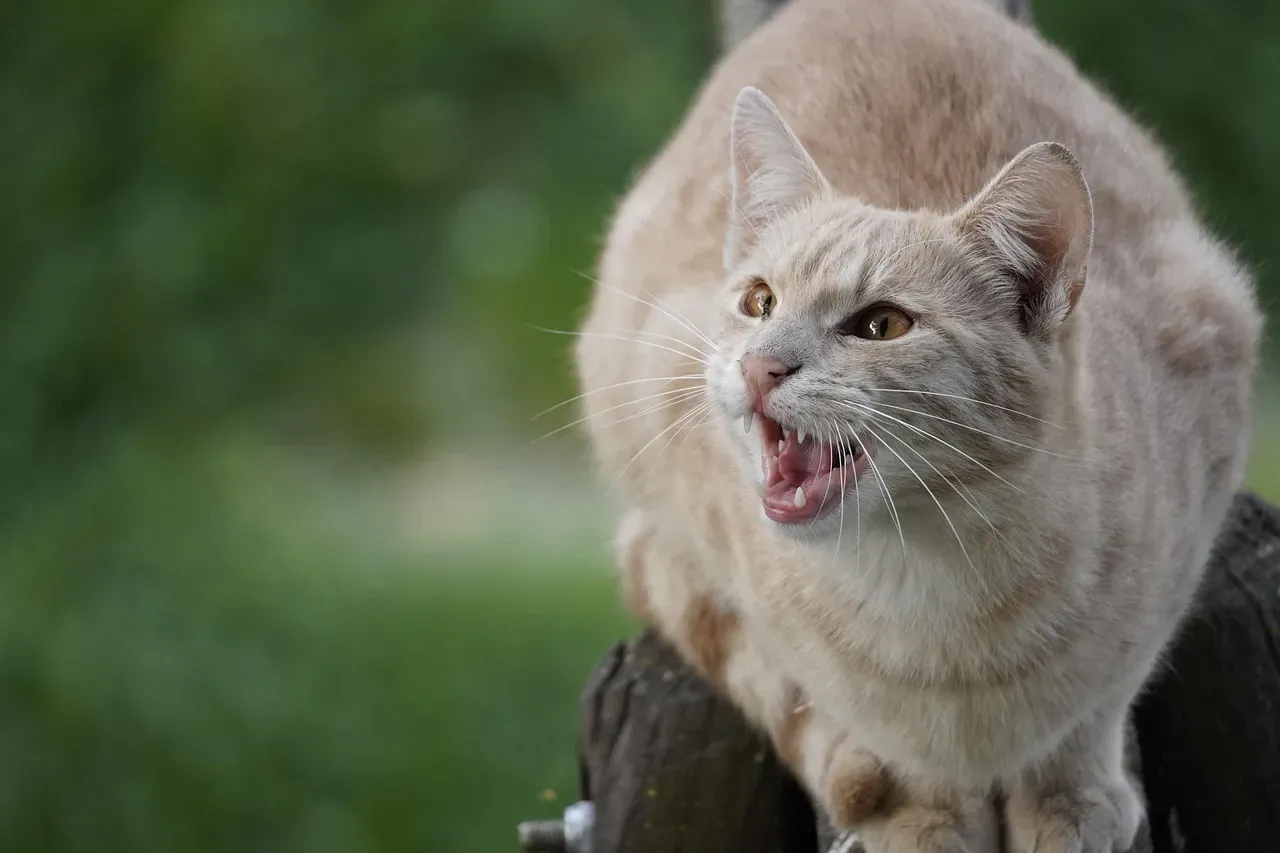
A cat that suddenly wants nothing to do with you – or snaps when you reach out – isn’t necessarily being difficult. A previously gentle and calm cat displaying sudden aggression or irritability might be in pain, especially when touched in specific areas. This behavior might manifest as hissing, growling, or even swatting.
Social withdrawal runs in the same direction. Cats are stoic creatures that hide discomfort and pain with remarkable grace. If your normally friendly feline suddenly wants nothing to do with you, though, it could be a sign that something is amiss. Cats commonly hide or avoid socialization when they are not feeling well, so it is a change in behavior that should not be ignored. If your typically independent cat suddenly becomes overly clingy, it might be seeking comfort due to feeling unwell. Both extremes deserve the same careful attention.
8. Their Eyes Show Visible Changes
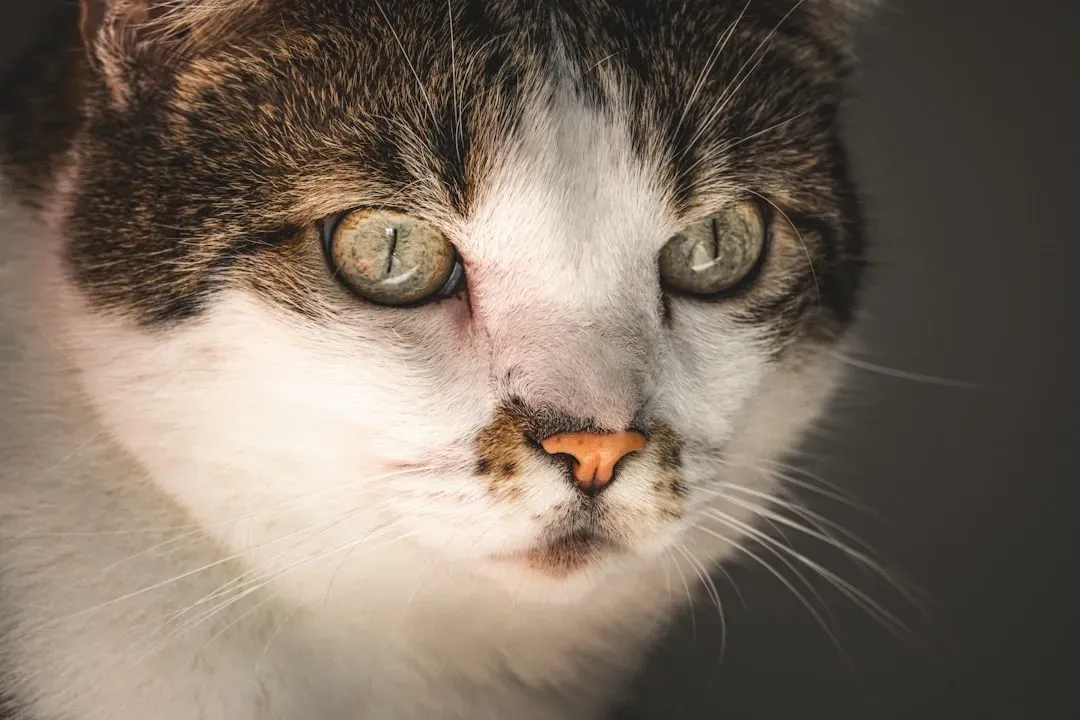
Healthy cat eyes are bright, clear, and symmetrical. Anything that deviates from that baseline should put you on alert. The third eyelid is located beneath the lower eyelid and, in a sick cat, it will cover part of the eyeball. Any abnormality with the eyes can result in blindness; if in doubt, do not delay – see your veterinarian.
Your cat’s pupils can tell you a lot about how they are feeling. Dilated pupils indicate excitement, fear, or aggression, while constricted pupils may mean your cat is feeling stressed due to illness or injury. Additionally, cats often squint or keep their eyes closed when they are uncomfortable or in pain. You may also notice the third eyelid – which appears as a thin white layer extending from the inner corner of the eye – is more prominent in a cat that is not feeling well. If the eyes look unusual in any consistent way, a vet visit is the right move.
9. They Show Signs of Rapid Weight Loss or Physical Thinning
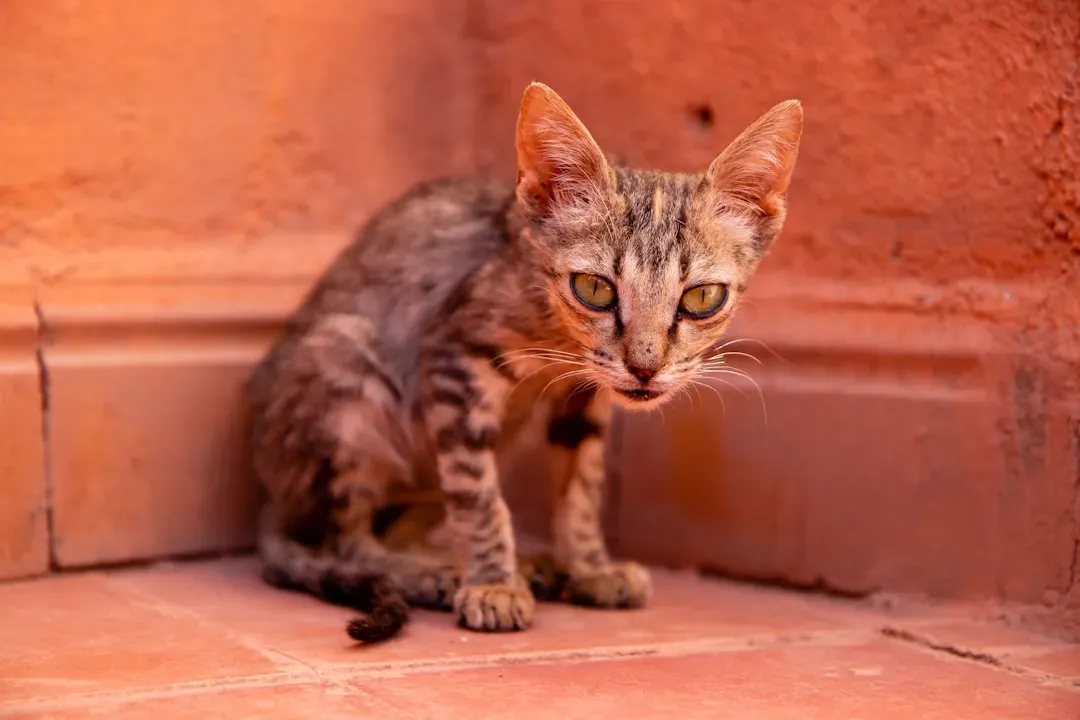
Weight loss in cats can sneak up on you, especially if your cat has a fluffy coat. Cats with a chronic illness may develop slow and subtle weight loss that is only obvious when you run your hands along the ribs and spine. Cats that suddenly lose weight, particularly if they were previously overweight, are usually suffering from a metabolic disease such as diabetes or hyperthyroidism.
Unexplained weight loss or gain is another critical indicator that should not be ignored, as these can point to metabolic disorders, hormonal imbalances, or other serious underlying conditions. Make it a habit to gently run your hands along your cat’s sides every few weeks – feeling prominent ribs or a sharp spine where there was once healthy padding is a meaningful sign that something may need investigating.
Conclusion: Trust What You Know About Your Cat
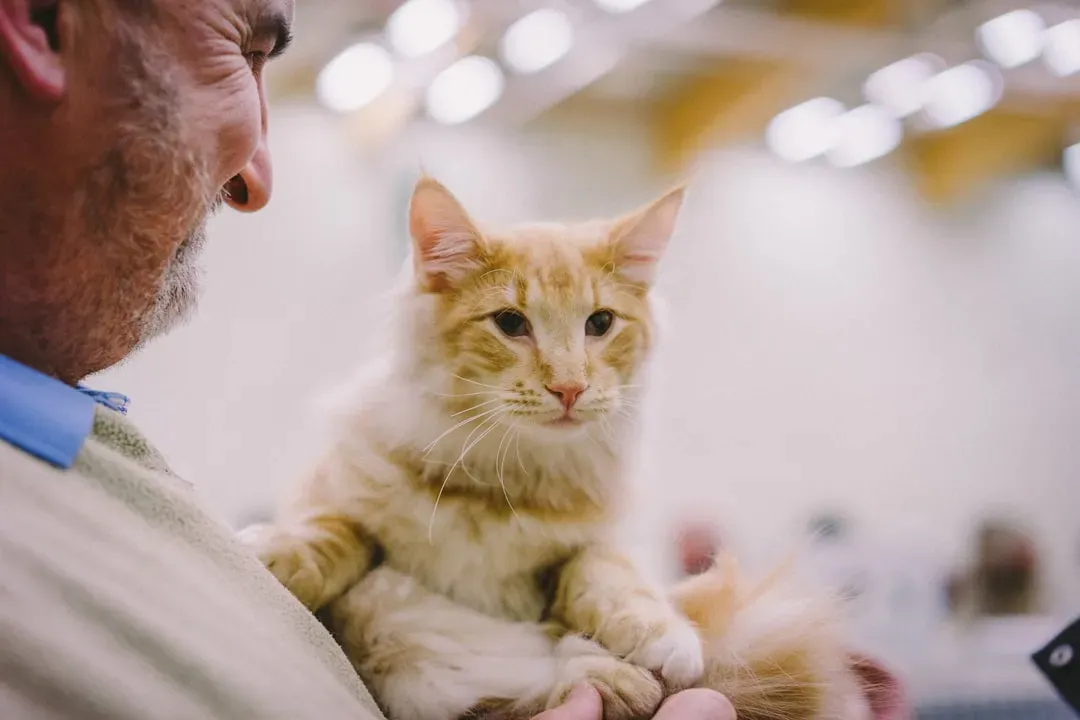
The single greatest advantage you have as a cat owner is familiarity. Nobody knows your cat’s habits, personality, and quirks the way you do. Be sure to watch your cat for subtle changes in behavior that others may not notice; take note of any changes to your cat’s usual body language or demeanor. If something just doesn’t seem right, it’s a good time to take your cat to the vet for a thorough examination, even if your cat isn’t showing any of the symptoms listed above.
Early detection and treatment of illnesses can help to prevent conditions from becoming more severe or potentially life-threatening. You don’t need to diagnose anything at home – that’s your vet’s job. What you do need is to act on the feeling that something has shifted, because through training and experience, veterinarians may notice subtle signs that a cat is developing a health problem, which is one of the main reasons why veterinary experts recommend twice-yearly wellness examinations for the average adult cat.
Your cat can’t say “I don’t feel well today.” But if you know what to look for, they’re saying it all the time.
Kristina is a young writer from India. An arts graduate and an avid content creator, Kristina is passionate about animals and wildlife. She enjoys exploring topics related to pet care, animal behavior, conservation, and nature, combining thorough research with engaging storytelling.