What's the Secret Behind Your Cat's Purr? More Than Just Contentment
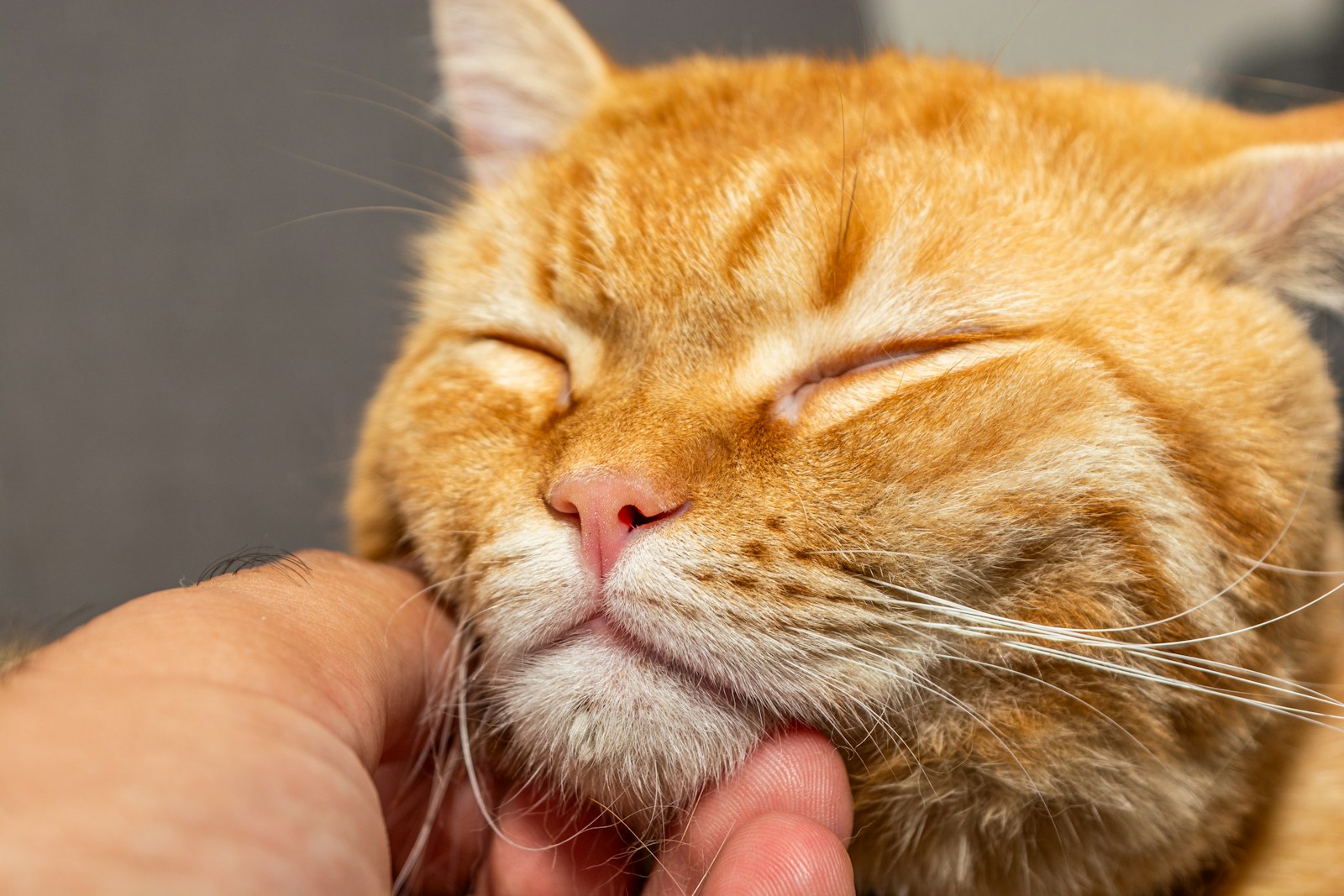
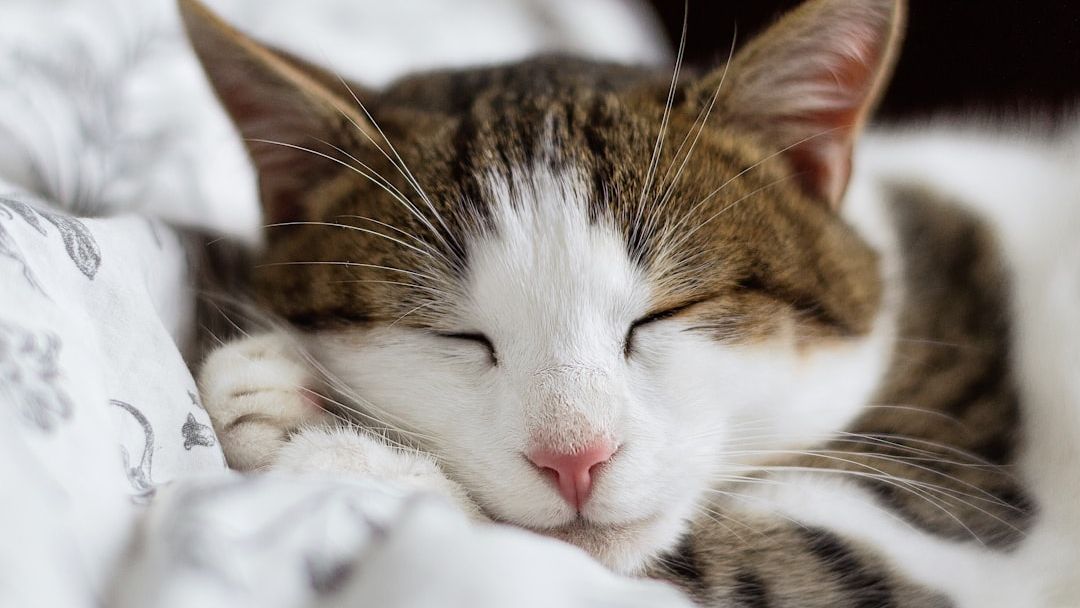
There's something almost meditative about a cat's purr. It fills the room with a low, rhythmic hum that most people find instantly calming. You've probably assumed, at some point, that your cat only purrs when perfectly at ease. The truth is more layered and, once you understand it, far more fascinating.
Your cat's purr is not a single signal with a single meaning. It's a complex, multifunctional behavior with roots in biology, evolution, communication, and even self-repair. Unpacking it reveals a creature far more nuanced than it lets on.
The Surprising Mechanics Behind the Sound
If you've ever wondered how something so small produces such a deep, rumbling sound, you're not alone. Scientists puzzled over this for decades. Domestic cats are small, with most weighing around four and a half kilograms, and researchers puzzled over how these animals manage to generate the low-frequency vocalizations typically between twenty and thirty hertz involved in purring. Such frequencies are usually only observed in much larger animals, such as elephants, which have far longer vocal cords.
Recent research has brought us closer to an answer. Domestic cats possess "pads" embedded within their vocal cords, which add an extra layer of fatty tissue that allows them to vibrate at low frequencies. What's more, the larynx of these animals doesn't appear to need any input from the brain to produce such purring. This challenges decades of assumptions about what is actually happening inside your cat's throat when it settles into your lap.
The Brain's Role: A Neural Oscillator at Work
While the vocal cord pads are a compelling discovery, the brain still plays a meaningful part in the process. A repetitive neural oscillator sends messages to the voice box muscles, causing them to twitch at a rate of twenty-five to a hundred and fifty vibrations per second. This twitching causes a sudden buildup of air pressure in the windpipe, producing the unique sound of a purr.
This fascinating mechanism is controlled by a unique neural oscillator in the brain. Notably, cats can purr continuously while both inhaling and exhaling. That's something most other animals simply cannot do. The continuous, seamless nature of your cat's purr across each breath cycle is part of what gives it that hypnotic, unbroken quality.
Purring Is Not Just Happiness
One of the most common misconceptions about cats is that a purr always equals a smile. The biggest myth about cats is that a purr equals a smile. In reality, a purr is more like a human laugh. We laugh when we are happy, but we also laugh nervously when we are uncomfortable or trying to diffuse tension. Your cat's purr operates in much the same nuanced territory.
Many cat parents might think their feline friends purr solely when they're happy. However, the act of purring is not exclusive to moments of pleasure. Cats also purr when they are in pain, anxious, or even when they're on the brink of death. Understanding this wider range of meaning is one of the most important things you can learn as a cat owner.
When Your Cat Purrs in Pain or Distress
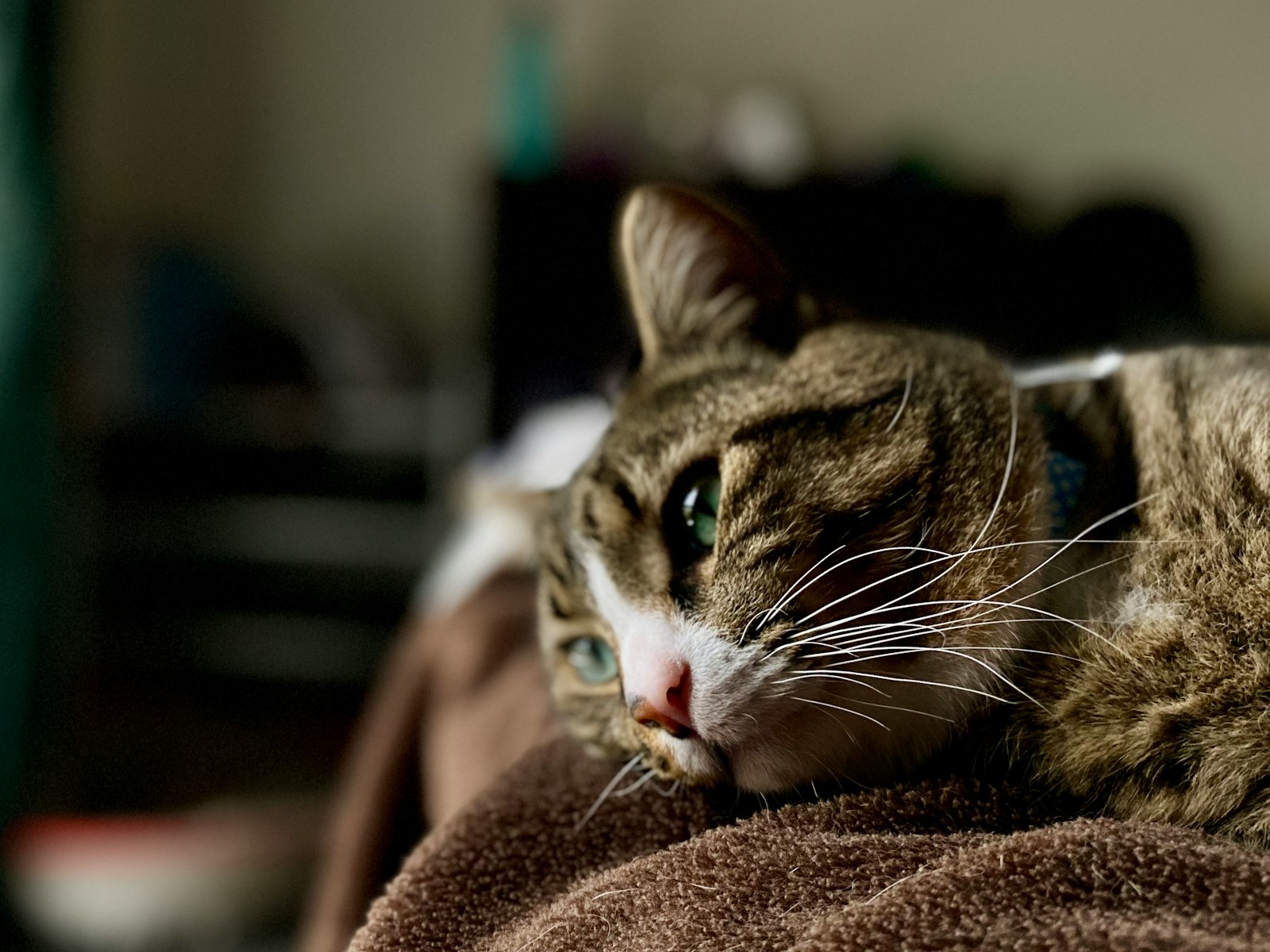
It may seem counterintuitive, but your cat can be purring and suffering at the same time. Cats may purr when they are in pain or discomfort. This behavior seems counterintuitive, but purring in such situations is believed to serve several purposes. The act of purring may help soothe the cat and alleviate pain, similar to people in distress finding comfort in moaning or rocking back and forth.
In stressful situations, such as a visit to the vet or when recovering from an injury, a cat might purr to soothe itself. Stress-related purring often comes with other signs of discomfort or anxiety. This could include a tense body posture, flattened ears, rapid breathing, or avoiding eye contact. When you spot those physical cues alongside the purring, it's worth paying closer attention to what your cat might actually need.
The Mother-Kitten Bond: Where Purring Begins
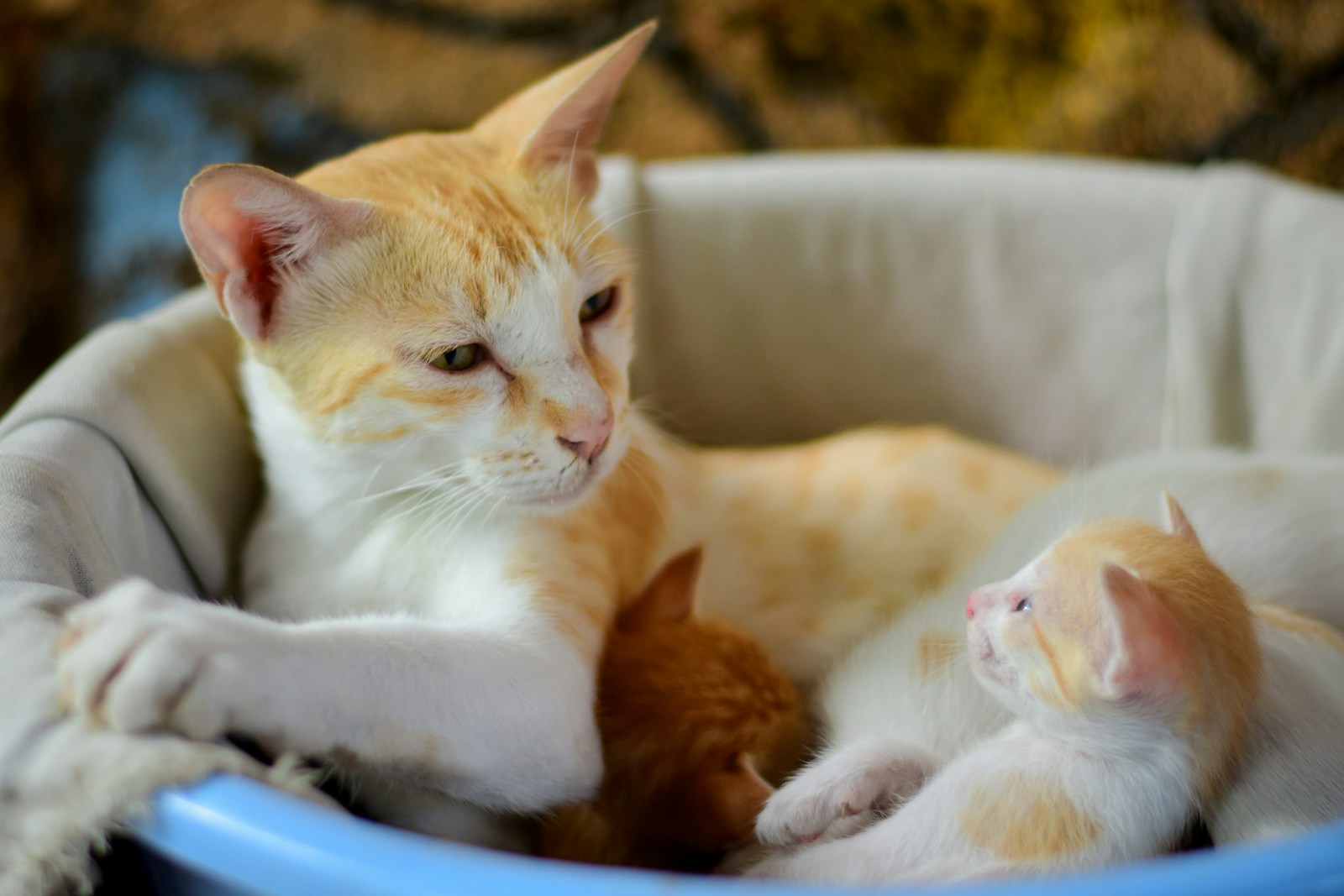
Your cat's purring did not begin as a form of adult communication. It started in the first days of life. Kittens can purr as young as two days of age. They purr when they are nursing from their mother and only stop long enough to swallow. This early behavior is primal, purposeful, and deeply tied to survival.
Kittens are born blind and deaf, so they rely heavily on their sense of touch and smell. Mother cats use soft vibrations to communicate with their kittens, signaling that it's safe to come closer and nurse. Kittens, in turn, purr back to their mothers, creating a mutual sense of comfort and security. That quiet exchange between mother and newborn is where the story of the purr truly begins.
The Solicitation Purr: Your Cat Is Manipulating You
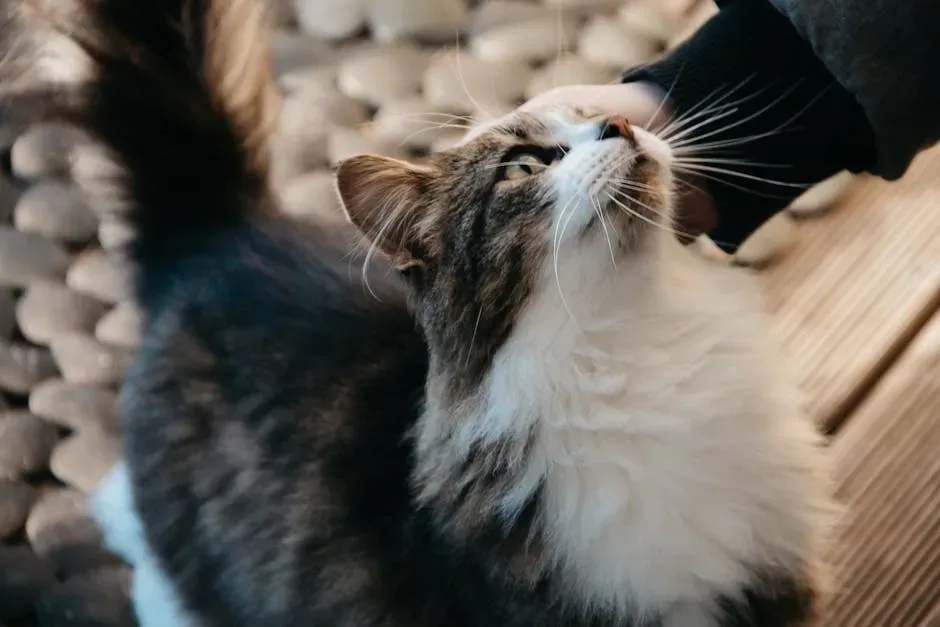
You might think you're simply charmed when your cat looks up at you and purrs insistently before dinner. Research suggests something more calculated is taking place. When researcher Karen McComb analysed the acoustic structures of different purrs, she found that solicitation purrs have an unusual high-frequency peak that doesn't fit with the rest of the call. At a frequency of around three hundred and eighty hertz, this extra sound stood out from the typical low frequencies of a purr and is more like a cry or a meow. The frequency is actually very similar to that of a crying infant, so small wonder that it tugs on the human heartstrings.
Purrs indicating a cat was hungry actually shared aural signatures with the noises that hungry babies make when they're crying. With these solicitation purrs, domestic cats are effectively tapping into our own nurturing instincts to give them attention. Their cries of "feed me" are hidden in what may sound like a pleasant purr. Your cat has, in effect, learned to speak your evolutionary language without saying a single word.
Purring as a Self-Healing Mechanism
One of the most remarkable theories around purring is that it functions as a form of biological self-repair. The specific frequency at which cats purr links to various therapeutic benefits. Vibrations in the range of twenty-five to one hundred hertz are medically therapeutic. They can promote bone density, heal wounds, and reduce pain and swelling. This might explain why cats purr during injury or sickness, as it's their way of self-soothing and possibly self-healing.
Because cats have adapted to conserve energy via long periods of rest and sleep, it is possible that purring is a low energy mechanism that stimulates muscles and bones without a lot of energy. This conjecture is supported by the fact that broken felid bones take significantly less time to heal than broken dog bones, and that low frequency vibrations in the range of cat purrs are used to heal complex fractures in humans. Whether this is the primary reason cats purr remains an open scientific question, but the evidence is thought-provoking.
The Effect of Your Cat's Purr on Your Own Health
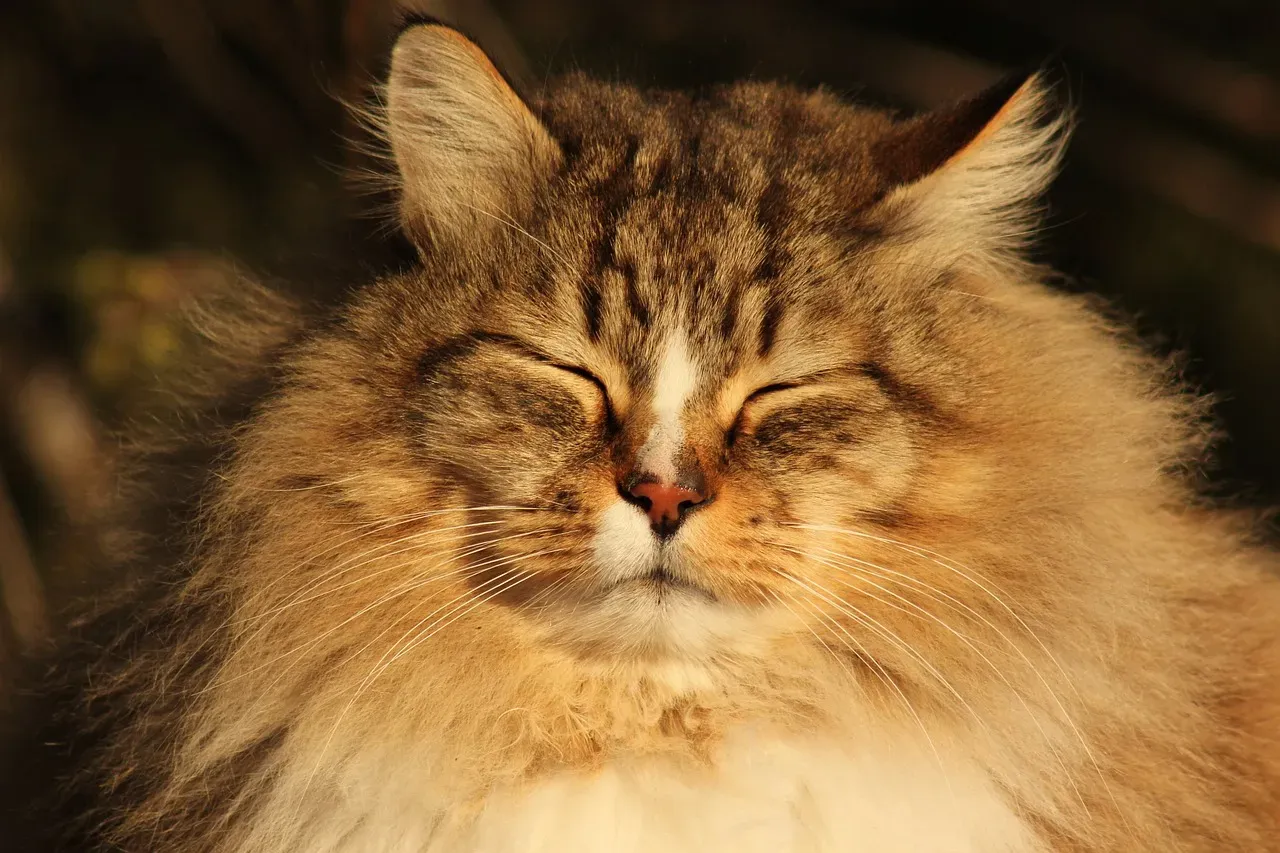
The purr's potential benefits don't stop with your cat. There is growing evidence that spending time with a purring cat may do measurable good for you too. Purring vibrations can help reduce inflammation, improve circulation, and stimulate the healing of damaged tissues. They've also been shown to promote the regeneration of bone cells and increase bone density. In addition, the soothing vibrations of a cat's purr can help regulate the autonomic nervous system, promoting a sense of calm, balance, and emotional well-being.
Petting a cat or listening to their purring triggers the release of oxytocin, a hormone that promotes happiness and reduces stress. This calming effect lowers cortisol levels, the stress hormone associated with high blood pressure, and can help alleviate pain. Research suggests that people who own cats also have a notably lower risk of heart attacks than non-cat owners, and blood pressure has been shown to be lowered in owners after interacting with their purring cats.
Not All Cats Can Purr, and Not All Purrs Are the Same
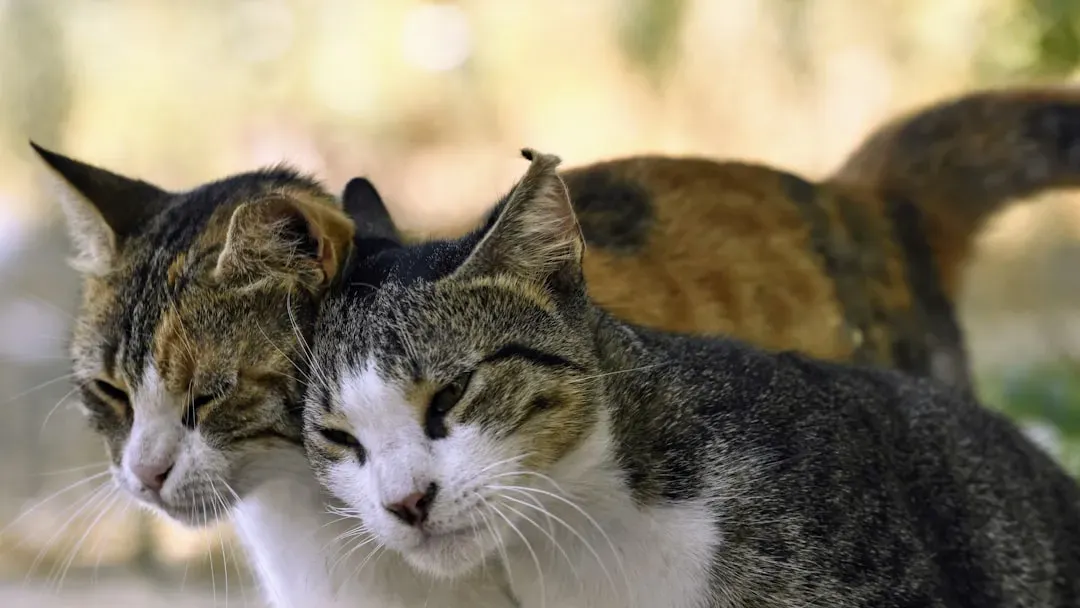
It's worth knowing that purring is not universal across all cats. No cat can both purr and roar. The subdivision of the Felidae into "purring cats" on one hand and "roaring cats" on the other goes back to Owen and was definitively introduced by Pocock, based on whether the hyoid bone of the larynx is incompletely or completely ossified. Lions, tigers, jaguars, and leopards roar. Your domestic cat purrs.
Even among cats that do purr, not all purrs are equal. The purr of contentment is a deep, steady purr that usually occurs when a cat is relaxed and comfortable, often seen when they're being stroked or resting in a preferred area. Solicitation purring is a higher-pitched, more urgent-sounding purr often mixed with loud meows and usually associated with begging behavior. The purr associated with anxiety or distress, if a cat is purring while exhibiting signs of distress like hiding, may sound more erratic or higher in pitch. Recognizing these differences is a skill worth developing.
Reading the Purr: What You Should Actually Watch For
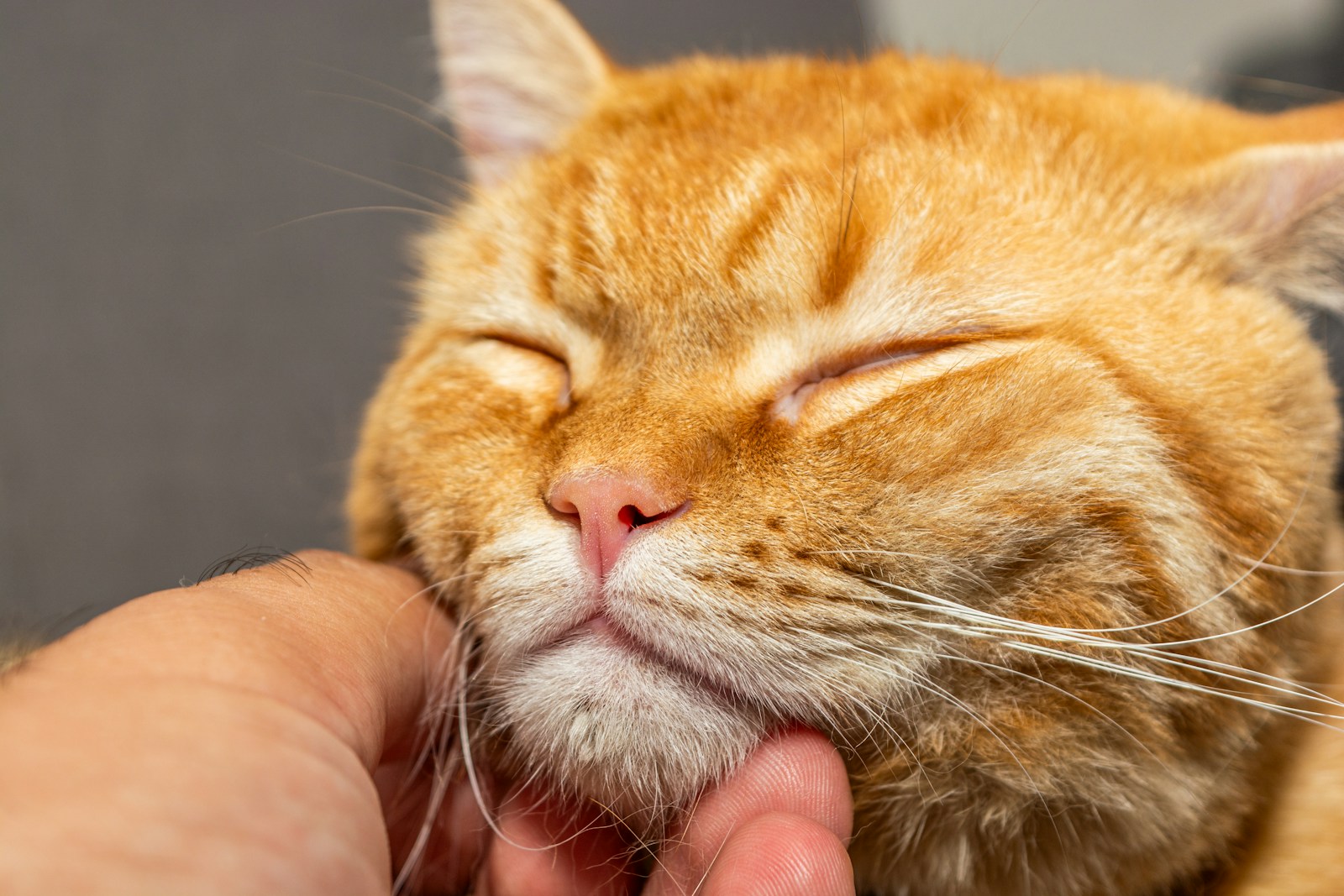
Since your cat's purr can mean so many different things, context matters enormously. A purring cat that approaches you with their tail held up may be greeting you and soliciting attention. If the cat is crouched down with their ears pulled slightly to the side while purring, they may not be feeling well. The sound alone tells only part of the story.
While purring is usually a positive sign, it's important to pay attention to the context. If your cat is purring but also showing signs of discomfort, like hiding, refusing to eat, or displaying unusual behavior, it could mean that something is wrong. Cats are masters at hiding their pain, so purring might be their way of coping with something more serious. When in doubt, a veterinary check is always worth the trip.
Conclusion
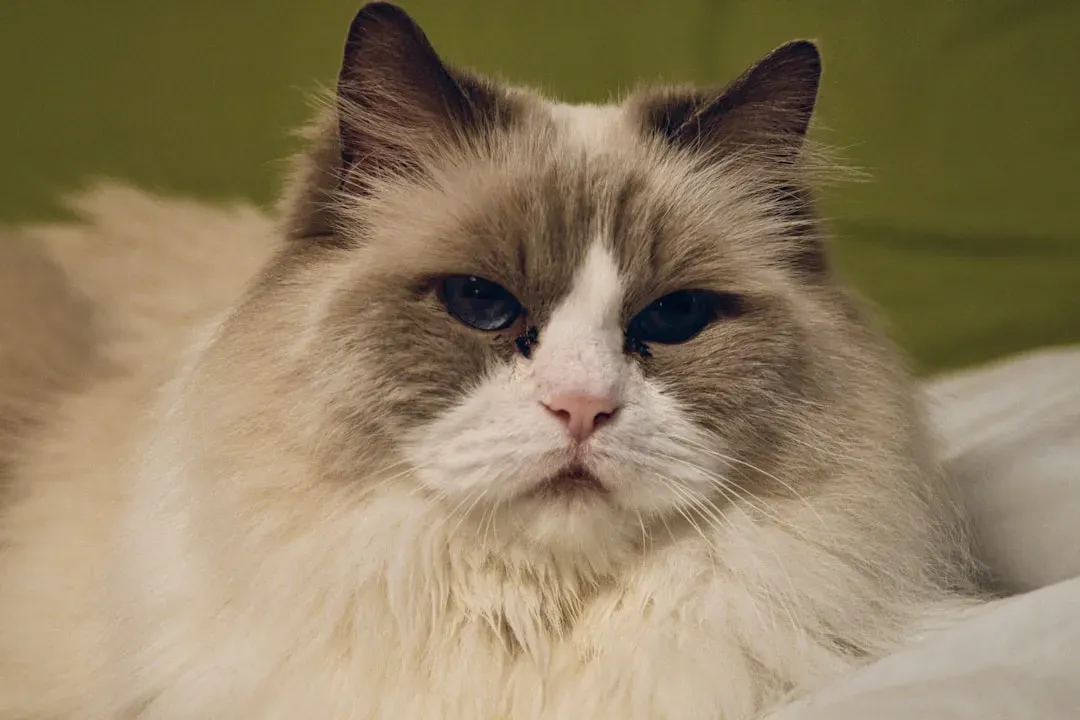
Your cat's purr is one of the most layered sounds in the animal world. It signals joy, yes, but it also communicates stress, pain, hunger, and trust. Beneath its gentle rumble lies a sophisticated biological and behavioral tool that cats have refined across thousands of years of living alongside humans.
The next time your cat settles against you and begins to purr, you're not just hearing contentment. You're listening to an ancient mechanism for healing, bonding, and communication, one that your cat has, in part, tuned specifically for you. That low, steady hum carries more meaning than most people ever suspect.