Your cat stares at the wall for no apparent reason. It knocks things off your table, bolts through the house at midnight, and insists on sitting inside the one empty cardboard box you left on the floor. To you, it looks random. To your cat, every single one of these behaviors makes complete survival sense.
Modern housecats share roughly 95.6% of their DNA with African wildcats, which means that fluffy creature napping on your couch is, evolutionarily speaking, barely a step removed from a desert predator. While we’ve domesticated these animals over thousands of years, many of their behaviors still mirror those needed for survival in the wild. Once you start seeing your cat through that lens, the quirks stop looking strange. They start looking ancient.
Kneading Your Lap Like Bread Dough
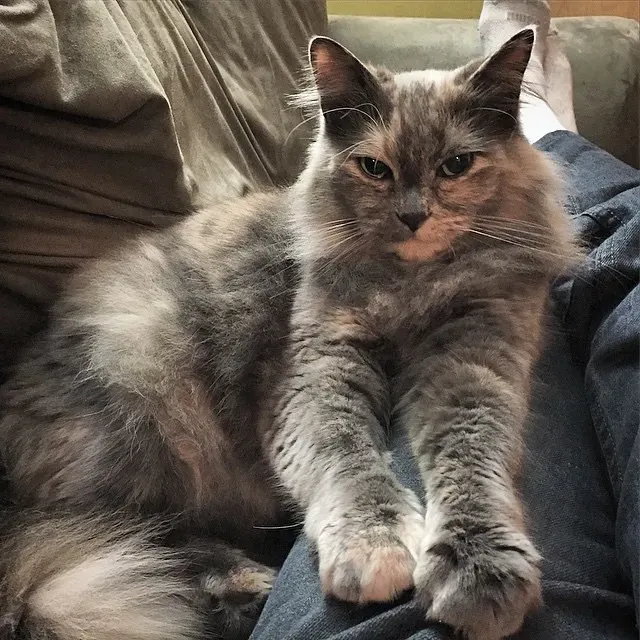
You’ve probably felt it before: your cat climbs onto your lap, starts rhythmically pressing their paws in and out, and looks completely blissed out. This kneading behavior has roots in kittenhood, when young felines kneaded their mother’s belly to stimulate milk flow. The warmth, the rhythm, the contentment – it all loops back to the earliest feeling of safety your cat ever experienced.
The origins go even deeper: wild cats knead grasses to create a comfortable, scent-marked resting spot. So when your cat “makes biscuits” on your favorite blanket, they’re doing two ancient things at once – nesting and nurturing. Their paws contain scent glands that release subtle pheromones, and when a cat kneads a surface, they leave behind a scent marker that signals familiarity and ownership. From their perspective, your lap just became officially theirs.
Chattering Their Teeth at Birds Through the Window
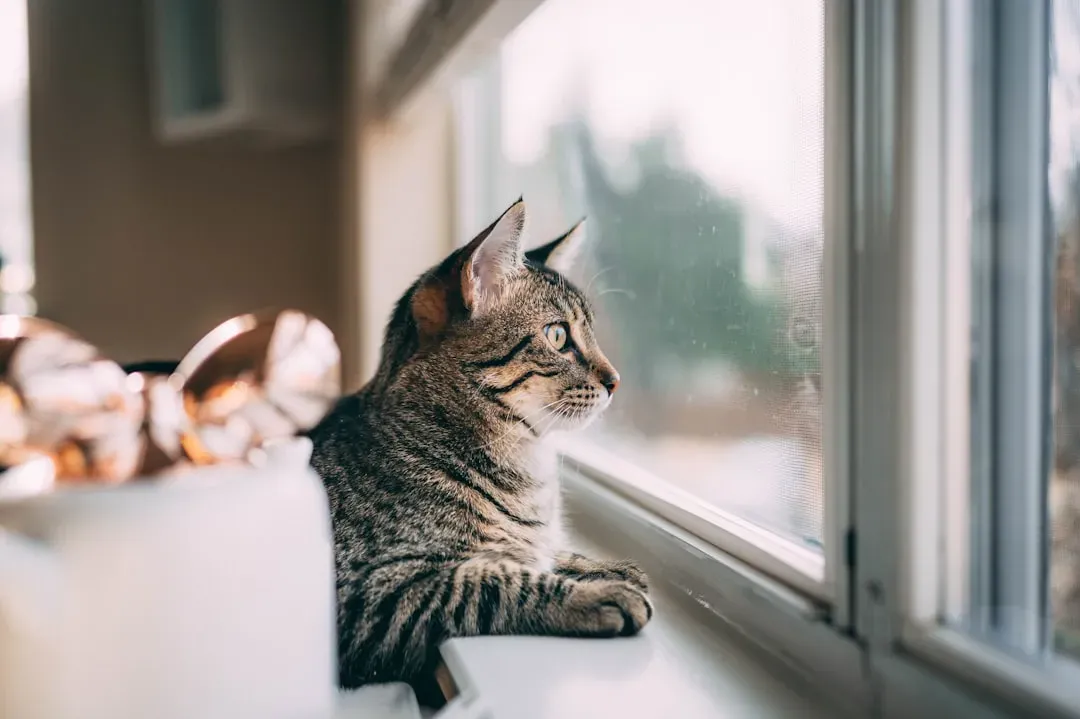
You’ve probably watched your cat sit at a window, lock eyes on a bird, and then make that strange rapid chattering sound – half chirp, half jaw tremor. Cats chatter when they see birds through a window due to a mix of excitement and frustration, reflecting their instinctual hunting behavior, as this vocalization may indicate their desire to pounce even though they are confined indoors. It’s the hunting drive with nowhere to go.
A relatively new and extraordinary theory is that cats chatter in an instinctive attempt to mimic their prey. On an expedition into the Amazon rainforests of Brazil, researchers recorded a margay, a small wild cat, mimicking the chattering calls of its prey, vocalizing calls to impersonate a baby pied tamarin, which attracted the primates to investigate. In domestic cats, chattering may represent behavior retained from their wild ancestors, who had an abundance of hunting situations to apply it to. Your indoor cat is essentially running an ancient hunting program with no prey to deliver it to.
Scratching Everything in Sight
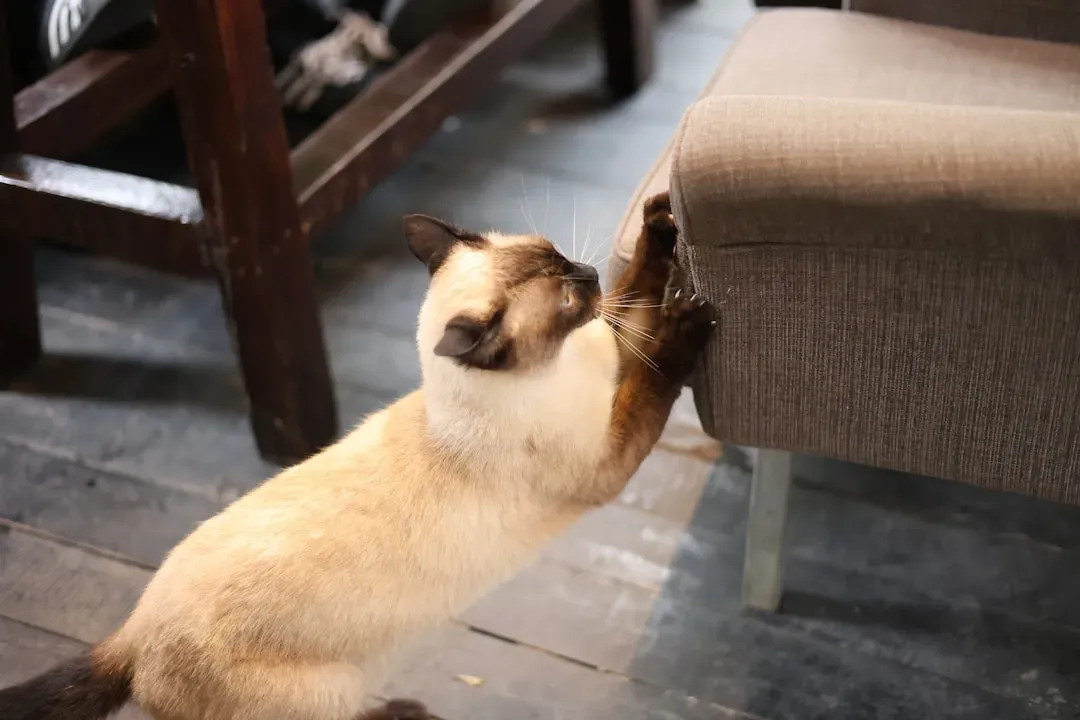
You buy a scratching post. Your cat ignores it completely and goes straight for the corner of your sofa. Before you take it personally, understand that cats scratch to mark their territory, both visibly with claw marks and invisibly by leaving the scent from their foot pads. It’s not destruction for its own sake. It’s communication with a very long evolutionary history behind it.
Your scratching cat deposits pheromones from glands on their paw pads to communicate a wealth of information, such as their health status, mating prospects, and territorial boundaries. Scratching also allows your cat to stretch and flex muscles and joints, limbering them up for a vigorous play session. In the wild, this kept their claws sharp for climbing and hunting. At home, it keeps their instincts from going entirely dormant.
Squeezing Into Impossibly Small Spaces
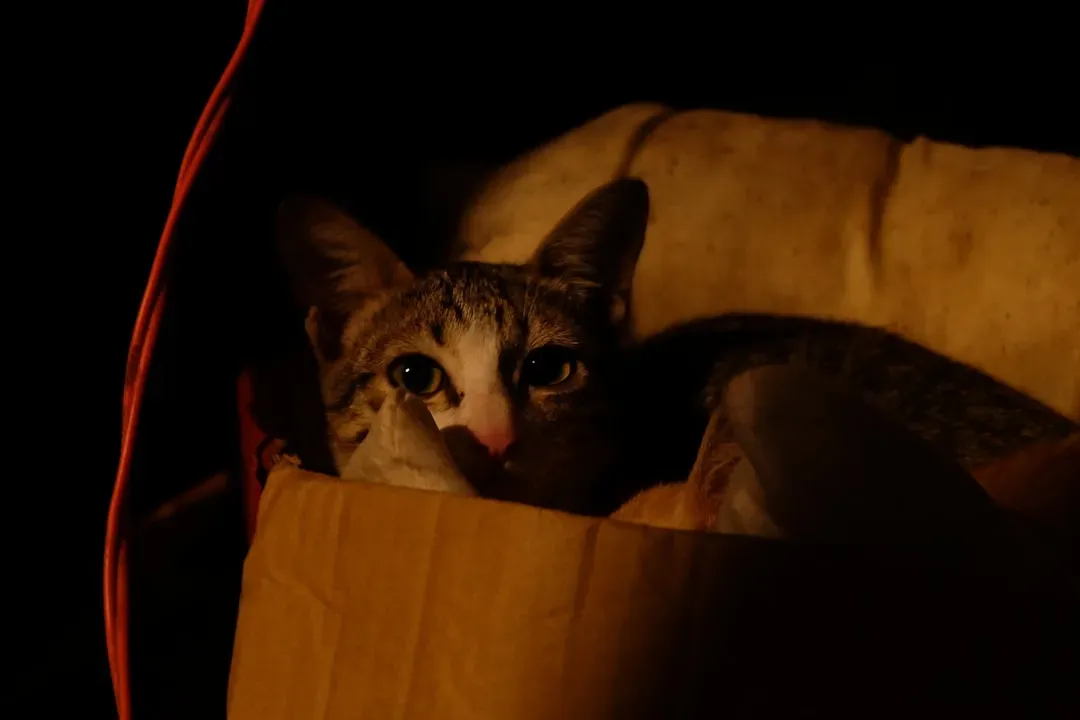
You leave a cardboard box on the floor for thirty seconds and your cat is already inside it. There is some ancestral instinct in your cat that makes it attracted to boxes and small spaces – cats in the wild like to seek shelter where they feel safe and protected from predators. When a cat can squeeze into a small space, it knows that all sides are covered and it can remain hidden. The smaller the area, the safer it will feel.
Felines also have a natural instinct to ambush, and by hiding in small tight spaces they are able to watch and observe their surroundings from a distance. That bathroom sink your cat loves is not just comfortable. It’s a vantage point and a shelter at the same time. The smaller the space, the more likely it is to keep the cat’s warmth and safety from attack. Two survival advantages, one cardboard box.
Covering Waste in the Litter Box
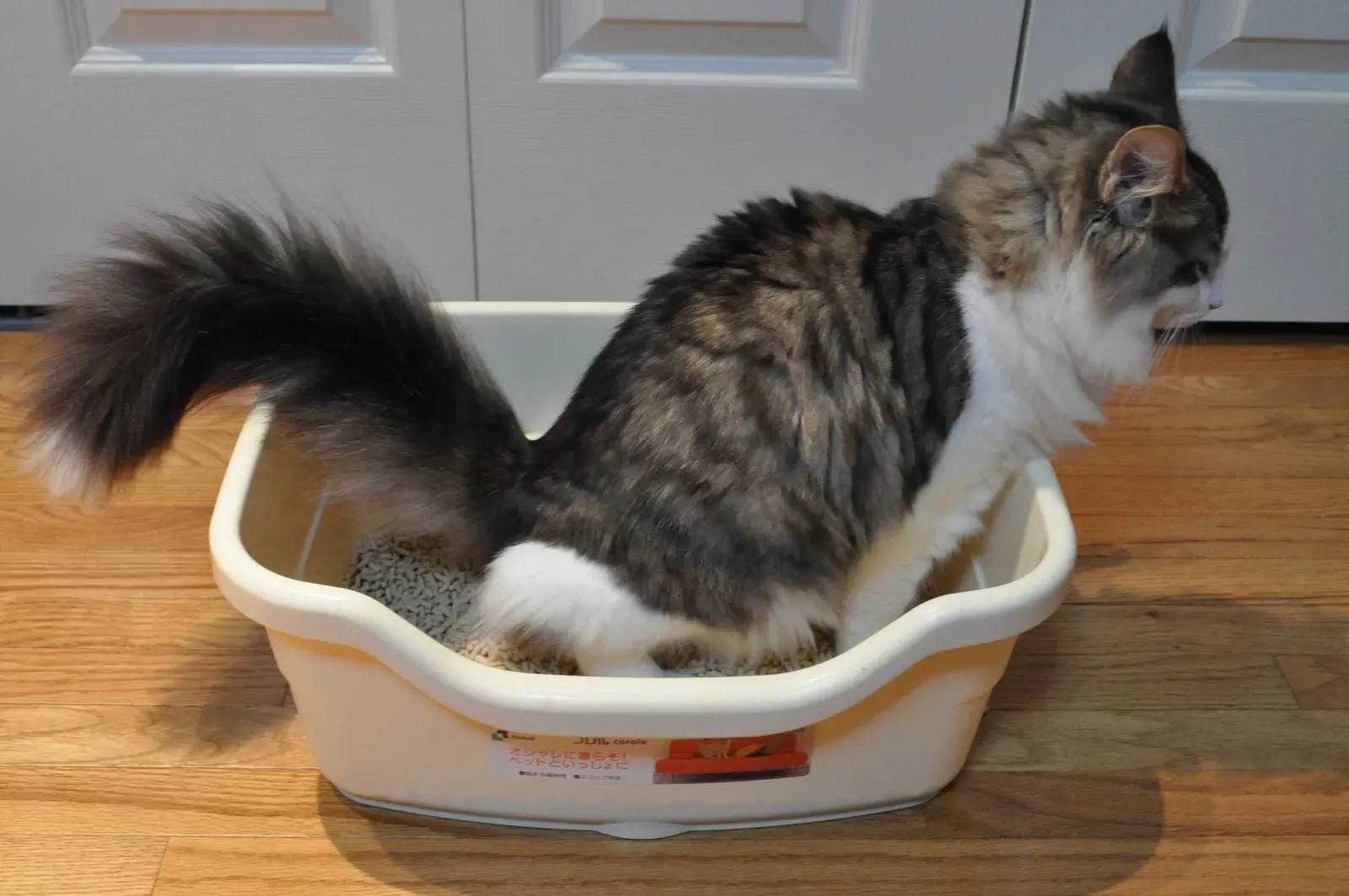
One of the things cat owners appreciate most is that cats seem to naturally understand the litter box. This is a skill passed on through generations of wild cats over centuries of survival. In the wild, a cat will instinctively cover their droppings to avoid possible detection from predators. Although a wild cat doesn’t have a litter box, they will often go to the bathroom in sand or dust.
Cats in the wild had to hide their tracks so that other predators wouldn’t find them. This way, even at home, they quickly find a place where they can remain somewhat hidden while the telltale signs can be covered. Predators and dominant cats locate by scent, which is why domestic cats may avoid dirty litter boxes. That fastidiousness you admire is thousands of years of survival strategy, still quietly running in the background.
Rubbing Their Face on You
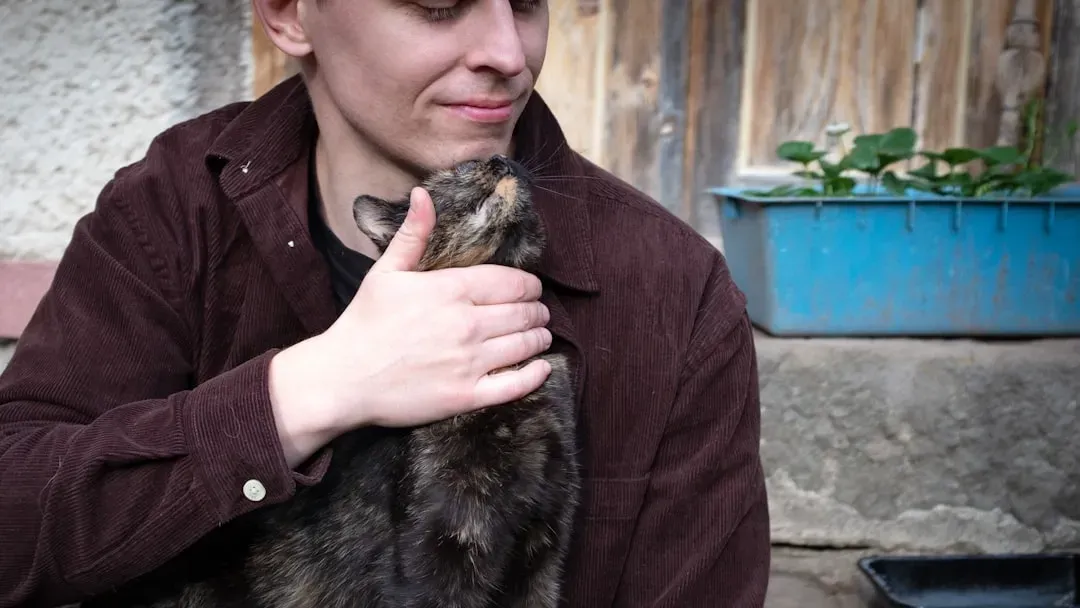
When your cat bumps their head into your hand or rubs their cheek along your leg, it feels affectionate, and it is. When your cat rubs their head on you, they are doing something that behaviorists call “bunting.” Pheromones are being released from the cat’s head and it is their way of showing ownership over you. Just as a cat would rub on furniture to leave their scent and mark territory, they are showing pride in that you are theirs.
Cats can rub their scent onto those they love, and in the wild, will regularly rub against each other to claim their family and partners. Rubbing actions between cats transfer scent from their glands to one another, allowing them to stake their property correctly. When they approach another familiar cat and greet their keepers after a short absence, they raise their tails upright as a sign of friendly intentions, and it has been suggested that there was selective pressure for such a signal in the dense temple colonies of ancient Egypt. You’re not just being greeted. You’re being enrolled in the colony.
The 3 AM Zoomies
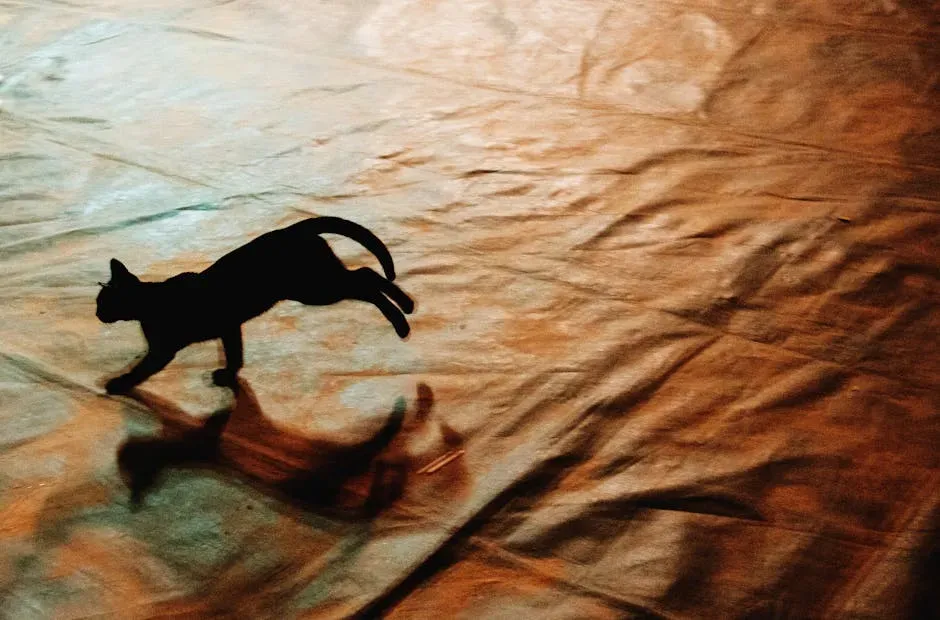
You’re asleep. Suddenly your cat launches off the bed, sprints down the hallway, ricochets off the sofa, and disappears. Your cat’s internal clock is stuck in crepuscular time – the twilight hours when their wild ancestors hunted. This is why cats sleep for many hours daily yet spring to life at dawn and dusk. That 3 AM burst of energy isn’t random chaos. It’s a hunting schedule.
Cats in the wild have the best chance to hunt after a nap when they are well-rested. Even though your cat at home doesn’t have to hunt for its dinner, it still has this behavior imprinted into its daily routine. Most house cats have an enormous amount of energy that is pent up during the day and needs to be released, and this combined with their crepuscular instincts to hunt during the night may wreak havoc on your sleep. Regular play sessions before bedtime can take the edge off, but the instinct itself isn’t going anywhere.
Playing with Prey (Even Toy Prey)
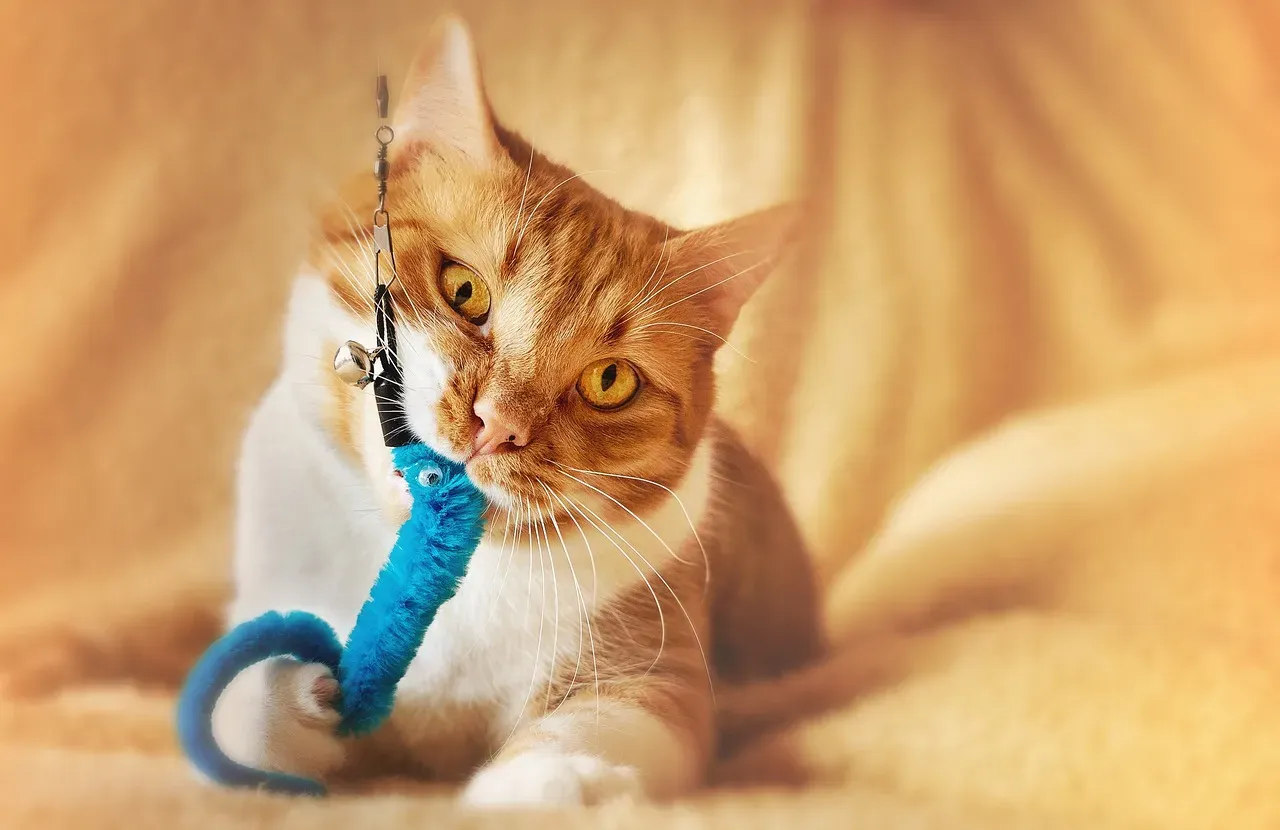
You toss your cat a toy mouse and instead of simply catching it, they bat it, pin it, release it, and bat it again. If you watch a cat play at home, they will often mimic hunting behaviors. A cat will wait, ambush its toy, then roll around with it and bite at it. Your pet cat is mimicking a hunt, and this behavior is taught to young kittens in the wild. The full sequence is instinctive, not learned.
Cats who rely on hunting to survive have learned that playing with prey and disorienting it before killing it reduces the chance of injury. The prey and hunting behavior is instinctual, so it is seen in even domestic cats who have the privilege of fresh food in their bowl daily. House cats, even when well-fed, retain this drive. Their playful behavior is actually a vital form of physical and mental exercise, keeping their senses sharp – just as it would for a leopard stalking in the wild. The food bowl has replaced the hunt, but the body still needs to hunt.
Slow Blinking at You
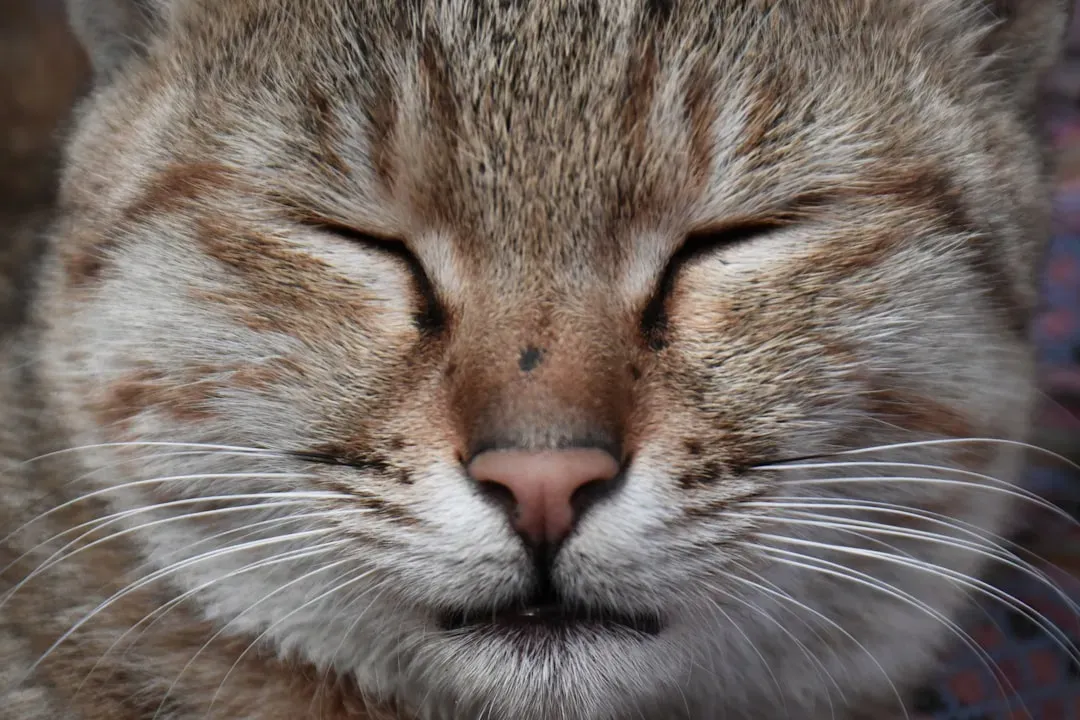
Your cat locks eyes with you from across the room, and then slowly, deliberately, closes their eyes halfway and opens them again. In a study of cats, the behavior of several half-blinks followed by a prolonged eye narrowing or eye closure was found to be a positive emotional response. When a familiar human slow-blinks towards a cat, the cat tends to approach the human more frequently than if the human has a neutral expression that avoids eye contact. It’s remarkably close to a smile.
If a cat’s stare is intense, it could mean they are on high alert about someone or a situation. It is advised not to look at your cat directly in the eyes. As with any animal, cats see this as an act of aggression in preparation for a fight. The slow blink, then, is the deliberate opposite of that – a conscious signal of non-threat and trust. A soft, slow blink is a sign of affection and trust, and if you blink back, you reinforce this message. Try it the next time your cat stares at you from the armchair. You might be surprised.
Bringing You Dead Animals as Gifts
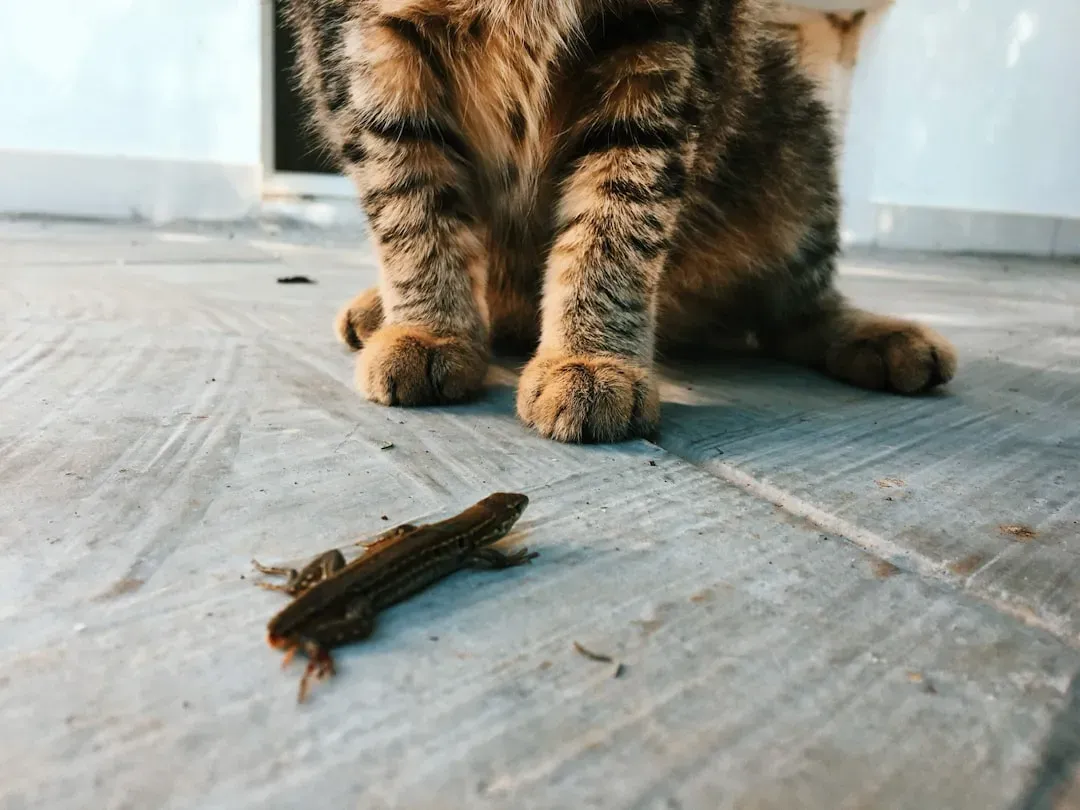
If your cat is an outdoor cat and has ever dropped a mouse or bird at your feet, you may have reacted with horror. Your cat, however, was performing an act of genuine generosity. Behaviorists have a few theories on why your cat is persistent in leaving you gifts. Even though this habit may be perceived as a gross one, your cat is acknowledging you as a member of their group and is sharing their hunting success with you. They could be thanking you for taking care of them.
If your cat regularly brings you gifts, consider it the greatest possible honor. You provide food and safe housing, and in return they bring you gifts and groom you with their tongue. If they approach you this way, you can be sure that you have a close bond. In wild cat family groups, sharing prey is how trust and membership are expressed. Researchers have observed wild parent cats giving small kittens live animals in the wild to help sharpen their hunting skills. When your cat brings you one, they’ve decided you belong in that inner circle.
Conclusion: Your Cat Is Living in Two Worlds at Once
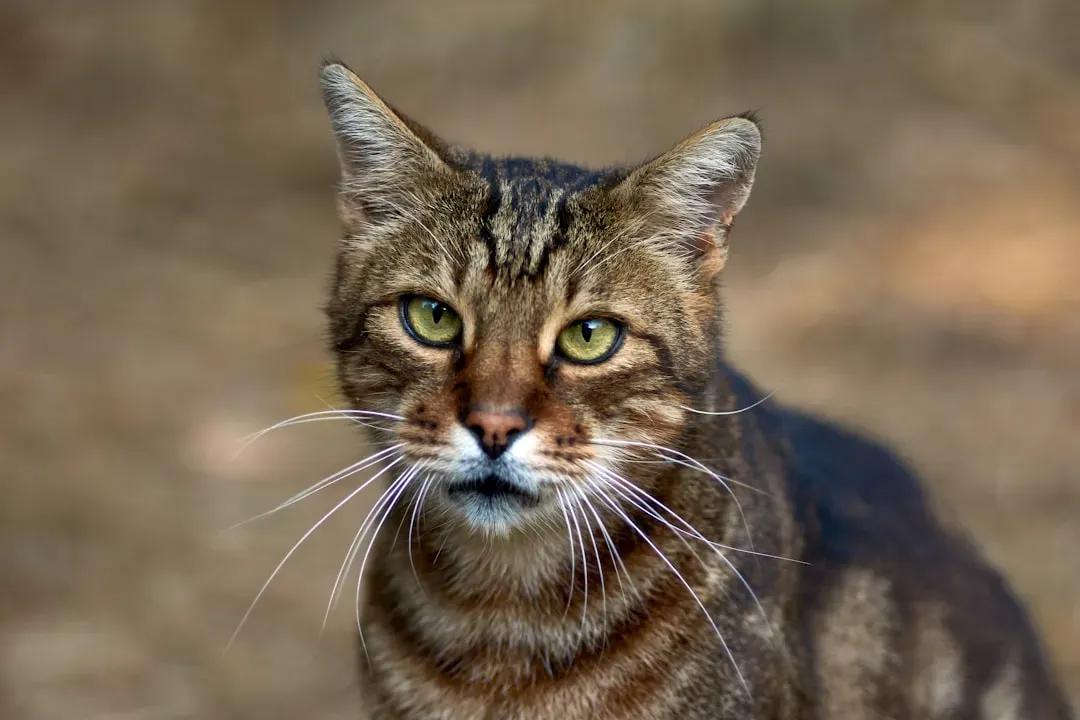
Every time your cat kneads your lap, chatters at a window, or squeezes into a box half their size, they’re drawing on a behavioral blueprint that predates your home, your city, and probably your civilization. Recognizing these ancestral behaviors helps us better care for our companions. Providing enrichment like scratching posts satisfies their instinctual needs and prevents boredom or destructive habits. Understanding the wild roots of their behavior also deepens our appreciation for these incredible animals and reminds us of their deep connection to the natural world.
The cat on your couch is not simply a domestic pet who happens to act strangely. They’re a predator in a familiar costume, navigating a modern world with tools that were forged long before any of this existed. These behaviors show how cats adapt ancient instincts to modern relationships. Actions once essential for survival – such as kneading to stimulate milk or purring to communicate with a mother – are now repurposed to strengthen social bonds with humans. The more you understand what’s behind the behavior, the more the relationship changes. Not because the cat has, but because you finally have.
Kristina is a young writer from India. An arts graduate and an avid content creator, Kristina is passionate about animals and wildlife. She enjoys exploring topics related to pet care, animal behavior, conservation, and nature, combining thorough research with engaging storytelling.