Cats have a well-earned reputation for independence, but that reputation doesn’t tell the whole story. If you share your home with a cat, you’ve probably noticed moments where something feels slightly off, a lingering stare from across the room, a gentle nudge against your leg, or a sudden interest in sitting precisely where you’re trying to work. These aren’t coincidences.
Cats need affection just like any other pet, and while they may not always communicate their needs directly, they have subtle ways of showing when they crave more attention. The trick is learning to recognize those signals before they escalate into something louder. Here are seven quiet ways your cat is asking for your attention, and what you can actually do about each one.
The Slow Blink You Keep Ignoring
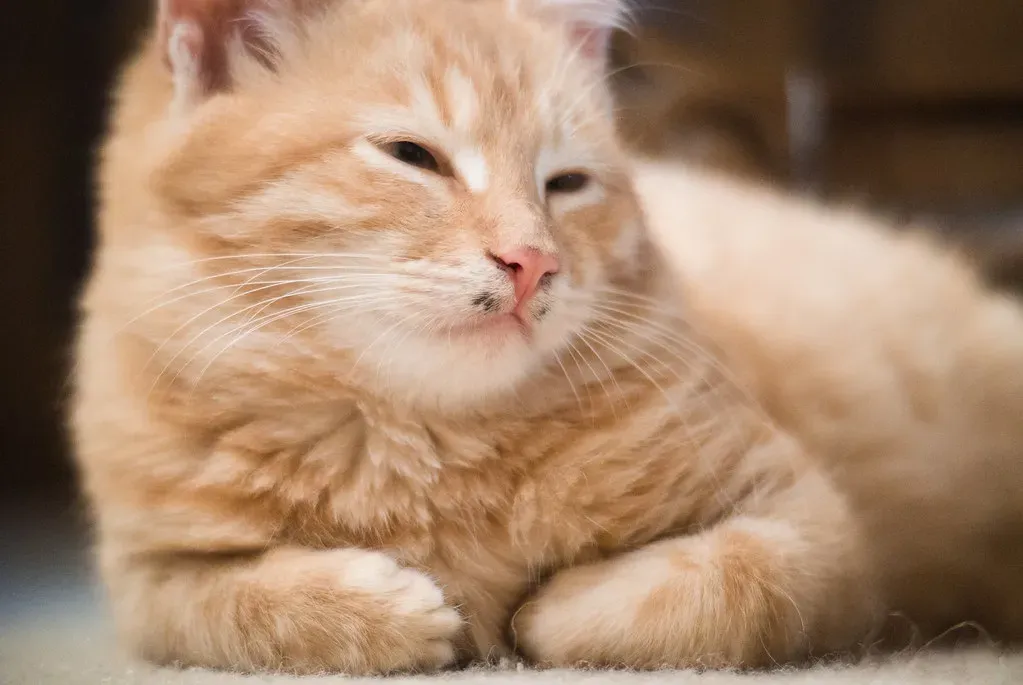
You’ve probably caught your cat staring at you from across the room with half-closed, drowsy-looking eyes. It seems like they’re just about to fall asleep, but there’s more going on. This soft, slow look is your cat’s version of a gentle affectionate gesture, and many cat owners describe this silent exchange as sharing a secret language that builds a deeper bond.
It’s a quiet way of saying “I’m here, and I notice you,” so the next time you catch your cat gazing at you with soft, sleepy eyes, know that it’s asking for your attention in one of the most tender ways it knows how. You can respond by slowly blinking back. It takes about two seconds and genuinely strengthens the connection between you.
Headbutting and Face Rubbing That Means More Than You Think
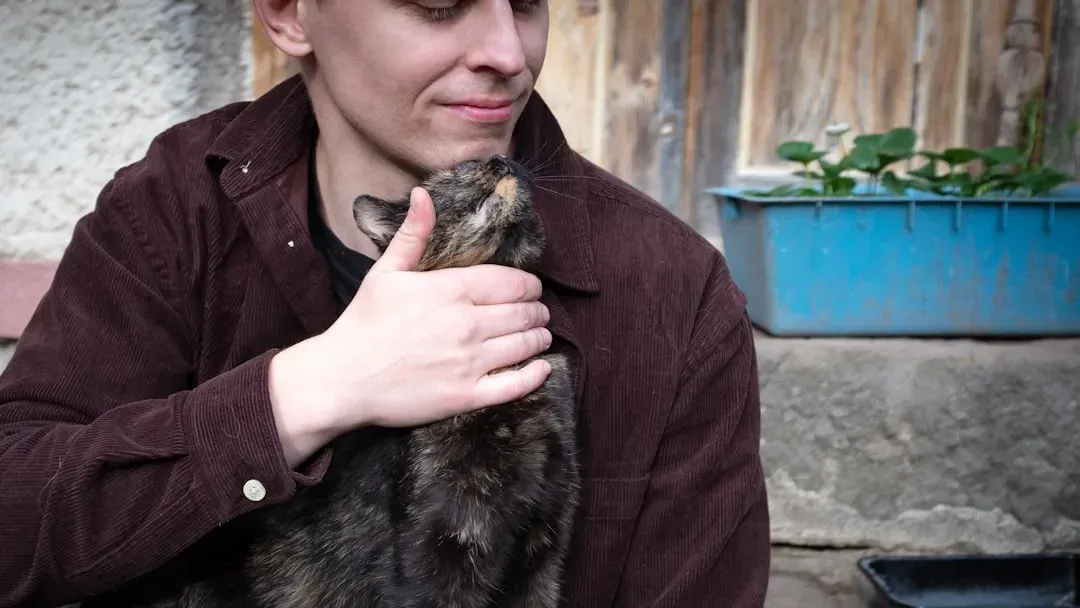
That little nudge from your cat’s forehead or cheek, sometimes called “bunting,” is a subtle but meaningful sign your cat wants your attention. Cats have scent glands on their faces, and when they rub against you, they’re marking you as part of their world in a way that is never aggressive but always soft and affectionate.
When your cat does this, it isn’t just a casual interaction. It’s a deliberate bid for closeness that carries real social weight in feline communication. Another form of attention-seeking comes through physical touch, where a cat may reach out with its paw or nudge you with its head as a clear wish for affection. If you notice it happening more often, your cat may simply be telling you it needs a little more of your time.
Following You From Room to Room
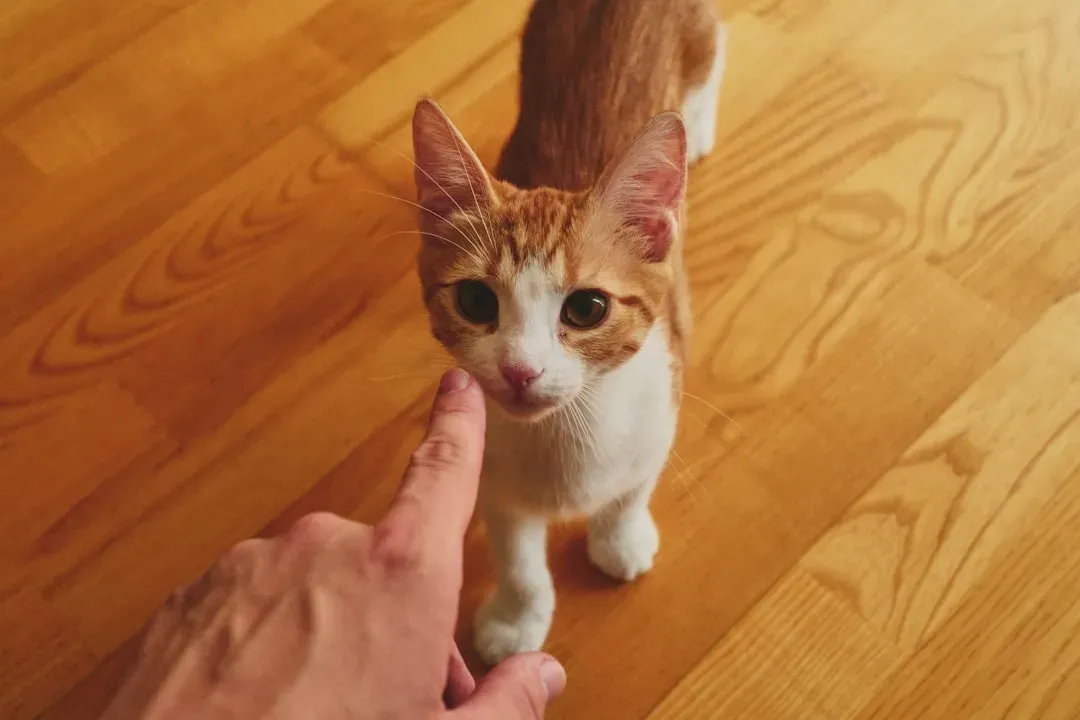
Your shadow-like companion trailing behind you from room to room isn’t just being nosy. This persistent following behavior is one of the clearest signs your cat wants more quality time with you, and cats who feel they need more attention often become your constant companions, hoping you’ll notice them and offer some affection.
Following you around the home, deliberately strolling in your path especially when you’re busy, is a recognizable form of attention-seeking that signals your cat notably needs or wants your focus. It’s worth pausing occasionally and giving your cat a moment of genuine, unhurried interaction. Even a brief scratch behind the ears while you’re on your way to the kitchen can satisfy that need.
Kneading Near You When You’re Settled
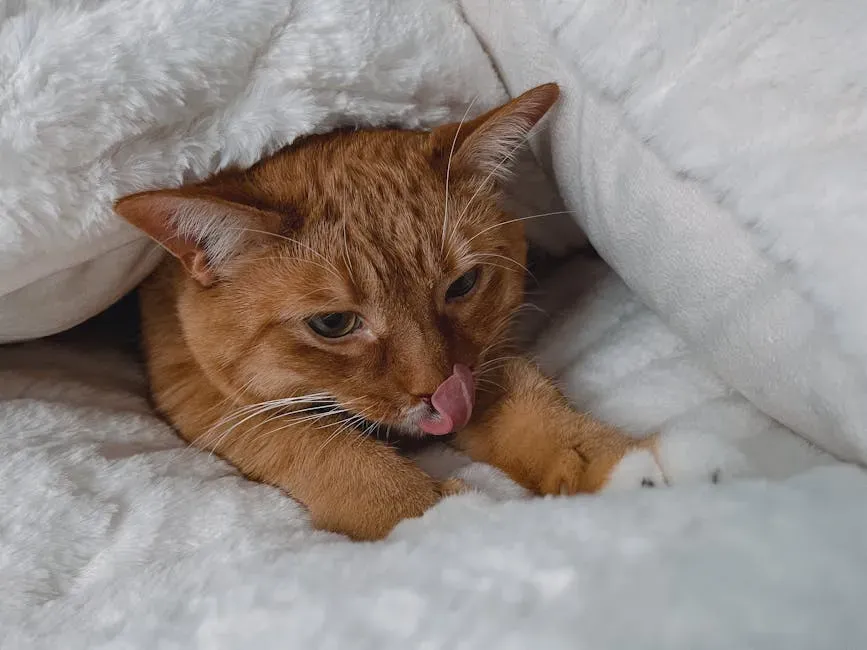
Kneading, sometimes affectionately called “making biscuits,” is a behavior that often starts in kittenhood and continues into adulthood. When your cat kneads a soft surface near you, like your lap, a blanket, or your pillow, it’s recreating the comfort of early life, and this action is a tender way of asking for your attention and comfort.
Kneading can happen on a favorite blanket, couch, cat bed, or even on you directly, and cats may knead to self-soothe when feeling stressed or anxious, but they also knead when content, comfortable, and relaxed. So if your cat starts kneading near you and settles in close, it’s not just a reflex. It’s an invitation to stay put for a while.
Sitting on Your Things Instead of Asking Directly
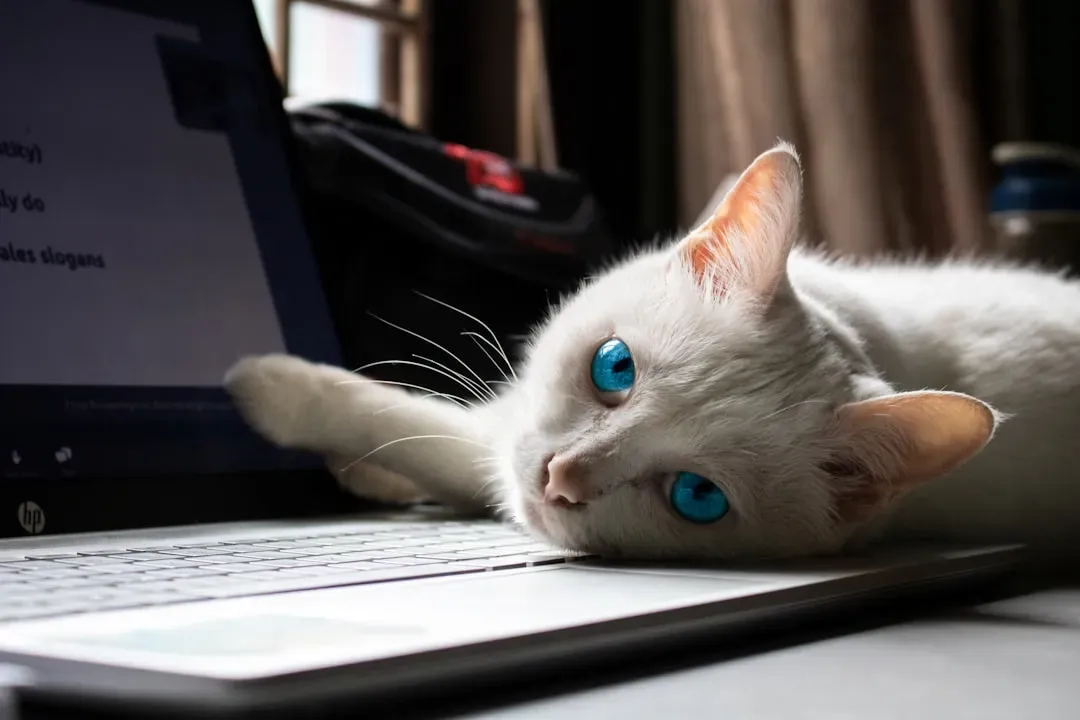
Cats may place themselves on your lap while you are working at a computer or reading a book in an attempt to redirect your attention onto them. It looks like poor timing, but it’s actually a very calculated move. Your cat has figured out that wherever your attention goes, it wants to be there too.
Sitting on your laptop or tablet is a common and effective move, and it’s your cat’s way of asserting that it is the most important thing in your life. You might think it’s attracted to the warmth, but it’s really positioning itself between you and whatever is holding your gaze. Recognizing this for what it is, a bid for connection rather than sabotage, makes it a lot easier to respond with patience.
Perching Just Within Your Line of Sight
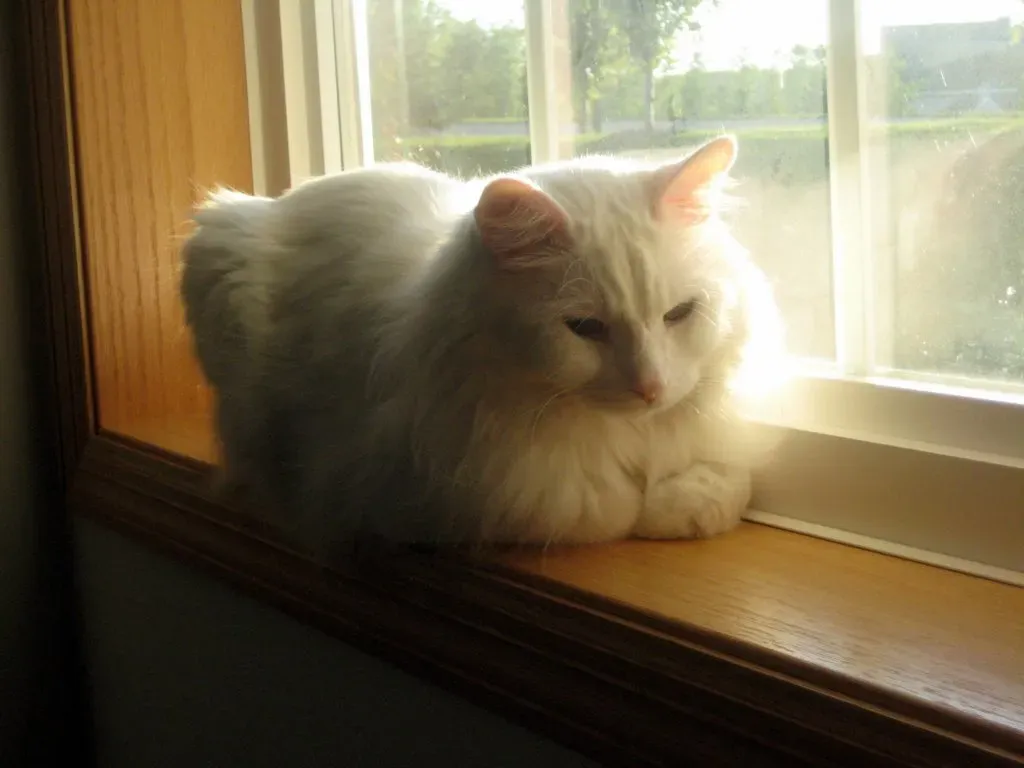
Some cats prefer to keep a little distance, perching on a windowsill, the back of a chair, or a high shelf. Even though they’re not in your lap, their choice of location is rarely random. By placing themselves where you can see them, your cat is quietly asking for your attention without being intrusive.
Cats are naturally curious, but if your cat pauses in the middle of grooming, playing, or exploring just to watch you, it’s a subtle sign they’re seeking your attention. This break in their routine shows that you are as interesting to them as anything else going on. Sometimes, you’ll notice them staring at you from across the room, waiting for you to make the first move. A simple glance back, or quietly saying their name, is often all they’re waiting for.
A Sudden Shift Toward Clinginess or Increased Vocalizing
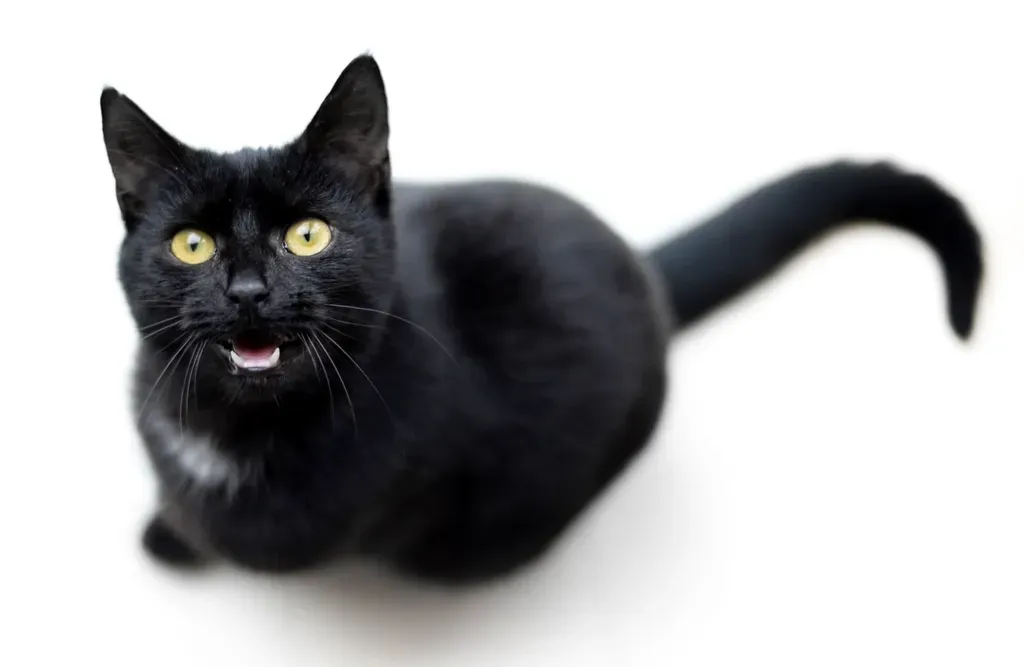
A sudden increase in vocal communication often signals a desire for interaction. Your typically quiet cat may start meowing more frequently, especially when you’re busy or distracted, and different meows carry different meanings. Short chirps might be greetings, while long, drawn-out meows often indicate loneliness or boredom.
Sudden increases in lap-sitting, headbutting, or refusing to leave your side often indicate emotional needs that aren’t being met. Cats typically become clingier when they’re feeling insecure or need more attention than they’re currently receiving, and environmental changes like new pets, moving homes, or schedule disruptions can trigger this behavior. If the change in behavior feels abrupt or unusual, it’s worth a vet visit to rule out any underlying health concern before assuming it’s purely social. What seems like attention-seeking could sometimes be a sign of underlying pain or discomfort, and cats are remarkably good at masking how they actually feel.
Conclusion

Cats rarely ask for things loudly or obviously. Most of the time, they’re operating in the background of your day, sending signals you might be too busy to catch. The slow blink, the quiet kneading, the strategic perch just within your eyeline – none of these are random. They’re a language worth learning.
Understanding these quiet signals can help strengthen your bond with your cat and ensure they’re getting the love they deserve. The good news is that responding doesn’t require hours of effort. Providing your cat with structured attention, like scheduling two or three short play sessions a day and a couple of quiet moments for cuddling or grooming, can make a real difference. Cats are far less likely to be pushy or demanding when they know they’ll be getting reliable attention at regular times.
Pay closer attention to the small things your cat does throughout the day. Chances are, they’ve been trying to tell you something all along.
Kristina is a young writer from India. An arts graduate and an avid content creator, Kristina is passionate about animals and wildlife. She enjoys exploring topics related to pet care, animal behavior, conservation, and nature, combining thorough research with engaging storytelling.