Nobody hands you a manual when a cat moves into your home. One day there’s a carrier on your floor, and the next morning you’re reorganizing your entire life around a creature that weighs roughly the same as a bag of flour but holds considerably more authority. The funny thing is, cats aren’t secretive about what they want. They communicate constantly. The problem is you haven’t learned the language yet.
Cats like what they like and don’t like what they don’t like, and they expect you to not only know this but to cater to their preferences without ever having to voice them aloud. Understanding this unspoken agreement isn’t just about keeping the peace. It’s about building genuine trust with an animal that, once it decides you’re worth the effort, is one of the most rewarding companions you’ll ever have.
Never Hold Direct Eye Contact for Too Long
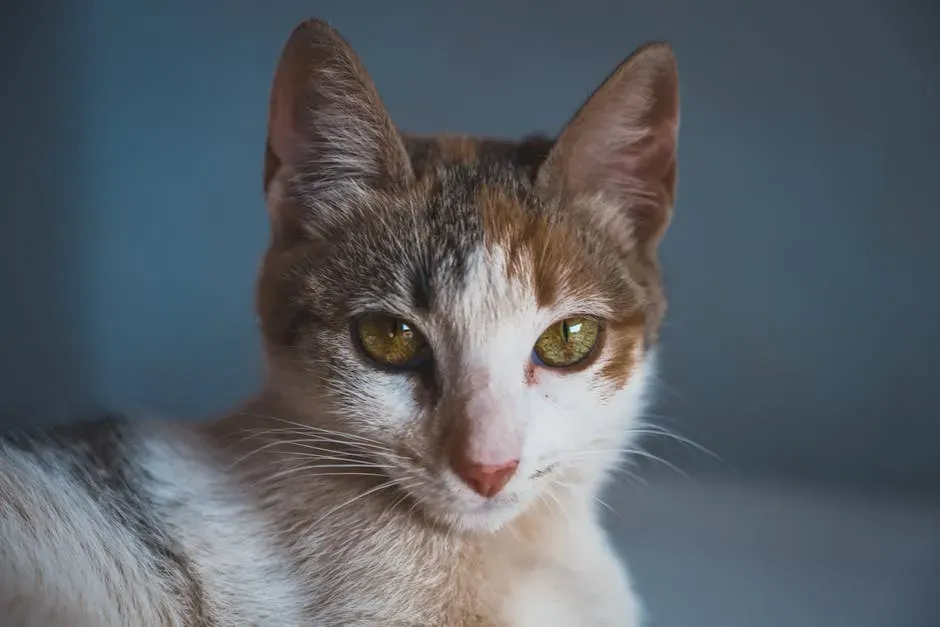
You might think locking eyes with your cat is a sweet bonding moment, but through their eyes it reads very differently. Cats are highly visual animals, and in cat language, holding eye contact is a challenge. It’s an aggressive indicator that signals you’re ready for a confrontation. It’s one of the most common mistakes people make without realizing it.
While gazing into the eyes of your cat might feel like you’re bonding with them, you’re not when the stare goes on too long. The better approach is to give your cat a look but not hold their gaze. A slow blink is actually the feline equivalent of a warm smile. Return the gesture and you’ll be speaking their language fluently.
Let Your Cat Come to You on Their Own Terms
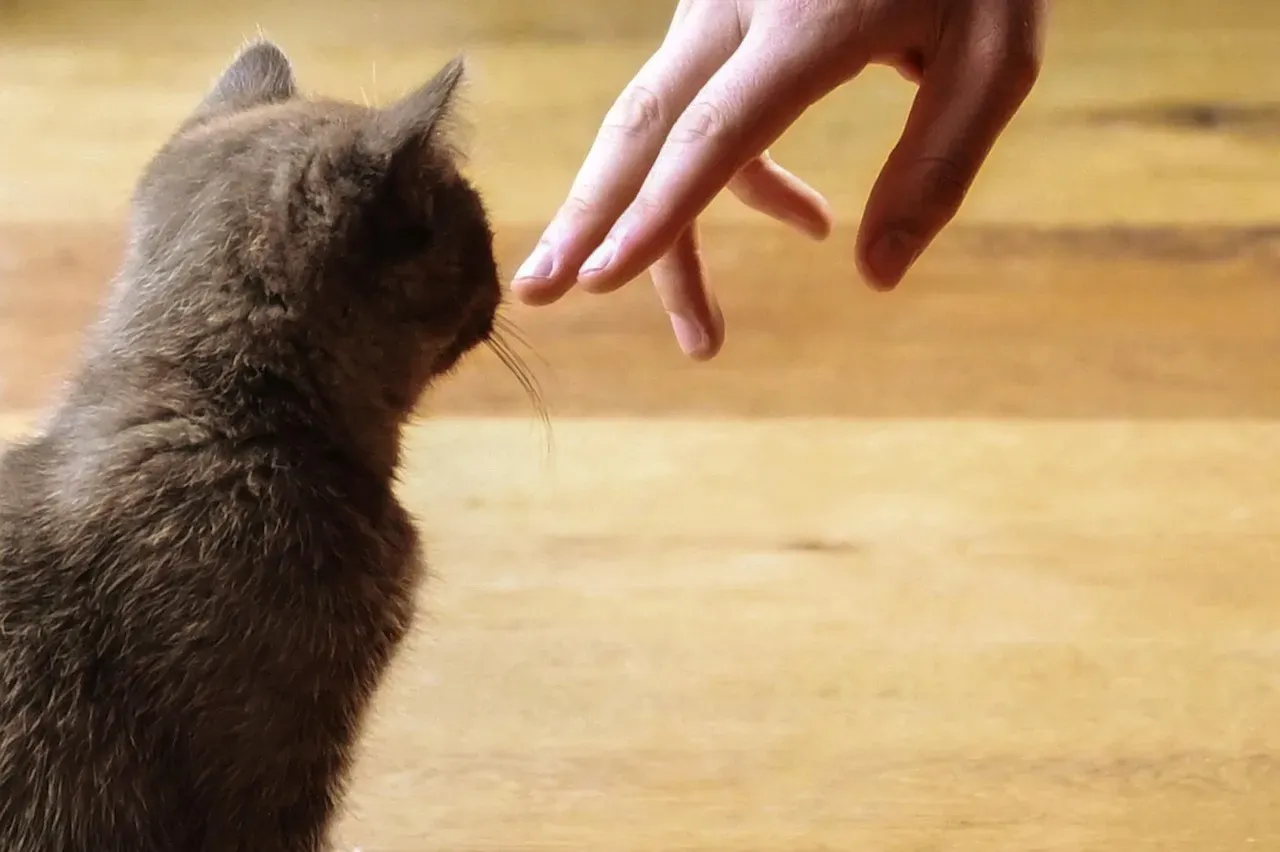
If you walk up to a cat and try to pick them up, most cats will not respond positively unless they happen to enjoy that kind of handling. They may immediately wriggle out of your grasp, and some might scratch or bite. Others may begrudgingly accept their fate, but in general, they prefer to come to you. Respecting this isn’t just politeness. It’s the foundation of trust.
Always let a cat signal that it wants attention. These signals can be as obvious as jumping in your lap, purring, or rubbing up against you. Some cats are also just happy sitting next to you. When you let your cat lead, the moments of connection you do get feel far more meaningful and genuine.
Respect Their Scent Map and Stop Disrupting It All at Once
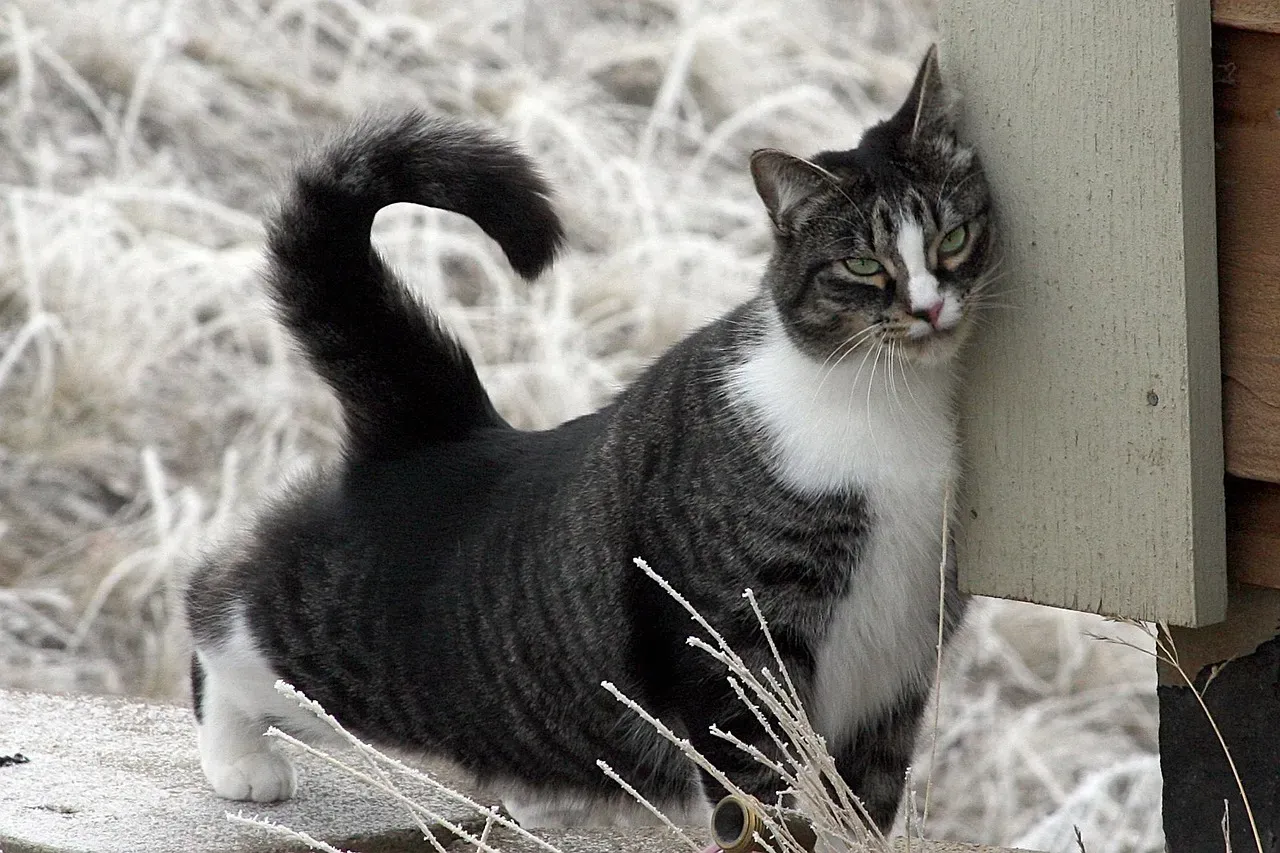
A cat’s scent map is their way of marking territory by rubbing their cheeks and bodies on items in the home. This scent marking creates a sense of familiarity and comfort, and if you disturb it too much, it can make them feel genuinely disoriented. You’ve probably noticed your cat rubbing against furniture, doorframes, and yes, your legs. That’s not random. It’s how they make a space feel safe.
Of course, you do have to wash things like blankets, pillows, and beds, but the sensible approach is to wash things gradually and not all at once so as not to disrupt their scent map. Swapping everything out on laundry day might feel efficient to you, but to your cat it can feel like coming home to a place they don’t recognize.
Keep the Litter Box Consistently Clean
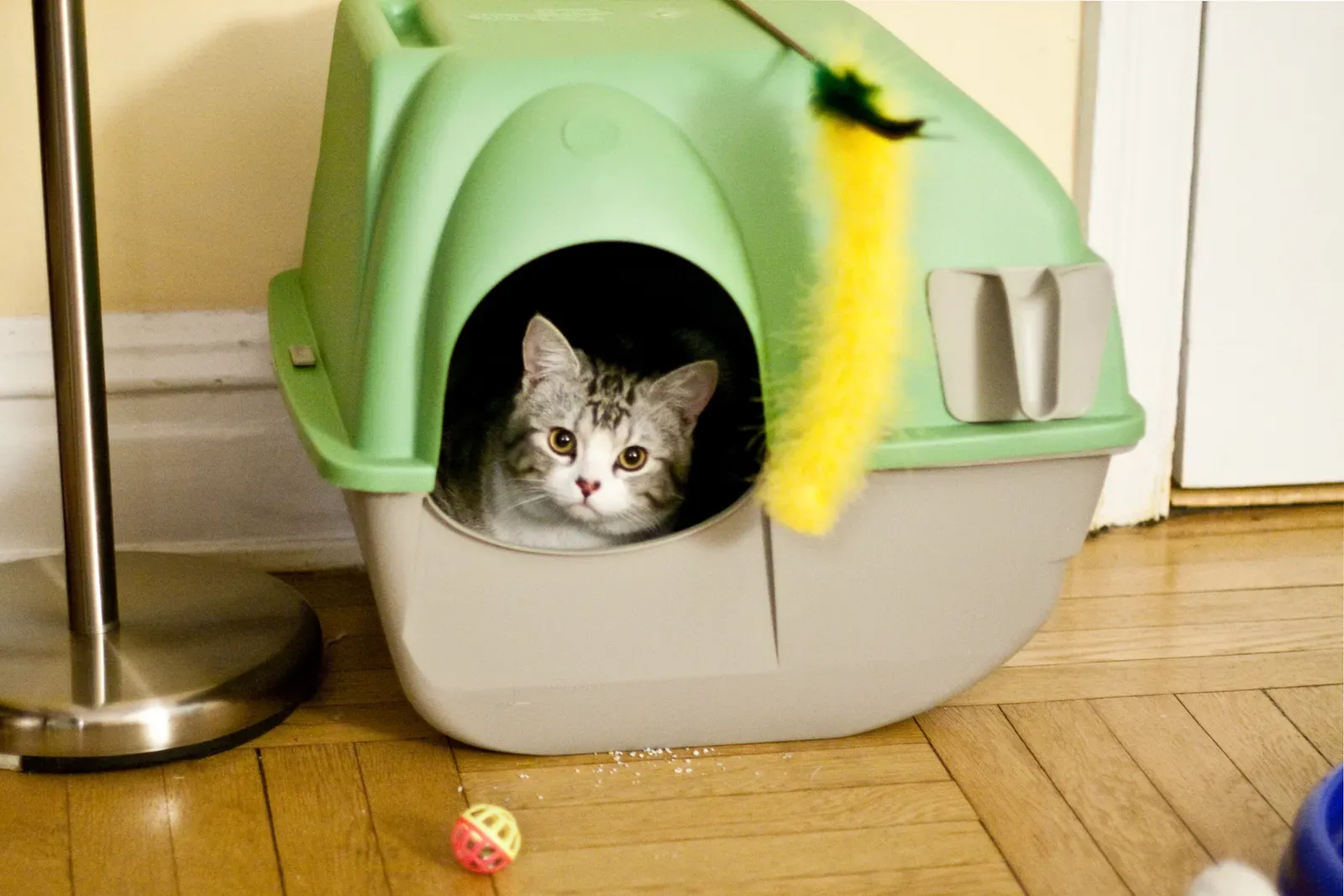
A clean litter box is non-negotiable in a cat’s world. Skipping scooping duties for even a day can result in silent protests or smelly reminders. Cats are meticulous by nature and expect their bathroom to reflect that. Think of it this way: you wouldn’t tolerate a dirty bathroom, and neither will your cat.
If a cat begins avoiding the box, cleanliness is often the first culprit to investigate. Placement also matters, as the box should be in a quiet, accessible location. Your commitment to litter box hygiene directly influences your cat’s comfort and behavior. If your cat who always uses the litter box suddenly urinates elsewhere, instead of getting angry, realize they are trying to tell you something. They aren’t doing it for no reason.
Share Your Furniture Without Argument
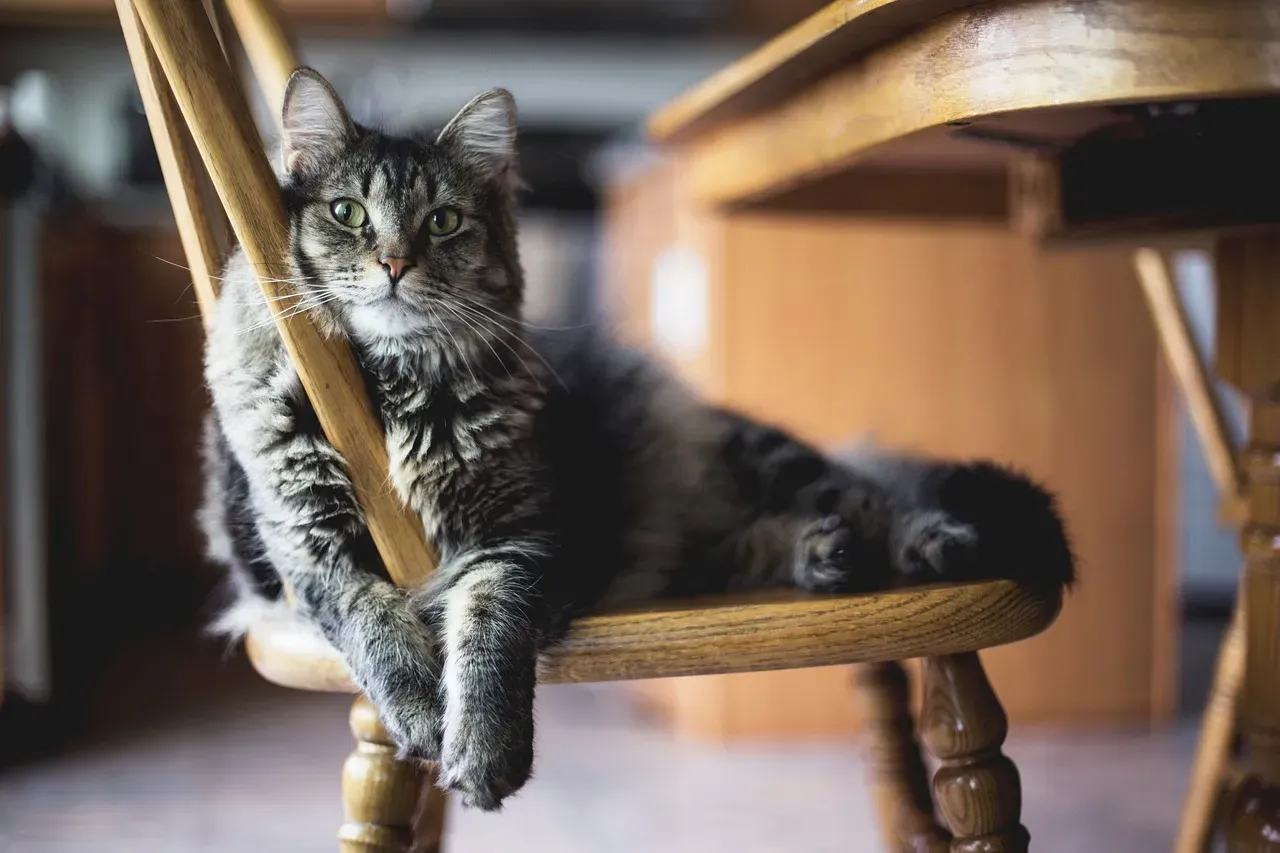
The concept of ownership becomes blurry when you live with a cat. What was once your chair, bed, or shelf is now shared territory, often weighted heavily in the cat’s favor. You might come home to find your cat sprawled across your desk or perched on your favorite pillow. Many cat owners simply find themselves adjusting their positions or waiting patiently. This isn’t weakness. It’s coexistence.
This behavior isn’t mischief. It’s your cat treating the home as its own domain. Offering soft blankets or cozy corners helps, but don’t be surprised when your seat remains the most coveted spot. Your cat isn’t trying to inconvenience you. They genuinely see your warmth and presence as a magnet, which is actually a compliment when you think about it.
Never Force Affection or Demand It on Your Schedule
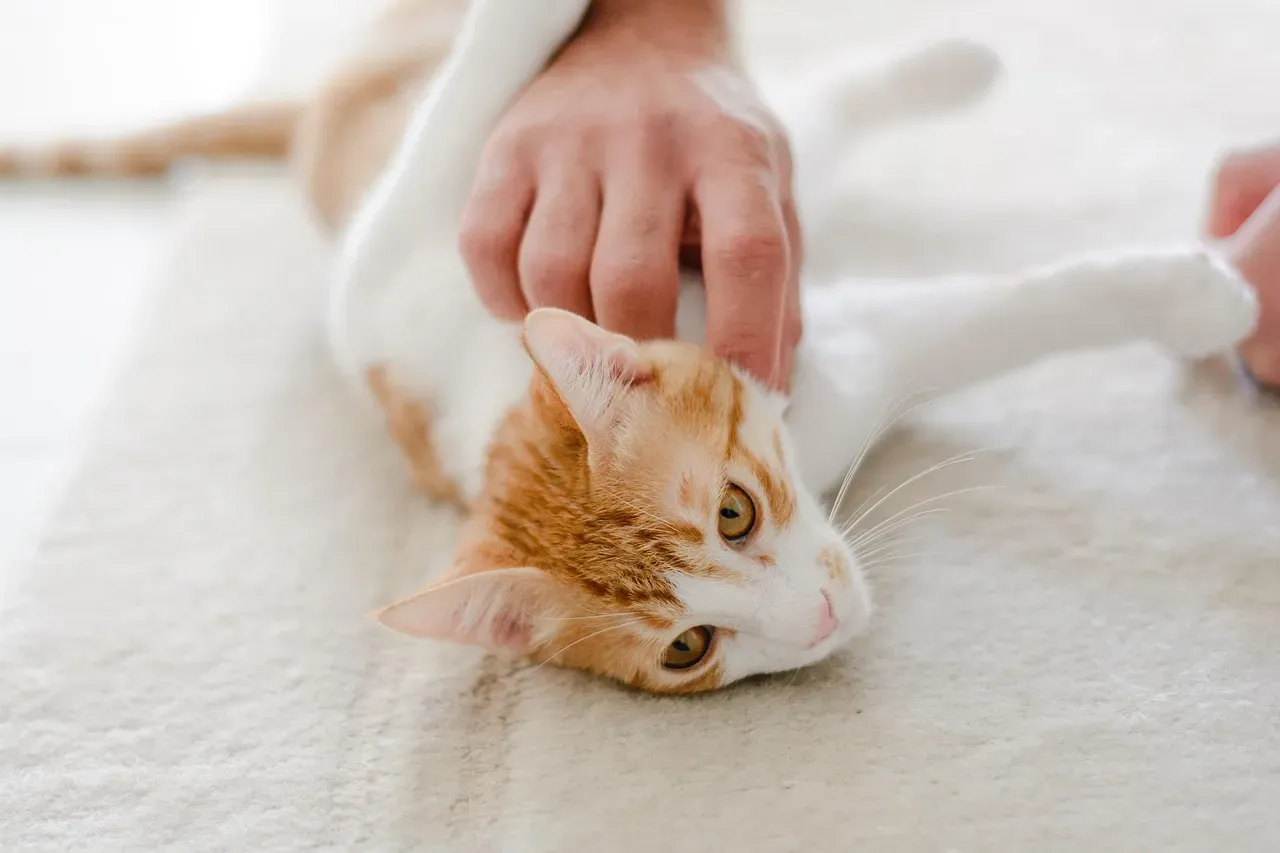
An important part of paying attention to your cat’s communication has to do with the type of affection you offer. If you’re petting your cat, be mindful of whether they’re enjoying it or just tolerating it. Some cats like long strokes down the back, some are sensitive about having the base of their tails touched, and some only like to be petted on the back of the head. Reading those preferences takes time, but it matters more than most people realize.
Most cats only like to be petted on their face and neck and do not like their feet, tail, or body touched. Your cat will let you know if it is okay to pet them elsewhere. Just because their belly is showing doesn’t mean it’s an invitation to touch it. If you respect the signals your cat gives and don’t force the issue, their trust will increase and they’ll probably seek you out more often.
Give Them Access to High Spaces and a Room With a View
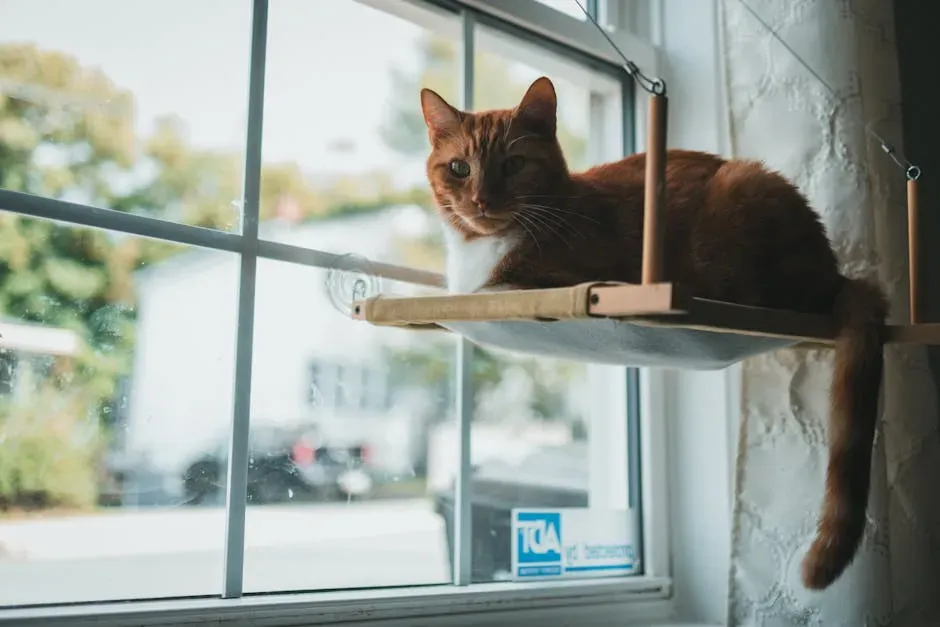
In nature, cats have acres of land to cover. They often climb into trees and other elevated places to monitor for predators and hunt for prey. This behavior provides a genuine sense of control and comfort. Inside your home, that instinct doesn’t disappear just because there’s a ceiling above them. They still need somewhere to survey their domain.
Window watching is a favorite pastime for many indoor cats. Perched on a windowsill, they become silent observers of the world outside, watching birds and passersby with intent curiosity. This activity stimulates their mind, engaging their senses as they track movements. Providing cat trees, mantles, empty bookshelves, wall-mounted shelves, or built-in catwalks can give pet cats the same sense of control and relaxation they’d find in the wild.
Accept That Closed Doors Are a Personal Offense
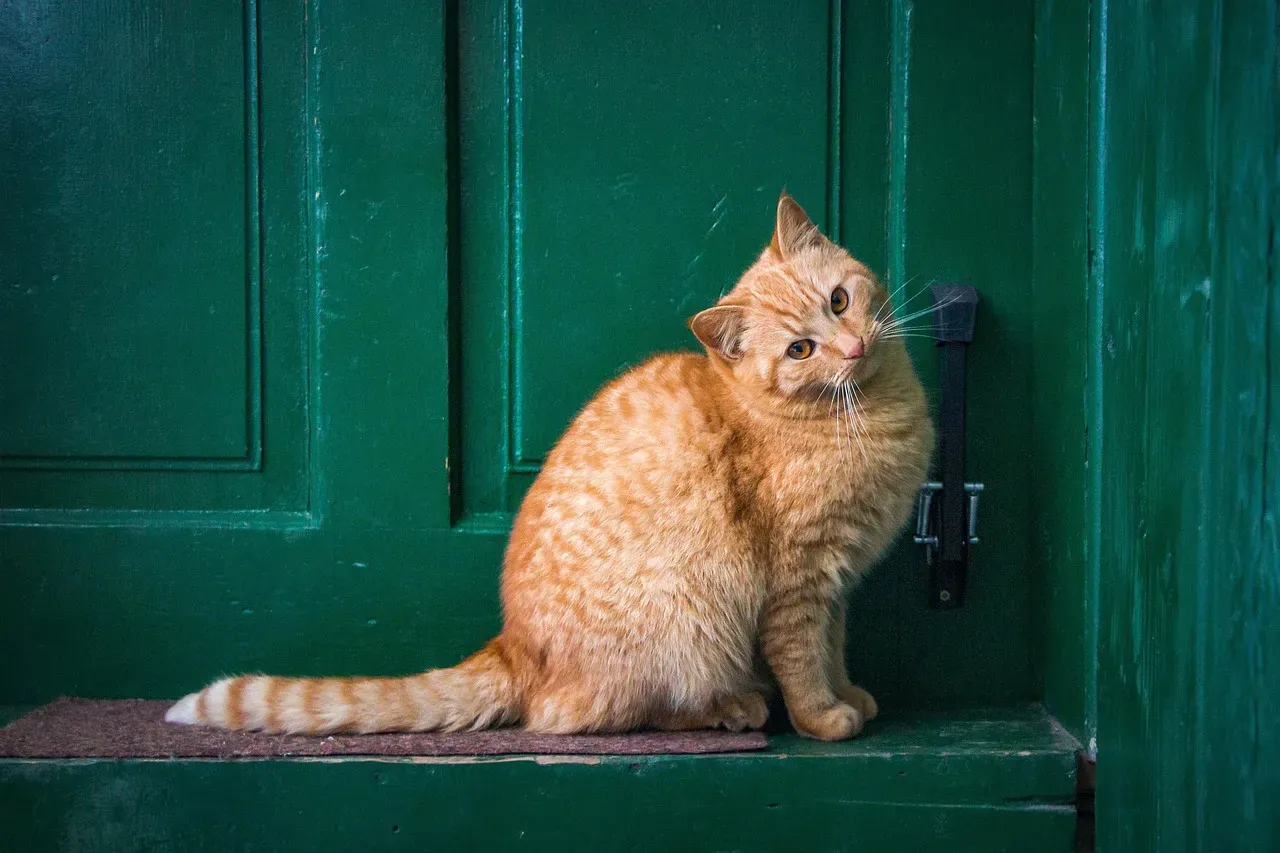
No door shall be closed. Not the bathroom. Not the office. Certainly not the bedroom. If a door is closed, it must be opened immediately, even if the cat has zero interest in actually going through it. That last part is the part that confuses most people the most. It’s not really about the room.
Cats hate being excluded from anything. They may not want in, but they want access. This connects directly to their territorial nature. Cats have a unique way of claiming what they believe is rightfully theirs. Whether it’s your favorite armchair or a random spot on the carpet, once a cat has decided, it’s theirs. Marking territory is part of their heritage, a blend of scent and presence. Being locked out of any corner of their domain simply doesn’t sit right with them.
Understand That Quiet Companionship Is Just as Valid as Cuddling
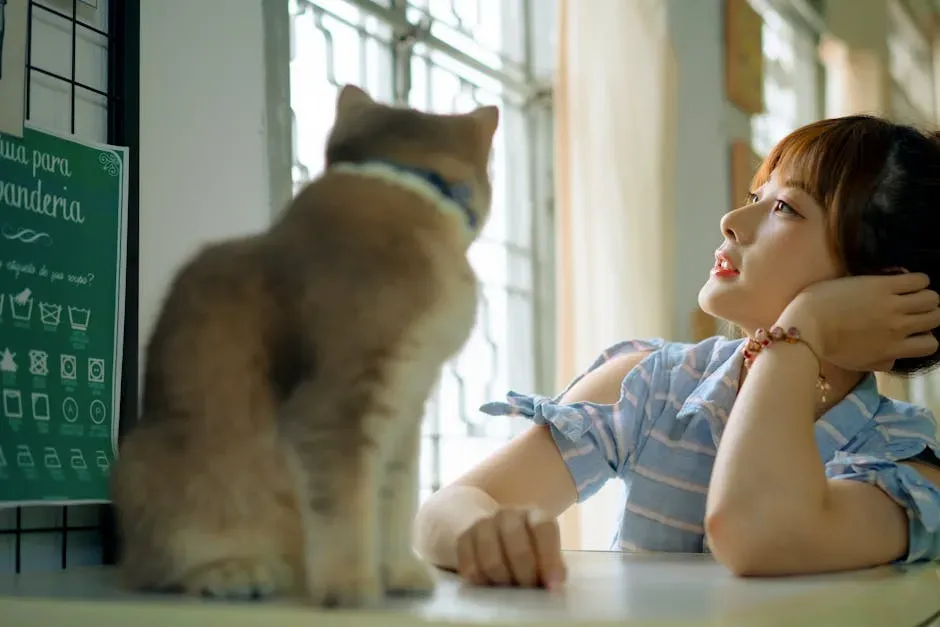
Cats love sitting silently in the same place with their people. They love quiet companionship, so if your cat is sitting silently in the room with you, that’s a form of bonding. Just being with them in the silence and not disturbing the peace is often exactly what they want. You don’t always have to be doing something with your cat. Simply sharing a space counts for a great deal.
Research has determined that cats often care more about people than they do about food or toys. So the fact that they aren’t always reacting to the gifts or gestures you’re offering isn’t necessarily a bad thing. The same research found that cats are hugely reliant on the people they trust. In many ways, the more they love you, the less they feel the need to perform for you. That quiet presence across the room might actually be the highest compliment your cat knows how to give.
Conclusion
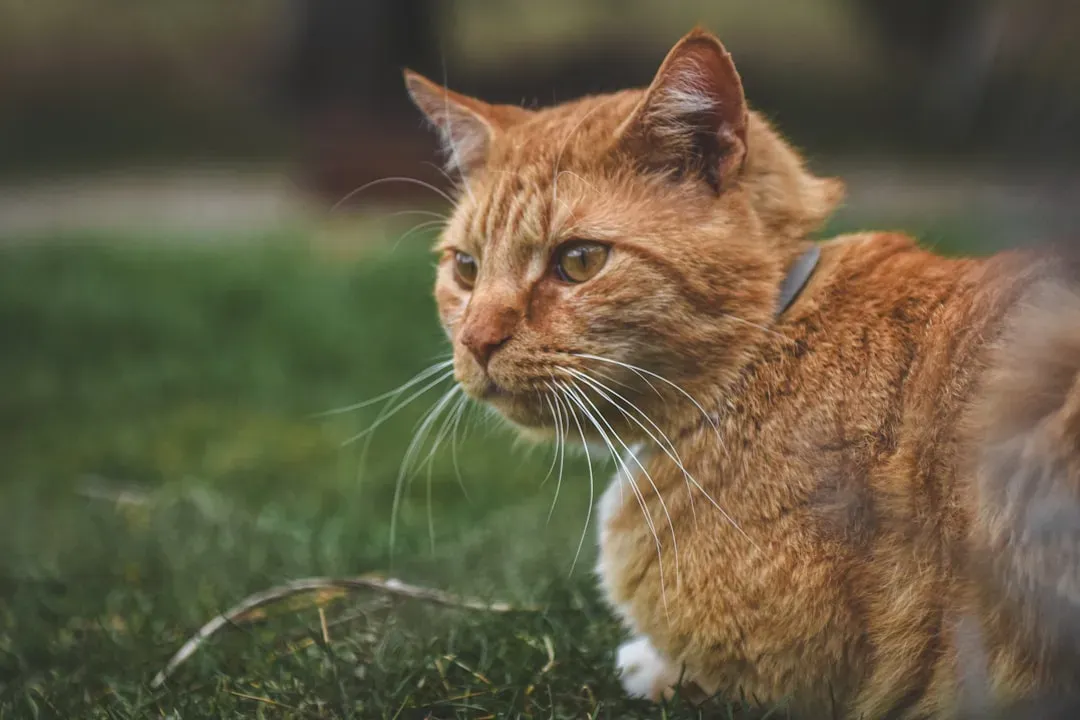
Living with a cat is a study in reading between the lines. They won’t ever sit you down and explain what they need. They’ll just give you a look, flick a tail, or quietly leave the room. The rules they expect you to follow aren’t arbitrary. Your cat isn’t trying to make your life harder. They’re simply trying to meet their needs in a world full of human rules they don’t fully understand.
Many cats end up in difficult situations because people misunderstand the motivation behind their behaviors or never really understood what cats need in the first place. Having the relationship with your cat you’ve always wanted takes education and genuine awareness on your part. The unspoken rules aren’t a burden. They’re an invitation to pay closer attention to a creature that, once it trusts you, will ask for very little and give back a surprising amount.
Kristina is a young writer from India. An arts graduate and an avid content creator, Kristina is passionate about animals and wildlife. She enjoys exploring topics related to pet care, animal behavior, conservation, and nature, combining thorough research with engaging storytelling.