Cats are often described as mysterious and self-sufficient, and while there’s truth in that, it tells only part of the story. Beneath that cool, composed exterior is an animal that relies heavily on its environment and the people in it to feel genuinely secure. Your daily habits matter far more to your cat than you might realize.
While cats are often seen as independent creatures, the reality is that they crave comfort and reassurance just like anyone else. The gentle nudge of a nose, the soft rumble of a purr, or even the way they curl up next to you are all signs that your daily actions matter more than you realize. The good news is that you don’t need elaborate routines or expensive setups to make a difference. Small, consistent actions are what build the deepest trust.
Stick to a Daily Routine Your Cat Can Count On
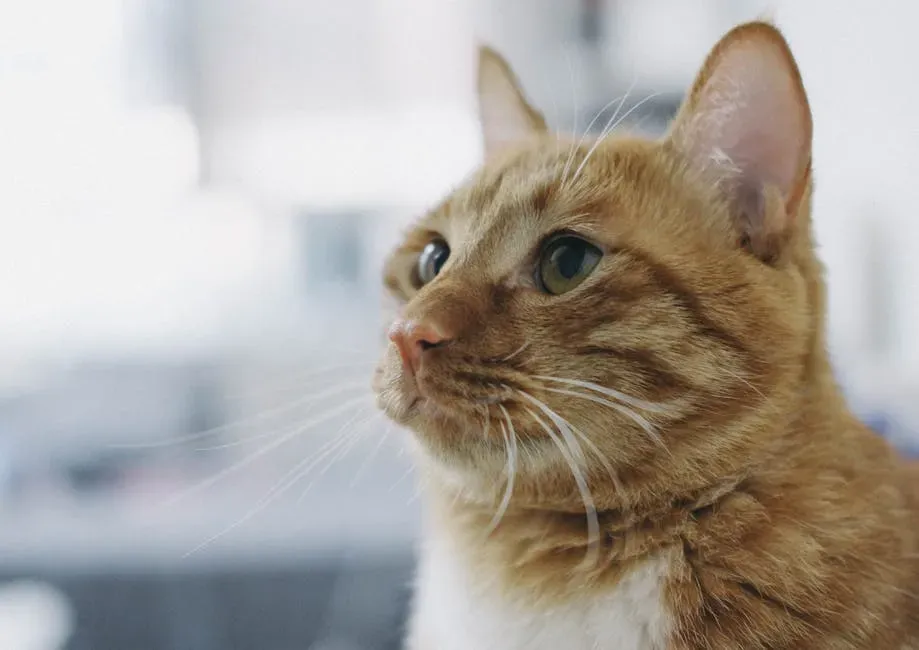
Cats love routine. They love things being familiar and predictable, for things to always happen in the same way at the same time. When you feed, play with, and groom your cat at consistent hours, you’re essentially building a world they can navigate without anxiety.
This predictability reassures your cat that their needs will be met without surprise or stress. If you ever notice your cat waiting by their food bowl a few minutes before mealtime, that’s their way of showing trust in your routine. When things happen as expected, cats feel less anxious and more secure. That daily structure, however ordinary it feels to you, functions like a quiet promise your cat learns to rely on.
Create a Cozy Safe Space Just for Them
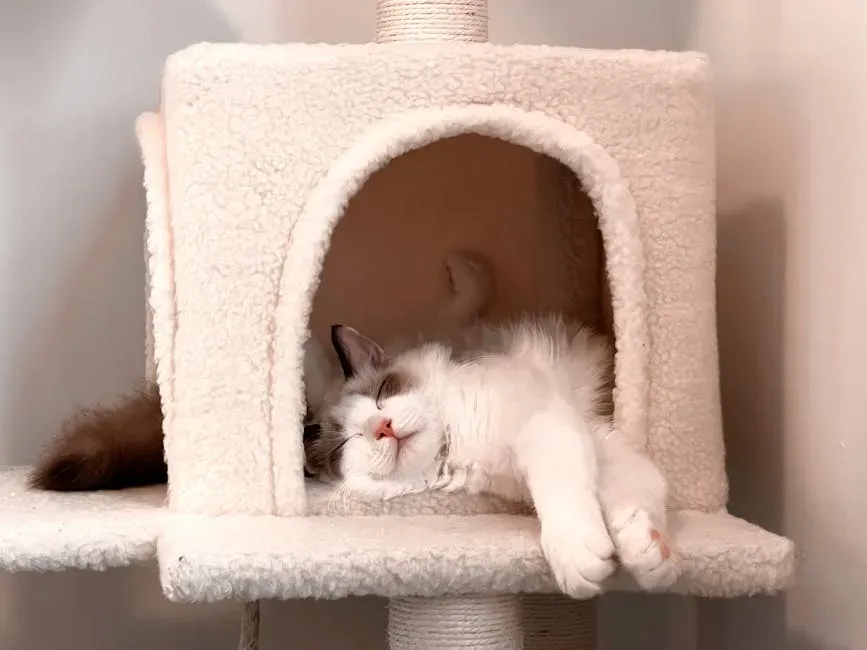
Every cat needs a safe and secure place where they can retreat to and feel protected, or that can be used as a resting area. Your cat should be able to enter and exit from this space from at least two sides if they feel threatened. Most cats prefer the safe space to be big enough to only fit themselves, have sides around it, and be raised off the ground.
Cats love having cozy spots to retreat to when the world feels overwhelming. Whether it’s a cardboard box, a quiet corner, or a soft blanket on a shelf, these hideaways give your cat a private sanctuary. By providing these safe spaces, you’re showing your cat that you respect their need for solitude and safety. Sometimes, just knowing they can escape to a quiet place is enough to reassure them during noisy days or when visitors come over.
Offer Gentle Touch on Their Terms
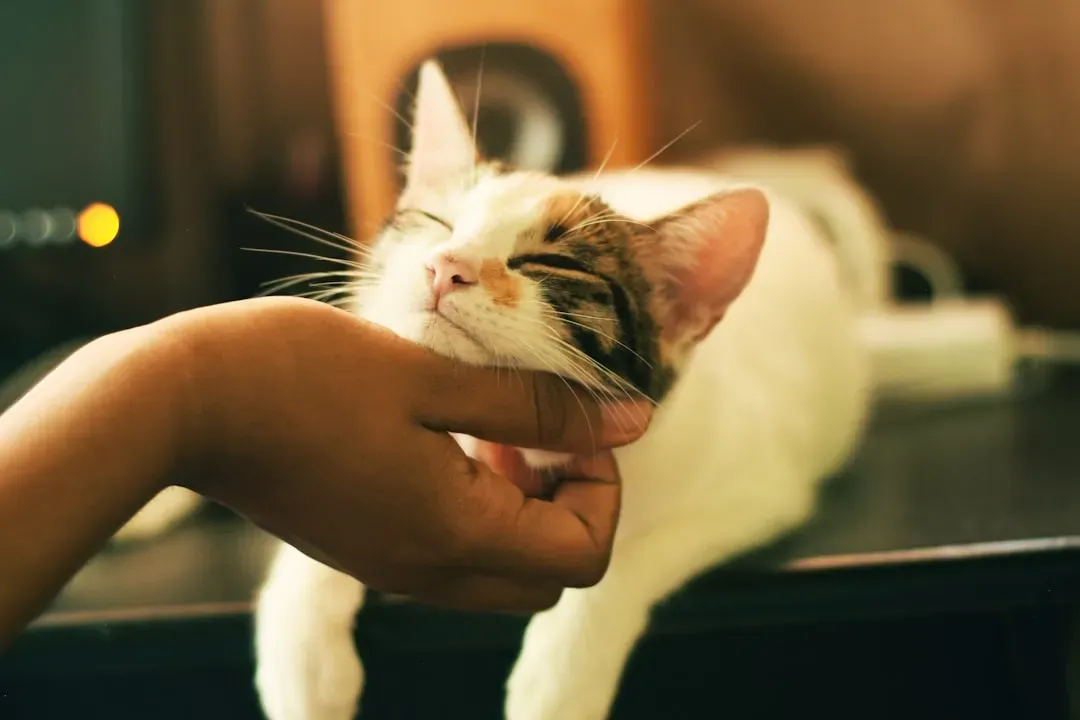
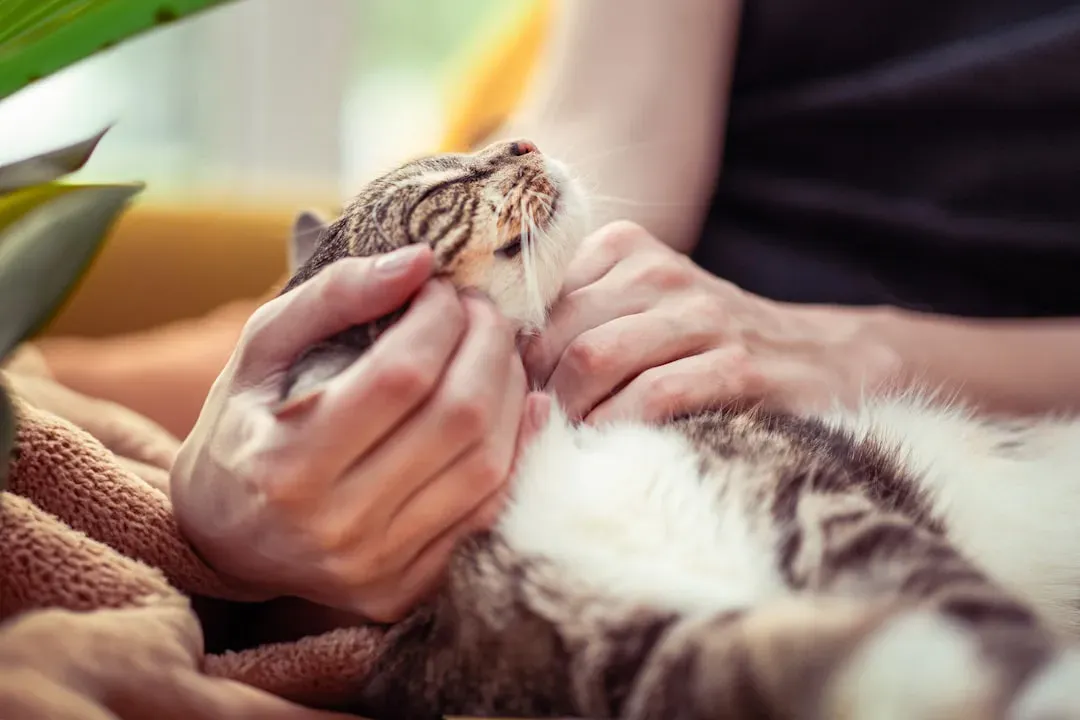
Physical touch is a universal language of love and comfort, and cats are no exception. When you stroke their fur, scratch behind their ears, or let them curl up in your lap, you’re telling your cat that they are safe and cherished. The key word, though, is “their terms.” Respecting when your cat wants contact and when they don’t is what separates a trusted companion from one that feels unpredictable to them.
Some cats love long cuddle sessions, while others prefer quick pets or a soft brush of your hand. The key is to pay attention to their cues and respect their boundaries. Even a brief chin scratch can reassure your cat that you’re there for them, making their day a little brighter. Cats are masters of consent, and respecting their boundaries is one of the most loving things you can do. Unlike dogs who often welcome attention anytime, cats have specific moods for socializing.
Communicate Through the Slow Blink

Slow blinking at a cat is like saying, “I trust you.” When you meet your cat’s gaze and slowly close and open your eyes, you are mimicking a gesture that cats use among themselves to show they are relaxed and friendly. Many cats will slow blink back, signaling that they feel safe and happy in your presence. This simple act can turn a nervous kitty into a confident companion.
Slow blinking is a sign of trust and affection, your feline companion’s way of saying, “I feel safe with you.” The slow blink has been proven in studies to strengthen human-cat bonds. It costs you nothing, takes about two seconds, and speaks directly in a language your cat actually understands. Try it the next time your cat is watching you from across the room.
Give Them Regular, Engaging Playtime
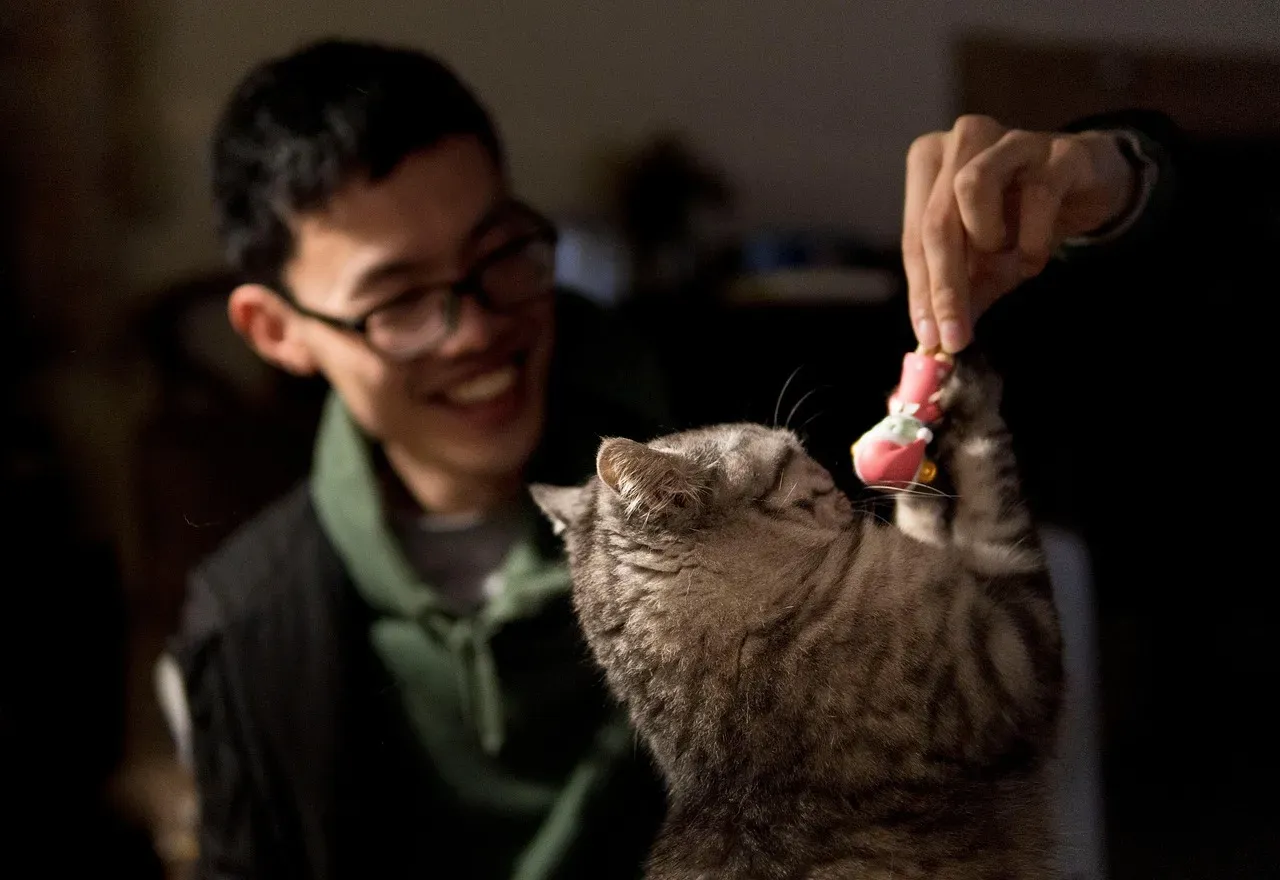
Engaging in regular playtime with your cat is crucial. Play sessions simulate hunting, satisfying your cat’s natural instincts. Use toys that mimic prey, such as feather wands or laser pointers. Spend at least 15 minutes each day in interactive play. This isn’t just about burning energy. It signals to your cat that you’re an active, attentive presence in their life.
Play and predatory behaviors allow cats to fulfill their natural need to hunt. Play can be motivated with the use of interactive toys that mimic prey. Cats need to be able to capture the “prey,” at least occasionally, to prevent frustration. Regular play sessions have the double benefit of keeping stress levels down, and fitness levels up. A cat that plays well is a cat that feels genuinely at home.
Give Them Vertical Space and Territory to Claim
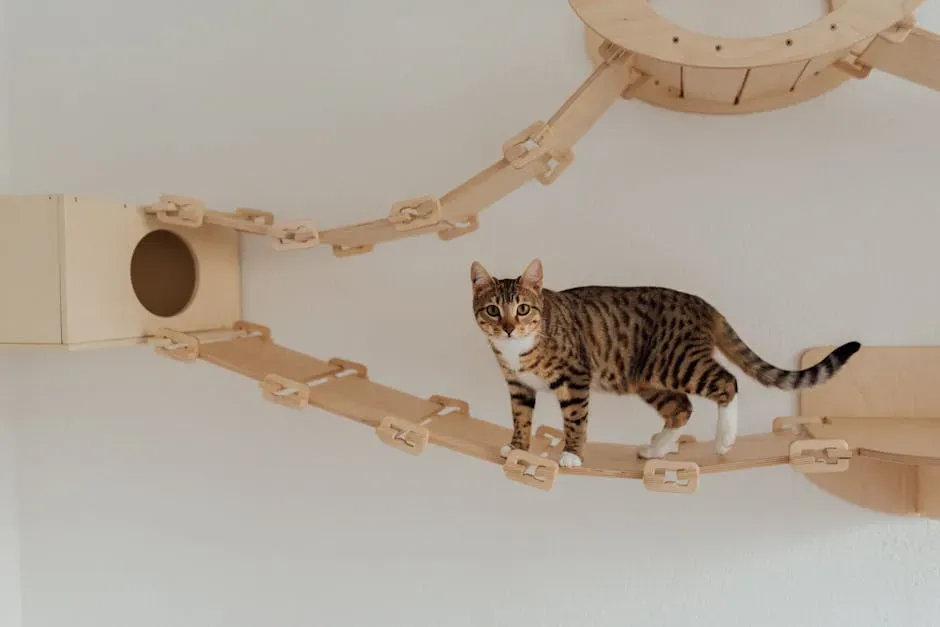
Cats love to climb and explore high places, and providing vertical space can significantly enhance their sense of security. Think of it as giving them a bird’s-eye view of their kingdom, where they can watch over their territory and feel in control. High perches, cat trees, or shelves can serve this purpose, offering your cat the chance to climb, play, and observe.
This vertical space gives them the opportunity to escape from potential stressors on the ground, such as other pets or noisy household activities. It also satisfies their natural curiosity and need for stimulation. By providing these elevated areas, you’re catering to your cat’s instincts and ensuring they feel safe and secure in their environment. Cats mark their scent by rubbing their face and body, which leaves natural pheromones to establish boundaries within which they feel safe and secure. Letting them do so on their favorite perches is part of giving them true ownership of their space.
Keep Your Voice Calm and Talk to Them Often
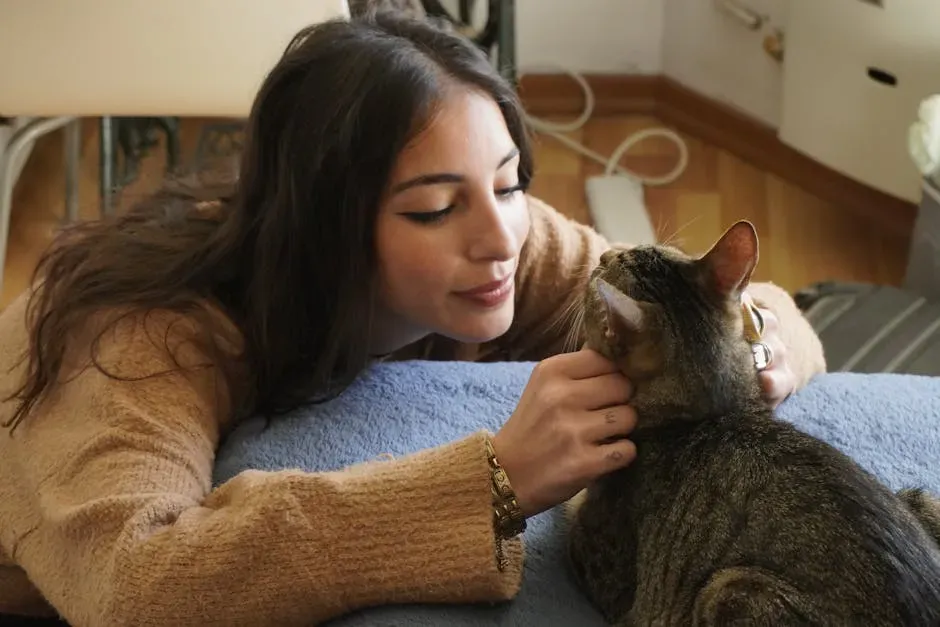
Your tone of voice is like a magic wand for your cat’s emotions. Cats are incredibly sensitive to vocal energy and can instantly tell if you’re stressed, angry, or calm. Cats will often pick up on a pet parent’s emotional state, and this can have a detrimental or positive effect on their own mood. Never shout at your cat, no matter how frustrating their behavior might be.
Talking to your cat might seem simple, but it offers reassurance and familiarity. Cats respond to the tone and rhythm of your voice. Engage in regular conversations, using a calm and gentle voice. These interactions reinforce your connection, making your cat feel loved and understood. Even just chatting with your cat in soothing tones while you go about your day helps them feel included and secure in your shared space. You don’t need a conversation topic. Your presence and your voice are enough.
A Final Thought
The beauty of all these habits is their simplicity. You don’t have to overhaul your lifestyle or spend a fortune on pet products to make your cat feel genuinely loved. Even fifteen minutes of undivided attention daily can dramatically boost your cat’s sense of security and belonging.
By being patient and understanding, you’re showing your cat that they are valued and respected. This approach fosters trust and security, as your cat knows they can rely on you for support. Your patience and understanding create a loving and supportive environment where your cat can thrive.
Security, for a cat, is built in the quiet ordinary moments. The consistent mealtime. The calm voice. The slow blink exchanged across a sunlit room. These aren’t small things. For your cat, they’re everything.
Kristina is a young writer from India. An arts graduate and an avid content creator, Kristina is passionate about animals and wildlife. She enjoys exploring topics related to pet care, animal behavior, conservation, and nature, combining thorough research with engaging storytelling.