Of all the world’s great predators, few command as much fascination as the tiger. It is enormous, strikingly patterned, and built to kill with breathtaking efficiency. Yet for all that raw power, it lives most of its life in complete and deliberate solitude.
That solitude is not simply a quirk or a convenience. It is woven into virtually every aspect of how tigers think, move, communicate, hunt, and raise their young. Understanding what actually drives this aloneness reveals a creature far more complex, and far more deliberate, than the image of a lone predator simply wandering through a jungle might suggest.
A Territory Built for One
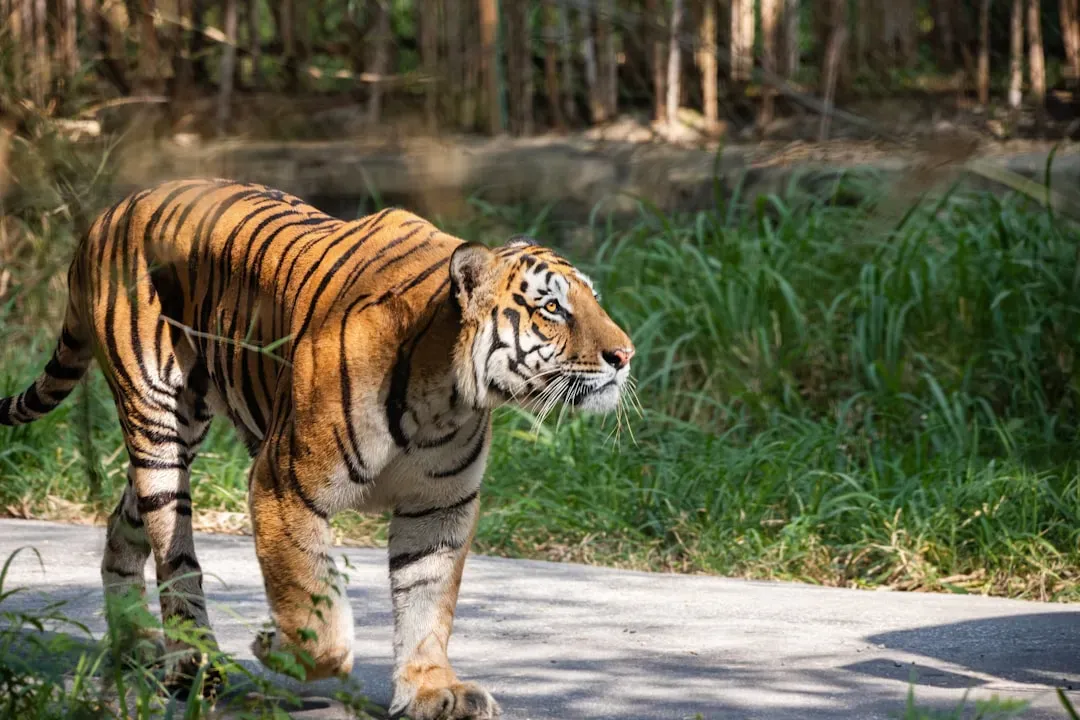
Adult tigers lead largely solitary lives within home ranges or territories, the size of which mainly depends on prey abundance, geographic area, and the sex of the individual. This is not accidental. The territory is the foundation of a tiger’s entire existence, sized specifically to support one apex predator operating alone.
The size of tiger territories varies greatly by locality, season, and prey density. In areas with high prey densities, tiger territories tend to be smaller in size. For male tigers in Ranthambhore, India, territories range from 5 to 150 square kilometers, while in Siberia, where prey concentrations are much lower, male tiger territories range from 800 to 1,200 square kilometers. You would be hard pressed to find another big cat whose personal space scales so dramatically with its environment.
The Scent Marking System: A Silent Newspaper
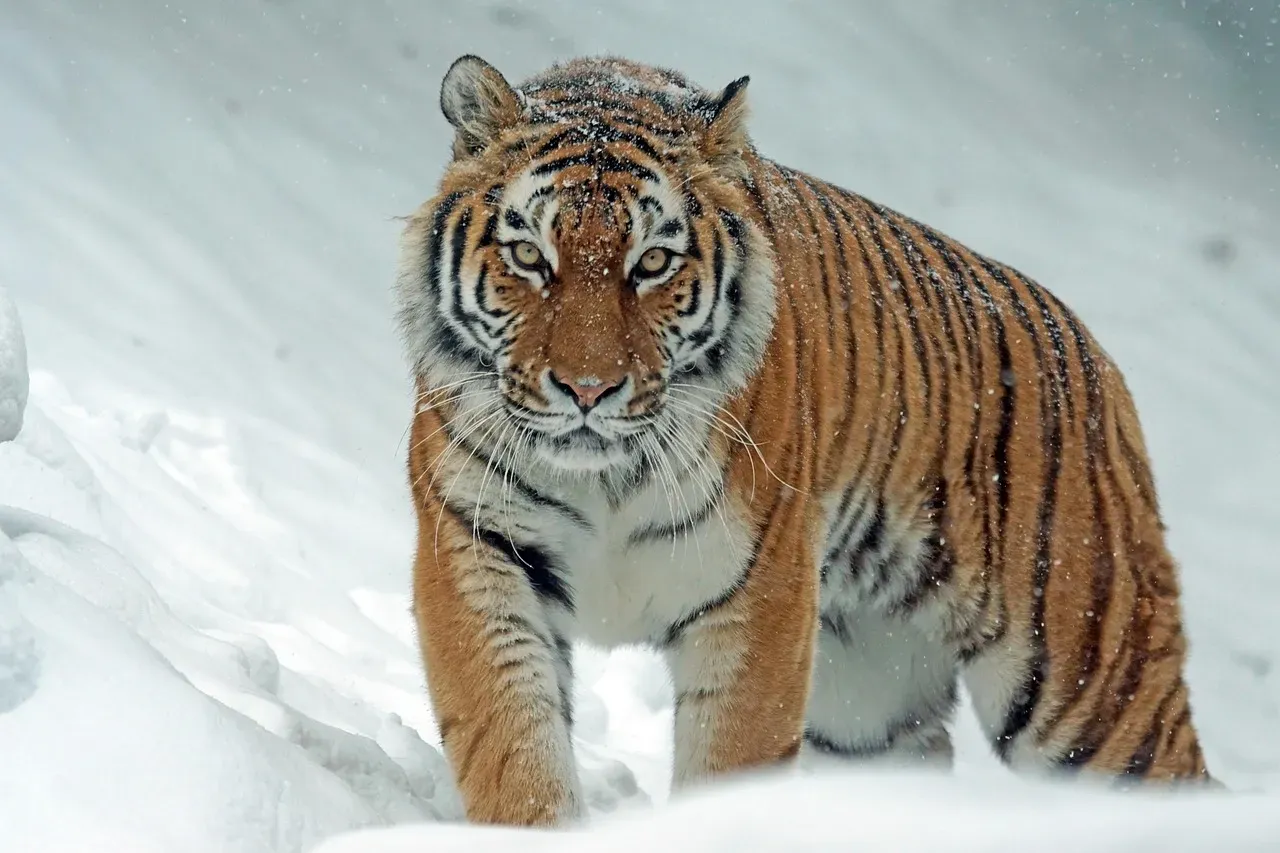
Tigers demarcate their regions through multiple methods, primarily through scent marking, which entails a range of actions including spray-urinating, scratching trees, or leaving their scat. This system functions as a continuous, living announcement to every other tiger in the landscape. It is, in a real sense, how tigers talk to each other without ever needing to meet.
An adult tiger will usually define the boundary of its territory by spraying urine, because the strong odor associated with it can last up to 40 days, but they may also use feces for marking. Other tigers can detect this fragrance and use it to determine the territory’s boundaries and identify the original tiger. The result is a chemical map that keeps tigers separated and conflicts rare, all without a single face-to-face confrontation.
Tree Scratching as a Permanent Declaration
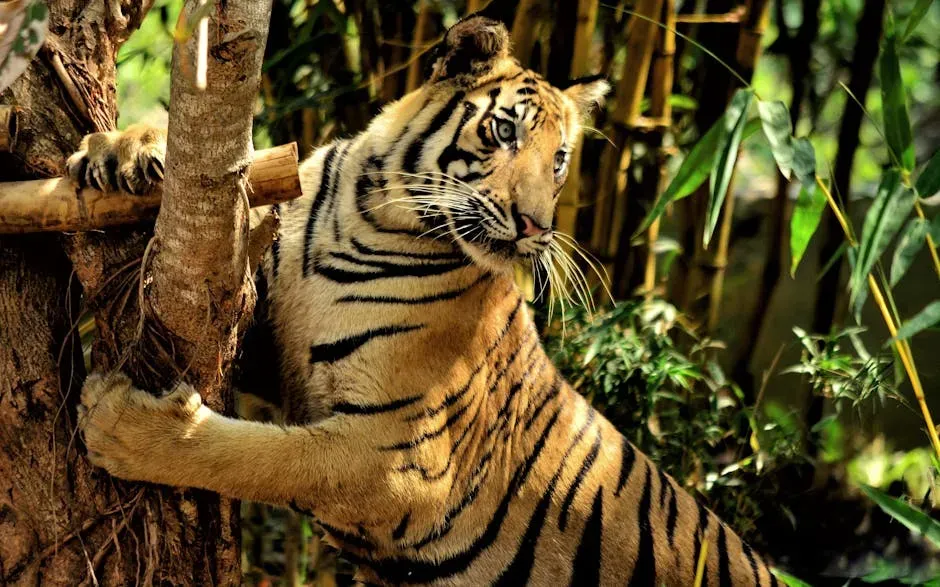
When a tiger scratches a tree, it creates vertical gouges in the bark, typically at heights between 1.5 to 2 meters. These scratches can remain visible for years, creating lasting territorial declarations that persist long after scent markers have faded. Where urine marks fade with weather, claw gouges endure through seasons.
The scratching process itself deposits scent from specialized glands located between the tiger’s paw pads, combining visual and olfactory signals at a single location. The height and depth of scratches can indicate the size and strength of the tiger that made them, providing additional information to potential rivals. In other words, you can read the size of a tiger by its marks on a tree, which helps rivals assess whether a confrontation would be worth the risk.
Facial Glands That Broadcast Identity

Facial rubbing represents one of the most concentrated forms of scent marking in a tiger’s territorial arsenal. Tigers possess specialized scent glands on their faces, particularly around their cheeks, chin, and forehead. When a tiger rubs its face against objects like trees, rocks, or even human-made structures within its territory, it deposits a highly individualized scent cocktail from these facial glands.
The scent deposited through facial rubbing contains a complex mixture of chemical compounds that communicate detailed information about the tiger’s identity and status. Tigers appear to use facial rubbing selectively, often targeting the same objects repeatedly to create scent posts of particular importance. Think of these posts as fixed bulletin boards, each one building a more complete chemical portrait of who owns the land.
Nocturnal Habits That Reinforce Isolation
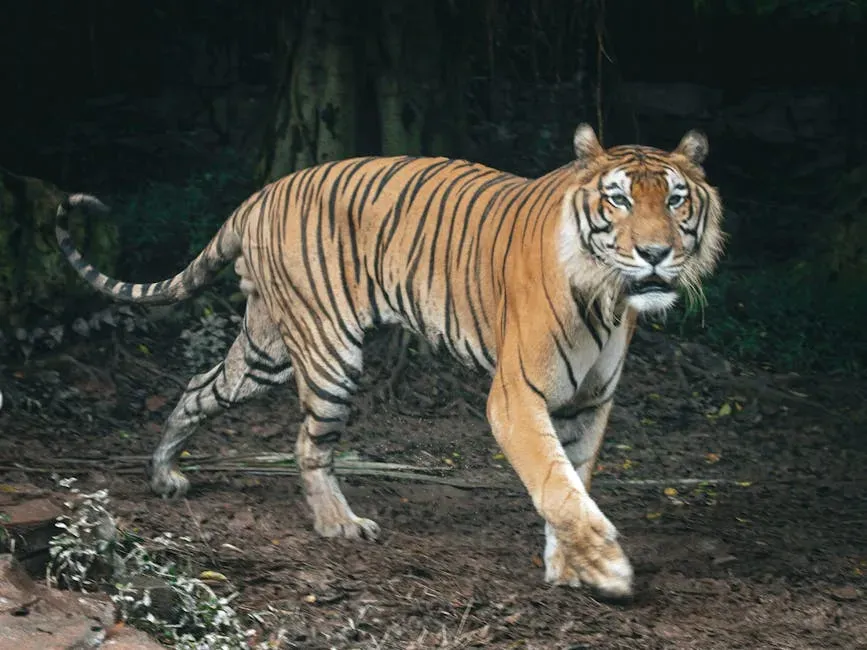
Tigers are mostly nocturnal and are ambush predators that rely on the camouflage their stripes provide to stalk prey. Hunting in the dark is not just a survival strategy for catching prey. It is also a practical way to avoid extended contact with other tigers, since the forest becomes a single predator’s domain during the night hours.
Tigers excel in nighttime hunting due to exceptional night vision, estimated to be around six times better than that of humans, combined with acute hearing. Activity peaks often align with prey movement and human disturbance levels, with tigers becoming more nocturnal in areas where persecution is high. Their nocturnal nature is flexible, shaped by what the environment demands, which makes their solitude just as adaptive.
Ambush Predation as a Solo-Only Strategy
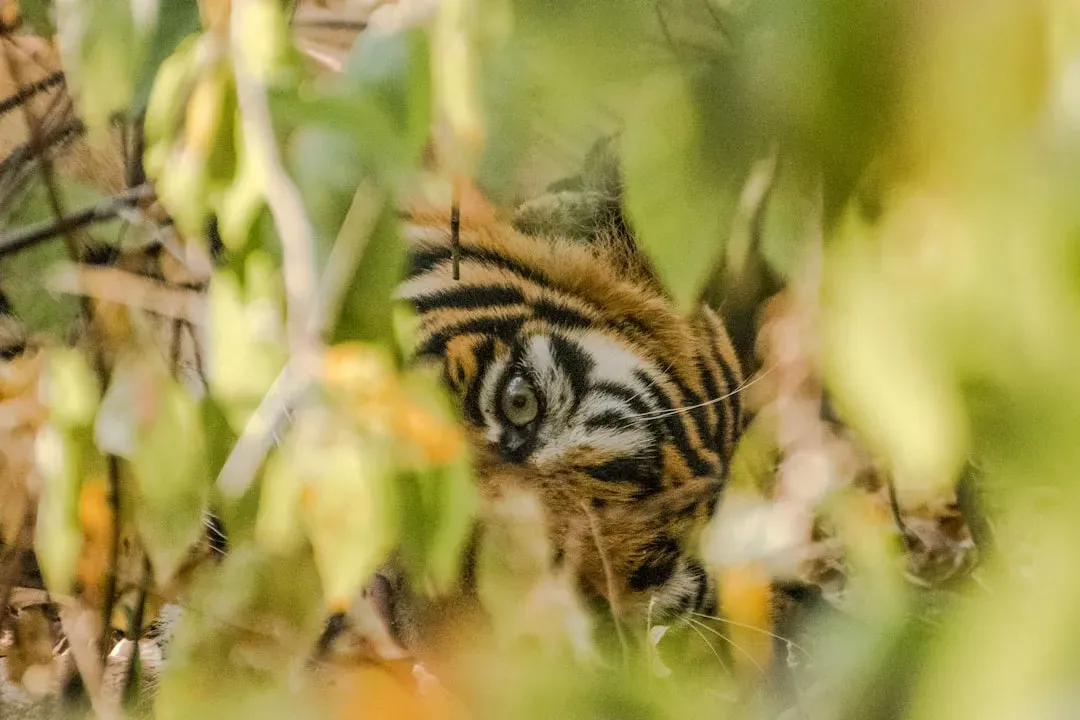
The tiger is an ambush predator, and when approaching potential prey it crouches with its head lowered and hides in foliage. It switches between creeping forward and staying still. A tiger may even doze off and can stay in the same spot for as long as a day, waiting for prey and launching an attack when the prey is close enough, usually within 30 meters.
Their huge home ranges are not suited to group communication, and scattered prey is insufficient to sustain groups of tigers, which is the reason they are taught to go it alone from such an early age. As tigers hunt on their own, there is little competition for the available food, which can often be scarce depending on the time of year. Group hunting, so effective for lions on open savannas, simply would not work in the tiger’s dense, prey-dispersed habitat.
Dense Forest Habitat That Makes Groups Impractical

Tigers inhabit dense forests and heterogeneous habitats in Asia where prey such as deer, wild boar, and smaller ungulates are more thinly and unpredictably distributed. A solitary, wide-ranging strategy minimizes intra-species competition for these patchily distributed resources. The landscape itself is a powerful argument against communal living.
Throughout the tiger’s range, it inhabits mainly forests, from coniferous and temperate broadleaf and mixed forests in the Russian Far East and Northeast China to tropical and subtropical moist broadleaf forests on the Indian subcontinent and Southeast Asia. Across all these dramatically different ecosystems, the pattern holds: solitude is the strategy that works. Pack life would mean starvation for most of the group.
The Brief and Purposeful Mating Encounter
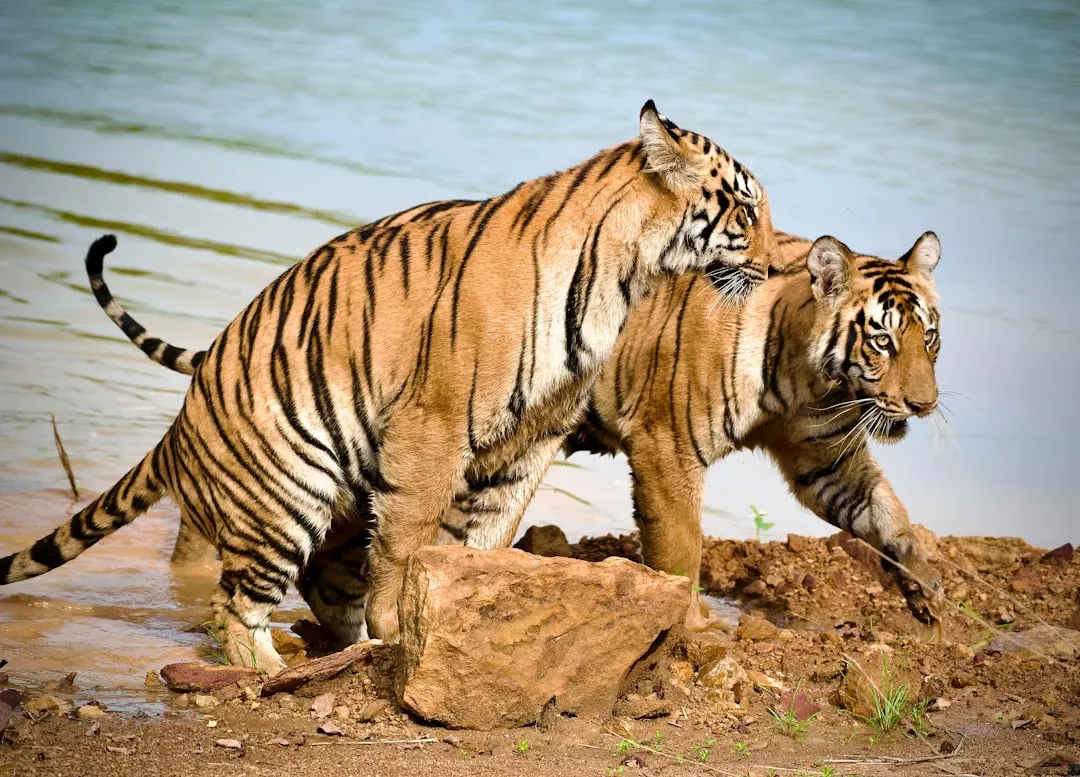
Mating within the tiger species involves a male and female tiger meeting only briefly in the female’s territory. Post mating, male tigers often return to find their own territory. There is no lingering bond, no pair living together, and no long-term relationship between the two adults. The encounter is intense, purposeful, and then definitively over.
Mating can occur at any time of year but most often takes place during cooler months between November and April. Tigers are induced ovulators, which means females will not release eggs until mating occurs. Gestation lasts approximately 100 days, and females give birth to between one and seven offspring at a time, averaging between two and four cubs. The entire reproductive process is designed to minimize contact and maximize independence.
Mothers Who Raise Cubs Entirely Alone
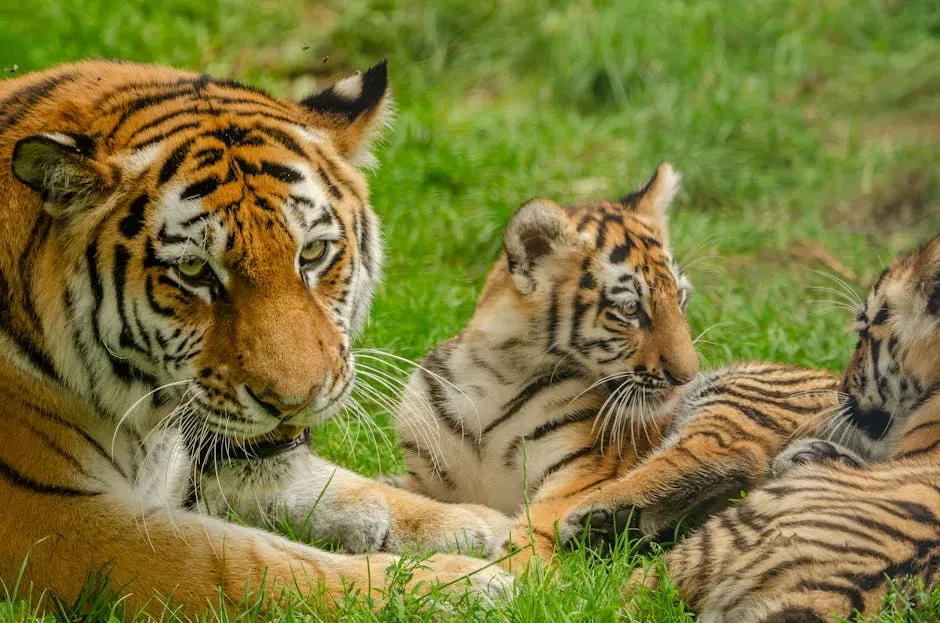
The mother raises the cubs alone, providing protection and teaching them how to hunt until they are ready to live independently. There is no co-parenting arrangement, no male who stays to help feed or protect the young. The mother’s solitary competence is sufficient, and the system is built around that reality.
Tigers learn to hunt from their mothers, though the ability to hunt may be partially inborn. Depending on the size of the prey, they typically kill weekly, though mothers must kill more often. Families hunt together when cubs are old enough. Mothers guard their young from wandering males that may kill the cubs to make the female receptive to mating. That threat alone speaks to just how firmly the solitary structure is embedded in tiger society.
Early Dispersal That Breaks All Family Bonds

Cubs stay with their mothers until they learn to hunt successfully, usually at about 18 to 24 months old. They reach full independence after two to three years, at which point they disperse to find their own territory. Female tigers often remain near their mother’s territory, while males disperse farther from home. The family unit dissolves completely on its own timetable.
The tiger is a long-ranging species and individuals disperse over distances of up to 650 kilometers to reach tiger populations in other areas. Young tigresses establish their first home ranges close to their mothers’ while males migrate further than their female counterparts. This dispersal phase is critical for preventing inbreeding and maintaining the genetic diversity of the tiger population. Solitude, even at the moment of leaving home, serves a biological purpose.
Same-Sex Territory Defense with Real Consequences
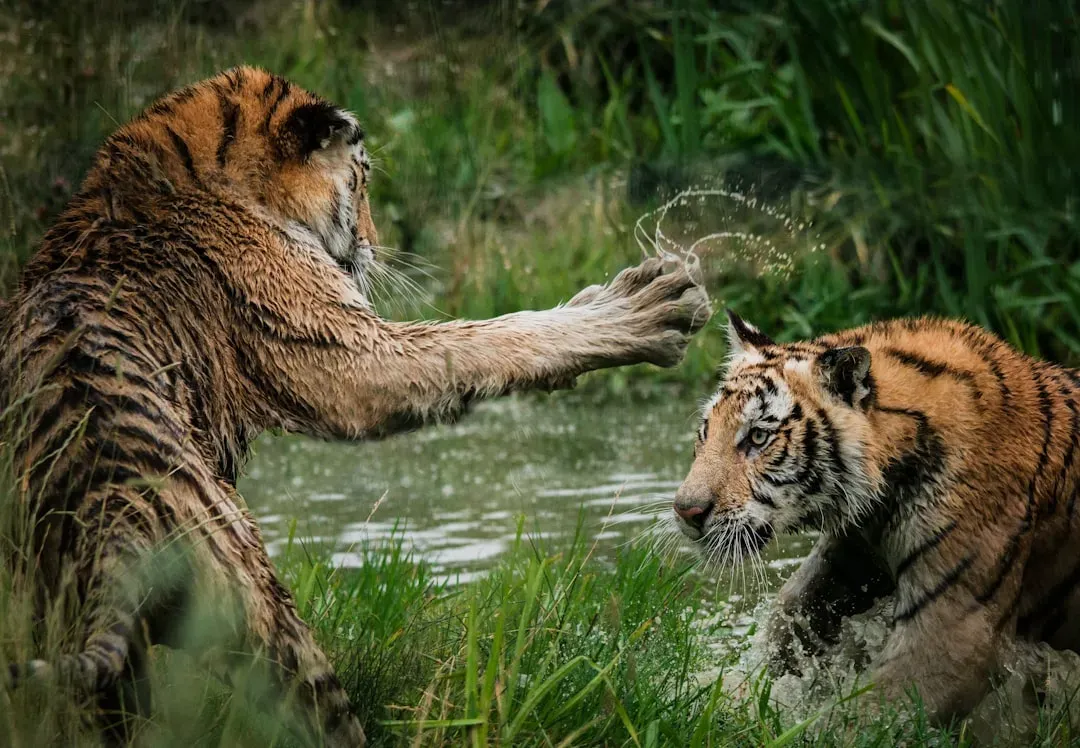
The tiger lives a mostly solitary life and occupies home ranges, defending these from individuals of the same sex. The range of a male tiger overlaps with that of multiple females with whom he mates. This asymmetry is deliberate: males tolerate overlap with potential mates but treat same-sex intrusions as serious threats.
Aggression among adult male tigers can be influenced by the number of tigers in a given area and whether there is a social disruption in which males are competing to take control of a territory. The intensity of aggression increases when there are high tiger densities for a given area, because there is more competition for resources and mating opportunities. This territorial nature is part of the reason tigers have a high mortality rate. About half of wild tiger cubs do not survive past the first two years, and only 40 percent of those that reach independence actually live to establish a territory and produce young.
A Vocal System Designed for Distance, Not Closeness

Despite their solitary nature, communication is a very important part of tigers’ behavioral ecology. They communicate through vocalizations, such as roaring, grunting, and chuffing, and through signals such as scent marking and scratches on trees. Tigers are fiercely territorial animals, so these signals are particularly important to communicating where one tiger’s home range ends and another’s begins.
Tigers utilize a variety of vocalizations to communicate over long distances. Roaring is produced in a variety of situations, such as taking down large prey, signaling sexual receptivity, and females calling to their young. These roars may be heard from distances over three kilometers. Chuffing represents friendly vocalizations that generally consist of a soft brrr sound and are primarily used for greetings between tigers, audible only at close range. The vocal repertoire is perfectly matched to a life lived largely apart.
Conclusion
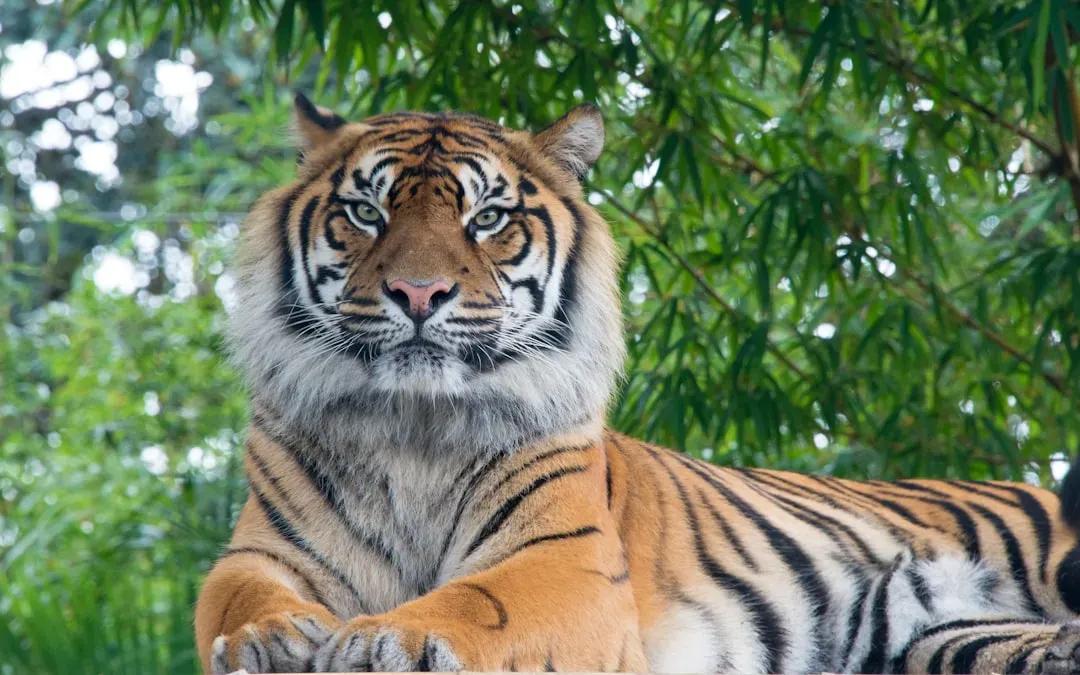
The tiger’s solitary existence is not a deficiency or a sign of antisocial behavior. It is a masterwork of ecological engineering, shaped over millions of years of evolution to suit dense forests, dispersed prey, and a physique capable of handling everything alone. From its chemical signaling and claw marks to its nocturnal schedule and quiet dispersal from its mother, every trait points toward the same conclusion: this animal was built for independence.
What makes the tiger so remarkable is that even within that solitude, it communicates, reproduces, raises young, and maintains a complex social order across vast landscapes. It does all of this without gathering, without a pride, and without a pack. In the world of big cats, it is the tiger that most completely masters the art of being entirely self-sufficient, and in doing so, becomes one of the most captivatingly solitary creatures on earth.
Kristina is a young writer from India. An arts graduate and an avid content creator, Kristina is passionate about animals and wildlife. She enjoys exploring topics related to pet care, animal behavior, conservation, and nature, combining thorough research with engaging storytelling.