You’ve had cats for years. You know their quirks, their moods, when they want to be left alone. You’ve bought the toys, set up the climbing trees, and consider yourself reasonably fluent in feline. So it might surprise you to learn that even the most devoted, long-time cat owners are quietly making mistakes during playtime – ones that chip away at their cat’s wellbeing, create behavioral problems, or simply leave their cat frustrated and under-stimulated.
Playtime with your cat may seem like a no-brainer, but there are actually mistakes you can make that are counter-productive to your cat’s enjoyment of the game – and some of those mistakes can even contribute to behavior problems. The good news is that once you know what to look for, most of these habits are easy to correct.
1. Using Your Hands or Feet as Toys
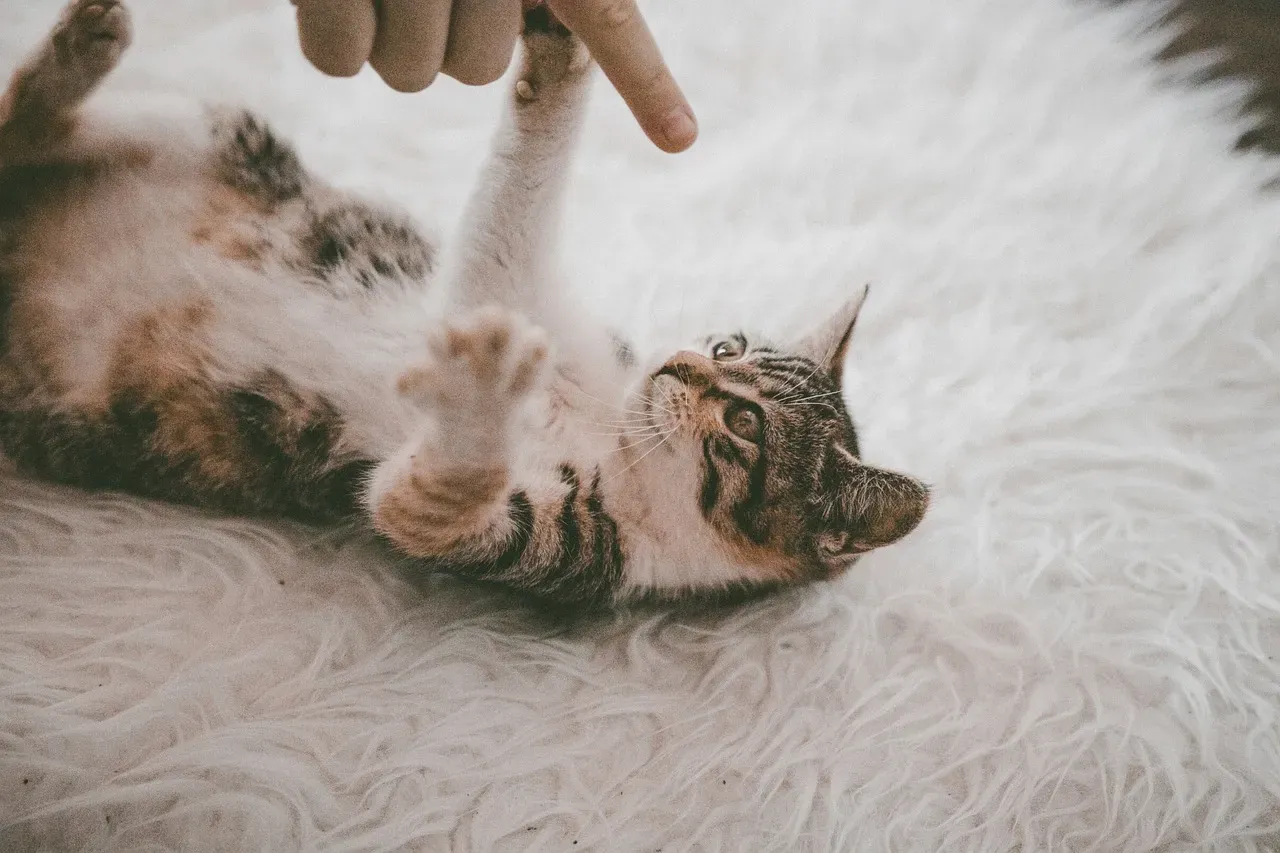
This is probably the most widespread playtime mistake, and it’s surprisingly common among experienced owners who simply got into the habit early. If you make your hand, foot, or any other body part a toy for your cat to attack and grab, you’re setting a dangerous precedent – you’re telling your cat it’s okay to physically harm you. You are basically teaching your cat to attack you.
Never use your hands or feet as toys during play. Although it may seem cute with kittens, as your kitten grows into a cat, they will believe this is an appropriate form of play. A cat’s claws and teeth are more than capable of drawing blood if they decide to wrestle with your hand or forearm. The fix is simple: redirect immediately to a proper toy every single time.
2. Never Letting Your Cat Actually “Catch” the Toy
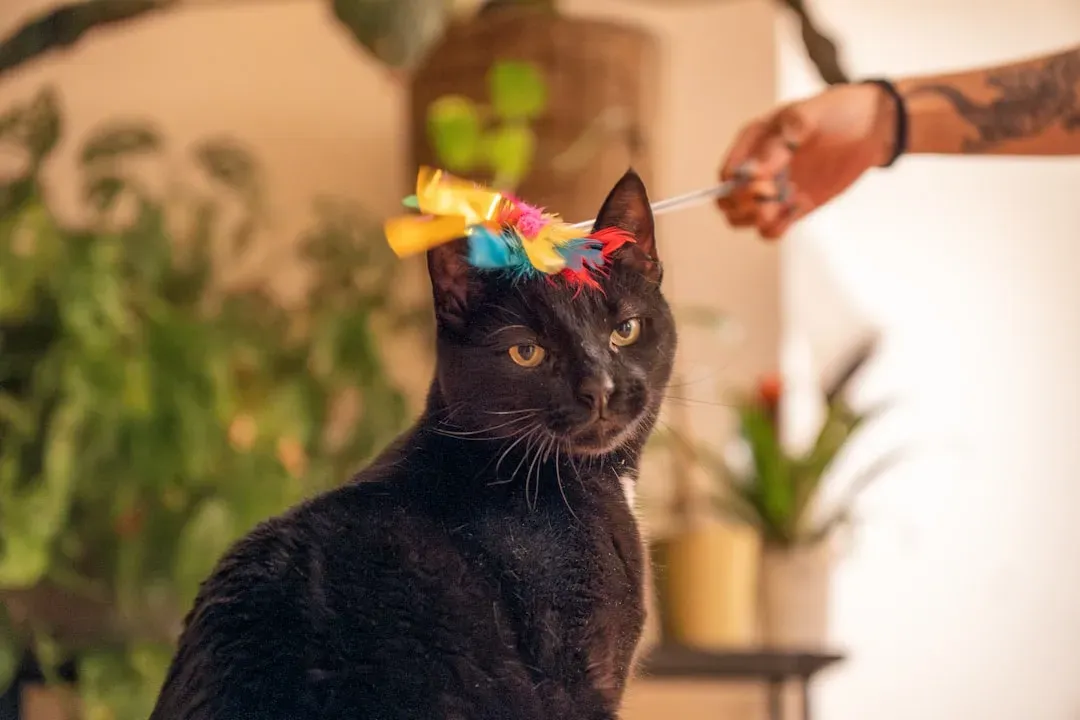
Nobody enjoys playing a game if they never get a chance to win. If you wave the toy all over and keep it out of the cat’s reach, it just leads to frustration. Playtime needs to be physically and mentally rewarding. If your cat chases, pounces, stalks, leaps, and attacks the toy but never gets to capture it, it just becomes a physically exhausting exercise in frustration.
Allow your cat to capture the “prey” at the end of their hunt and play session to satisfy their natural hunting instinct. This also prevents your cat from becoming frustrated. When playing with wand toys, end the session on a toy your cat can “catch.” If they are unable to catch the item they’ve been playing with, this can easily create frustration, so ending the session with the desired result helps keep the play session positive.
3. Relying Too Much on Laser Pointers
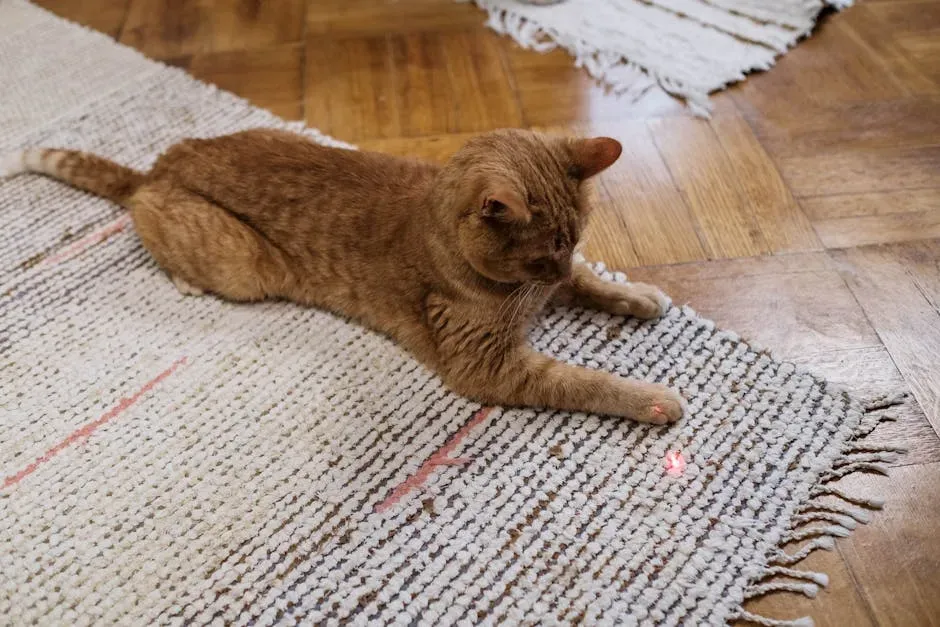
Although laser pointers are popular because you can sit in one location and send the laser light all over the room, the cat doesn’t get the mental satisfaction of having actually captured prey. Even if the cat manages to get a paw on the light, she’ll realize there’s nothing there. Cats have carpal whiskers on their forepaws that let them know when they’ve successfully captured prey.
Laser pointers can be lots of fun for cats, but they’re best used in a rotation of fun and interesting toys since your cat will never be able to “win” the game by catching the laser light. A practical workaround: if you use a laser, hide a treat or piece of kibble and at the end, let your cat “capture” the laser where the treat is hidden. This way they feel like they caught the prey and are rewarded.
4. Playing With Toys That Are the Wrong Size or Type
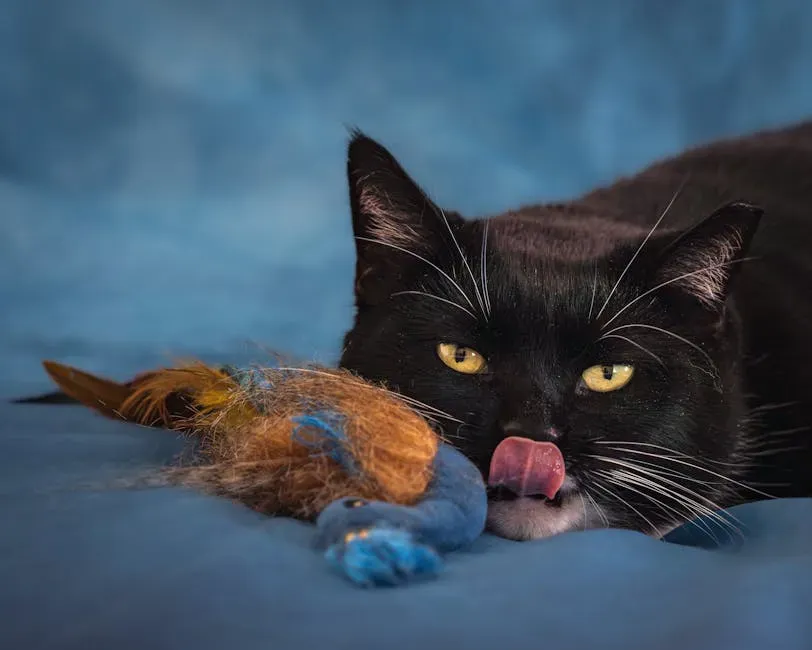
A common mistake is buying too big of a toy or one that actually ends up looking like a threat to the cat. When hunting, cats choose prey that is smaller and easy to capture. If the toy is too big or intimidating, it becomes more of an opponent. Choosing the right toy size matters more than most people realize.
When shopping, try to match the toy to your cat’s personality, size, and ability. A shy or fearful cat may prefer a toy that appears less threatening and doesn’t make any noise. You may have to do a little toy testing to find the kind of toys your cat likes best. Some cats like soft toys that feel more life-like when they bite them, whereas other cats prefer hard toys that can more easily be rolled around.
5. Keeping the Same Toys Out All the Time
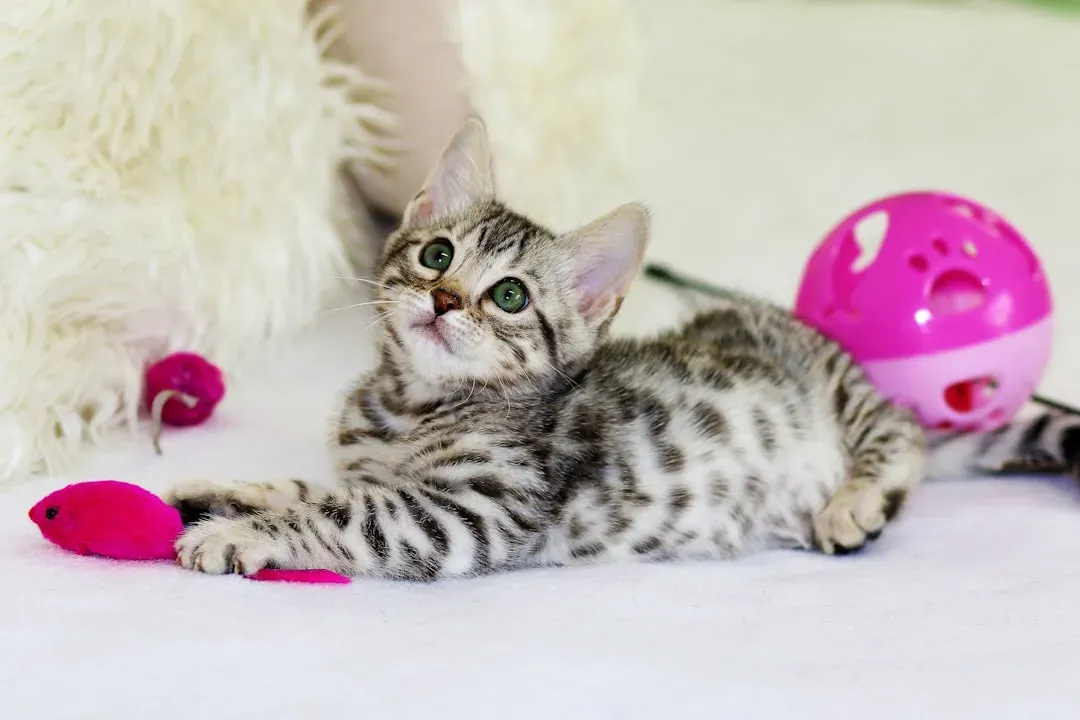
Rotate and change your cat’s toys on a routine basis to keep them interested. Some cats become bored with a toy after a few days, some after a few weeks, and some prefer only one toy. Familiarity breeds indifference, and a toy that’s always available quickly loses its appeal for most cats.
Cats may get bored of certain toys, so cycling them out is a smart approach. Put some away and pull out a few at a time. When those start to get ignored, bring out the old ones again, and they’ll seem new and interesting again. This simple rotation strategy can breathe new life into toys your cat has completely stopped reacting to.
6. Stopping the Session Too Abruptly
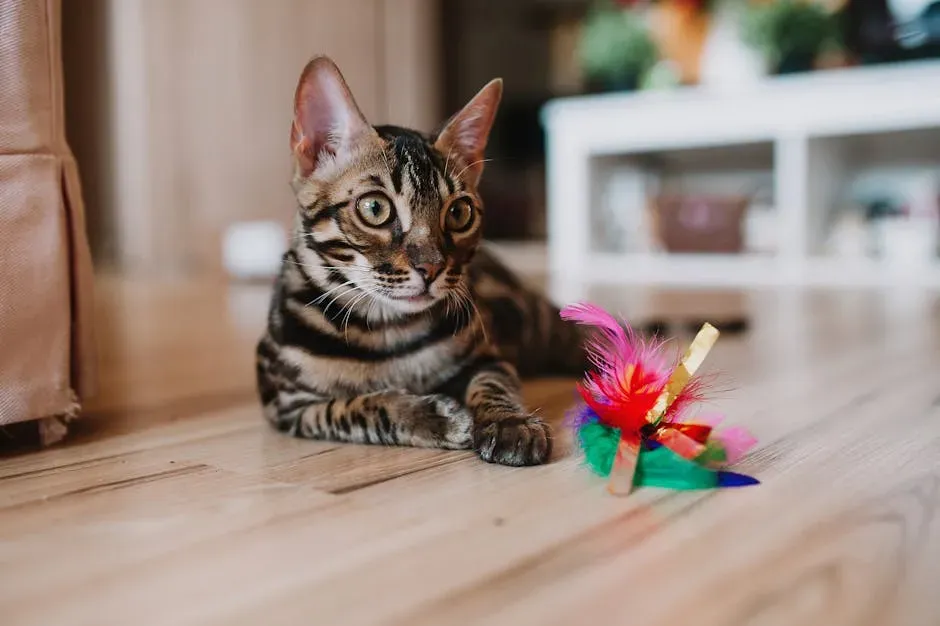
Imagine you’re a cat having a great time and then suddenly the toy is whisked away into a closet and you haven’t even had time to capture it, or your energy level is just starting to rev up. No matter how much time you plan on dedicating to playtime, wind the action down toward the end of the game so the cat can start to relax again. Think of it as the cool-down after exercise.
Another part that people often skip is the “consuming” phase. That’s easy to fix: give your cat a small meal or some tasty treats at the end of a play session. You can also consider a food puzzle afterward to give your cat a supplemental hunt. This post-play feeding mirrors the natural hunt-catch-eat cycle that cats are wired for.
7. Playing With Unsafe Materials Like String and Yarn
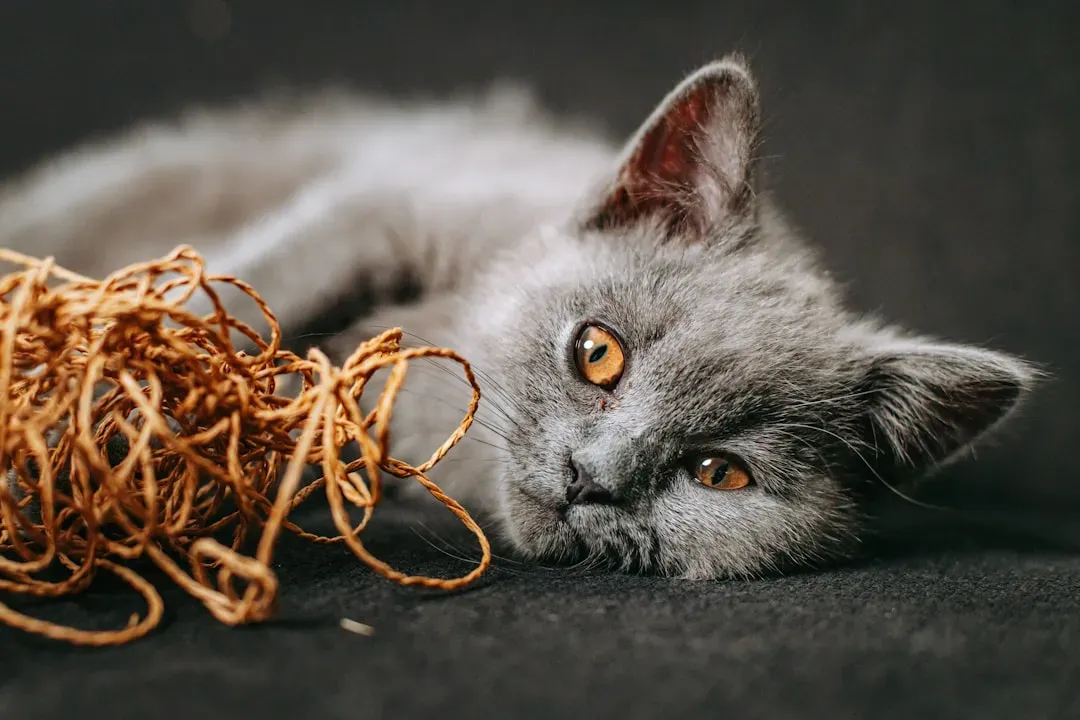
We’ve all seen the cartoons of cute little kitties batting around a ball of string. While it can be charming, the truth is that it can also be dangerous. Yarn, ribbons, and other thin strings can be a real hazard. Even if you keep a close watch on playtime, cats can easily swallow these slender pieces of material, which can result in choking, vomiting, or obstructions. They can also become tangled in string, which can lead to strangulation or blood flow restriction.
In addition to string and yarn, some people also make the mistake of allowing their cats to play with other seemingly innocuous items, such as wires, rubber bands, and pipe cleaners. The best way to avoid this error is to keep plenty of cat-safe and cat-attractive toys on hand. If your cat can’t get enough of yarn, try wool toys instead. Supervised play is always safer than leaving potentially hazardous items accessible.
8. Not Reading Your Cat’s Body Language During Play
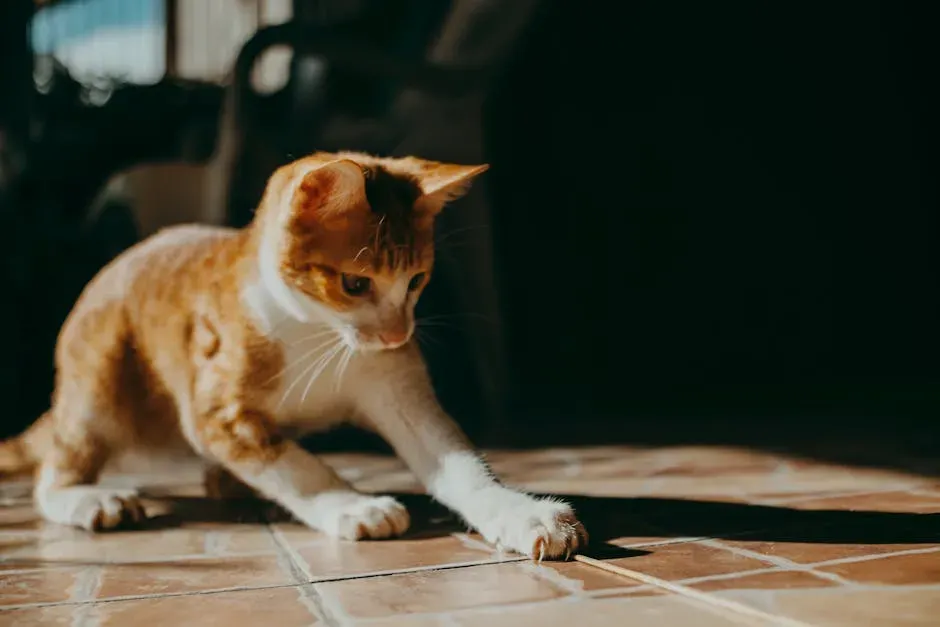
Playing too intensely or for too long can overstimulate your cat, leading to stress or aggression. Some owners overlook their cat’s body language during sessions. Signs of overstimulation, like swatting or twitching tails, indicate that playtime should end. Always respect your cat’s signals. Ignoring these cues doesn’t just interrupt the session – it erodes the trust your cat has built in you over time.
One of the biggest mistakes people make is playing with their cat in a way that is stressful for the cat. This can lead to you unintentionally telling your cat that you are not a source of security and safety for them, which may even lead to a breakdown in the trust level between you. When your cat walks away from you, they are done playing. Do not force interaction; instead let them initiate, choose, and control the type of human contact they desire.
9. Playing in One Long Session Instead of Several Short Ones
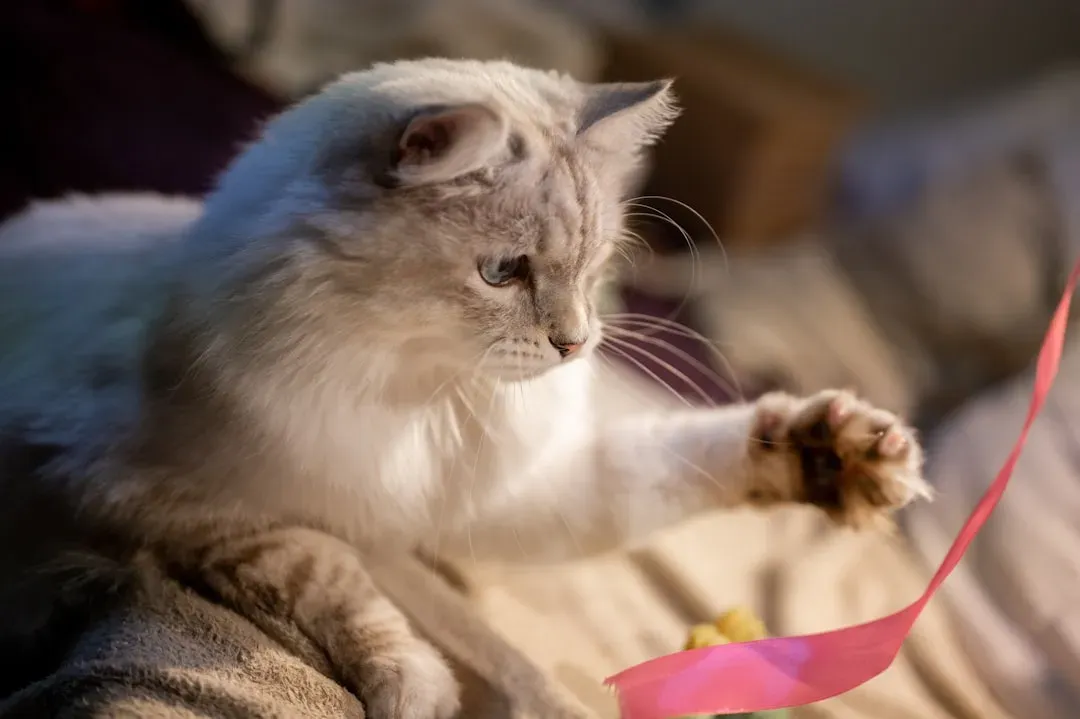
Cats tend to hunt small things like birds, bugs, and mice, so they require multiple hunts through the day. These hunts are typically short, so your play sessions should also be short. Somewhere between five to fifteen minutes at a time spread across multiple sessions is best. Doing a power play session may seem like a good idea, especially for wilder cats, but it is actually more beneficial to do shorter sessions.
A few short daily sessions are better than one long session, as this mimics the normal activity patterns of your cat. When the term “play” is used, it means really play. Don’t just place an interactive toy on the floor in front of them and text on your phone or toss a ball with a bell down the hall. Be fully engaged. Take on the role of the bird, be the mouse, be the prey, and run around with them. Presence matters as much as time.
A Few Minutes of Mindful Play Goes a Long Way
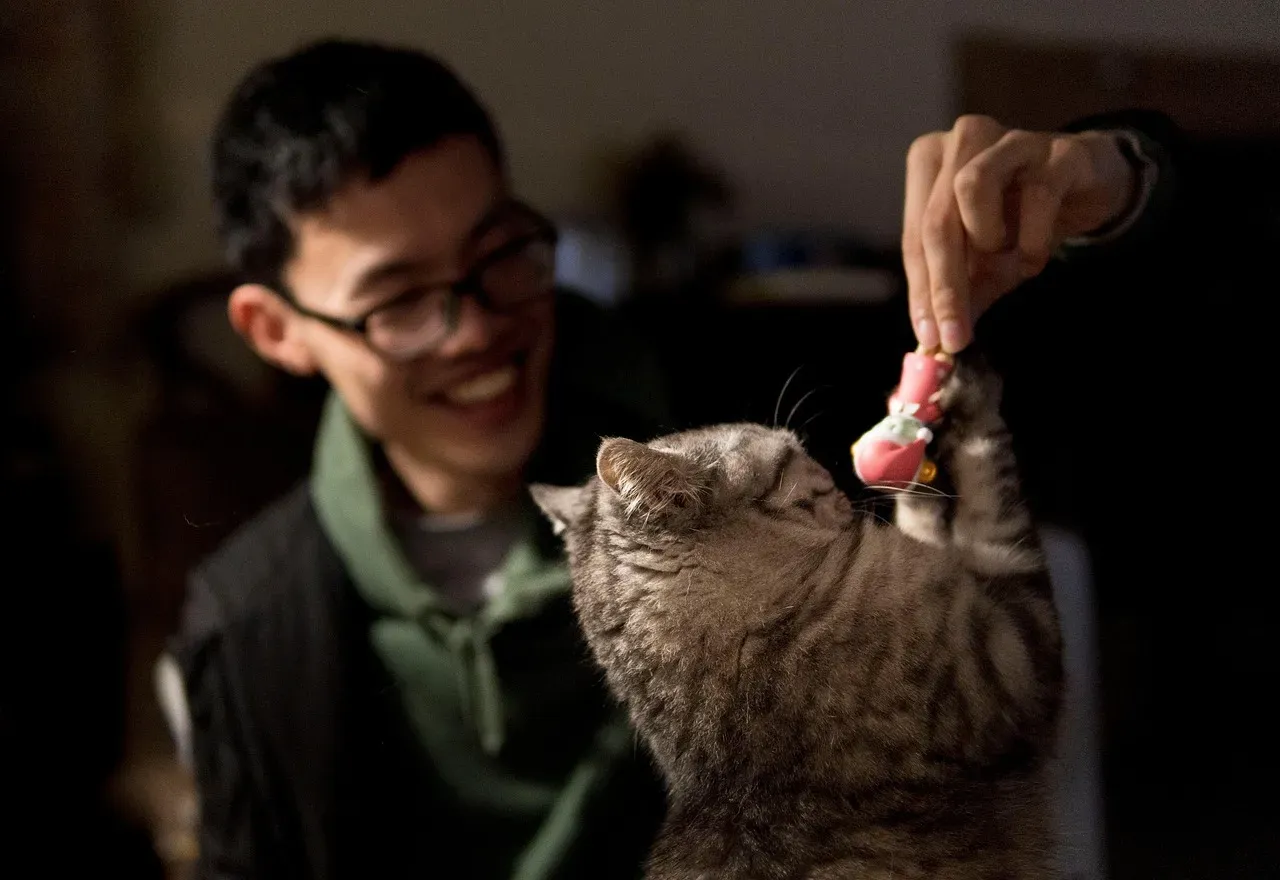
Most of these mistakes don’t come from carelessness. They come from habit, from busyness, or simply from not knowing what cats actually need from a play session. Playing with your cat is more than just a fun activity; it’s an essential part of their physical and mental well-being. Cats are natural hunters, and playtime mimics their instinctual behaviors, keeping them engaged and satisfied.
The drive to hunt is not because cats are hungry, but because hunting activity – the stalk, pounce, play, and kill – releases feel-good hormones called endorphins. When you give your cat a complete, thoughtful play experience, you’re not just entertaining them. You’re meeting a deep biological need.
The cats who become destructive, aggressive, or withdrawn are often simply the ones whose play needs have never been truly met. Fix the habits on this list, even gradually, and you’ll likely notice a calmer, more content cat sharing your home. That’s a result worth the extra five minutes.
Kristina is a young writer from India. An arts graduate and an avid content creator, Kristina is passionate about animals and wildlife. She enjoys exploring topics related to pet care, animal behavior, conservation, and nature, combining thorough research with engaging storytelling.