There’s a moment, if you’re lucky enough to encounter one in the wild, where you stop and simply stare. The ocelot is the kind of animal that makes you question how something so ornately designed could exist outside of a painting. Compact, agile, and draped in one of the most intricate coats in the entire animal kingdom, this medium-sized wild cat has captivated people across continents and centuries.
Found from the scrublands of southern Texas all the way down to the forests of northern Argentina, the ocelot occupies a remarkable range and an equally remarkable place in nature. Understanding what makes it so visually and biologically extraordinary goes well beyond its looks. Each trait you’ll discover here is connected to how this cat hunts, survives, and moves through its world.
1. A Coat That Is Truly One of a Kind
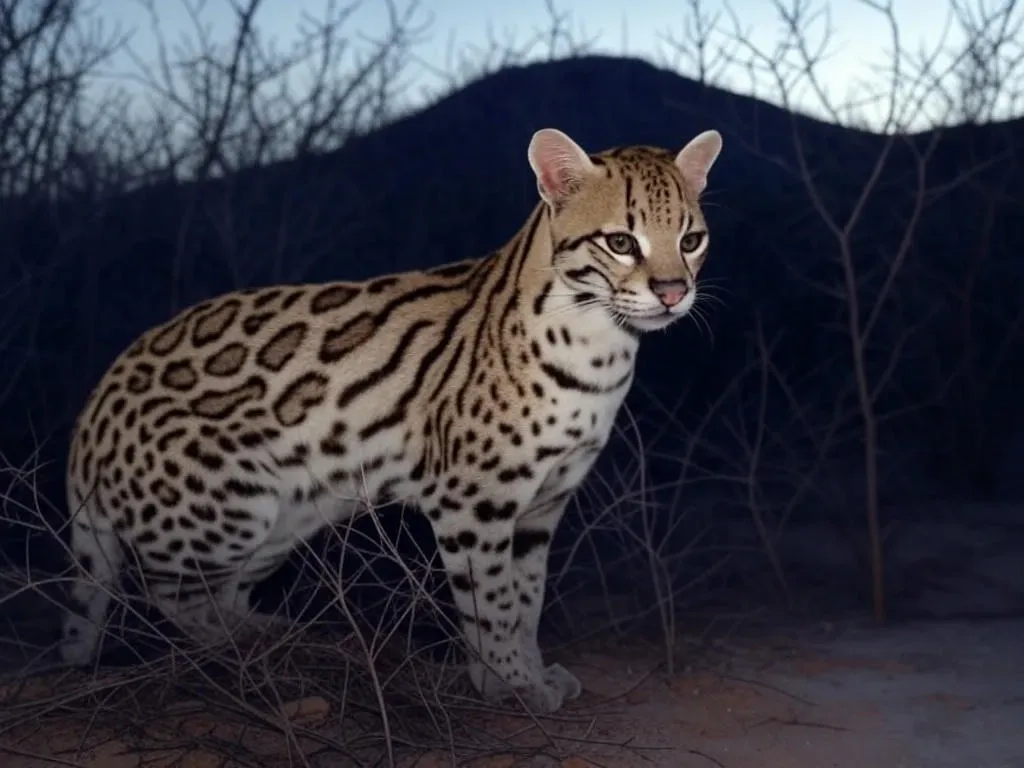
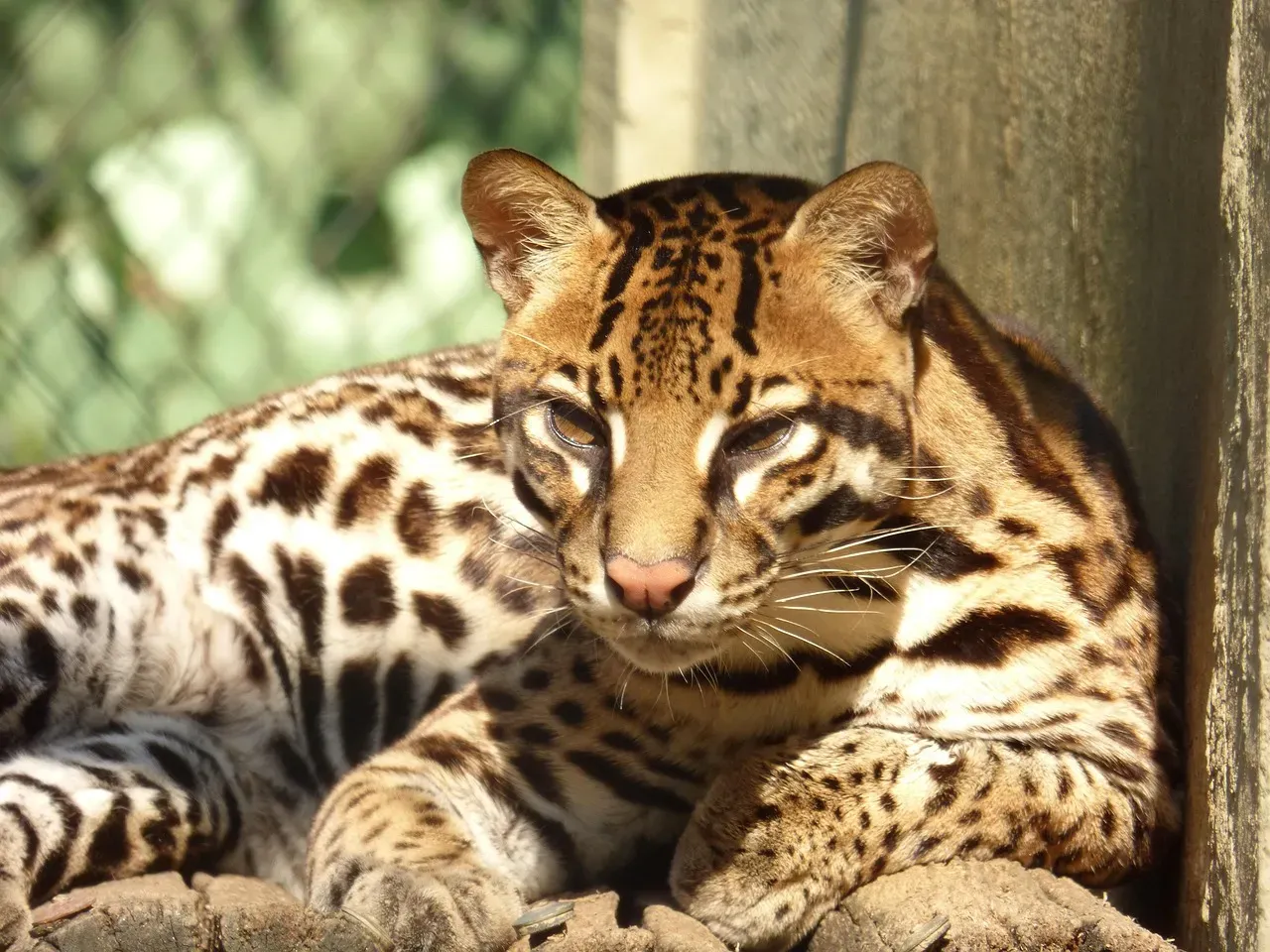
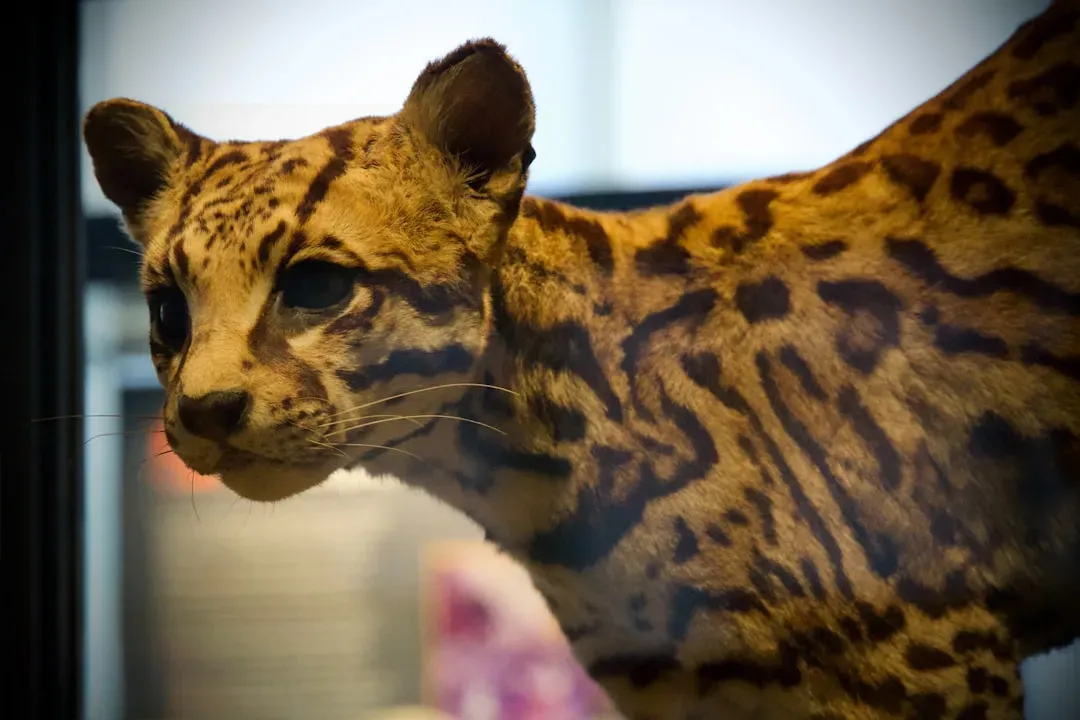
Each individual ocelot has a coat pattern unique to itself, making them as individualistic in appearance as humans are with fingerprints. That’s not a poetic exaggeration; it’s a biological fact. The coat features a base color that ranges from creamy white and tawny yellow to reddish-gray, and its most striking feature is the “chain-like” blotches and spots outlined in black with lighter centers, running the length of its body, complemented by a white underbelly and black ears marked with a prominent central white spot on the back.
The fur is golden over most of the body, with white or cream on the belly, and mostly black or dark brown spots arranged in a doughnut shape with dark tan in the middle; sometimes these spots link together and form chains or stripes running along the cat’s sides and back. Each ocelot has a different coat pattern, and the right and left sides are not even the same as each other. You won’t find that level of asymmetric individuality in many other animals.
2. Eyes Designed for the Dark
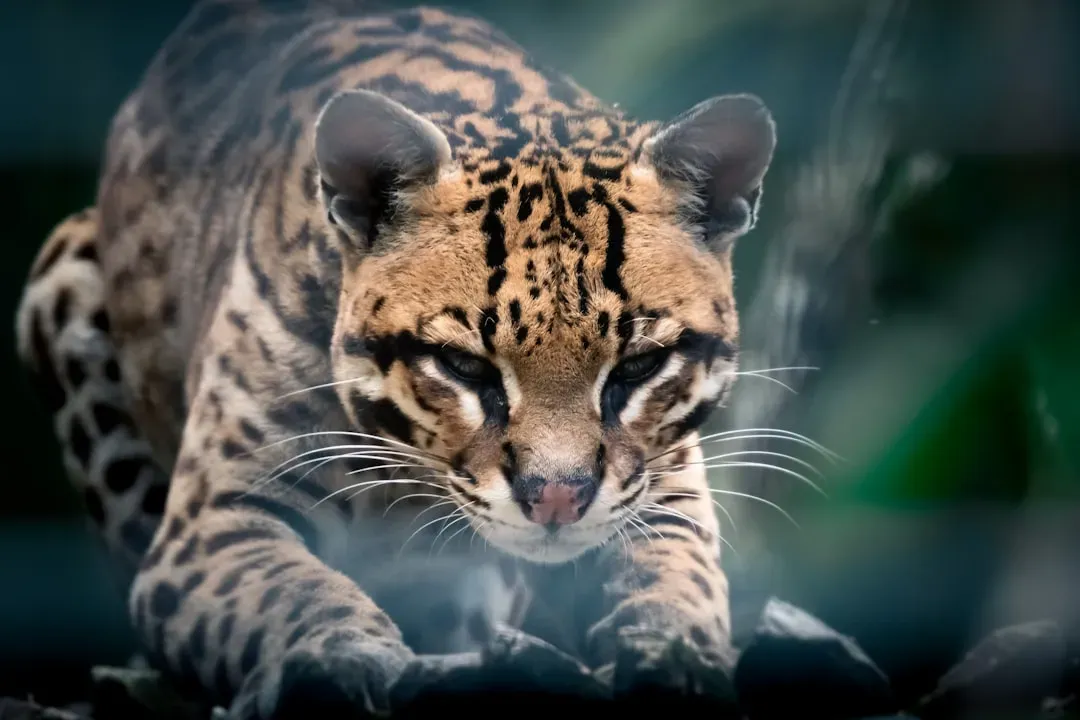
The ocelot has a low-light hunting toolkit built into its biology: large eyes and a highly reflective tapetum lucidum enhance night vision, while sensitive hearing helps it pinpoint small prey in leaf litter. This is part of what makes the ocelot such a formidable hunter in conditions where most prey animals feel safest. Its eyes are brown, but reflect in a golden hue when illuminated.
Studies suggest that it follows and finds prey via odor trails, but the ocelot also has very good vision, including night vision, and the white rings around its eyes help to reflect extra light into the eye at night. Like all small cats, ocelots have very good vision and hearing, and their eyes have a layer that reflects light so they see much better in the dark than humans can. That golden flash you might catch in a photograph is not just dramatic; it’s a survival mechanism.
3. A Body Built for Stealth and Speed
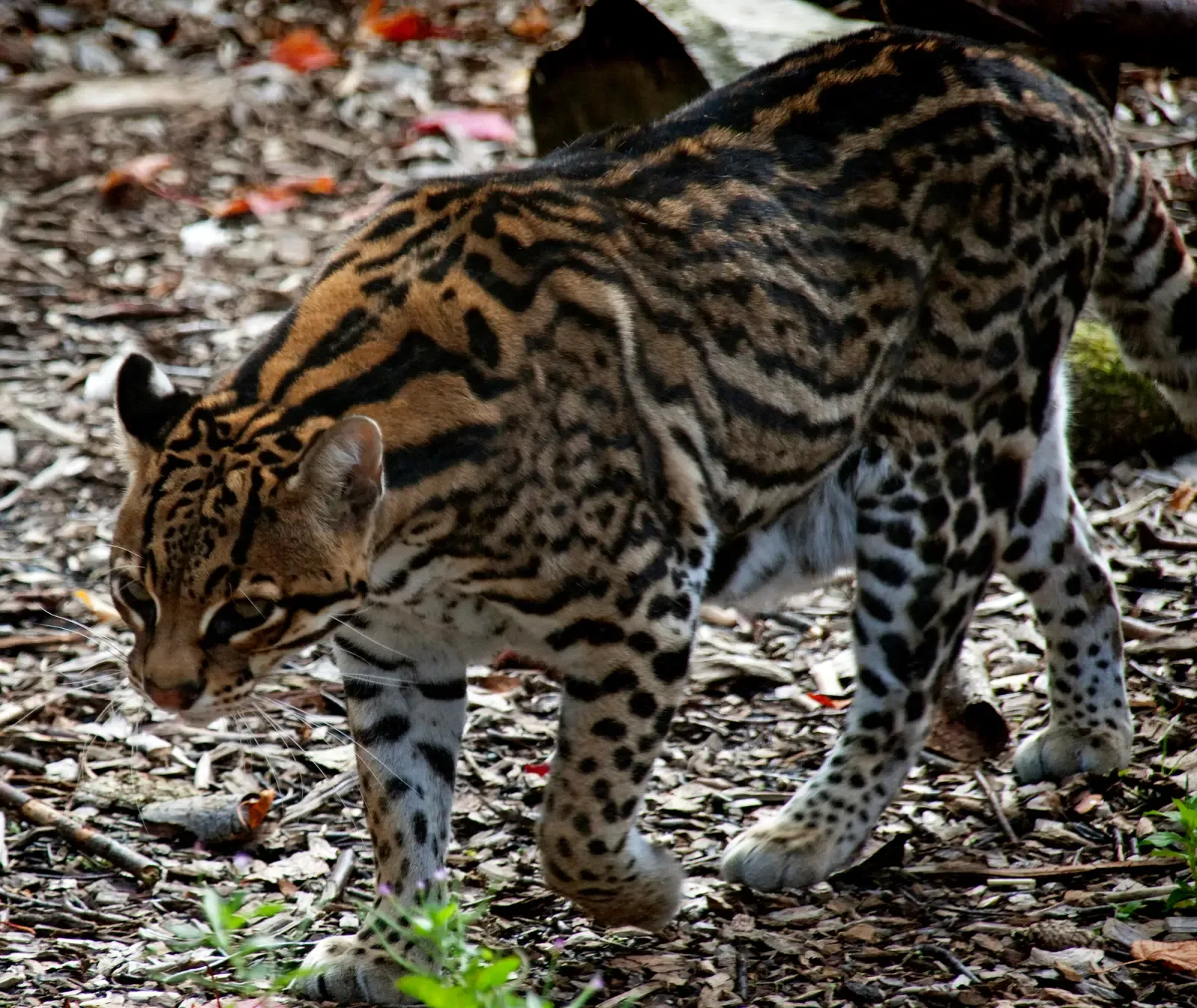
Padded paws and retractile claws enable the ocelot’s quiet approach and rapid traction during pounces. This combination of soft landing and sudden grip is what allows it to close the gap on prey without warning. The ocelot is efficient at climbing, leaping, and swimming, which gives it a physical versatility most cats of its size simply don’t have.
Relatively short, stout legs with large padded feet are marked with solid black spots and bars, giving the ocelot a compact, powerful frame that’s optimized for dense jungle terrain rather than open-field sprints. It reaches 40 to 50 centimeters at the shoulders and weighs between 7 and 15.5 kilograms on average, sitting in that sweet spot between agility and raw muscular strength. It’s an animal that was engineered, in every sense, for ambush.
4. Disruptive Camouflage That Fools the Forest
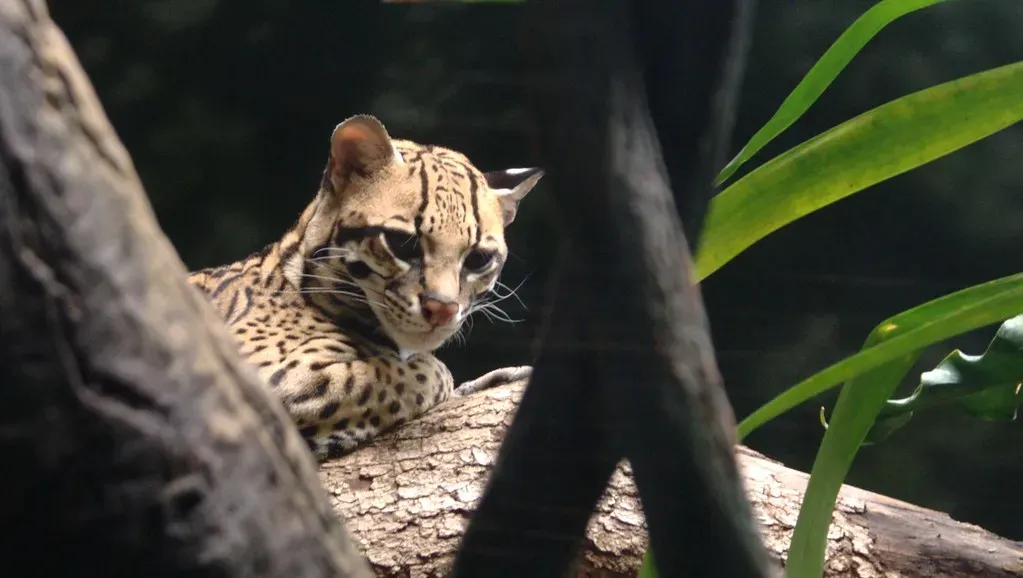
The ocelot’s distinctive coat pattern is not merely beautiful; it is a highly evolved form of disruptive coloration, breaking up the cat’s outline against the dappled light and shadow of its forest home, an evolutionary adaptation that has allowed it to thrive as a stealth predator in dense environments for millions of years. The spots don’t just decorate the ocelot; they effectively dissolve it into its surroundings. Open rosettes and elongated spots break up the body outline in dappled forest light, while facial striping reduces glare and visually shadows the eyes, aiding concealment.
Its unique spotted coat helps it blend into the forest while it hunts for prey, and the camouflage also helps protect it as it sleeps during the day on tree branches or in bushes. So the coat serves a dual purpose: it’s both a hunting cloak and a resting disguise. Very few animals in the wild pull off that kind of round-the-clock concealment with such elegance.
5. An Extraordinary Range of Habitats
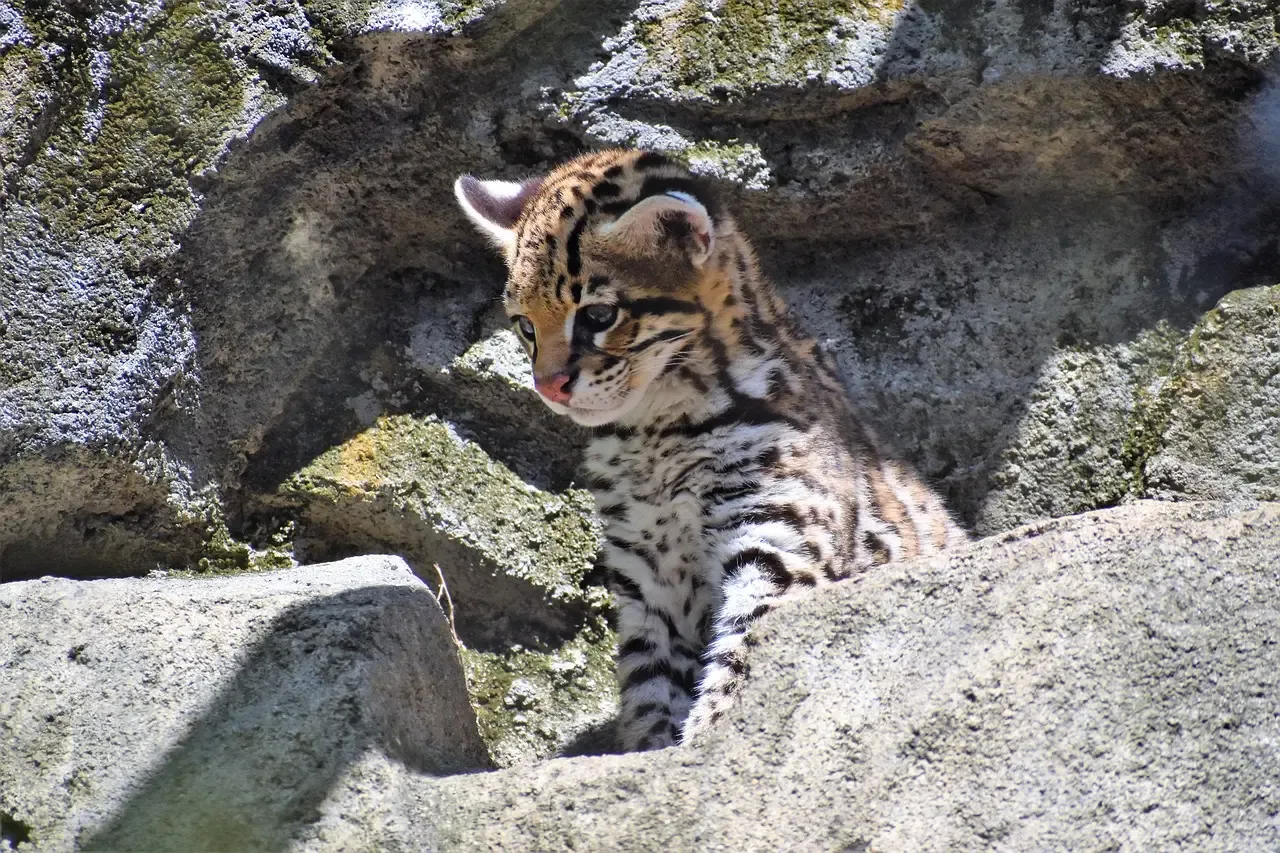
Throughout its vast range, the ocelot occupies a large variety of different habitats, living from mangroves to high-altitude cloud forests, but tending to be more commonly associated with areas of thick vegetative cover. That breadth of habitat tolerance is genuinely unusual for a spotted wild cat. Ocelots are found across a massive geographic range, stretching from the southwestern United States through Mexico and Central America and as far south as northern Argentina and Uruguay, though they are notably absent from Chile, and they are highly adaptable but share one non-negotiable requirement: dense, well-structured vegetative cover.
Ocelots have also been recorded in mosaic habitats where native vegetation has been partially replaced by pine plantations or agricultural fields, and they are very adaptable to disturbance if their main habitat features are present, using adjacent open areas including boundary zones of agricultural fields where rodent density is high. They’re not rigid about where they live; they’re rigid about having cover. That one requirement shapes nearly everything about their behavior.
6. Masterful Nocturnal Hunting Skills
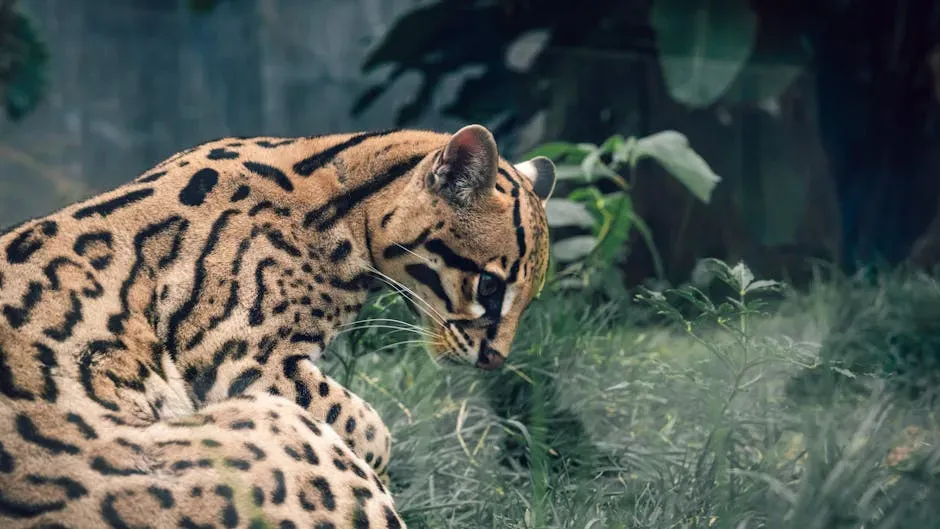
Ocelots hunt chiefly at night, feeding upon rodents, birds, reptiles, invertebrates, and fish. Their nocturnal lifestyle is perfectly matched to their sensory toolkit. They use their sharp vision and hearing to hunt rabbits, rodents, iguanas, fish, frogs, monkeys, and birds, covering a surprisingly wide dietary range for a mid-sized predator.
Ocelots both actively look for prey while on the move and wait for prey to appear, and while they spend most of their time on the ground, they are strong swimmers and climbers. When ready to eat, the wild cats don’t chew their food; instead, they use their teeth to tear meat into pieces and then swallow it whole. That last detail is almost startlingly efficient. No wasted motion, no lingering over meals. Just precision.
7. Unique Facial Markings That Frame the Face

There are small black spots on the head, two black stripes on each cheek, and four or five black stripes along the neck. These aren’t just decorative; they form a visual structure around the face that’s remarkably consistent across the species yet subtly different on every individual. The ocelot has two stripes on its cheeks and a stripe running from the top of the eye over the head, and the eyes also have white fur around them, which intensifies the eye’s prominence and aids in that crucial nighttime light reflection.
The markings form elongated blotches, often with a lighter center, creating a chain-like pattern that runs along the flanks, and two prominent black stripes typically frame the face, with short, rounded ears bearing a white spot on the back. The result is a face that looks almost deliberately composed, like something between a watercolor illustration and a precise engineering diagram. Few wild cats carry that kind of portrait-worthy quality.
8. Impressive Athleticism: Climbing, Swimming, and Leaping
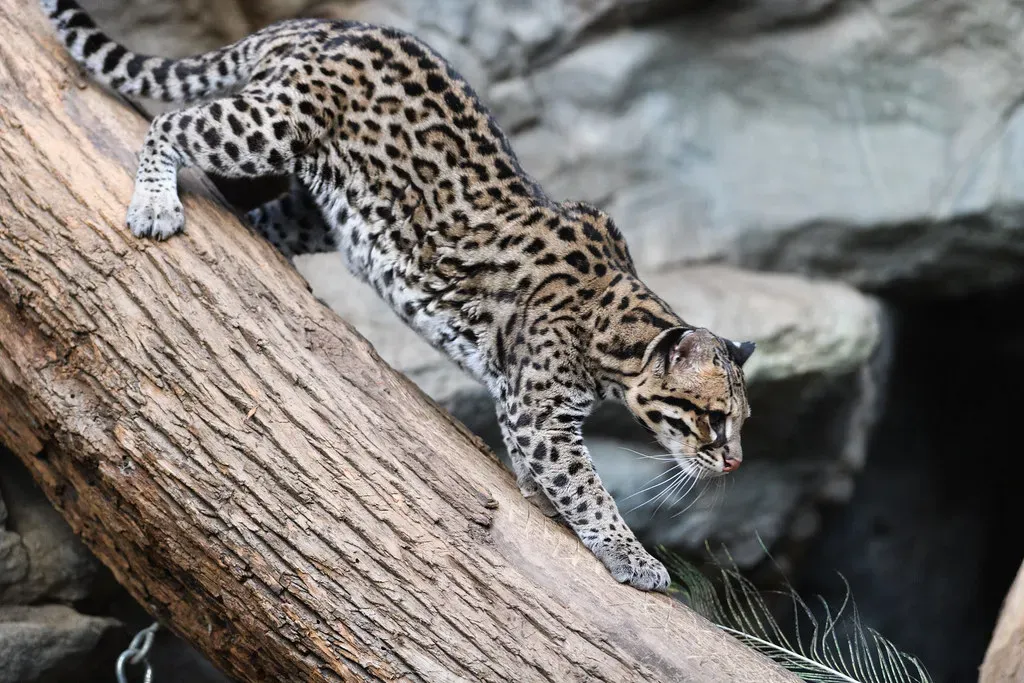
Ocelots are strong climbers and swimmers, but unlike the very arboreal margay, they hunt mostly on the ground and use trees primarily for travel, resting, or escape. This ground-based preference doesn’t diminish their vertical ability; it just means they deploy it strategically. The ocelot is a great tree-climber, and observers have noted that they climb out of a tree head down first, a feat that requires exceptional core strength and grip control.
Ocelots are also very fond of water and don’t mind swimming, which sets them apart from many feline relatives that actively avoid it. They prefer areas close to water sources with dense vegetation cover and high prey availability, so that comfort around water isn’t just a curiosity; it’s a reflection of their habitat preferences and hunting territory. It speaks to a kind of physical confidence that’s easy to admire.
9. A Rich and Complex Communication System
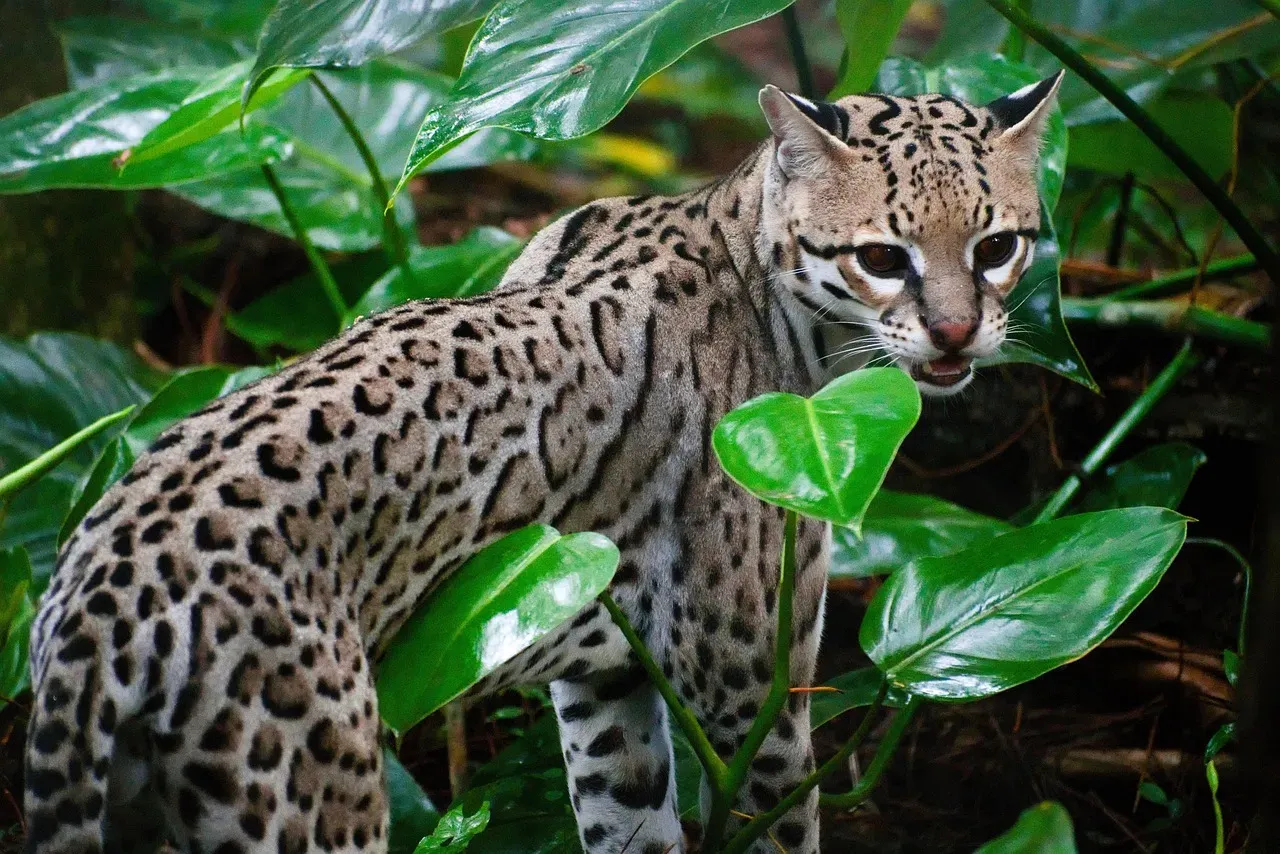
Ocelots communicate with each other using body language, scent marking, and vocalizations; an arched back, stiff legs, and tail held straight down is a threat posture, and the cats “chuckle” when excited, may “mutter” to each other, and yowl during courtship. That range of expression, from physical posture to distinct vocalizations, gives ocelots a social vocabulary that’s richer than their largely solitary reputation might suggest. They can even rotate their ears independently to locate the source of a sound, which adds another layer of precision to both hunting and communication.
Small cats, including ocelots, can purr but cannot roar, placing them in a distinct physiological category from the big cats. A male ocelot keeps a territory that overlaps four or five females’ territories so he can easily find a mate, and males are not friendly toward their male neighbors; a male will mark territory by clawing logs, spraying vegetation with urine, and leaving feces prominently on trails. Their communication is intensely territorial, and every signal carries real weight in the wild.
10. Cultural and Historical Significance Across the Americas
Ocelots have been associated with humans since the time of the Aztec and Incan civilizations, who depicted ocelots in their art and mythology. That kind of cross-cultural reverence says something about the animal’s visual and symbolic power. The ocelot’s striking appearance has long captured the human imagination, weaving its way into the cultural fabric of indigenous peoples across its range, with ancient civilizations such as the Moche of Peru depicting ocelots in their art, often associating them with power, agility, and the spiritual realm.
Originating in the Aztec language, the name “ocelot” is derived from the word “tlalocelot,” meaning “field tiger,” a name that speaks directly to the impression this animal made on the people who encountered it. In some Latin American cultures, ocelots are considered a symbol of strength, agility, and cunning, and they have been featured in folklore and mythology for centuries. The fact that this cat inspired mythology across multiple independent civilizations is, in its own way, one of its most remarkable traits of all.
Conclusion
The ocelot earns its reputation not through size or brute force, but through an almost improbable combination of beauty, adaptability, and refined biology. Every physical feature, from the fingerprint-like coat to the light-amplifying eyes, serves a real purpose in the wild. The elegance you see is the elegance of millions of years of evolution, quietly doing its work.
What makes the ocelot genuinely special is that none of its traits exist in isolation. The coat camouflages; the eyes pierce the dark; the padded paws close the distance silently. It all connects. In a world where many wild animals face mounting pressure, understanding what makes the ocelot irreplaceable is the first step toward making sure it stays that way.
Kristina is a young writer from India. An arts graduate and an avid content creator, Kristina is passionate about animals and wildlife. She enjoys exploring topics related to pet care, animal behavior, conservation, and nature, combining thorough research with engaging storytelling.