There’s a specific moment most cat owners know well. You get up from your favorite armchair for exactly two minutes, and when you come back, your cat has claimed it with the practiced ease of someone who planned the whole thing. It feels like a minor inconvenience, maybe even a running joke in your household. What most people don’t realize is that there’s a quiet case to be made for simply letting it happen.
The bond between a cat and a particular piece of furniture goes deeper than warmth or comfort-seeking. It touches on territory, trust, and even measurable health outcomes for both of you. Here are seven genuine .
Your Stress Levels Take a Real Hit for the Better
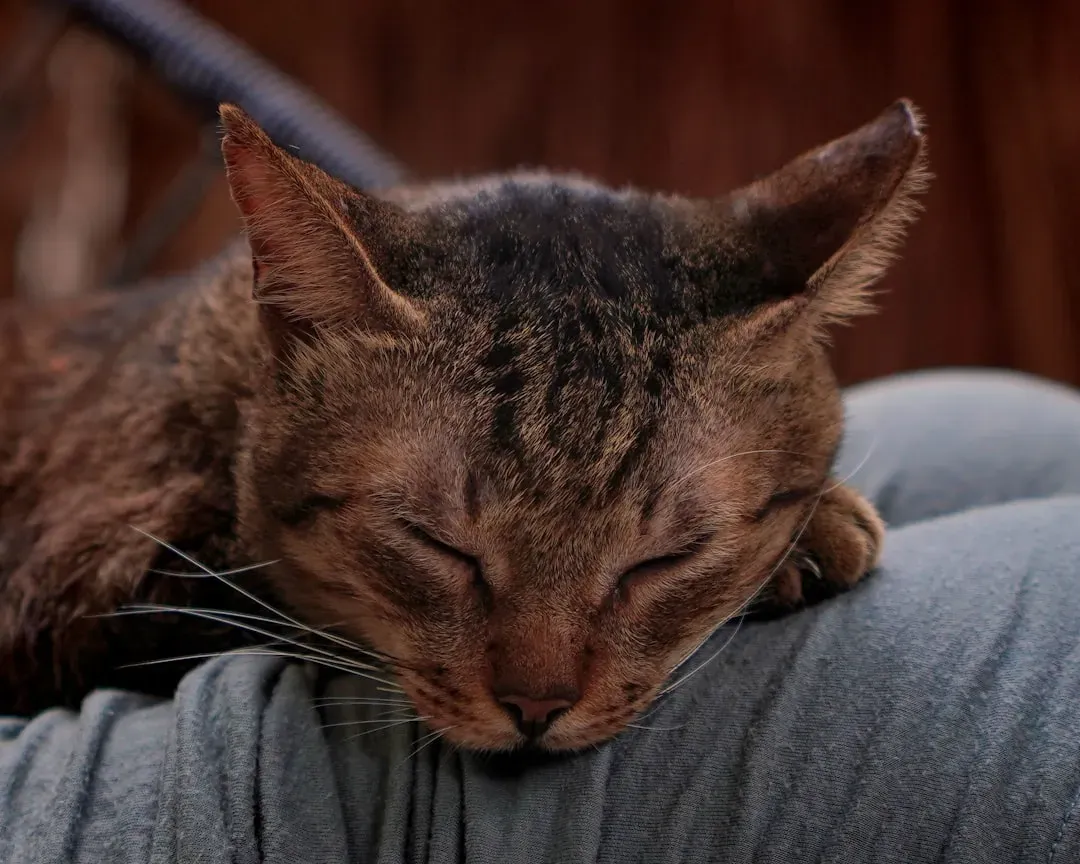
Spending even a short amount of time near a napping cat carries a physiological payoff that most people underestimate. Just ten minutes of interacting with cats produced a significant reduction in cortisol, a major stress hormone. When your cat settles into your chair nearby, you’re exposed to that same calming presence without doing anything at all.
The presence of a cat can lower cortisol levels and increase levels of oxytocin, the bonding hormone, in humans, promoting feelings of calm and happiness. You don’t have to be actively petting your cat to receive some of that benefit. Simply sharing space with a relaxed, napping animal creates a subtle but measurable shift in how your nervous system responds to the rest of your day.
Your Cat’s Trust in You Grows Stronger
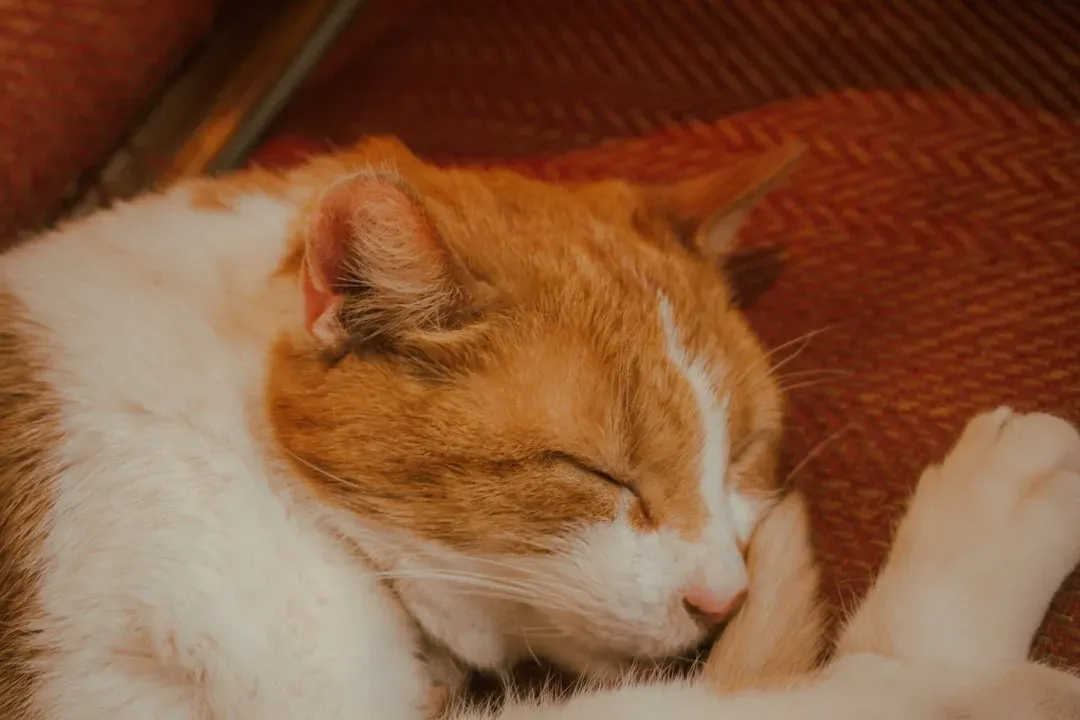
When your cat chooses your chair, it isn’t just seeking a comfortable cushion. Cats’ sense of smell is far stronger than ours, and they are well aware of your personal scent. This is one of the ways cats connect with and get to know you better. If your chair is covered in your scent because it is a place you sit frequently, it’s only natural that your cat would want to feel closer to you by being surrounded by your smell.
Sharing space with your cat is not just beneficial for you. If your cat is bonded to you, sleeping near you can increase their bonded feelings. Obviously, this will also increase your feelings of bonding and affection toward your cat. Every time you allow your cat to occupy that chair, you’re quietly reinforcing a relationship built on trust, not just routine.
You Become Part of Your Cat’s Sense of Security
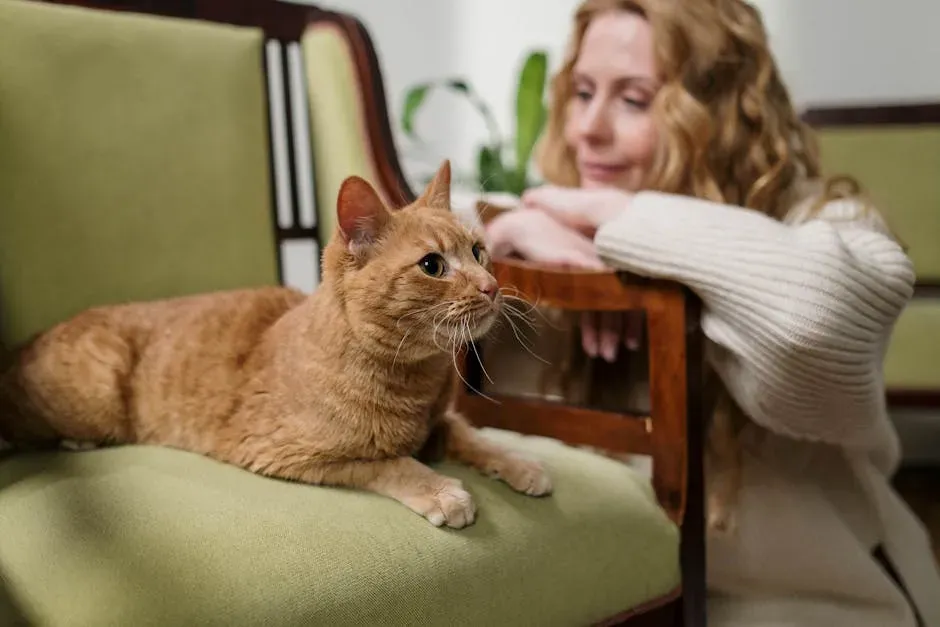
Cats are both predators and prey in the wild, and that dual instinct never fully disappears at home. If your chair has a back and arms around it, your cat might feel cradled inside of it. Cats love protection and coverage around them, especially when they’re sleeping, and your chair could give them that same feeling of protection. Your scent built into the fabric makes it even more appealing.
Research found that cats who engage in frequent physical closeness with their owners display higher levels of relaxed body posture and lower stress markers during interactions, which is a strong indicator of emotional trust. Knowing that the spot carries your presence helps your cat sleep more deeply and feel genuinely safe. You’re not just tolerating the behavior; you’re actively contributing to your cat’s emotional wellbeing.
The Purring Is Doing Something Physical to Your Body
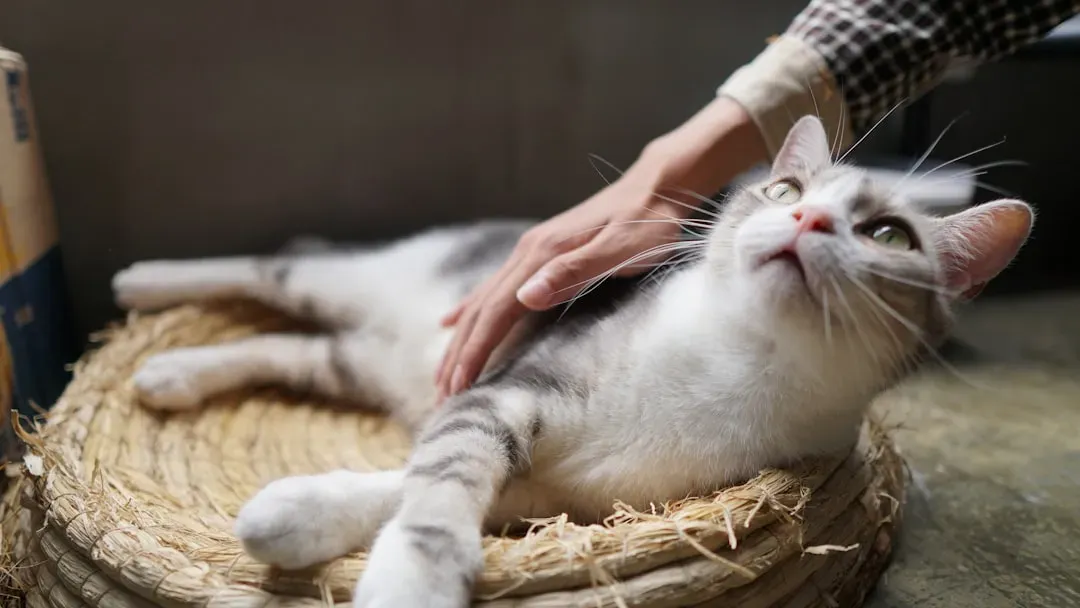
If your cat naps in your chair and drifts into a purr within earshot, you’re receiving more than a pleasant sound. According to studies, a frequency of 25 to 50 hertz, like that of a cat’s purr, can improve bone density, build bone strength, support wound and fracture healing, and stimulate bone fracture repair. That’s not folklore; it’s the result of research into vibrational therapy.
New scientific and anecdotal evidence indicates that the vibrations of a cat’s purr can help fight infections, reduce swelling and pain, and promote muscle growth and repair. A cat’s purr at a frequency of 18 to 35 hertz may also support tendon repair and joint mobility. At 25 to 50 hertz, purring promotes the healing of injured muscles and tendons. You can hear and feel those vibrations if your cat is close enough. It’s a passive form of therapeutic exposure that costs you nothing but a comfortable chair.
It Supports Your Heart Health Over Time
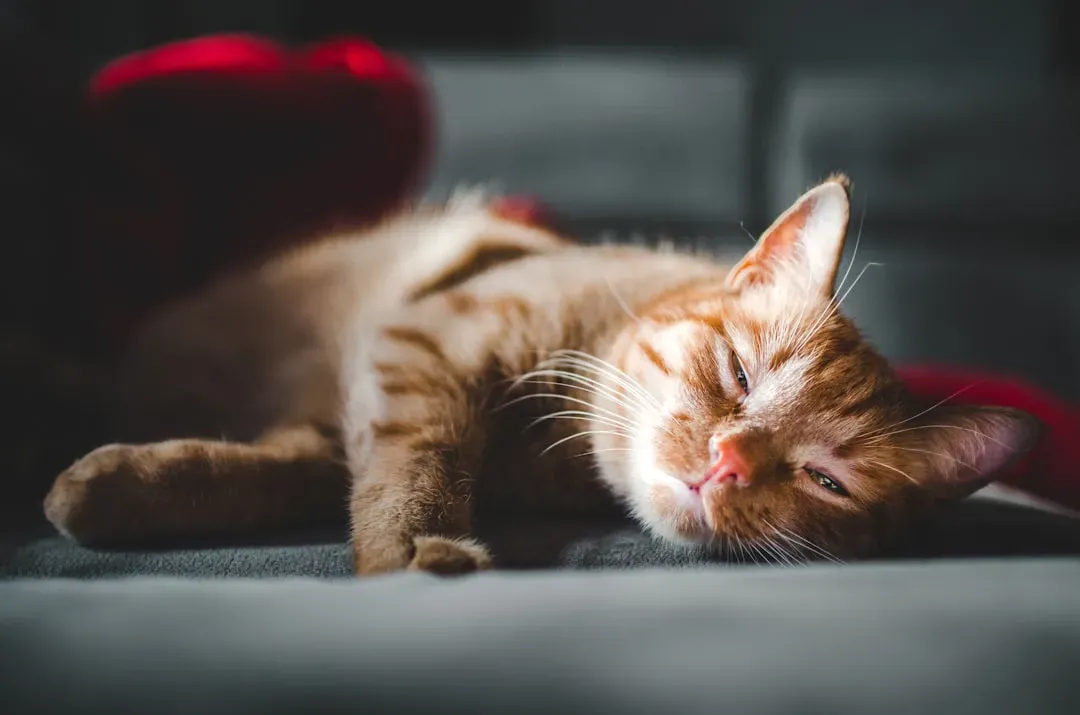
The cardiovascular benefits of cat ownership have been studied more seriously than many people expect. A reduction in stress, blood pressure, and heart rate can reduce your risk of stroke and heart attack, as well as support your general cardiovascular health. Letting your cat settle nearby regularly may contribute to those same lowered baselines.
The low-frequency rumble of a cat’s purr has been linked not only to healing in cats themselves, but also to calming effects in humans. Listening to purring can lower heart rate and blood pressure, and oxytocin mediates these benefits. Over days, months, and years, that kind of quiet, repeated exposure adds up. Your favorite chair might quietly be doing more for your long-term health than you’d ever guess.
Your Cat’s Scent Marking Is a Sign of Deep Belonging
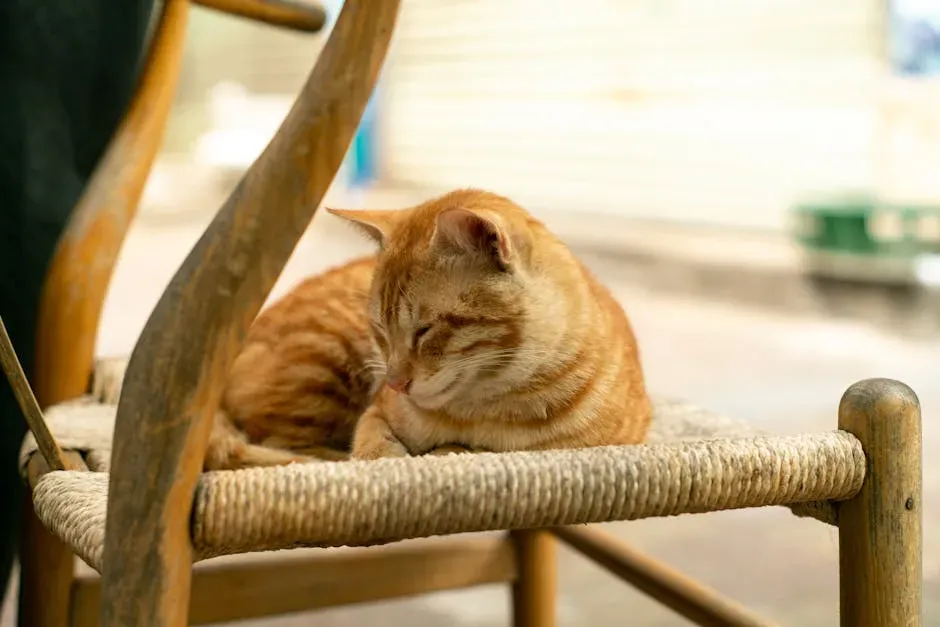
When your cat settles into your chair and tucks in for a nap, something else is happening beneath the surface. When a cat rubs its face against furniture, doorways, or even people, it deposits pheromones that signal ownership and familiarity. Your chair, rich with your scent, becomes a shared space that represents safety and belonging in your cat’s internal world.
Cats use facial pheromones to mark objects or areas as safe and familiar. When they rub their faces against furniture or other objects in the home, they are creating a sense of security and comfort for themselves. Rather than seeing this as territorial behavior to discourage, you can read it as a sincere expression of attachment. Your cat is essentially placing you and your space at the center of their sense of home.
It Encourages Healthy Sleep and Rest Patterns in Your Cat
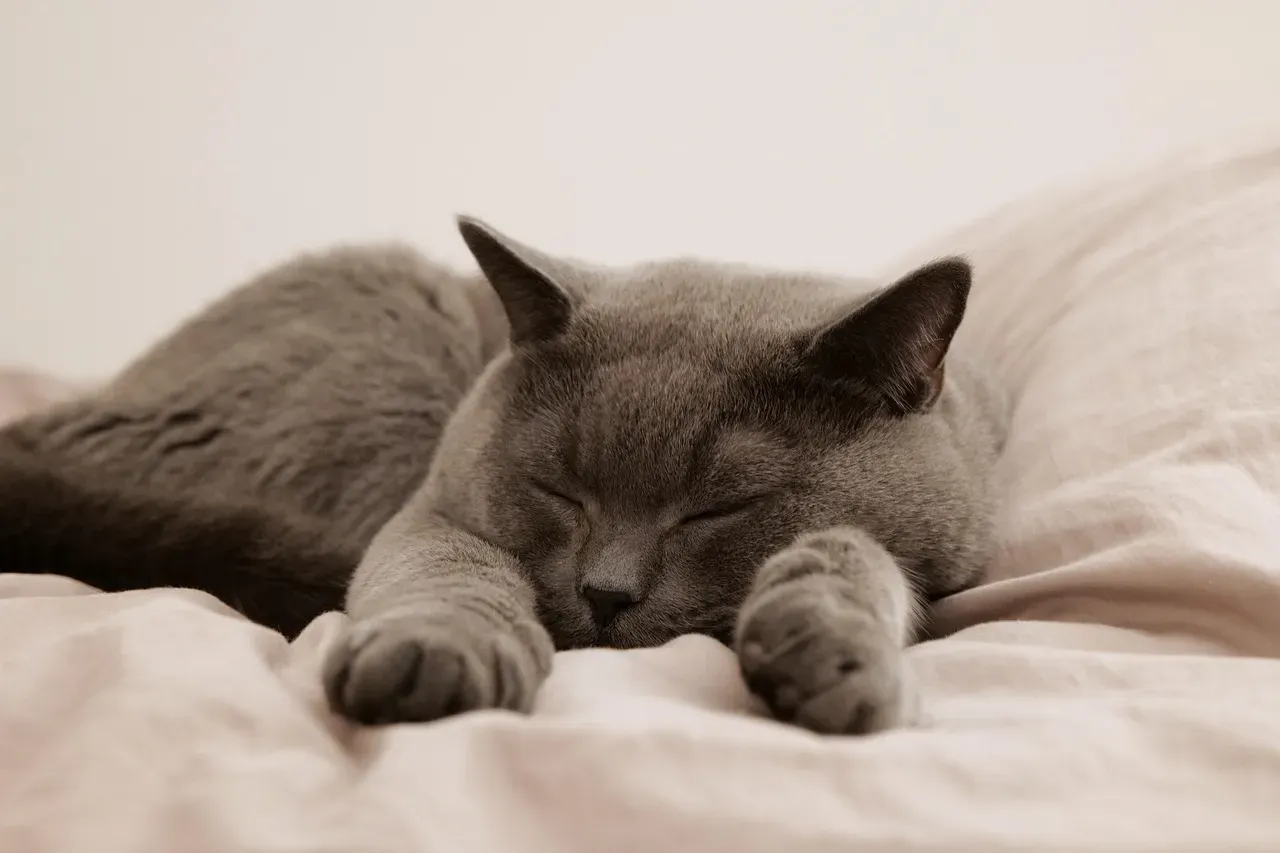
Cats are crepuscular animals, meaning they are most active during dawn and dusk. This unique sleep pattern allows them to be alert when their prey is most active, but it also means they take several naps throughout the day. On average, a cat sleeps between 12 to 16 hours a day. Having a consistent, scent-familiar spot to return to supports that rest cycle in a healthy, low-stress way.
Cats are creatures of habit, relying on predictable patterns to feel secure in their environment. This reliance on routine is deeply ingrained: as both predators and prey in the wild, predictability helps them save energy and stay safe. At home, this instinct translates into consistent daily habits, like using the same scratching post, meowing for food at the same time each day, and seeking out a familiar sleeping spot. When you stop fighting the chair situation and simply allow it, you’re giving your cat one less source of environmental anxiety and one more anchor in a world built on routine.
Conclusion
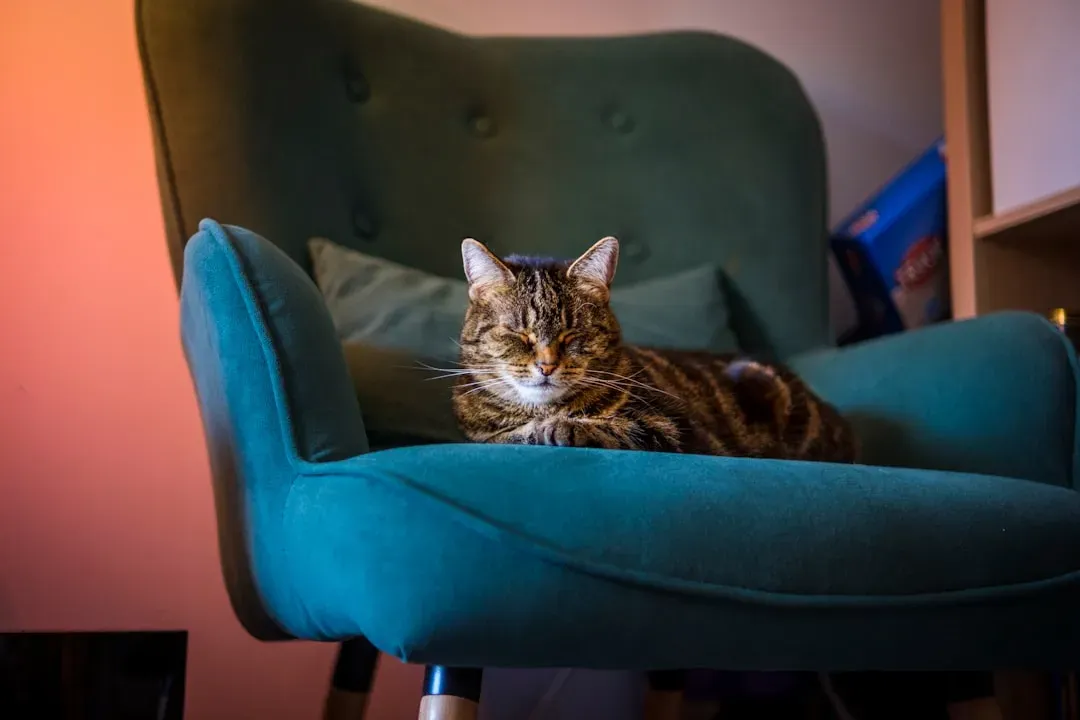
It turns out that the small, slightly exasperating moment of finding your cat in your spot carries more weight than it first appears. From measurable reductions in your own stress hormones to your cat’s deep-seated need for security and familiar territory, the chair situation is less a conflict and more a quiet kind of co-habitation language.
You don’t have to surrender the chair permanently or abandon all your furniture preferences. What’s worth keeping in mind is that every time you allow it, something genuinely positive is happening for both of you. That sleepy, tucked-in cat isn’t just comfortable. It’s connected, calm, and for what it’s worth, a little bit healthier because of you.
Kristina is a young writer from India. An arts graduate and an avid content creator, Kristina is passionate about animals and wildlife. She enjoys exploring topics related to pet care, animal behavior, conservation, and nature, combining thorough research with engaging storytelling.