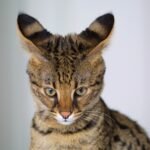
Wild cats have fascinated humans for thousands of years. From cave paintings to wildlife documentaries, they have held a permanent place in our imagination, wrapped in awe, mystery, and no small amount of fiction. The problem is that the stories we tell about them often stick long after they’ve been disproved by science.
You’ve probably heard at least a few of these claims: that wild cats see perfectly in total darkness, that they’re entirely solitary, that a lion cub raised by hand becomes a safe companion. These ideas feel intuitive, but most of them simply aren’t true. Here are six wild cat myths worth putting to rest for good.
Myth 1: Wild Cats Can See Perfectly in Complete Darkness
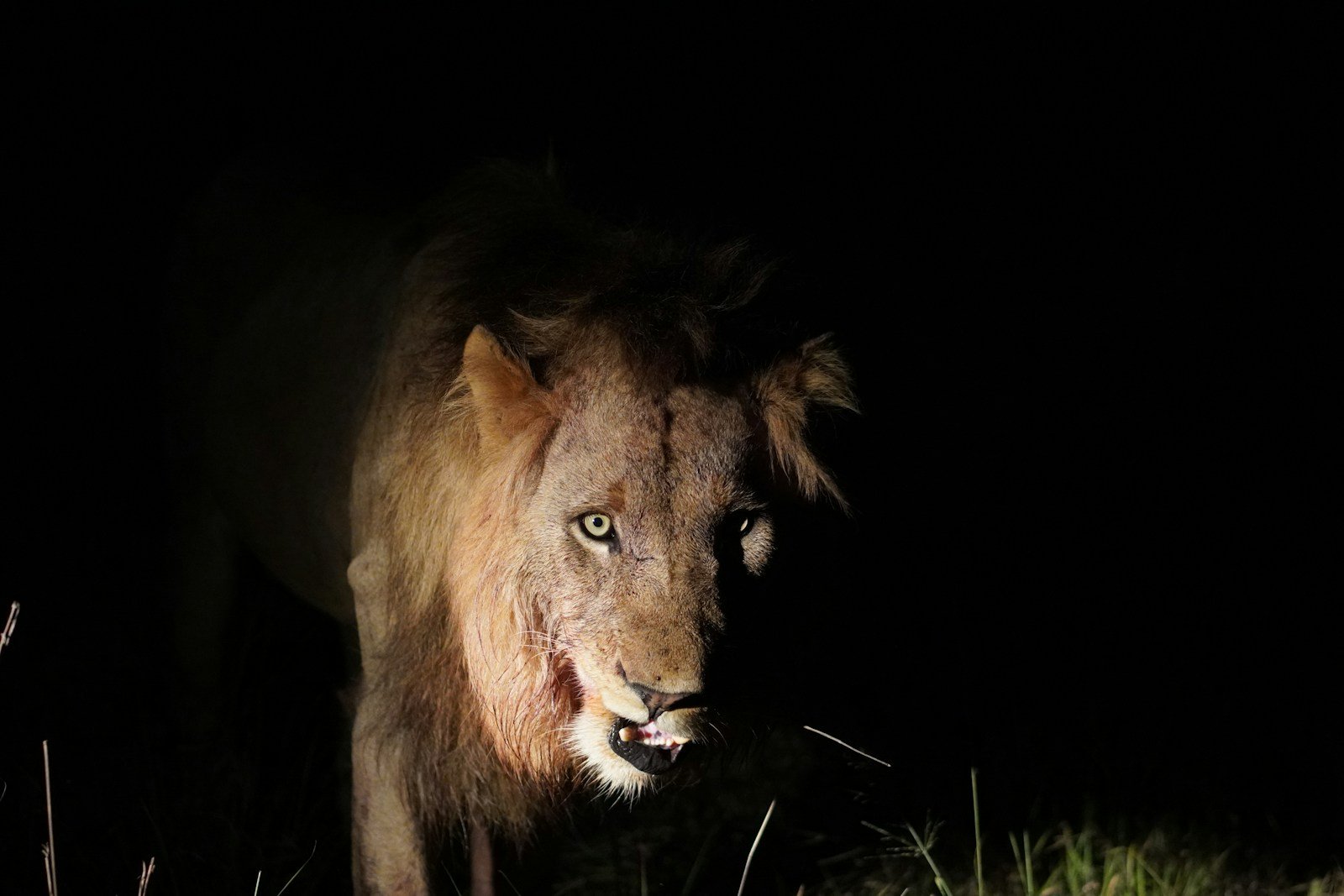
This one comes up constantly. People assume that because wild cats hunt at night and navigate with ease in low light, they must have some kind of superhuman vision that renders darkness completely irrelevant. The reality is far more nuanced than that.
While cats have excellent night vision, they cannot see in complete darkness. Their eyes are well-adapted to low-light conditions thanks to their large pupils and a reflective layer behind the retina called the tapetum lucidum, which amplifies available light. This is a remarkable biological adaptation, no question about it. Cats only need about one-sixth of the light humans do to decipher shapes, but they cannot see in absolute darkness. Take away all light entirely, and they are just as blind as you are.
Their excellent vision in dim conditions is due to a higher number of rod cells in their eyes, allowing them to see effectively in low light conditions. This makes wild cats extraordinarily effective at the specific times they prefer to hunt. At dusk, it becomes much easier for cats and similar small predators to avoid larger threats, because they can easily spot their prey or predators during the twilight hours while remaining harder to detect themselves. It’s an evolutionary sweet spot, not a superpower.
Myth 2: All Wild Cats Are Strictly Nocturnal
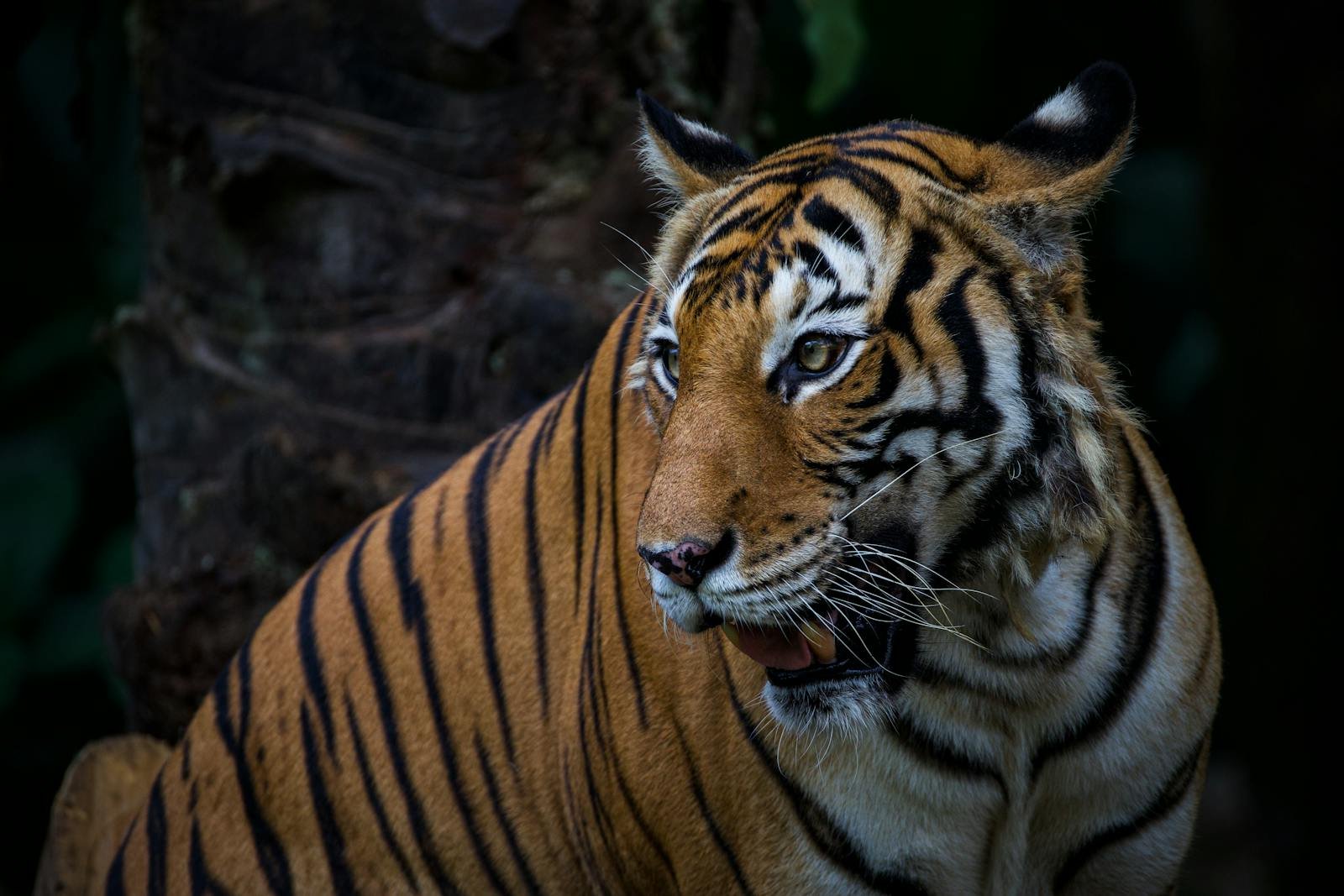
You’ve probably assumed wild cats are night creatures. It feels right. They slink through darkness, they have those glowing eyes, and you rarely see them at high noon. The truth, though, is that labeling them “nocturnal” gets the biology wrong in a meaningful way.
While cats do have a tendency to be more active during the twilight hours, they are not strictly nocturnal. In reality, cats are crepuscular, which means they are most active during the dawn and dusk hours when their natural prey is also active. This applies to both wild and domestic cats alike. This behavior stems from their wild ancestors, who hunted at dawn and dusk to avoid competing with larger predators during the day.
Some species, like tigers, are considered generally nocturnal, while others, like pumas, are crepuscular. So there is variation across species, and the blanket label doesn’t hold. Cats including lions and cougars can spend up to 15 hours a day asleep, but they take advantage of the dim lighting at dawn and dusk. It’s normal for them to get bursts of energy in the evenings after a relaxing day. This is because, as crepuscular creatures, cats sleep during the day and are most active at dawn and dusk. Calling them purely nocturnal misrepresents how they actually live.
Myth 3: All Wild Cats Are Solitary Loners
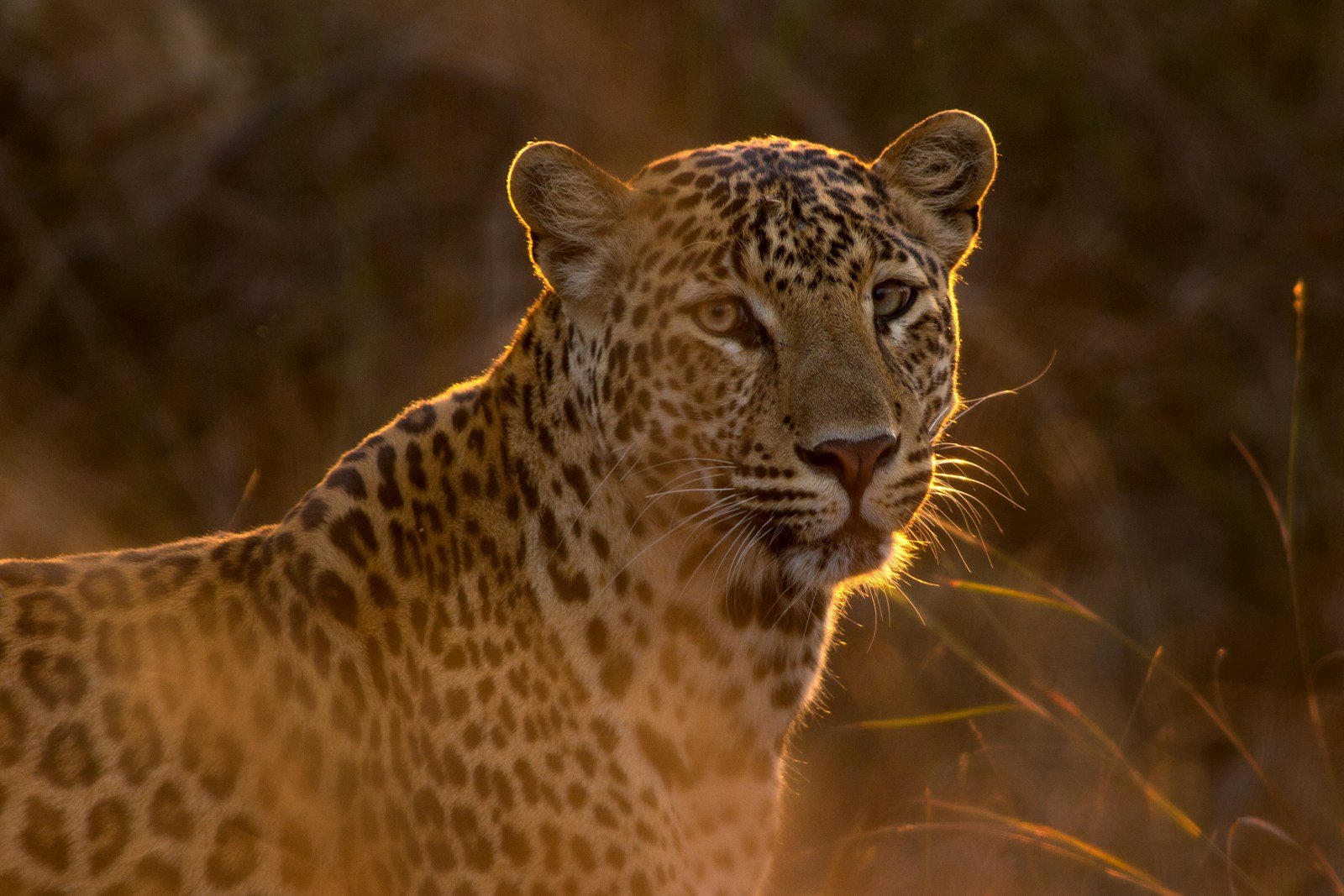
The image of a lone leopard draped over a tree branch or a tiger moving silently through tall grass has reinforced the idea that wild cats simply don’t do social. It’s a compelling image, but it tells only part of the story, and sometimes not even the most accurate part.
One of the most enduring myths about cats is that they are solitary animals who prefer to live and hunt alone. While it’s true that cats are more independent compared to dogs, they are not inherently solitary creatures. In the wild, cats exhibit varying degrees of social behavior, with some species, like lions, living in prides, while others, like tigers, are more solitary. The species-level variation matters enormously here. Lions live and hunt in prides, which typically consist of between one and twenty related females, their offspring, and several often related males.
While cats do exhibit independent behavior, scientific research shows that they are also social animals. Studies have documented feral cat colonies where cats form complex social structures and even share resources. Domestic cats, too, often seek companionship from both humans and other pets, displaying social behaviors such as grooming and playing. According to the American Association of Feline Practitioners, the feline social system is flexible, allowing cats to live on a social continuum that ranges from living alone to living in a social group. Solitary is not the fixed default it’s often assumed to be.
Myth 4: Wild Cats Can Be Tamed and Kept Safely as Pets
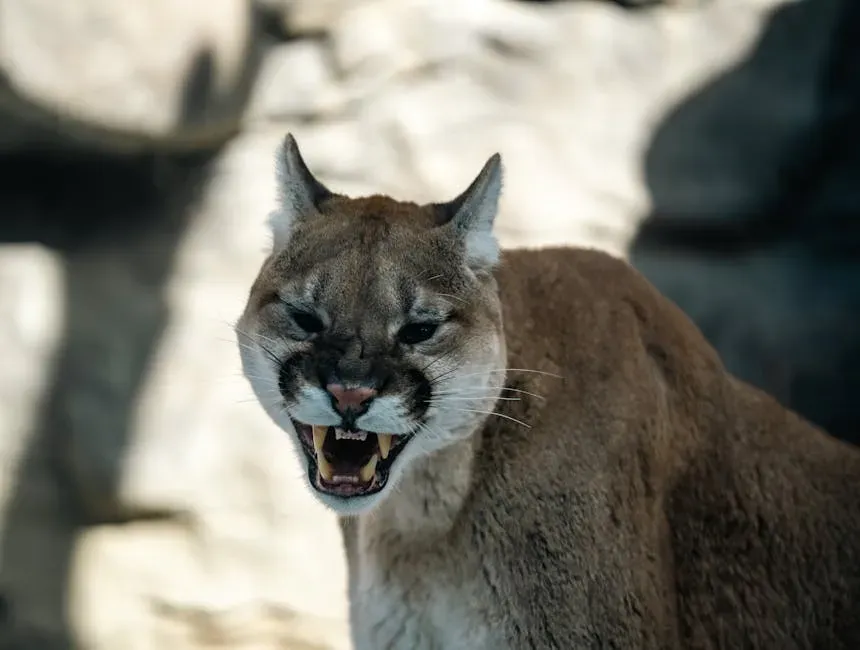
Few myths do more real-world damage than this one. It’s fuelled by viral videos, reality television, and a persistent human desire to believe that a wild animal, if raised with enough love, will eventually become something closer to a large, exotic housecat. The science doesn’t support that belief.
All wild cats, even those born and raised in captivity, retain their wild instincts and are potentially very dangerous. Raising a cub by hand doesn’t rewire thousands of years of evolution. We need to respect the fact that just because humans can hand-rear lion cubs does not mean that they will lose their heightened adrenal glands that drive them to hunt, or that their perfectly evolved teeth and claws will cease to be a threat.
Unlike domestic cats, which have been accustomed to living with humans for thousands of years, wild cats retain their instincts. They often react suspiciously or aggressively to approaches and do not feel comfortable in human surroundings, and even if they are raised by humans from an early age, their behavior remains unpredictable. A pet wild cat that has lost its fear of humans is far more dangerous than any wild cat in nature, and sooner or later some will attack their owners and make an escape for freedom. There is a clear and critical line between “tame” and “domesticated,” and wild cats have never crossed it.
Myth 5: Wild Cats Are Descended Directly from Lions and Tigers
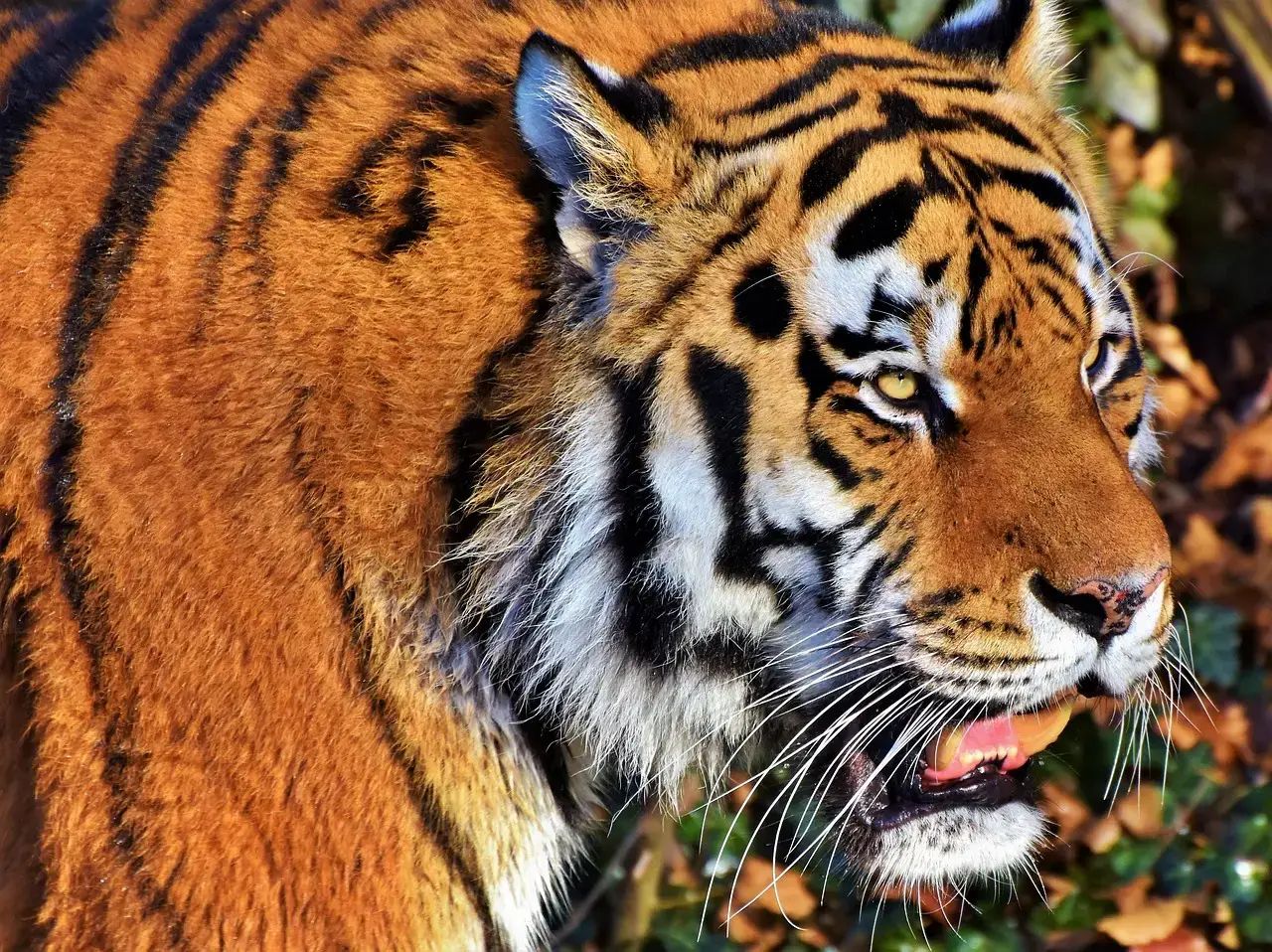
Ask someone where domestic cats come from, and many people will gesture vaguely toward lions and tigers. The instinct isn’t entirely wrong – there is a shared family tree – but the specific claim that your housecat descended directly from the big cats is genetically inaccurate.
Your feline friend is related to the big cats, particularly the tiger, but did not descend or evolve from one of them. Advances in genetics have allowed scientists to analyze DNA and sequence the genomes of several members of the cat family, including tigers, lions, snow leopards, jaguars, leopards, wildcats, and domesticated cats. These findings indicate that the African wildcat, known scientifically as Felis silvestris lybica, is the common ancestor of all domestic cats.
Scientists believe big cat and small cat lineages diverged from a common ancestor about 11.5 million years ago, with the big cat lineage splitting off first. Groups of closely related cats continued to diverge until around 4.2 million years ago. The most recent was the domestic cat lineage, which is composed of small cats including wildcats, the sand cat, jungle cat, black-footed cat, and our pet cats. House cats do share roughly 95 percent of their DNA with tigers, but that speaks to shared ancestry, not direct descent. It’s a cousin relationship across millions of years, not a parent-child one.
Myth 6: A Wild Cat’s Purr Always Means It’s Happy and Calm
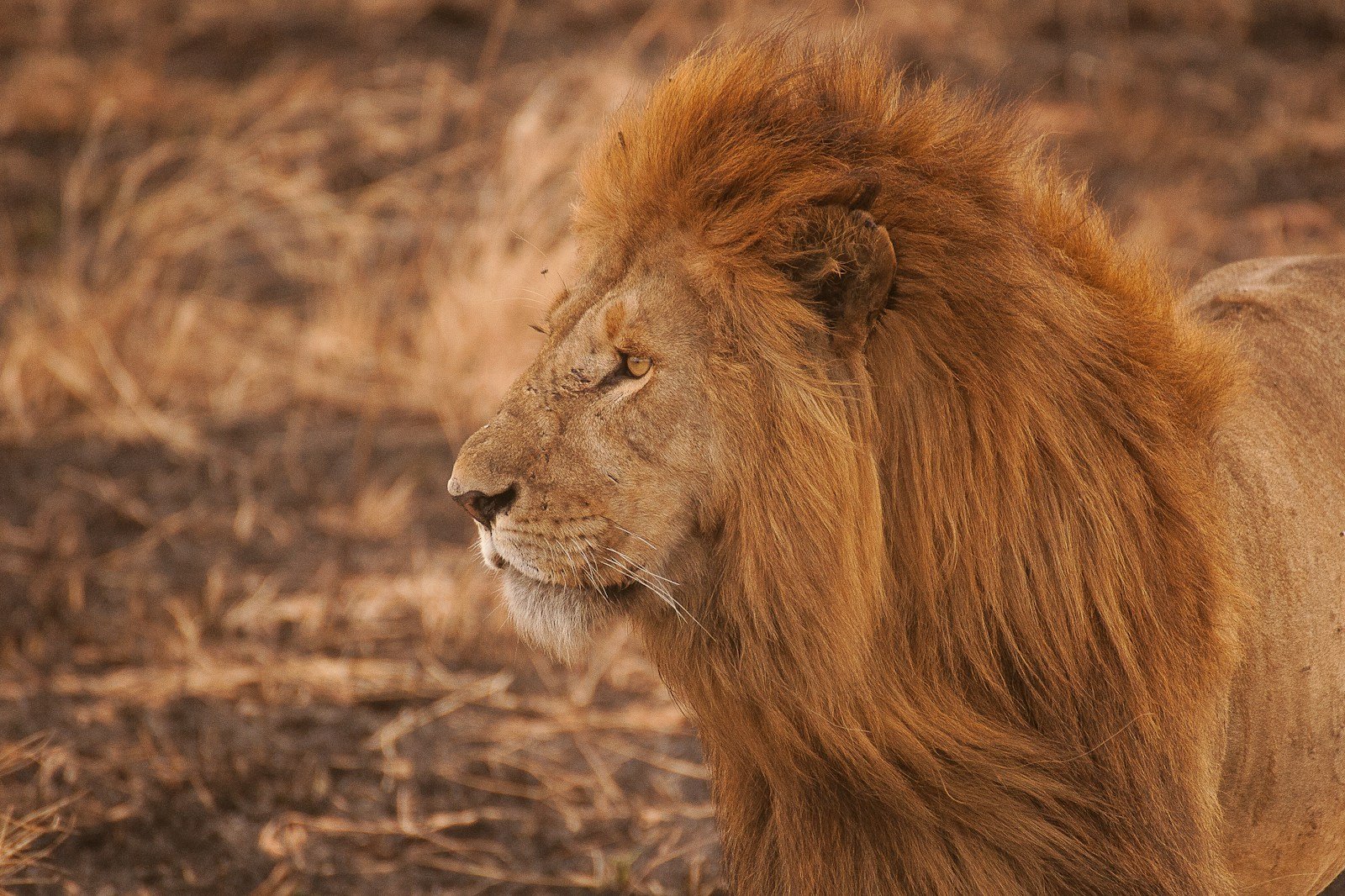
You hear a purring sound from a wild or large captive cat and you immediately think: contentment, relaxation, safety. It seems logical. After all, that’s what a purring housecat usually signals. With wild cats, though, the story is considerably more complex, and misreading it can carry real consequences.
While cats definitely purr when they are happy, they also purr when they feel sick, are in pain, or are afraid. While we don’t know entirely why this happens, one theory is that the frequencies at which cats purr are healing and help the cat feel less pain. This applies across the feline family. Cats often purr when they’re happy, but that’s not the only reason they produce this noise. They can also purr when they’re frightened or feeling unwell or in pain in order to provide comfort to themselves, and cats can purr to comfort their young.
A cat’s purr begins in its brain. It then sends a message to the muscles in its voice box, which twitch and cause the vocal cords to separate when the cat inhales and exhales, producing the purring sound. Purring is often associated with contentment and happiness in cats, leading to the misconception that cats only purr when they’re feeling positive emotions. While purring can indeed indicate happiness, cats may also purr in other situations, including when they’re anxious, stressed, or in pain. Treating a purr as a green light, especially around a captive or wild feline, is a misreading that responsible animal professionals actively warn against.
The Bottom Line: Knowing the Truth Matters
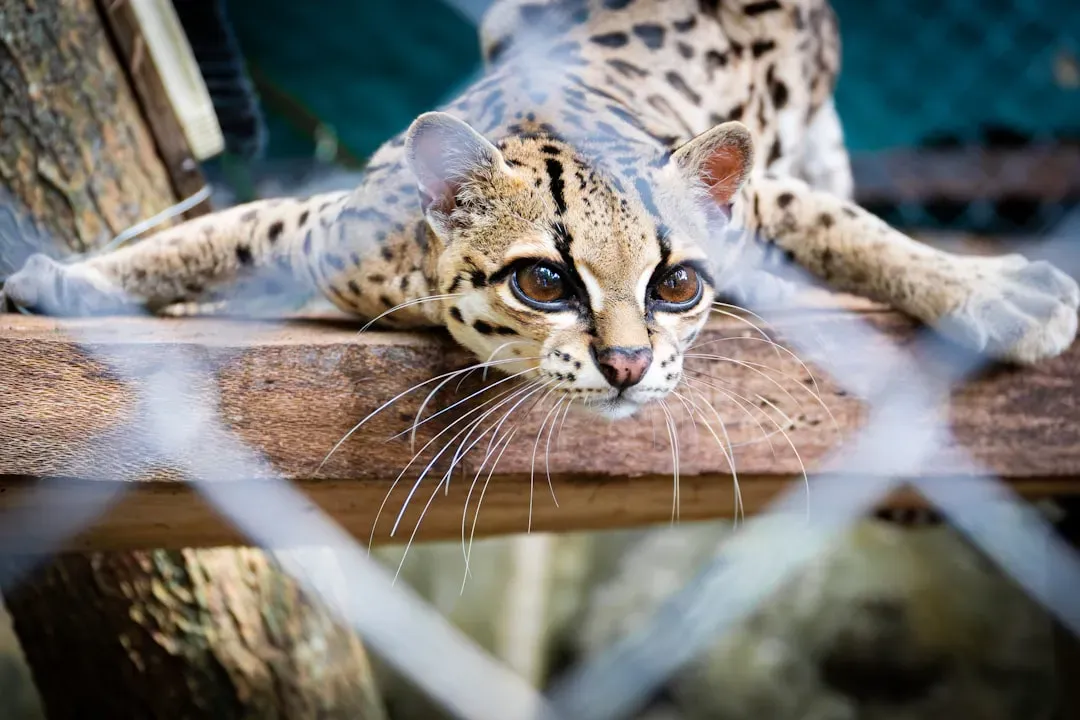
Wild cats are remarkable animals with genuine, well-documented abilities that don’t need embellishment. Some species of big cats have existed on earth for between two and four million years, and their populations are now at risk and declining for many reasons, including habitat loss, human conflict, climate change, loss of prey, and the illegal wildlife trade. The myths that surround them aren’t harmless entertainment. They fuel dangerous ownership fantasies, misrepresent animal welfare needs, and distract from the real conservation urgency these species face.
When you understand what wild cats actually are – crepuscular rather than nocturnal, socially varied rather than universally solitary, spectacular rather than supernatural – you’re in a much better position to appreciate them honestly. The truth about wild cats is already extraordinary. It doesn’t need any myths to make it more so.
Kristina is a young writer from India. An arts graduate and an avid content creator, Kristina is passionate about animals and wildlife. She enjoys exploring topics related to pet care, animal behavior, conservation, and nature, combining thorough research with engaging storytelling.