There’s a stubborn idea that cats are cold, indifferent creatures who merely tolerate the humans around them. Watch a cat for a while, though, and you begin to notice something different. The flick of a tail, the slow close of an eye, the gentle push of a paw into your lap – none of these are accidental. They’re all deliberate, layered, and surprisingly readable once you know what to look for.
The truth is that cats are highly sophisticated communicators. They use a range of communication methods, including vocal, visual, tactile, and olfactory channels, most of which go completely unnoticed by their humans. This article breaks down exactly how your cat speaks to you every single day – and how you can start speaking back.
The Meow Was Made for You
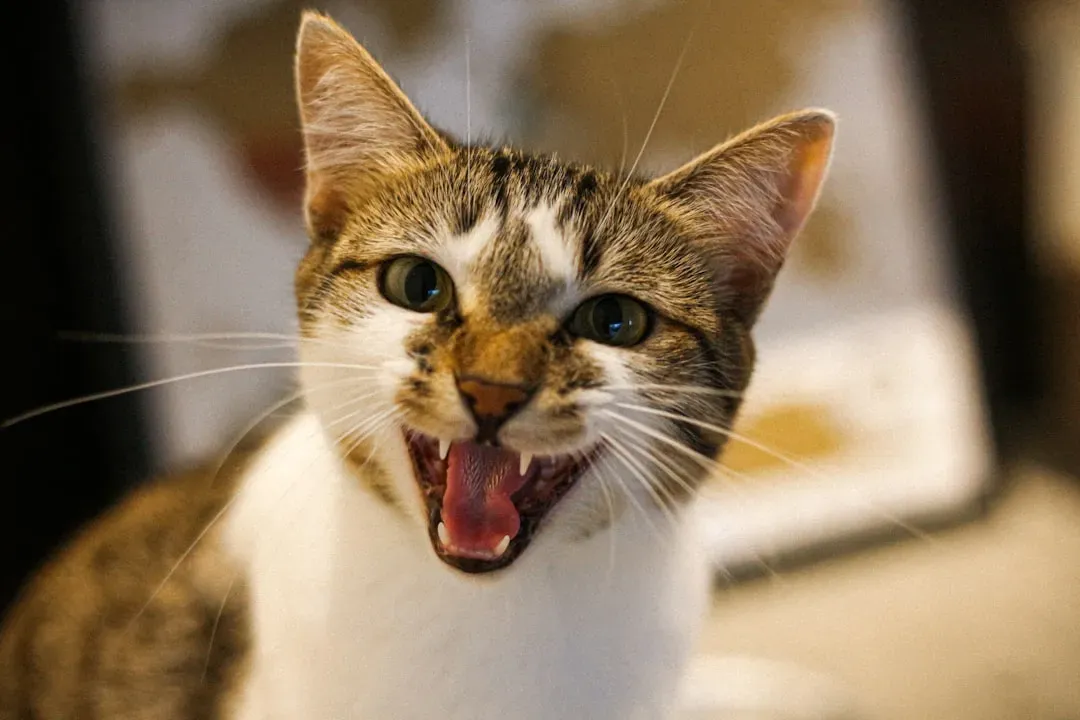
One of the most surprising things researchers have discovered about domestic cats is that meowing is essentially a language developed specifically for humans. Adult cats only meow at humans, never at other cats – it is, in that sense, a very human-centric sound. If your cat is talking out loud, you are the intended audience.
Cat communication methods have been significantly altered by domestication, and studies have shown that domestic cats tend to meow much more than feral cats. Think about what that means. Your cat has, over time, developed and refined a vocal system tailored entirely to you. Domesticated cats have adapted their vocal behavior to communicate with humans, having learned that meowing gets them what they want, whether that’s food, attention, or access to a room.
The Slow Blink Is a Love Letter
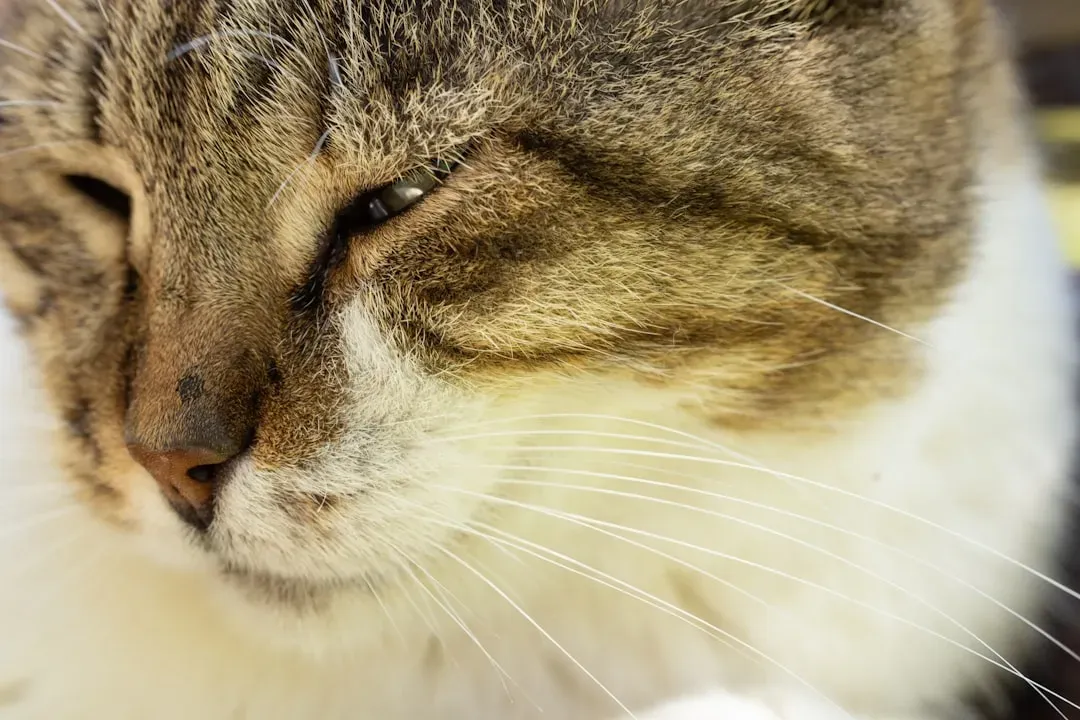
If your cat ever holds your gaze and slowly closes their eyes, that gesture carries real meaning. The slow blink is a gesture of trust and affection that cats use to communicate with each other and with you, signaling that your cat feels safe in your presence. In feline terms, lowering your guard around another being is a significant act.
In the feline world, closing their eyes in the presence of another creature makes them vulnerable, as they are unable to detect potential threats. By slow blinking at you, your cat is demonstrating their trust and signaling that they feel safe and relaxed in your company. Research published in Scientific Reports confirmed this further. Cat half-blinks and eye narrowing occurred more frequently in response to owners’ slow blink stimuli, and cats had a higher propensity to approach an experimenter after a slow blink interaction than when the experimenter adopted a neutral expression. You can actually initiate this exchange yourself – try slow blinking at your cat when they’re relaxed, and watch what happens.
The Tail Is a Real-Time Mood Report
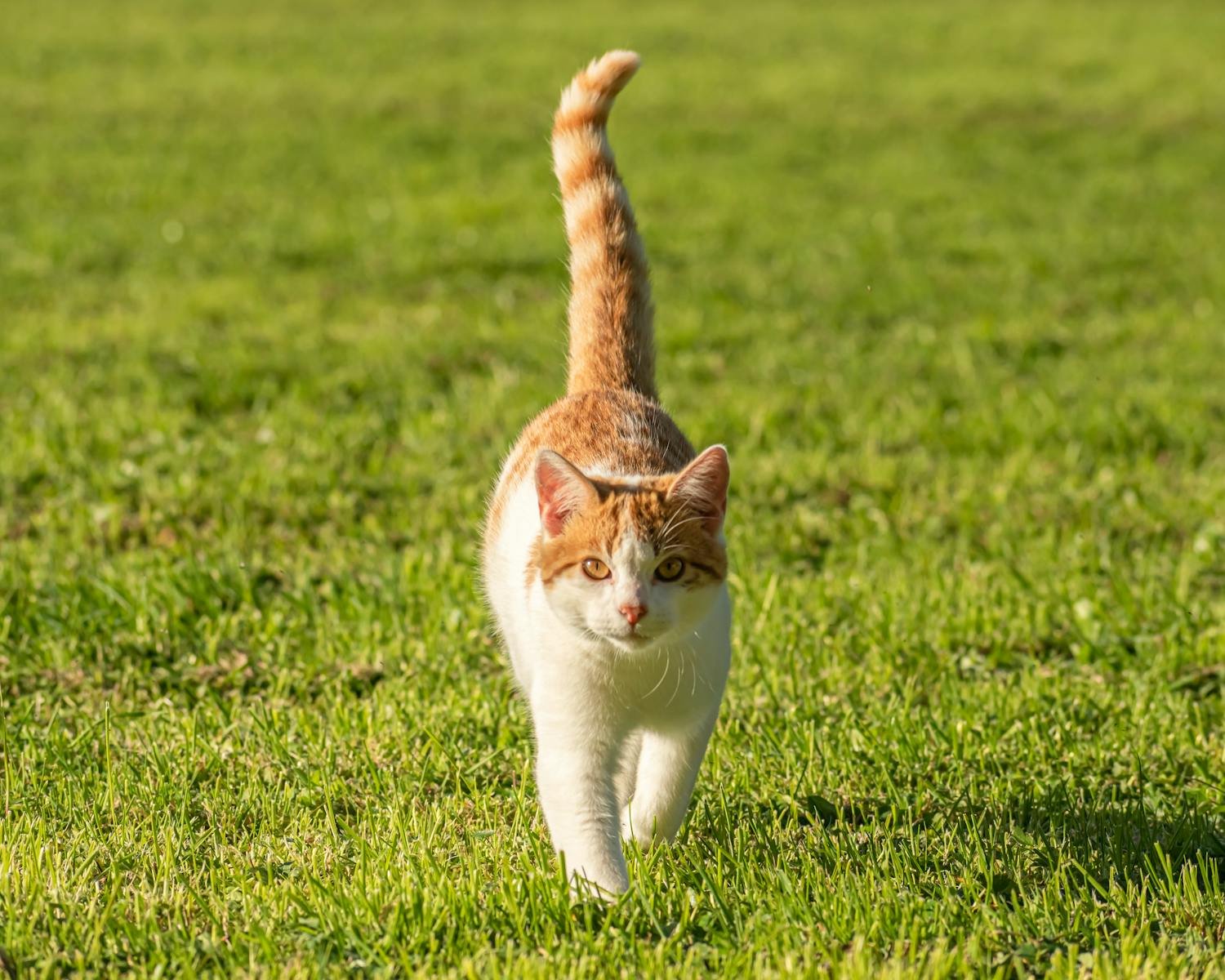
Your cat’s tail is one of the most readable tools in their communication toolkit, and it’s broadcasting information constantly. The “tail up” position, where the tail is held vertically in the air at a right angle to the ground, signals friendly intent when a cat approaches another cat, animal, or person. When your cat greets you at the door with a straight-up tail, that’s genuine enthusiasm.
Other tail positions and movements communicate different moods. A tail tucked between the back legs is often a sign that a cat is anxious or fearful, whereas a tail held out and moving slowly side-to-side may signal frustration. The speed and intensity of movement matters too. A slow and soft wag means they are enjoying your pets and feeling happy, but if that tail begins wagging faster and more aggressively, almost like a thrash, that means the cat is getting irritated and you should stop what you’re doing.
Their Ears Are Pointing You Somewhere
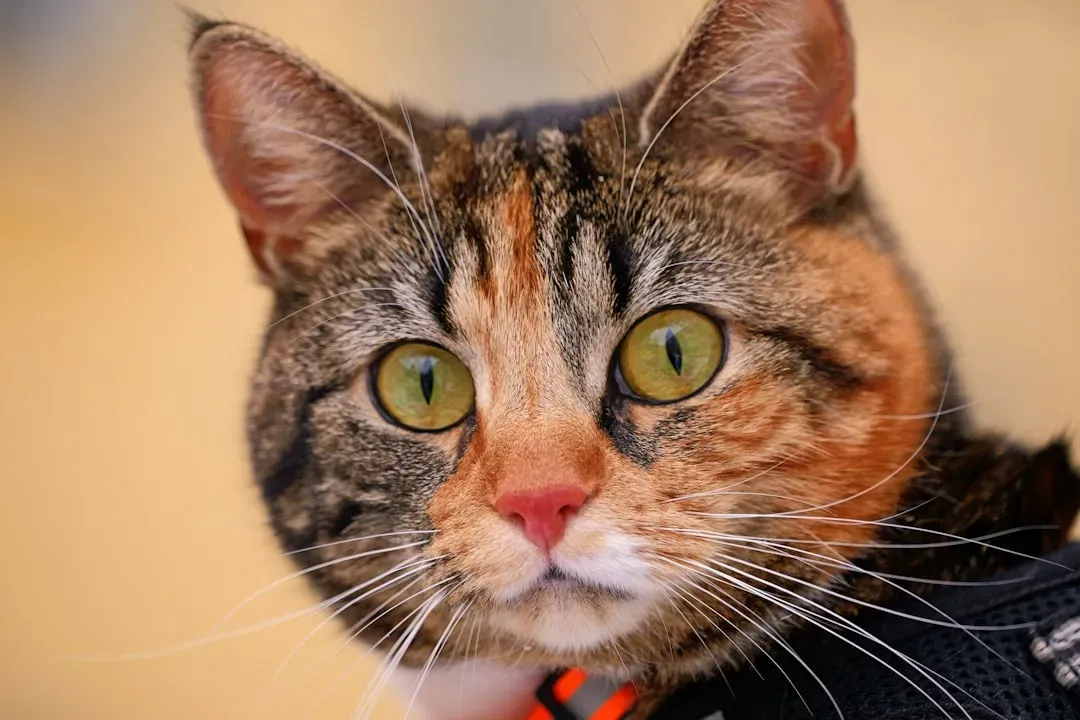
Cat ears are extraordinarily expressive and shift position almost continuously in response to the world around them. Forward-facing ears in a neutral, relaxed position signal contentment, and when the ears push further forward and become alert, your cat is curious or focused, gathering as much sound information as possible before deciding how to react. Those subtle little rotations are not random.
Ears rotated sideways into what’s sometimes called “airplane mode” indicate fear or nervousness, telling you your cat is uncomfortable and may lash out if pushed. Ears flattened fully backward and pinned low against the head are the strongest warning signal of all. Ears held naturally mean the cat is relaxed, while ears pinned back mean the cat is afraid. When a cat’s ears are facing forward and close together, that means the cat is interested in something. Reading the ears alongside the tail and eyes gives you a surprisingly complete picture of where your cat’s head is at, in every sense.
Scent Marking Means You Belong to Them
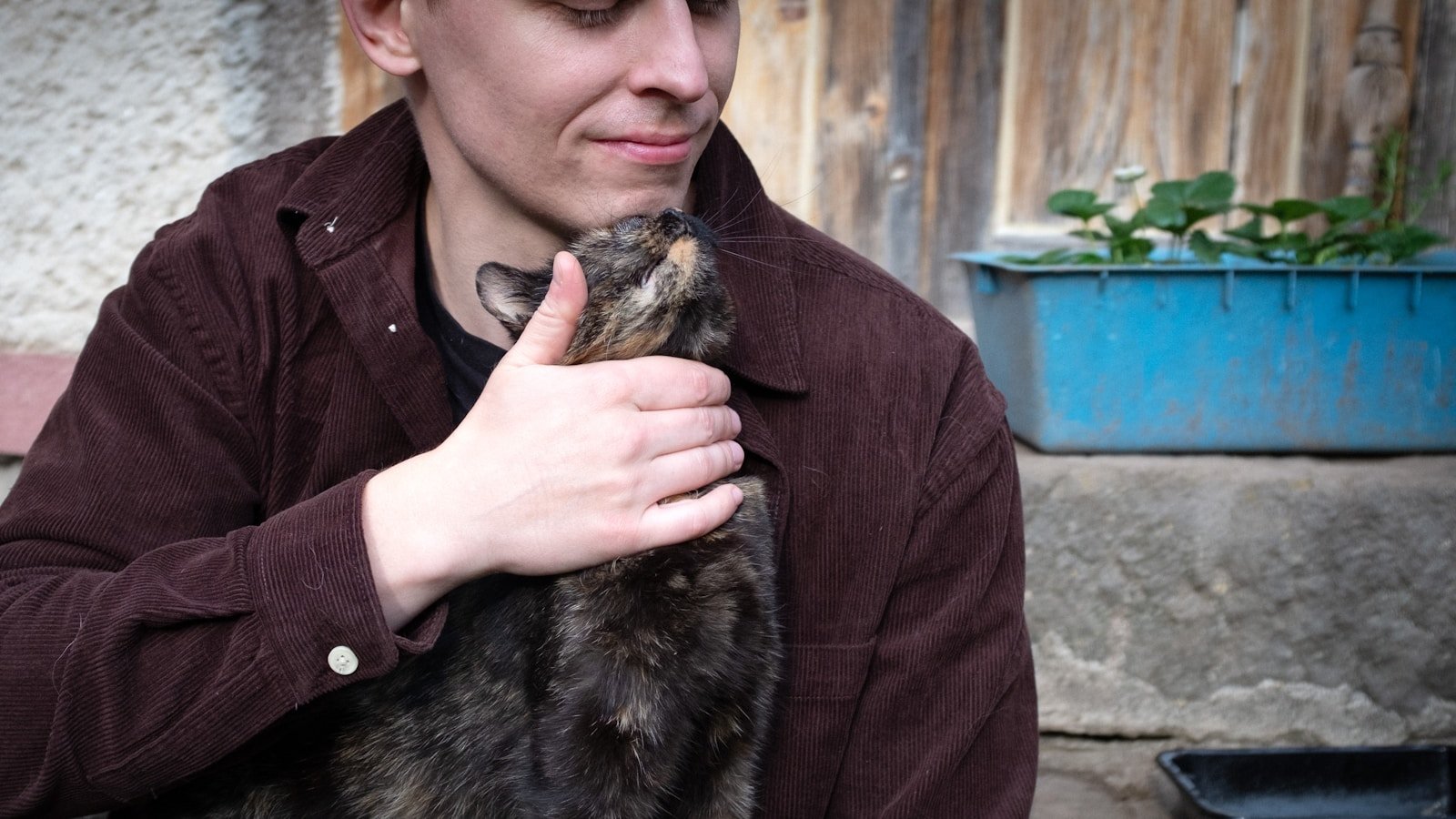
When your cat rubs their face against your leg or bumps their forehead into your chin, they are doing far more than showing affection. Cats have scent-producing glands along their forehead, chin, lips, and cheeks, and by rubbing these areas against you, they deposit chemical markers that identify you as part of their social group. You’ve essentially been claimed in the best possible way.
When they rub against you, they deposit pheromones, creating a shared scent profile that identifies you as part of their social group – a sign of comfort, trust, and affection. This shared scent also reduces stress within a multi-cat household. Cats have an extremely well-developed sense of smell, and chemical signaling involving odors and pheromones can be very specific, last for a long time, and spread over considerable distances. This is not a small thing. It’s your cat’s way of building a world where you’re part of the safe zone.
Kneading Is Not Just a Habit
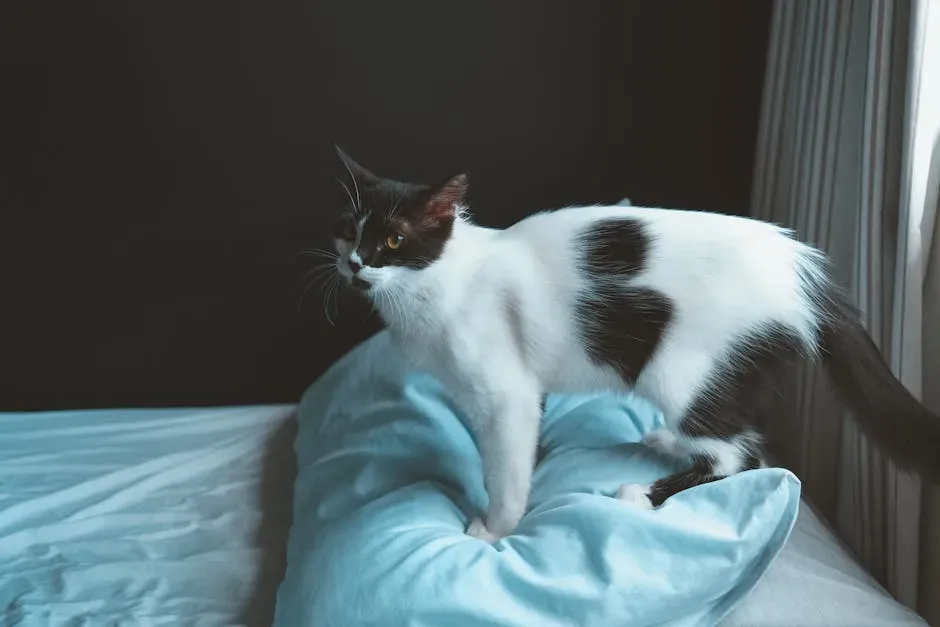
That rhythmic pressing of paws into your lap, often accompanied by purring and half-closed eyes, goes back to the very beginning of a cat’s life. Kittens knead their mother’s mammary glands to stimulate milk flow, and grown cats tend to knead when they are around a special person that makes them feel safe and loved. The behavior carries emotional weight that persists long after kittenhood.
Kneading can also be connected to scent marking. Cats have scent glands in their paws, and by pressing them into surfaces, or onto humans, they may be subtly marking that area as familiar and safe. When they knead, they release their scent onto the surface they’re working on, essentially claiming it as their own and marking you as a safe and familiar part of their territory. It’s a subtle but significant sign that your cat considers you part of their family group. When your cat kneads you, they’re expressing something both ancient and deeply personal.
Purring Is More Complicated Than You Think
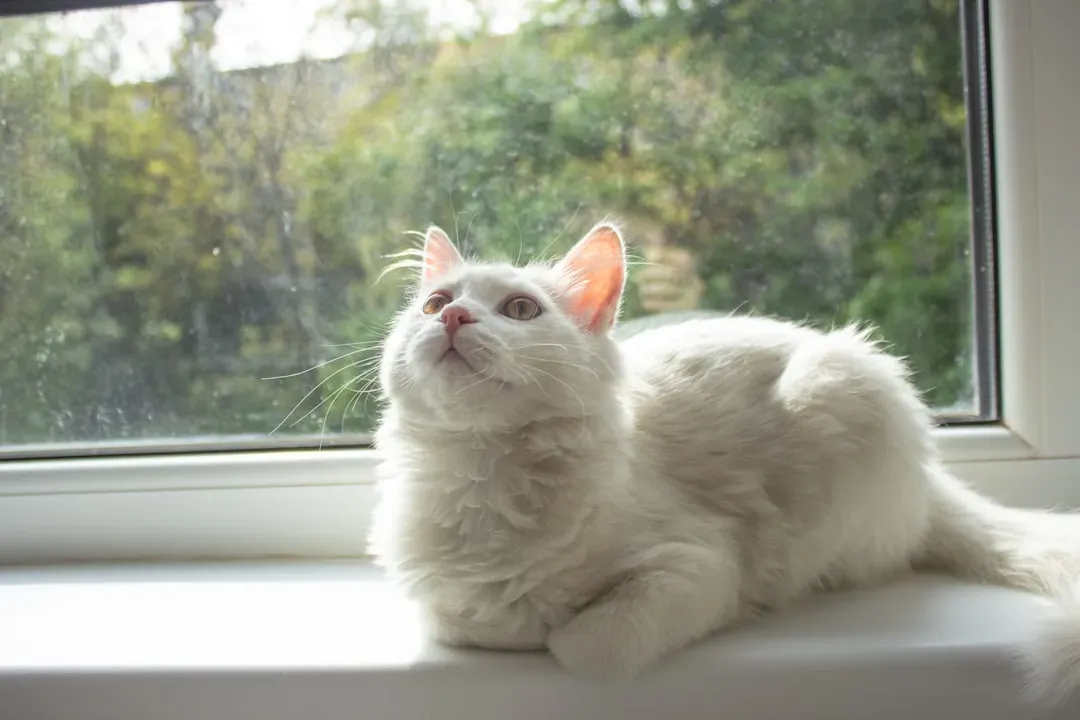
Most people assume a purring cat is a happy cat. That’s often true, but the full picture is more nuanced. Cats purr for many reasons, not just happiness. Purring can signal contentment, stress, a desire for attention, or even illness, depending on the situation and your cat’s body language. Context is everything when you’re interpreting the sound.
Purring is not a single-message behavior. It can mean happiness, relaxation, reassurance, stress relief, or even a request for care. Understanding the situation, body language, and overall behavior of the cat is essential to interpreting what a purr truly means. Interestingly, every cat species studied produces purr frequencies between 25 and 150 Hz, and domestic cats generate particularly strong frequencies that correspond to those used in medical treatments for bone growth and fracture healing. Whether this is coincidental or functional is still an open question, but it hints at just how complex this seemingly simple sound really is.
Vocalizations Beyond the Meow
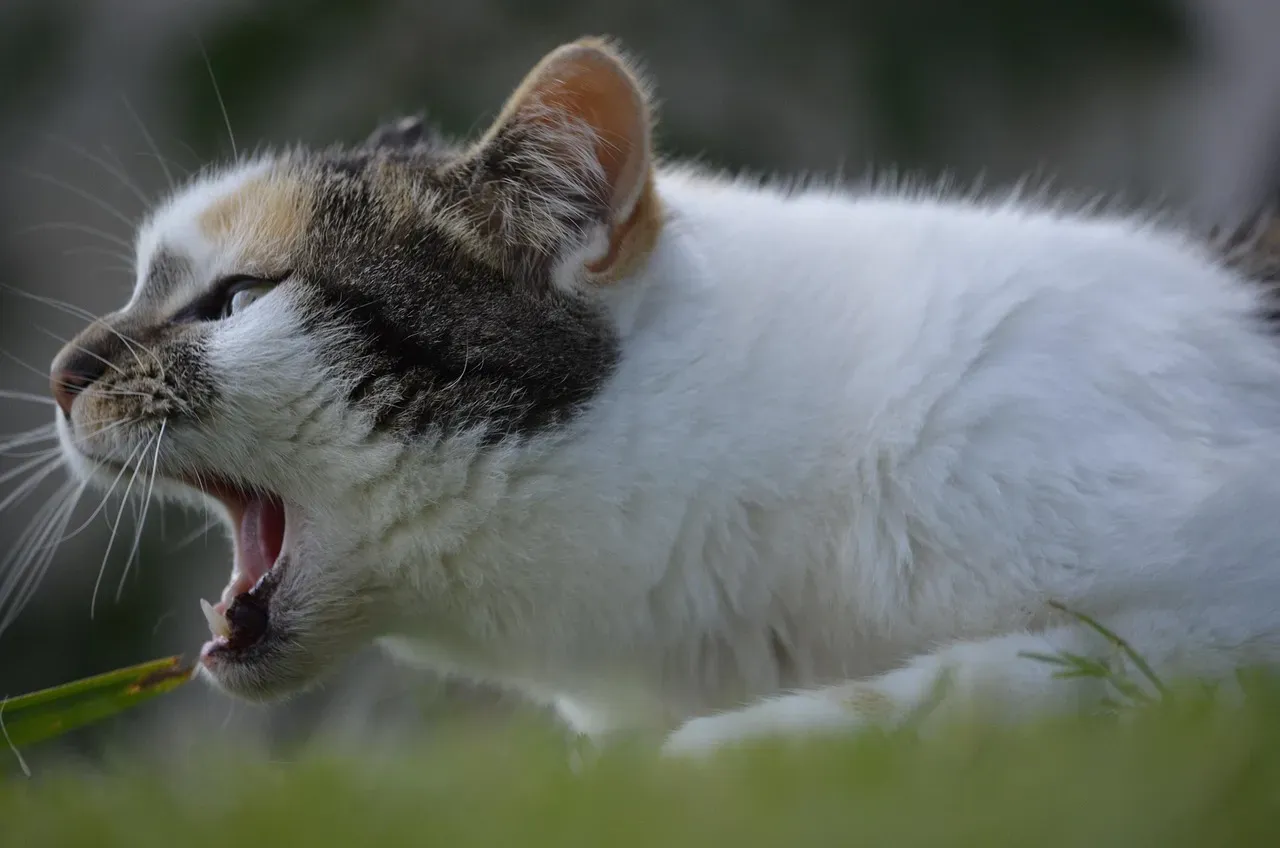
Meowing gets most of the attention, but it’s actually just one tool in a much larger vocal toolkit. Up to 21 different cat vocalizations have been observed, ranging from soft trills to deep howls. Cats are said to have one of the widest vocabularies, in terms of different patterns of vocalization, of all carnivore species.
The trill or chirrup sound, used as a friendly greeting call, also falls into a category of murmuring sounds and is sometimes directed at people. Chirrups are also used by the mother as a contact call to her kittens. So when your cat greets you at the front door with a rolling chirrup, they’re using the same sound a mother cat uses to call her kittens in. Trilling is a friendly vocalization used to communicate affection or excitement, often when greeting others, and it fosters social bonds while conveying a sense of invitation. That’s not aloofness. That’s warmth expressed in a language most people never stop to recognize.
Eye Pupil Size Tells a Hidden Story
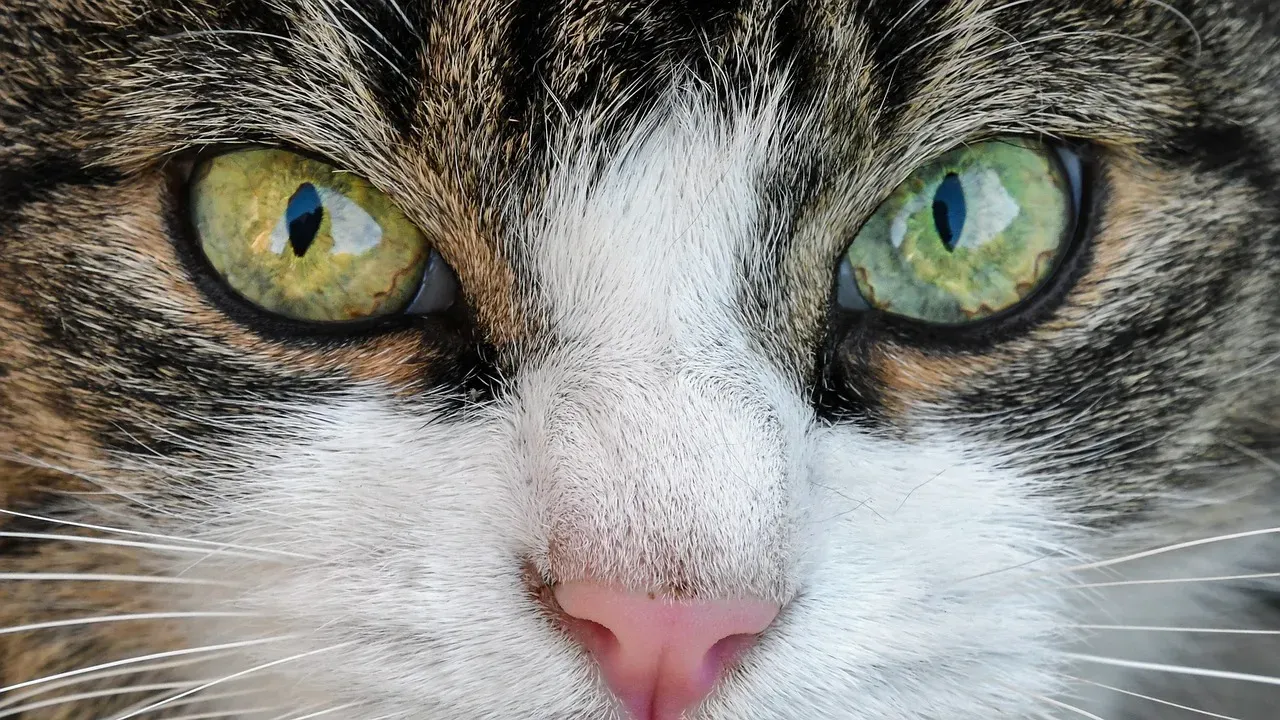
Your cat’s pupils shift continuously, and while changes in light cause much of that movement, the rest is emotional. Like humans, cats’ eyes dilate and contract with changes in light, but they also dilate and contract based on mood. You may have noticed that your cat’s eyes become big and round when they are playing with a toy or watching a bird. That expansion signals excitement and heightened attention.
Direct, unblinking eye contact alongside a tense body posture indicates a challenge and potential aggression. So when a cat averts their gaze from a stranger or looks away first, that’s actually a polite gesture, not dismissal. Reading your cat’s ears in combination with its tail and eyes gives you a surprisingly detailed picture of what it’s trying to say at any given moment. These signals don’t operate in isolation. They layer on top of one another, forming a conversation you’ve been in the middle of without realizing it.
Your Cat Reads You Too
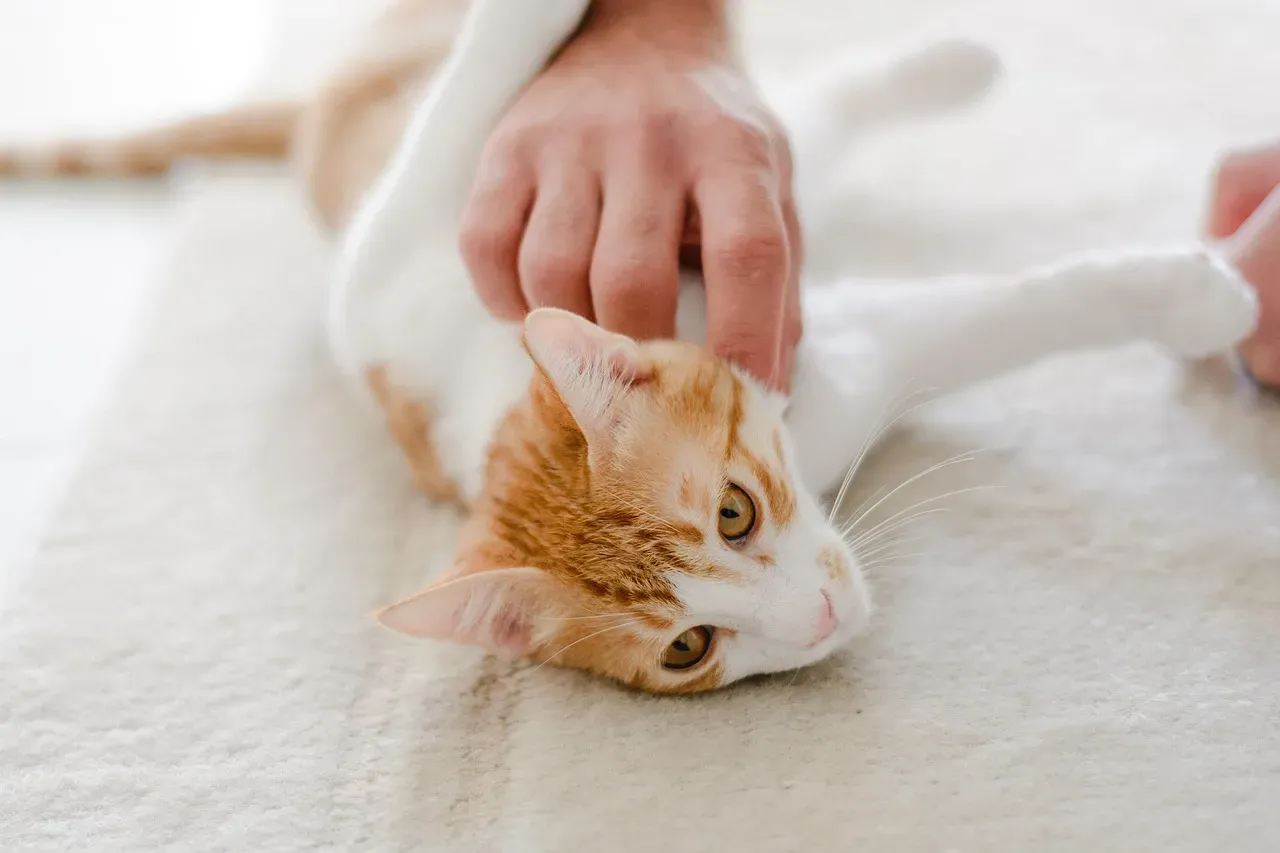
This relationship goes in both directions, and your cat is a far more attentive reader of you than you might expect. When a cat lives with a human, it very quickly learns to read their mood at any given moment from their body language, the sound of their voice, and eye contact. Your posture, your tone, even the pace of your movements are all being processed.
Their ancestors were solitary hunters who relied on stealth, making subtle communication vital for survival. Today’s domestic cats retain these instincts, communicating through a sophisticated system of postures, movements, and sounds that many owners misinterpret or miss entirely. The good news is that this is a learnable skill. Cats can communicate their emotions, wants, and needs to you if you pay attention. It can be enlightening to watch out for subtle signs that your cat gives through body language and posture, behaviors, vocalizations, and use of scent and touch. The more attention you pay, the more fluent you become.
Conclusion: A Language Worth Learning
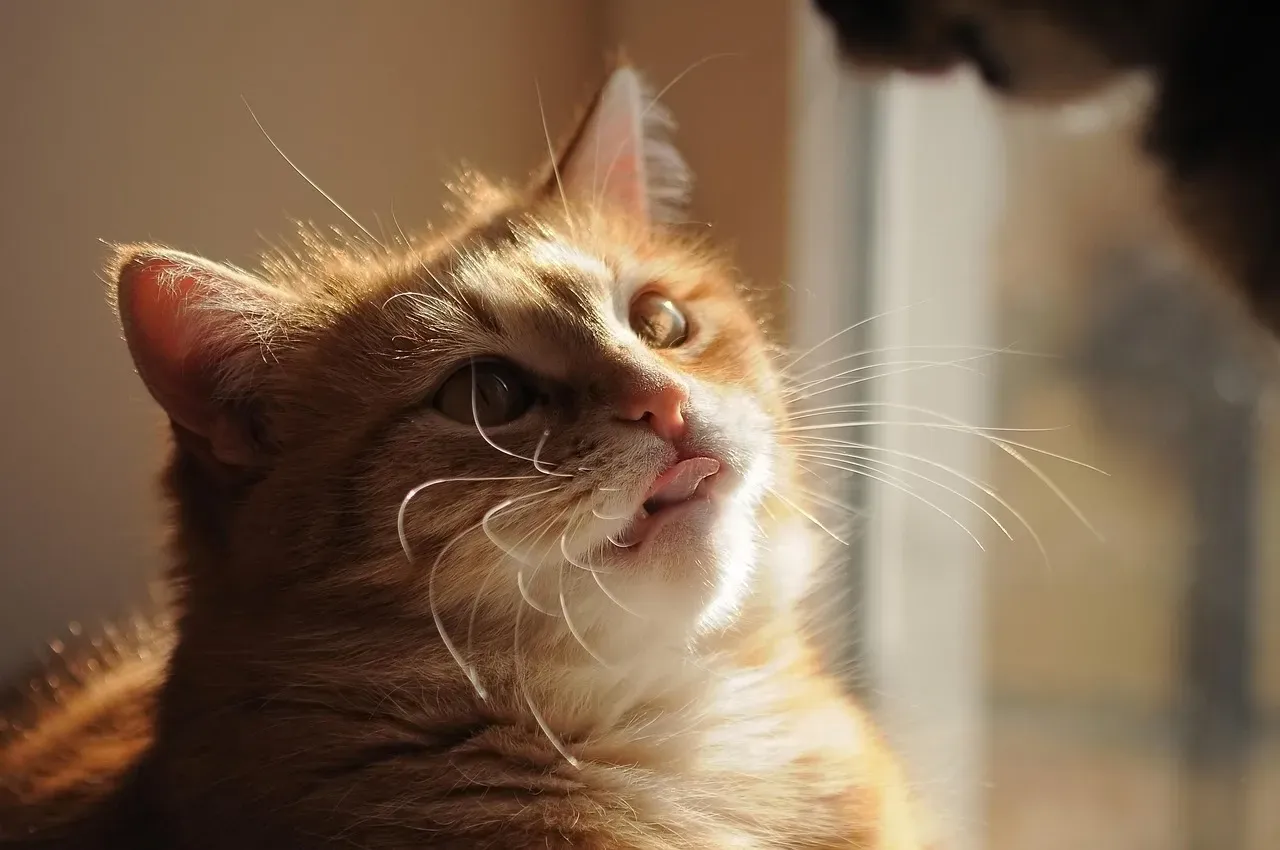
Your cat is not cold or indifferent. They’re communicating in a detailed, multi-channel system that blends sound, scent, posture, and touch into something genuinely expressive. The gap between you and your cat isn’t emotional distance. It’s mostly a translation gap.
Once you start recognizing the tail position as a greeting, the slow blink as a compliment, and the chirrup as a welcome home, the entire dynamic shifts. Your cat was never aloof. They were just waiting for you to learn the language.
The relationship you have with your cat is already a two-way conversation. You’re simply getting better at hearing your half of it.
Kristina is a young writer from India. An arts graduate and an avid content creator, Kristina is passionate about animals and wildlife. She enjoys exploring topics related to pet care, animal behavior, conservation, and nature, combining thorough research with engaging storytelling.