Lions occupy a unique space in the human imagination. You’ve seen them on flags, in films, and carved into the walls of ancient temples. Cultures across the world have spent thousands of years projecting meaning onto them. The problem is, a lot of what you think you know about lions has more to do with legend and pop culture than with the animal itself.
The gap between lion mythology and lion reality is wider than most people expect. Fieldwork conducted across Africa and India over decades has quietly dismantled one popular belief after another. Here are eight of the biggest misconceptions, and what the evidence actually shows.
Misconception #1: The Male Lion Leads the Pride
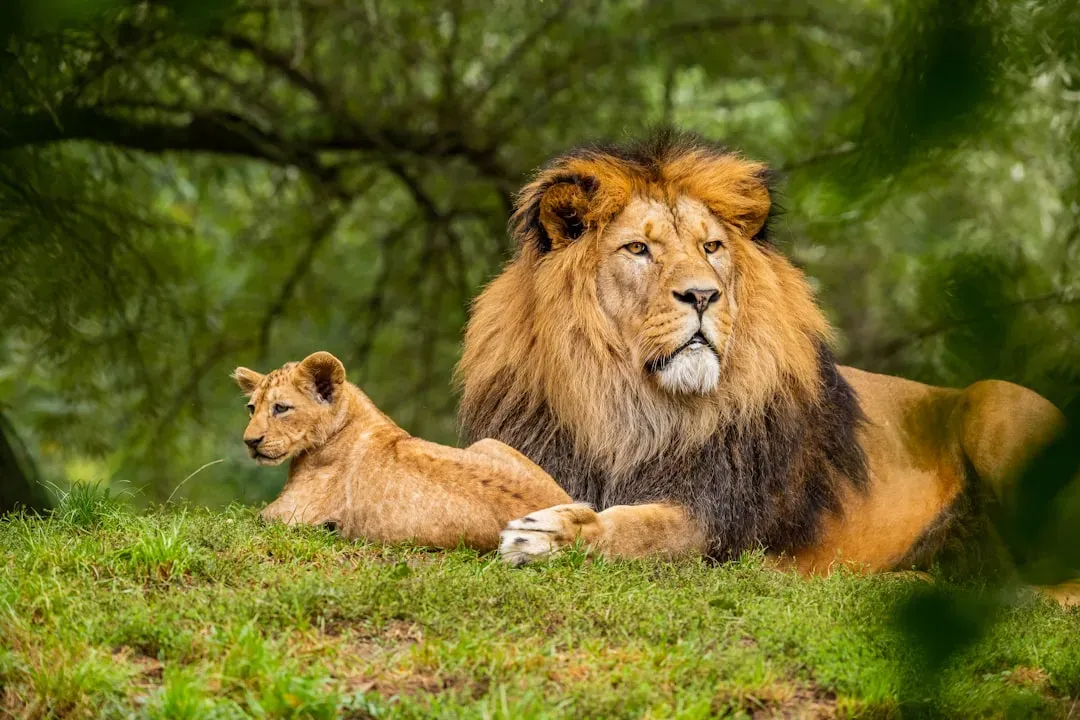
You’ve probably pictured it clearly. A magnificent maned lion, holding court while the pride revolves around him. It’s one of the most enduring images in wildlife storytelling. In truth, studies showed from the very beginning that male lions do not lead the pride. Prides are very capably led by the lionesses.
The role of the males is to patrol the territory and defend the pride from male intruders who, if they enter, will kill any cubs that would inhibit the lionesses from being able to breed. That’s a specific and important job, but it isn’t leadership in any conventional sense. They are not part of the pride in a traditional sense. They own the pride and the territory in which they live.
Misconception #2: Lions Only Live in Africa
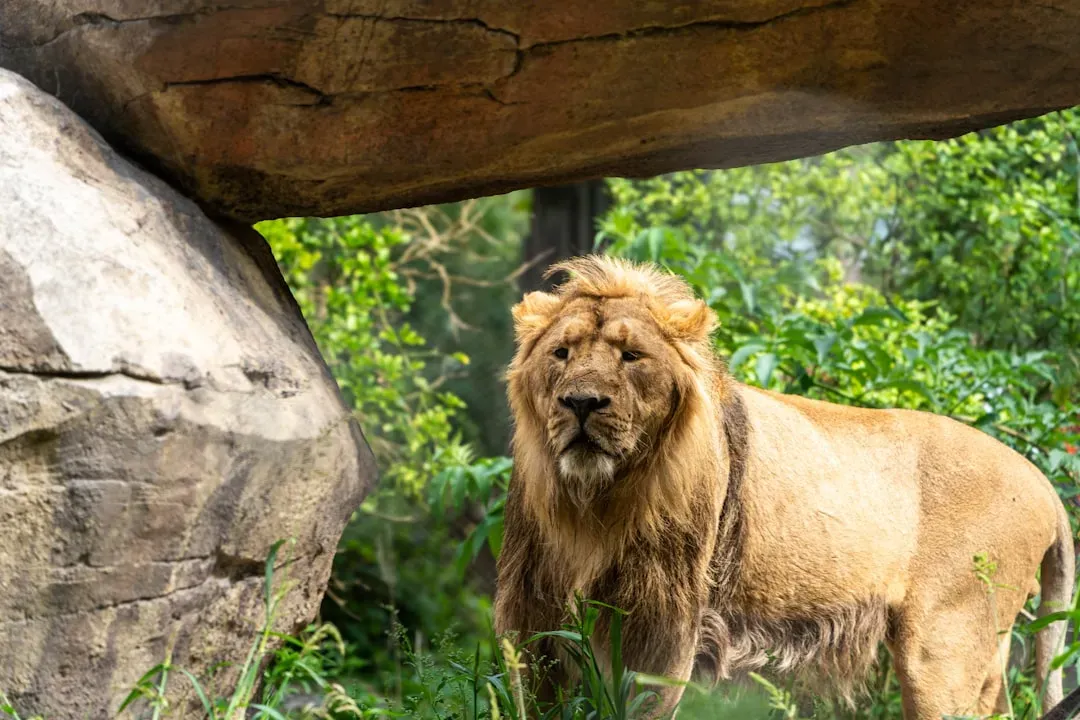
When you picture a wild lion, you almost certainly picture the African savannah. That instinct isn’t wrong, but it is incomplete. Many people think lions only live in Africa, but there is one species living in India, the Asiatic lion, which has different characteristics to their African cousins and inhabits the protected Gir Forest in the state of Gujarat.
The Asiatic lion story is one of conservation’s genuine bright spots. The 2025 Asiatic Lion Census showed the population leaping by 32%, from 674 in 2020 to 891 lions. Sporting an unmistakable dark mane and unique folds of skin along their bellies, Asiatic lions are slightly smaller than their African cousins. They once prowled the Middle East and Asia, but today Gujarat is home to the world’s last population of wild Asiatic lions.
Misconception #3: Lions Are the “Kings of the Jungle”
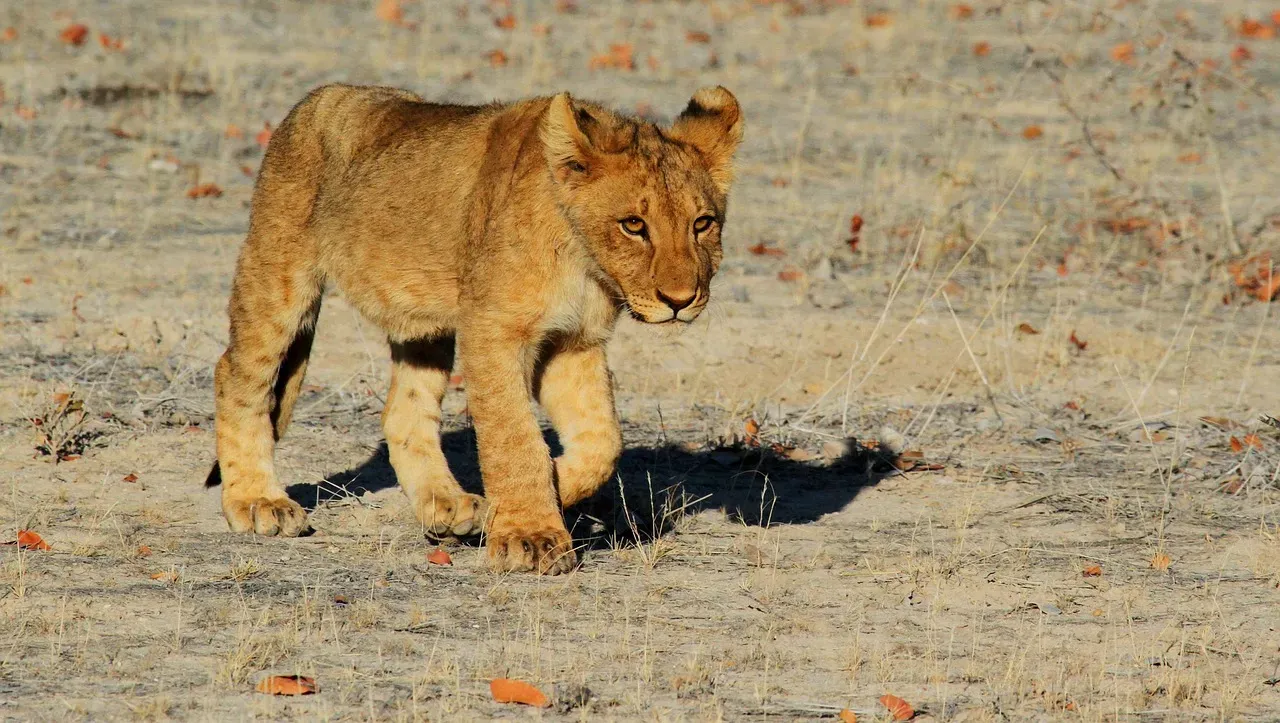
You’ve heard it your whole life. The lion is the king of the jungle. It’s on merchandise, in songs, and at the center of beloved animated films. There’s just one inconvenient fact at the heart of it all. The vast majority of lions don’t live anywhere near a jungle. A better name would be kings of the open savannah. Most jungles have very dense undergrowth with very few mammals living in them, meaning lions wouldn’t be able to find enough prey, let alone chase an animal and kill it.
The lion inhabits grasslands, savannahs, and shrublands. These open landscapes give them the sightlines and space they need to hunt cooperatively. Prime habitat for lions is open woodlands, thick grassland, and brush habitat, where there is enough cover for hunting and denning, and these areas also provide food for the herbivores that lions prey upon. The jungle, in the classical sense, is essentially the last place you’d expect to find them.
Misconception #4: Male Lions Never Hunt
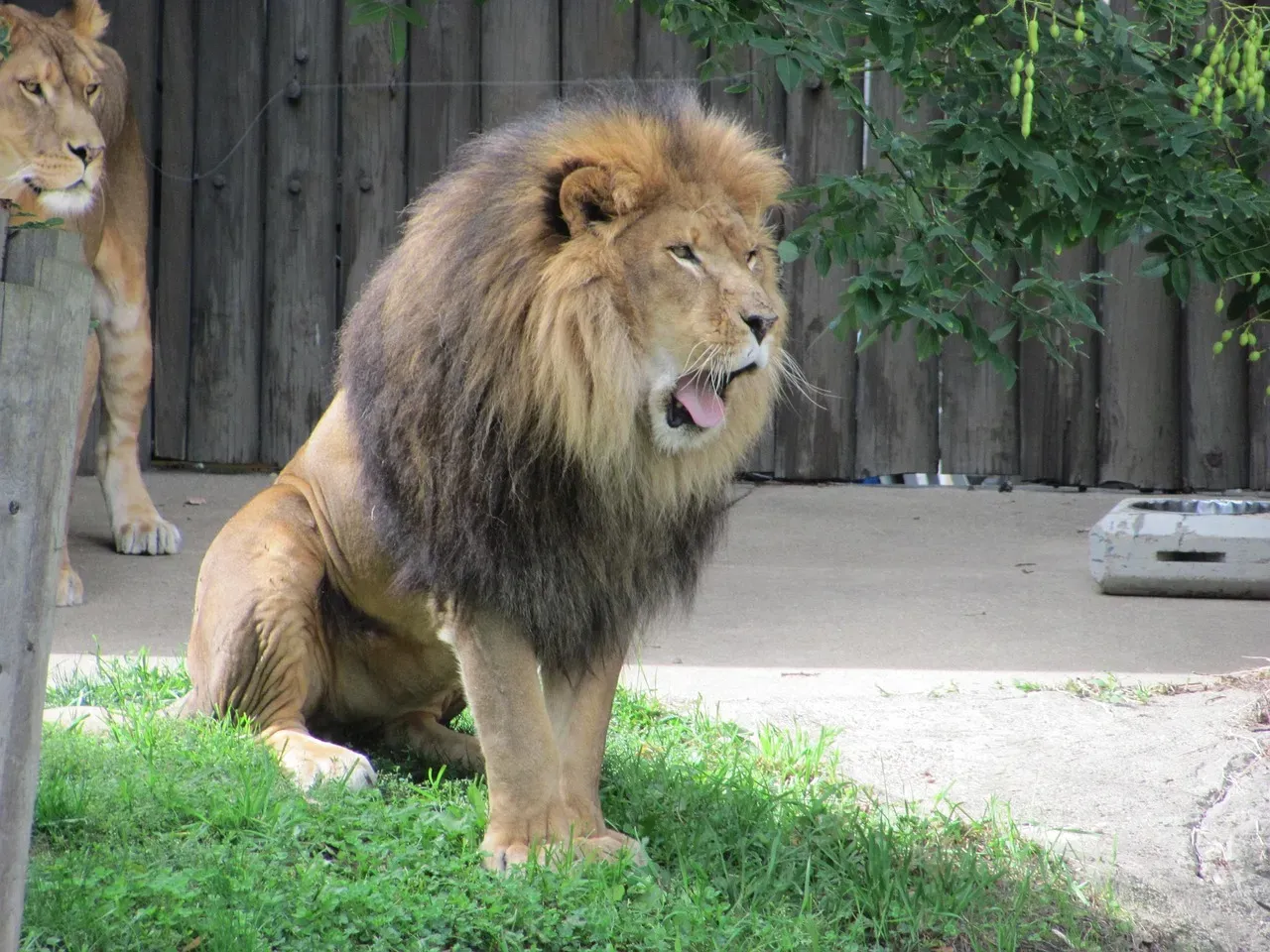
The popular image of the male lion involves a great deal of resting while lionesses do all the work. There’s a grain of truth in it, but the full picture is more nuanced. Contrary to what you might expect, it’s not the male lion that does the majority of hunting. Lionesses hunt around 90% of the time, while the males take care of protecting the pride.
Yet male lions are not the permanent freeloaders they’re often portrayed to be. Both males and females hunt while they are separated from the main group, which shows that the perception that only lionesses hunt and the males just laze around is incorrect. Males may hunt as well as females, depending on location. Males living without a pride or operating in specific terrain types show consistent hunting behavior on their own.
Misconception #5: Lions Are Strictly Nocturnal
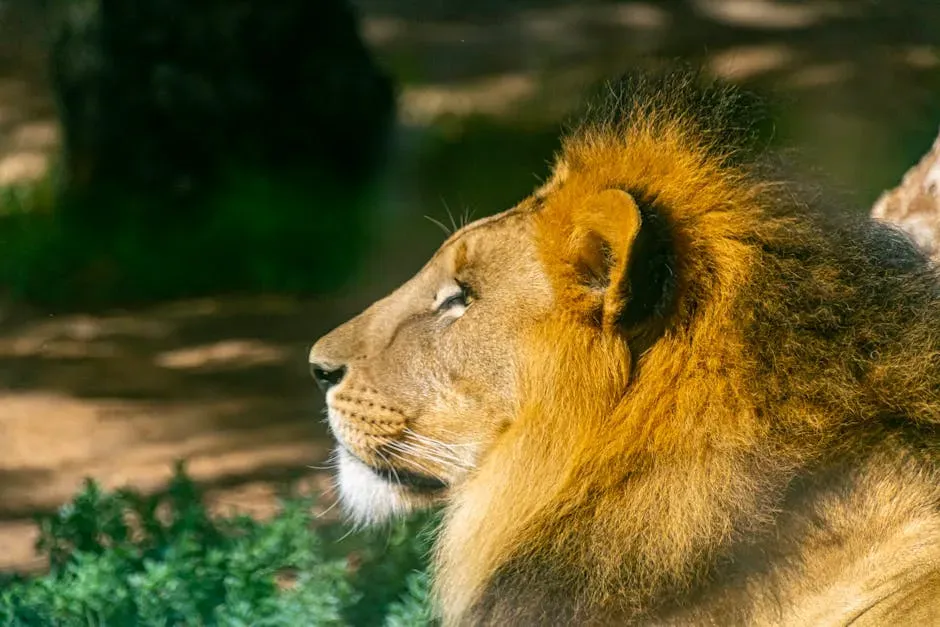
You’ve likely been told that lions sleep all day and hunt all night. The “20 hours of sleep” figure gets repeated so often it’s practically folklore. Lions are supposed to be nocturnal, and there is a popular misconception that lions sleep about 20 hours per day. In fact, lions are very opportunistic in terms of when they are active.
When it comes to lions and their sleep habits, the answer is not clear-cut. While many people might assume that these fierce predators are strictly nocturnal animals, the reality is more complex. It all depends on the environmental factors influencing a lion’s daily life. Lions hunt at night not because their eyesight is necessarily better in low light, but because with stealth they can probably approach their prey closer at night than during the day. When conditions shift, so does their activity window.
Misconception #6: A Lion’s Mane Is Just Decorative
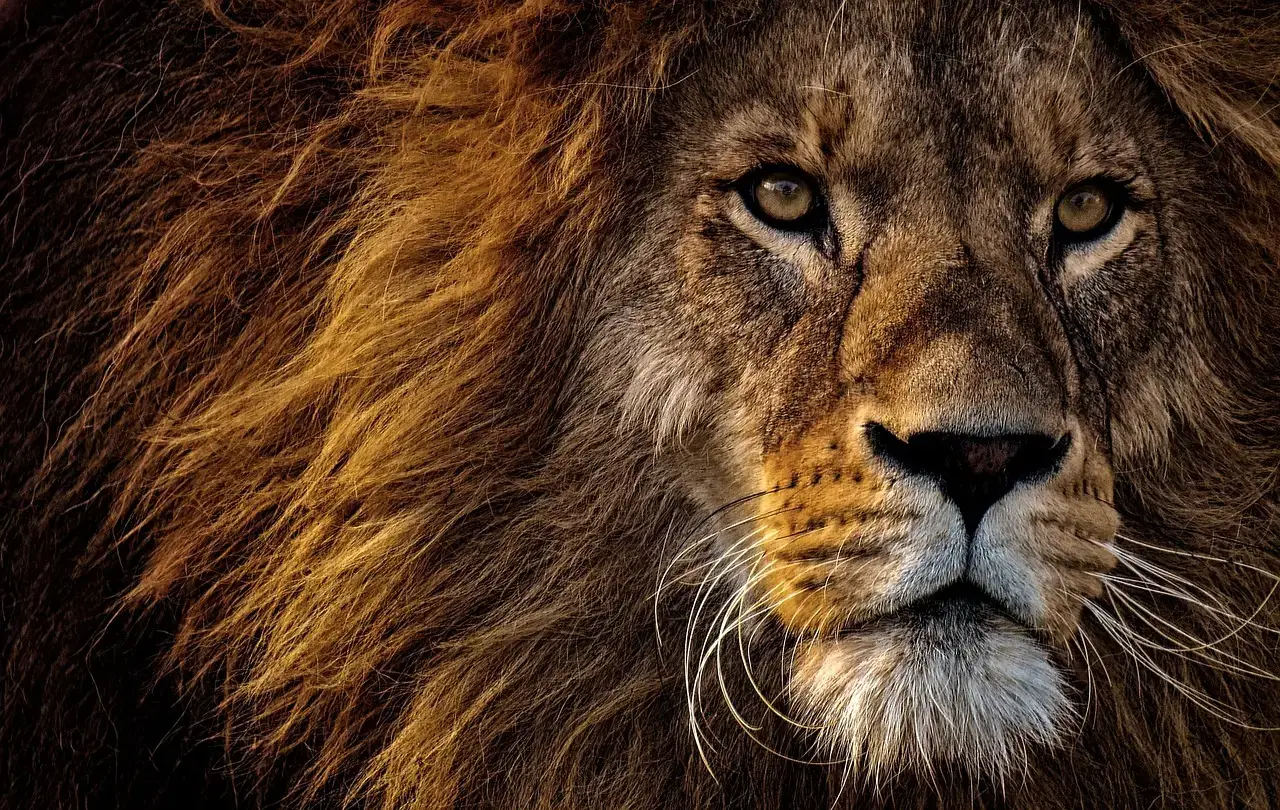
The mane is one of the most recognizable features in the entire animal kingdom. Most people assume it’s purely visual, a symbol of power for human observers to admire. Researchers have found it’s considerably more functional than that. Researchers found that lionesses seem to find males with a dark mane more attractive than those with a lighter mane, and lions with longer manes turn out to look more intimidating to other males than those with short manes.
There’s also an important environmental dimension that most people overlook entirely. In hot regions, male lions may have very small manes or even no manes at all because the weight and heat would put the animal at a disadvantage. Maneless male lions are common in parts of Africa, such as Tsavo National Park in Kenya, and this is thought to be an adaptation to the local climate, as manes can reduce heat loss. If you ever see a maneless male lion, he’s not inferior. He may simply be better adapted to where he lives.
Misconception #7: Lions Are Fearless Apex Predators That Fear Nothing
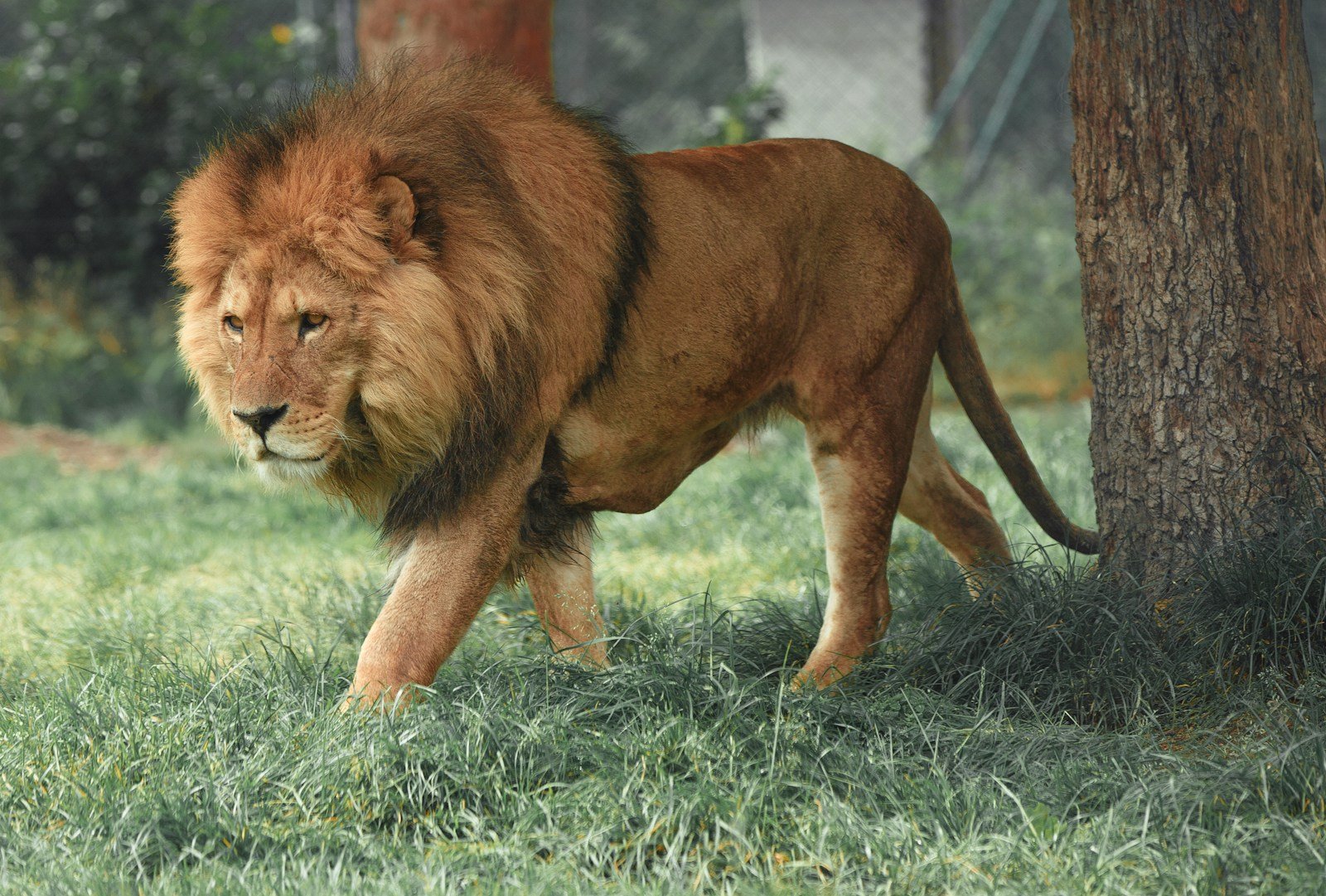
The idea that a lion is essentially invincible in its own environment feels intuitively right. These are large, powerful, socially organized predators after all. Yet the reality of life on the savannah is far messier. Lions are not particularly known for their stamina. A lioness’s heart comprises only 0.57% of her body weight, while a hyena’s heart comprises almost 1% of its body weight. Lions therefore run quickly only in short bursts and need to be close to their prey before starting the attack.
Scientific research and wildlife experts consistently show that lions are not natural predators of humans and generally avoid people whenever possible. Even in encounters with other wildlife, lions calculate risk carefully. Hunting can be very dangerous for lions, and they usually try to get the easiest meal where there is the least risk of getting injured. If a lion gets kicked by a zebra it can break its jaw, and if it is gored by a warthog, this can result in death. Caution, not recklessness, is how they survive.
Misconception #8: Lion Populations Are Stable and Plentiful
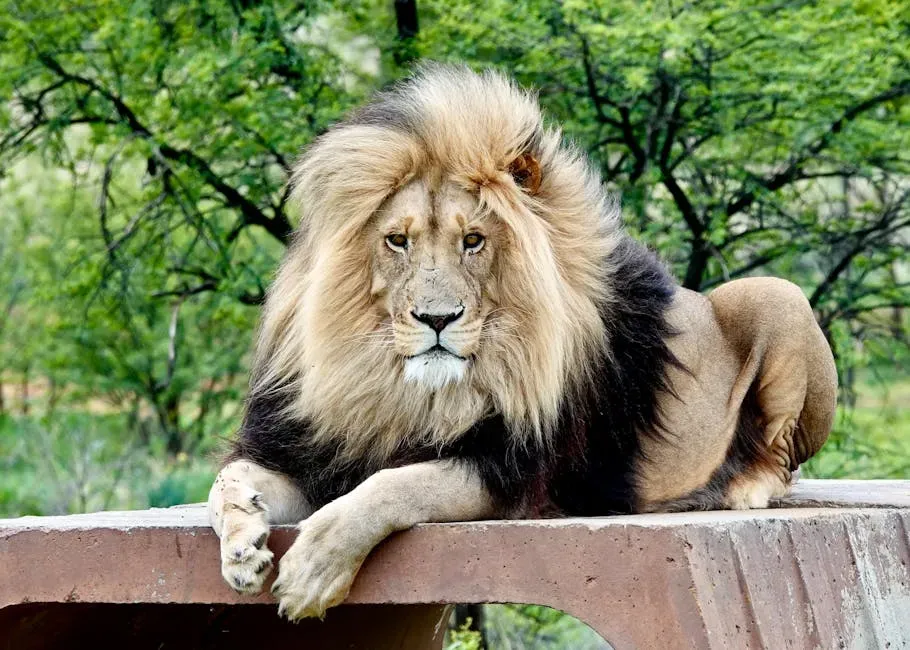
Given how large and powerful lions are, many people assume they’re doing fine in the wild. The word “lion” still carries the weight of abundance. The numbers tell a different story. There are fewer than 24,000 lions remaining today. Due to a 90% reduction in their historic range, habitat fragmentation, prey loss, and human-cat conflict, the modern lion population is a mere fraction of an estimated 90,000 in the year 1970.
The IUCN’s first Green Status assessment for the lion shows that it is Largely Depleted, while the species remains Vulnerable on the IUCN Red List. Human impacts are preventing the lion from being fully ecologically functional across its range, as the species declines across large areas and is extinct from North Africa and Southwest Asia. The main threats are retaliatory or pre-emptive killing of lions to protect people and livestock, along with decreasing natural prey populations and habitat. The lion’s decline is not a distant future risk. It’s an ongoing, documented reality.
Conclusion: The Real Lion Is More Interesting Than the Myth
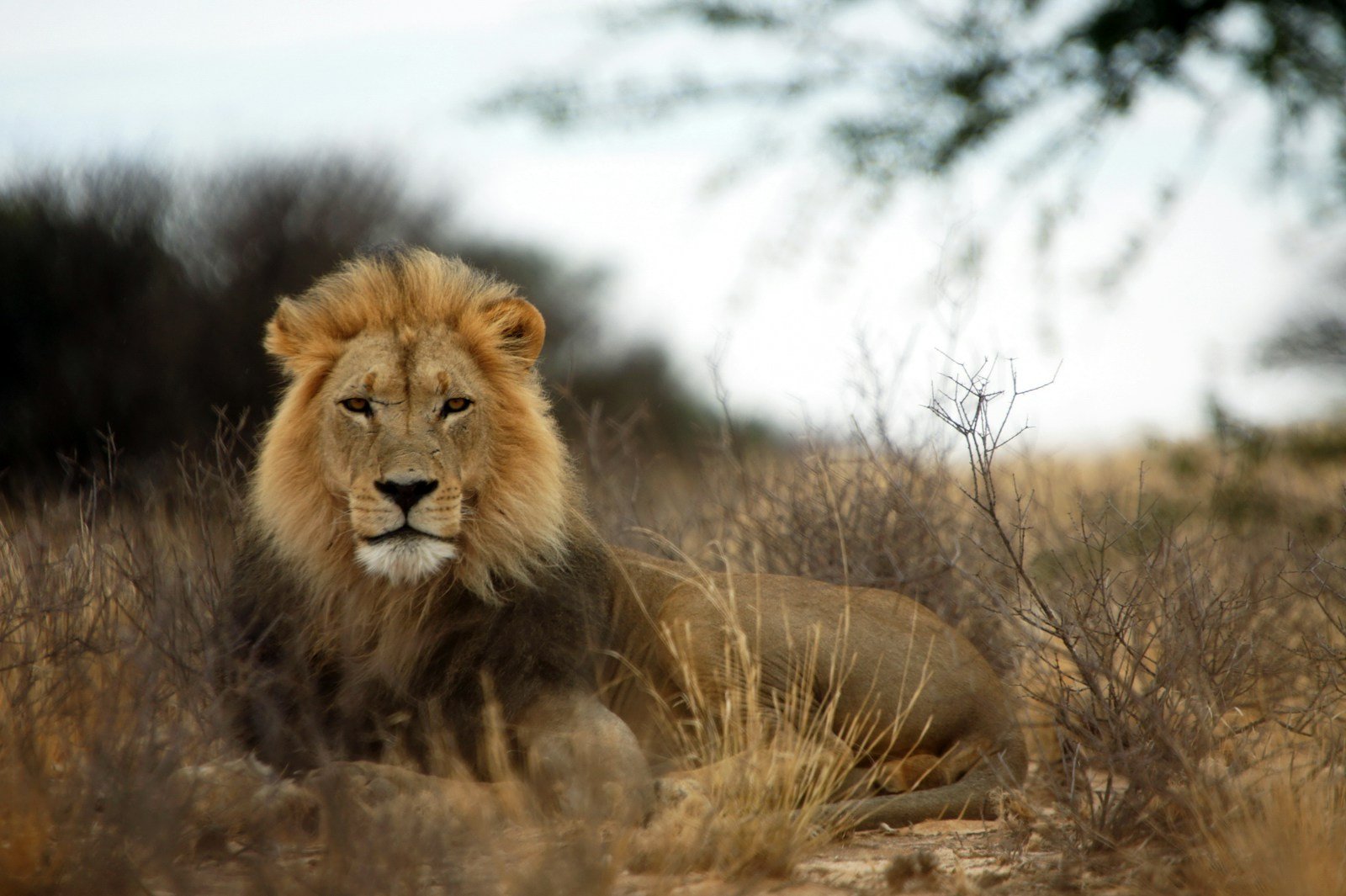
Strip away the Disney narratives and the ancient symbolism, and what you’re left with is a genuinely complex social animal navigating a world that is growing more difficult for it to survive in. Lionesses run the show. Males form strategic alliances. The whole species hunts and rests on its own flexible schedule. Not one of them has ever lived in a jungle.
The most important takeaway isn’t just a corrected set of facts. It’s the realization that the real biology of lions is richer and stranger than the mythology ever managed to capture. Understanding them accurately is also, increasingly, a conservation matter. By understanding lion behavior, their ecological role, and the factors that occasionally lead to conflict, we can move beyond myths and develop a more balanced perspective on these remarkable predators. What you believe about an animal shapes what you’re willing to protect.
Kristina is a young writer from India. An arts graduate and an avid content creator, Kristina is passionate about animals and wildlife. She enjoys exploring topics related to pet care, animal behavior, conservation, and nature, combining thorough research with engaging storytelling.