You set a fresh bowl of water down for your cat, walk to the other side of the room, and within minutes your cat has completely ignored it in favour of drinking from your glass on the nightstand. Sound familiar? You’re not imagining things, and it’s not a personal slight either.
This is one of those behaviours that looks like pure cat stubbornness on the surface, but once you dig a little deeper, the logic behind it turns out to be surprisingly rich. From ancient survival instincts to basic sensory preferences, there are real, grounded reasons why your cat would rather share your drink than use the perfectly good bowl you bought specifically for them.
The Wild Ancestor Living Inside Your House Cat
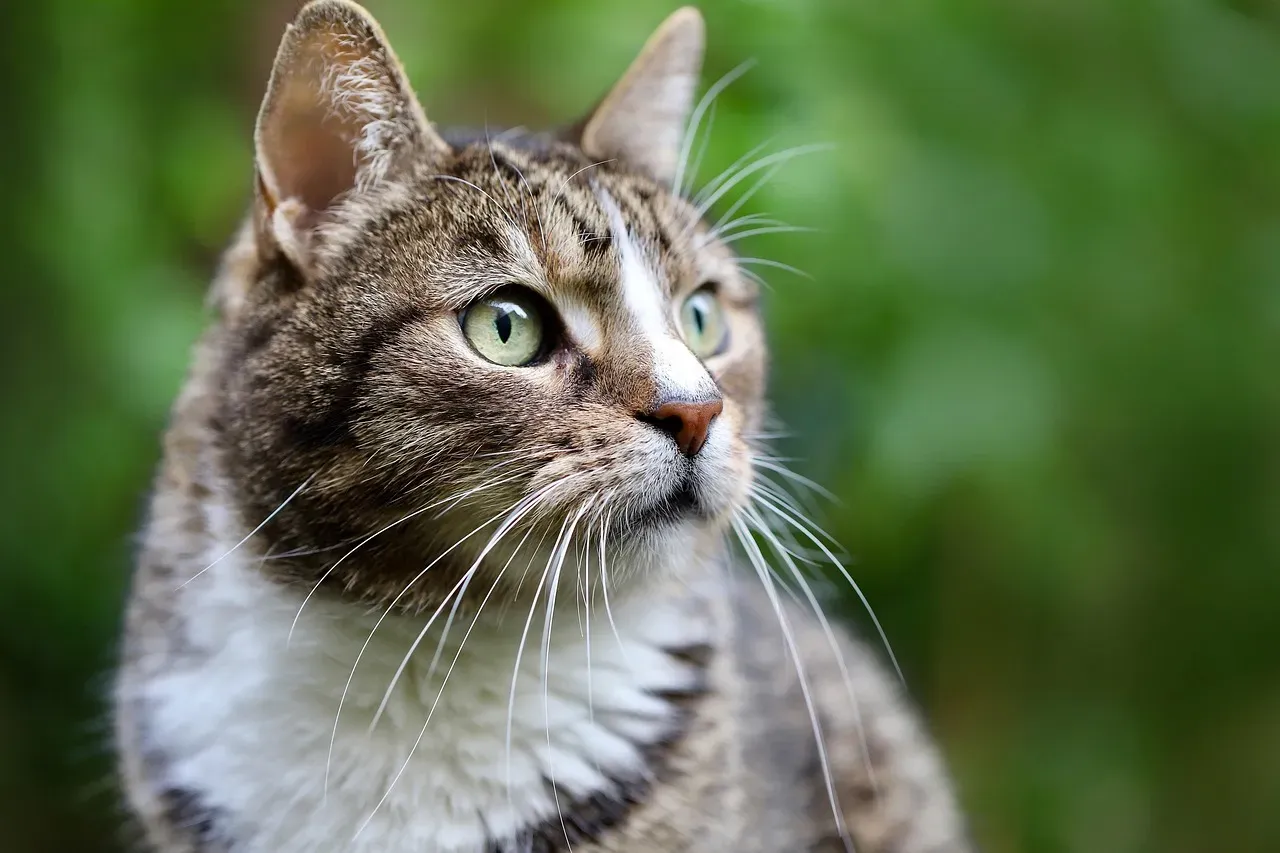
To understand why your cat behaves this way, it helps to look back at their wild ancestors. Domestic cats evolved from African wildcats, which lived on the African Savannah and naturally sought out fresh, flowing streams to drink from. That heritage is surprisingly intact in the soft creature currently eyeing your water glass.
The genetic differences between African wildcats and domestic cats are remarkably small, differing almost solely in hair colour and a few other superficial physical characteristics resulting from selective breeding. What that means practically is that your cat’s instincts are essentially still running on wildcat software, and those instincts have a lot to say about where water should come from.
Why Your Cat Thinks Their Bowl Is Contaminated
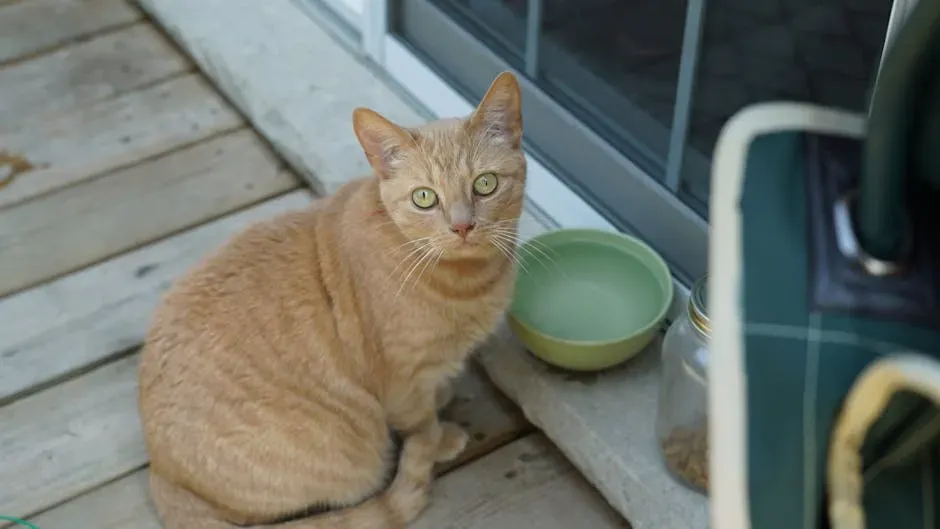
The most common reason your cat ignores their own water bowl is deceptively simple: it’s sitting right next to their food bowl. In the wild, a feline’s instinct tells them that water located near dead prey is likely contaminated with dangerous bacteria. Because your water glass is located in the living room or bedroom, far away from their food, their brain tells them your water is much safer to drink.
This bacteria concern is especially prominent when the cat’s water is placed next to their food source. The survival instinct in cats means they will innately perceive their water as contaminated by their “dead prey,” which in a domestic context is simply the cat food sitting in the bowl beside it. Your untouched glass, sitting on the coffee table across the room, passes that ancient test with flying colours.
It’s About Freshness, and Your Cat’s Nose Knows
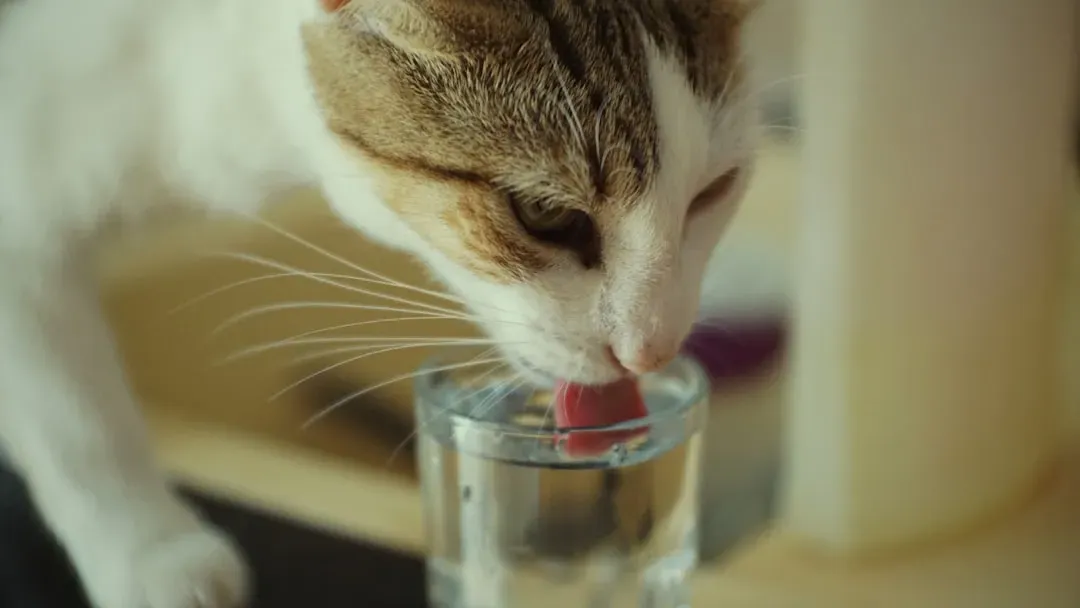
Even if you refill your cat’s bowl daily, it may still carry faint food smells, dust, or saliva that your cat notices. Cats have an exceptional sense of smell, and a glass of water on the table often smells cleaner than a bowl on the floor. This instinctive preference for fresher-smelling water plays a major role in why cats choose your water over theirs.
Standing bowl water can absorb food scents, dust, or develop a film, while water in a cup may smell fresher or have less food odour, which is enough to attract the cat. Standing water absorbs odours from food, the environment, and even the bowl itself. To a cat’s sensitive nose, that can make the water smell stale or uninviting. Your recently poured glass, by contrast, is as neutral and fresh-smelling as it gets.
Elevation Matters More Than You’d Think
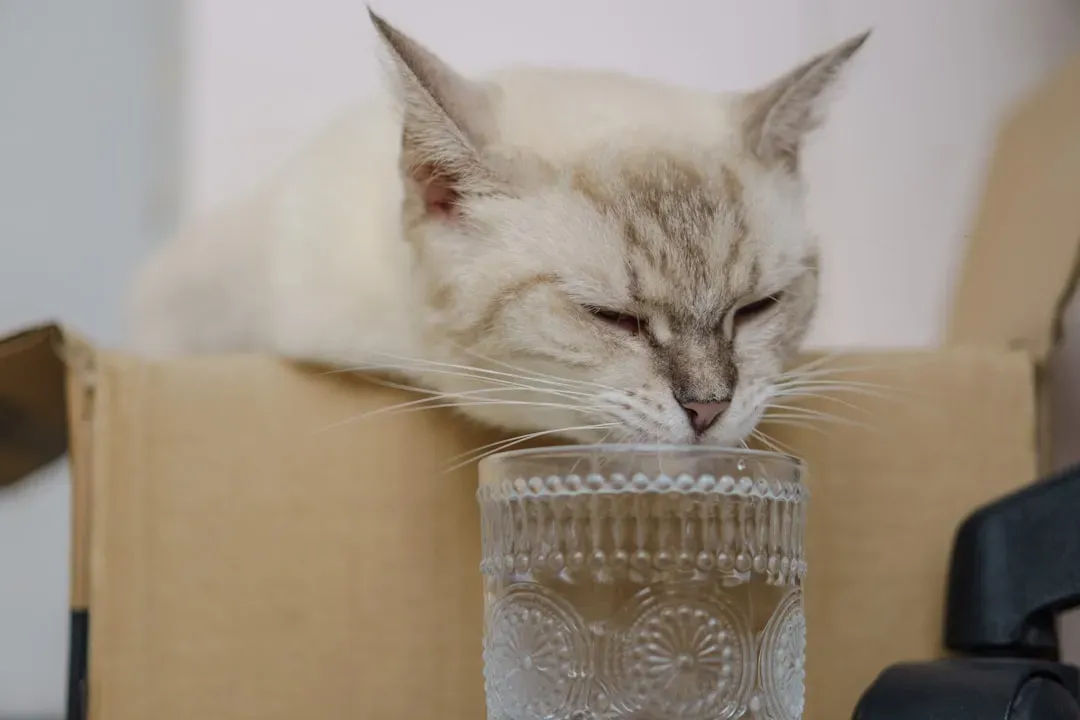
Height matters to cats. A water glass sitting on a desk, nightstand, or coffee table places the water source above ground level. Elevated locations give cats a better vantage point and a greater sense of control over their surroundings. In nature, drinking from a raised or isolated source reduces vulnerability to predators.
It’s typical for cats to feel vulnerable when their heads are down and they can’t see what’s happening around them. Most water bowls are on the ground, which may put cats in an uncomfortable, vulnerable position. Your glass on the table, however, makes cats much more comfortable while drinking. It’s a small detail that makes a large difference to an animal wired to stay alert at all times.
The Whisker Fatigue Factor
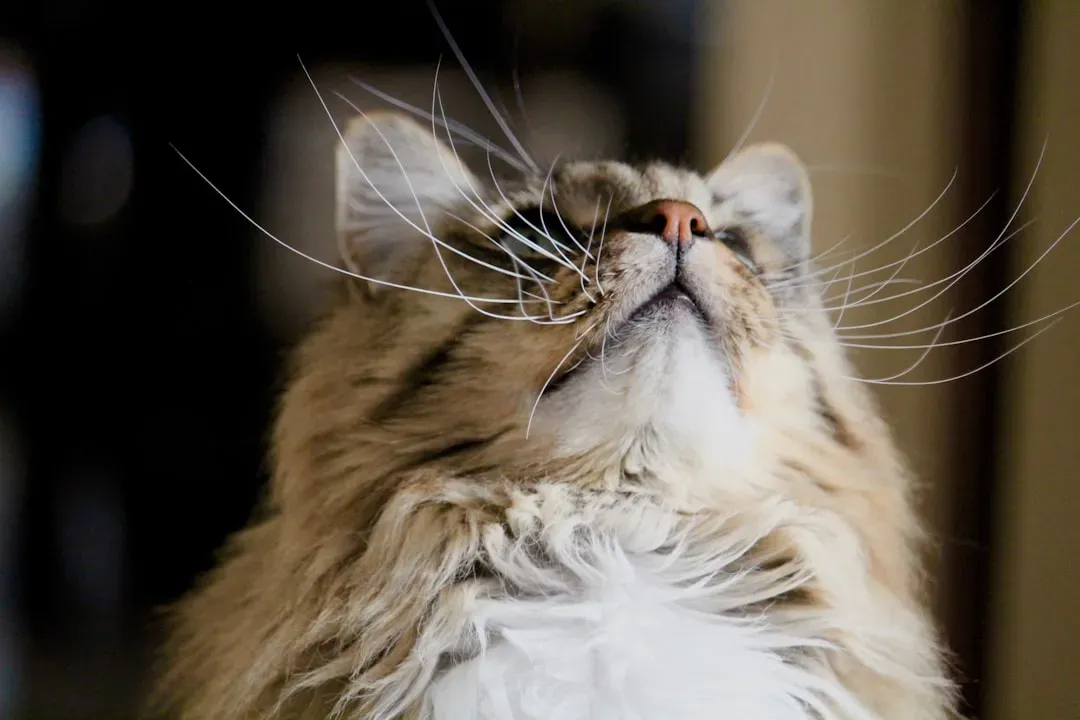
A cat’s whiskers are incredibly sensitive, packed with delicate nerve endings. If their water bowl is too deep and narrow, their whiskers will constantly smash against the hard sides of the bowl while they try to drink, causing painful “whisker fatigue.” It’s an uncomfortable experience that cats will go out of their way to avoid, even if it means stealing your drink.
Whisker fatigue occurs when a cat’s sensitive whiskers are repeatedly brushed against the sides of a bowl, causing overstimulation and discomfort. Using a wide, shallow bowl can prevent this issue. Your drinking glass, filled close to the brim, requires far less reaching down and keeps those sensitive whiskers clear of any hard surfaces. It’s a comfort thing, plain and simple.
Your Cat Can’t Actually See Still Water Very Well
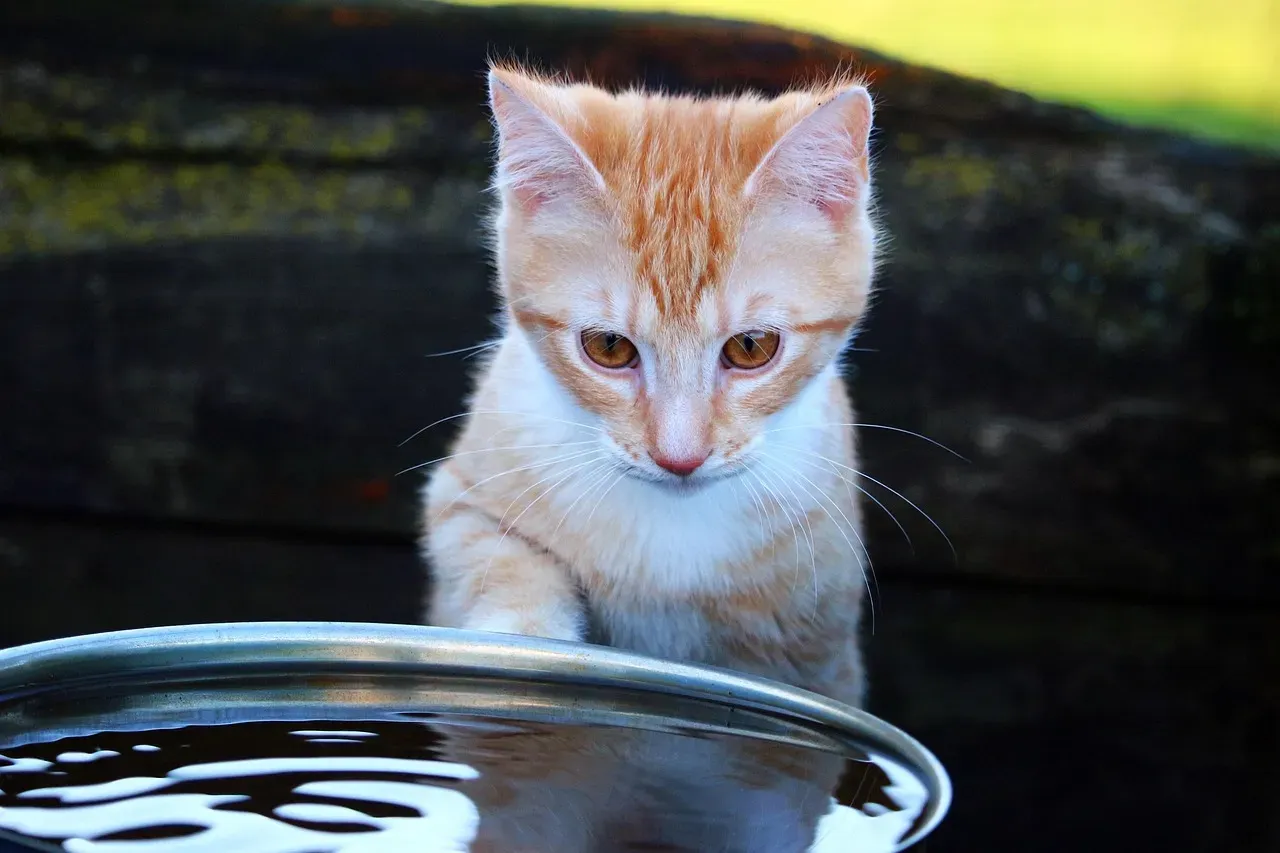
Cats do not see still water as easily as humans do. Their vision is designed to detect motion, which is excellent for hunting but not ideal for spotting a clear, motionless surface. A still bowl can appear invisible or confusing, especially in certain lighting. Flowing water solves this problem, as the movement reflects light and creates ripples, giving cats a clear visual target.
Cats actually have poor close-up vision and struggle to see the transparent water line. This is why they often dip their paws into your glass first, because they are testing the depth before taking a sip. If your cat tends to drink when you set your glass down or move it, motion may be triggering their interest, since cats instinctively prefer moving water because it signals freshness and oxygenation.
Curiosity, Novelty, and the Forbidden Factor
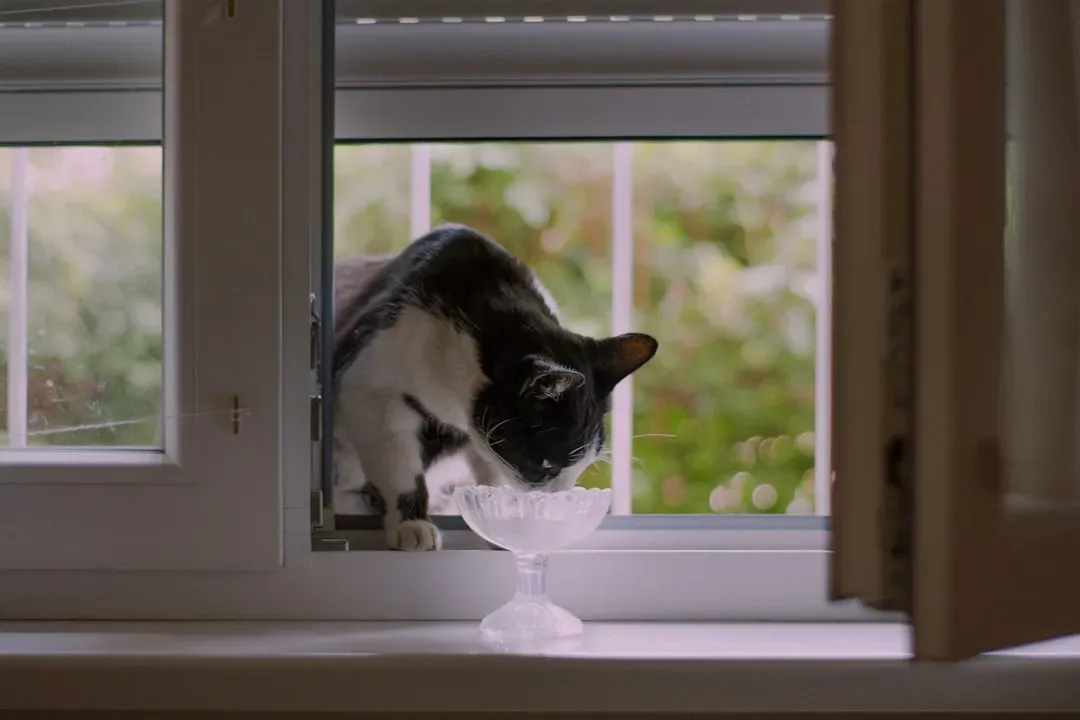
Cats thrive on novelty. A water bowl that sits in the same place every day quickly becomes boring. Your glass, on the other hand, represents something new, interesting, and forbidden, which only increases its appeal. The simple fact that it changes location, gets moved around, and belongs to you makes it far more interesting than a static bowl in the corner.
Cats often gravitate toward objects they see you use frequently. Watching you sip from a glass signals that it holds value. Once curiosity kicks in, your cat may decide your water tastes better simply because it’s yours. This kind of social mimicry is subtle, but it’s a genuine feature of how cats interact with their human companions and the environment around them.
Bowl Material and Water Temperature Play a Real Role
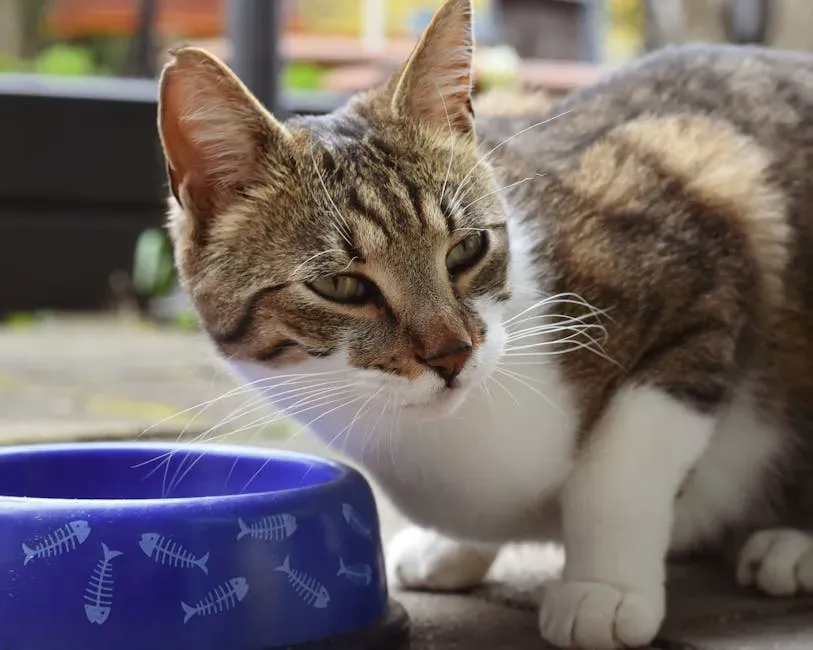
Your cat may also be drawn to drinking from your glass if their bowl is not made of glass or ceramic. Cats generally dislike drinking from plastic or metal bowls, as these materials can lead to allergic reactions, and plastic can harbour bacteria. A glass vessel, quite literally, tastes more neutral and is less likely to leach any unwanted odours or flavours into the water.
Temperature also influences preference. Water from a recently filled glass usually stays cooler than water left sitting in a bowl for hours. To a cat, cool water seems more appealing, and freshness is indeed one of a cat’s core instincts. Running water stays oxygenated and cooler, which often makes it taste fresher. Your glass, freshly poured and sitting on the table, simply ticks more of those boxes.
When the Behaviour Might Signal Something More
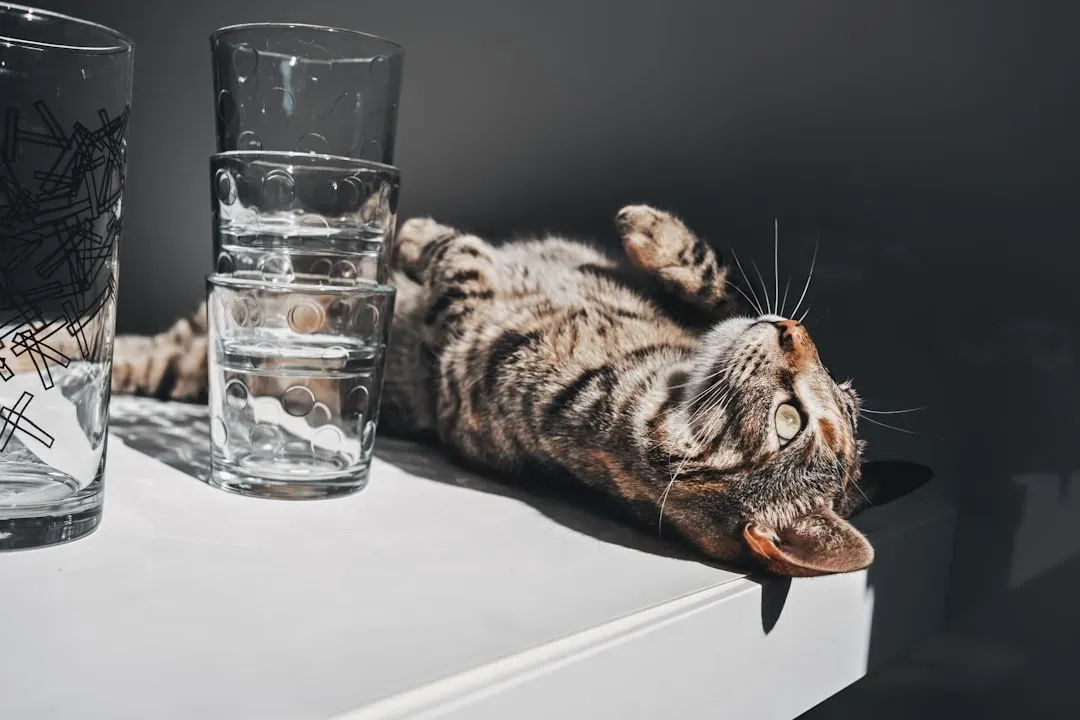
If you notice your feline drinking more water than usual and going after your water glass, it’s worth making sure everything is okay with their health. It’s common for sick or dehydrated cats to seek any available water source to calm their thirst. A sudden change in drinking habits is one of those things worth paying attention to rather than dismissing as typical quirky cat behaviour.
Cats naturally have a low thirst drive because their ancestors consumed moisture-rich prey. Modern dry diets can leave cats mildly dehydrated if they don’t drink enough water, which can contribute to urinary tract issues and kidney stress over time. If your cat suddenly starts drinking significantly more or less water, or if you notice other changes such as increased urination, weight loss, or lethargy, it’s essential to consult your veterinarian, as these could be signs of kidney disease, diabetes, or other health issues.
What You Can Actually Do About It
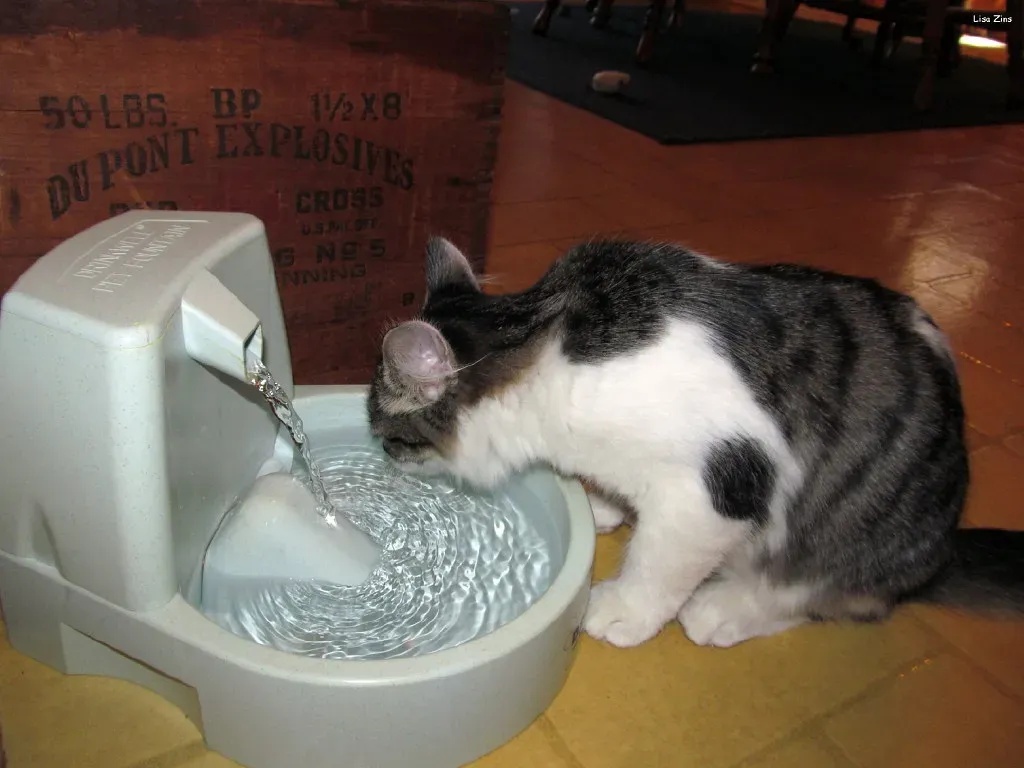
Move the water bowl away from the cat’s food bowl, not just a few feet away, but ten feet or more, or even against an opposite wall of the same room. Try placing several water bowls filled to the brim with fresh water in different locations around your home and observe what happens. The results can be surprisingly immediate once you’re working with your cat’s instincts rather than against them.
Try a pet water fountain to simulate moving, fresh water, since many cats prefer flowing water. Keep bowls clean and refill with fresh water at least once daily, rinsing with hot water to remove films. You can also offer a shallow cup or small saucer occasionally if your cat prefers that shape, placing it as a dedicated water dish to satisfy their preference without risking your beverage. Small adjustments can make a real difference in how much your cat drinks and where they choose to drink it.
Conclusion
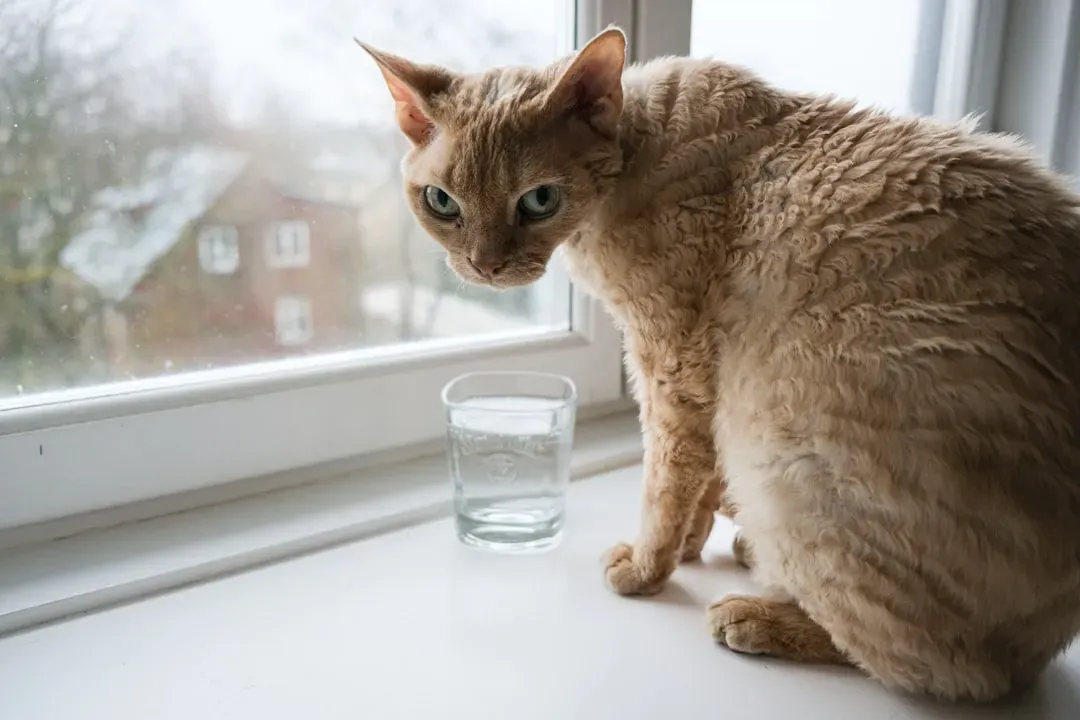
Your cat isn’t being difficult when they bypass their bowl and head straight for your glass. They’re following a set of deeply wired instincts that have been refined over thousands of years of survival. The location of the bowl, the smell of the water, the height of the vessel, the sensitivity of their whiskers, even the material it’s made from all feed into a quiet, constant calculation your cat is running about where safe water can be found.
The most useful takeaway here is probably the simplest one: your cat’s behaviour around water is feedback, not defiance. Listen to it, make a few small changes to their environment, and you may find that your water glass becomes considerably less interesting to them. Though knowing cats, they might just find something else of yours to claim.
Kristina is a young writer from India. An arts graduate and an avid content creator, Kristina is passionate about animals and wildlife. She enjoys exploring topics related to pet care, animal behavior, conservation, and nature, combining thorough research with engaging storytelling.