Cats have a reputation for being aloof, ungrateful little roommates who tolerate you for the free food and the warm laundry pile. Animal behaviorists say that reputation is almost entirely wrong. Cats form real attachments to the humans who take them in, and they express it constantly – most people have simply never been taught how to read the signs.
The truth is, your cat has probably said “thank you” to you today already, in a language built out of blinks, scent, posture, and stillness instead of words. Here are the fourteen ways researchers and behaviorists say cats quietly repay the people who gave them a home – including a few gestures you’re almost certainly misreading right now.
#1 – The Slow Blink, aka the “Cat Kiss”
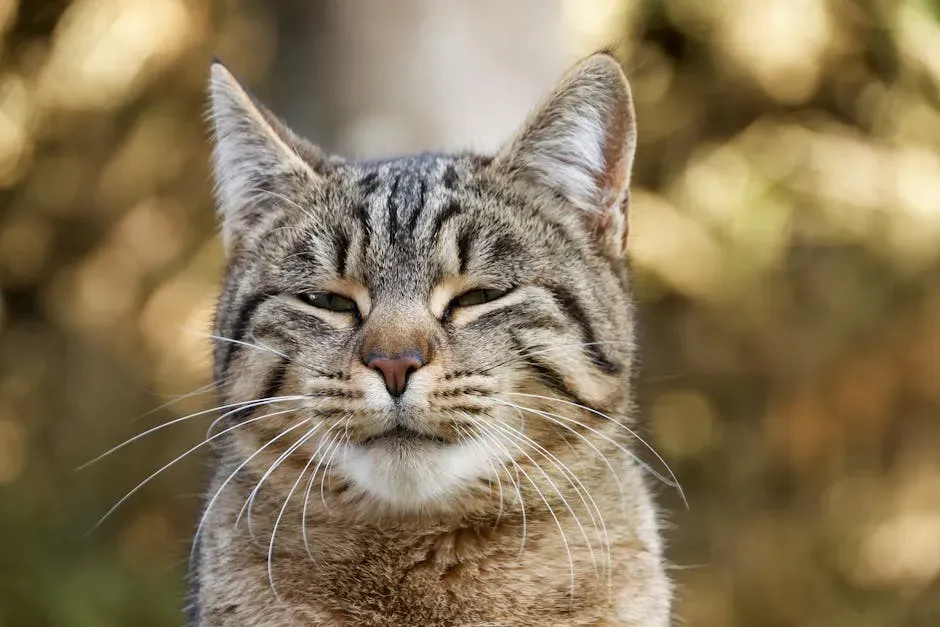
If your cat has ever locked eyes with you and slowly closed and reopened them, you’ve received one of the highest compliments in the feline vocabulary. This isn’t sleepiness, and it isn’t coincidence.
University of Sussex researchers confirmed the slow blink as a genuine sign of affection and trust, finding in a 2020 study that cats were more likely to slow-blink at owners who slow-blinked at them first. A follow-up experiment went further, showing more half-blinks and eye narrowing when a human slow-blinked first, and cats were more willing to approach a stranger afterward than after a neutral stare. Most cats won’t do this for strangers. That’s nothing compared to what’s coming in #2.
Fast Facts
- Confirmed in a 2020 University of Sussex study
- Cats slow-blinked back more at owners who blinked first
- Cats approached slow-blinking strangers more readily than ones who stared
- Rarely offered to unfamiliar people or animals
#2 – Head Bunting You Like You’re Part of the Colony
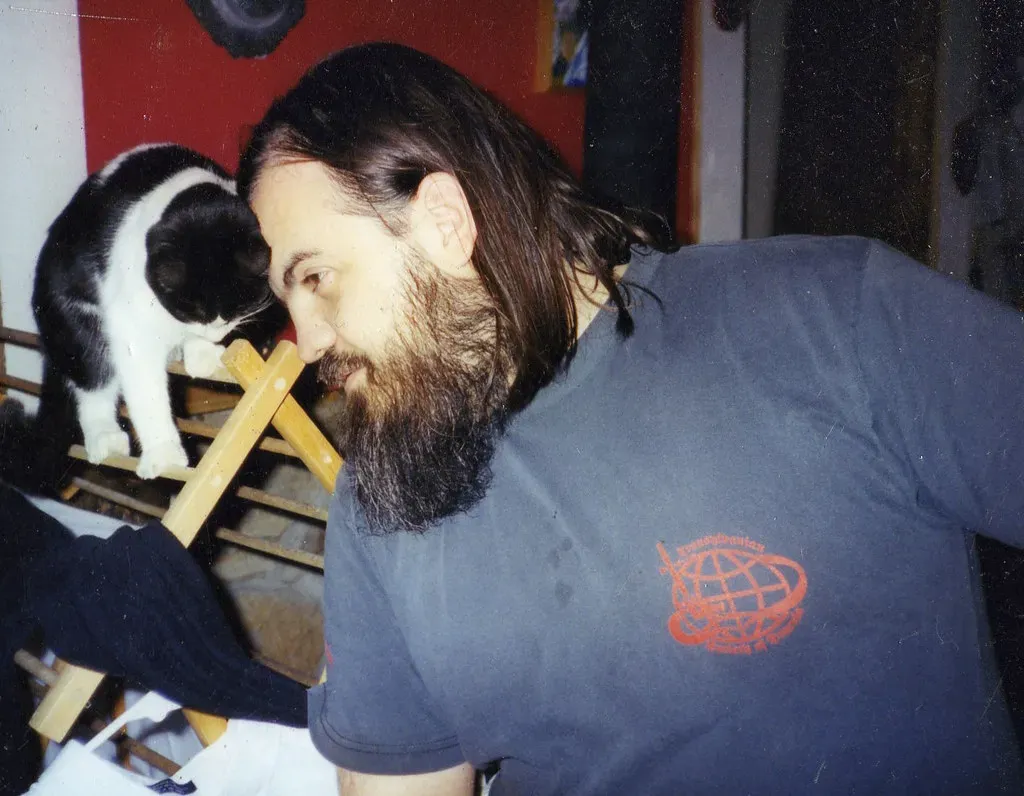
That head-bump your cat gives your shin, hand, or forehead isn’t random affection. It’s a formal claim of ownership, and it’s meant as a compliment.
Cats have scent glands on their cheeks, forehead, and chin, and bunting releases pheromones that essentially mark you as claimed territory. This behavior is reserved for trusted family – cats don’t head bunt strangers – and it’s often a hierarchical move, with a more confident cat usually initiating it first. Your cat is telling every creature in the house, including itself, that you belong to its family unit. But #3 might be the most misunderstood gesture on this entire list.
#3 – Kneading You Like Bread Dough
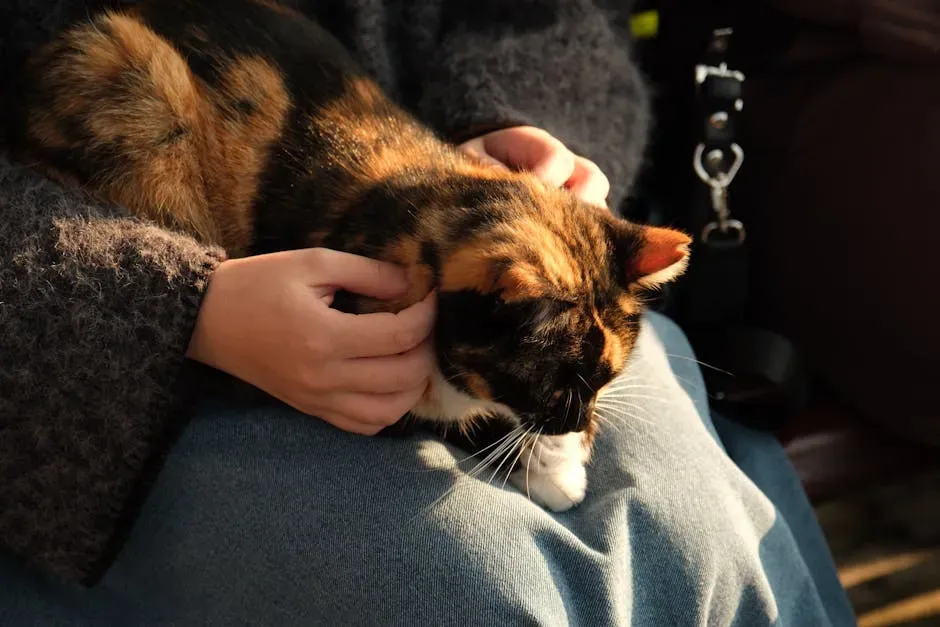
“Making biscuits” looks silly, but it’s rooted in one of the earliest bonding memories a cat ever forms. Kneading traces straight back to kittenhood, when kittens pushed against their mother’s belly to stimulate milk flow.
When an adult cat kneads you, it’s replaying that exact comfort, and the science backs up the sentimentality. Domestication preserved this neonatal reflex into adulthood, and kneading triggers an oxytocin-endorphin reward loop originally tied to the mother-kitten bond. Your lap has essentially become a stand-in for a mother cat’s belly – which means your cat’s nervous system has filed you under “total safety.” But #4 takes that trust one step further.
#4 – Purring the Moment You’re Nearby
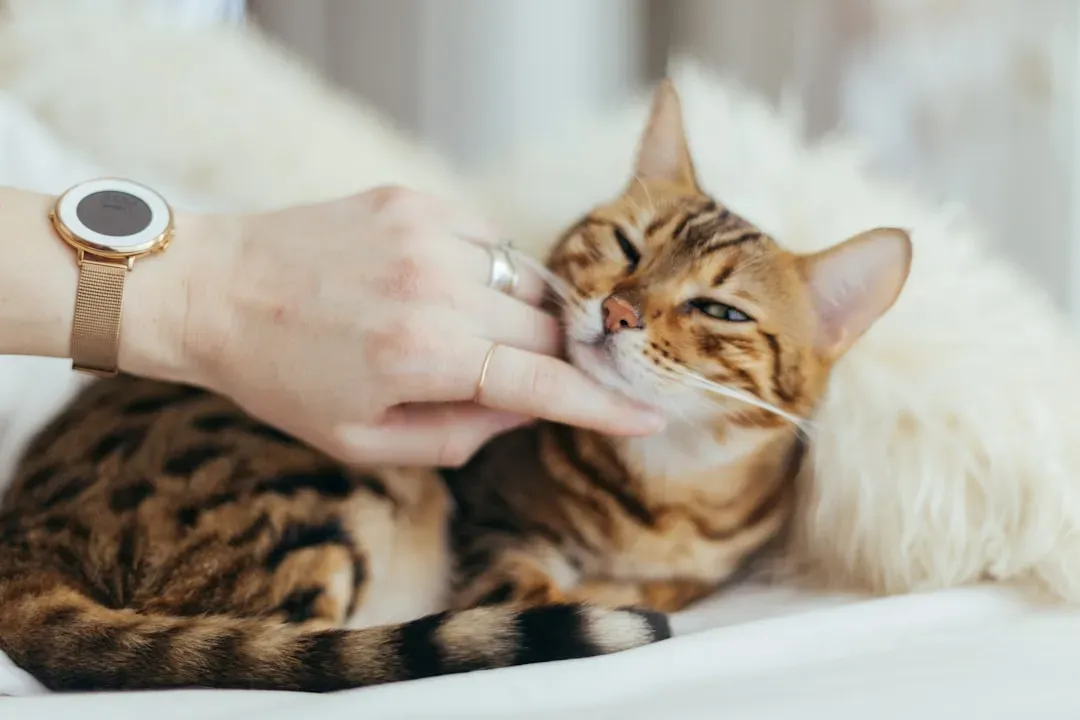
Purring gets treated as a default cat sound, but the context in which it happens is what actually reveals gratitude. A cat curled in your lap, purring and kneading at the same time, is echoing the exact behavior kittens use while nursing on their mother.
Purring isn’t purely a happiness signal, though – cats also purr to self-soothe when stressed or in pain, which is exactly why context matters so much here. A cat purring while pressed against you, relaxed, with soft half-closed eyes, is choosing your presence as its calming mechanism. It’s using you as a literal stress-relief tool, which is one of the sincerest forms of trust an animal can offer. Wait until you see what #5 says about your cat’s hunting resume.
#5 – Bringing You Dead (or Fake) “Gifts”
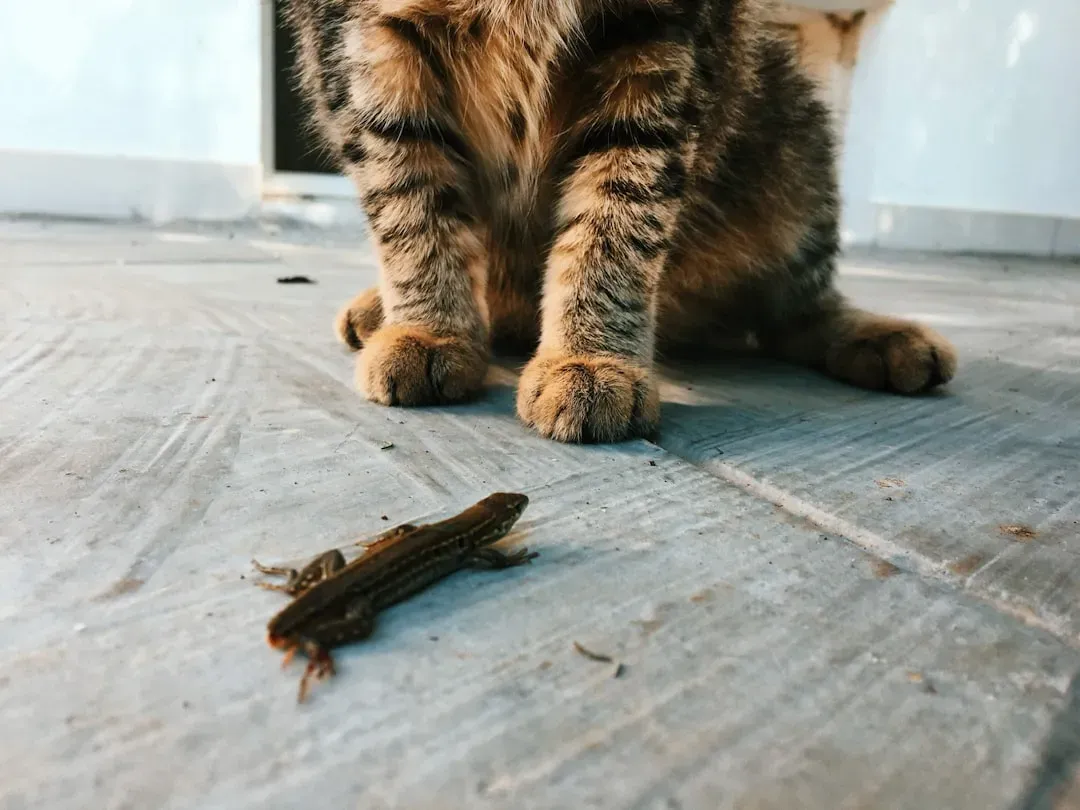
Few gestures cause more confusion – or more shrieking – than a cat proudly depositing a dead lizard on your pillow. It looks like chaos. Researchers say it’s actually touching.
Many cats appear to view their owners as ineffective hunters who need help, which may explain why some bring “gifts” of dead prey home in the first place. Veterinary behaviorists confirm cats also do this with toys, framing it as a token of affection, an instinctive behavior tied to feeding kittens, and a way of showing off a successful hunt. Your cat genuinely thinks it’s feeding you. It’s disgusting and sweet in equal measure, which is honestly peak “cat.” But #6 is the single most vulnerable thing a cat can do around you.
#6 – Rolling Over to Show Their Belly
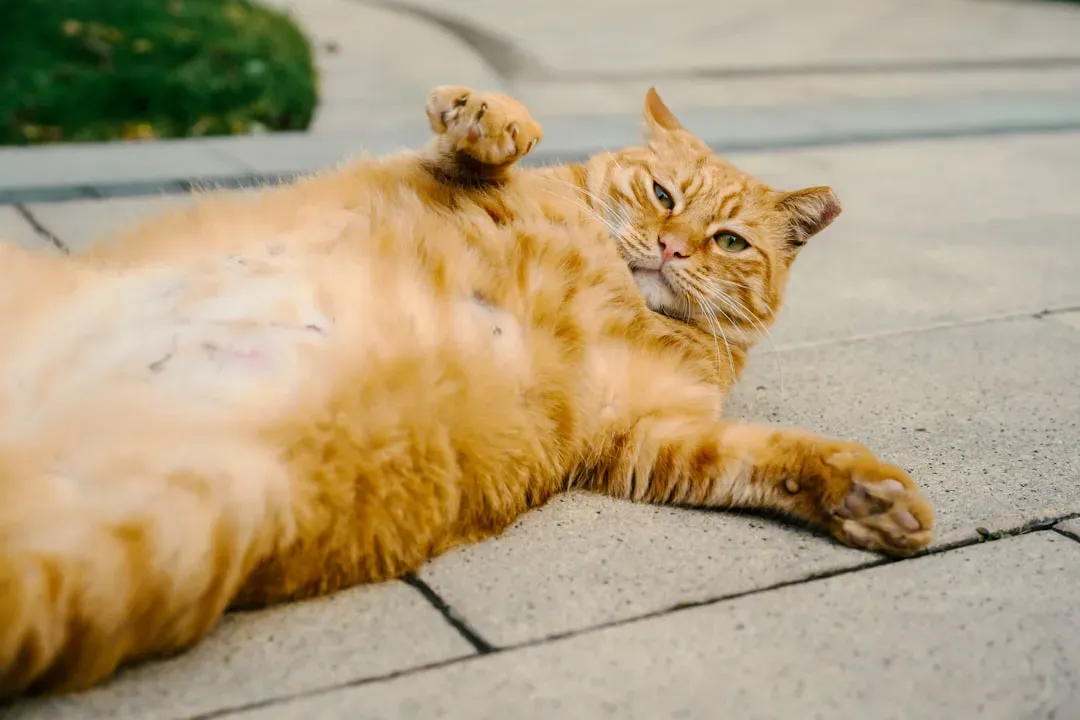
The belly-up flop looks like an open invitation, but experts warn that reading it as a “please rub me” signal is the single most common mistake cat owners make. Some cats will forgo the effort of walking over to greet you and instead roll onto their back right where they are.
This doesn’t mean they want a belly rub – it means they feel safe enough to expose vital organs that have almost no protective muscle covering them. That’s an act of deliberate, extreme vulnerability, not a casual invitation. Touching it uninvited is often the fastest way to get scratched, so take the gesture as thanks, not as instructions. But #7 is written in body language most owners scroll right past.
#7 – The Tail Curl and the Tail Wrap
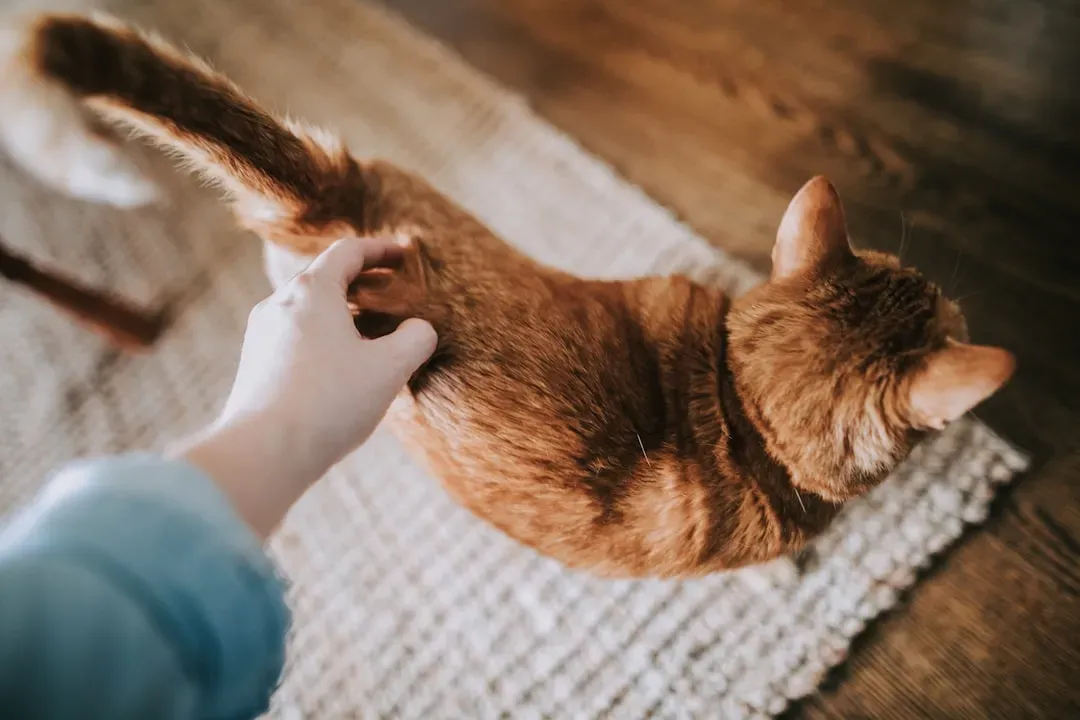
A cat’s tail is basically a mood ring, and when it’s pointed at you a certain way, it’s delivering a direct message of appreciation. An upright tail with a slight curve at the tip is one of the clearest, most consistent affection cues a cat can display toward someone it trusts.
It gets even more personal from there. Cat specialist Marilyn Krieger notes that a curved tip works as a friendly greeting, while a full tail-wrap around your hands, ankles, or arms is a much bigger display of love. That tail-wrap is essentially a hug – cats don’t waste it on people they merely tolerate. If your cat does this while you’re cooking or brushing your teeth, it’s not begging. It’s bonding. But #8 might explain why your cat never lets you use the bathroom alone.
Quick Compare
- Curved tip: a casual, friendly greeting
- Full tail wrap: the feline equivalent of a hug, reserved for trusted people
- Upright, relaxed tail: general comfort and confidence around you
#8 – Following You From Room to Room
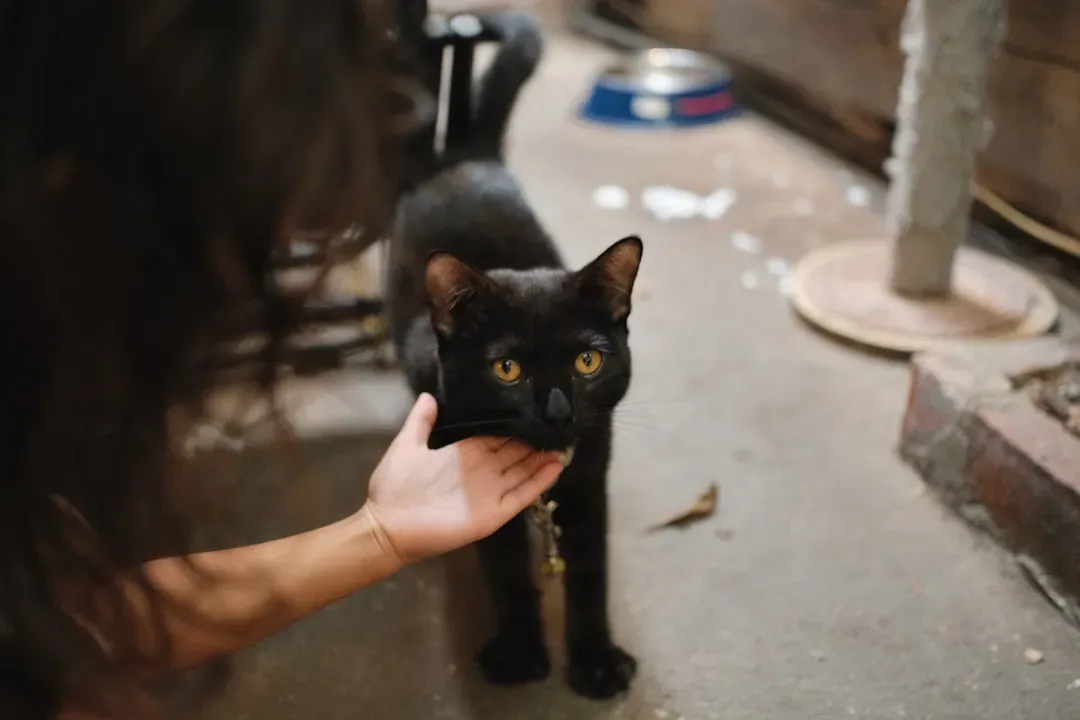
If your cat trails you to the kitchen, the laundry room, and even the bathroom like a tiny, judgmental shadow, that’s not nosiness. It’s attachment, plain and simple.
Feline cognition researchers have gone as far as saying this humble behavior might outrank flashier signals entirely – simple proximity may be the most significant sign of a bond there is. A cat doesn’t need a reason to follow you – your presence is the reason. Unlike dogs, cats aren’t wired for pack loyalty by default, so a cat that relocates every time you do is making a deliberate, learned choice. It’s quiet, constant, and easy to overlook precisely because it never stops. But #9 gets even more personal than following you around.
#9 – Sleeping on Your Clothes, Blanket, or Pillow
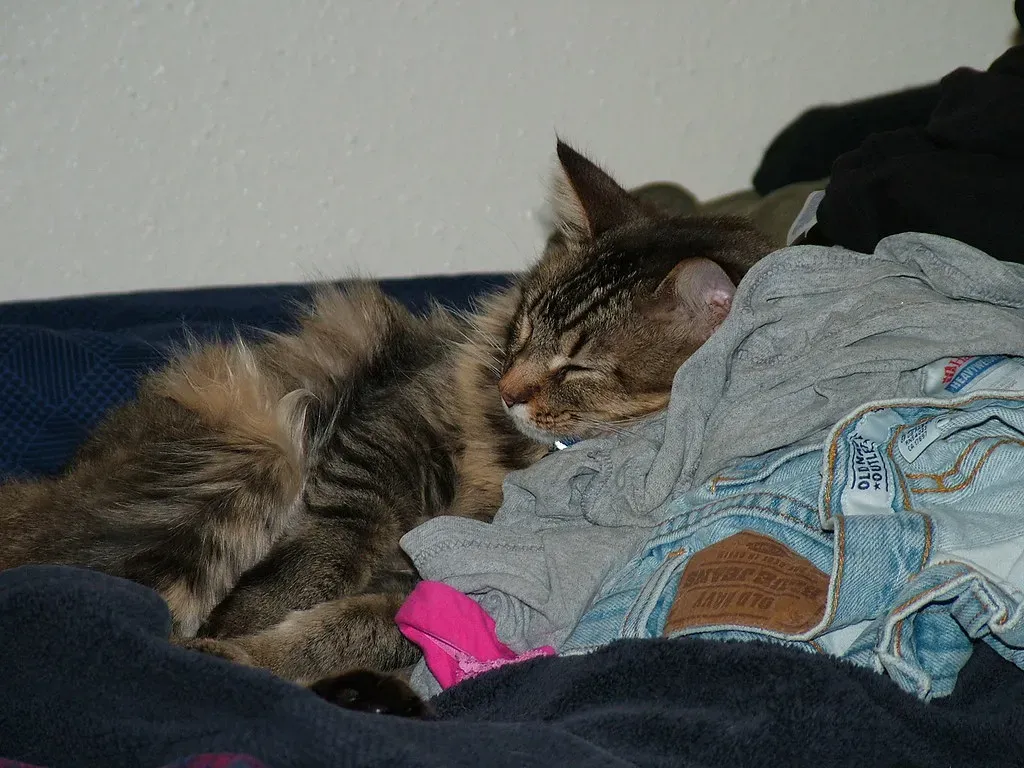
Cats are scent-driven animals, and few things carry more meaning to them than the specific smell of the person who feeds and shelters them. When a cat chooses your worn sweater or the blanket that smells like you over any fresh, unworn surface in the house, it’s making a statement about comfort and identity.
Behaviorists who study feline scent communication note that owner-worn clothing carries the highest concentration of human scent, which is exactly why cats gravitate toward it. Your smell is the most reassuring thing in your cat’s world. Sleeping in it is a low-effort, high-trust way of staying close to you even while you’re at work or asleep down the hall. It’s subtle, but it’s one of the most consistent “thank you” gestures a cat can offer. But #10 involves your cat literally grooming you like family.
#10 – Grooming You Back (Allogrooming)
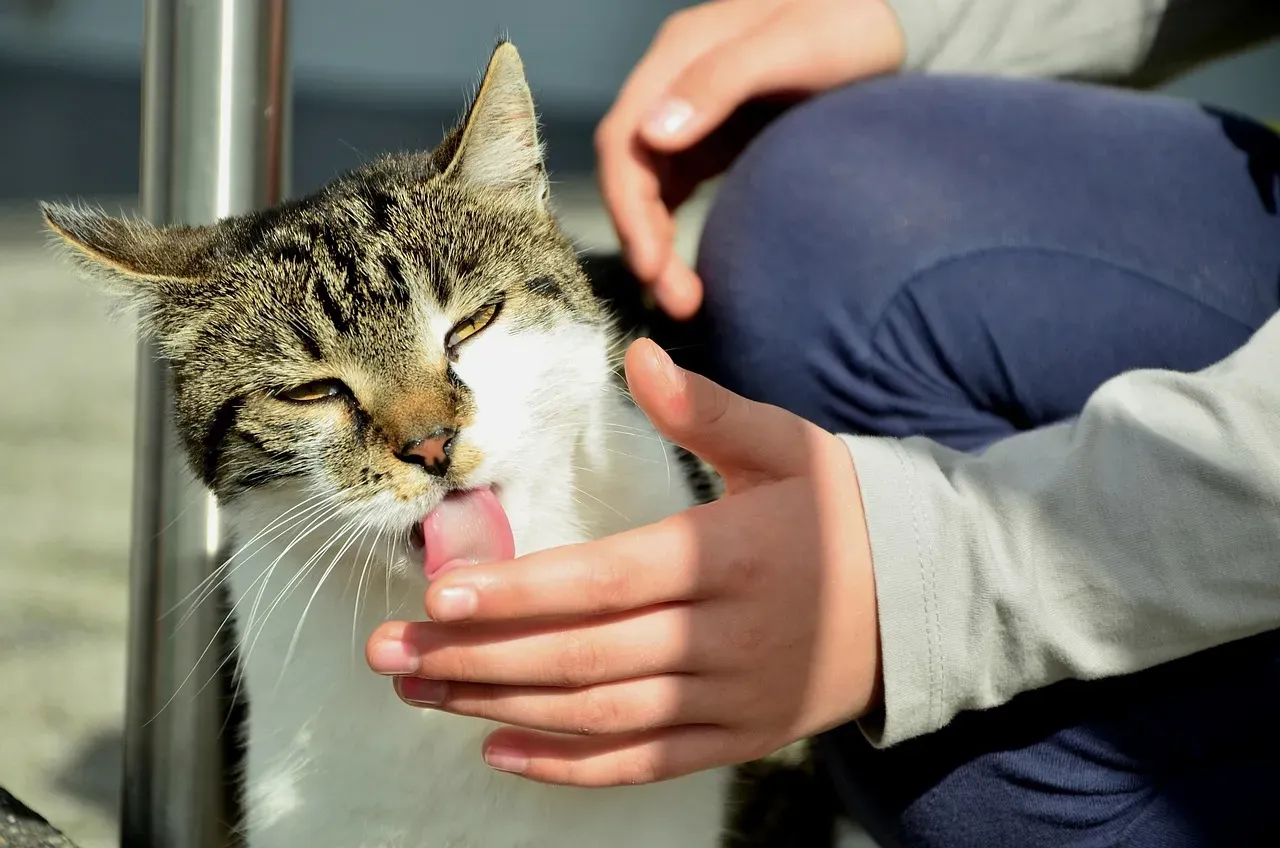
If your cat has ever licked your hand, your hair, or your eyebrow with that sandpaper tongue, you’ve been formally inducted into its social circle. Cats groom each other – known as allogrooming – to maintain social bonds, exchange colony scent, and manage tension between individuals.
This isn’t a behavior cats extend casually. In multi-cat research settings, over 90 percent of grooming sessions are one-directional, and a third are followed by tense behavior from the groomer, which shows just how loaded this gesture really is. That tension-managing complexity is exactly why licking you matters so much. A cat that grooms you is treating you like a trusted, high-ranking member of its own species – not a servant, not a stranger, but family. But #11 is a sound most owners have heard and never understood.
At a Glance
- Called allogrooming when cats groom each other or their humans
- Helps maintain social bonds and exchange colony scent
- Over 90% of grooming sessions in multi-cat studies run one-directional
- About a third end with mild tension from the groomer
#11 – Greeting You With Chirps and Trills
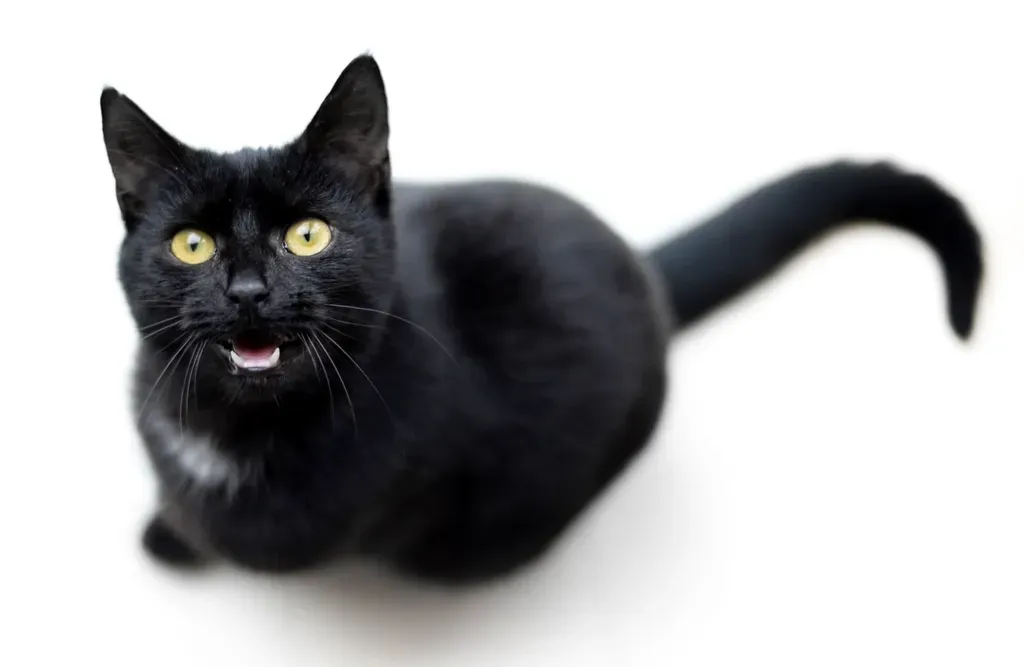
Most cat owners assume meowing is the full extent of feline vocal communication, but the specific chirrup-trill greeting sound is reserved almost exclusively for people – and cats – they adore. Unlike a demanding meow at the food bowl, the short, rolling “brrt” typically appears the moment a cat notices you’ve walked in the door or woken up.
It’s a greeting call, not a request, and cats rarely direct it at anyone unfamiliar or wary. It’s essentially your cat saying “there you are” without asking for anything in return. Many behaviorists consider it one of the purest affection signals because it costs the cat nothing – no food, no attention, no play required. But #12 is a habit that annoys almost every cat owner while secretly flattering them.
#12 – Sitting on Your Laptop, Book, or Paperwork
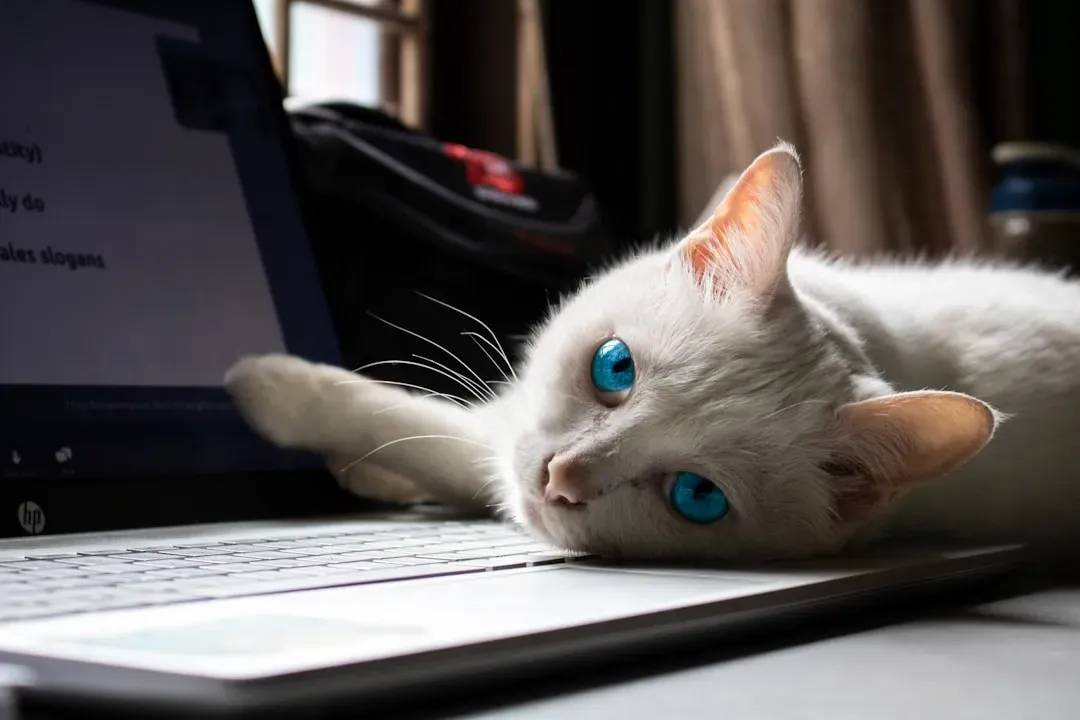
Nothing derails productivity faster than a cat parking itself directly on the one object you’re actively using, and that timing is not a coincidence. Cats gravitate toward warm surfaces and toward whatever currently holds your focused attention, because in their world, your attention is a limited resource worth competing for.
Sitting squarely on your keyboard works the same way head bunting and bunting-style attention-seeking do – it’s a polite, non-aggressive interruption meant to communicate a need. Your cat isn’t trying to sabotage your work; it’s trying to remind you it exists and matters. Owners often find it irritating, but read differently, it’s a compliment: your cat trusts that disrupting you won’t get it punished, only petted. That confidence is built entirely on the safety of your home.
#13 – Checking In With Their Eyes During Stressful Moments
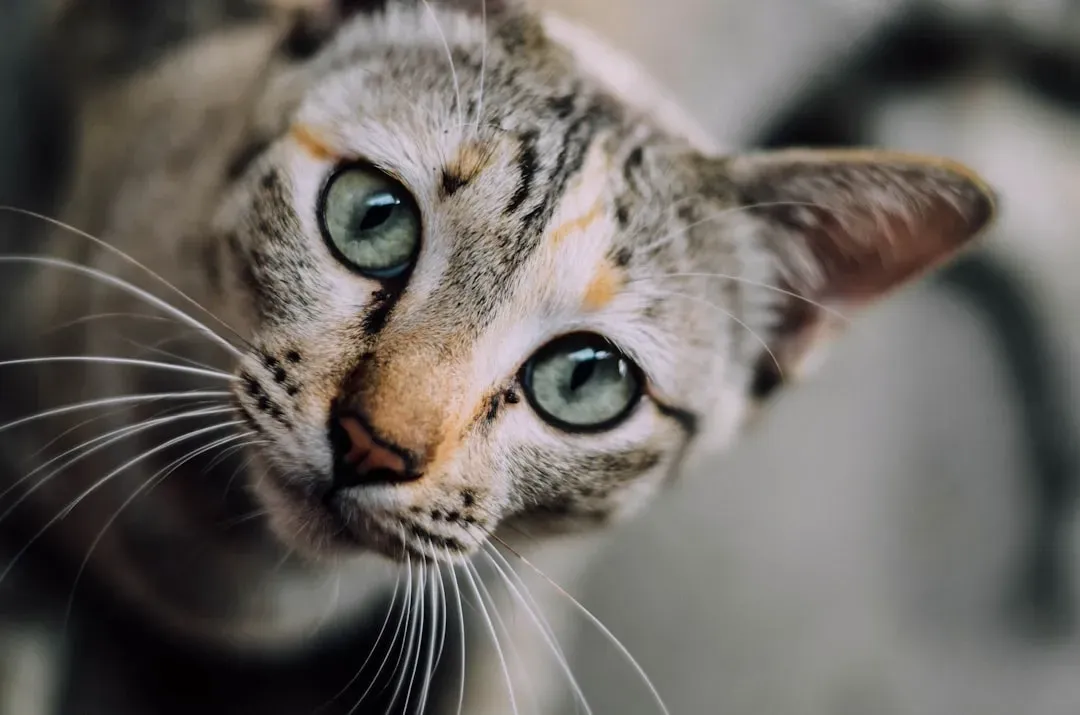
When something startles your cat – a loud noise, a new visitor, an unfamiliar delivery box – watch where its eyes go next. Often, it’s straight to you.
This is called social referencing, and researchers consider it a major marker of secure attachment, ranking it alongside slow blinking and head bunting as one of the most reliable signs of a bond. A cat that checks your face before deciding whether to relax or flee is treating you the way a young child treats a parent in an unfamiliar situation. That’s a profound level of trust for an animal so often stereotyped as independent. Calm body language and a relaxed voice from you can visibly de-escalate a nervous cat within seconds – proof the bond runs both directions.
Worth Knowing
- Known to researchers as “social referencing”
- Ranks alongside slow blinking and head bunting as a bond marker
- Mirrors how young children look to a parent in unfamiliar situations
- Your calm voice and posture can visibly de-escalate a stressed cat
#14 – Staying Close When You’re Sick, Sad, or Simply Still
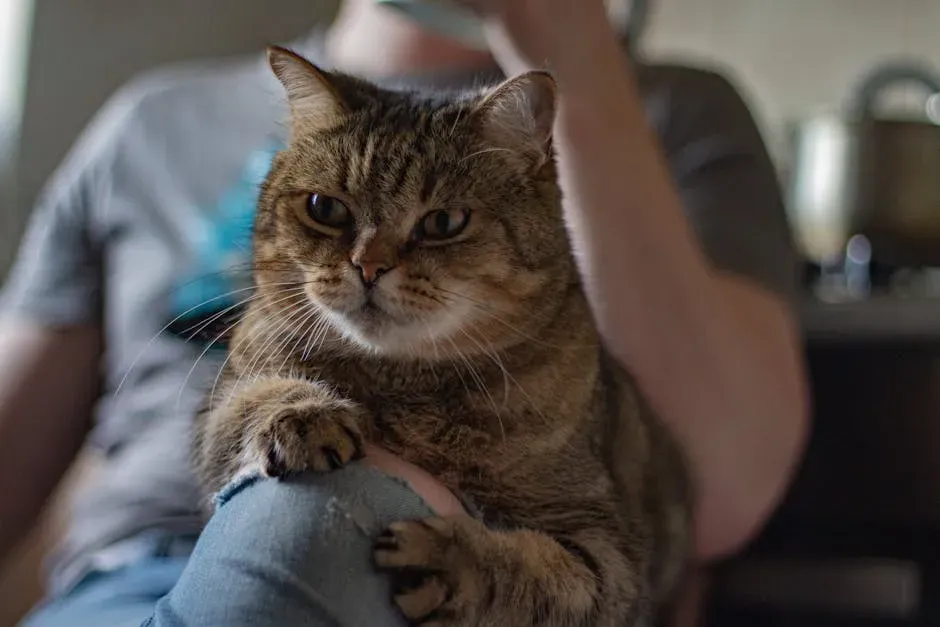
The quietest, most powerful “thank you” a cat gives isn’t a sound or a gesture. It’s simply refusing to leave your side when something feels wrong.
Cat owners across countless households report the same pattern: a cat that normally roams the house all day will suddenly plant itself beside someone who’s ill, upset, or unusually still, staying there for hours without the usual demands for food or play. This isn’t proof of some mystical sixth sense, but it reflects the same secure attachment researchers describe throughout this list – a cat treating your comfort as connected to its own sense of safety. A cat that stays instead of wandering is making a choice, not following a routine. It’s the least flashy gesture on this list, and arguably the most emotionally loaded one, because it asks nothing of you and offers everything.
The Bottom Line
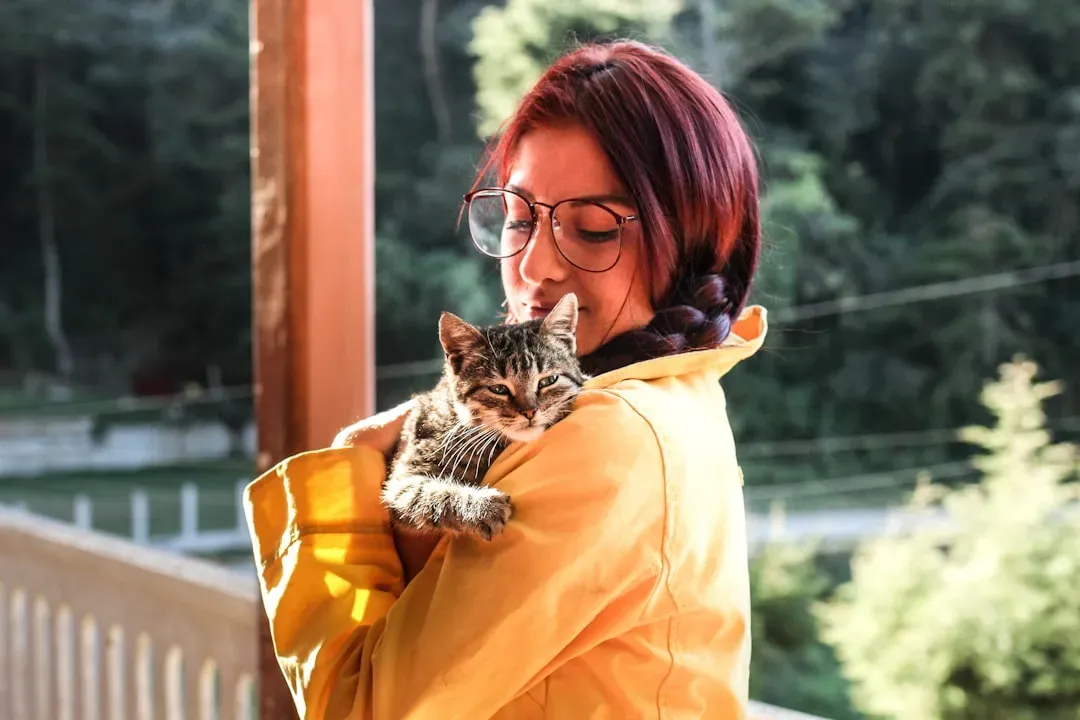
Cats don’t say “thank you” with tail wags or slobbery kisses, but the evidence is everywhere once you know where to look. Slow blinks, head bunts, kneading, and trailing you room to room are all quiet, deliberate signals of trust – not the cold indifference cats get accused of constantly.
Honestly, the bigger scandal is how badly some of these gestures get misread. Belly exposure gets punished with an unwanted rub, and a dead mouse on the pillow gets a scream instead of gratitude, when both are your cat trying its best to communicate on its own terms.
Your cat has been thanking you daily. Most owners have simply never been taught the language – so which of these does yours do most? Tell us in the comments, and don’t be shy about the weird ones.
Kristina is a young writer from India. An arts graduate and an avid content creator, Kristina is passionate about animals and wildlife. She enjoys exploring topics related to pet care, animal behavior, conservation, and nature, combining thorough research with engaging storytelling.