Most cat owners assume their feline is aloof, independent, and barely tolerates affection – until 2 a.m. hits and there’s a 10-pound heat-seeking missile wedged into your ribs, refusing to move an inch. Turns out, that nightly full-body press isn’t random. It’s a calculated, instinct-driven decision your cat makes every single night, and it says more about trust, biology, and raw survival instinct than most owners ever guess.
Veterinary behaviorists and feline researchers have spent years decoding this exact habit, and the reasons range from sweet to surprisingly primal – a few are even a little unsettling once you know the truth. Some of these instincts trace back to before your cat could even open its eyes. Here’s what’s actually happening behind those closed, purring eyelids.
#1 – Your Cat Is Literally Using You as a Furnace
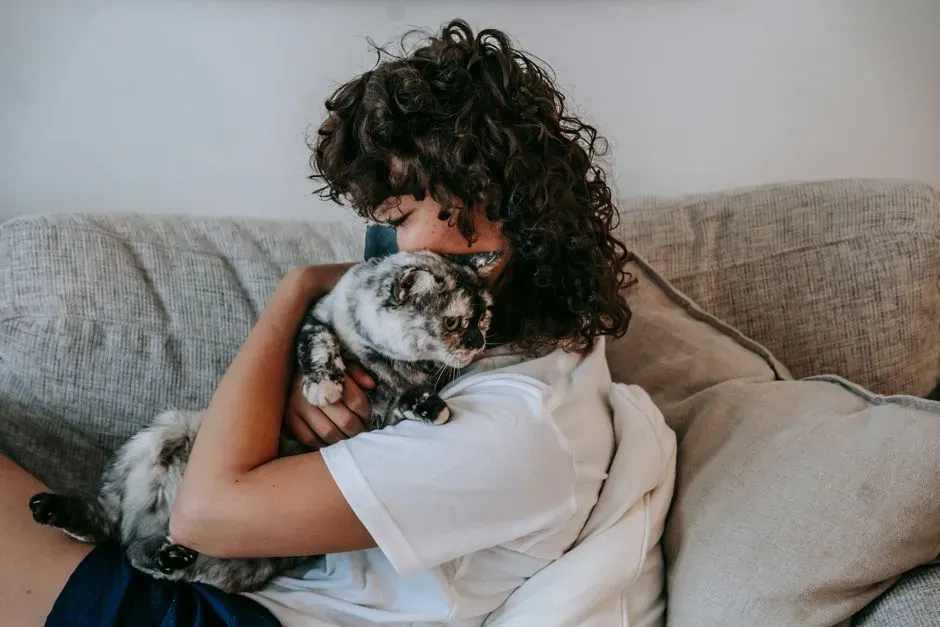
Let’s start with the least romantic, most practical reason: you’re warm, and cats are obsessed with heat. Cats love warm spots in the home, especially on colder days, and when they can’t find one, they start seeking your body instead.
Your body is a walking radiator to them, and they know it. Every cat owner has watched their cat sprawl out in a sunbeam or curl up next to a heat vent, which is exactly why you might find them draped over your laptop or pressed into your side overnight. You’re just the most convenient, consistent heat source in the house – one that doesn’t switch off at 10 p.m. But warmth is only step one. What happens next gets a lot more territorial.
Fast Facts
- A healthy cat’s normal body temperature runs around 100.5-102.5°F, noticeably warmer than a human’s.
- Cats sleep an average of 12-16 hours a day, and even more during cold weather.
- Cats will actively seek out spots well above room temperature, which is why sunbeams and laptops are so irresistible.
#2 – The Scent-Marking Secret Nobody Talks About
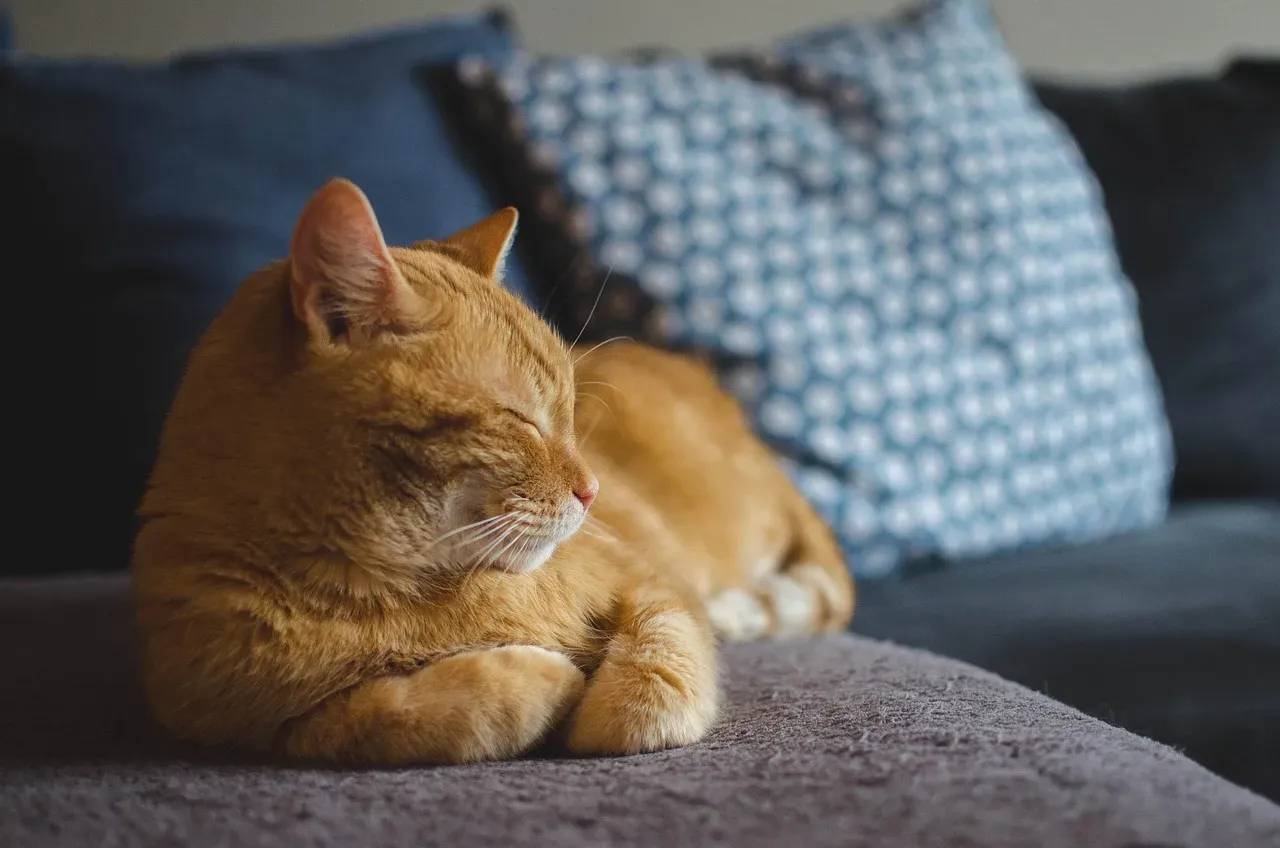
Here’s the part most owners never realize: your cat is quietly claiming you as property every single night. Cats are natural scent-markers, and when they press up against you, they’re leaving behind a personal calling card.
Felines have scent glands in their cheeks, paws, flanks, and even their rear ends, releasing pheromones that signal comfort, familiarity, and possession. Your cat isn’t just cuddling – it’s signing a lease. To your cat, scent equals ownership, and snuggling is how the paperwork gets filed. It’s not sentimental to them; it’s practical branding, and if you’ve got other pets in the house, that branding has a very specific second purpose.
#3 – They’re Telling Other Pets “Hands Off”
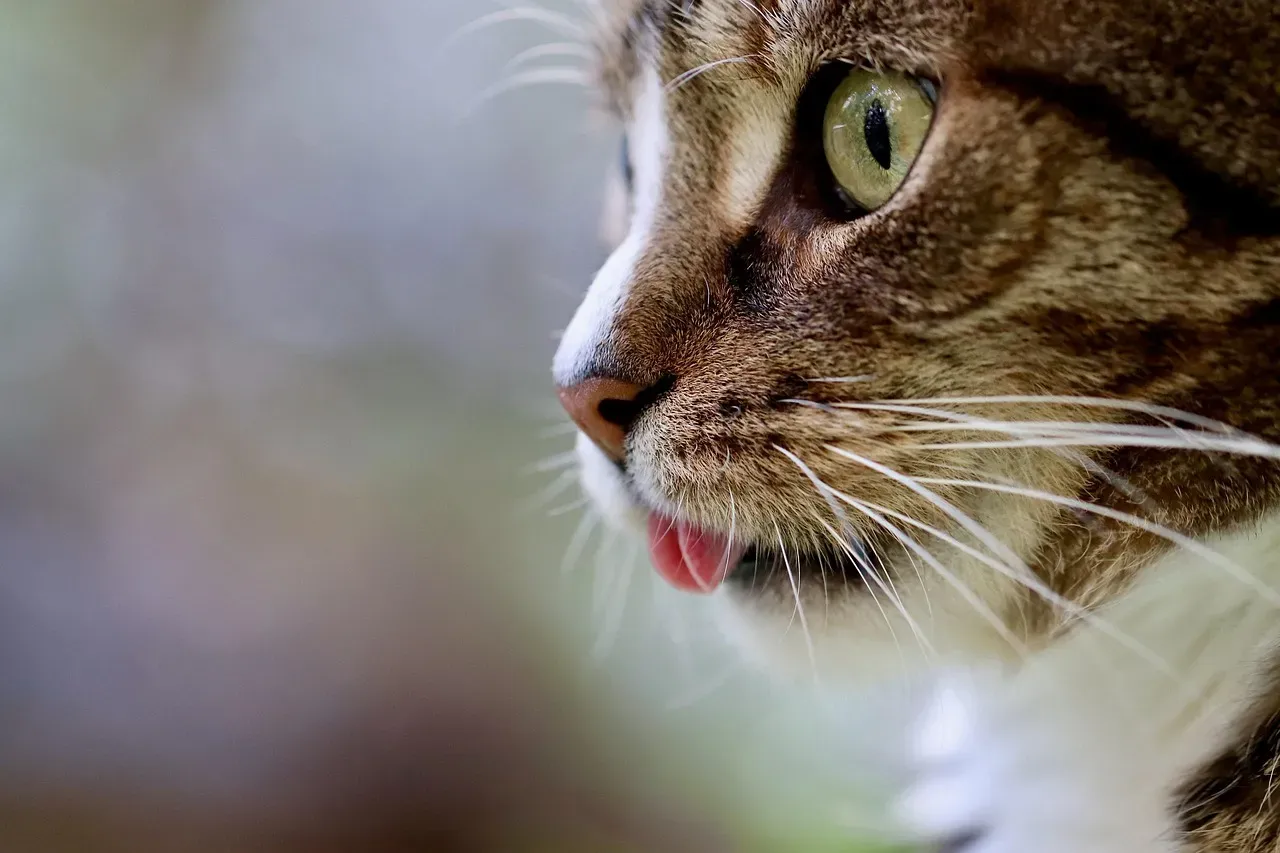
If you live in a multi-pet household, your cat’s nightly cuddle session is doing double duty. It comforts your cat, sure, but it also tells the others in the house – clearly, chemically – that you’ve already been spoken for.
Your cat is essentially posting a “reserved” sign on you using scent instead of ink. This isn’t aggression; it’s a quiet message that keeps peace in multi-animal households by heading off constant competition over who gets access to you. Some owners find this possessive streak a little unsettling once they learn the truth, and honestly, that’s a fair reaction. Your cat loves you, sure – but it also doesn’t want the dog anywhere near its favorite pillow.
#4 – Kneading Isn’t Random – It’s a Kitten Memory
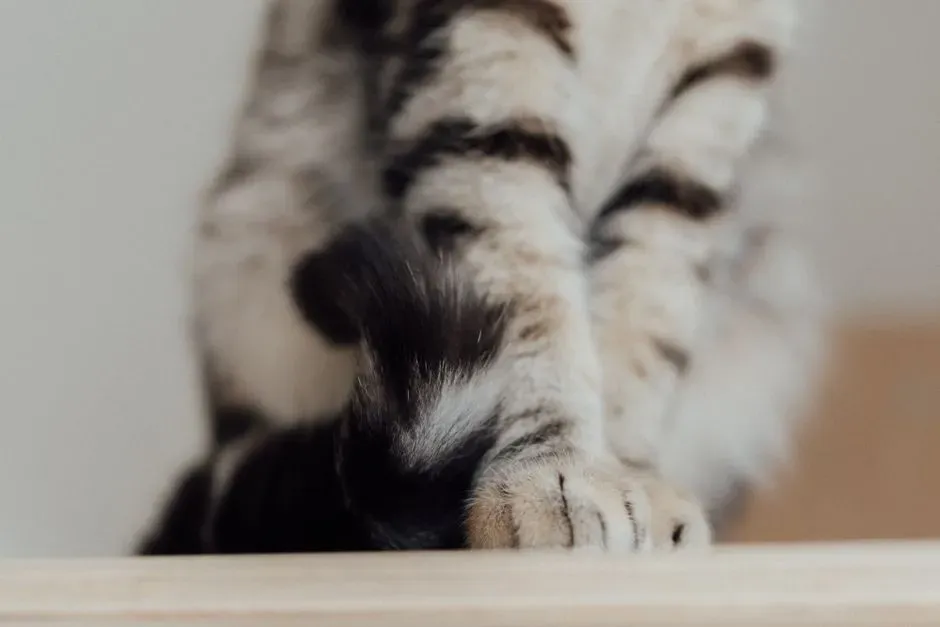
That rhythmic paw-pressing before your cat settles in? It’s not a quirky habit. It’s muscle memory from infancy, tied directly to nursing.
Your cat is essentially recreating the exact motion it once used to stimulate milk from its mother. It sounds almost bittersweet when you think about it – your fully grown cat, years past kittenhood, still chasing that same primal comfort it felt as a days-old baby. That’s not a coincidence, and it’s one of the clearest signs that your presence taps into something deeply emotional for them, not just physical convenience.
#5 – Safety in Numbers Is Hardwired Into Their Brain
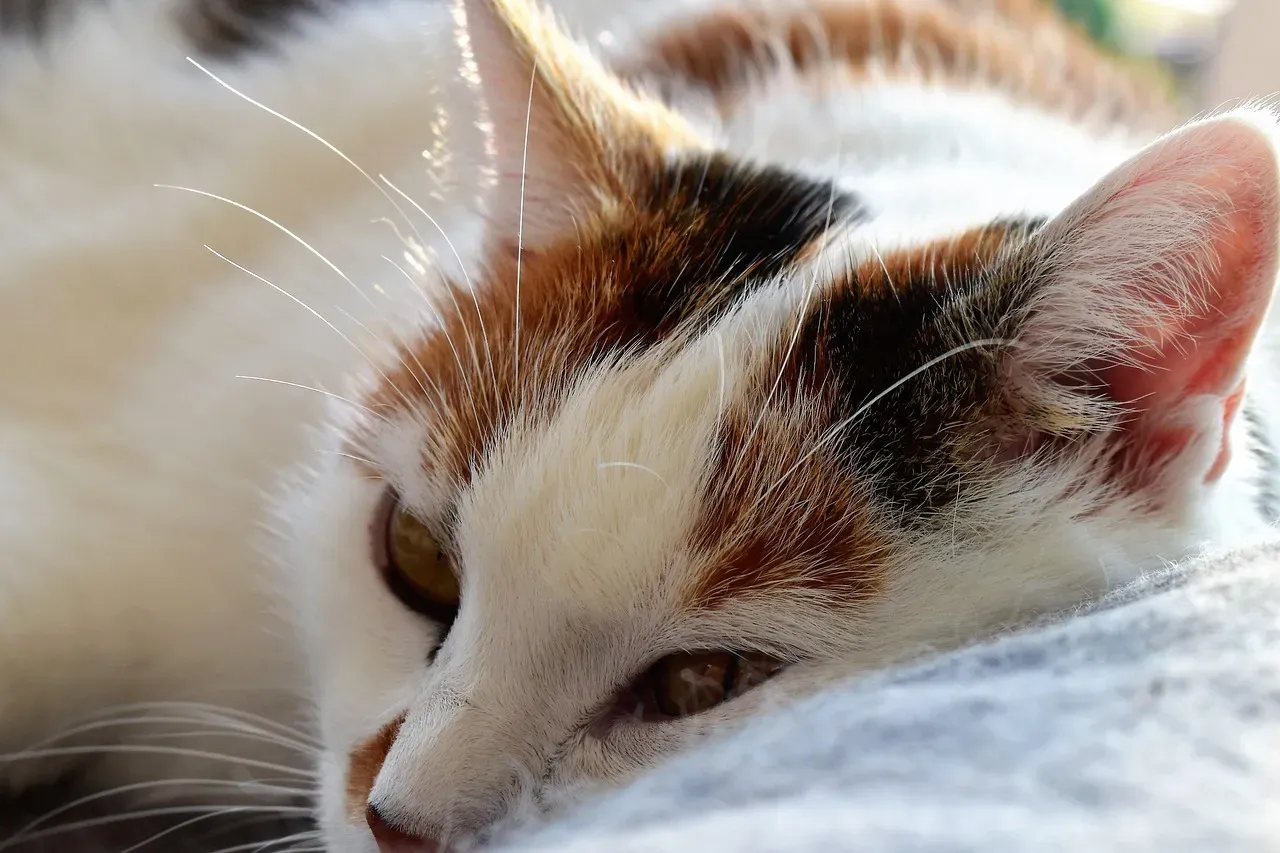
Cats didn’t invent solo sleeping. Their wild ancestors slept in groups for protection, and that instinct never disappeared, even generations into domestic life.
When cats touch their owners while sleeping, they’re marking you as part of their territory and, more importantly, as a safe place to rest. Your bed has essentially become a mini feral colony, and you’re the senior member. This is why solitary cats who suddenly gain a housemate – human or animal – often start sleeping closer almost overnight. It’s not neediness. It’s ancient survival math your cat runs every time it curls up against you.
#6 – Your Heartbeat Is Basically a Lullaby
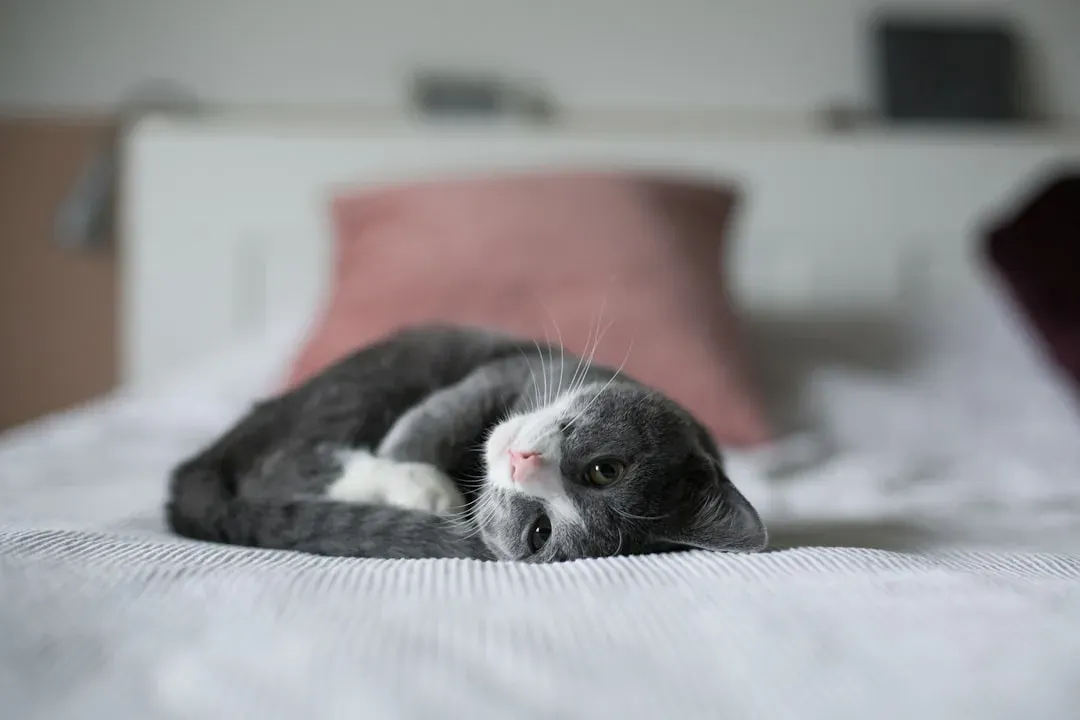
There’s a reason your cat presses its body right against your chest or side instead of just camping out nearby. Physical closeness lowers anxiety for many cats, and your steady heartbeat plays a bigger role in that than most owners realize.
The steady rhythm of your pulse is doing more sedative work than you’d ever guess. Your breathing pattern matters too – warm skin, a steady heartbeat, and a familiar scent add up to something like the feline equivalent of white noise. It’s not romantic language experts use lightly, but the science genuinely backs up why your chest, specifically, is prime real estate.
#7 – They’re Secretly Anxious and You’re the Cure
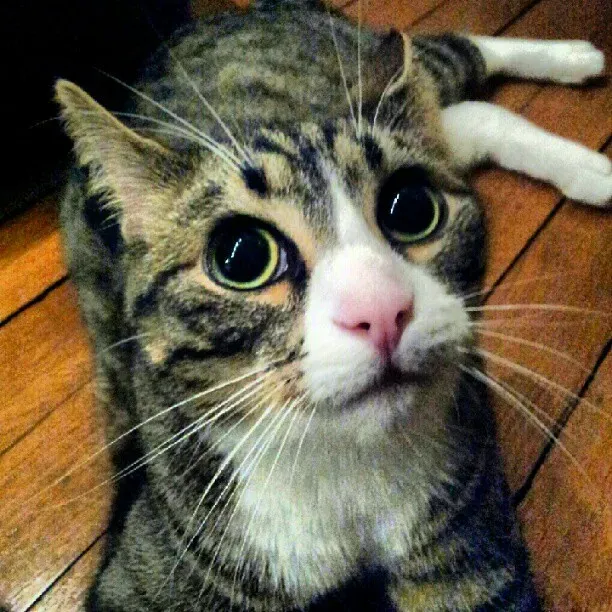
Not every clingy cat is simply affectionate. Some are quietly stressed, and you happen to be their coping mechanism. Humans aren’t the only ones who deal with anxiety – cats carry it too, and sleeping pressed against you helps melt it away.
Most owners never consider that their “clingy” cat might actually be a nervous one masking it well. Plenty of people assume a cat sleeping on top of them is the picture of a happy, secure pet, but behaviorists increasingly argue the opposite can be true. Sometimes it’s less “I trust the world” and more “I don’t trust the world, but I trust you.” That distinction matters, especially if the behavior shows up suddenly.
Worth Knowing
- Common signs of an anxious cat include excessive grooming, hiding, clinginess, and appetite changes.
- Cats can develop something very similar to separation anxiety, much like dogs do.
- Enrichment like perches, scratching posts, and interactive toys can ease stress-driven clinginess over time.
#8 – Storms and Loud Noises Turn Cats Into Velcro
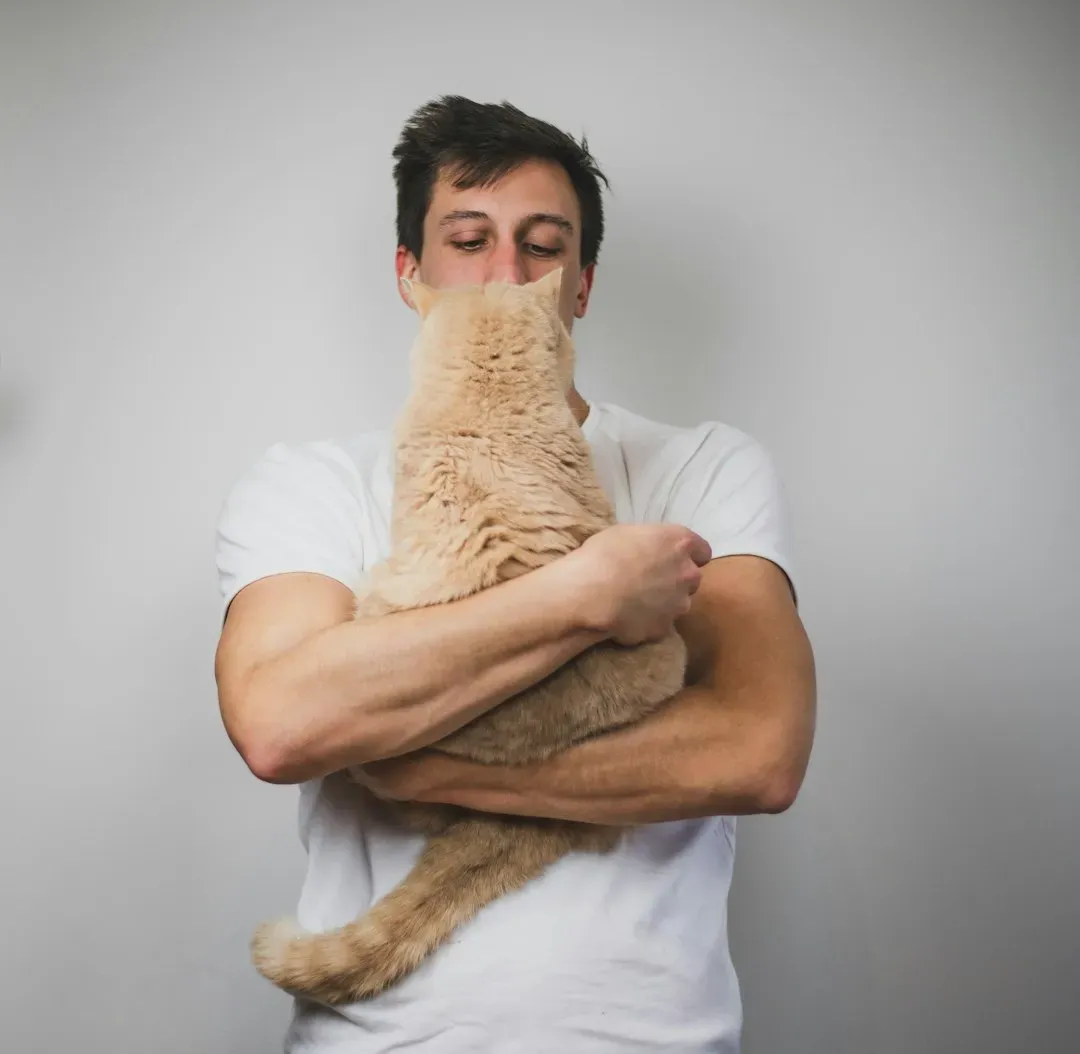
If your cat’s nightly clinginess spikes during thunderstorms or fireworks season, that’s not a coincidence – it’s a direct, testable trigger. You might also notice it during big life changes or when your cat isn’t feeling well.
Environmental stress can turn an independent cat into a full-time shadow almost overnight. A cat that normally sleeps at the foot of the bed but suddenly plasters itself against you during a loud storm is telling you something specific: it’s scared, and it has chosen you as the safest place in the house. That’s not clinginess. That’s your cat identifying you as its emergency shelter.
#9 – Some Cats Appoint Themselves Night Guards
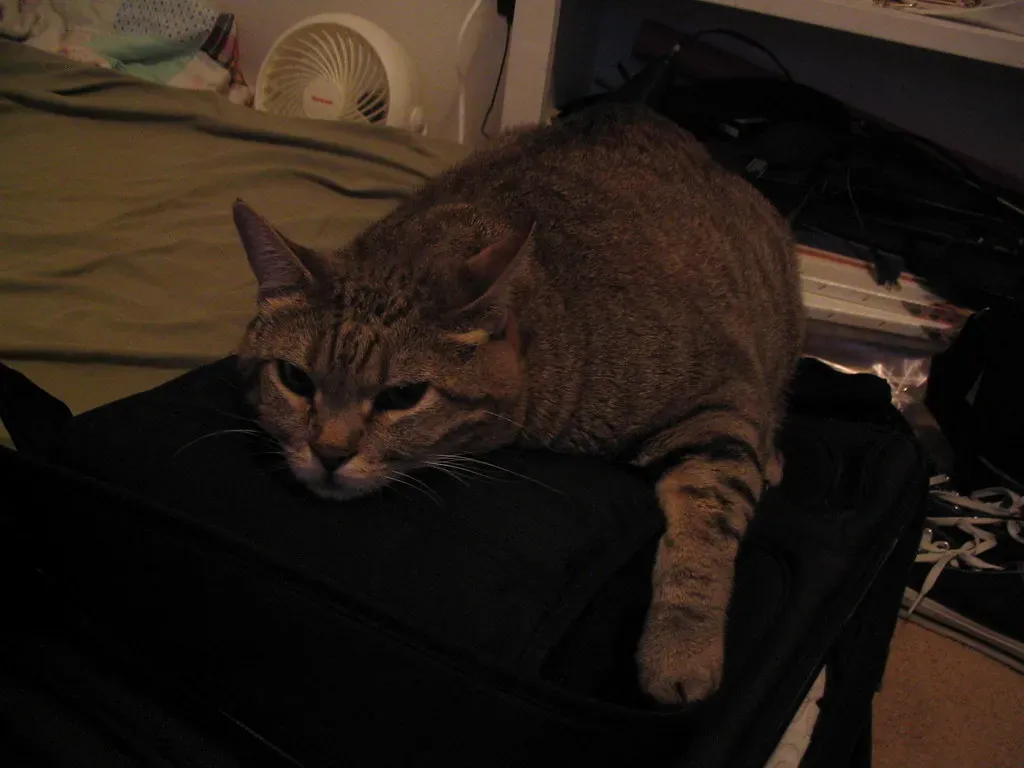
Not every cat presses against you to be comforted – some do it to comfort you, whether you asked for it or not. This cat perches slightly above or beside you, upright and watchful, keeping a light eye on the room while you sleep.
Some behaviorists trace this straight back to maternal instincts – the same way mother cats and colony members keep watch over sleeping kittens. If your cat sleeps pressed against your back or shoulder rather than curled into your stomach, this might be exactly what’s happening. It’s less “I need you” and more “I’ve got this,” but either way, the closeness reinforces that the two of you are a team, even while unconscious.
#10 – The Hormone Truth Nobody Warns New Owners About
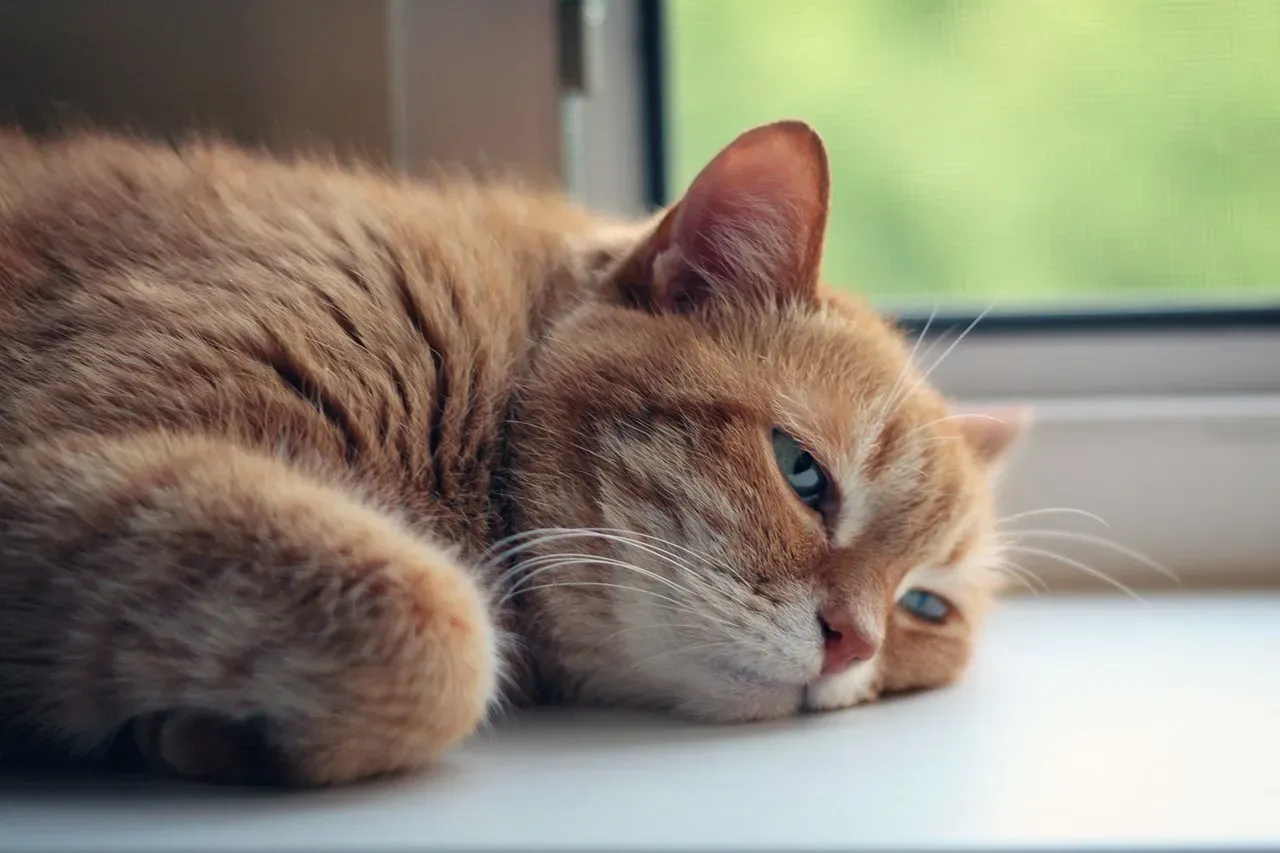
Here’s a reason that surprises almost every new cat owner, and it’s more clinical than emotional. Cats may sleep while rubbing against you because they’re experiencing significant hormonal changes, most commonly seen in cats who haven’t been spayed or neutered.
This one has nothing to do with love and everything to do with biology. A female cat in heat may try hard to share your bed, driven by a spike in estrogen. If your unspayed cat suddenly becomes noticeably more affectionate, vocal, and physically clingy, hormones – not deepening devotion – are likely the real explanation, even if that’s not what people want to hear.
Quick Compare
- Ordinary affection: calm pressing, occasional head bumps, quiet purring.
- Heat-driven clinginess: loud yowling, rolling, restlessness, and an intense need to stay near you.
- The fix: spaying or neutering typically resolves heat-related clinginess for good.
#11 – Sudden Clinginess Can Be a Health Red Flag
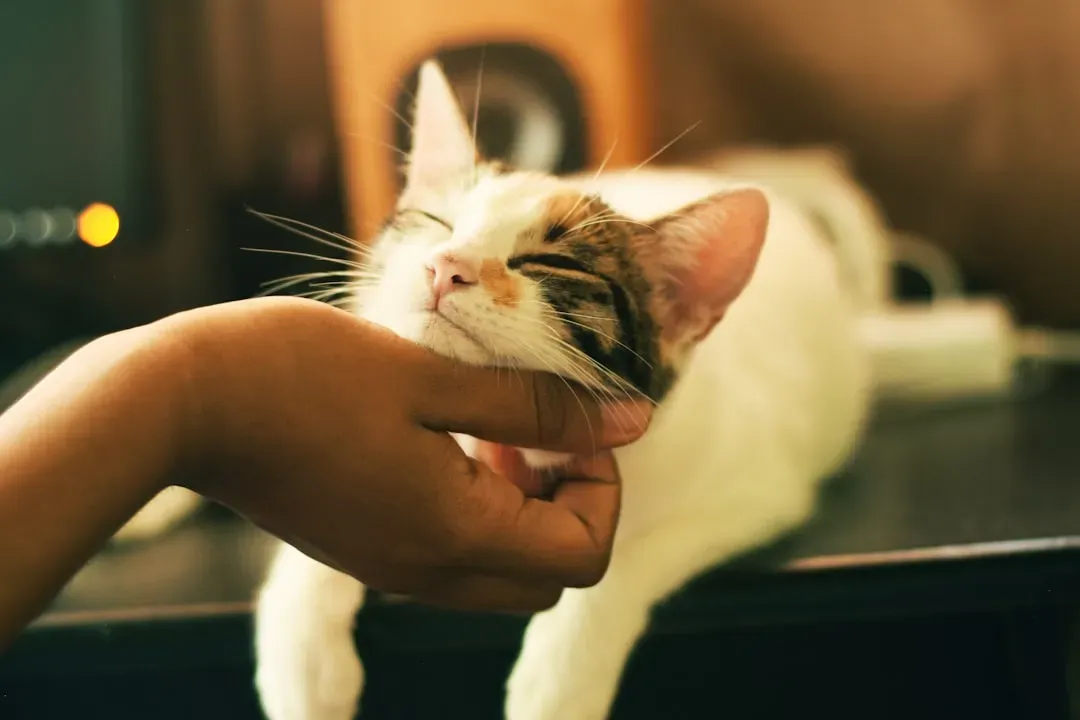
Most nightly snuggling is completely normal. But a sudden change in the pattern deserves real attention, not just a shrug. Older cats especially can experience shifts in sleep patterns and disturbances that weren’t there before.
A cat that never used to sleep touching you and suddenly won’t leave your side may be telling you something is wrong. If there’s a sudden change in behavior, or it’s affecting your own sleep quality, a vet visit is worth it. This is the one reason on this list worth actually watching for, rather than just enjoying – a lifelong cuddler is affectionate, but a formerly independent cat that changes overnight might be uncomfortable, in pain, or anxious about something you haven’t noticed yet.
#12 – Cats Aren’t Built for 8 Hours of Sleep Like You Are
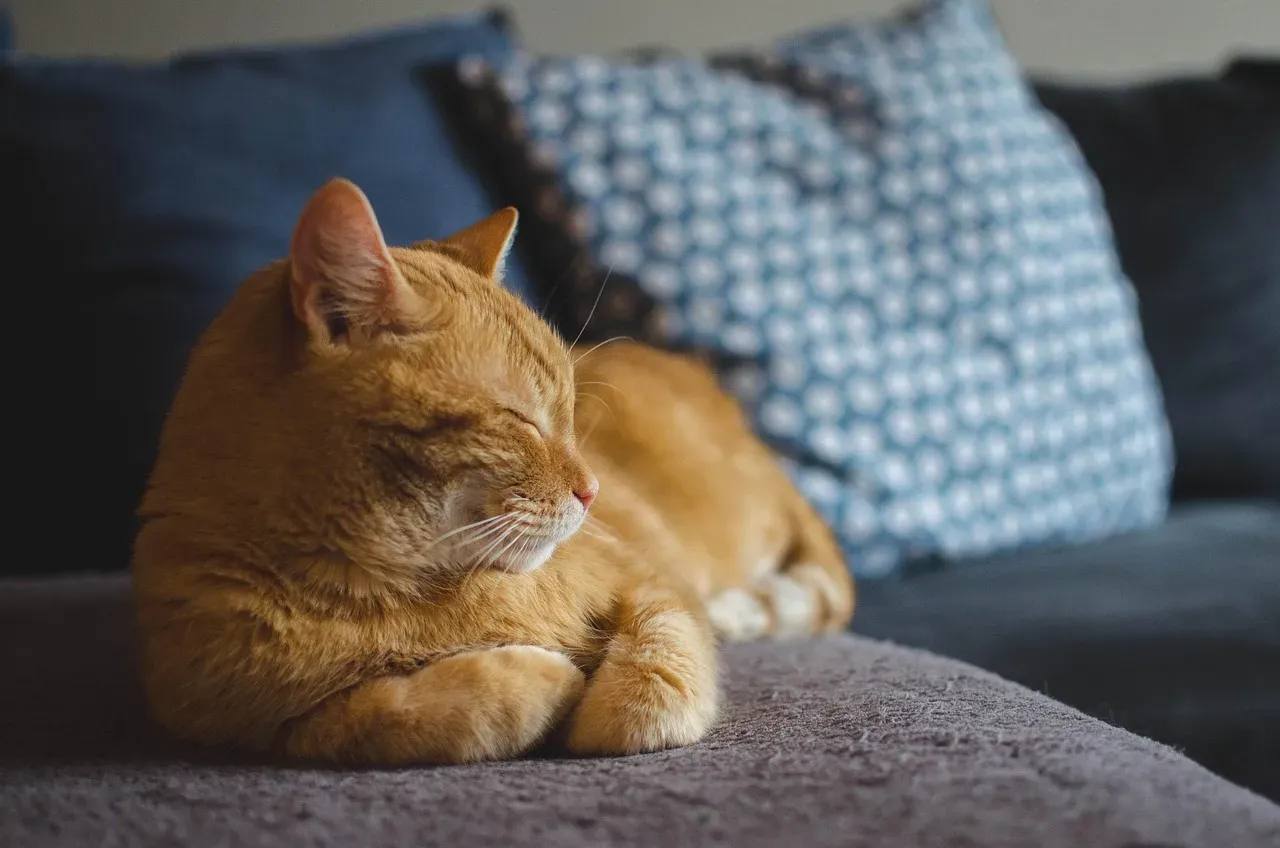
Here’s something almost no owner factors in: your cat’s nighttime schedule doesn’t match yours at all. Cats are crepuscular, meaning they’re naturally most active at dawn and dusk, not overnight the way we are.
That “cuddle session” you wake up to might just be phase one of a much longer night. Their real routine involves a few hours of cuddling, followed by zoomies, snack hunting, and possibly furniture climbing. This is why some cats press against you right as you fall asleep, vanish by 3 a.m., and reappear at dawn – you’re just the calm anchor point in a much busier night than you’d ever guess.
At a Glance: A Cat’s Nightly Schedule
- Dusk: natural activity and hunting instincts kick into gear.
- Bedtime: cuddle phase, pressed right up against you.
- Midnight-3 a.m.: solo patrol, play sessions, snack runs.
- Dawn: second activity peak, often right when they wake you up.
#13 – Vulnerability Is the Highest Compliment a Cat Can Give
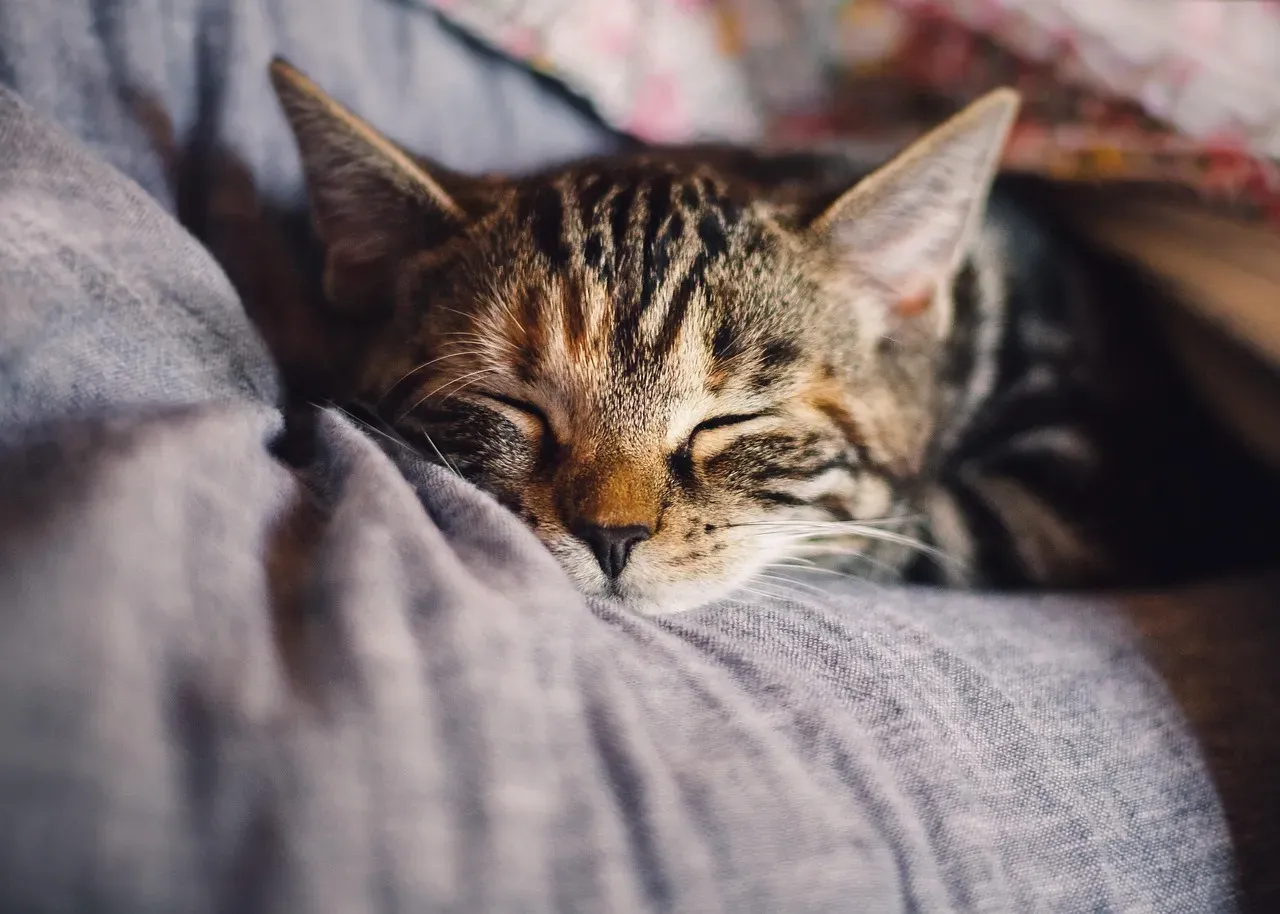
This is the reason behaviorists point to again and again, and it’s the one that actually means the most. Cats spend a huge chunk of their day asleep, and sleep is the exact moment they’re least able to defend themselves.
Sleep leaves them vulnerable, so if they curl up beside you, it means they feel safe – physically and emotionally.
Common veterinary behaviorist consensus
Sleep is the single moment your cat is least able to defend itself – and it’s choosing you anyway. Of everything on this list, this is the reason that should actually change how you feel about being woken up at 4 a.m. by a paw in your face. It’s not disruption. It’s your cat handing you the highest form of trust it has.
#14 – It’s the Strongest Bond They Know How to Show
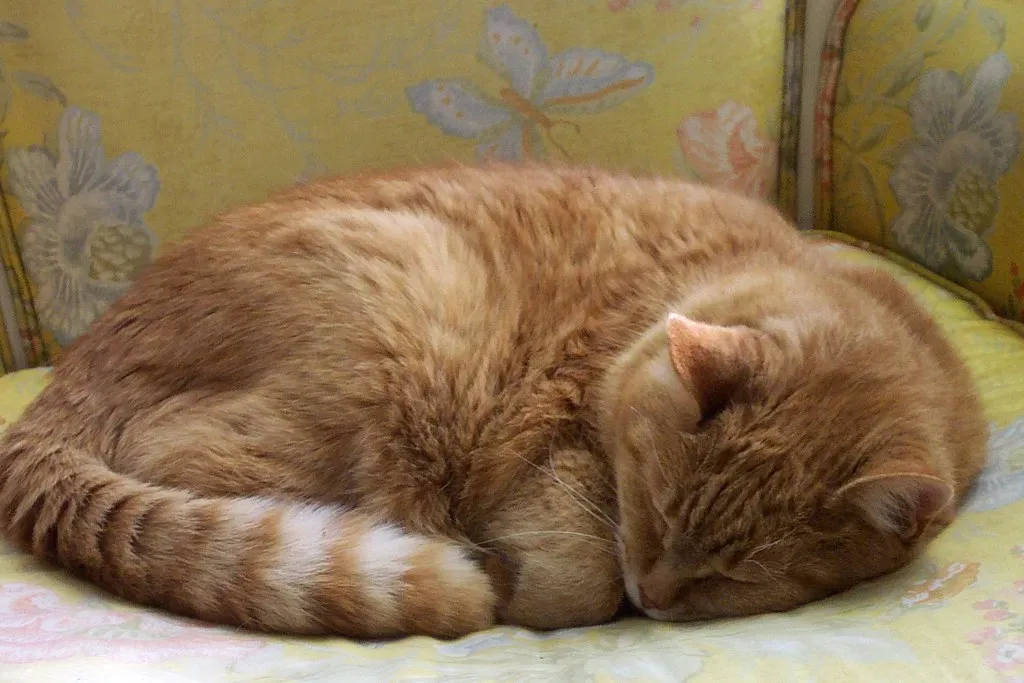
Everything on this list eventually funnels into one final truth: this is simply how cats express love. Your cat sleeps pressed against you because it trusts you, feels safe, and finds warmth and comfort in your presence – all at once, every single night.
There is no single “real” reason – it’s warmth, trust, scent, and love, all compressed into one nightly ritual. Some cat owners insist independent cats are somehow “better” or more emotionally mature than clingy ones, but that framing misses the point entirely. A cat who chooses to sleep pressed against you every night isn’t lacking independence – it’s actively selecting connection when it has every option not to. That’s not a consolation prize. That’s the whole point.
The bottom line: fourteen reasons, one undeniable truth – when your cat presses against you every night, it’s running through a checklist of warmth-seeking, scent-marking, anxiety-soothing, and bond-reinforcing instincts, all at once. Most owners chalk it up to simple affection and stop there, but the real story is far more layered: part biology, part survival instinct, part genuine love. The one part worth actually sitting with is this – if your cat’s behavior suddenly changes, that shift deserves more attention than nostalgia. Not every clingy phase is romantic; sometimes it’s a signal. Either way, it’s one of the clearest windows you’ll ever get into what’s actually happening in your cat’s head. Which reason surprised you the most? Tell us in the comments, and let us know what position your cat sleeps in.
Kristina is a young writer from India. An arts graduate and an avid content creator, Kristina is passionate about animals and wildlife. She enjoys exploring topics related to pet care, animal behavior, conservation, and nature, combining thorough research with engaging storytelling.