Everyone assumes loyalty needs a wagging tail and a dog tag. A cat, by reputation, is supposed to tolerate you at best and judge you at worst.
But vets keep saying something different, and it’s worth paying attention to. Certain cat breeds attach themselves to one person with a focus that looks less like “pet” and more like “partner.” They memorize your routines, clock your moods, and quietly choose a favorite human for life. The list below is where things get surprising – because the most loyal cat on it isn’t the one you’d expect.
#1 – American Shorthair
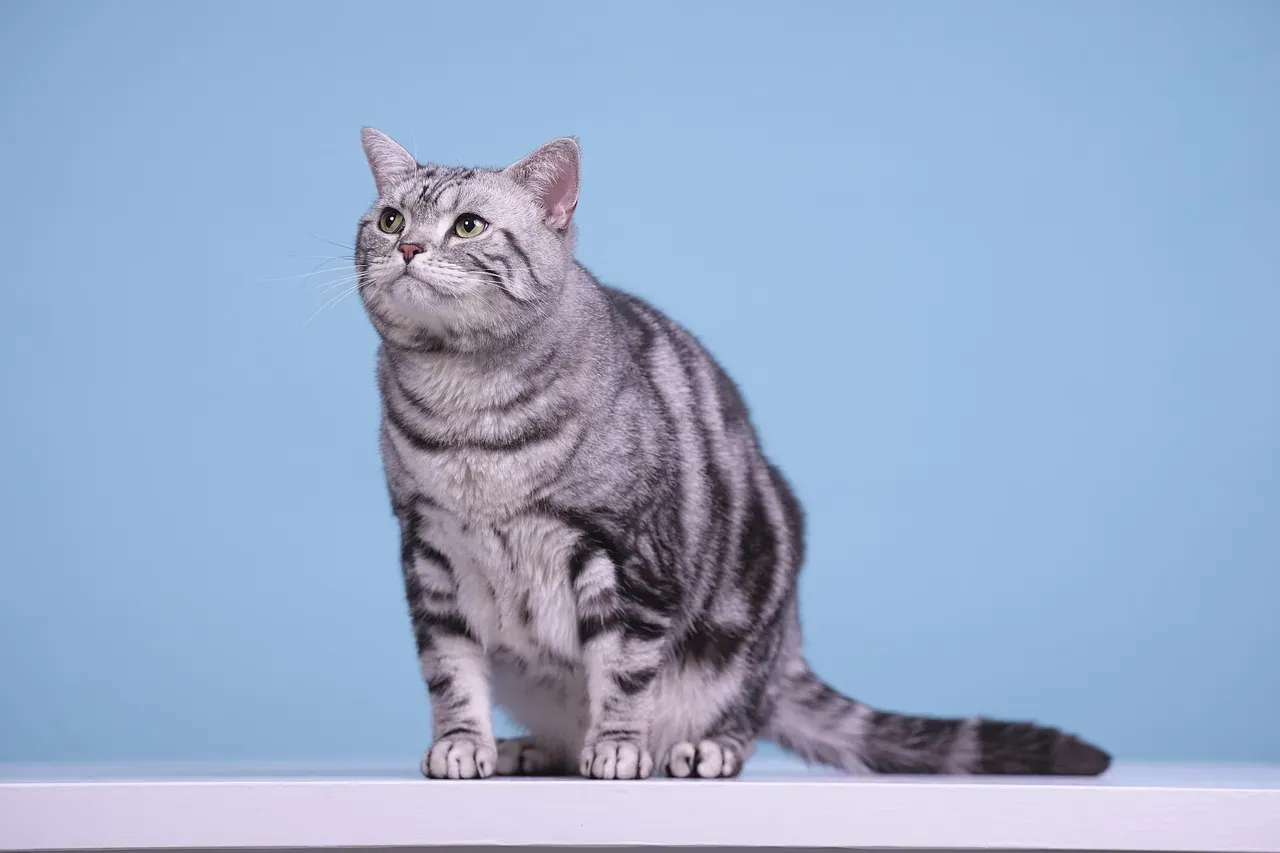
The American Shorthair doesn’t beg for attention, but it never really leaves your side either.
Veterinarian Nita Vasudevan describes this breed as a “steady, dependable cat,” noting that while the American Shorthair isn’t typically clingy, it forms strong bonds with humans and builds long-term loyalty with its family. That’s the twist here – this cat proves loyalty doesn’t require neediness. It shows devotion through consistency instead of drama.
These family-friendly cats tend to be adaptable, often sticking closely to their daily routines and the people they love. They’re good with kids and other pets, affectionate and playful without being overly hyper – which only adds to their low-maintenance appeal. But wait until you see what #2 does with a single glance from across the room.
#2 – Egyptian Mau
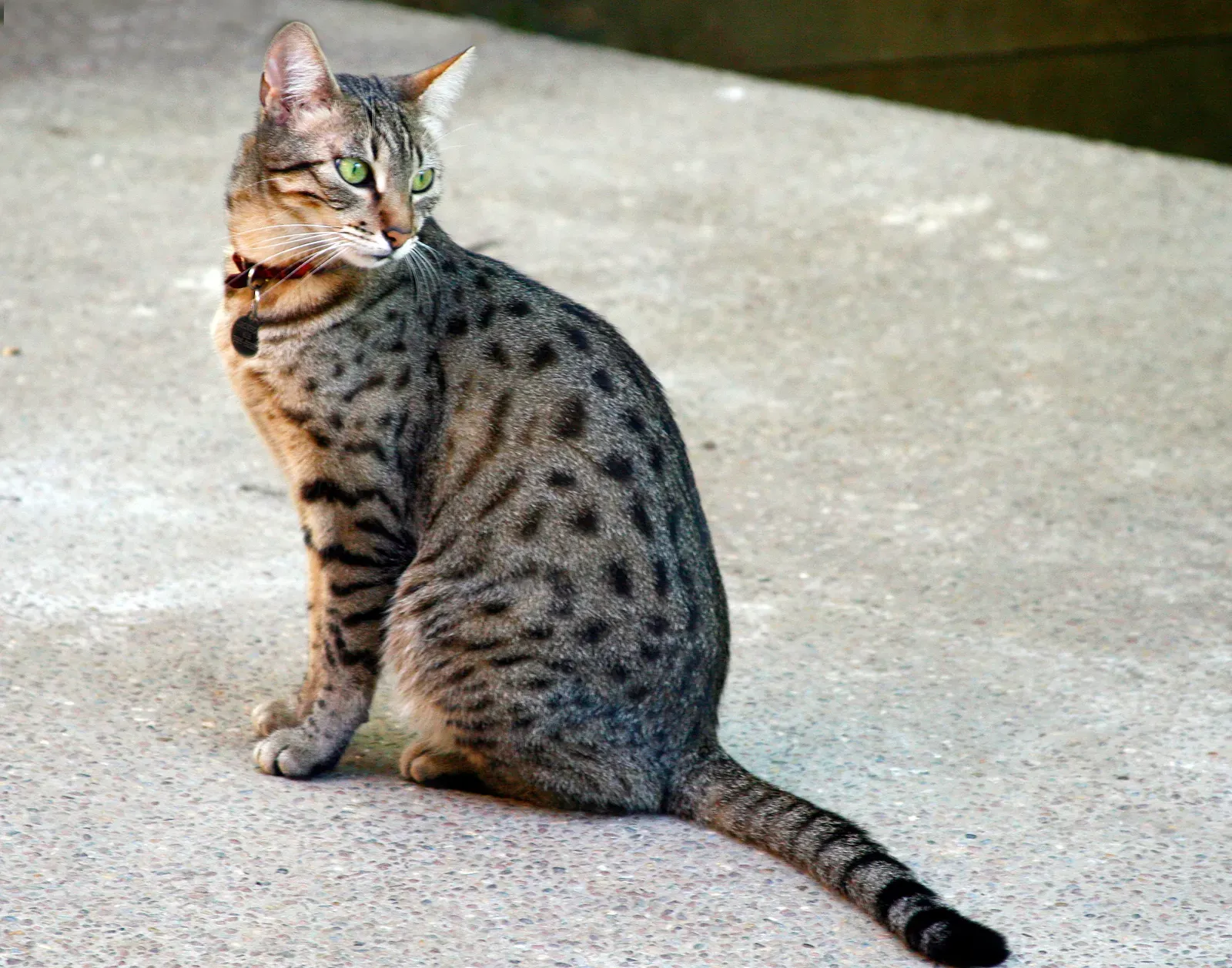
This spotted breed doesn’t just love its family – it actively watches over them.
According to TICA president Vicki Jo Harrison, Egyptian Maus are intensely loyal and passionate about their families, yet still happy to go about the business of being a cat. What most owners don’t realize is how sensitive this breed actually is. Harrison notes Maus are shy, sensitive cats easily upset by sudden loud noises.
This isn’t a cat that performs loyalty for show. It’s a quieter, more watchful kind of devotion, paired with striking looks – they’re the only naturally spotted breed of domestic cat. The active, playful Mau suits families with children and cat-friendly dogs, and that mix of vigilance and playfulness is exactly why vets keep bringing this breed up. But #3 takes things in a completely different direction – with a coat built for the cold and a devotion built on hard work.
Fast Facts
- Origin: Ancient Egypt, one of the oldest known domestic cat breeds
- Signature trait: The only naturally spotted breed of domestic cat
- Build: Muscular and athletic, often called one of the fastest domestic cats
- Temperament: Wary of strangers, deeply attached to family
#3 – Siberian
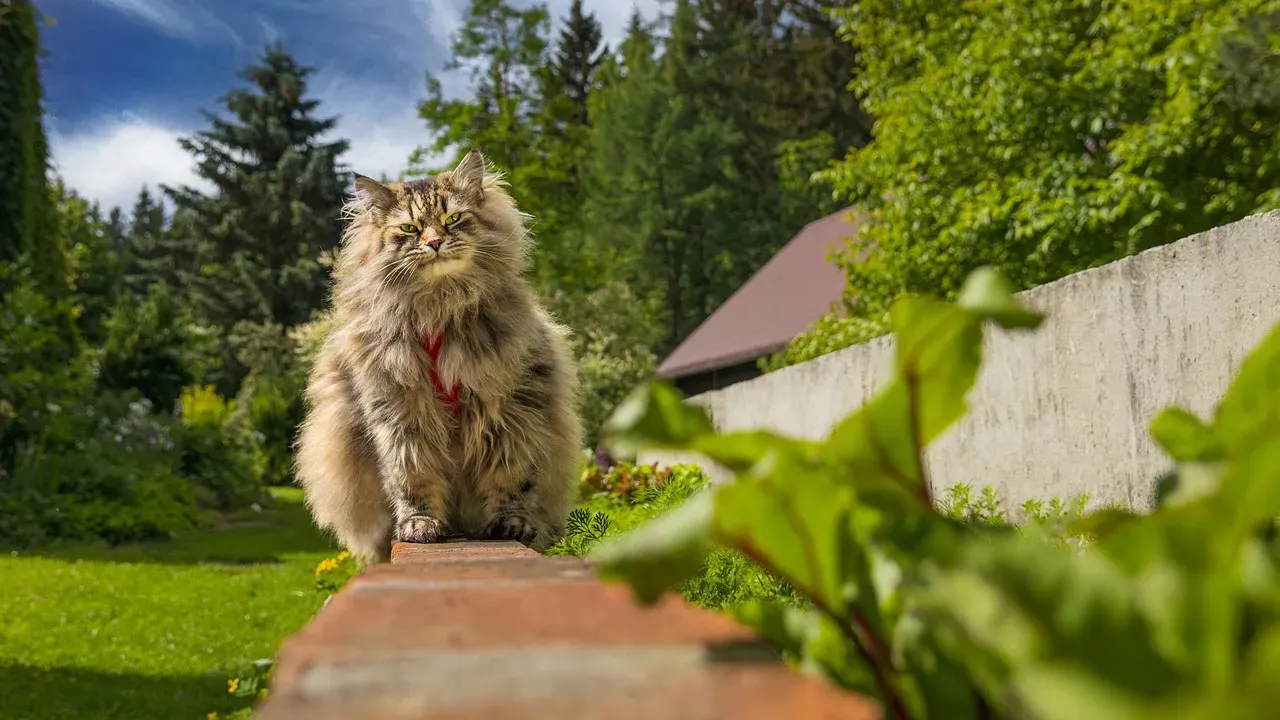
Long before Siberians were house pets, they were working cats – and that history still shapes how they bond today.
Veterinarian Nita Vasudevan explains that “Siberians are incredibly people-oriented,” adding that they tend to follow their person from room to room and genuinely want to be involved in whatever you’re doing. Part of their love of humans likely stems from their history as working cats in Russia, where they needed to be adaptable and social around people.
Here’s the detail that surprises most people: Siberians are also considered allergy-friendly. Many carry lower levels of the Fel d 1 protein that fuels cat allergies than other breeds do. That means this loyal cat might actually work for households that assumed cats were off the table entirely. But #4 has a nickname that says everything about how it behaves.
#4 – Bombay
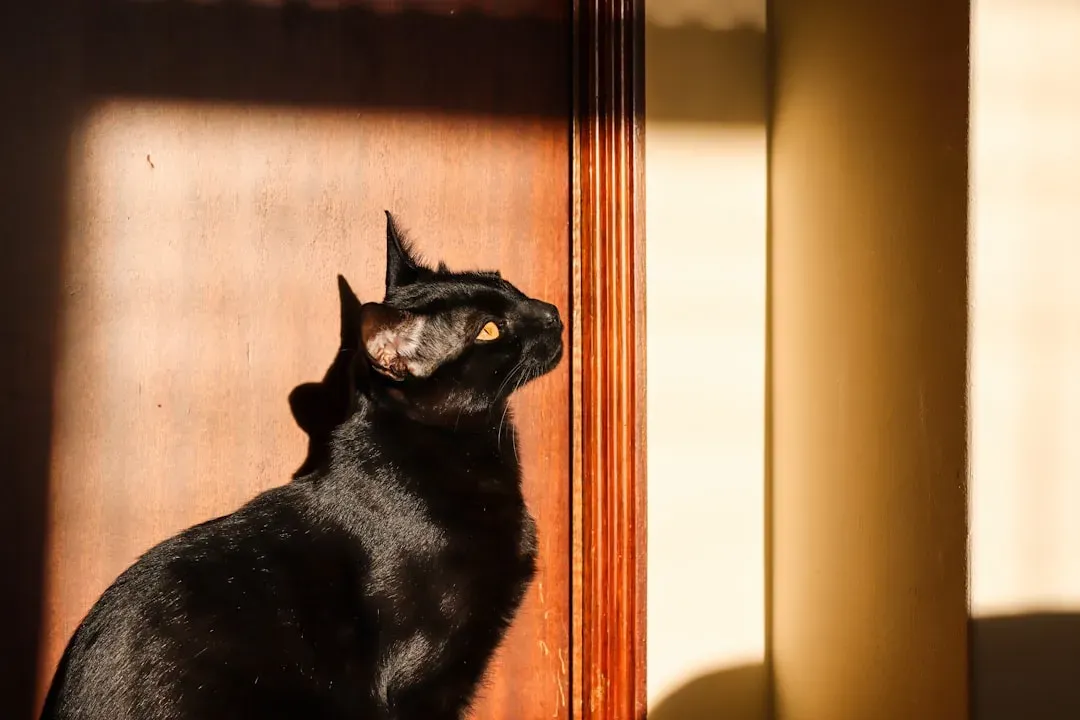
Nicknamed the “mini panther,” the Bombay looks wild but acts like a shadow that never leaves.
Veterinarian Nita Vasudevan says Bombays are often described as “Velcro cats that crave human interaction and don’t love being left out.” What’s surprising is that this loyalty was engineered on purpose. This breed was originally bred to be a companion, so that strong attachment to humans is built into their DNA.
Even though they can be leash-trained for neighborhood walks, this sweet feline mostly wants to be with people whenever possible, thriving on attention and lap time. Unlike breeds that bond broadly, Bombays tend to fixate – one household, one routine, one favorite lap. Some vets argue that intensity is exactly what makes them special. But #5 might be the most misunderstood “aloof” breed on this entire list.
#5 – Russian Blue
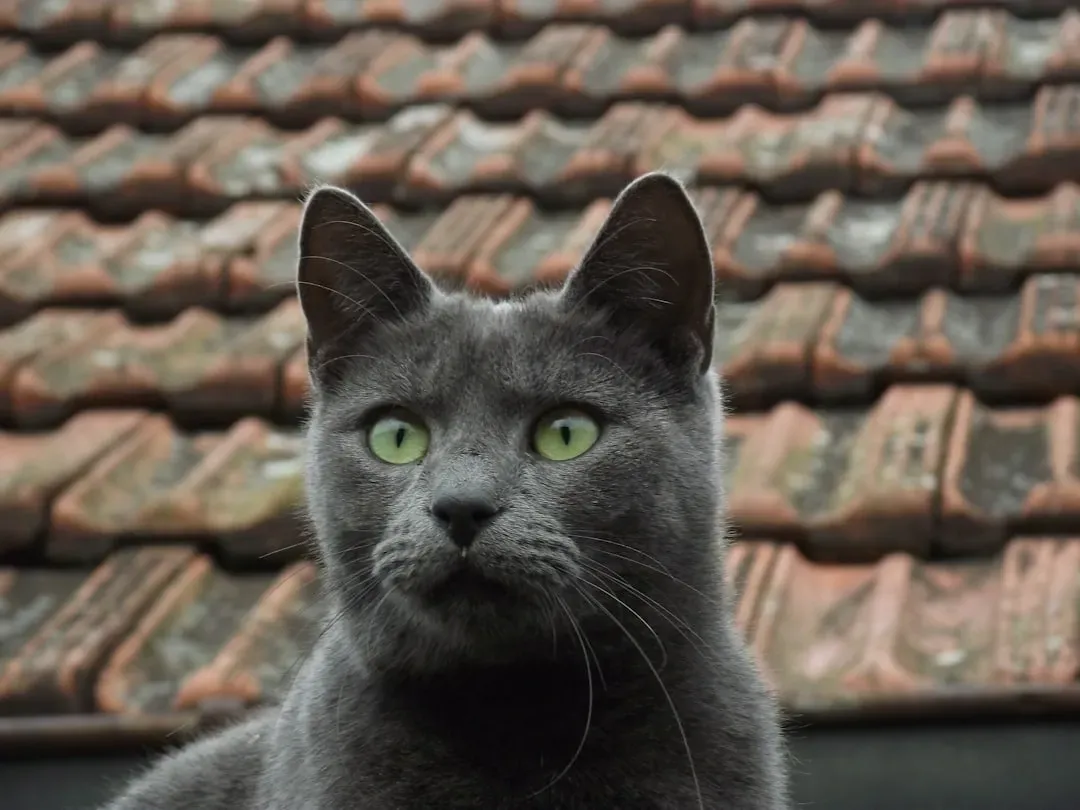
Russian Blues have a reputation for being shy – but that reputation misses the point entirely.
The Russian Blue is known for its striking appearance and loyal temperament, often shy around strangers but incredibly affectionate and loyal to their family members. That’s the real story here: this cat isn’t cold, it’s selective. It saves its warmth for the people it actually trusts, which is a very different thing from being distant.
Most “loyal” cat breeds show it publicly – greeting guests, following visitors around. The Russian Blue does the opposite. It reserves its most devoted behavior for a tight inner circle, which makes that loyalty feel earned rather than automatic. Vets say this pattern is common in breeds with working or semi-feral ancestry, where trust had to be built slowly. But #6 turns that shyness completely inside out.
#6 – Abyssinian
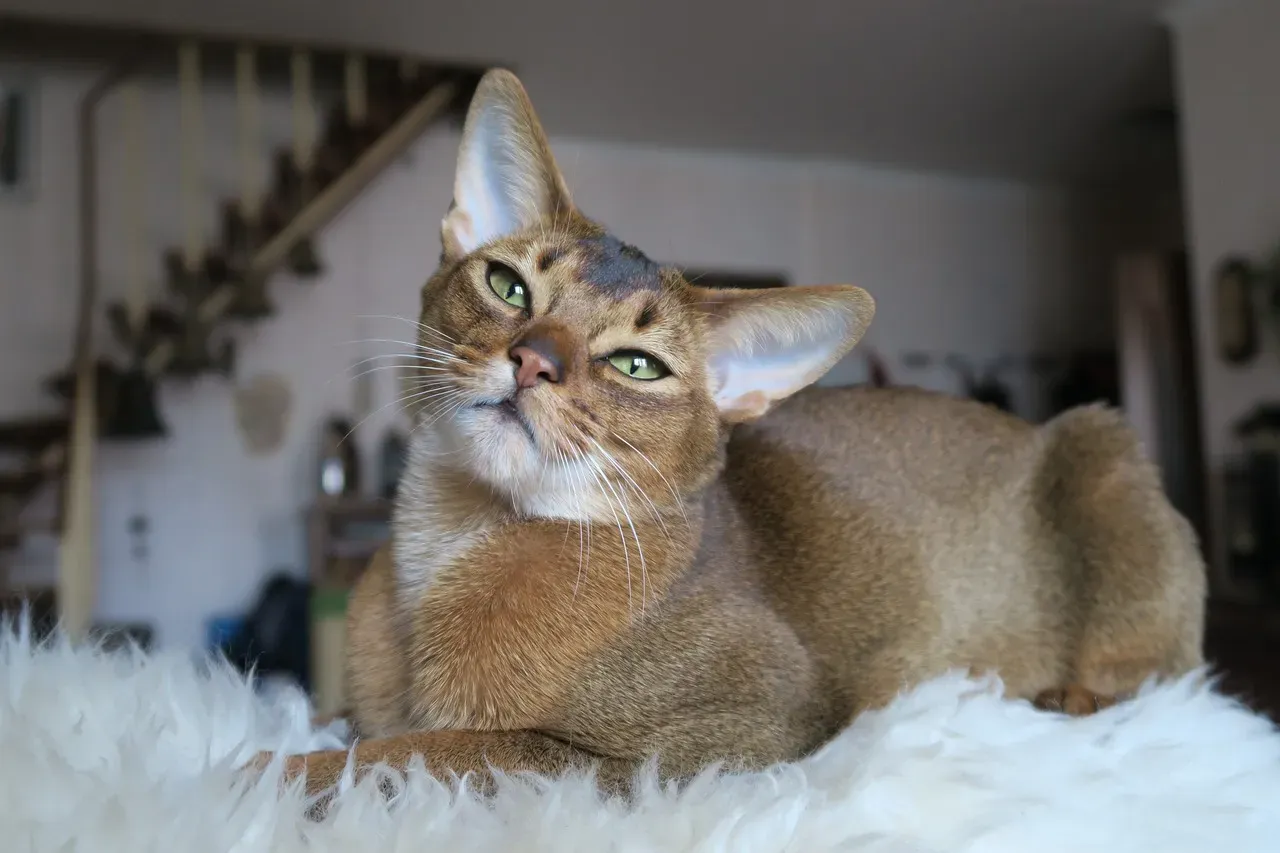
Abyssinians don’t show love by cuddling. They show it by refusing to leave you alone.
While many affectionate breeds express love through lounging, the Abyssinian bonds mainly through activity. An Abyssinian wants in on everything you do, whether you’re typing on a laptop, cooking dinner, or reading a book. Vicki Jo Harrison of TICA adds that these cats love “to be on the highest level possible where they can observe the room, make decisions, and even guard their family.”
Here’s the twist most owners don’t expect: this loyalty has to be earned over time. It’s shown through engagement, and over months they’re known to build deep emotional trust – once that bond forms, they become incredibly attached and attentive. This isn’t instant devotion. It’s a slow build that pays off hard. But #7 built its entire reputation on ears alone – until you learn what’s underneath.
#7 – Scottish Fold
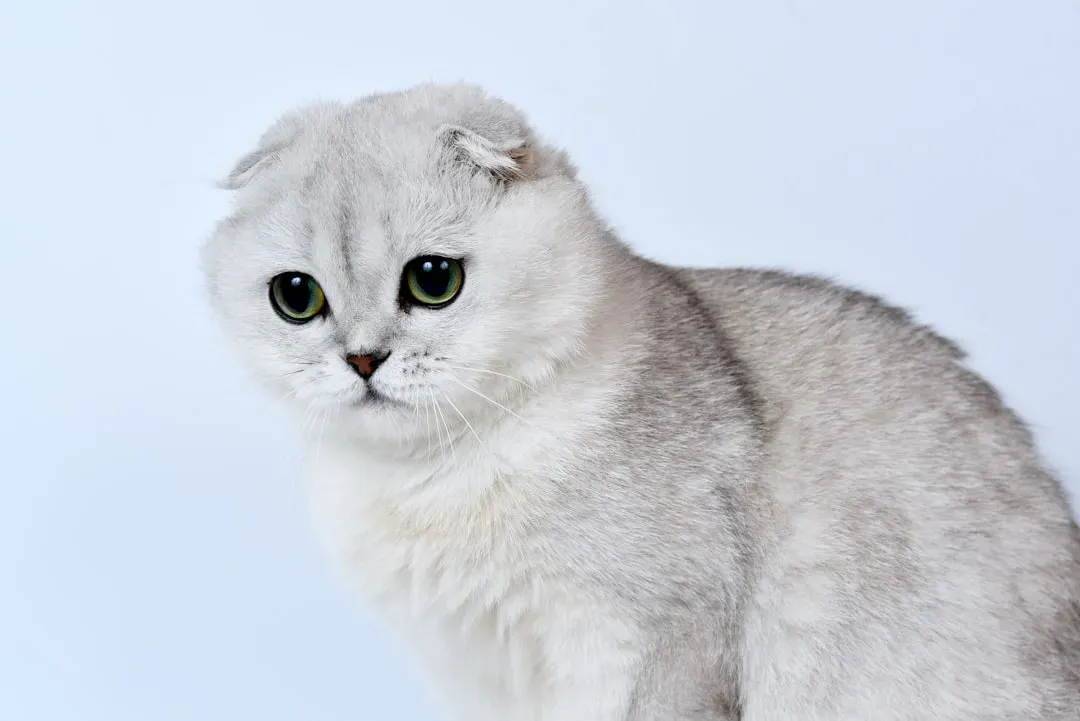
Scottish Folds are famous for their folded ears, but vets say the real story is what’s happening underneath that calm exterior.
Veterinarian Sarah Wooten explains that Scottish Folds form strong but understated bonds, preferring calm, steady closeness over constant attention. “They adapt well to their environment and bond deeply, but in a softer, less attention-seeking way,” she says. “Their affection is steady rather than intense.”
What surprises most people is how physically specific this breed’s devotion looks. They’re often found shadowing their owners throughout the day, and while they aren’t usually demanding Velcro cats, they have a real need for companionship – you’ll often catch them sitting in the “Buddha position,” simply watching what you’re doing. Vet Maggie Placer adds they “express affection by staying nearby, sitting beside a family member, or simply observing what’s going on around them.” But #8 takes closeness to a level that borders on obsession.
Worth Knowing
- All Scottish Fold kittens are born with straight ears; the fold typically appears around three to four weeks old
- The trademark ear fold comes from a cartilage gene mutation, so reputable breeders screen carefully for joint health
- Not every kitten develops folded ears – some stay straight-eared and are known as “Scottish Straights”
- The breed traces back to a single barn cat named Susie, discovered in Scotland in the 1960s
#8 – Sphynx
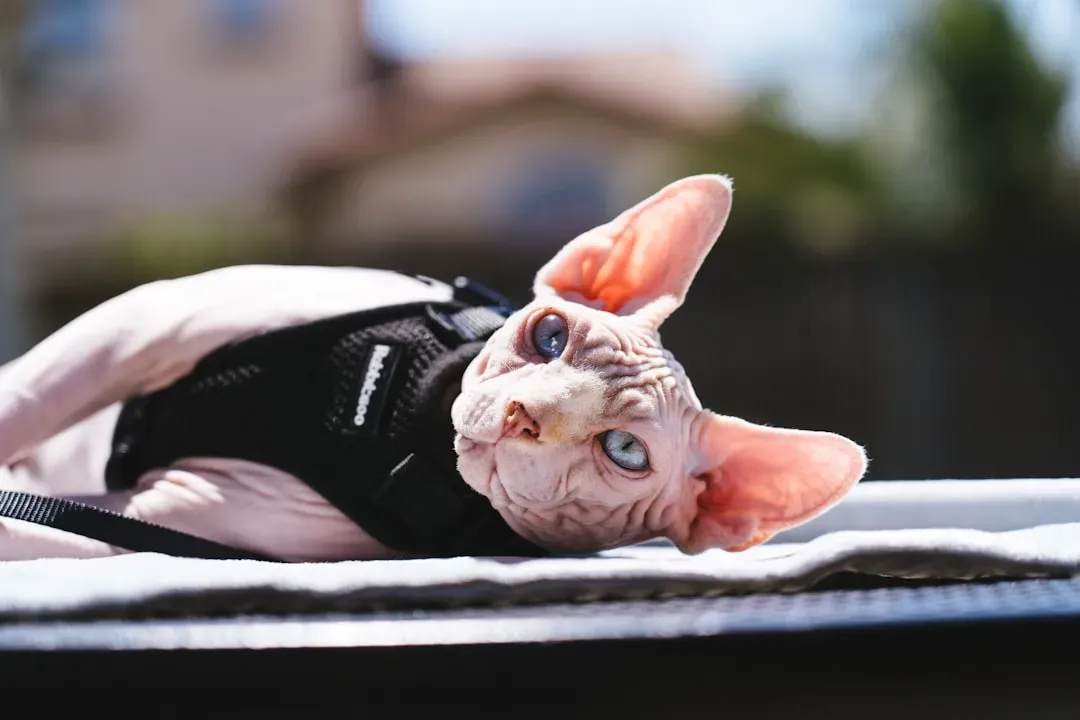
No fur means no barrier – and that’s exactly why Sphynx cats bond so intensely.
Veterinarian Aimee Warner explains the Sphynx loves playtime and attention from its chosen humans, making it a great choice for owners wanting an interactive cat. Despite being outgoing with guests, it still has a dog-like tendency toward devotion to its own people. The biological reason behind this is what most owners never consider: because they lack a coat to keep them warm, Sphynx cats are biologically driven to seek out heat, and combined with a friendly temperament, that translates into a constant desire for physical contact.
This isn’t just clinginess – it’s survival wired into affection. A Sphynx will sleep under the covers, ride on your shoulder, and treat solitude like a problem to be solved. But #9 proves that a cat can be loyal without ever being demanding.
#9 – British Shorthair
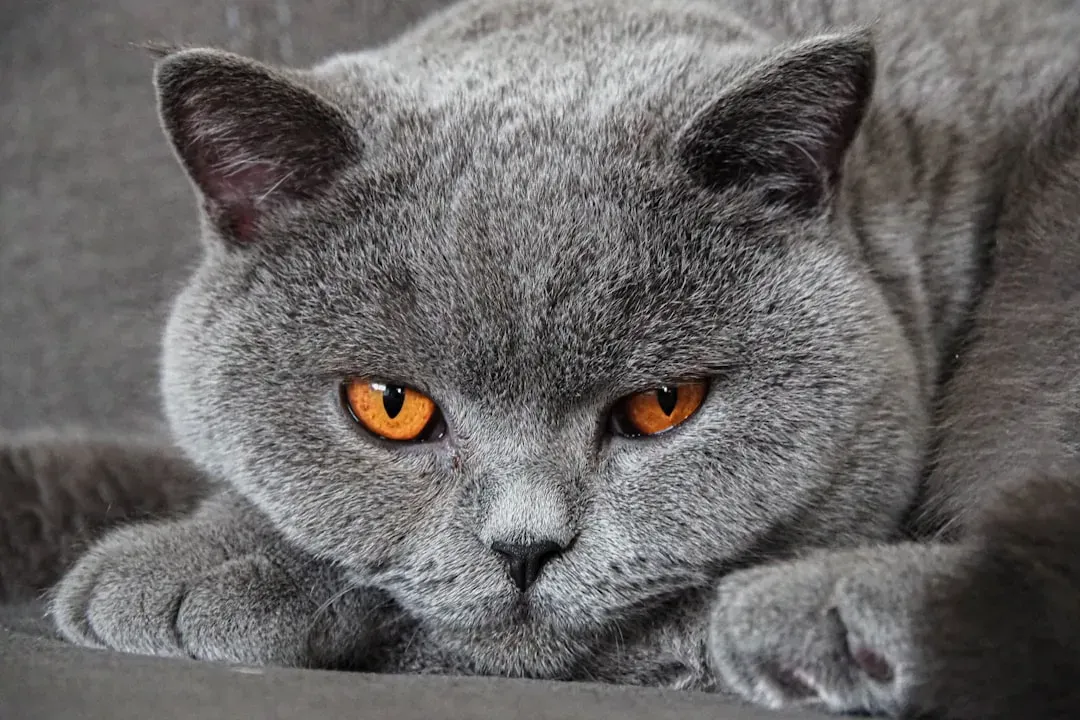
The British Shorthair rules its home quietly – and somehow that quiet is its most loyal trait.
Vicki Jo Harrison of TICA notes these cats “are loyal and devoted companion cats and want to be where you are, snuggling up beside you on the sofa,” adding that “these intelligent cats are unobtrusive, ruling their indoor kingdoms with a calm demeanor.”
Here’s the contrarian take vets rarely say out loud: this breed’s loyalty is often underrated because it doesn’t look like loyalty at all. There’s no frantic greeting at the door, no constant meowing for attention. Instead it’s a steady physical presence – always in the same room, always within reach, never far from wherever you happen to be. For owners who find high-energy affection exhausting, this breed’s low-key devotion might be the healthiest version of loyalty on this whole list. But #10 was practically designed by nature to be a lap cat.
#10 – Burmese
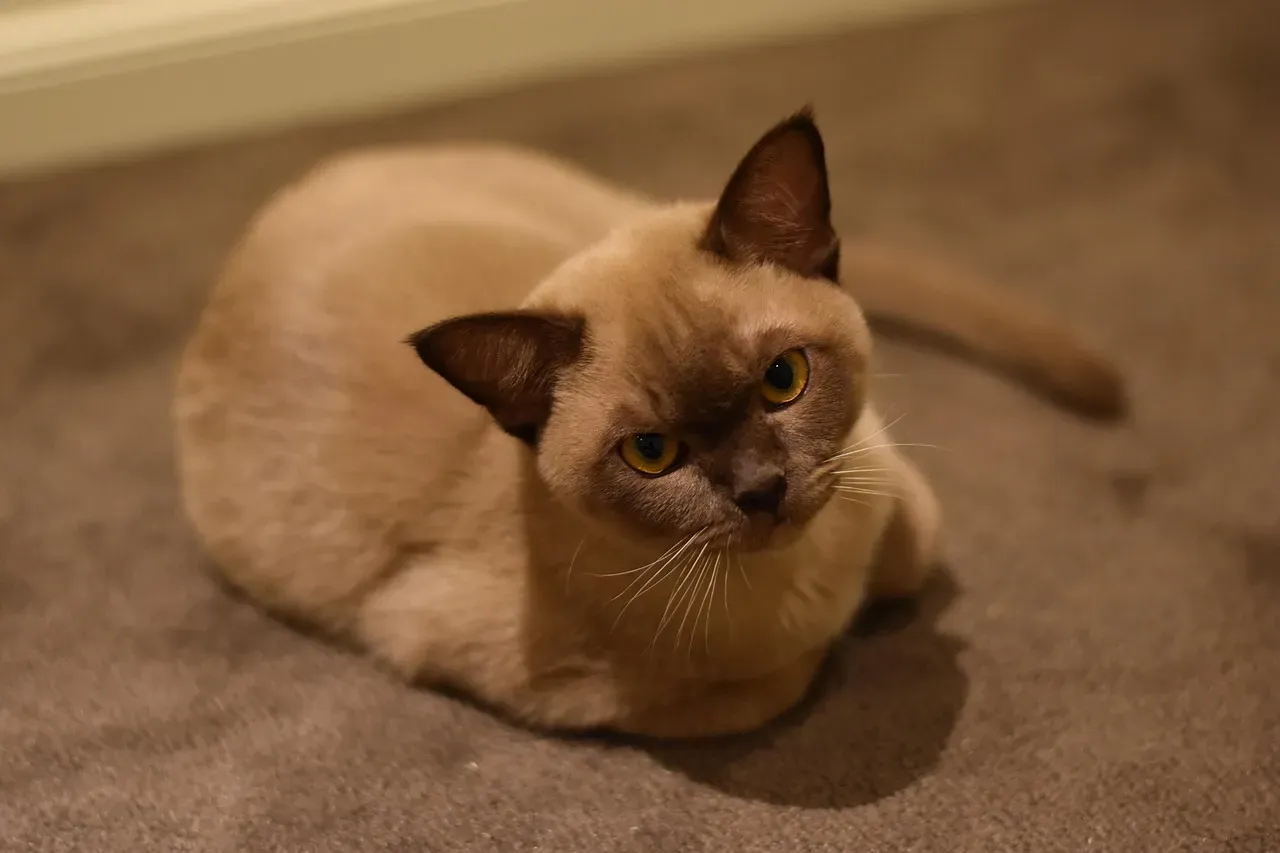
If there’s one breed vets consistently call “people-dependent,” it’s the Burmese – and they mean that almost literally.
Veterinarian Chyrle Bonk says “this loyal feline tends to be very human-oriented” and “they like to be around people as the center of attention.” One report goes further, calling the Burmese one of the most people-dependent breeds in existence – it doesn’t just like your company, it needs it.
What separates this breed from every other cat on this list is real emotional distress from isolation. Their emotional dependency runs so deep that they become distressed if they feel ignored. They’re also leash-trainable, letting owners bring their devoted companion along on walks. This is loyalty that borders on true attachment – not a preference, but a need. But #11 has a nickname that tells you exactly how it behaves.
#11 – Birman
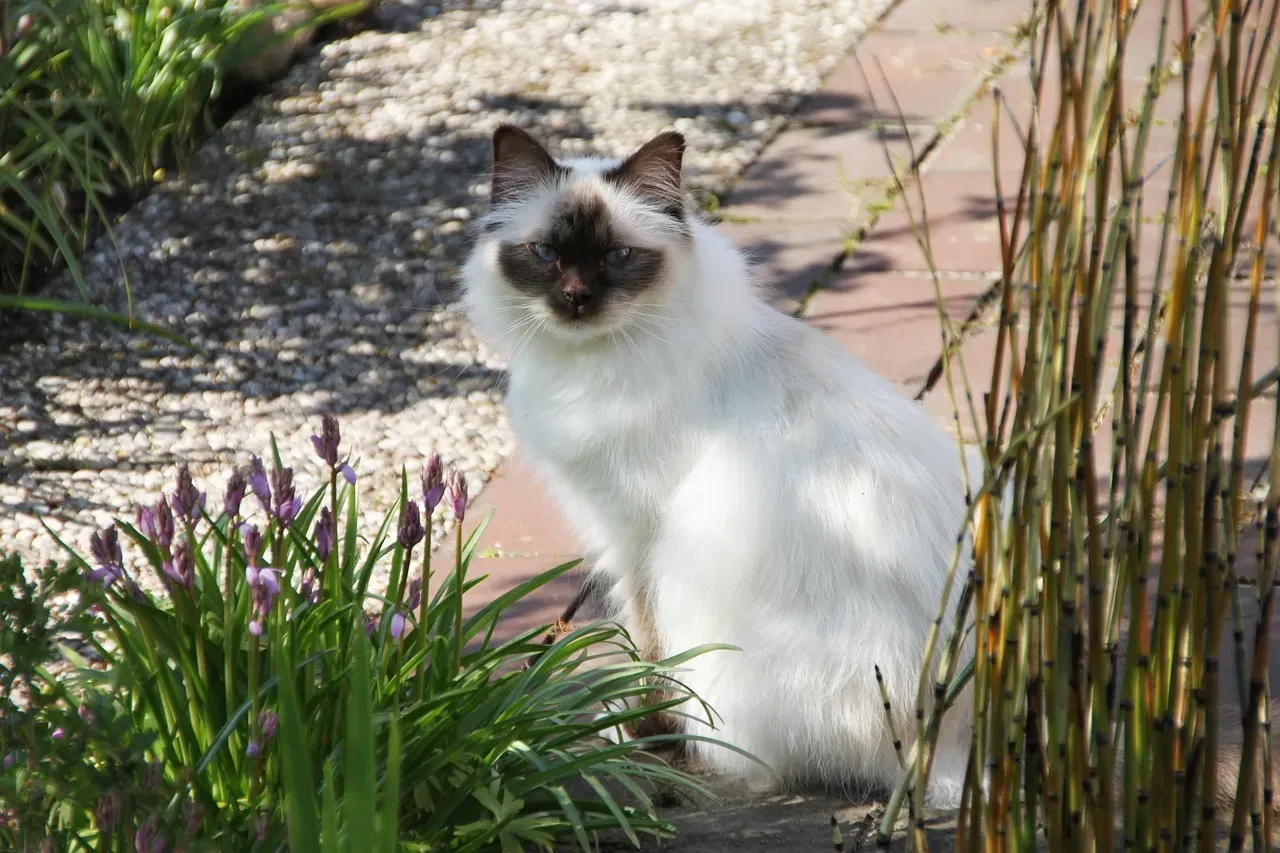
Known as the “Velcro cat,” the Birman doesn’t just love its people – it studies them.
Veterinarian Nita Vasudevan calls this breed reliable and people-focused, “sensitive to their owners’ moods” and known to “seek you out when you’re resting or feeling unwell, which many families interpret as emotional loyalty.” Vicki Jo Harrison adds that the Birman is a quiet cat who loves people and will follow them throughout the day.
Most owners don’t expect a cat to notice when they’re sick – but that’s exactly what makes this breed stand out. This isn’t casual companionship. It’s a form of emotional attunement many vets compare to how dogs respond to human distress. Combine that sensitivity with a famously gentle, easygoing temperament, and you get a breed that feels less like a pet and more like a quiet emotional support system. But #12 might be the single most talked-about “loyal cat” among vets today.
#12 – Maine Coon
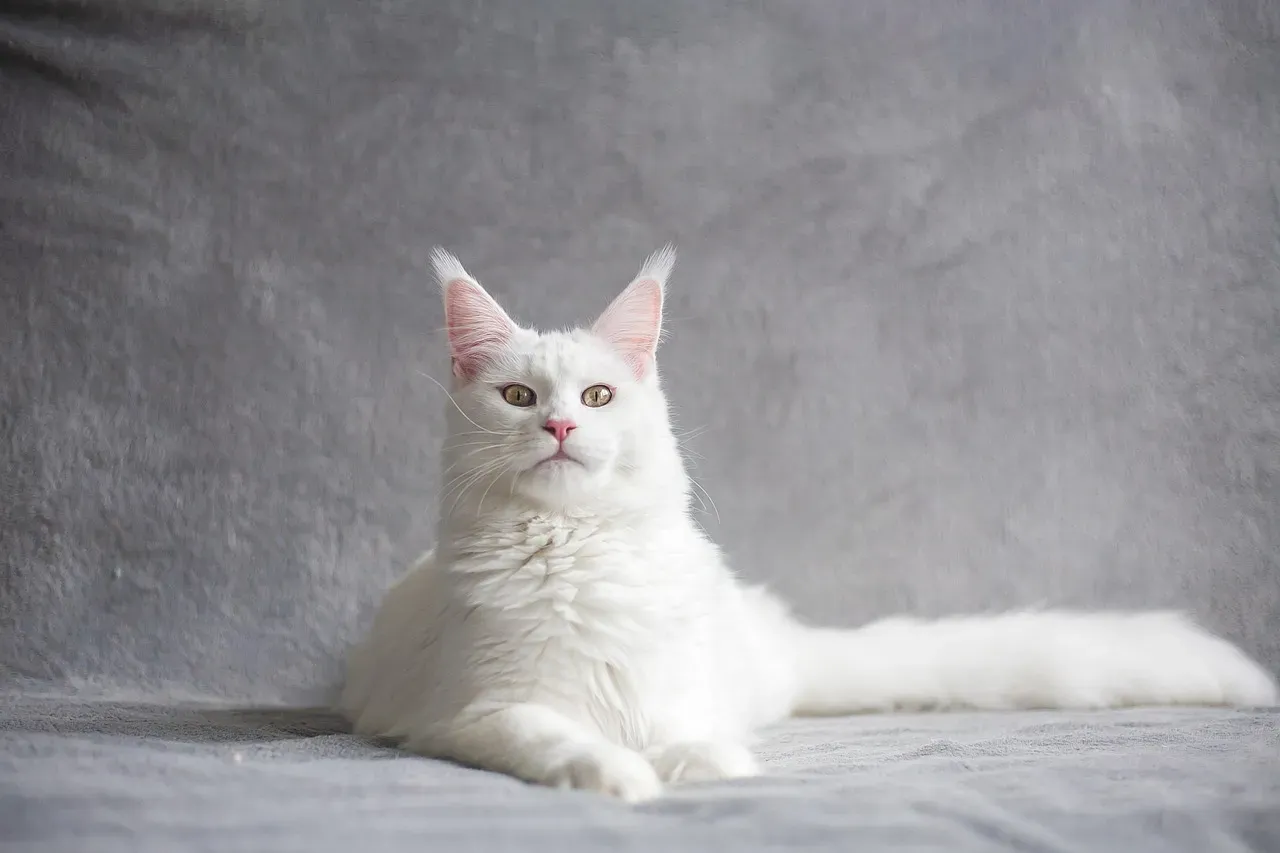
The Maine Coon is enormous, famous, and – according to vets – surprisingly devoted to one person at a time.
Despite a friendly, sociable reputation, this breed is known for quietly choosing one special person as its emotional anchor. Once bonded, Maine Coons become constant companions, trailing their chosen human from room to room like a calm shadow, showing loyalty through presence rather than neediness. Veterinarian Chyrle Bonk adds, “These companion cat breeds are very social, allowing people into their inner circle.”
Here’s the detail that contradicts the breed’s giant, independent image: they even tend to follow their humans around like dogs do, making them genuinely loyal despite their size. Many owners assume a cat this large must be self-sufficient. Vets say the opposite is often true – bigger doesn’t mean less attached. But #13 forms a bond so intense, some vets compare it to imprinting.
At a Glance
- Size: One of the largest domesticated cat breeds, with males often weighing well over 13 pounds
- Origin: Native to Maine, and recognized as the official state cat of Maine
- Coat: Long, shaggy, water-resistant fur built for harsh winters
- Reputation: Nicknamed “gentle giants” for their patient, easygoing nature
#13 – Siamese
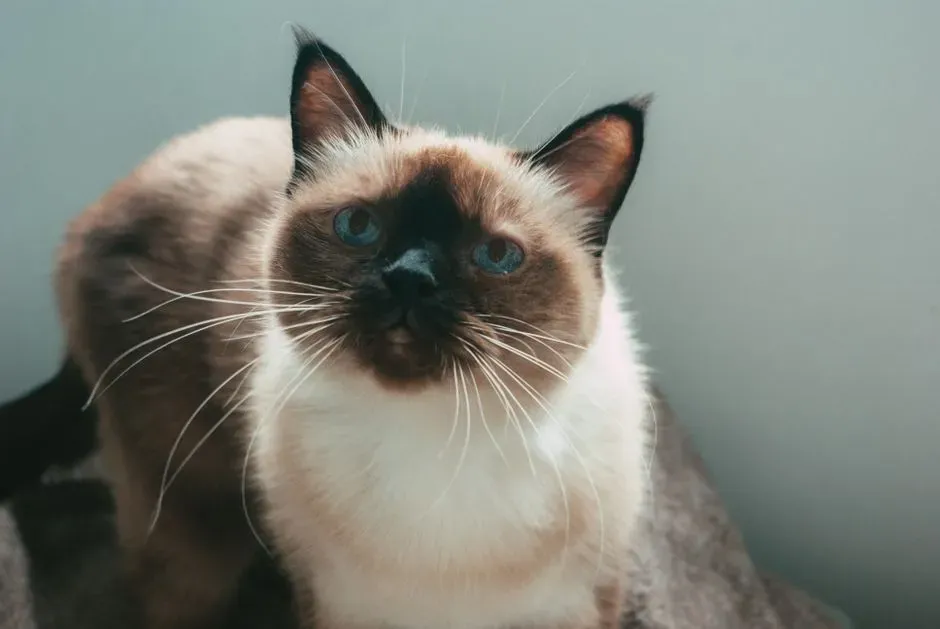
If any breed earns the title “most loyal cat in existence,” vets consistently point to the Siamese.
Veterinarian Aimee Warner explains, “The attachment Siamese form with their humans can be quite intense. In fact, they tend to pick a favorite owner and maintain strong bonds with that person. Their ‘loyalty’ is driven by their social intelligence and need for engagement.”
Siamese cats form very intense, almost exclusive bonds with their humans.
Dr. Sarah Wooten, DVM
The most surprising part isn’t the bond itself – it’s how loudly the cat expresses it. Siamese cats are famously vocal, which is their way of saying “you’re part of my family,” and it fits since they love sticking close to their owners. Veterinarian Chyrle Bonk adds that “Siamese cats also have a very high emotional intelligence, meaning they are able to tune into what people are feeling and react appropriately.” Some vets argue no other breed communicates devotion this loudly, or this constantly. But #14 edges it out for one specific reason.
#14 – Ragdoll
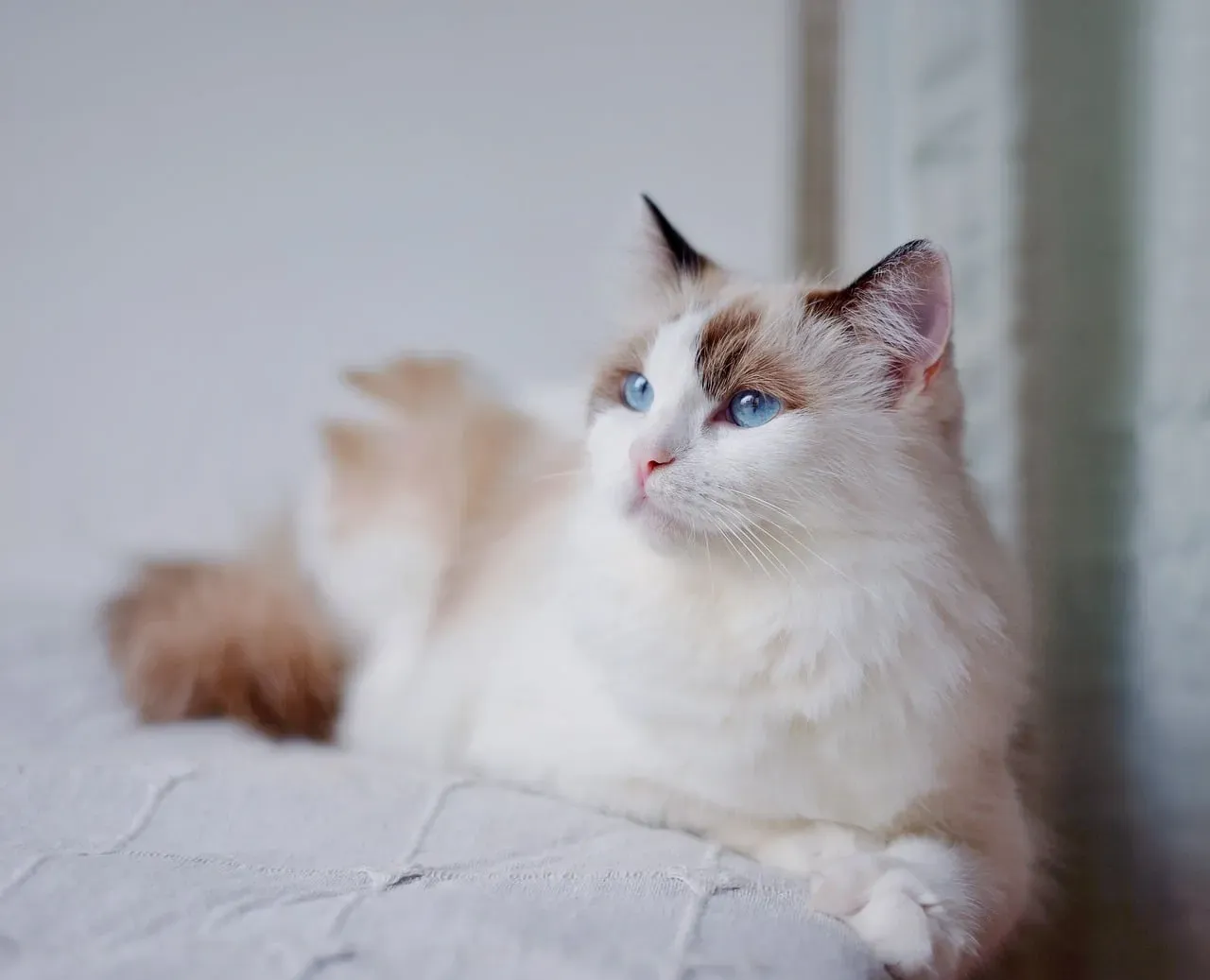
When vets rank the single most loyal cat breed, the Ragdoll almost always tops the list – and the reason is physical as much as emotional.
Veterinarian Maggie Placer notes that Ragdolls are highly trainable, gentle with children, and known for consistently staying close to their family members, tending “to relax completely when being held, which is where their name comes from.” Another expert adds they’re “often described as ‘puppy-like’ because they actively seek out their people and will follow them from room to room.”
What sets this breed apart is total physical surrender – a trust signal few other cats display. Veterinarian Aimee Warner explains, “Their loyalty can be traced back to their relaxed and sociable nature. They can form a strong bond with their household, especially if they have been shown kindness, love and proper handling since kittenhood.” That combination of trust, softness, and constant closeness is why so many vets call this the gold standard of feline loyalty.
The Bottom Line
The evidence is clear: loyalty in cats isn’t a myth, it’s a spectrum, and breed genuinely shapes where a cat lands on it. The Ragdoll’s puppy-like devotion and the Siamese’s intense, one-person attachment sit at the extreme end, while breeds like the British Shorthair and Scottish Fold prove loyalty doesn’t require constant neediness.
If we’re being honest, the biggest myth here isn’t that cats can’t be loyal – it’s that loyalty has to look like a dog’s. The real surprise is how many “aloof” breeds are actually just quiet about their devotion. Which breed on this list matches your cat’s personality? Drop it in the comments.
Quick Compare
- Loudest about it: Siamese – vocal, constant, impossible to miss
- Most physically surrendered: Ragdoll – goes limp with trust
- Most quietly devoted: British Shorthair and Scottish Fold – present, not needy
- Most one-person focused: Bombay and Maine Coon – a single favorite human
Kristina is a young writer from India. An arts graduate and an avid content creator, Kristina is passionate about animals and wildlife. She enjoys exploring topics related to pet care, animal behavior, conservation, and nature, combining thorough research with engaging storytelling.