Most cat owners assume their pet is checked out until the food bowl rattles. Aloof. Unbothered. Living on a completely different emotional wavelength than the humans feeding them. Science says that’s almost backwards.
Long before you burst into tears, slam a door in frustration, or open your mouth to speak, your cat has already clocked your mood. Researchers have found that cats decode our scent, our tone, and even the set of our shoulders with a precision most people write off as coincidence. What that famous indifferent stare is actually hiding is a finely tuned emotional radar – and the 13 feelings below show exactly how far it reaches.
#1 – Fear: The One Emotion Your Cat’s Nose Can’t Ignore
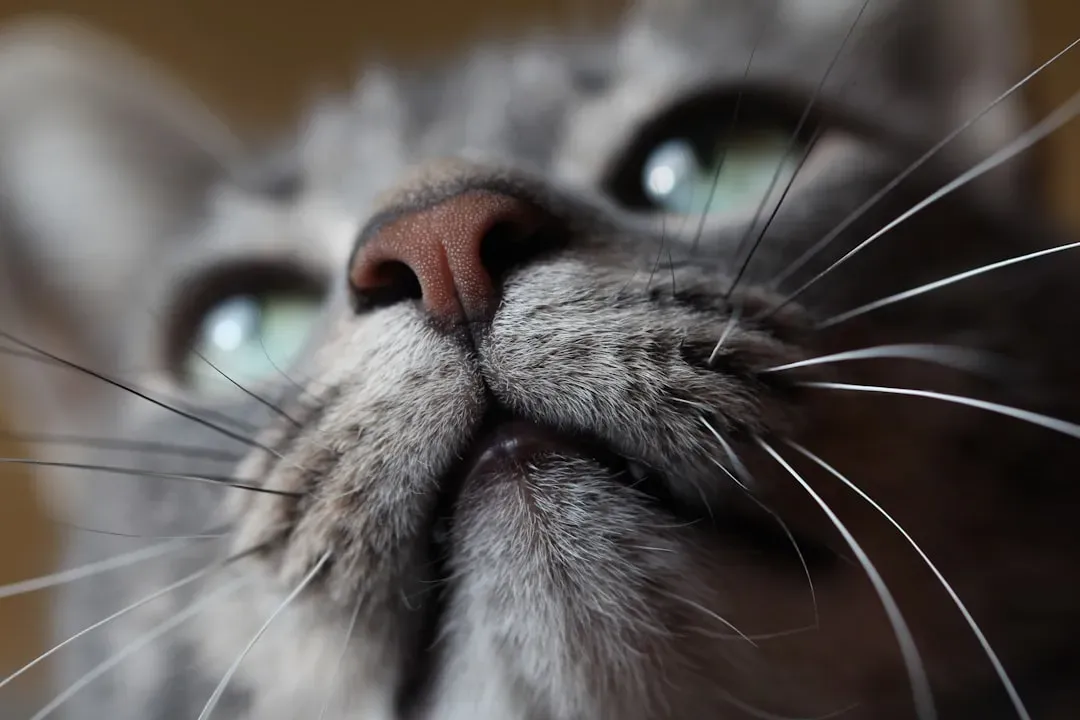
Your cat can pick up on fear before you’ve even finished processing it yourself. In a landmark scent experiment, researchers collected sweat samples from men exposed to fear, happiness, physical stress, and neutral conditions, then let cats sniff them.
Cats showed more stress-related behaviors – backing away from the swab, ears flattening, tail swishing – when sniffing the fear odor compared to the neutral or physical-stress samples. That’s not a cat ignoring you. That’s a cat absorbing your fear response through its nose alone, and the wildest part is this: the more stressed a cat acted, the more likely it was to sniff that odor with its right nostril specifically, meaning fear gets processed in a different lane of a cat’s brain than other emotional smells.
Fast Facts
- Sweat samples were collected under four conditions: fear, happiness, physical stress, and neutral
- Cats reacted with backing away, flattened ears, and tail swishing specifically to the fear sample
- More stressed cats leaned toward sniffing the fear scent with their right nostril
- Fear may be processed on a different neural pathway than other emotional smells
#2 – Sadness: Why Your Cat Suddenly Won’t Leave Your Side
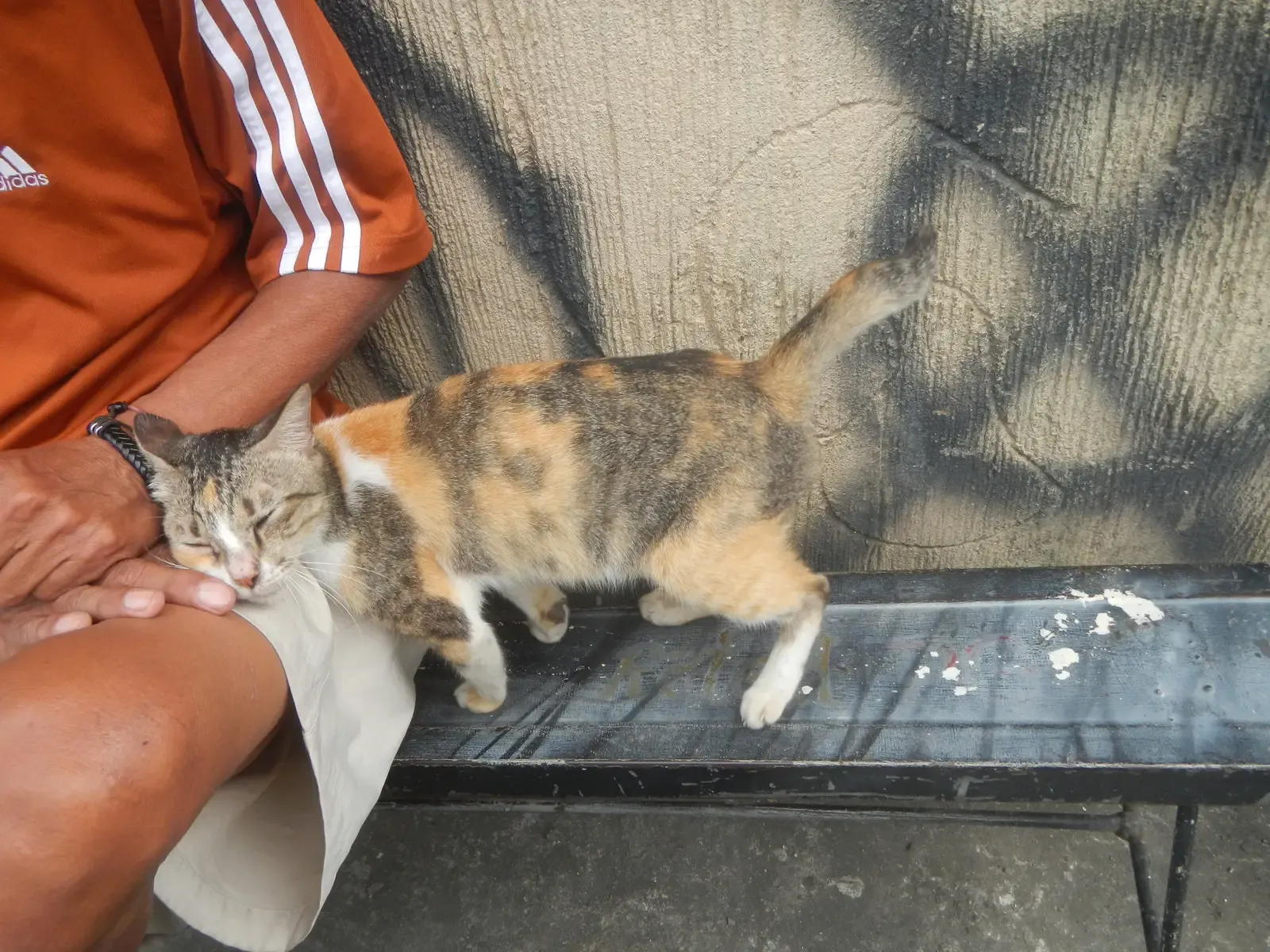
A slumped posture and a quiet sigh might be all it takes for your cat to become unusually clingy. A cat that sits close, purrs, or gently headbutts you after a rough day is showing something close to empathy – and while not every cat reacts this way, many become noticeably more affectionate when they sense their owner is feeling down.
This isn’t wishful thinking from lonely cat owners. It lines up with broader findings that cats engage in more frequent social interaction with sad or withdrawn humans compared to other emotional states. The honest caveat most viral posts skip: cats respond to human emotional cues to a lesser degree than dogs, and the shift in their behavior is often slight and subtle. So your cat isn’t sobbing alongside you – but it has absolutely noticed something changed.
#3 – Anger: The Mood Your Cat Reacts to Fastest
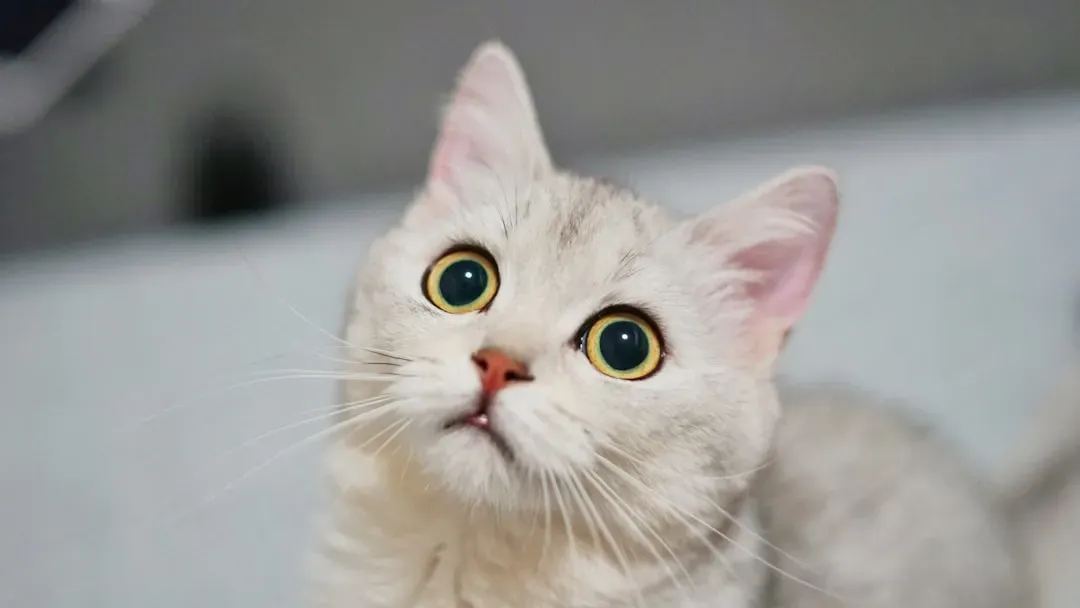
An angry tone can send your cat into a completely different behavioral gear within seconds. A 2020 study published in the journal Animals found that cats recognize both conspecific and human emotions through auditory and visual observation, integrating what they hear with what they see to modulate their own behavior according to the emotion they’re picking up.
In plain terms: your cat matches your angry face to your angry voice, and reacts accordingly. That same study found cats displayed noticeably higher stress behaviors in response to human anger compared to their reaction to happy humans – hard proof that the “too independent to care” reputation doesn’t hold up under research.
#4 – Happiness: The Mood Your Cat Actively Rewards

Good moods are contagious, even for a species famous for pretending not to care. One study found cats displayed more positive behaviors when their own humans were happy compared to angry – and that difference completely disappeared when the same cats interacted with a stranger.
That last detail matters enormously. It means your cat’s emotional radar is calibrated specifically to you, not to people in general. A separate 2015 study backs this up from another angle: when owners smiled, their cats were more likely to purr and rub against them. Quietly, your cat has been rewarding your good days with extra attention this whole time.
#5 – Stress: What Your Skin Is Broadcasting Before You Say a Thing
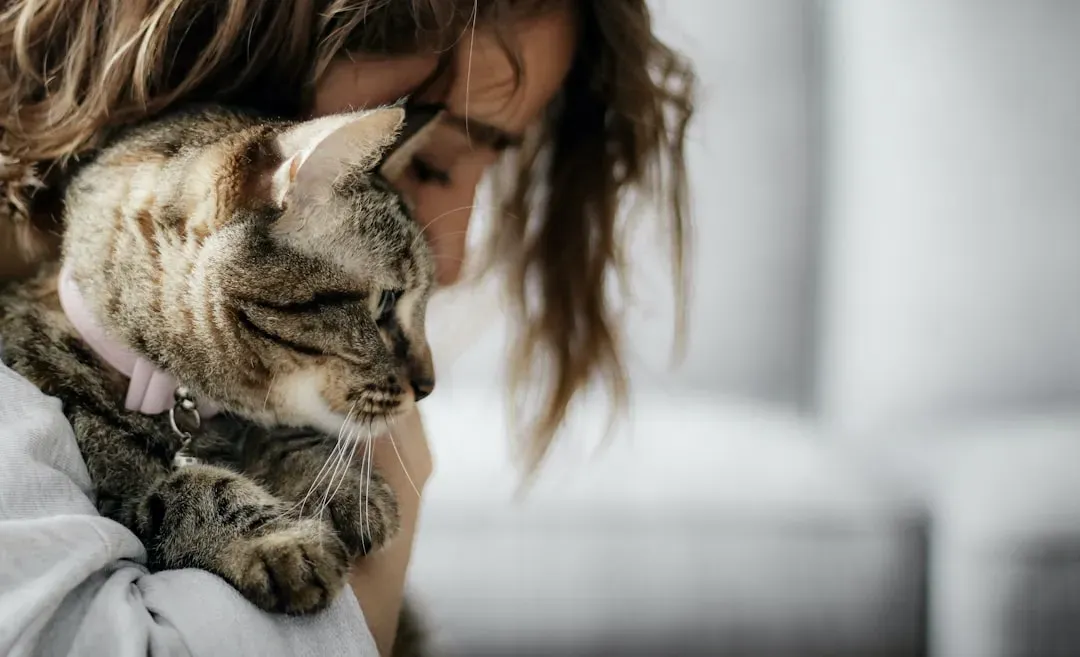
Long before you say “I’m stressed,” your cat’s nose has already gathered the evidence. A cat’s sense of smell carries millions more scent receptors than ours, letting them detect minute chemical shifts on your skin and clothing when stress hormones like cortisol and adrenaline quietly alter your natural scent.
What smells like nothing to you can register as a full alert to your cat. And this isn’t limited to obvious panic moments – even ordinary, low-grade stress from a rough workday can shift your cortisol enough for your cat to notice. Most owners have no idea their own body chemistry is broadcasting this loudly, all day, every day.
#6 – Anxiety and Uncertainty: Why Your Cat Watches Your Face, Not the Threat
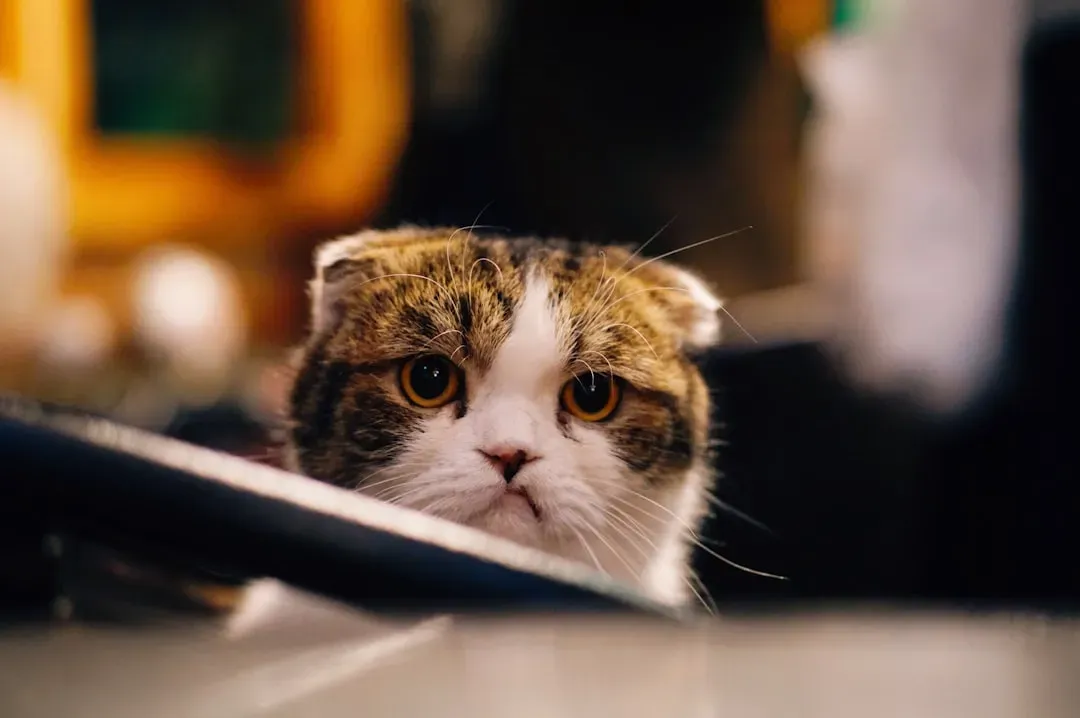
When you freeze up, unsure how to react to something new, your cat is watching your face for the answer – not the object itself. Researchers tested this directly using a fan with streamers tied to it, designed to create mild uncertainty in the room.
Half the owners spoke to their cats in a happy voice while glancing between the cat and the fan; the other half spoke fearfully. In both groups, roughly 80 percent of cats looked to their owner first before deciding how to react, basing their own behavior on their person’s response. This is called social referencing – the exact strategy human toddlers use when they check a parent’s face before deciding whether to cry or laugh.
At a Glance
- Test object: a fan with streamers tied to it, built to create mild uncertainty
- Owners used either a happy voice or a fearful voice while glancing between the cat and the fan
- About 80 percent of cats checked their owner’s face before reacting
- This behavior, called social referencing, mirrors how toddlers check a parent’s expression
#7 – Excitement and Agitation: The Energy That Pulls Your Cat Closer
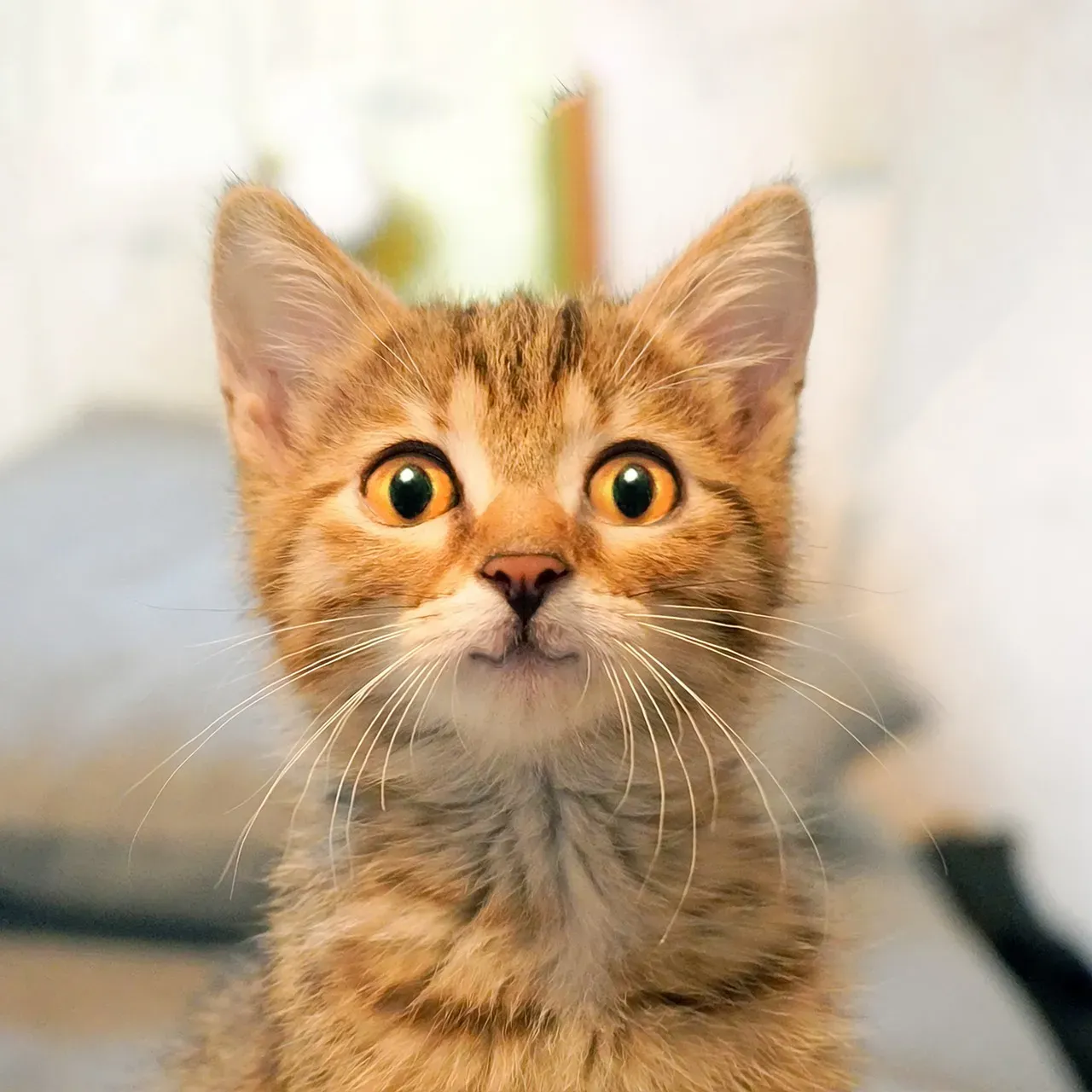
A high-energy, wound-up mood doesn’t just get your cat riled up – it can actually pull them closer. Research on human-cat interaction found that cats approach owners more frequently when those owners are feeling extroverted or agitated, a finding that surprises most people who assume agitation would push a cat away.
Instead, an energized, unpredictable mood seems to draw curious attention rather than avoidance. Part of the reason comes down to how cats gather information in the first place – they track pitch, tone, posture, and facial expression constantly. A racing voice and jumpy movements are simply data your cat can’t help but collect.
#8 – Calm Contentment: The Voice That Changes Your Cat’s Nervous System
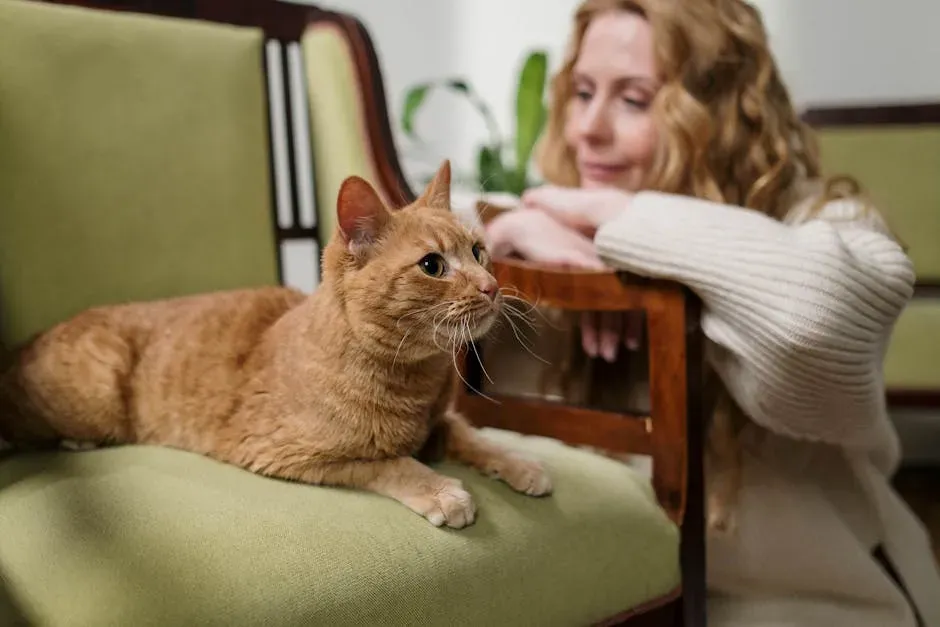
A soft voice does more for your cat’s nervous system than most owners realize. Cats are sensitive to tonal shifts, noticing instantly when we’re cheerful or upset – gentle tones comfort them, while louder, sharp tones can send them scattering for a hiding spot.
Chemical signals matter here too. Cats respond to human pheromones, and calming products like Feliway work by mimicking natural feline pheromones, which is proof of how much emotional information travels through scent alone rather than sound. Your calm Sunday-morning voice is, quite literally, a different chemical signal to your cat than your rushed Monday-morning one.
Worth Knowing
- Cats notice tonal shifts instantly – cheerful voices comfort them, sharp tones send them hiding
- Feliway and similar products work by mimicking natural feline pheromones
- Chemical signals often carry more emotional weight for cats than sound does
- Your tone at different times of day may register as an entirely different signal to your cat
#9 – Grief and Loss: When Your Cat Becomes the Steadiest Thing in the Room
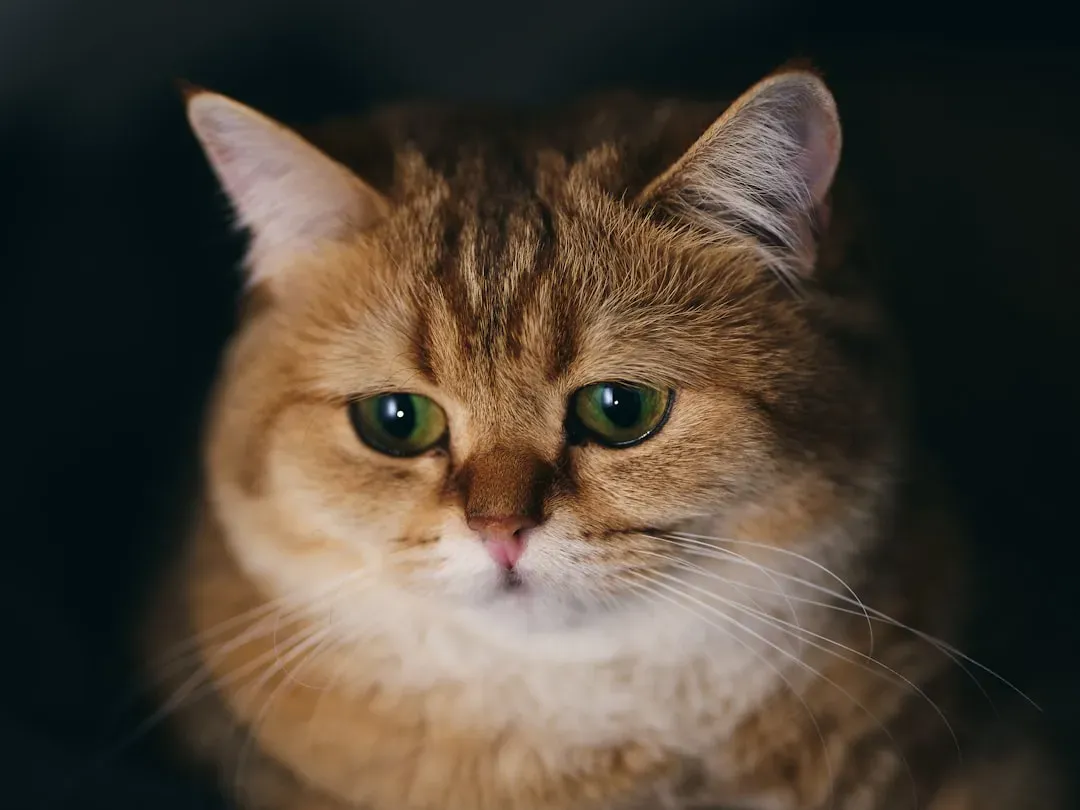
When your world quietly falls apart, your cat may become the steadiest presence you have. Scientists describe something called the Secure Base Effect, where a bonded caretaker’s presence becomes a source of comfort that reduces stress and encourages exploration in unfamiliar or difficult situations – and some pet cats display this exact effect around their humans.
The same logic works in reverse. Owners are often encouraged to leave scent-carrying items behind when placing a cat in a new environment, specifically to soothe separation distress. Scent, once again, is doing emotional work that words never could.
Cats are intended to teach us that not everything in nature has a function.
Garrison Keillor
#10 – Physical Pain or Feeling Unwell: The Chemistry Your Cat Reads Before a Diagnosis
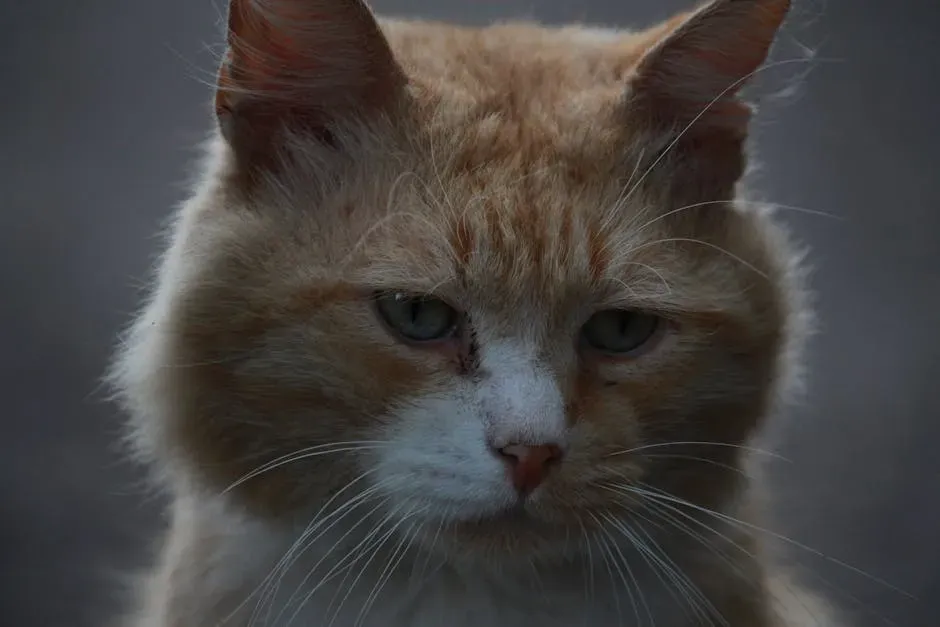
Your cat’s radar isn’t limited to emotions – it can pick up on your body chemistry when something is physically off. Rising cortisol alters your scent profile in ways cats are built to detect, and hormonal shifts, such as those during pregnancy, may change a woman’s scent enough for a cat to notice the difference.
That’s a striking claim: your body’s internal chemistry shifts show up on the outside long before you’d ever announce it out loud. Stress activates nerve and hormonal signals that prompt your adrenal glands to release cortisol, and that same cortisol signature is exactly what a cat’s nose is engineered to catch. Discomfort, in other words, has a scent.
#11 – Confusion and Hesitation: The Mismatch Your Cat Instantly Clocks
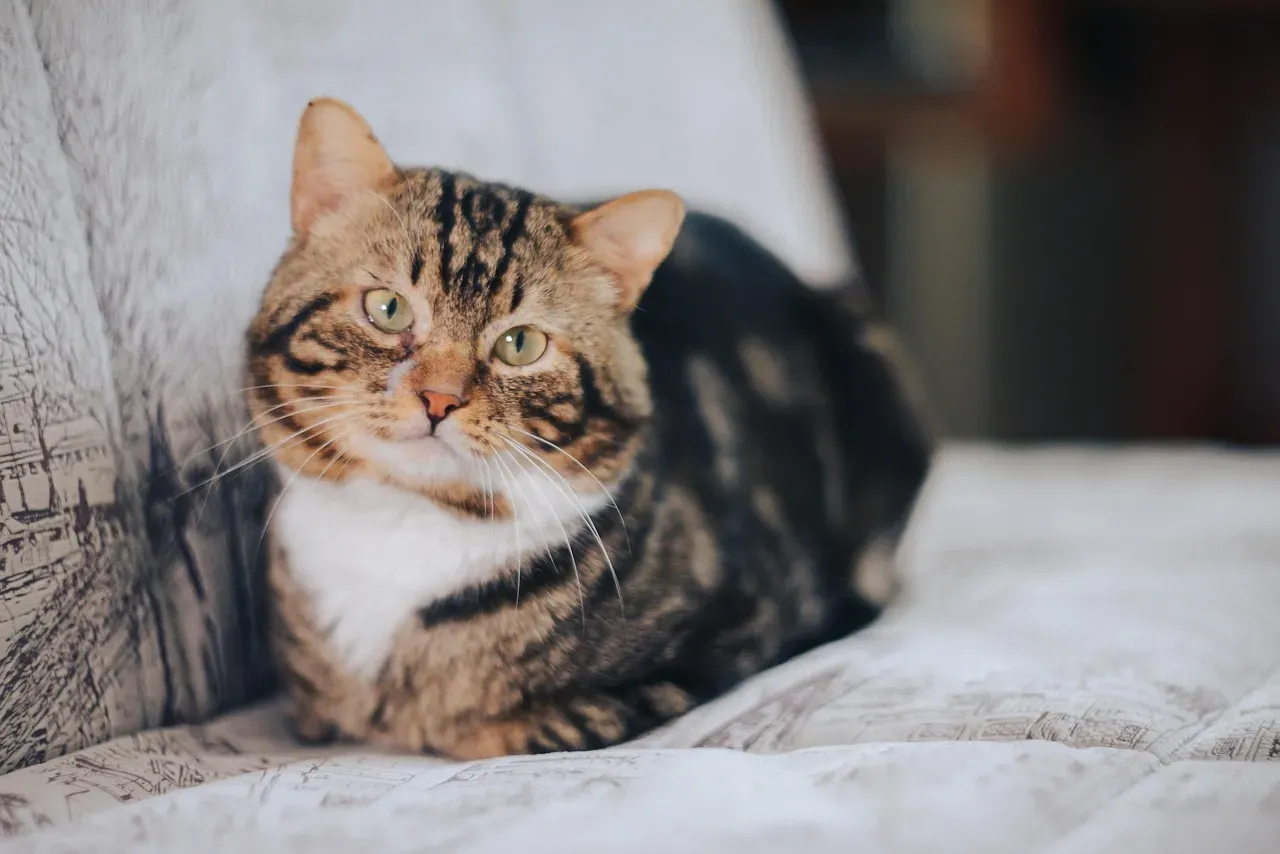
When you don’t know how to respond to something, your cat notices the mismatch between your face and your voice. A 2020 study suggests cats use both visual and auditory signals together to recognize emotion, tying facial expression to vocal tone rather than reading either one alone.
Researchers tested this by seeing whether cats matched a vocal sound to the correct facial expression. An Italian study found that cats could distinguish between the sounds of happiness and anger in both humans and other cats, and responded by looking longer at the face that matched the emotion in the sound played. That’s a genuinely sophisticated feat of social cognition most people never give cats credit for.
#12 – Affection and Bonding: The Skill That Only Grows With Trust
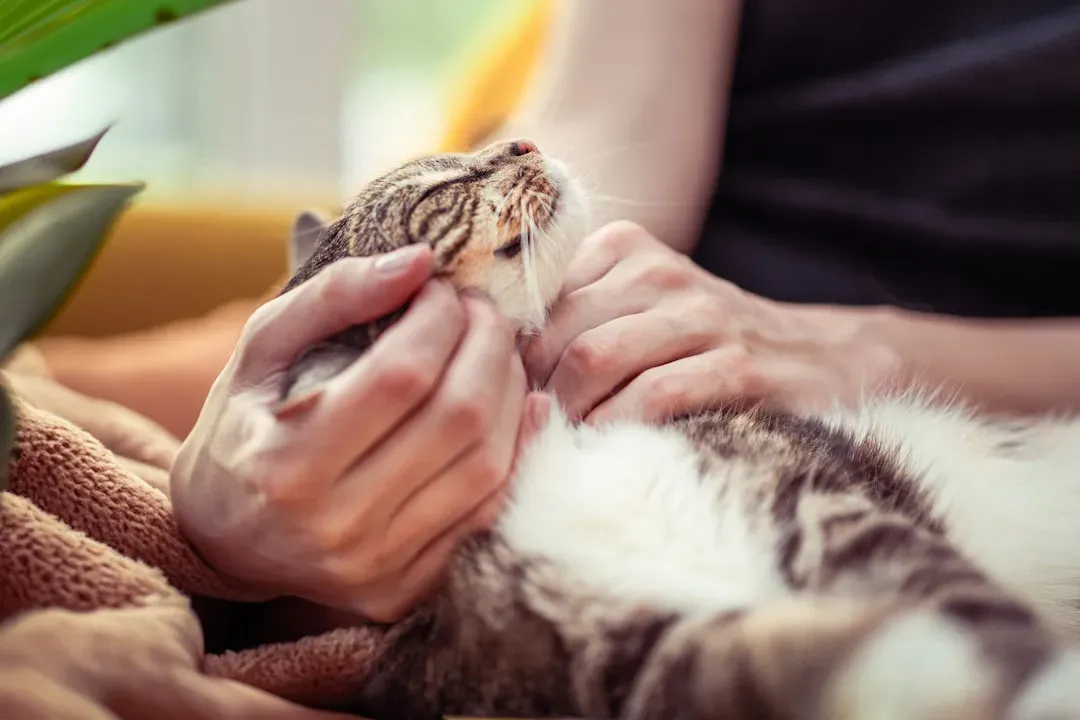
The depth of your bond with your cat directly determines how fluently it reads you. Cats display more positive behavior when their own humans are happy compared to angry – and that gap disappears entirely with an unfamiliar person, proving that a stronger bond translates directly into better understanding.
Trust appears to be the actual mechanism at work. Pets are remarkably good at sensing our emotions largely because of the deep bond they share with us, and the more trust you build with your cat, the more sensitive it becomes to your moods and energy. Affection, in this framework, is less a feeling and more a slowly earned skill.
#13 – Trust and Safety: The Feeling Every Other Feeling Feeds Into
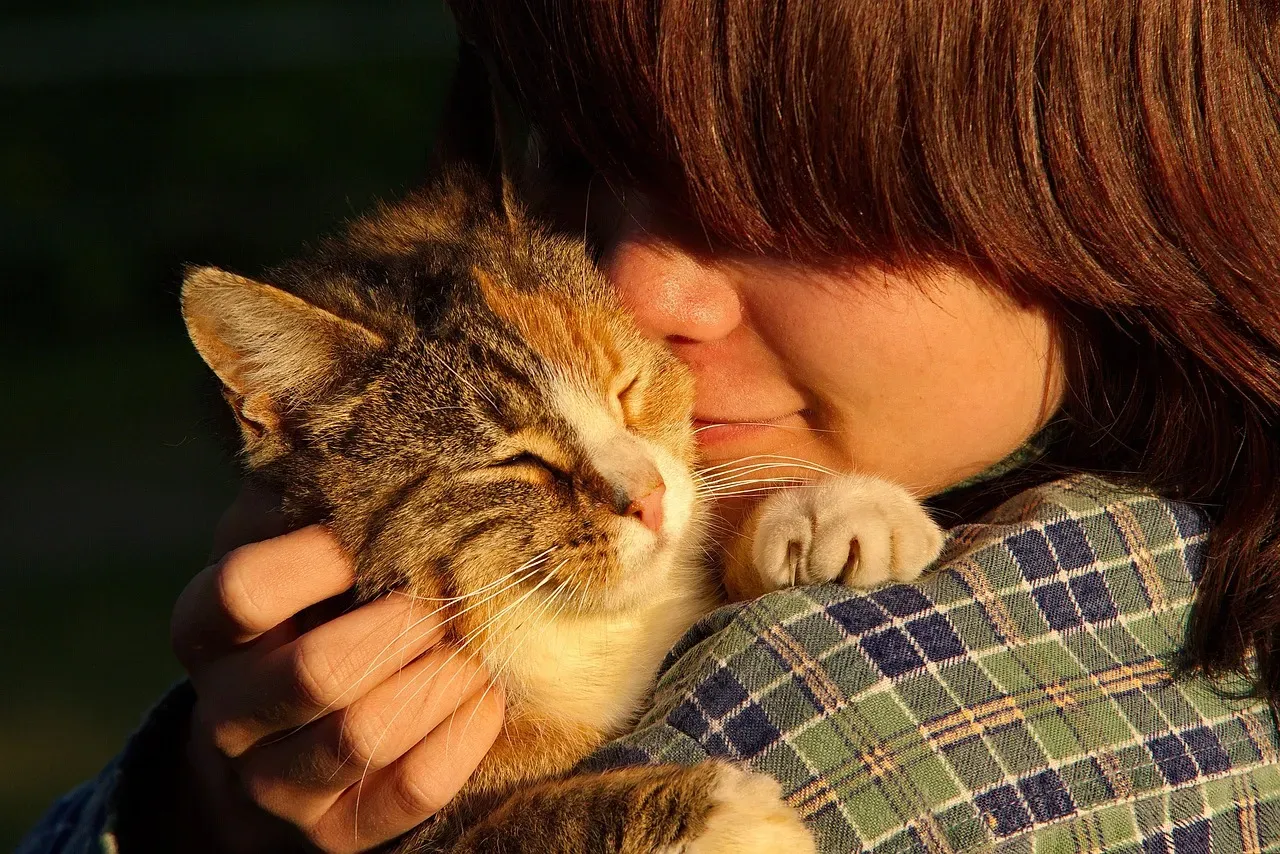
The single most powerful thing your cat tracks isn’t a passing mood – it’s whether you’re a safe, stable presence overall. Researchers found that cats can recognize and interpret emotional signals even from unfamiliar people, suggesting they hold a general, pre-existing mental model of human emotion that isn’t purely learned through years of living with you.
That’s a genuinely bold claim – this skill may be partly hardwired, not just built through experience, especially since younger cats showed strong ability to cross-modally recognize human emotions. Your cat isn’t just reacting to your bad day or your happy voice in isolation. It’s running a lifelong assessment of whether you, overall, are predictable and safe – and that’s the feeling every other feeling on this list ultimately feeds into.
Why It Stands Out
- Cats recognized emotional signals even from unfamiliar people, not just their own owners
- This points to a built-in mental model of human emotion, not one learned solely through experience
- Younger cats showed strong cross-modal recognition of human emotion, hinting the skill starts early
- Trust and safety seem to be the master signal every other emotional reaction filters through
The Bottom Line
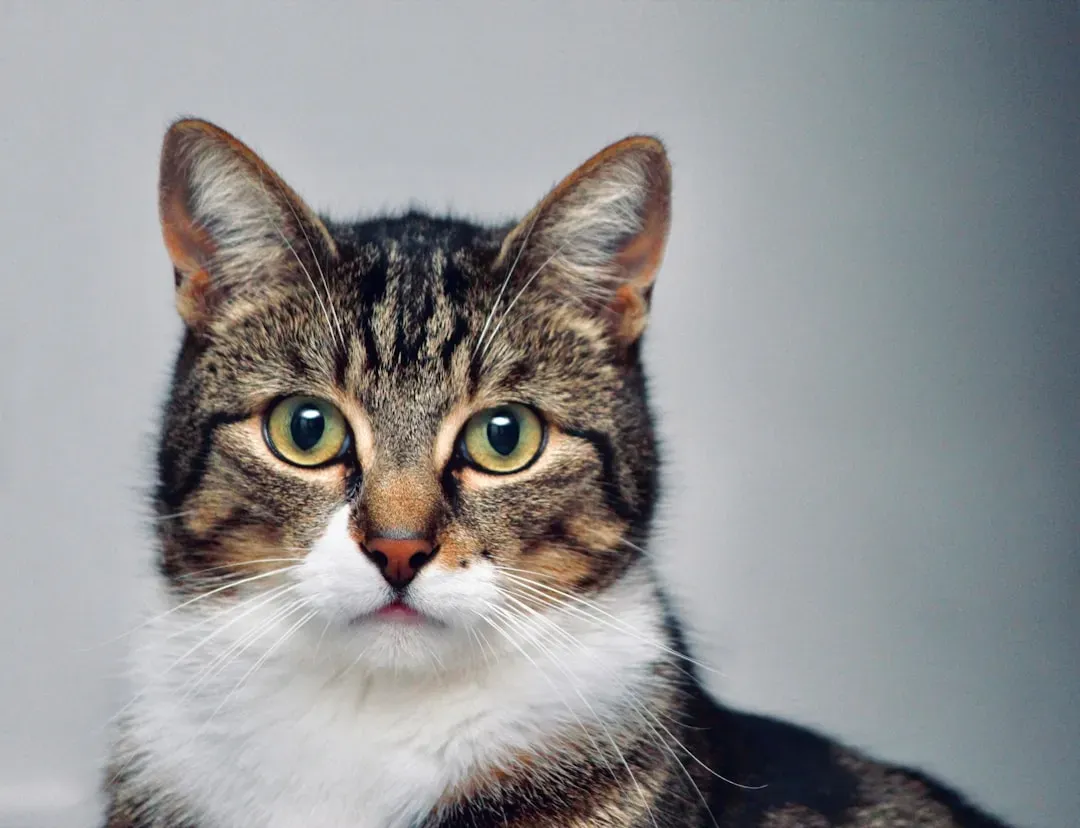
The research is clear on one thing most owners underestimate: cats are not the emotionally checked-out roommates pop culture makes them out to be. From detecting cortisol in your sweat to matching your tone of voice to your facial expression, cats are quietly running a sophisticated emotional surveillance system anytime you’re in the room.
Is it love in the way we define it? The science stays cautious there, and honestly, it should. But after seeing thirteen separate ways your cat is reading you before you’ve said a single word, calling it “just instinct” feels like the lazier explanation. Does your cat seem to know your mood before you do? Tell us your strangest example in the comments.
Kristina is a young writer from India. An arts graduate and an avid content creator, Kristina is passionate about animals and wildlife. She enjoys exploring topics related to pet care, animal behavior, conservation, and nature, combining thorough research with engaging storytelling.