Most people assume a senior cat quietly shuts down as illness or old age creeps in – pulling away, hiding, going cold, like she’s already halfway out the door. It’s a comforting myth, because it lets us believe distance means less pain. But veterinarians and feline hospice specialists say the opposite is usually true.
Many cats become more affectionate, not less, in their final weeks and months. They lean in harder. They seek you out more. They start talking, touching, and watching you in ways they never bothered with as younger, fiercely independent cats. It isn’t weakness – it’s a closing argument for connection. Here’s what feline hospice experts, behaviorists, and cat parents who’ve lived through it say actually happens in those final tender chapters.
#1 – They Start Following You Everywhere
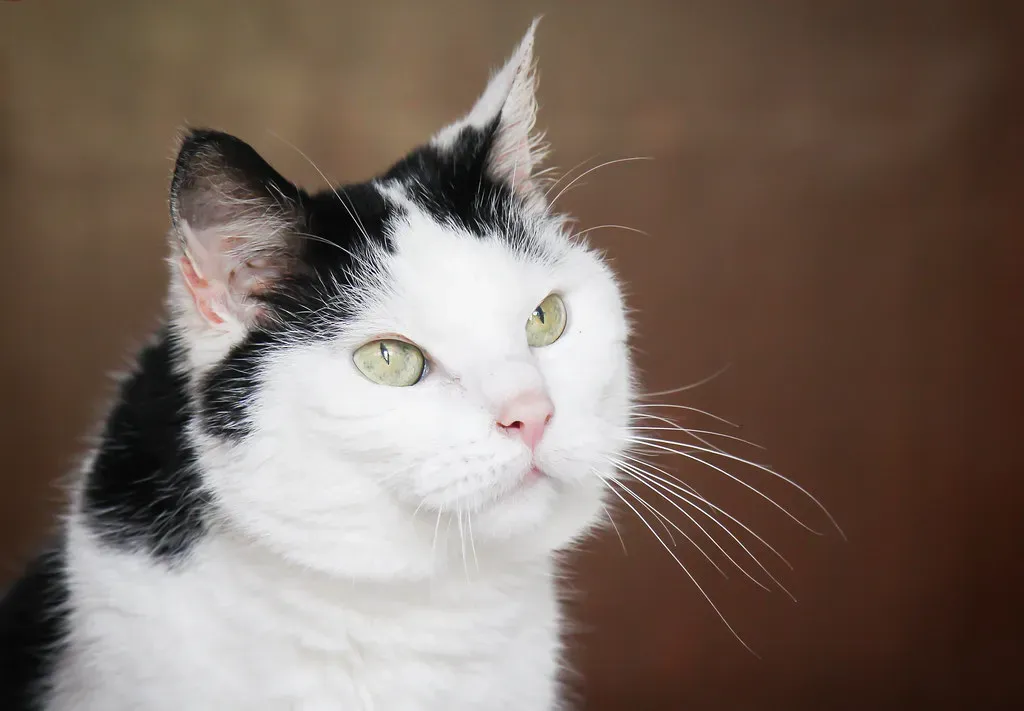
A senior cat who suddenly can’t stand to let you out of sight isn’t being needy – she’s telling you something important. Many cats grow noticeably more attached to their humans as their bodies weaken, trading a lifetime of independence for proximity, often for the first time since kittenhood.
Vets note that behavioral shifts like hiding, restlessness, or clinginess usually mirror how a cat feels physically. A cat who feels shaky or uncertain finds comfort in staying near the person who has always meant safety. The cat who once vanished for hours now waits outside the bathroom door, sits at the top of the stairs, or trails you room to room – as if reassurance suddenly matters more than freedom ever did.
At a Glance
- Cats are considered seniors after they turn 10 years old, according to the American Association of Feline Practitioners (AAFP), though many veterinarians may begin treating cats as seniors at 7 years old, meaning wellness exams increase from yearly to every six months.
- Cats are considered seniors when they are 11 to 14 years of age and geriatric when they are 15 years and older.
- Regular veterinary visits, including a minimum of every six months for senior cats 10 to 15 years old, help track and manage health-related issues and detect disease early.
#2 – They Seek Out Your Lap and Body Heat More Than Ever
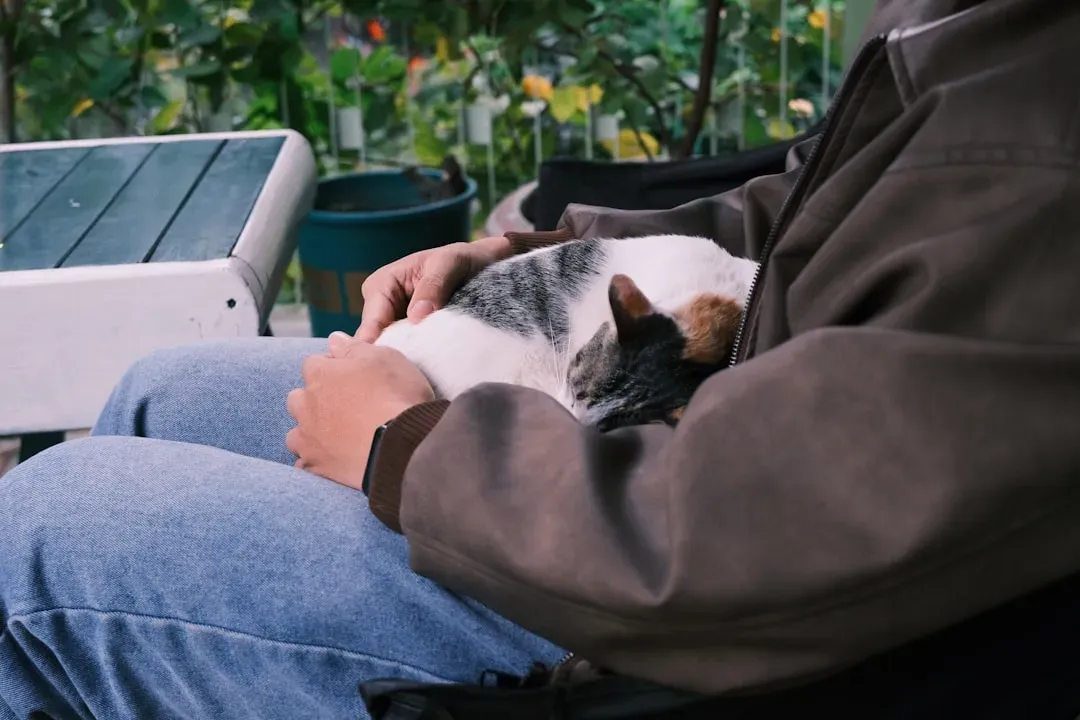
Senior cats suddenly can’t get enough of warm laps, warm blankets, and warm bodies – and there’s a real physiological reason why. As organs slow down and circulation weakens, regulating body temperature becomes harder, which is why hospice guides specifically recommend helping aging cats stay warm.
A senior cat pressing into your lap isn’t just sentimental – she may genuinely be chasing heat her own body can no longer generate efficiently. The cat who once tolerated a quick pet before wandering off now settles in for hours, purring against a leg or curling into a heated blanket. It’s one of the most bittersweet shifts owners notice, and one worth mentioning to your vet.
#3 – They “Talk” to You More Often, Even at Night
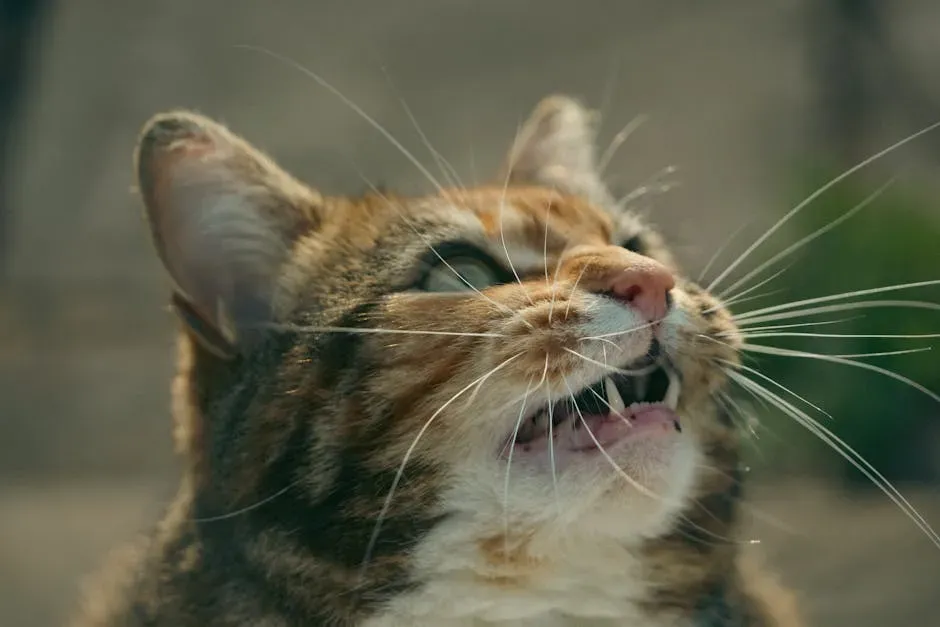
A senior cat who suddenly becomes chatty after dark is communicating something most owners misread as just “old cat noise.” Increased nighttime vocalization is one of the most common signs vets link to cognitive changes in aging cats – a kind of feline dementia that can cause confusion, wandering, and calling out.
But experts also note this vocal shift isn’t purely medical. It often overlaps with a cat genuinely trying to reach out, wanting more attention than normal as she senses her body changing. These midnight calls can feel unsettling at first, especially from a cat who was silent for most of her life. Many owners come to recognize them not as distress, but as a request for closeness.
Worth Knowing
- Cognitive dysfunction syndrome affects 80% of cats at 15 years of age and older.
- Signs of dementia in cats include disorientation, vocalizing (especially at night), having accidents in the house, hiding, poor grooming, and sleeping more than usual.
- Cats experiencing cognitive issues are often very vocal during the evening and will meow as if they are lost.
#4 – They Give You Longer, Slower Blinks
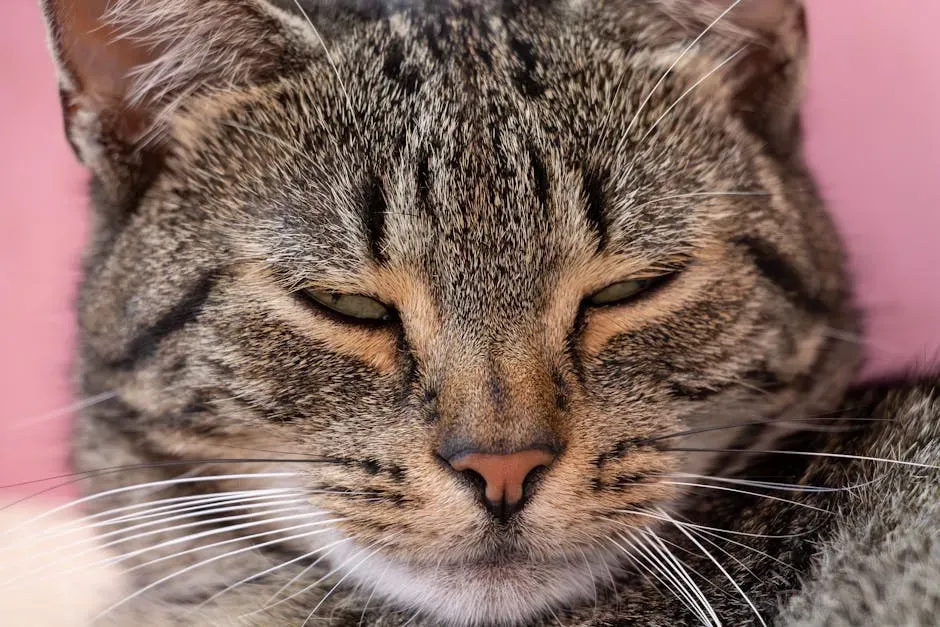
The famous “cat kiss” often becomes more frequent, more deliberate, and noticeably longer during a cat’s final season. Feline behaviorists have long recognized slow blinking as a trust signal, and many owners report their senior cats using it constantly as illness progresses.
This lines up with what vets see clinically – cats become highly attuned to the humans around them, reading body language, tone, and even subtle changes in routine. That heightened awareness runs both directions: cats read us just as closely as we read them. A slow blink held a beat longer than usual, repeated across a quiet room, often feels like a full conversation with no words needed.
#5 – They Rub Their Head and Cheeks Against You More
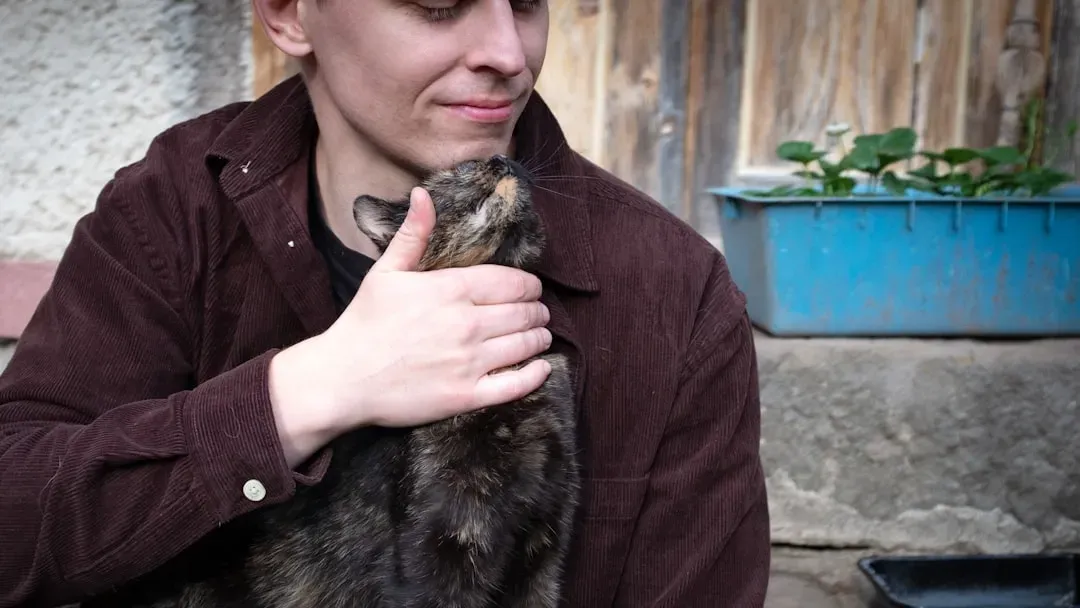
Bunting – the head-and-cheek rub cats use to mark territory and bond – often intensifies dramatically in a senior cat’s final months. This behavior is rooted in scent glands on the face, making it one of the clearest bonding signals in feline communication.
A senior cat who suddenly bunts constantly against your hands, legs, or face is doing far more than greeting you casually. Hospice-focused vets describe this increase as part of a broader pattern: aging cats leaning harder into the relationships that anchored their whole lives. Owners often say their cat becomes “more like a kitten again,” reaching for connection instead of guarding personal space.
#6 – They Sleep Pressed Directly Against Your Body
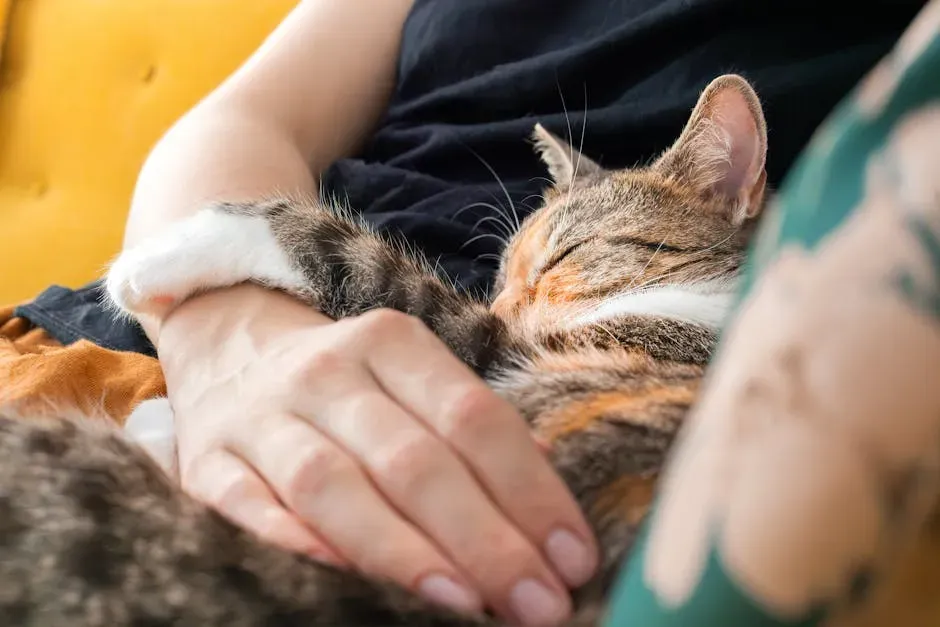
Senior cats who once slept across the room start closing the distance completely, often pressed directly against a hip, arm, or chest through the night. Warmth plays a role, but hospice specialists track a deeper pattern here too – dying pets often shift how close they stay to the people they trust, and for many, that means moving in rather than pulling away.
Once play, jumping, and exploring are no longer possible, physical contact becomes the primary source of comfort left. Owners often notice the shift happen gradually – first a paw touching your leg, then a full body pressed against yours by morning. It’s one of the most quietly devastating and beautiful parts of caregiving: a cat trading independence for connection at the exact moment she needs it most.
#7 – They Reach Out With a Paw When You’re Near
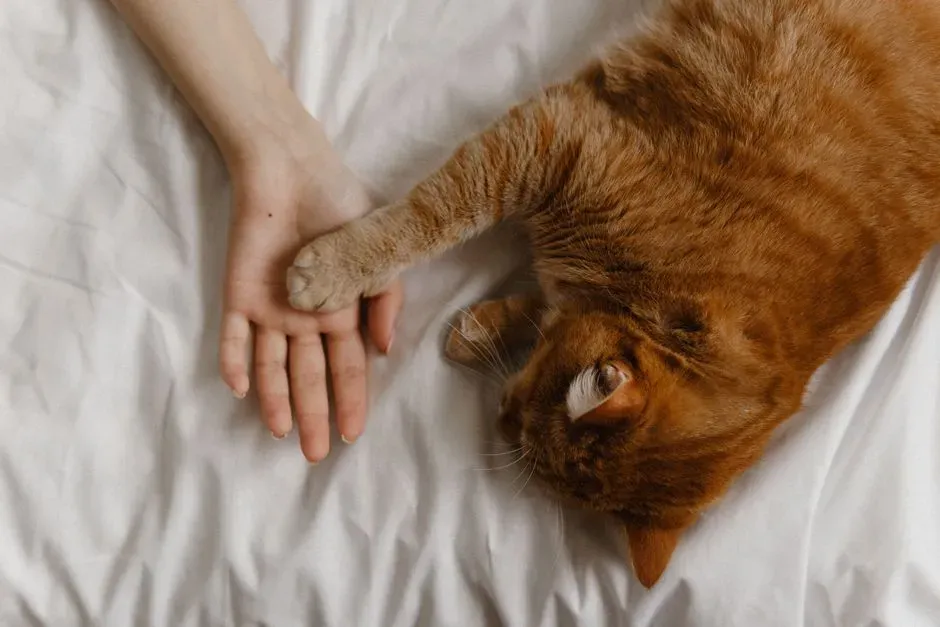
A gentle paw extended toward your hand, sleeve, or face is one of the most touching behaviors senior cats display in their final season. It isn’t as clinically documented as vocalization or appetite loss, but vets who work in feline hospice consistently describe it as a hallmark of end-of-life bonding.
It fits squarely within a cat’s increased need for closeness as her body weakens, and many owners describe the gesture as their cat “asking” to be touched rather than simply accepting touch. A cat who spent years avoiding unsolicited contact suddenly initiating it says something unmistakable about how much the relationship matters now.
#8 – They Want to Be Groomed Instead of Grooming Themselves
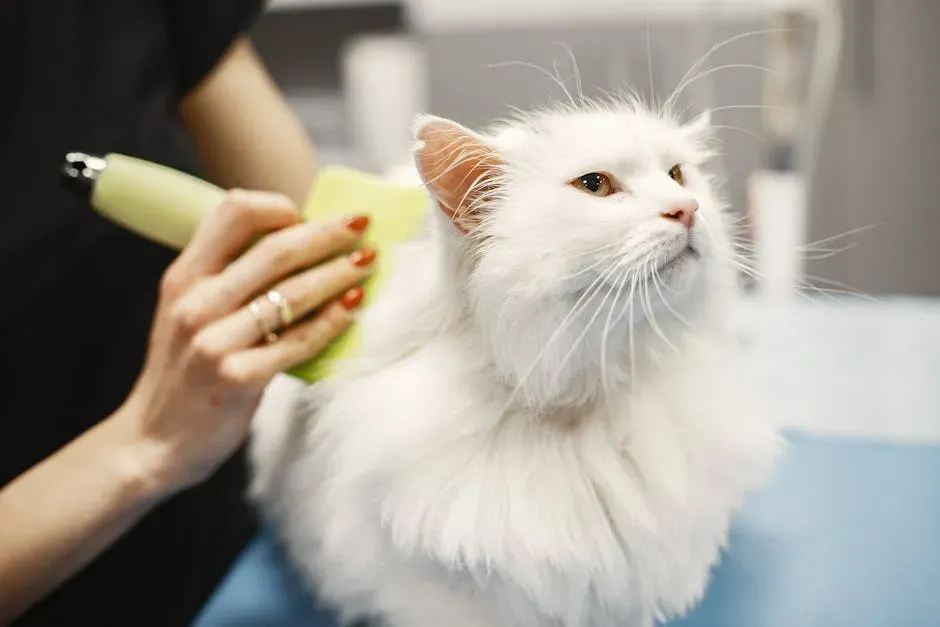
One of the clearest physical signs of a senior cat’s decline doubles as one of the most tender opportunities for connection. Cats are naturally meticulous groomers, so when the coat starts looking unkempt, matted, or oily, it’s often one of the more obvious signals of end-of-life change.
This is where many owners step in – and where many cats, for the first time in their lives, actually welcome it. A younger cat might swat away a brush or a damp cloth; a senior cat in decline often leans into it instead. The relationship flips: the cat becomes the one accepting care rather than performing independence, and soft brushing sessions become some of the most bonding moments the two of you ever share.
Fast Facts
- Dental disease affects over 80% of cats over 5 years old, which can make normal self-grooming uncomfortable.
- Osteoarthritis affects over 90% of cats 10 years of age and older, often limiting the flexibility a cat needs to reach her back and hindquarters.
- A senior cat may benefit from some extra helping grooming with weekly brushing.
#9 – They Bury Themselves in Your Clothes and Blankets
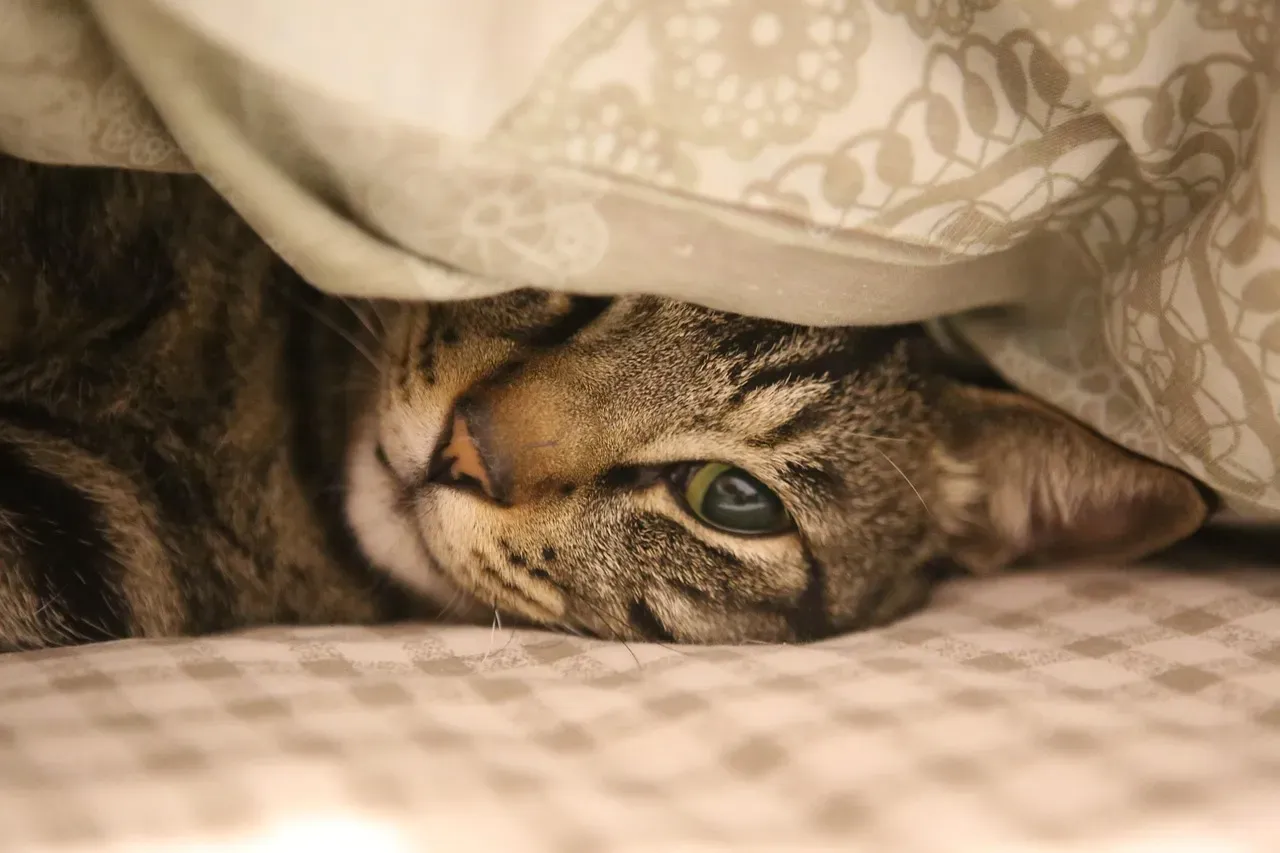
Senior cats often develop an intense preference for anything that smells like their favorite person, more than at any other point in their lives. Familiar scent is one of the most powerful comfort tools available to an anxious or declining cat, which is why hospice-focused vets specifically recommend keeping worn clothing or favorite blankets nearby.
A senior cat curling into an unwashed sweatshirt or pillowcase isn’t being random – she’s actively self-soothing using the most trusted scent she knows. As mobility decreases and cats spend more time resting in one place, that scent-driven choice becomes even more deliberate, turning an ordinary blanket into an emotional anchor.
#10 – They Show Trust by Sleeping in Vulnerable Positions
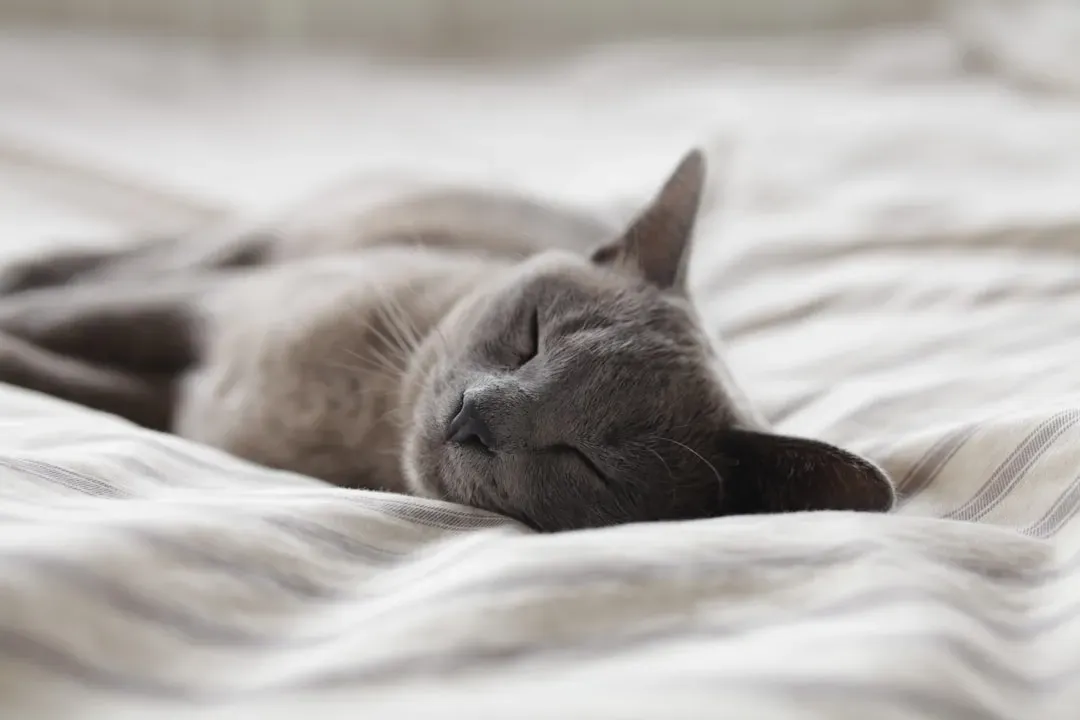
A cat exposing her belly, stretching out fully instead of curling defensively, or sleeping deeply in an open room is showing a level of trust many cats never display when healthy. Feline behaviorists note that vulnerable sleeping positions require real trust in the environment, since cats are instinctively wired to protect their most exposed areas.
A senior cat who starts sleeping this way more often – especially somewhere previously “high-alert” – is signaling deep comfort and security, not just physical weakness. Some owners assume a sprawled-out senior cat is simply too tired to curl up defensively. Often it’s just as much about trust as it is about fatigue, and either way, it points to the same conclusion: this is a cat who feels safe.
#11 – They Accept Help Getting to Favorite Spots
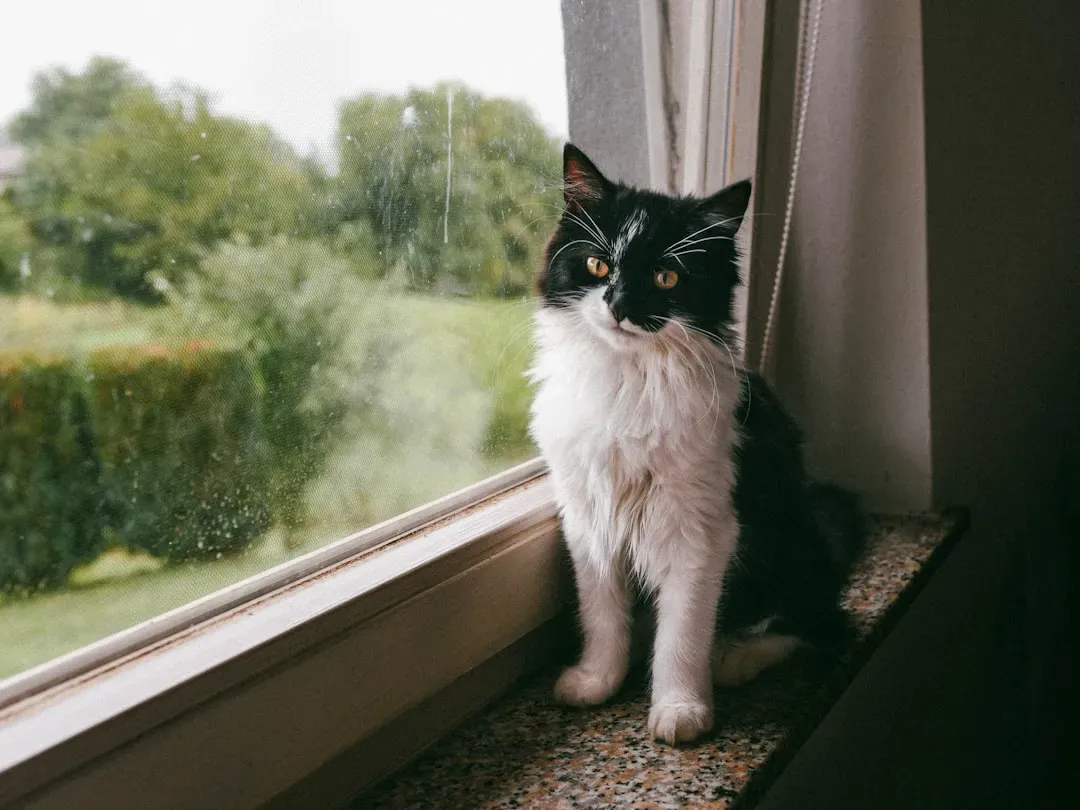
A senior cat who once refused assistance climbing onto the couch or bed often starts allowing – and even seeking – help getting to the places she loves most. Decreased mobility from muscle loss or arthritis usually progresses in stages, from struggling to jump onto counters to needing help with stairs or the litter box.
Owners can ease this by keeping essentials accessible and adding ramps or steps to favorite perches. But the emotional shift matters as much as the physical one: this move from stubborn independence to quiet acceptance is one of the most telling changes in a senior cat’s final season. Lifting a cat who once resented being picked up, and watching her settle instead of squirm, becomes a small daily ritual with outsized meaning.
Quick Compare
- Early mobility decline (around age 6+): occasional stiffness after naps, hesitation before jumping – arthritis affects an estimated 60% of cats older than age 6.
- Advanced mobility decline (age 10+): reluctance on stairs, needing lifts onto furniture, and noticeable muscle loss – arthritis affects 90% of cats older than age 10, and senior cats can lose up to 33% of lean body mass between 10 and 15 years of age.
- Easy home fixes: a low-entry litter box and soft, supportive bedding away from drafts can ease both stages of decline.
#12 – They Read Your Emotions More Closely Than Before
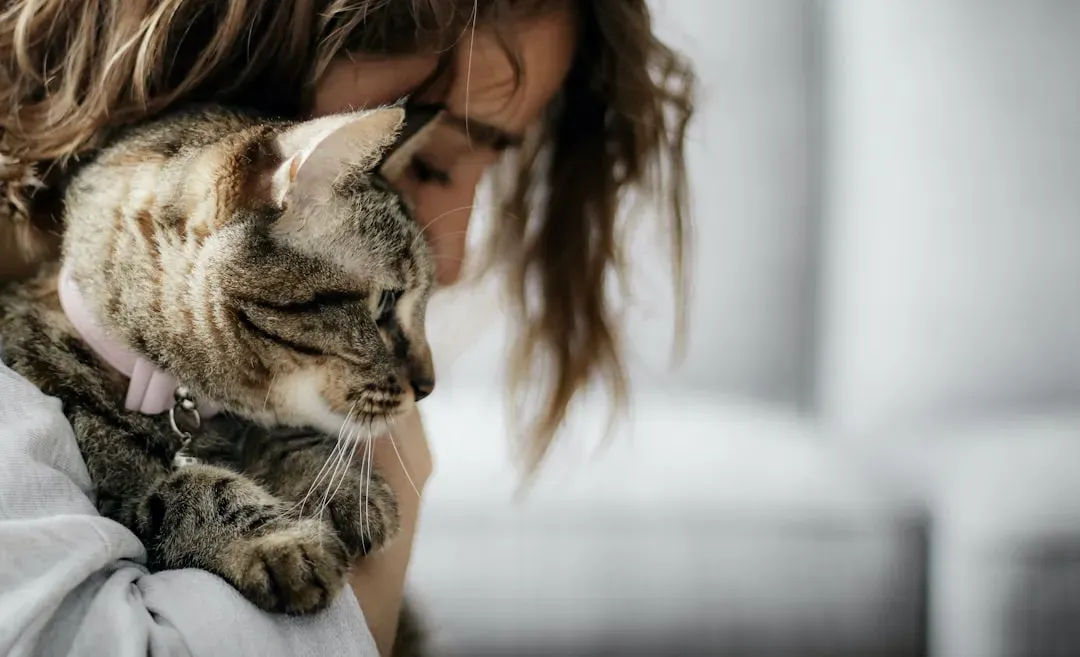
Senior cats often become remarkably attuned to a caregiver’s stress, grief, or exhaustion – sometimes more attuned than the caregiver realizes. Cats read human body language, vocal tone, and even certain words, and their sharp senses, aided by a specialized scent organ that detects pheromones, pick up on emotional shifts in the people around them.
That means a grieving or anxious owner may be “read” by their cat long before any words are spoken. Many hospice-experienced owners describe their cat becoming unusually calm or present during hard moments, almost mirroring the mood in the room. Experts are clear that cats don’t understand illness or mortality the way we do – but their sensitivity to us creates something that feels deeply connective anyway.
#13 – They Still Show Up for Mealtimes, Even Without Appetite
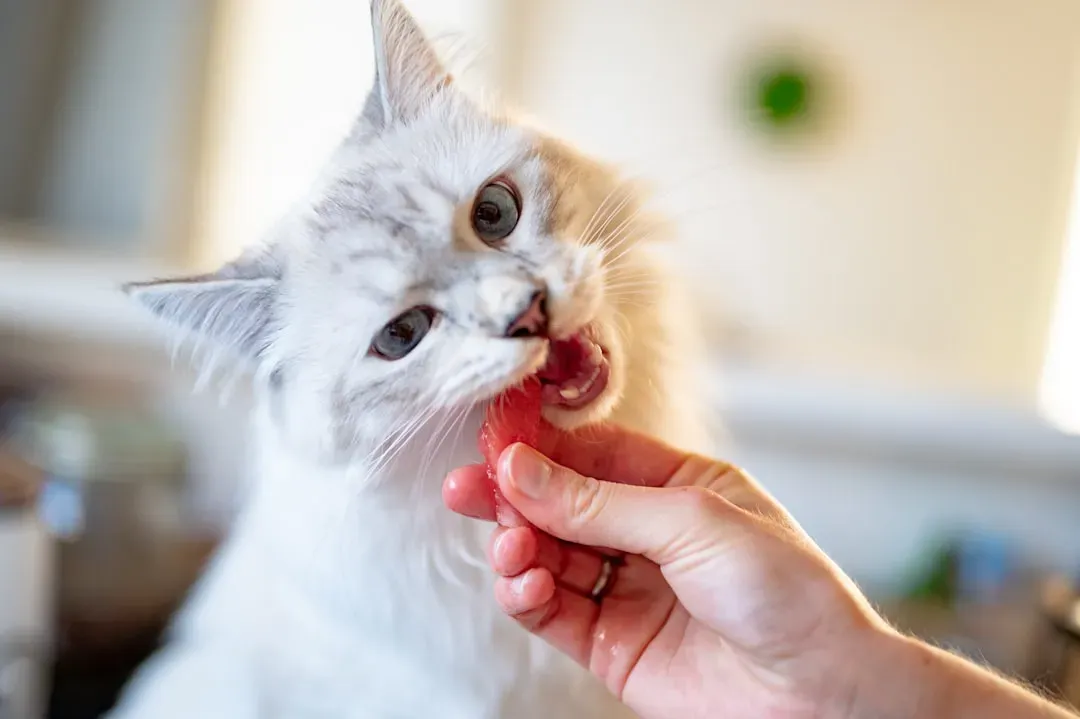
A senior cat who has lost most of her appetite will often still appear at mealtimes, sit beside the bowl, or accept a few bites offered by hand – even when she isn’t truly hungry. Weight loss, lethargy, and appetite loss are common near the end of life, yet many owners notice their cat keeps showing up for the ritual of mealtime long after real hunger fades.
It’s one of the more emotionally complicated behaviors, blending physical decline with an unmistakable desire to stay connected to a shared daily routine. Vets often recommend hand-feeding small amounts specifically because it preserves that bond even when nutrition barely matters anymore. For many cats, showing up isn’t about food at all – it’s about not missing a moment with you.
#14 – They Choose to Be Near You in Their Final Hours
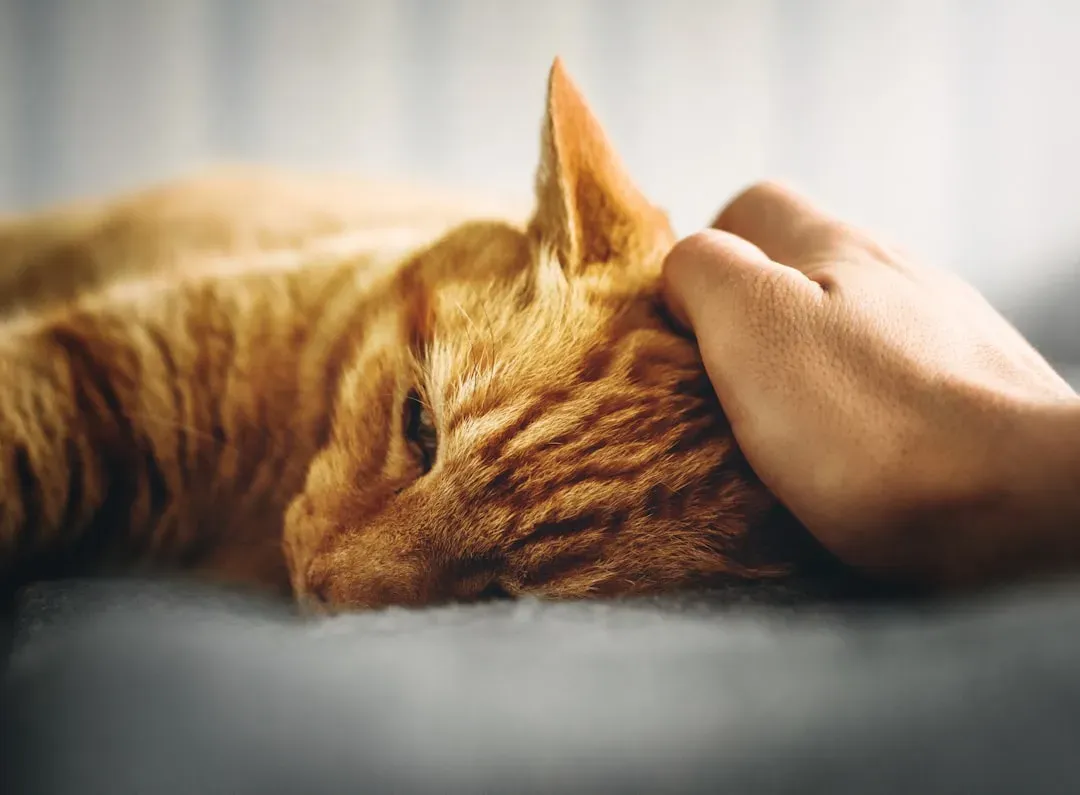
More than any single behavior on this list, one pattern stands out consistently across hospice care reports: cats choose presence over solitude when it matters most. Staying by a dying cat’s side and speaking in soothing tones can genuinely ease her final hours, and love and physical closeness help more than most people expect.
This directly contradicts the old myth that cats always slip away alone to die in isolation. Some seriously ill cats do seek out quiet, hidden spaces – but many others actively seek out their person during the final stretch, choosing closeness precisely when their bodies are shutting down. This last behavior ties every earlier one together: the following, the leaning, the slow blinks, the scent-seeking. It’s not a dramatic goodbye scene. It’s simply a cat, weakened and tired, deciding that being near you still matters more than anything else.
The Bottom Line
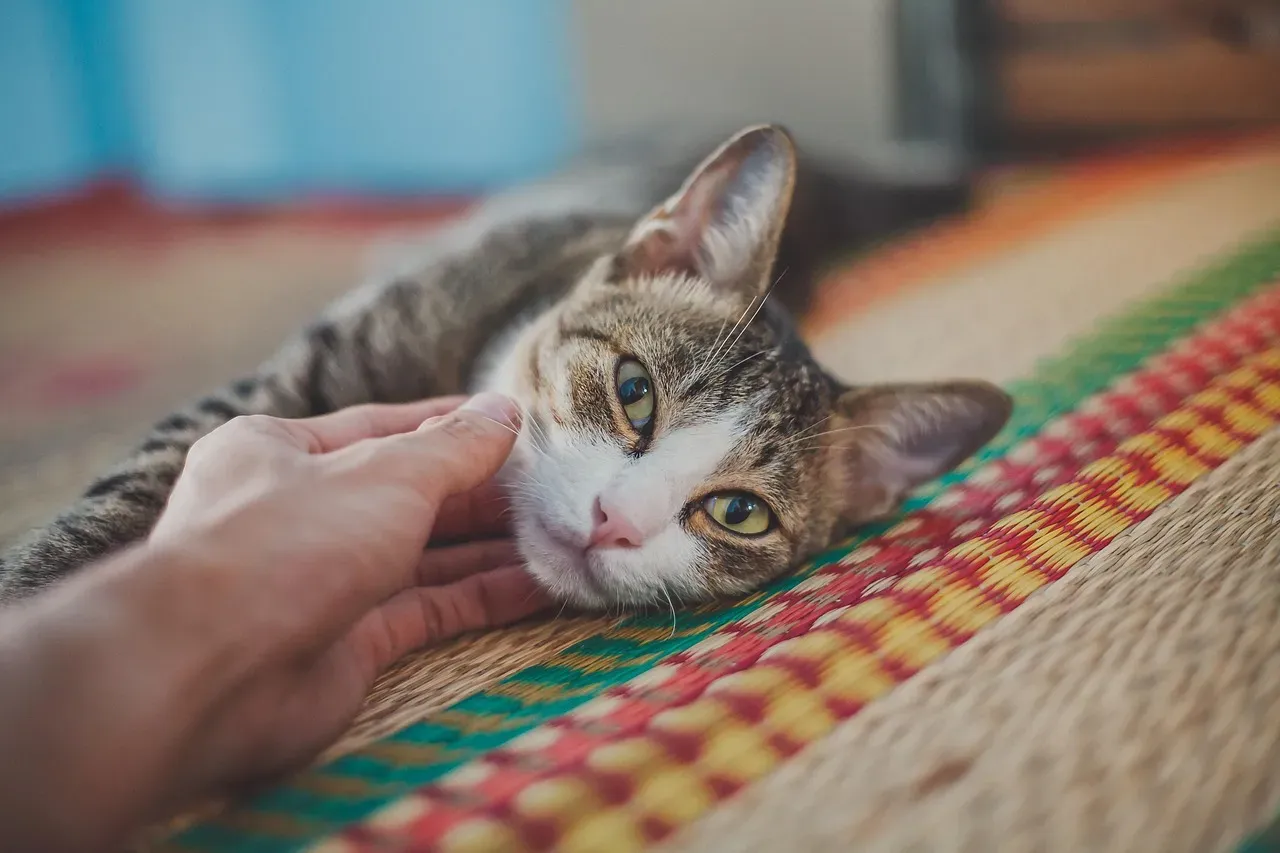
The idea that senior cats emotionally withdraw as they decline simply doesn’t hold up. Across nearly every credible veterinary and hospice source, the pattern points the other way – toward more affection, more closeness, and more trust, not less.
Cats reach out through scent, touch, vocalization, and vulnerable body language in ways that are easy to miss if you’re only watching for physical symptoms. We’d argue the emotional signs deserve just as much attention as the medical ones, because they’re often the clearest window into how a cat is really feeling in her last season. Did your senior cat show any of these behaviors? Tell us which one hit you hardest in the comments.
Kristina is a young writer from India. An arts graduate and an avid content creator, Kristina is passionate about animals and wildlife. She enjoys exploring topics related to pet care, animal behavior, conservation, and nature, combining thorough research with engaging storytelling.