You know that split second after you unlock the door and your cat glances up at you? Most owners read it as nothing more than muscle memory – the same blank look a cat might give a curtain moving in the breeze. Feline behaviorists disagree, and their disagreement is backed by some surprisingly hard biology. Cats evolved to treat almost everything as a potential threat, so the instant one of them chooses not to react that way around you, something real is happening under the surface.
That “something” shows up in fourteen distinct, well-documented behaviors, and most owners have been watching them happen for years without knowing what they meant. A few of these signs are physically costly for a cat to perform. Others are almost involuntary. At least two are so easy to misread that owners have been getting them backwards for years. Once you know what you’re actually looking at, you may never walk through your own front door the same way again.
#1 – The Slow Blink That Means “I Trust You”
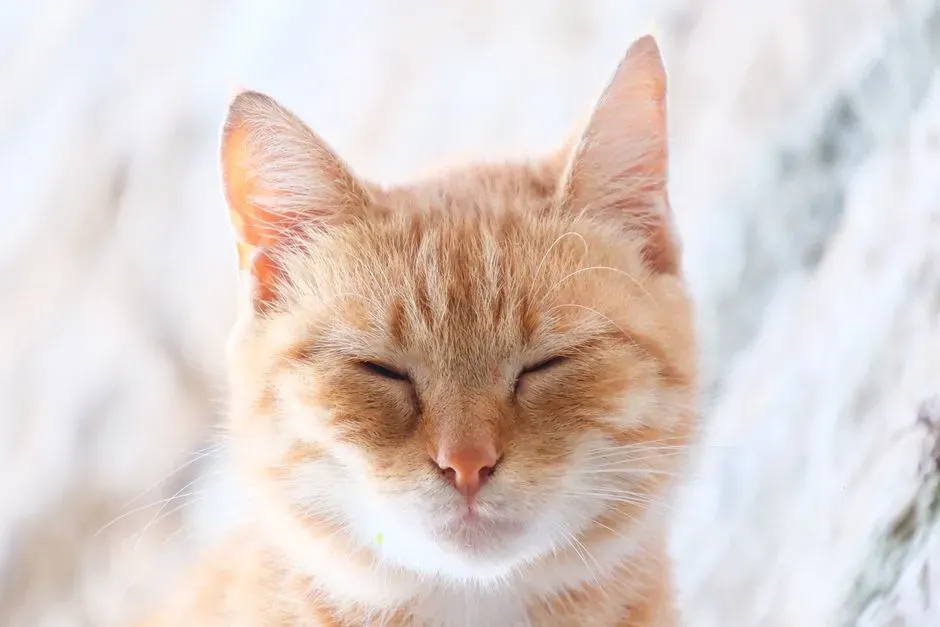
If your cat locks eyes with you and slowly closes and reopens its eyes the second you enter a room, you’re witnessing one of the most well-documented trust signals in feline behavior. Researchers have studied this gesture, nicknamed the “cat kiss,” and found it lines up directly with lowered stress in cats around familiar humans. A slow blink is essentially the opposite of a predatory stare, which is why cats save it almost exclusively for people they don’t see as threats.
This isn’t a random tic. It’s a deliberate, energy-costing gesture in an animal that survives by staying alert to danger. A cat that feels even mildly unsafe keeps its eyes wide and fixed, scanning for movement. When yours softens its gaze and blinks slowly the instant you walk in, it’s making itself briefly vulnerable on purpose – and that’s just the opener.
#2 – Rolling Onto Its Back and Showing You the Belly
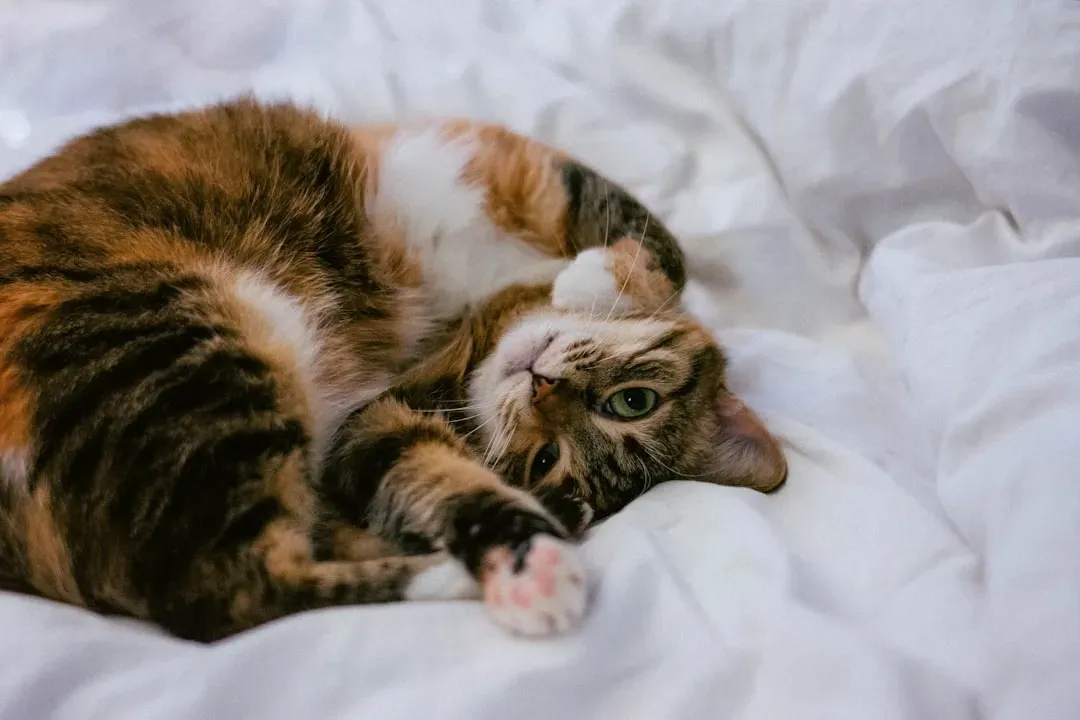
A cat exposing its stomach is arguably the most vulnerable pose in its entire physical repertoire. The belly guards vital organs and offers zero defense. When your cat greets you at the door by flopping straight onto its back, it’s signaling that it doesn’t expect an attack, full stop. This is not usually an invitation for a belly rub, despite what most owners assume – it’s a pure trust display, nothing more.
Many cats will roll over, hold eye contact, then simply relax back into a curled position rather than actually wanting to be touched there. Owners who misread this and go straight for a belly scratch are often met with a surprised nip. That’s not aggression, it’s confusion – the gesture was about safety, not an offer. Understanding that difference changes how you read your cat’s entire body language from here on out.
Worth Knowing
- The belly-up pose exposes vital organs completely, something almost no wild cat would risk near a predator or stranger.
- Regularly showing its stomach is typically reserved for trusted humans or bonded cats it grew up with.
- Most cats prefer a chin scratch or cheek rub even mid-display, not an actual belly touch.
- A quick paw swat after a belly rub usually isn’t anger – it’s your cat resetting a boundary.
#3 – Kneading You Like Bread Dough
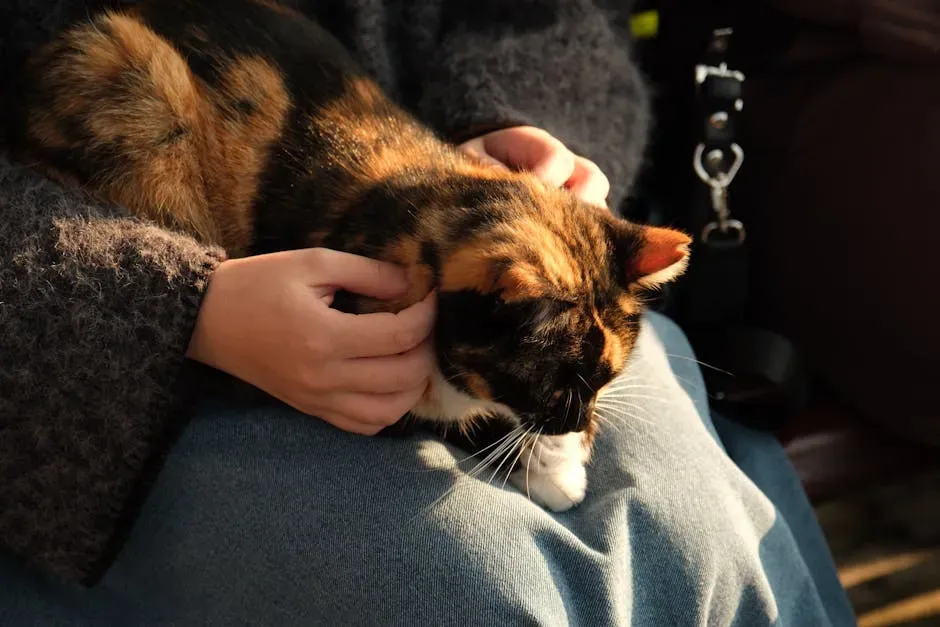
That rhythmic pawing cats do on blankets, laps, or your stomach is a leftover instinct from kittenhood, when kneading against a mother cat stimulated milk flow. When an adult cat kneads you, it’s regressing to one of the earliest, safest memories it has – nursing beside its mother. This doesn’t show up randomly; it appears specifically around people and objects the cat already associates with comfort.
If your cat starts kneading the second you sit down after walking in, it’s telling you your presence recreates that primal sense of safety. Some cats even drool slightly during this, another kitten-like holdover that only surfaces in deeply relaxed states. It’s one of the few adult cat behaviors that’s almost entirely involuntary – and nearly impossible to fake.
#4 – Following You Room to Room Without Needing Anything
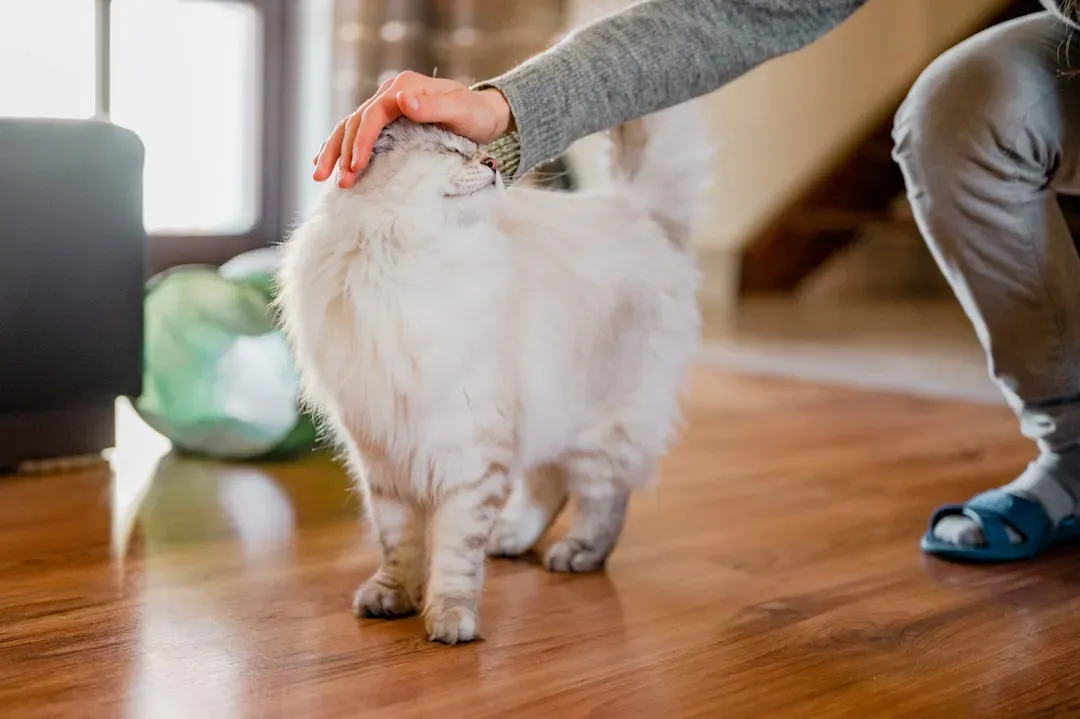
Not every act of following is about food or attention. Behaviorists distinguish between cats trailing owners purely for resources and cats shadowing them simply because proximity feels safe. A cat that follows you from room to room with no demands – no meowing at the food bowl, no pawing at a door – is showing classic secure-attachment behavior, similar to patterns seen in some dogs and even human toddlers.
This quiet companionship is different from anxious clinginess, which usually comes with vocalizing or pacing. A securely attached cat will simply settle nearby, often just within sight, content to share space without demanding interaction. It’s less about needing you and more about wanting you around as a baseline state, like background music it doesn’t want turned off.
#5 – A Tail Held High With a Gentle Curl at the Tip
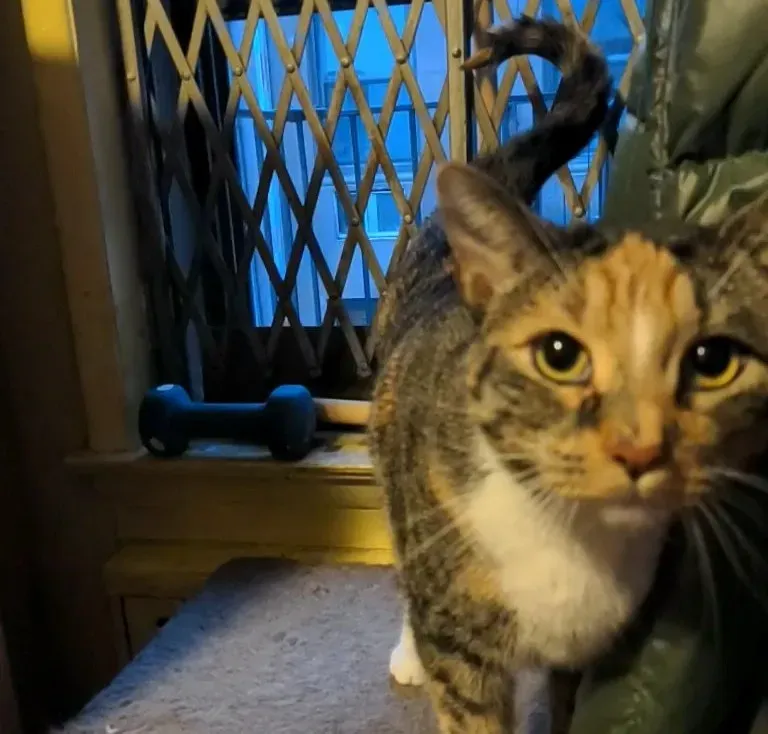
Tail position is one of the most reliable, and most overlooked, indicators of a cat’s emotional state. A tail held straight up with a soft curl or hook at the very tip – often compared to a question mark – is a near-universal greeting signal among domestic cats. This posture is almost exclusively reserved for trusted individuals, and cats rarely display it toward strangers or unfamiliar animals.
Contrast this with a low, tucked, or puffed-up tail, which signals fear or defensiveness, and the difference becomes obvious once you start watching for it. If your cat’s tail shoots upward the moment you open the door, that’s a fast, honest readout of its internal state – faster than any vocal or facial cue. It’s essentially a mood flag your cat can’t consciously control.
#6 – Full-Body Stretches Right in Front of You
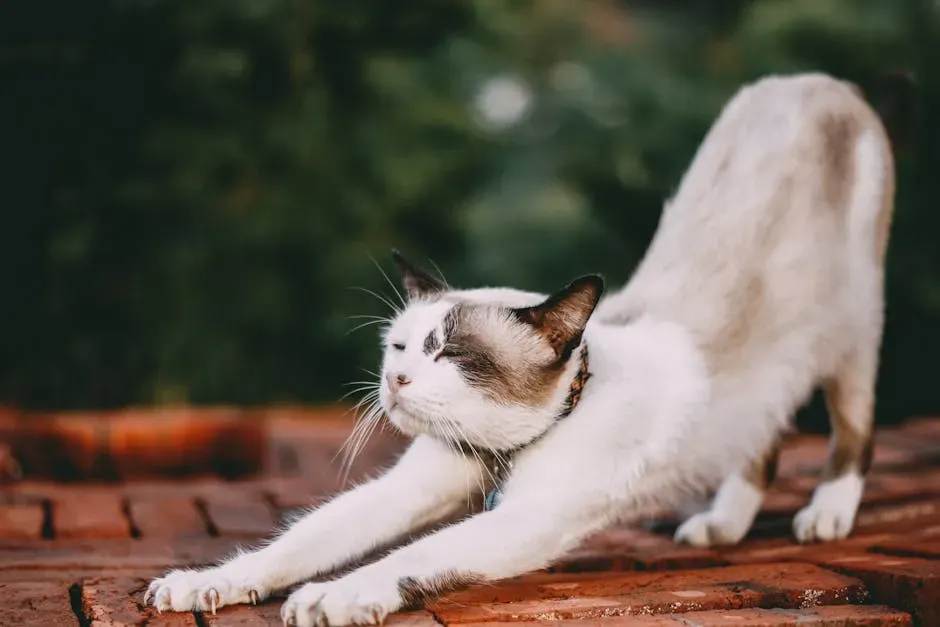
Stretching out fully, especially lying on one side with legs extended, is a posture cats avoid unless they’re confident nothing is about to surprise them. A fully extended stretch takes several seconds to recover from defensively, which makes it a costly move for any animal built around quick escape reflexes. Cats save this for spaces and company that feel entirely predictable.
If your cat greets you with a long stretch rather than tensing or retreating, it’s confirming that your arrival didn’t register as a disruption. Some cats will even stretch directly across your path or on top of your shoes, physically inserting themselves into your space. That’s not clumsiness – it’s another quiet test of trust that most owners chalk up to cuteness rather than communication.
#7 – Sleeping in Exposed, Vulnerable Positions Near You
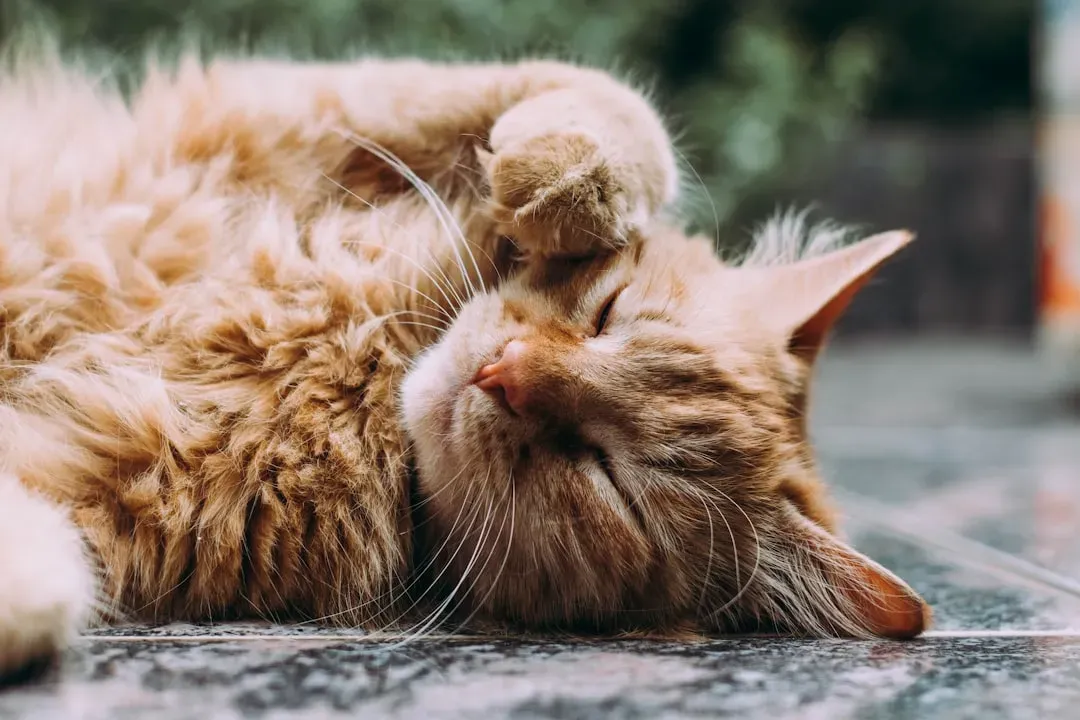
Where and how a cat chooses to sleep says more about its trust level than almost any other behavior. Cats that sleep with their back to a wall or tucked into a tight, defensible corner are often managing some level of underlying anxiety. A cat that sprawls out in an open room, belly up or limbs splayed, near you specifically, is telling you it considers that space fully secured – with you as part of the security system.
This is why so many cats choose to nap on a favorite person’s bed, couch cushion, or directly on top of their owner despite having comfortable beds elsewhere. Sleep is the most defenseless state an animal enters, so proximity during it is a deliberate choice rooted in perceived safety. Cats that don’t trust their environment will almost always seek higher, hidden, or enclosed spots instead.
Fast Facts
- Adult cats sleep roughly 12 to 16 hours a day, more than almost any other common household pet.
- Feral and outdoor cats overwhelmingly favor elevated, hidden, or backed-in spots to sleep defensively.
- Belly-up sleeping is one of the rarest positions seen in shelter or outdoor cat populations.
- A deeply relaxed cat sleeps through more ambient noise; an anxious one wakes at the smallest sound.
#8 – Chirps and Trills Reserved Just for You
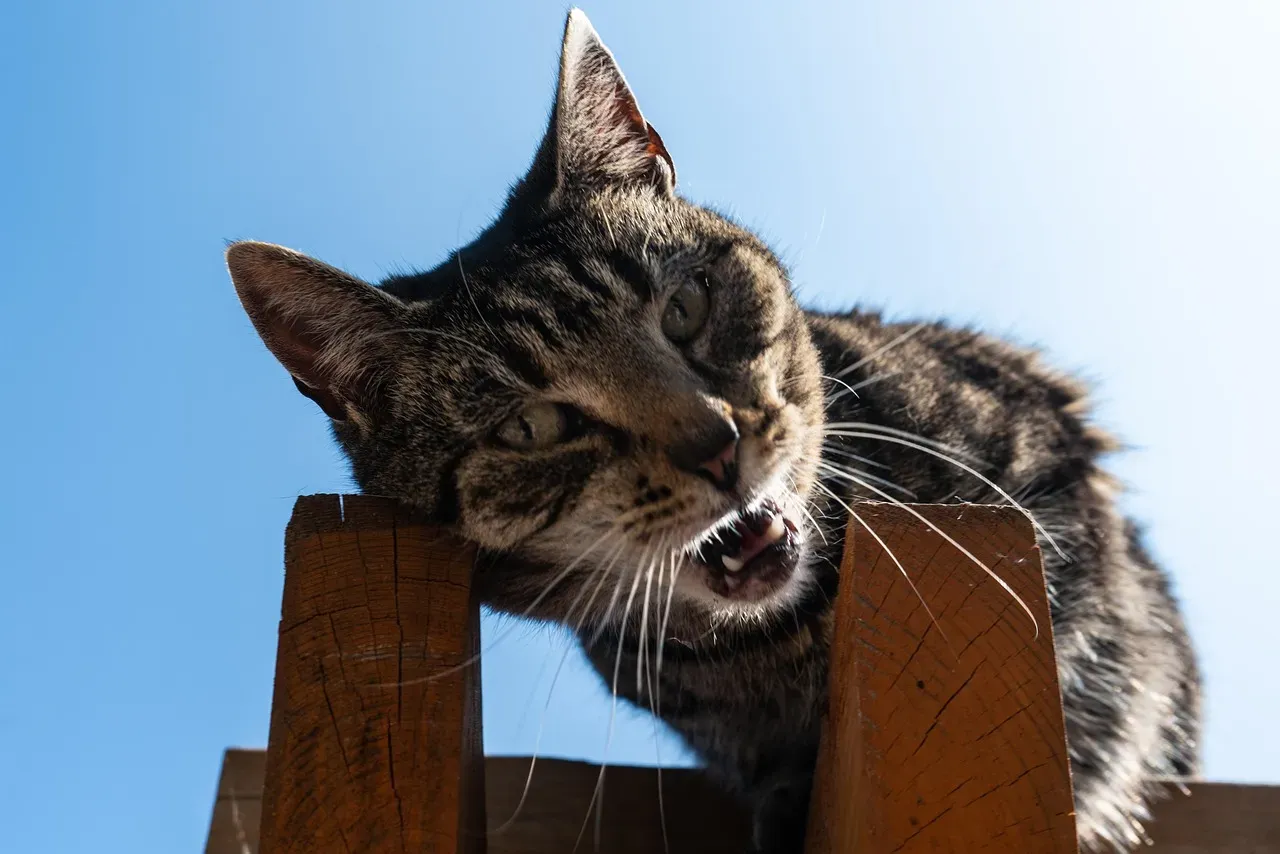
Cats have an entire vocal range most owners never fully register, and one specific sound – a short, bird-like chirp or rolling trill – is used almost exclusively as a greeting between cats and their trusted humans. This sound is biologically distinct from meowing, which cats developed largely to communicate with humans generally, whereas chirps and trills mimic mother-to-kitten communication patterns.
If your cat trills the moment it hears your keys or sees you walk in, it’s using a vocal pattern rooted in early, safe bonding experiences. Cats rarely waste this sound on unfamiliar people or uncertain situations. It’s a highly specific, almost private channel between a cat and the handful of people it has decided are safe.
#9 – “Gift-Giving” Behavior Like Bringing You Toys
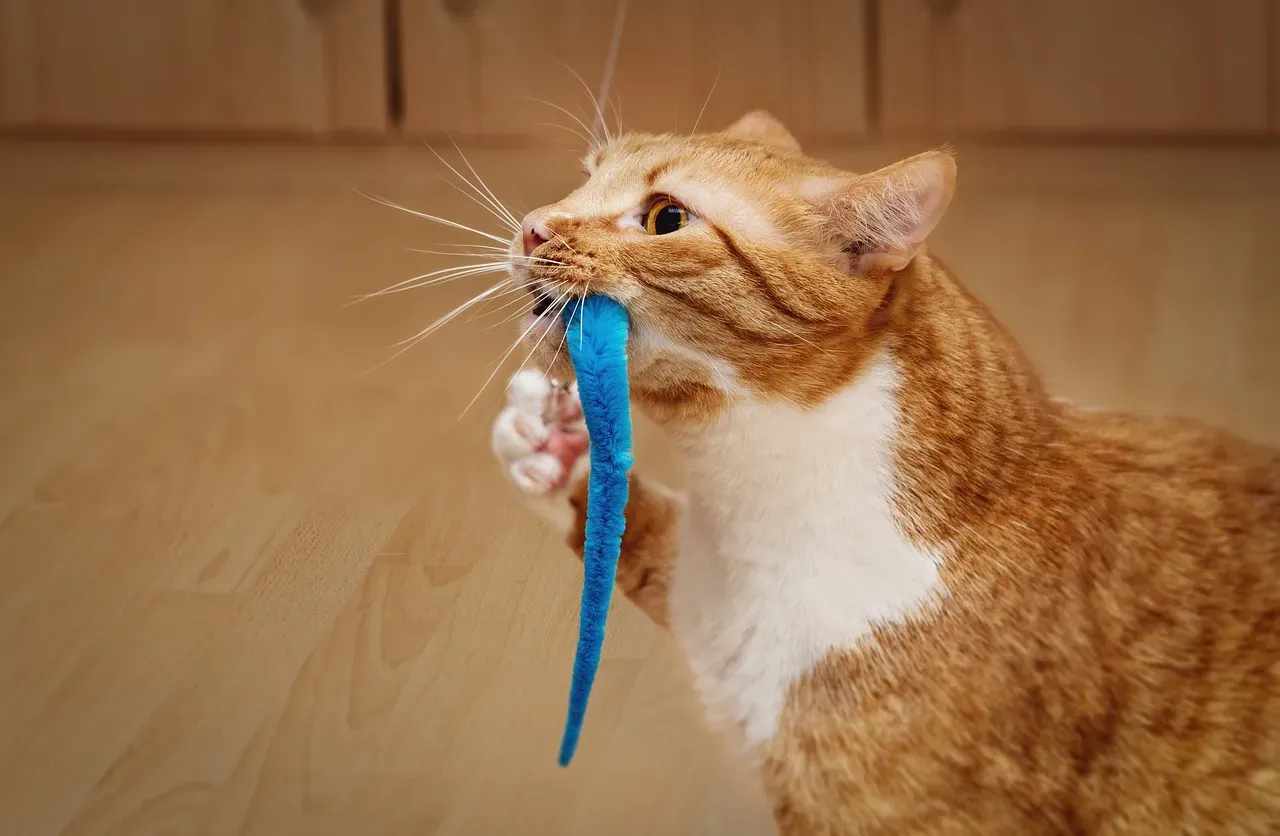
When a cat drops a toy mouse, a sock, or occasionally a real hunted item at your feet, it’s tapping into deeply ingrained instincts around resource-sharing and social bonding. Cats only extend this behavior to individuals or fellow cats they consider part of their trusted circle, treating you the way they’d treat a kitten or a close companion they’re provisioning for.
This behavior often intensifies right after you walk in the door, almost like a ritualized welcome-home offering. Some owners find dead prey unsettling, but behaviorists note it’s actually one of the clearest trust indicators a cat can express, since sharing resources runs directly against a predator’s natural instinct toward possessiveness. It’s a small, occasionally gross act with an outsized meaning behind it.
#10 – Grooming You Like You’re One of Its Own
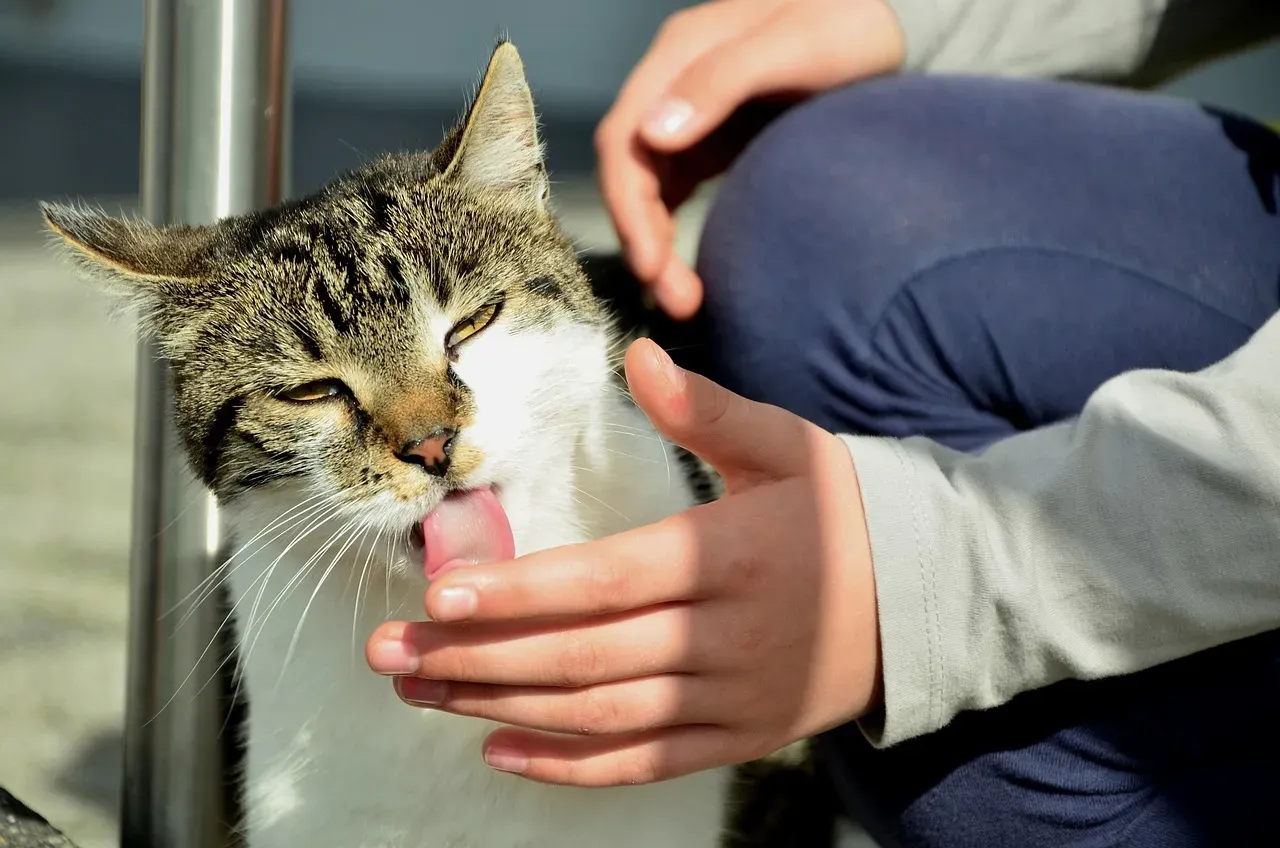
Allogrooming, or mutual grooming between animals, is a well-documented bonding behavior in cat colonies, typically reserved for close social relationships. When your cat licks your hand, hair, or arm, it’s treating you exactly as it would treat a trusted littermate or bonded companion – not a random intruder in its territory.
This often shows up specifically during greeting moments, right as you sit down after arriving home, almost like a re-establishing ritual. Cats don’t groom individuals they view with suspicion, since the behavior requires close facial and bodily proximity a fearful cat would never risk. If your cat has ever methodically groomed your hand while you scroll your phone, that’s a bonding behavior with real social weight behind it.
Quick Compare
- Allogrooming: reserved for close social bonds; requires the groomer to lower its guard completely.
- Head bunting: scent-based marking that files you under “safe territory” rather than “bonded companion.”
- Purring: can surface during both comfort and distress, making it the least reliable signal on its own.
#11 – A Loose, Floppy Body Instead of a Tense One
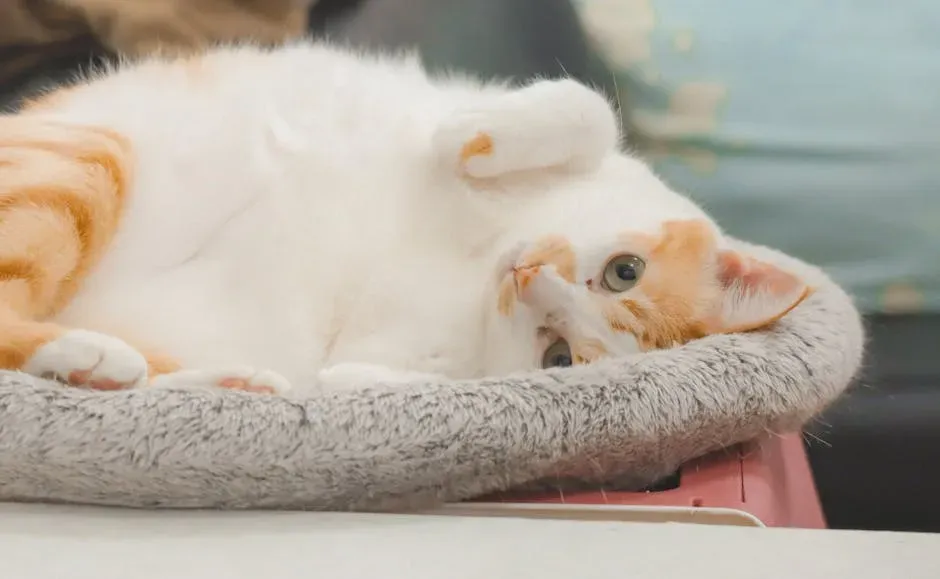
Muscle tension is one of the most reliable physical indicators of a cat’s emotional state, and it’s something you can literally feel if you pick your cat up. A cat that goes soft and floppy in your arms is displaying what behaviorists sometimes call “trust posture,” where the body offers no resistance or bracing against a potential threat.
Compare this to a tense, rigid cat that keeps its legs braced and ready to push off, a posture tied to wariness even in familiar homes. If your cat visibly relaxes its shoulders, tail, and back the second it registers you’ve walked in, that shift is real and consistent, not just a feeling. Ernest Hemingway, a famous cat owner, once put it simply:
A cat has absolute emotional honesty: human beings, for one reason or another, may hide their feelings, but a cat does not.
Ernest Hemingway
#12 – Head Bunting and Cheek Rubbing
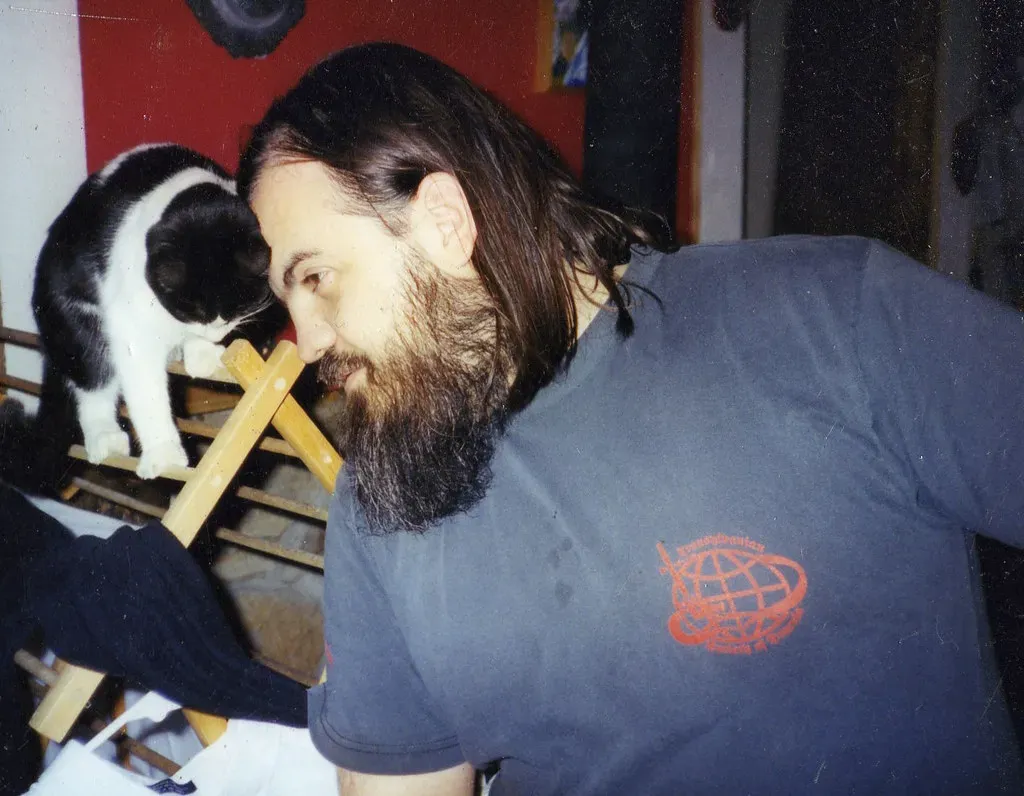
That head-butt your cat gives your leg, hand, or face isn’t just affection – it’s a scent-marking behavior rooted in feline facial pheromone glands. Cats only bunt individuals and objects they’ve categorized as safe, familiar parts of their environment, essentially marking you as part of their secure territory instead of an outside threat.
This is why cats often intensify head-bunting the moment you walk in after being away, re-establishing a scent bond that may have faded slightly while you were gone. Unlike urine marking, which signals anxiety or territorial conflict, cheek rubbing is a calm, low-stakes bonding behavior used exclusively with trusted people. Some behaviorists argue it’s an even stronger trust signal than purring, since it’s rooted in territorial security rather than momentary comfort.
#13 – Purring the Instant It Sees You
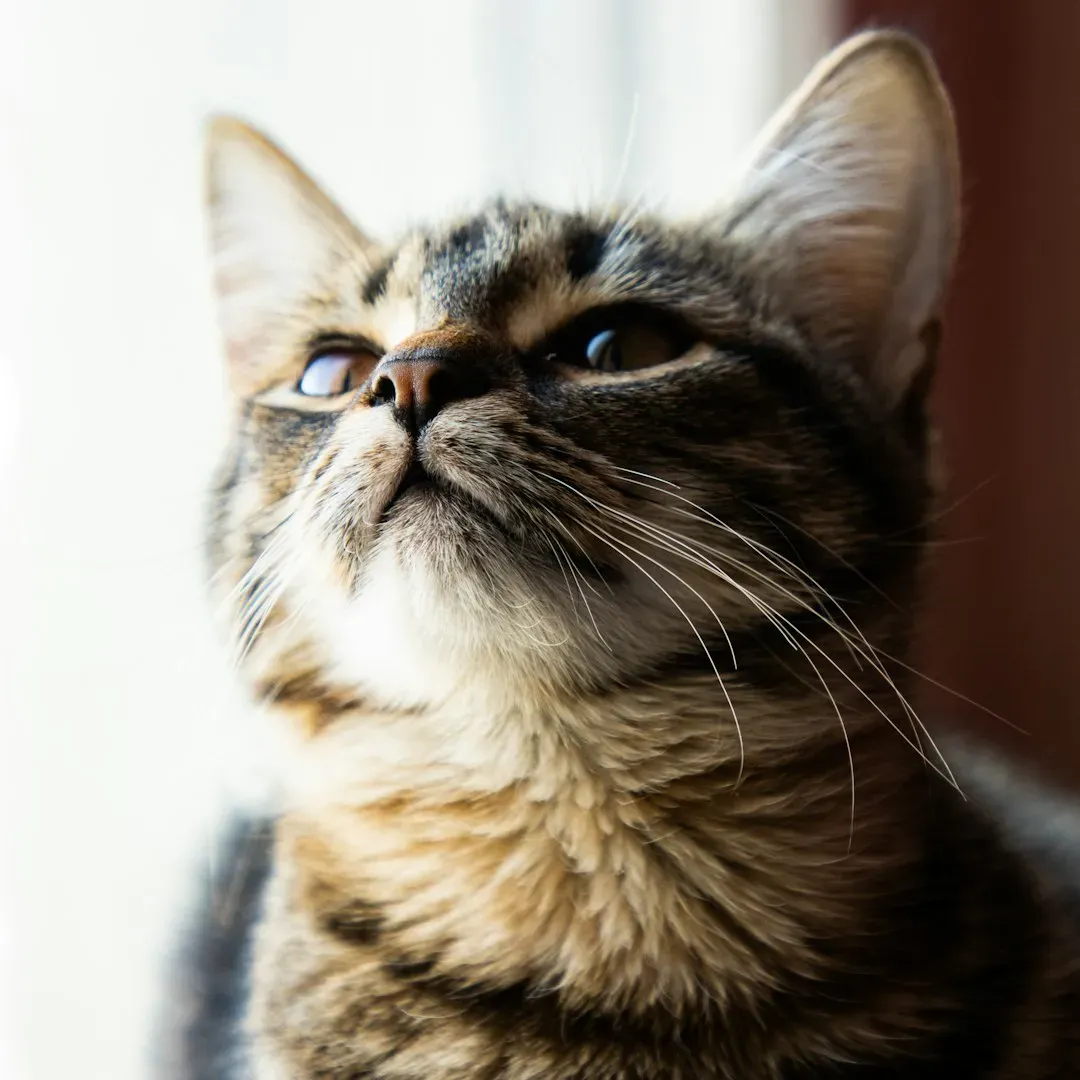
Purring gets treated as a simple happiness signal, but the science is more complicated than that. Cats also purr during stress, illness, and even pain, which means context matters enormously in reading the sound correctly. A cat that purrs specifically the moment it spots you walking in, paired with relaxed body language, is producing a very different purr than one purring while hunched at the vet.
The “greeting purr” tends to be lower in intensity, paired with slow blinking or bunting, and it winds down naturally once the cat settles rather than dragging on indefinitely. That combination of signals – not the purr alone – is what confirms genuine comfort rather than self-soothing under distress. Plenty of owners assume any purring equals contentment, but experts increasingly push back on that shortcut.
At a Glance
- Comfort purr: soft and steady, paired with slow blinks or bunting, fades once the cat settles.
- Stress purr: often faster or more insistent, paired with a hunched posture or tucked tail.
- Healing purr: some research points to low purring frequencies aiding bone and tissue recovery, not just mood.
- Context, not volume, is what actually separates a happy purr from a coping purr.
#14 – Holding Eye Contact Without Flinching or Fleeing
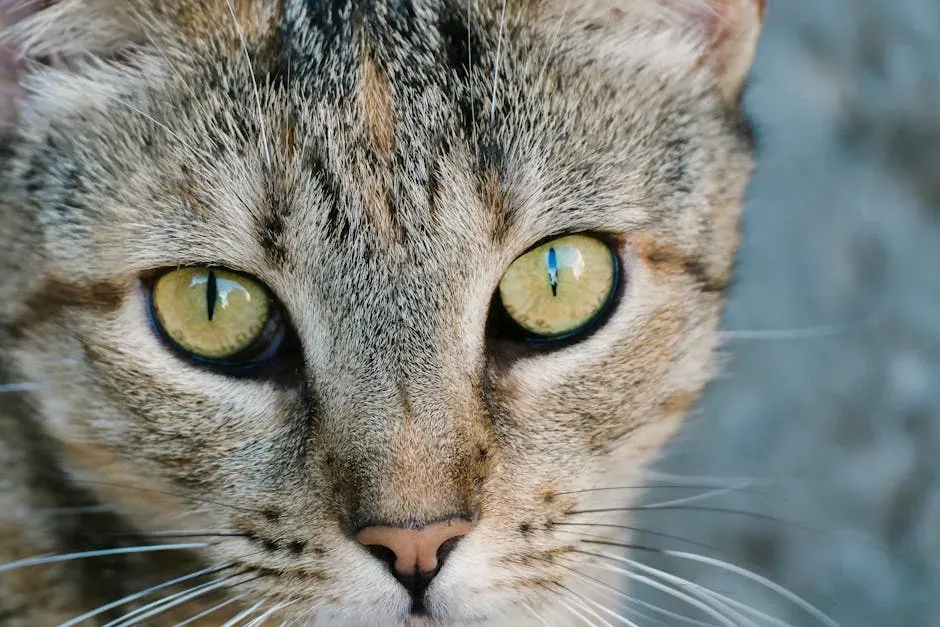
Direct, sustained eye contact is inherently risky in the animal kingdom, often read as a predatory challenge rather than a friendly gesture. A cat that holds your gaze calmly, without freezing, fleeing, or dilating its pupils, is showing an extremely high baseline of comfort around you specifically.
This is different from a defensive stare-down, which usually comes with a stiff body, flattened ears, or a twitching tail. A relaxed cat maintaining eye contact will often blend it with the slow blink from sign #1, creating a layered trust signal that behaviorists consider one of the clearest confirmations of feline security available. When you walk in and your cat simply looks at you rather than bolting or freezing, that’s every other behavior on this list quietly working together at once.
The Bottom Line
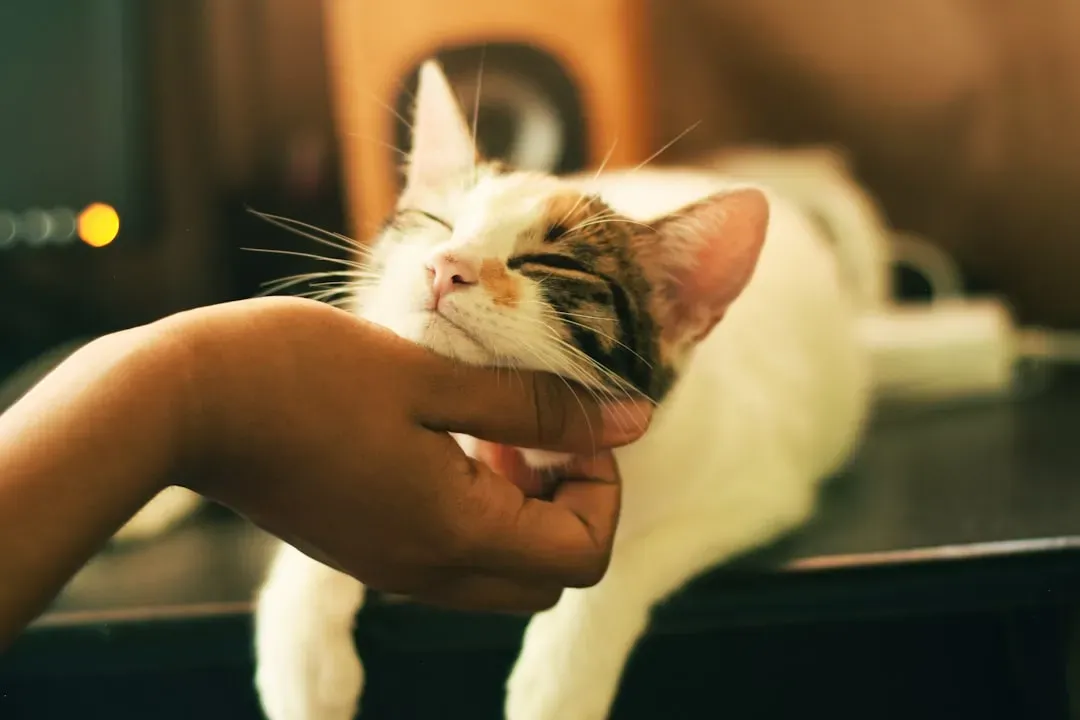
Cats don’t fake trust the way humans sometimes fake enthusiasm – their bodies simply can’t lie about vulnerability. The real giveaway isn’t one single behavior but the layering of several, like a slow blink paired with a raised tail and a soft, floppy body. Owners who fixate only on purring are missing most of the actual story, and honestly, most of the good stuff.
If your cat is doing even five or six of these signs consistently the moment you walk in, you’re not just a food source – you’re part of its safety net, arguably the biggest part. That’s not a small thing to earn from an animal built by evolution to trust almost nothing. Which of these signs does your cat show the most? Tell us in the comments.
Kristina is a young writer from India. An arts graduate and an avid content creator, Kristina is passionate about animals and wildlife. She enjoys exploring topics related to pet care, animal behavior, conservation, and nature, combining thorough research with engaging storytelling.