Most people think cats are cold, standoffish little roommates who tolerate humans in exchange for food. That’s not just wrong – it’s backwards. Cats are actually intensely selective. They choose exactly one person to trust completely, and once that bond locks in, their behavior changes in ways almost nobody notices.
The wild part is that these signals are probably happening in your living room right now, and you’ve likely brushed past most of them without a second thought. From a certain kind of blink to a very specific kind of purr, cats have an entire secret language reserved for one person only. Here are the 14 unmistakable signs – and once you learn to see them, you’ll never unsee them again.
#1 – The Slow Blink That Never Happens With Anyone Else
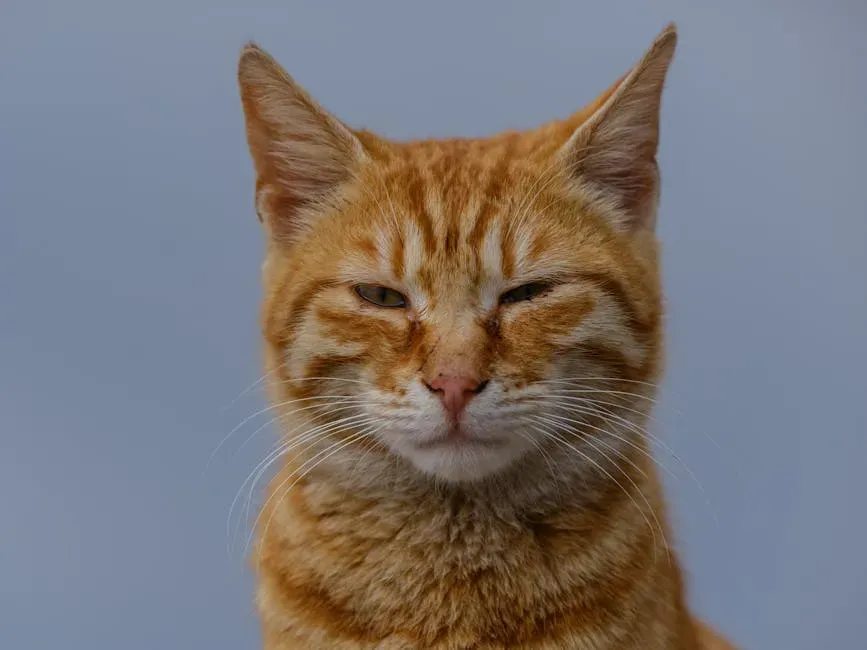
Your cat locks eyes with you from across the room, then closes its eyes slowly and reopens them like it’s in no hurry at all. That’s not sleepiness. That’s one of the most intimate gestures in the entire feline vocabulary – and most owners walk right past it without realizing what just happened.
Closing your eyes in front of another creature is a survival risk in the wild, a split-second of blindness that could get you killed. So when a cat does it on purpose, in front of you, it’s making a calculated statement: I feel completely safe here. Cats don’t hand this out to delivery drivers, houseguests, or even other humans under the same roof. It tends to show up only after months of quiet, consistent care.
Here’s the fun part – you can answer back. Slow-blink at your cat with soft, half-closed eyes, and you’re speaking their language fluently. It’s often called a feline kiss, and if your cat sends it only your way while ignoring everyone else in the room, that’s not just affection. That’s a title, and your cat doesn’t give it out lightly.
Worth Knowing
- A 2020 study from the Universities of Sussex and Portsmouth, published in Scientific Reports, found cats slow blink back more when their own person slow blinks first.
- The same research showed cats were more willing to approach unfamiliar people who slow blinked at them versus those with a neutral expression.
- Scientists compared the gesture to a genuine human smile, since both involve a soft, voluntary narrowing around the eyes.
- It’s considered one of the only two-way “conversations” confirmed between cats and humans so far.
#2 – Head-Butting You With Deliberate, Repeated Force
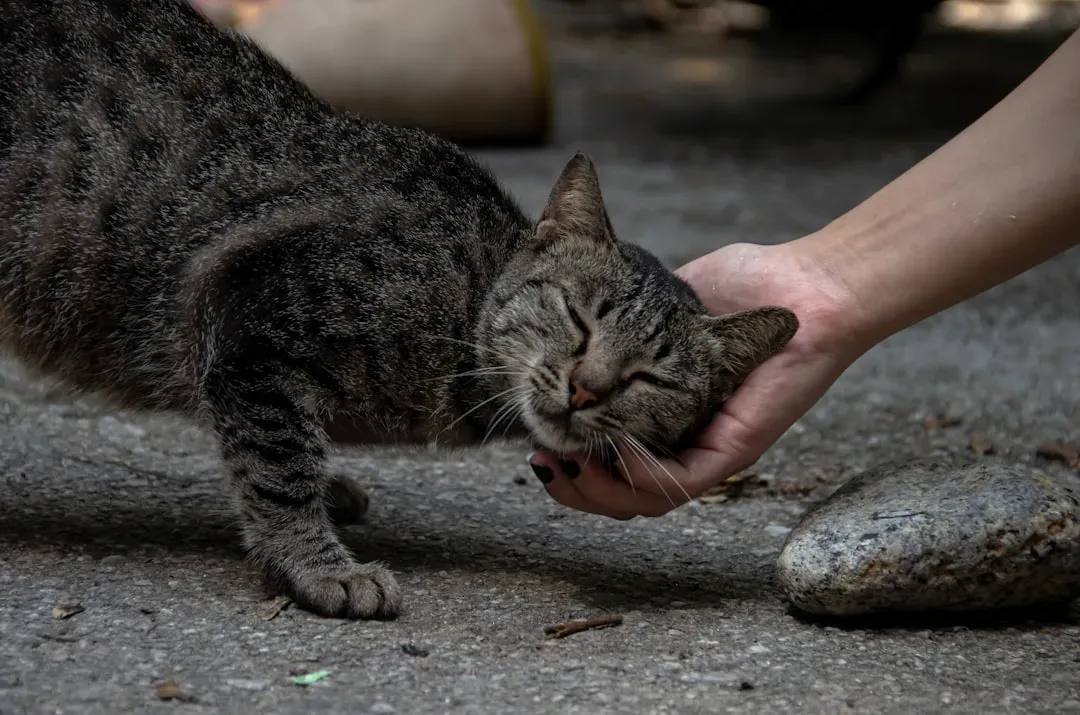
That soft, insistent crash of your cat’s forehead against your face or hand isn’t random. It’s called bunting, and it’s one of the most loaded gestures in cat body language, reserved for an inner circle that often contains exactly one human.
Cats carry scent glands on their cheeks, forehead, and chin that release pheromones invisible to us but instantly readable to them. When your cat presses that scent onto you, they’re marking you as safe, familiar, and theirs. It’s a form of allorubbing, the same behavior cats use to bond with trusted members of their own colony.
Pay attention to when it happens. Stress often triggers extra bunting as a self-soothing reset, which means the person your cat physically runs to and presses their head against during a scary moment is the one they trust most, full stop. It’s not dominance and it’s not cuteness for its own sake. It’s your cat quietly declaring ownership of you.
#3 – Trilling and Chirping Specifically When They See You
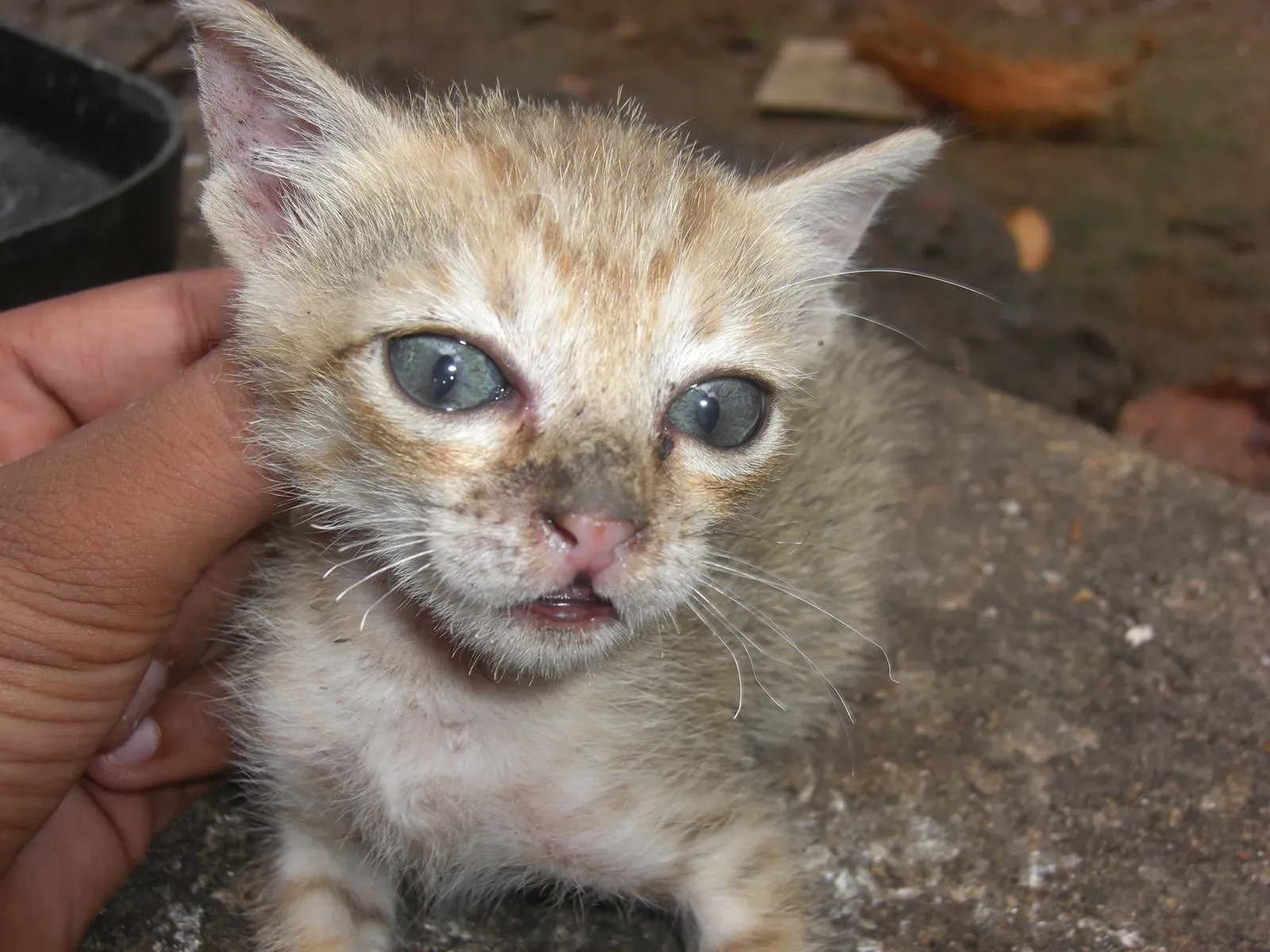
Everyone knows the meow. Almost nobody clocks the trill, and even fewer realize how exclusive that sound actually is.
Mother cats trill at kittens to call them close, and adult cats recycle that same sound for the humans they consider family. Unlike a meow, which can carry frustration, demand, or anxiety depending on the moment, a trill is structurally incapable of meaning anything negative. It’s pure, uncomplicated warmth.
What most people miss entirely is that trilling is aimed at specific individuals, not broadcast to the room. Cats use it far more often with each other than with people, so when your cat trills the second you walk in and goes quiet for everyone else in the house, that gap isn’t random. It’s your cat telling you, in its own language, that you’re family.
#4 – Sleeping Directly On or Against Your Body
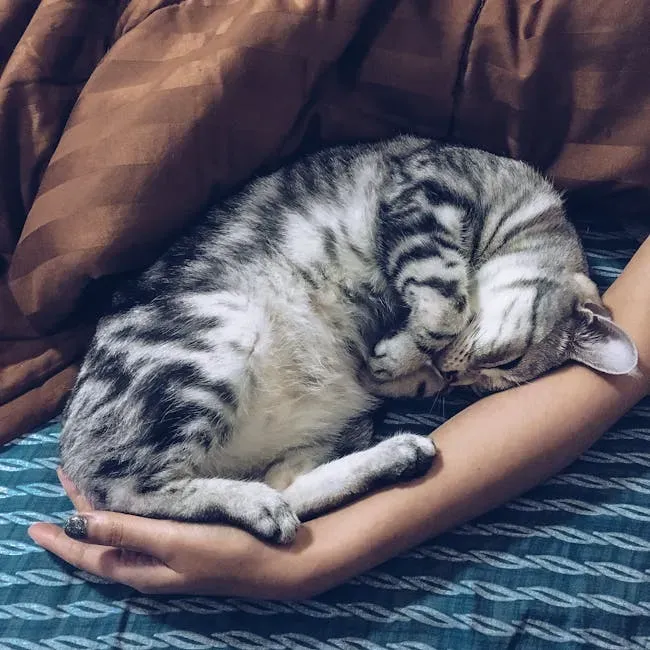
Cats spend roughly 12 to 16 hours a day asleep, and exactly where they choose to do it says everything about who they trust. Sleep is the most defenseless state a cat ever enters, so curling up against one specific person, night after night, isn’t convenience. It’s a security decision, remade fresh every single evening.
Here’s the detail that separates real trust from simple warmth-seeking: watch how your cat reacts when you shift in bed versus when someone else does. If you move even slightly, your cat often stirs instantly and checks in. The exact same movement from someone else barely earns a twitch. Their nervous system has already decided whose motion matters.
That warm, fur-covered weight pressed against you every night isn’t a habit your cat fell into. It’s a choice they make on purpose, over and over, because on some level they’ve decided you’re worth guarding, and worth being guarded by.
#5 – Grooming You Like You’re One of Their Own
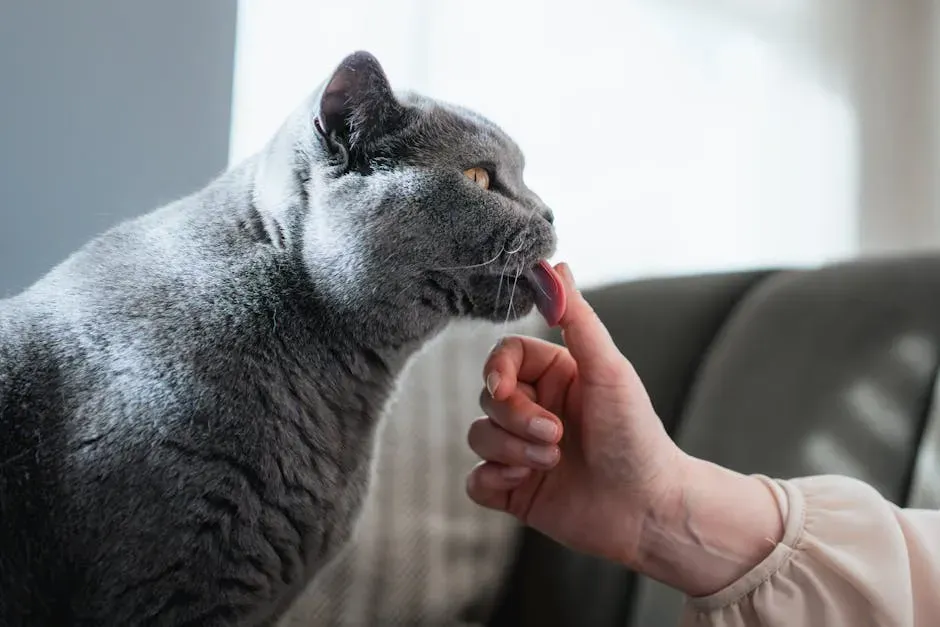
When your cat licks your hair, your hand, or your face at 6 a.m., it’s easy to laugh it off as a quirky habit. It’s actually one of the highest social honors in feline culture, and most cat owners never receive it at all.
Allogrooming, social grooming between bonded animals, is something cats reserve almost exclusively for trusted companions in the wild. It’s never handed to strangers or casual acquaintances. When a cat licks a person, it’s performing the same ritual it would use to maintain a bond with another cat it considers family.
So the next time your cat methodically works over your eyebrow like it’s grooming a kitten, don’t laugh it off. They’re not being random or funny. They’re formally placing you inside the small, fiercely guarded circle they would actually protect. Take it seriously – it’s rarer than you think.
#6 – Following You From Room to Room Like a Shadow
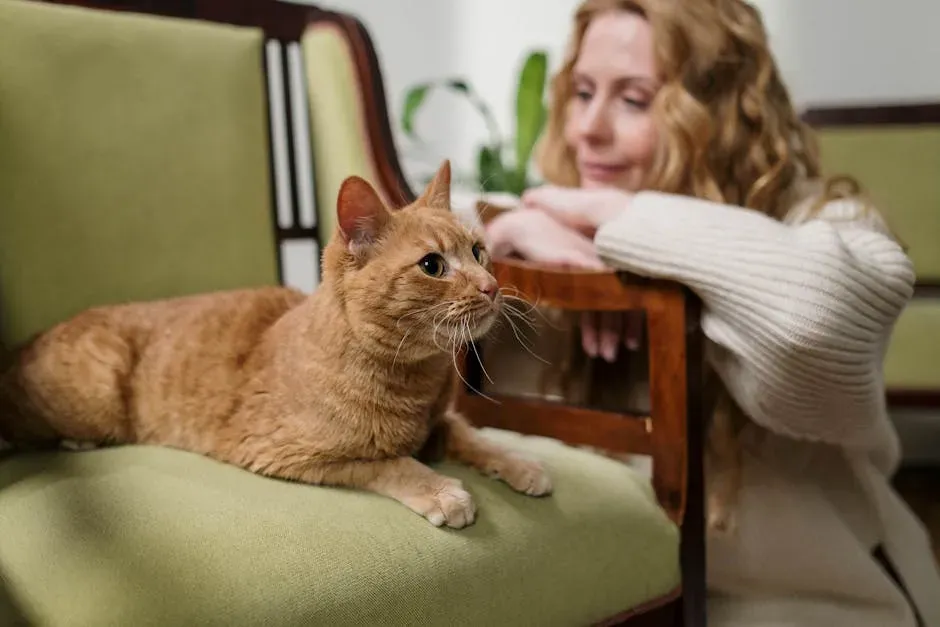
There’s a popular theory that a cat following you around the house just means it’s bored or angling for food. The real explanation is more deliberate, and honestly more touching, than that.
Cats aren’t pack animals, and they don’t follow people out of social obligation the way dogs might. When your cat trails you from the kitchen to the bathroom to the bedroom, it’s choosing you as its safe person, actively deciding to keep the individual it trusts most within range at all times.
Yes, some of it is comedic FOMO. Cats hate missing out on whatever their favorite human is doing, even if that’s just brushing teeth. But underneath the comedy is real attachment behavior. If your cat does this every single time you move, that’s not clinginess. That’s a standing vote of confidence, cast fresh every time you get up.
#7 – Greeting You at the Door – Tail Up, Every Single Time
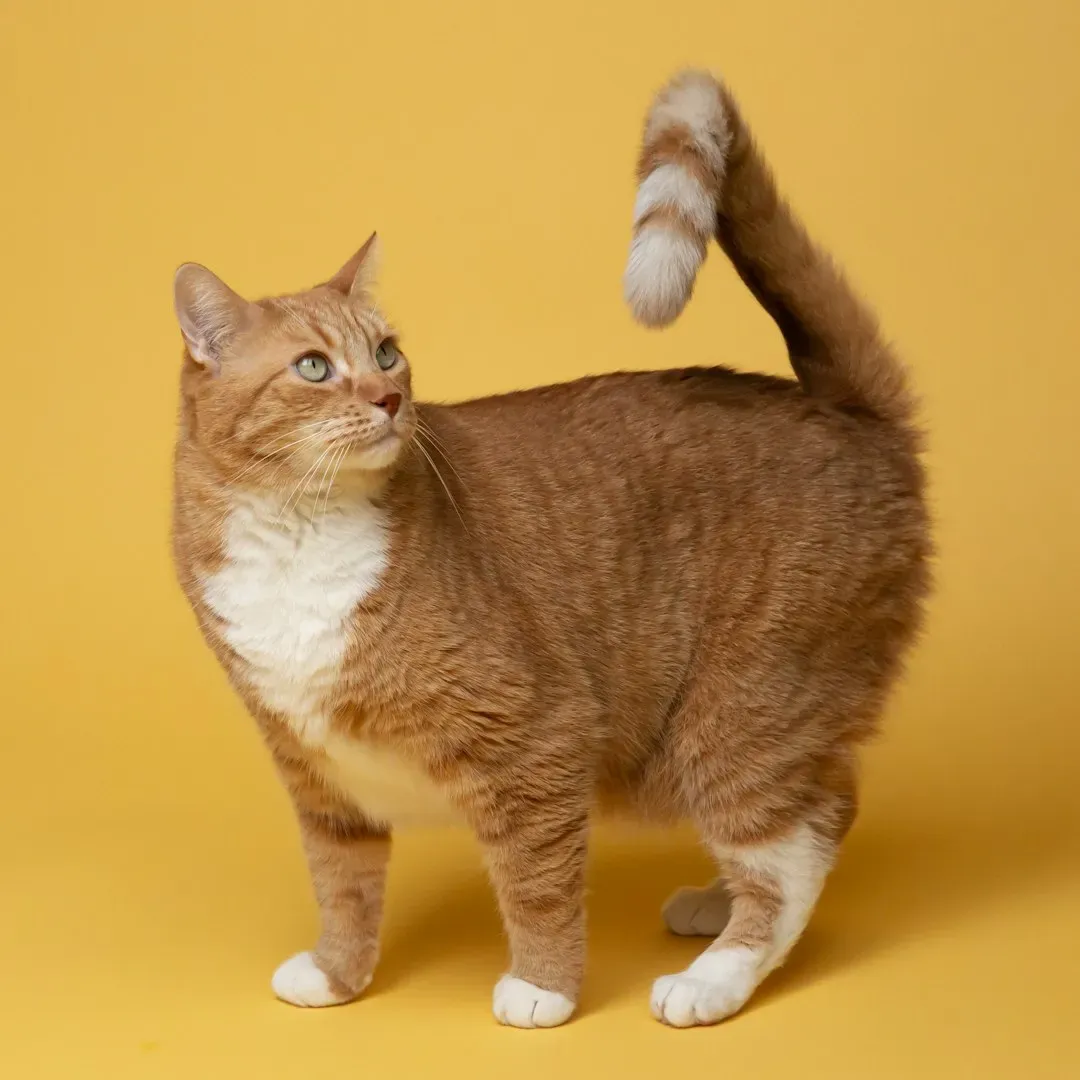
Dogs get all the credit for enthusiastic homecomings, but a cat sprinting to the door with its tail raised high is communicating something arguably deeper, because cats simply don’t bother doing this for people they’re indifferent to.
A content, secure cat holds its tail upright with a soft hook at the top, and pairs it with rubbing, approaching, and sometimes a stretch or two – a whole layered greeting ritual, not a reflex. Research published in the journal Ethology found that cats engage in genuinely distinct, multimodal greeting behavior aimed specifically at their own caregivers, with the tail-up posture as the centerpiece.
Newer research has also pushed back hard on the “aloof cat” stereotype, showing that cats can bond with their owners the way a child bonds with a parent. Not every cat performs this door-greeting ritual for every person in the house. The ones who do it for you, every single time, without fail, have made their feelings about you unmistakably clear.
Quick Compare
| Greeting Cue | Favorite Person | Everyone Else |
|---|---|---|
| Tail position | Straight up, hooked tip | Low, still, or tucked |
| Approach speed | Immediate, often sprinting | Delayed or skipped entirely |
| Vocal response | Trill or chirp | Silence or a flat meow |
#8 – Kneading You With Their Front Paws
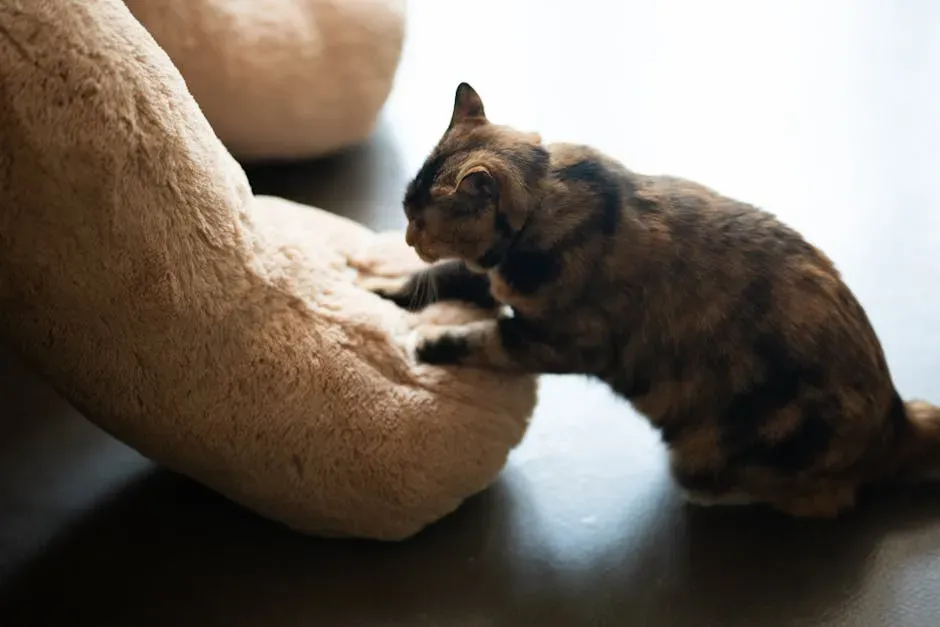
If your cat climbs onto your lap and starts rhythmically pushing their paws into you, what owners affectionately call “making biscuits,” you’re watching a behavior rooted in the earliest, warmest memory a cat’s brain ever forms.
Kneading starts in kittenhood, when pushing on their mother’s belly stimulated milk flow during nursing. Adult cats never fully outgrow the instinct, they just repurpose it. When a relaxed, content cat kneads you, they’re instinctively slotting you into the same emotional category as the mother who once made them feel entirely safe.
That’s not a small thing to offer. It’s arguably the deepest trust a cat’s nervous system knows how to express, and it releases genuine endorphins for the cat while they do it. If your cat only ever does this in your lap, never anyone else’s, the message couldn’t be plainer.
#9 – Bringing You “Gifts” – And Only You
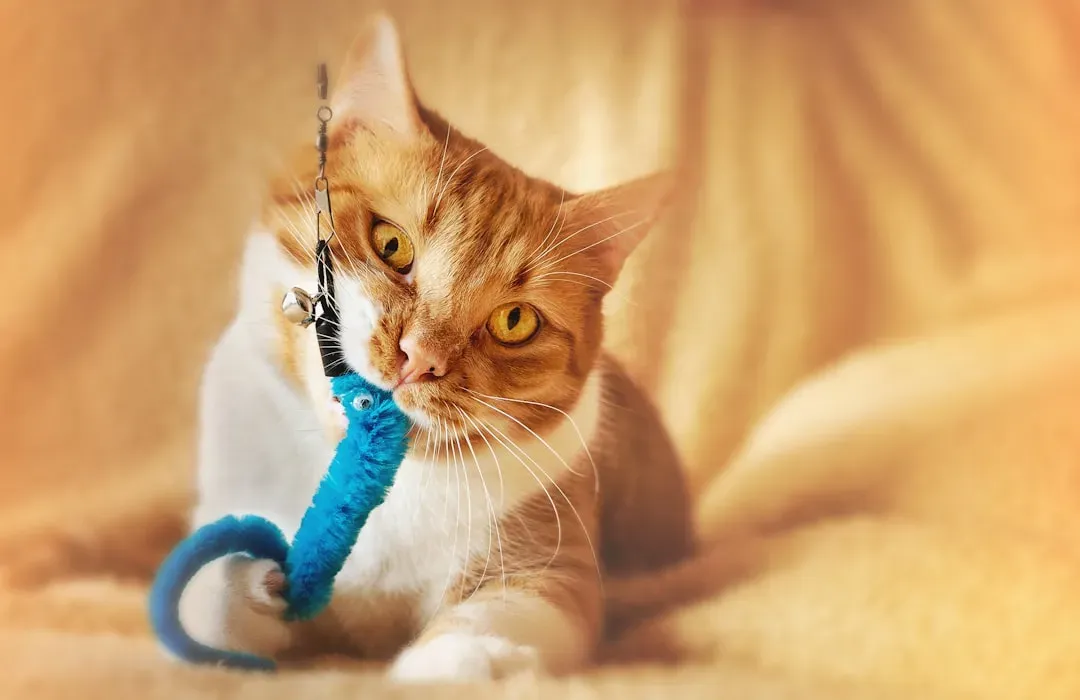
Finding a toy dropped at your feet, or something far less pleasant sourced from the backyard, is one of the most misunderstood gestures in the entire cat-human relationship. It’s not a nuisance. It’s an honor, and it’s delivered exclusively to the one person a cat has chosen.
In the cat’s mind, dropping a toy, a bug, or a genuine kill at someone’s feet is a hunting invitation extended only to trusted members of the group, the ones who get fed. These offerings tend to show up right after a successful hunt or an intense play session, as if the cat genuinely can’t wait to share the win.
What makes this behavior so striking is how ruthlessly exclusive it is. If a cat later bonds with a new person in the household, the gifts often stop for the old favorite entirely and transfer over, with nothing split between the two. So the next time your cat proudly deposits something unwelcome at your feet at 3 a.m., know this: you’ve just been formally recognized as family.
Fast Facts
- Wild mother cats bring live prey home to teach kittens how to hunt before the kill ever happens.
- Indoor cats often redirect that instinct onto toys, socks, or the occasional unlucky bug.
- The offering typically lands at the feet of one trusted provider, rarely a stranger or a passing acquaintance.
- Gift-giving frequently spikes right after a big play session, when a cat’s hunting drive is still running high.
#10 – Exposing Their Belly With Zero Intention to Bite
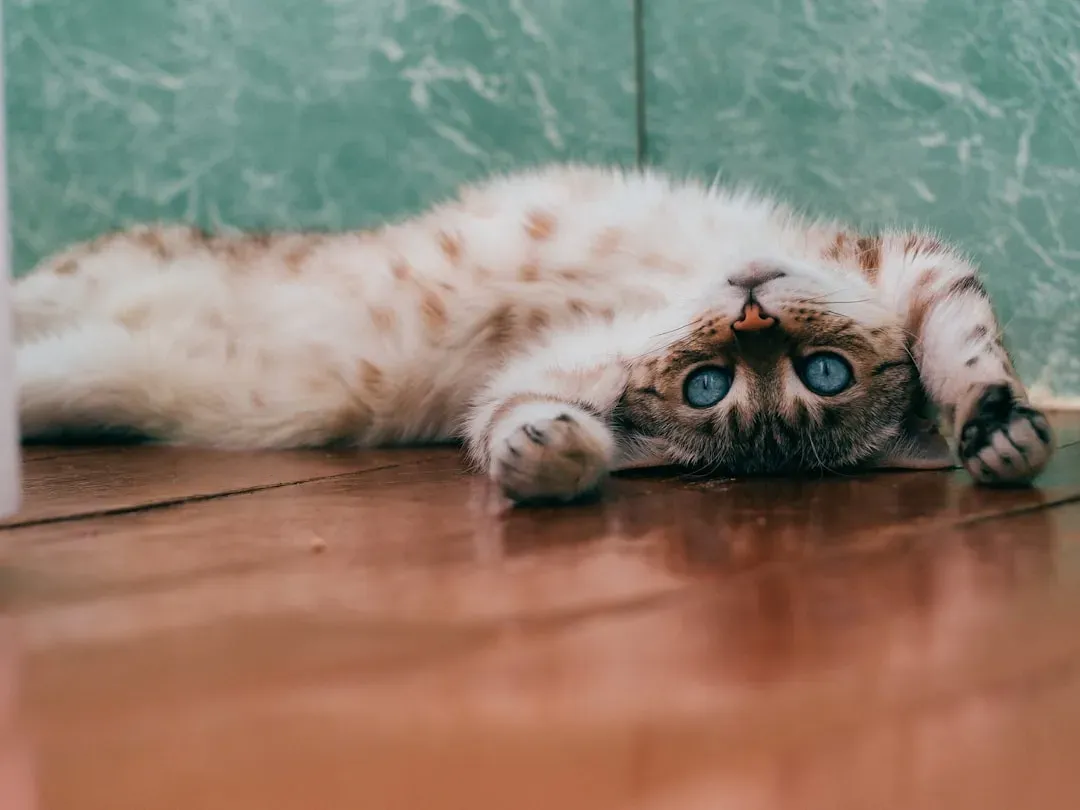
Every cat owner knows the belly trap, the inviting flop-and-rollover that ends in a swipe of claws the second you fall for it. But there’s a completely different version of this move, and learning to spot it tells you exactly where you stand with your cat.
Most cats treat their belly like a vault, exposed rarely and usually as a warning rather than an invitation. With the one human they trust completely, though, the same rollover becomes something else: total, unguarded vulnerability, with no ambush attached. Watch for relaxed breathing, half-closed eyes, and a belly exposure that lingers for minutes instead of seconds, details that show up almost exclusively with the favorite person.
Put another family member in that exact same spot and the moment often evaporates instantly, replaced by a quick roll-away or a paw cocked to swat. That calm, extended, soft-eyed belly display is one of the rarest trust signals a cat will ever give a human. If you’ve seen the real version, you already know how different it feels from everything else your cat does.
#11 – Checking In on You Throughout the Day
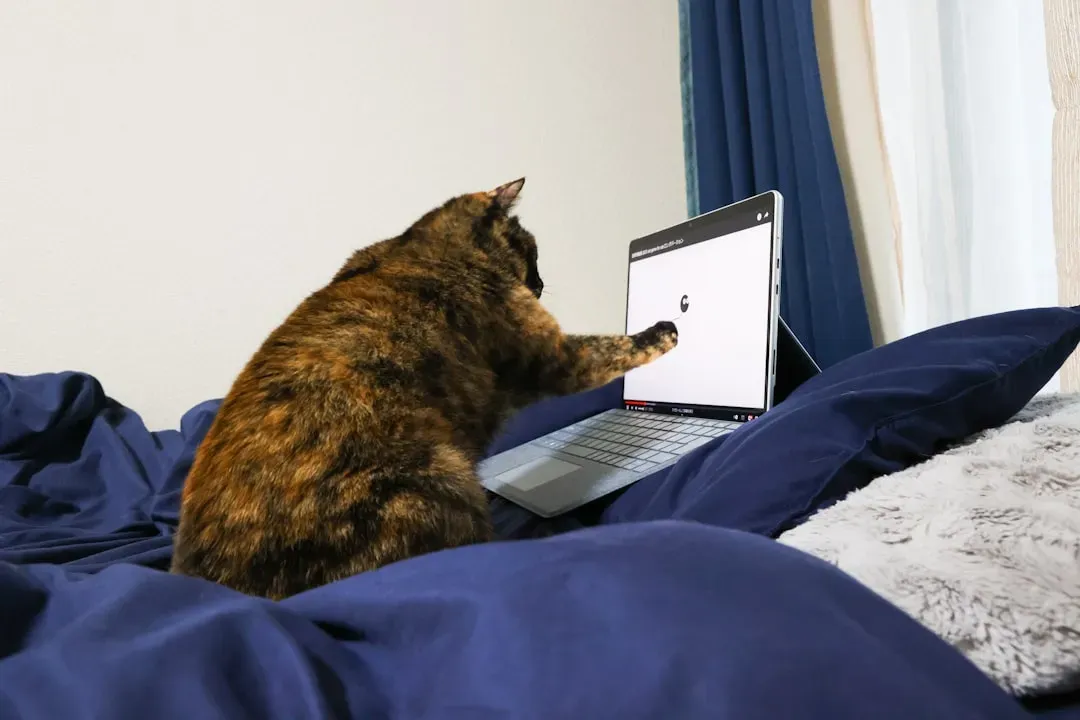
Unlike dogs, who announce themselves loudly the second they want your attention, a cat’s version of checking in is quiet, quick, and easy to miss completely, but it’s one of the clearest signs of real attachment a cat can offer.
The check-in looks almost anticlimactic: your cat appears in the doorway, stares at you for a few seconds with soft, relaxed eyes, and then quietly wanders off. No meowing, no demand for food, no drama. Just quiet confirmation that you’re still there and everything is fine.
Vets sometimes describe this as a mild form of imprinting, a bond strong enough that a cat will interrupt its own nap schedule just to visually confirm your location. Cats have a reputation as independent, unbothered creatures, but the ones that check in on you, unprompted, throughout the day have quietly wired you into their entire sense of security.
#12 – Sitting on Your Lap and Only Your Lap
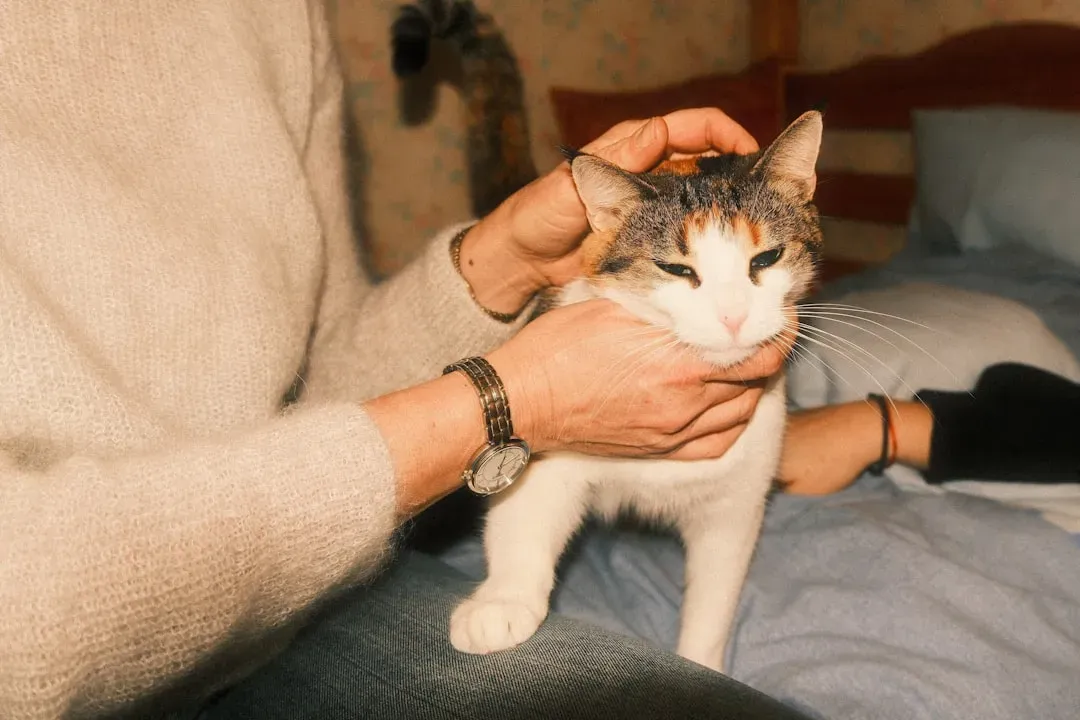
In a multi-person household, there’s often exactly one lap a cat chooses, every single time, no matter who else is in the room. People take it as flattery without realizing how deep that selection process actually runs.
It’s not about warmth alone, a heating pad is warm too, and your cat doesn’t sit on that with anything close to the same reverence. What a lap offers that nothing else can is the specific scent, heartbeat, and breathing rhythm of the one person who makes your cat feel genuinely, bone-deep safe.
Cats generally gravitate toward whoever feeds them, plays with them, and keeps their routine calm and predictable, but the lap-loyal cat is telling you something more specific than gratitude. They’re telling you that out of everyone in the house, your body is the one place their guard comes all the way down.
#13 – Purring the Moment You Touch Them
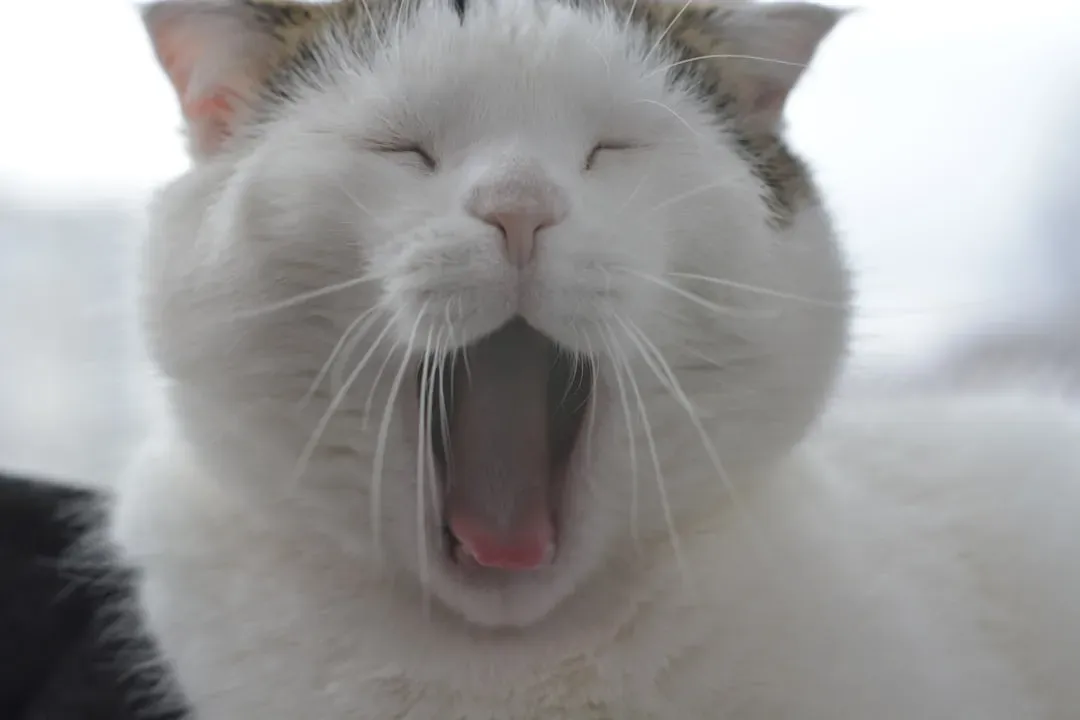
Every cat purrs sometimes. But there’s a specific category of purring, instant, deep, and triggered the second one particular person makes contact, reserved for the one human a cat has fully let in.
Cats can purr when they’re anxious too, but that version comes bundled with tense body language: ears back, tail flicking, head lowered. The purr triggered by your touch looks nothing like that. Body loose, eyes half-closed, tail still, anyone who’s felt the real version knows immediately it’s a different animal entirely.
There’s even a physical mechanism behind it: a cat’s purr frequency, typically between 25 and 150 Hz, appears to have measurable calming effects on the cat’s own body. So when your cat launches into that deep rumble the moment you sit down, they’re not just expressing contentment. They’re actively reinforcing you as the person who makes everything feel safe, and that’s not something they offer to a room full of strangers.
At a Glance
- Typical purr frequency range: roughly 25 to 150 Hz.
- That range overlaps with frequencies some researchers associate with tissue and bone recovery.
- Content purring pairs with a loose body, half-closed eyes, and a still tail.
- Anxious purring looks completely different: tense muscles, flattened ears, and a flicking tail.
#14 – Mirroring Your Routine and Anticipating Your Movements
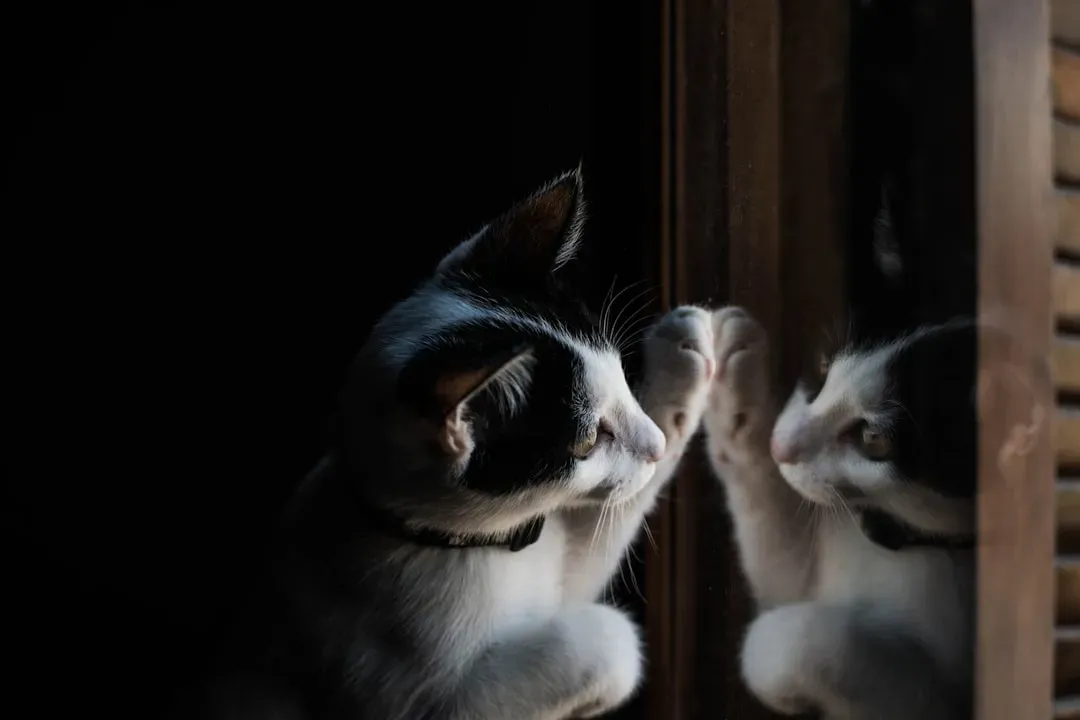
This is the one most cat owners never connect the dots on, and it might be the most quietly profound behavior on this entire list. Your cat doesn’t just react to you. Over time, they study you, memorize you, and start moving in sync with your schedule in a way they never do for anyone else in the house.
For a cat, routine isn’t a preference, it’s the entire architecture of their day. Sleeping, eating, watching birds, waiting by the door: all of it gets built around the predictable rhythm of the person they trust. Keeping a consistent schedule is genuinely one of the simplest ways to become a cat’s favorite person, because predictability reads as safety.
What turns this into pure devotion is the direction of the mirroring. The cat that shows up at your bedside at the exact same time every morning, or parks itself by the front door ten minutes before you usually get home, isn’t guessing. They’ve memorized the emotional rhythm of the one human who makes them feel safe, and built their entire day around it. When a cat does that for you and only you, there’s no stronger proof of who they’ve chosen.
Cats aren’t indifferent. They’re selective, and that selectivity is exactly what makes their love worth earning. Every behavior on this list, from the slow blink to the synchronized morning routine, from the belly exposure to the 3 a.m. “gift,” is a choice your cat remakes fresh every single day. None of it is accidental. All of it is deliberate trust, built slowly through consistency, calm, and presence.
Here’s the part that stings a little: plenty of cats living in busy, loving households never find that one person. The ones who do express it through exactly these kinds of quiet, easy-to-miss signals. If you’re seeing most of them aimed only at you, your cat has already made its decision, and there’s no more honest verdict any animal can hand down. Honor it.
So – does your cat do something not on this list that you’re convinced is meant only for you? We’d genuinely love to hear it.
Kristina is a young writer from India. An arts graduate and an avid content creator, Kristina is passionate about animals and wildlife. She enjoys exploring topics related to pet care, animal behavior, conservation, and nature, combining thorough research with engaging storytelling.