#1 Forcing physical affection when the cat isn’t ready
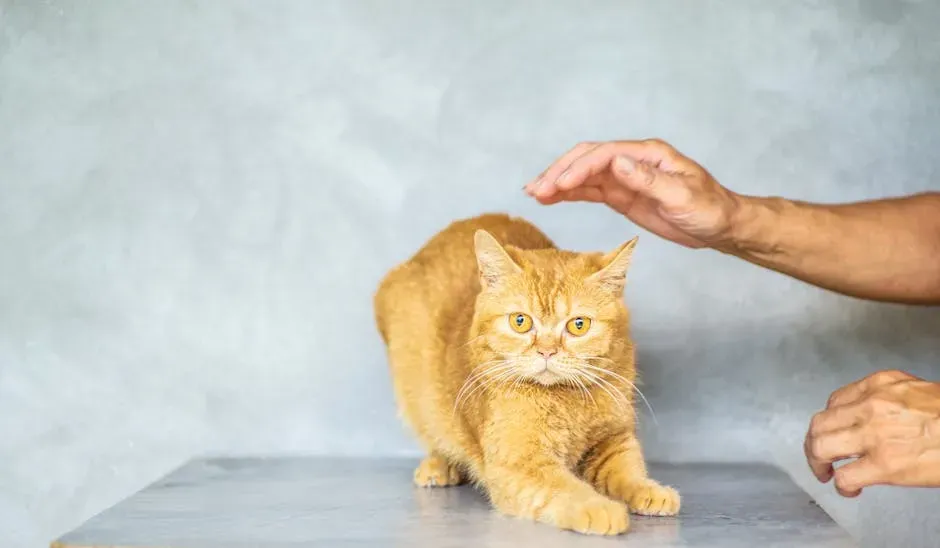
Cats communicate consent constantly through body language, slow blinks, tail position, ear angle, and most people never learn to read it. When a cat leans away, flattens its ears slightly, or freezes rather than leans in, that’s a clear signal to stop, yet many owners push through it anyway because the cat “should” want to be petted. Repeated over months, this teaches the cat that hands approaching means something unpleasant is coming, regardless of intention.
The fix isn’t complicated, but it does require patience. Letting the cat initiate contact, offering a hand low and still rather than reaching toward the face, and stopping the moment the tail starts flicking all rebuild the sense that touch is optional rather than inevitable. Over time, a cat that’s never forced into affection tends to offer more of it voluntarily.
#2 Using punishment after the fact

Scolding a cat for knocking something off a shelf an hour ago, or after finding a scratched couch cushion, accomplishes nothing except confusion. Cats don’t form the same kind of retrospective guilt associations that dogs sometimes appear to, so a raised voice long after the act simply reads as random hostility. The cat learns that you’re unpredictable, not that the behavior was wrong.
Trust erodes fastest with punishment that feels arbitrary from the animal’s perspective. A cat can’t connect a swat or shout to something it did thirty minutes earlier, so all the correction teaches is that your presence sometimes brings unpleasant surprises. Redirecting behavior in the moment, or simply managing the environment beforehand, protects both the furniture and the relationship.
#3 Ignoring litter box hygiene
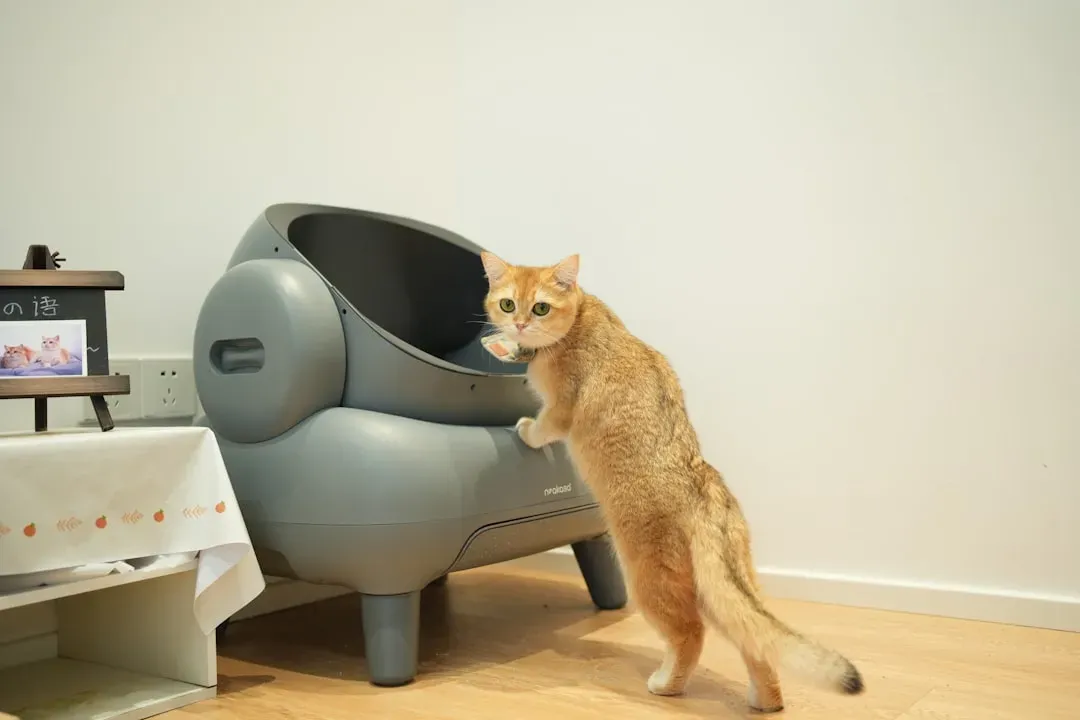
A dirty litter box is one of the fastest ways to make a cat feel like its most basic needs aren’t being respected. Cats are naturally clean animals, and a box that’s scooped infrequently, or that smells strongly of ammonia, can push a cat toward avoidance, accidents elsewhere, or visible stress. That stress doesn’t stay contained to bathroom habits either; it tends to spill into general wariness around the household.
What often gets missed is that this isn’t just about smell for the cat, it’s about safety and control. An unclean or poorly placed box can feel exposed or unsafe, especially in multi-cat households where competition over resources adds pressure. Keeping boxes scooped daily, and providing enough of them in calm, accessible spots, removes a source of daily low-grade anxiety that quietly wears down trust.
#4 Sudden, unpredictable loud noises or movements
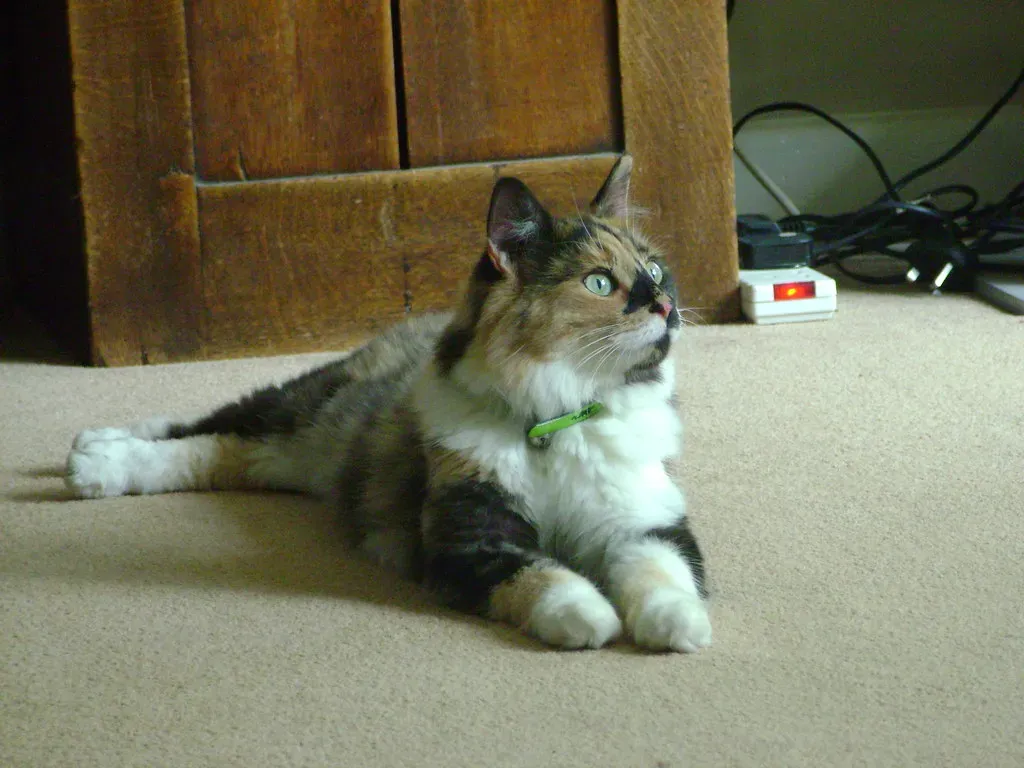
Cats rely heavily on predictability to feel secure, and startling them repeatedly, whether through loud appliances, sudden shouting, or abrupt movements near their space, teaches their nervous system to stay on alert around you. Even if the noise has nothing to do with the cat directly, repeated exposure without warning can generalize into broader anxiety about the household environment. Over time, a cat living in an unpredictable soundscape may become more reactive, more prone to hiding, and less inclined to relax in shared spaces.
This doesn’t mean a home needs to be silent, but it does mean giving cats a chance to anticipate change. Warning a cat before vacuuming starts, moving calmly rather than suddenly when nearby, and giving a startled cat space to decompress rather than chasing after it to “comfort” it all help. Cats that learn a home is generally predictable tend to settle into it far more fully.
#5 Skipping consistent feeding schedules
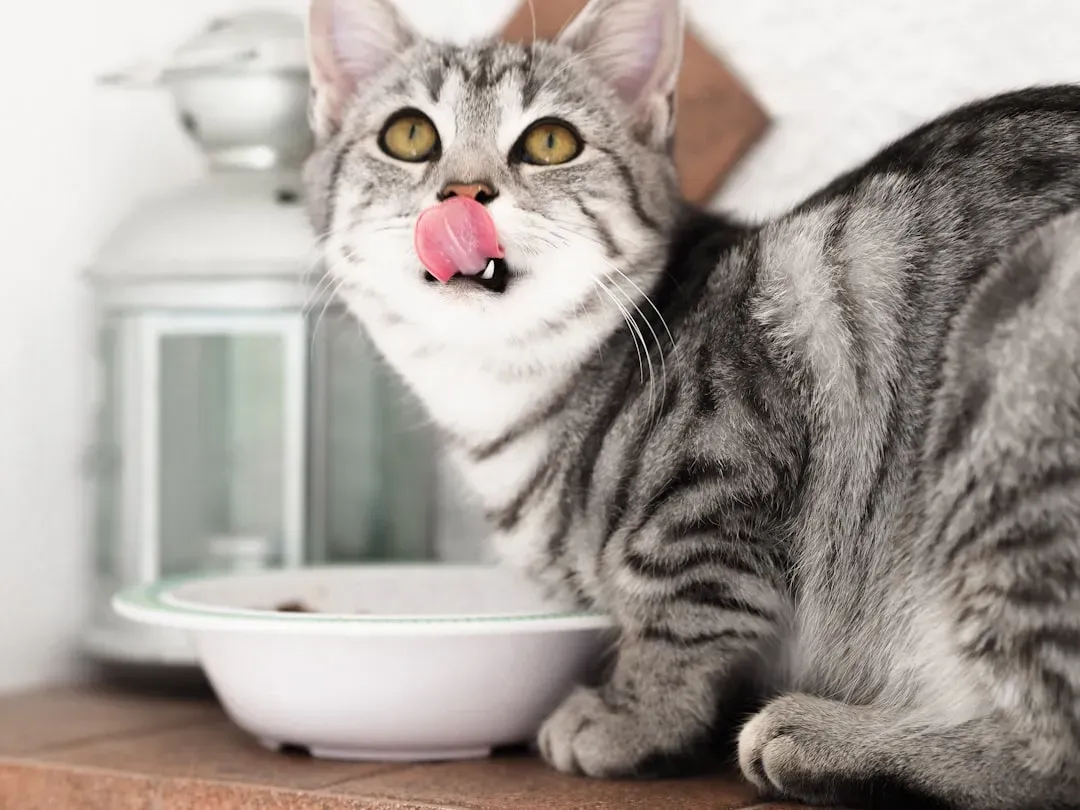
Food is one of the clearest ways cats gauge reliability in their environment. A cat fed at wildly inconsistent times, or one that experiences unpredictable gaps between meals, can develop anxiety that shows up as pacing, vocalizing, or even resource guarding around food. This isn’t dramatic in any single instance, but the cumulative effect of unreliable feeding routines chips away at a cat’s sense that its needs will be met.
Consistency here doesn’t require rigid precision down to the minute, but a general rhythm matters. Cats that can reasonably predict when meals arrive tend to show less food-related stress and, by extension, less generalized tension around the people responsible for feeding them. A steady schedule becomes one small, repeated proof that the household is dependable.
#6 Overwhelming a shy or new cat with attention

When a new cat arrives, or a naturally timid cat is pushed to socialize faster than it’s ready for, the instinct to shower it with attention often backfires. Constant approaching, picking up, or trying to coax interaction before the cat has had time to observe and adjust can make a new environment feel more threatening rather than welcoming. This is especially common with rescue cats, who may already carry stress from shelter environments or previous homes.
Slower introductions tend to build far stronger foundations. Letting a shy cat set the pace, offering a quiet room to retreat to, and resisting the urge to force early bonding gives the animal room to decide, on its own terms, that the space and the people in it are safe. Cats that are allowed this initial buffer often become more confident and affectionate later than those rushed into contact.
#7 Taking a cat to the vet without any positive associations
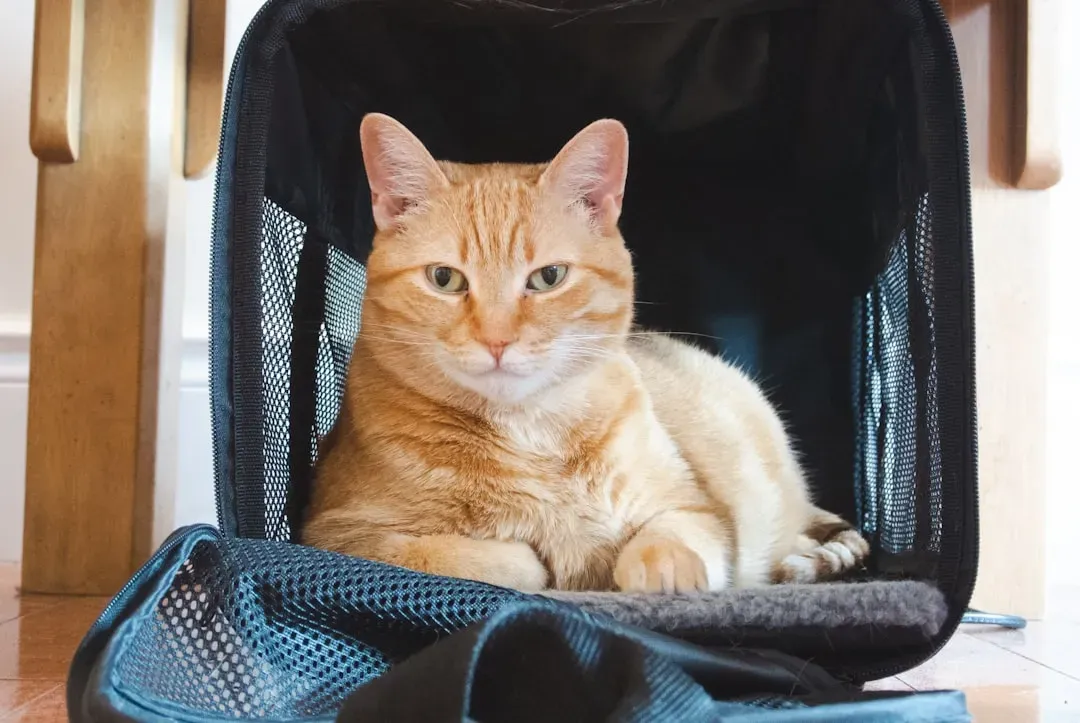
If the carrier only ever appears right before a stressful trip, and the vet visit itself involves nothing but restraint and discomfort, cats quickly learn to dread both. This isn’t a minor inconvenience; some cats develop such strong aversion that carrier time alone triggers panic responses long before the car ride even starts. That anticipatory stress often bleeds into general trust toward the owner, since the human is the one initiating the unpleasant sequence each time.
Making the carrier a normal, low-stakes part of daily life, leaving it out with treats or bedding inside rather than reserving it for emergencies, softens this considerably. Some owners also use short, reward-based practice trips or acclimation training well before an actual appointment. Vet visits themselves can’t always be made enjoyable, but reducing the dread surrounding the process protects the broader relationship outside the clinic.
#8 Neglecting play and enrichment
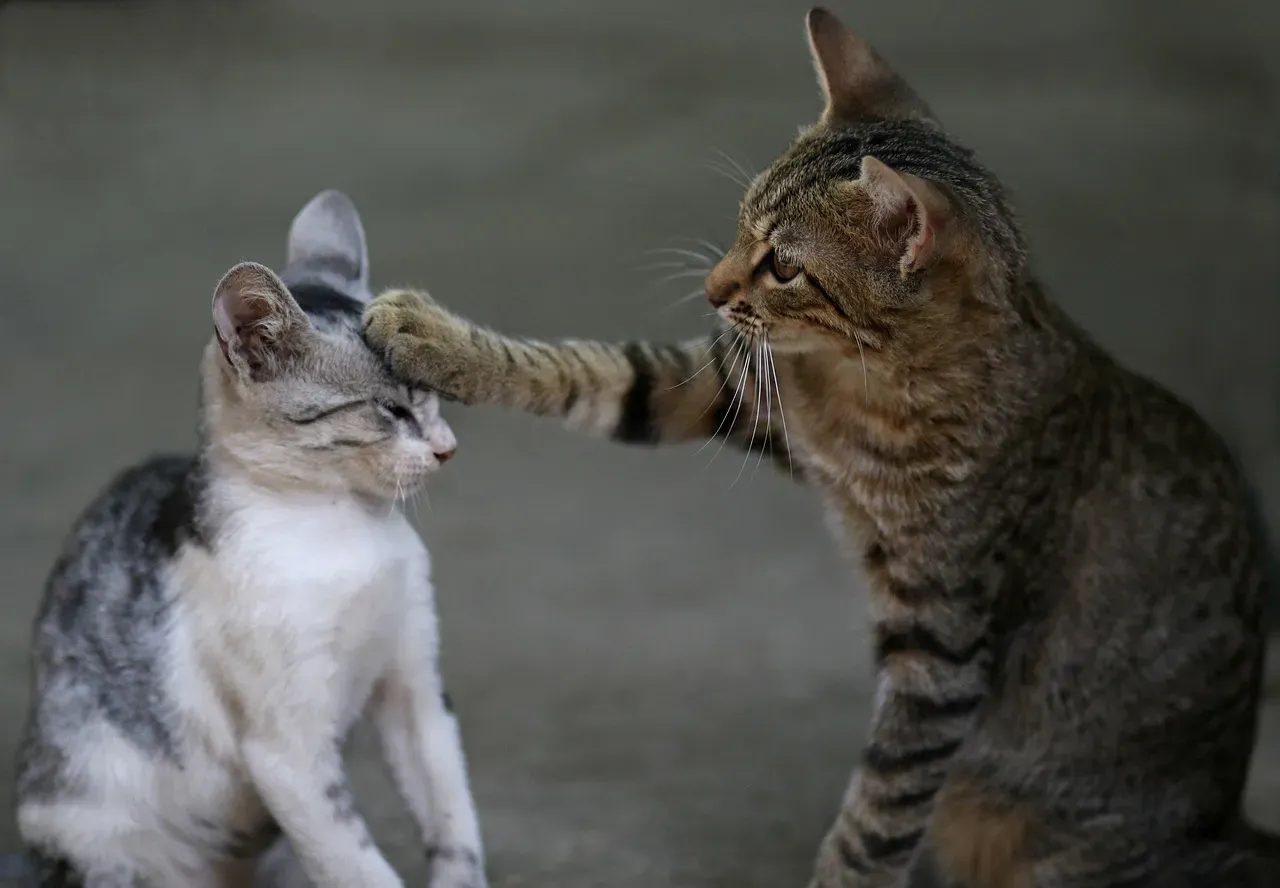
Cats are predators by instinct, and a home that offers no outlet for stalking, chasing, or pouncing behavior can leave that drive unspent and simmering. Boredom in cats doesn’t always look like lethargy; it can show up as irritability, aggression during otherwise normal interactions, or excessive attention-seeking that owners misread as neediness rather than under-stimulation. A cat with no acceptable outlet for its instincts may start directing that energy toward hands, ankles, or unwilling family members.
Regular, structured play sessions using wand toys or anything that mimics prey movement give cats a legitimate way to burn through predatory drive. This matters for trust specifically because interactions that once ended in unintended scratches or bites, born from pent-up energy rather than aggression, tend to decrease once that energy has a proper outlet. A well-exercised cat is generally a calmer, more approachable one.
#9 Changing the environment too abruptly
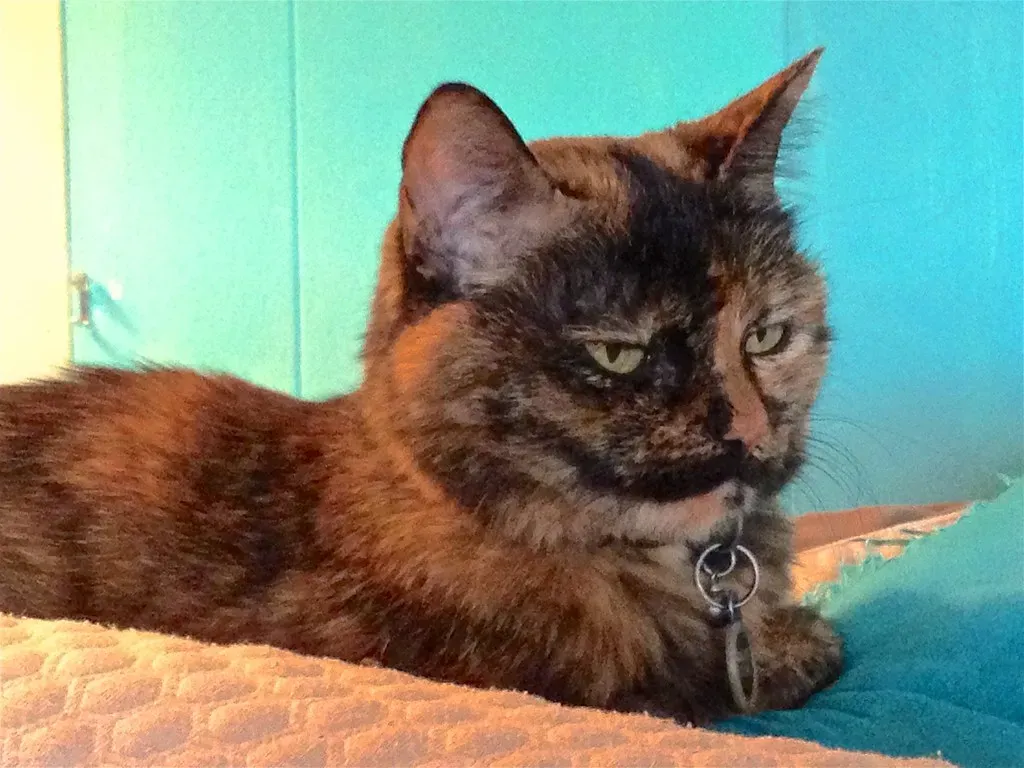
Cats build a strong sense of security around spatial familiarity, and sudden, large-scale changes, like rearranging furniture, introducing a new pet without gradual introduction, or moving homes entirely, can be deeply disorienting. The stress isn’t just about the physical change itself but about what it signals: that the environment isn’t as stable or controllable as the cat believed. This kind of disruption often triggers hiding, reduced appetite, or temporary avoidance of people, even ones the cat trusted well before the change.
Where possible, gradual transitions help enormously. Introducing new pets slowly through scent swapping and supervised, brief encounters, or keeping some familiar items in place during a move, gives cats anchor points that ease the adjustment. Trust isn’t just about direct treatment from a human, it’s also about whether the world around the cat feels stable enough to relax into.
#10 Misreading or dismissing warning signals
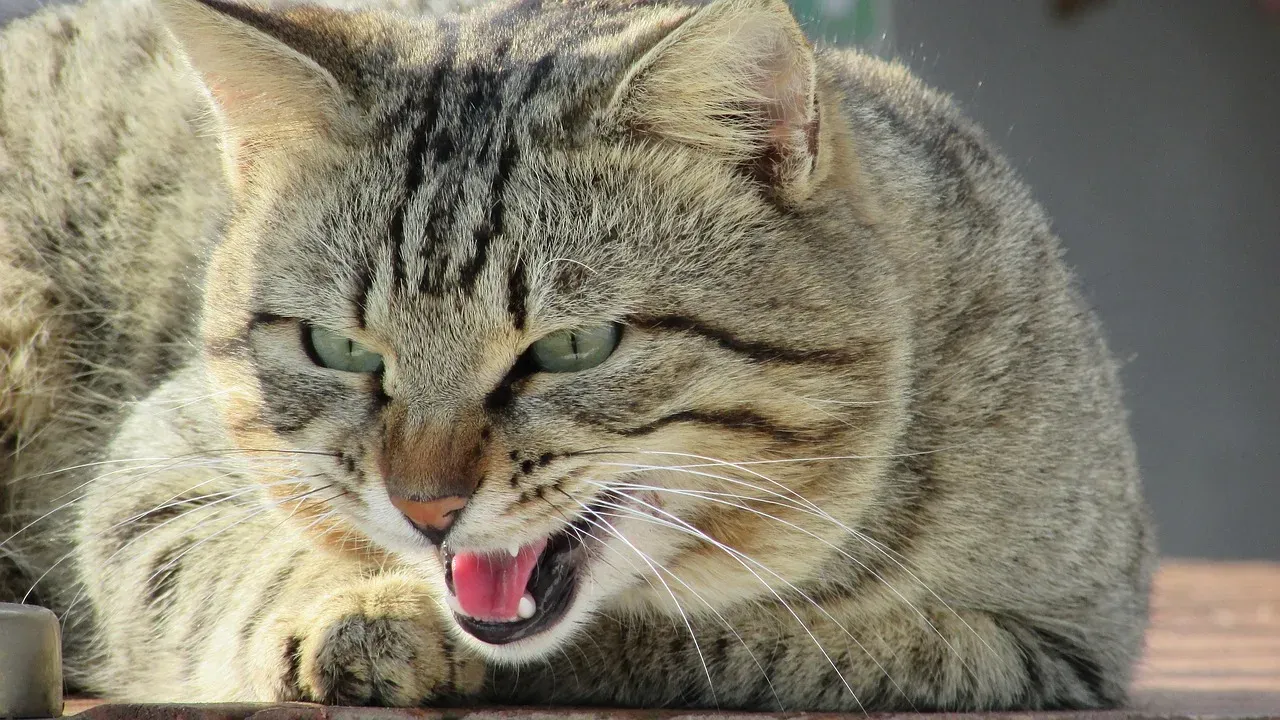
A tail thumping against the floor, ears pinned back, or a low growl are not subtle. They’re direct communication, yet these signals get overridden or ignored surprisingly often, especially when people assume a cat “should” tolerate more handling than it’s signaling comfort with. Pushing past these warnings, whether during play, grooming, or simple handling, teaches the cat that its communication doesn’t actually change anything, which is a particularly corrosive lesson for trust.
Cats that learn their signals are respected tend to escalate less over time, because they don’t need to resort to biting or scratching to be heard. Simply pausing at the first sign of discomfort, rather than waiting for a more dramatic response, reinforces that the cat has some say in what happens to its own body. That sense of agency, more than almost anything else on this list, tends to be the foundation everything else is built on.
Final Thoughts

Kristina is a young writer from India. An arts graduate and an avid content creator, Kristina is passionate about animals and wildlife. She enjoys exploring topics related to pet care, animal behavior, conservation, and nature, combining thorough research with engaging storytelling.