You walk through the door expecting a movie-style reunion, and your cat barely looks up from the couch. No dramatic sprint, no happy yowling, no slow-motion leap into your arms. It can sting a little, especially if you’ve missed them all day. But here’s the twist: your cat may have missed you more than you think; they just speak a quieter, more mysterious language than dogs.
Cats are experts at subtlety. Instead of bouncing off the walls, they slip you clues in small, almost throwaway moments: where they choose to sit, how close they sleep, which door they guard when you’re gone. Once you know what to look for, you start realizing your “indifferent” cat is actually a bit obsessed with you. Let’s decode the quieter signs that your cat really does miss you, even when they pretend not to care.
1. They Hover Near The Door… But Pretend It’s A Coincidence
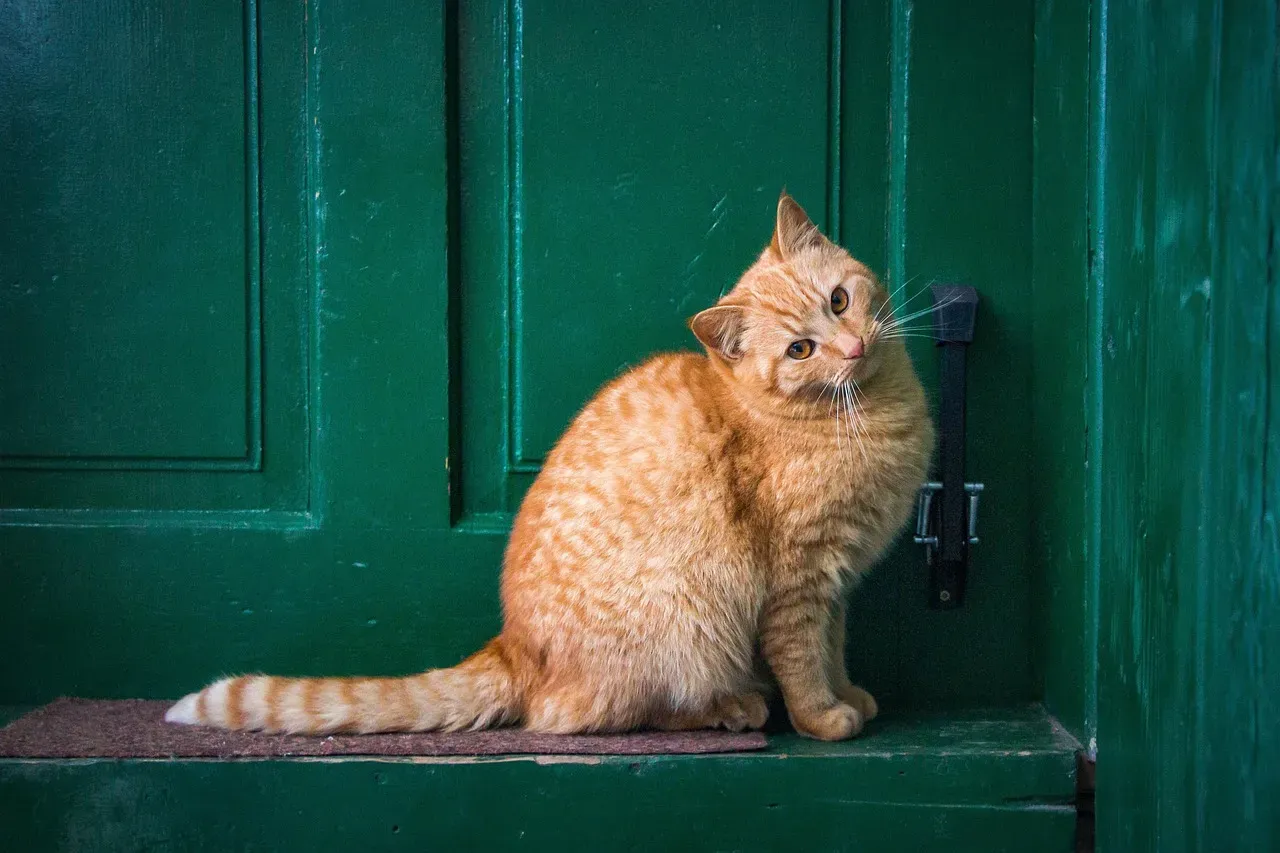
One of the most telling signs your cat misses you is where they’re found when you walk in. If they’re mysteriously hanging out in the hallway, near the entryway, or even just within sight of the door, there’s a good chance they’ve been loosely “on duty,” waiting for you to appear. They may not run to greet you, but that casual glance over the shoulder says a lot.
Pay attention to patterns: do you often find them within a few steps of the door when you get home, even though they have an entire house to roam? Cats rarely waste energy. If they regularly choose the same vantage point that lets them hear or see you first, it’s their low-key version of pacing at the window, just with more dignity.
2. They Sleep On Your Stuff When You’re Gone
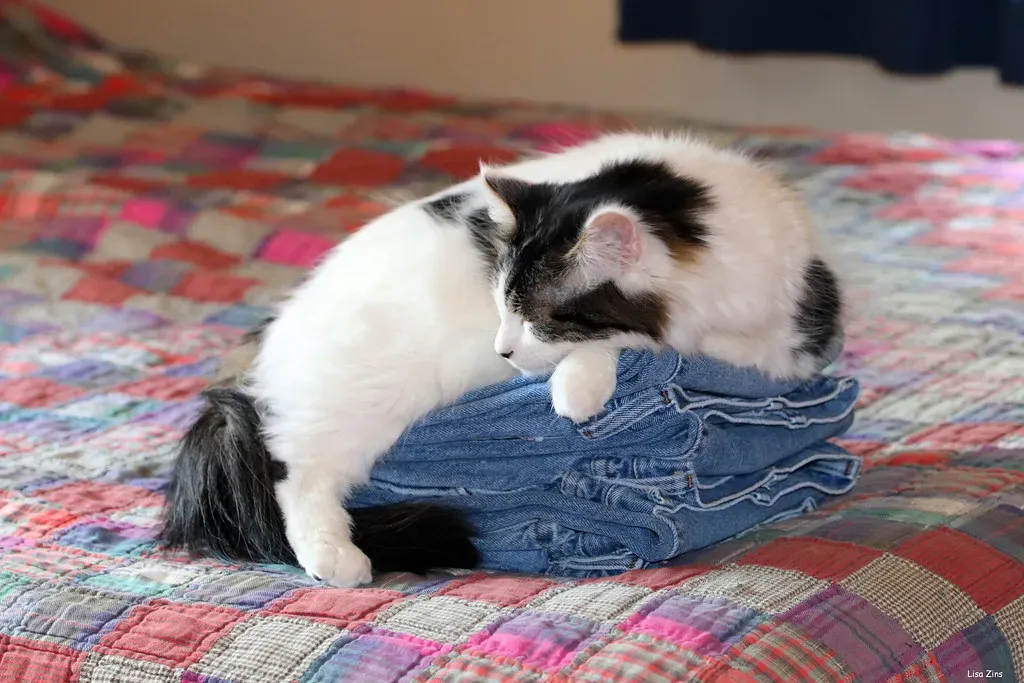
If you come home to find your cat curled up on your hoodie, your pillow, or that pile of clothes you meant to put away, that’s not random laziness. Your scent is strongest on those items, and for a cat, scent is comfort. When you’re away, that sweatshirt on the bed becomes the closest thing they have to you.
You might notice this more after longer absences: an overnight trip, a late workday, a weekend away. The more they’ve missed your presence, the more determined they are to bury themselves in your smell. It’s their way of soothing anxiety and staying connected to you, even when you’re not physically there.
3. They Follow You Around Quietly After You Get Back
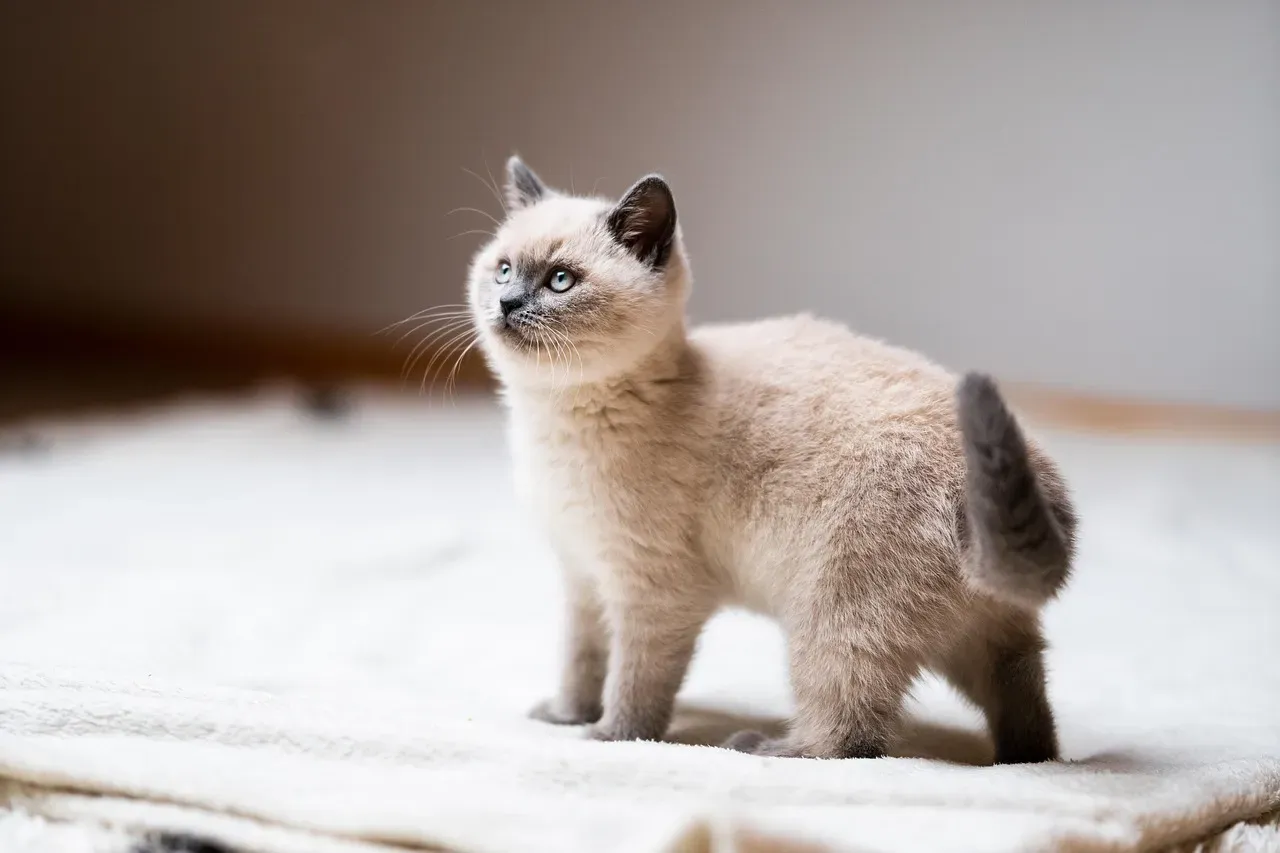
Some cats won’t throw themselves at you, but they’ll shadow you like a little furry ghost. You move from the kitchen to the bedroom, and they appear a few steps behind. You go to the bathroom, and when you open the door, they’re waiting right there, pretending it’s no big deal. That calm tail and silent presence are basically them saying, “I’m making sure you’re not vanishing again.”
This trailing behavior is especially meaningful if your cat is usually more independent. When they start sticking to you like velcro after you’ve been out, they’re re-establishing proximity and checking in. They might not meow or demand cuddles; just being near you is enough to reassure them that their world is back in order.
4. Their Routine Goes A Bit Off When You’re Away
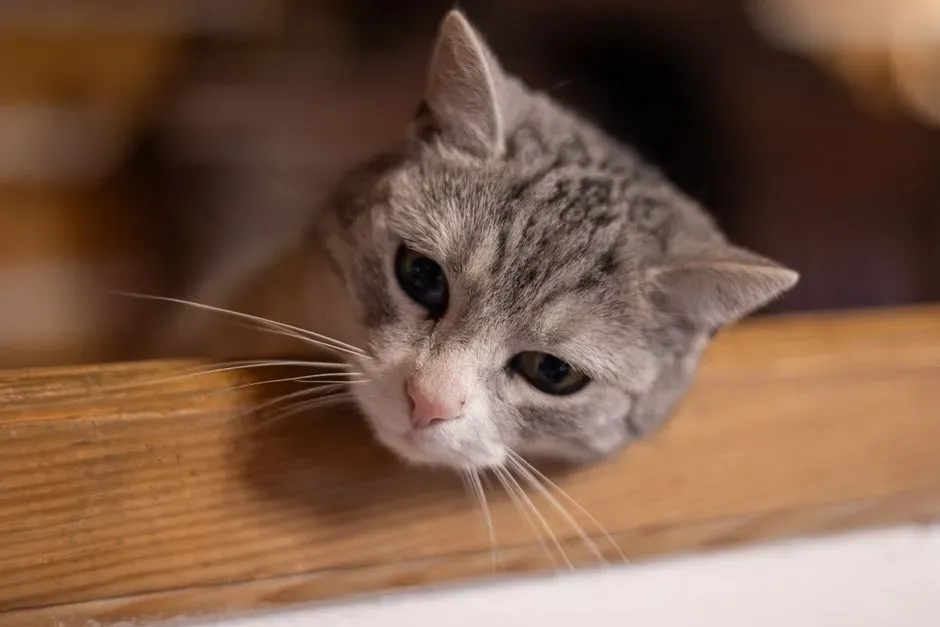
You might notice that when you’re gone longer than usual, your cat’s habits shift slightly. Maybe they eat a bit less, nap in odd spots, or seem more restless at night. These changes are usually subtle, but they point to the same thing: you’re a central part of their routine, and when you disappear, their internal schedule wobbles.
If someone else is feeding them while you’re away, they might still eat, but not with the same enthusiasm. Some cats will skip a meal here and there, not out of drama but because they feel a little unsettled. If everything goes back to normal once you’re home, that’s a quiet sign they were emotionally affected by your absence, even if they didn’t throw a tantrum.
5. They Check Your Usual Spots Like They’re Looking For You
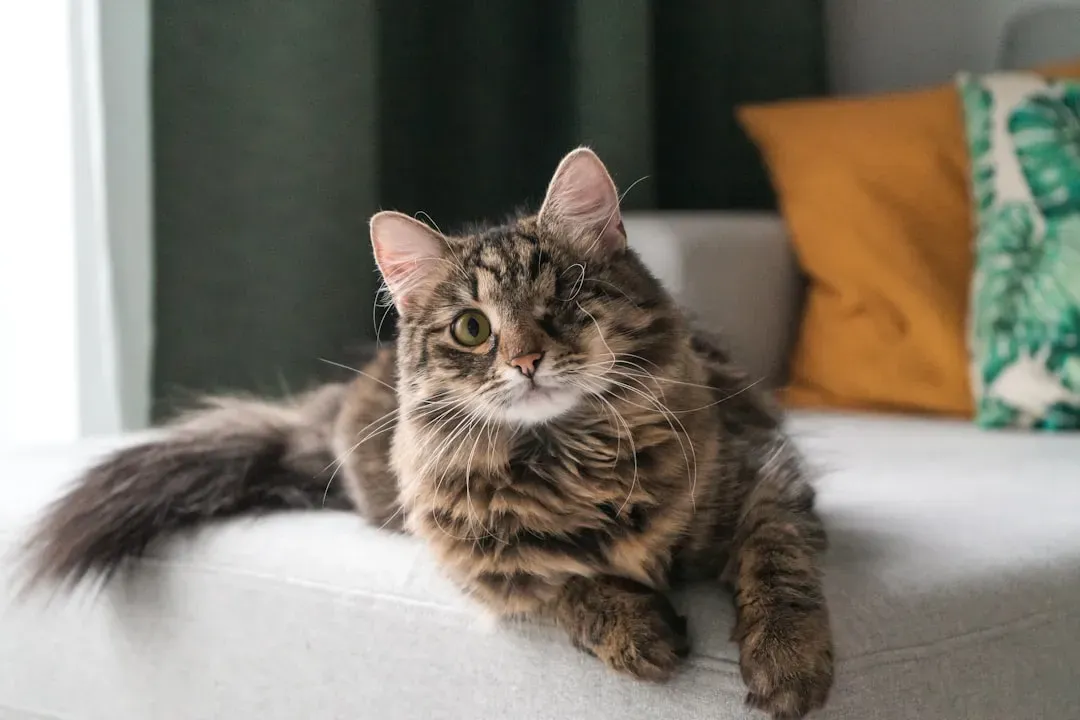
Think about the places in your home where you usually sit, sleep, or work. When you’re gone, does your cat visit those places more often, sniffing around, jumping onto your chair, or circling the bed? That behavior can be their way of “searching” for you with their nose and memory. They know you by scent and habit, so they go where you usually appear.
Some cats will even hop onto your empty chair and sit there for a while, as if they’re guarding your place. They probably don’t understand where you’ve gone in human terms, but they know something is missing from their environment. Their little patrol route through your usual hangouts is their way of trying to solve that puzzle.
6. They Become Extra Affectionate… But Only After A While
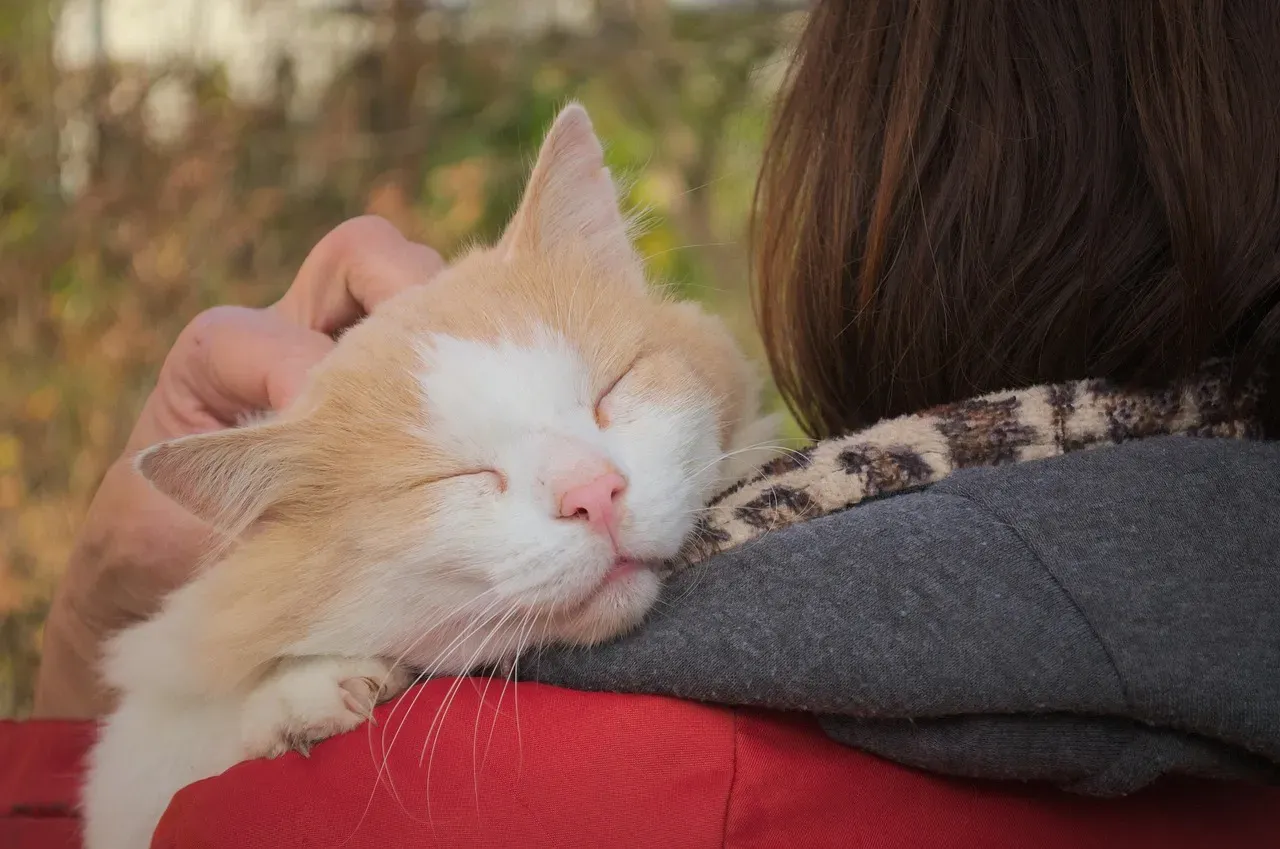
A lot of cats have this funny emotional delay: when you first walk in, they act like nothing happened, maybe give you a quick look, then resume their grooming. But half an hour later, suddenly they’re rubbing on your legs, jumping on your lap, or head-butting your hand. It’s like they needed a moment to process that you’re really back before letting their guard down.
If your cat tends to do this, it’s a sign they missed you but don’t like showing vulnerability right away. Once they’ve reassured themselves that the house feels normal again and you’re not about to disappear immediately, they come over to “casually” reconnect. That slow-burn affection is often more genuine than an instant dramatic greeting.
7. They Guard The Bedroom Or Your Favorite Room
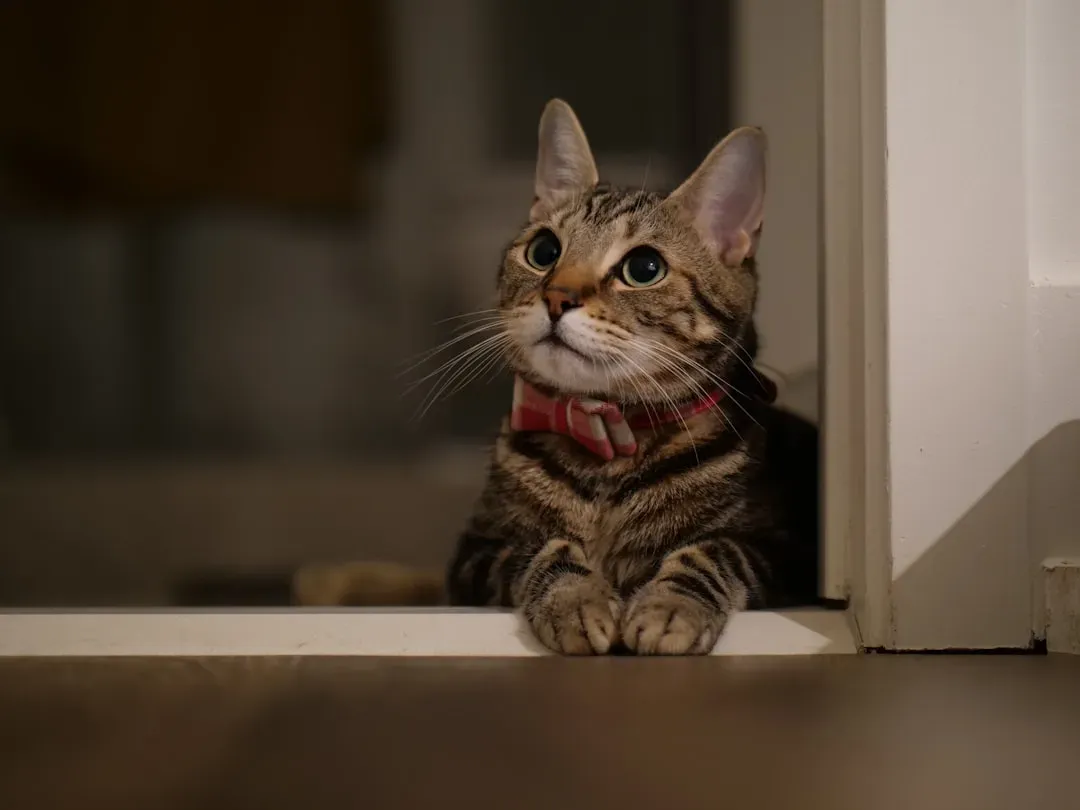
Some cats respond to your absence by camping out in the room that feels most like “yours” or “theirs together with you.” Often, that’s the bedroom. If they sleep near your side of the bed, on your pillow, or right by the door when you aren’t home, they’re choosing the place that feels emotionally safest and most tied to you.
When you return, they might not rush to say hello, but you’ll find them in that same spot, as if they’ve been holding down the fort. Cats are territorial, and you are part of their territory. Guarding those shared spaces is their subtle way of managing their anxiety and keeping your shared “nest” under control while they wait for you to come back.
8. They Vocalize Differently Once You’re Home
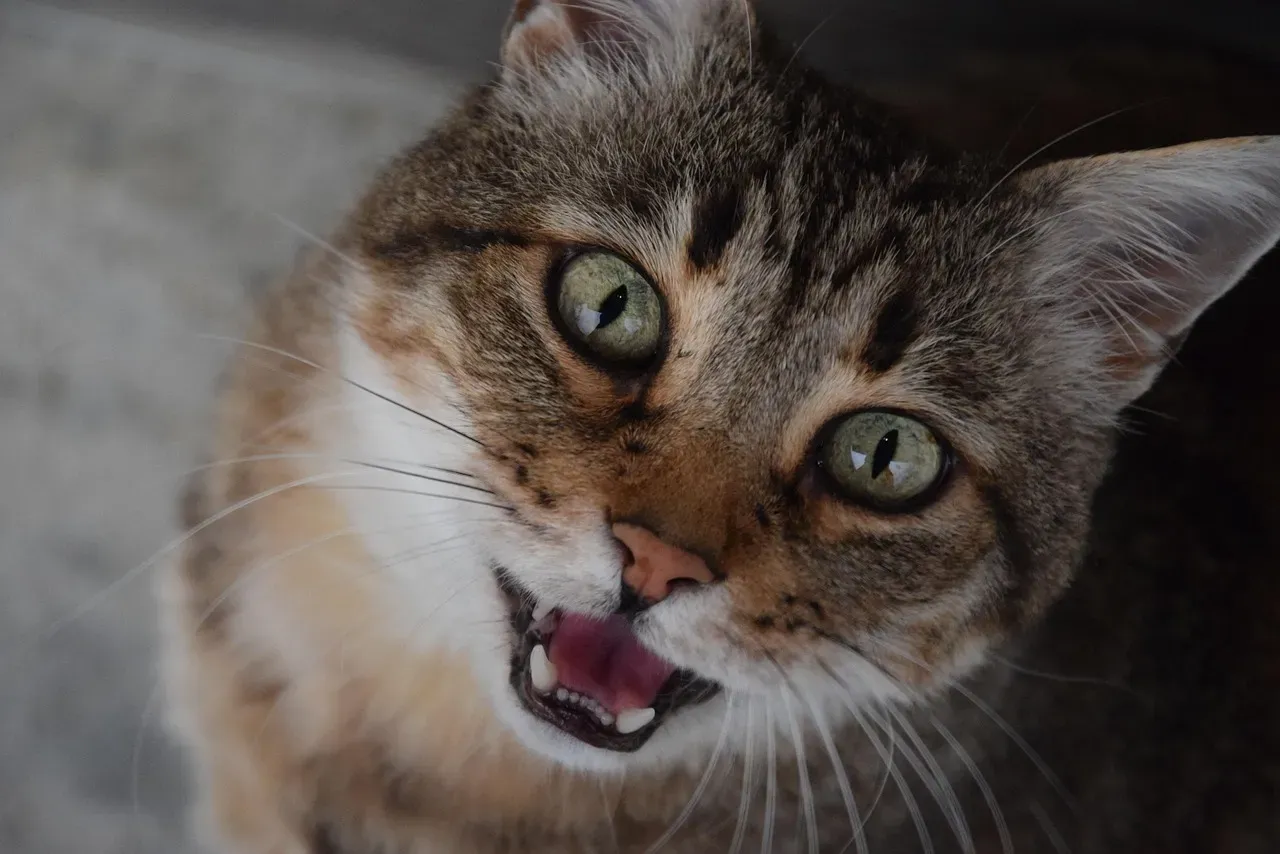
You might not get a classic excited yowl at the door, but listen closely in the first hour after you return. Some cats switch to a softer, more conversational meow once they see you’re back. It may sound like a series of small comments, almost like they’re “catching you up” on what happened while you were gone, or expressing mild complaints in their own way.
Others make just one short sound when they first spot you, then go quiet again. That tiny greeting meow can be easy to overlook, but it often carries a lot of feeling. For a reserved cat, a single, specific meow when you appear isn’t nothing; it’s their version of saying they noticed, they care, and they’re acknowledging your return without putting on a show.
9. Their Body Language Softens Around You Again
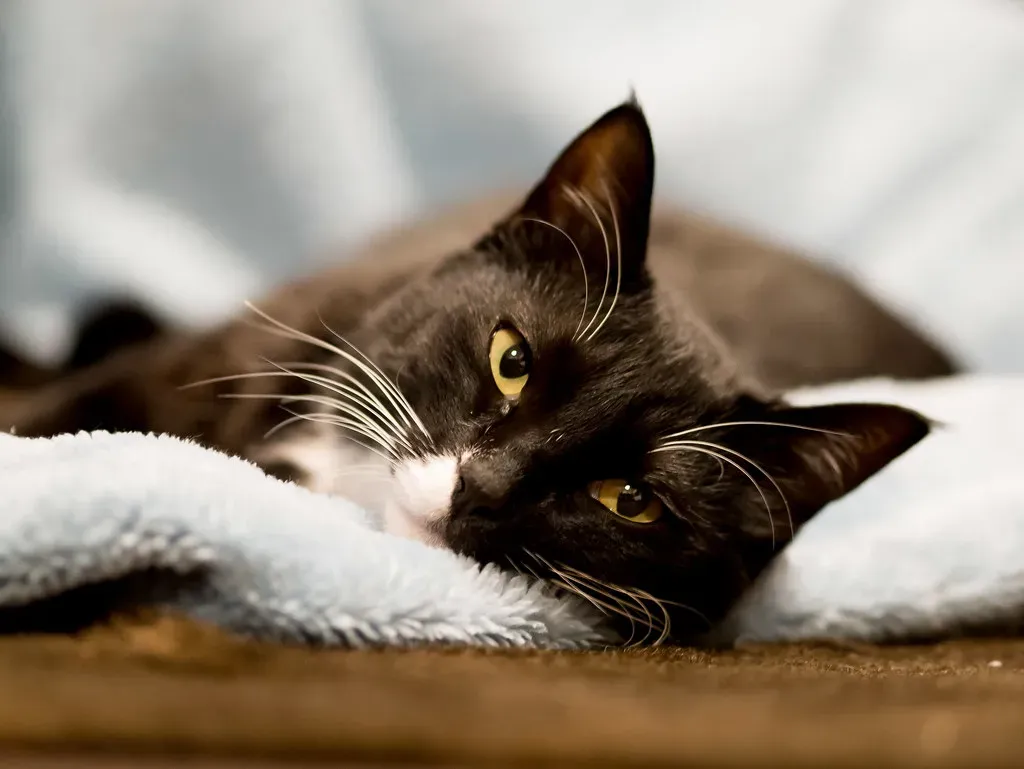
When you first walk in, your cat might watch you with that unreadable, half-lidded stare. But give it a bit of time, and you’ll start to see their body language shift: slower blinks, relaxed ears, looser shoulders, tail no longer twitching. These physical signals mean their tension is melting away now that their key person is back in the environment.
If your cat starts offering you slow blinks after you’ve settled in, that’s one of the most intimate little signs of trust and affection they have. They may not be leaping into your arms, but that gentle eye contact, followed by a slow closing and opening of the eyes, is like a quiet “I’m glad you’re here again” in cat language.
10. They “Accidentally” Make Physical Contact More Often
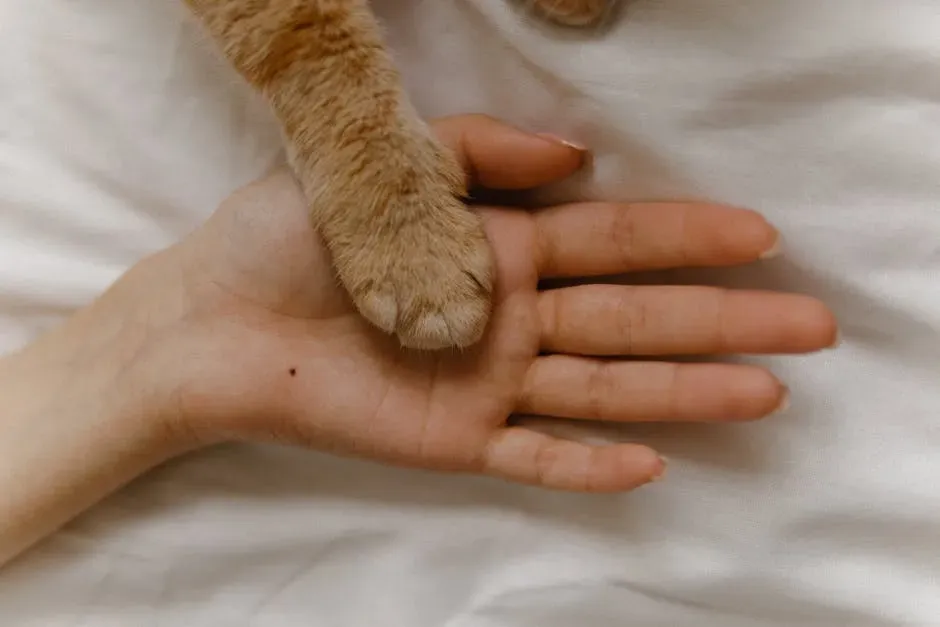
A cat that misses you might not jump up and demand cuddles, but they will start engineering more casual touch. Maybe they walk just a bit too close past your legs, brush your calf with their side, place a paw on your arm when you sit down, or lean against your laptop while you’re working. These small moments of contact are their way of grounding themselves in your presence again.
Pay attention to how often these little “accidents” happen right after you’ve been out for a while. The sudden increase in casual closeness is rarely random. Your cat is reconnecting with your scent and warmth, but in a way that lets them maintain their pride. It’s affection under the disguise of coincidence.
11. They Play More Intense Or More Clingy After A Separation
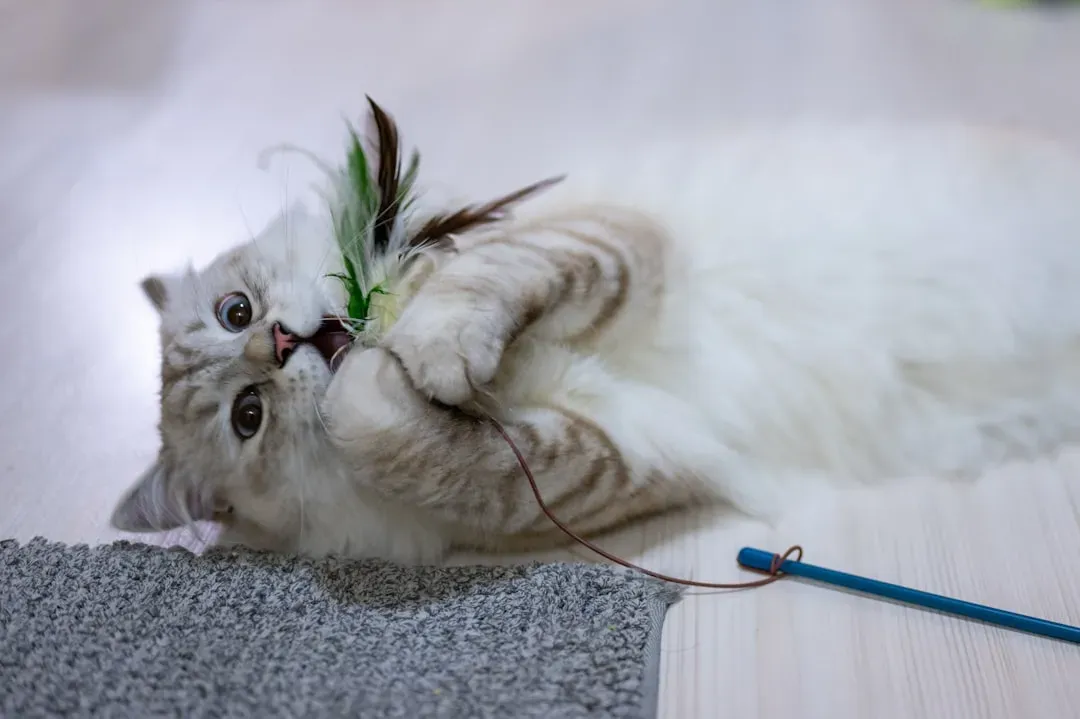
After you’ve been gone, your cat might launch into a burst of play as soon as you sit down. They chase toys harder, do zoomies around the room, or pounce on shadows like they’re possessed. This energy spike can be a mix of excitement, stress release, and happy relief that their world is back to normal now that you’re home.
On the flip side, some cats go the clingy route with play. They bring toys only to you, park themselves within arm’s reach, or stare at you until you engage with them. Both versions are rooted in the same feeling: they missed interacting with you. Play is one of the main ways cats bond, so when they push hard for it after you return, they’re trying to rebalance that connection.
12. They Get A Bit Mischievous When You’re Gone More Than Usual
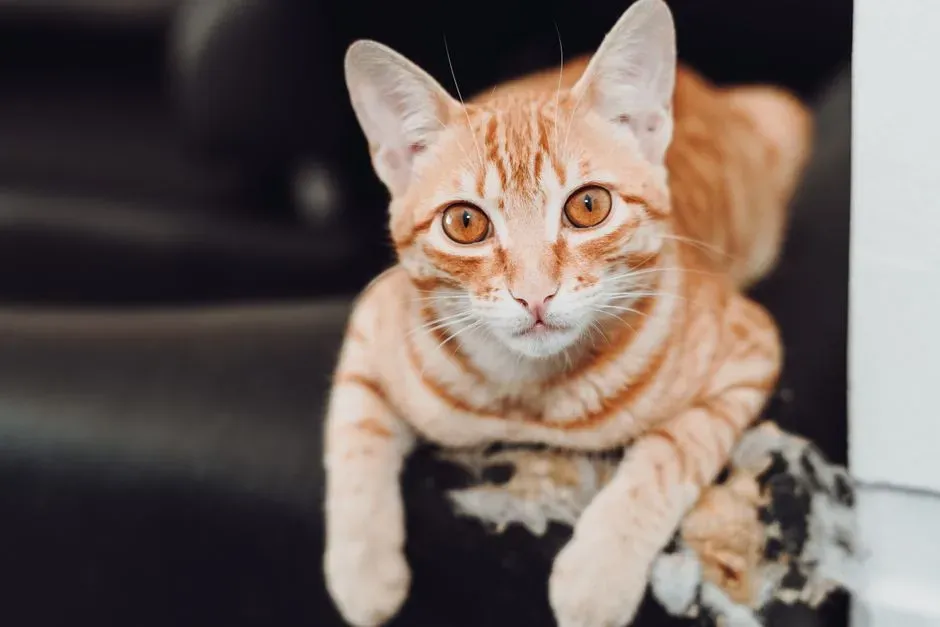
Sometimes, missing you comes out sideways. Maybe your usually well-behaved cat starts knocking more things off tables, scratching where they shouldn’t, or getting into cupboards when your schedule suddenly changes. It’s not “revenge” in a human sense, but stress and boredom mixed together can push them into acting out when their main person is missing too long or too often.
If you notice that this mischief tends to spike during longer absences and then ease up once you’re consistently around again, that’s a clue. Your cat may miss the structure and stimulation you provide, even if all you do is talk to them, toss a toy, or move around the house. Your presence is part of their emotional stability, and when that’s disrupted, their behavior can wobble too.
13. They Settle Into Deep, Relaxed Sleep Once You’re Back
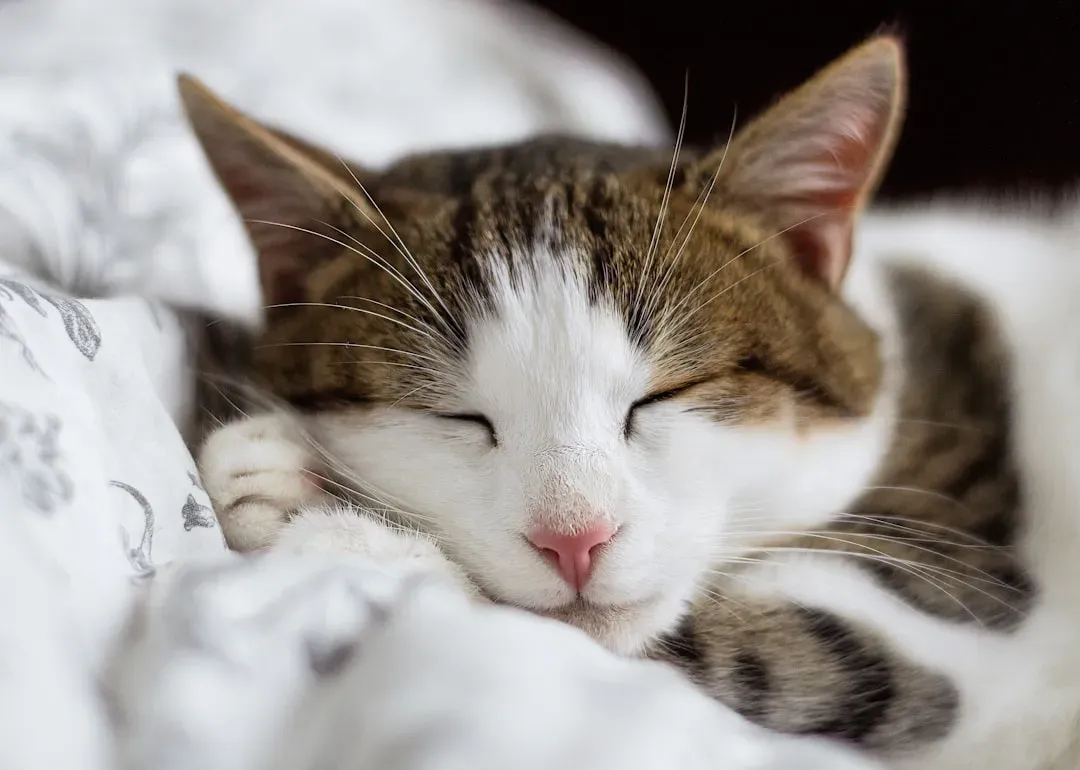
One of the most touching but easy-to-miss signs your cat missed you is what happens after the initial “you’re home” phase. After following you, sniffing you, maybe asking for food or a quick pet, they often curl up and fall into a deep, heavy sleep nearby. It’s like their nervous system finally lets go once they know you’re safely back in your shared space.
If your cat picks a spot close to you – on the back of your chair, at the foot of the bed, next to your legs on the couch – and then sinks into that boneless, twitchy dream sleep, that’s huge. They feel safe enough with you present to fully switch off. That deep relaxation is one of the strongest, quietest acknowledgments that your return has made their world feel right again.
Conclusion: Your Cat’s Quiet Reunions Mean More Than You Think
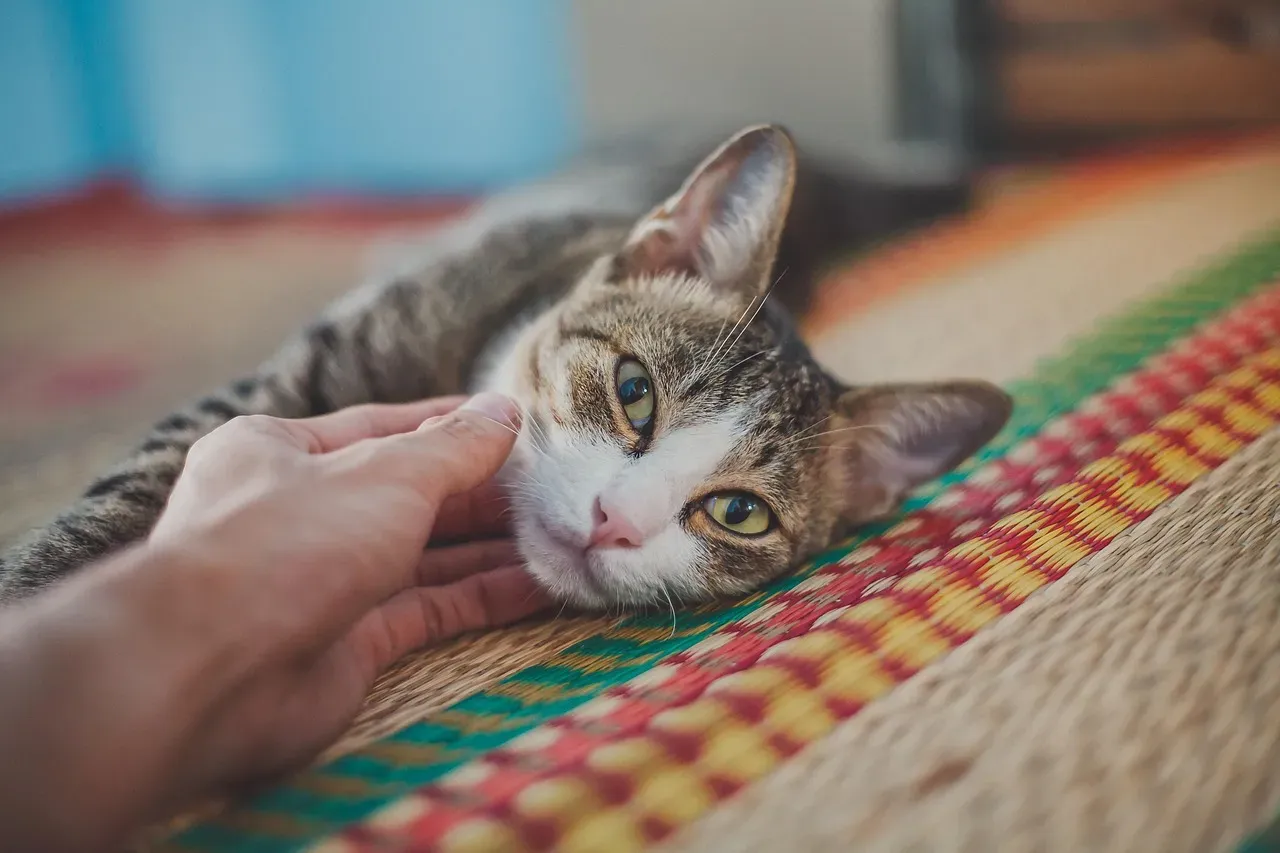
It’s easy to misread your cat’s calm, almost aloof behavior when you walk through the door and assume they don’t care. But once you start watching the small things – the way they hover near the door, nap on your clothes, shadow you from room to room – you realize they’ve been missing you in their own understated, catlike way. Their love is less fireworks and more candlelight: steady, subtle, but very real.
The next time you come home and your cat barely flicks an ear, look past the surface. Notice where they choose to sit, how often they brush against you, and how deeply they sleep once you’re settled. Under all that feline dignity, there’s a creature who has built their whole tiny universe around you. Now that you’ve learned their language, what new signs will you start spotting in your own cat’s quiet reunions?
Kristina is a young writer from India. An arts graduate and an avid content creator, Kristina is passionate about animals and wildlife. She enjoys exploring topics related to pet care, animal behavior, conservation, and nature, combining thorough research with engaging storytelling.