
Most cat owners assume their pet’s lifespan comes down to luck, breed, or good genes. The real data says something very different.
Daily habits shape a cat’s muscle mass, kidney function, and immune strength far more than genetics ever could.
Chances are you’re already nailing three or four of these habits without realizing it. But the ones you’re missing are exactly where the gap between an average cat and a stronger, longer-living one opens wide – and it starts at #15.
#15 – Keep Them Indoors (or Supervised Outdoors)
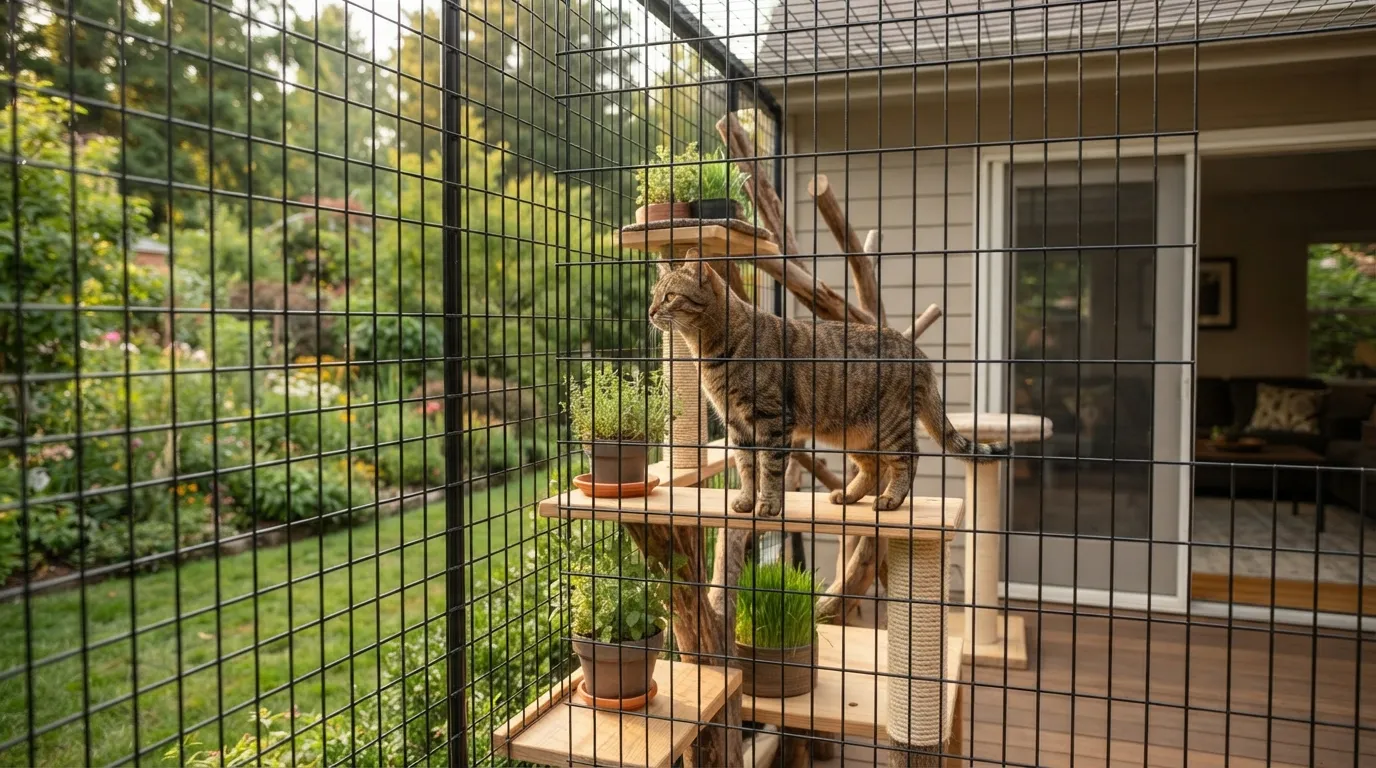
The single fastest way to add years to a cat’s life is also the simplest one.
A 2022 UC Davis study published in PLOS One found indoor cats often live longer than outdoor-only cats. Staying inside shields them from trauma, infectious diseases like FeLV and FIV, and toxins like antifreeze and pesticides.
Here’s the surprising part: you don’t have to choose between a locked-in cat and a fully free-roaming one. A 2022 UC Davis study examining over 3,100 cats found that cats with supervised outdoor access – catios, leash walks, enclosed gardens – did not have significantly shorter lifespans than indoor-only cats.
Fast Facts
- Median age of death was 9.43 years for indoor-only cats versus 7.25 years for outdoor cats.
- Outdoor exposure raises the risk of trauma, FeLV, FIV, and common toxins.
- Catios, leash walks, and enclosed yards let a cat enjoy the outdoors without the lifespan penalty.
Outdoor-only living is quietly considered one of the biggest unnecessary risks in cat ownership. Wait until you see what #14 does to a cat’s odds.
#14 – Spay or Neuter at the Right Time
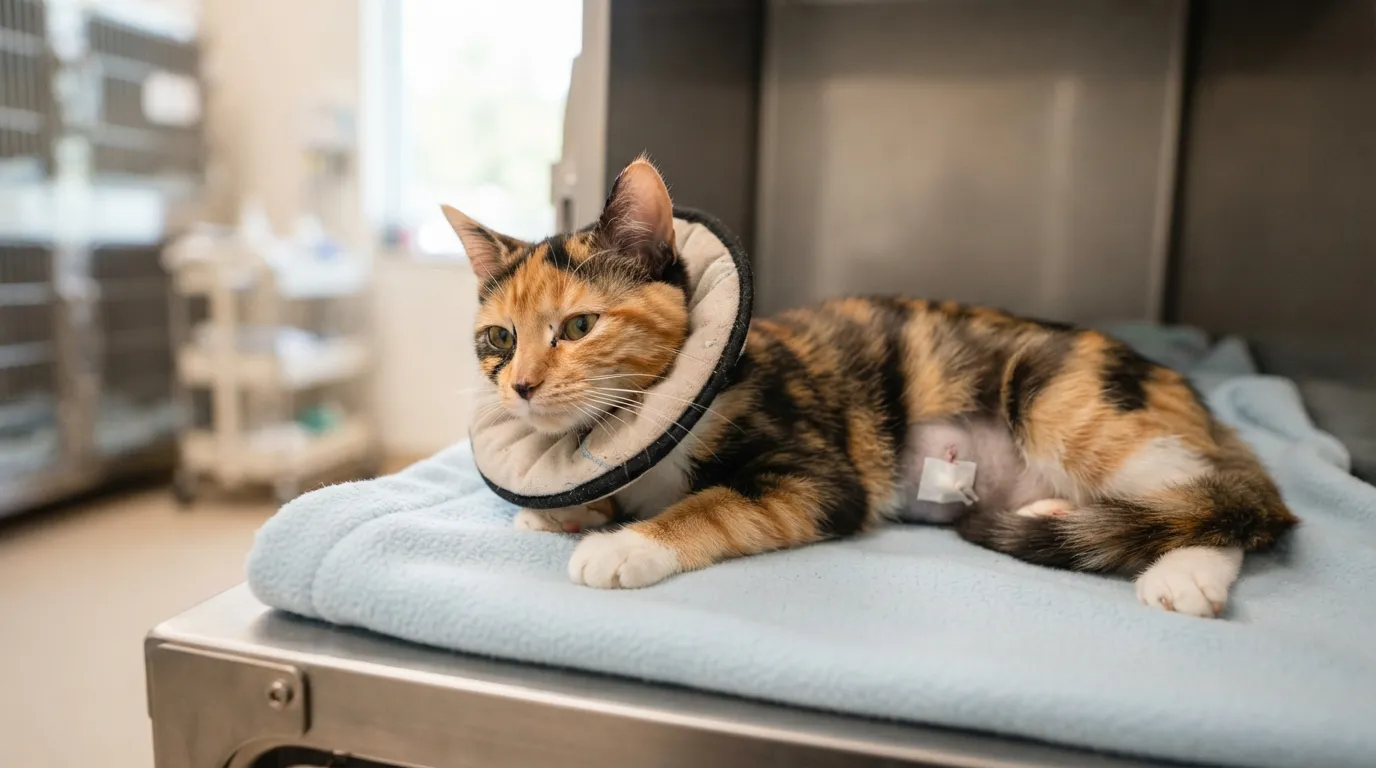
This one divides cat owners – but the lifespan numbers are hard to argue with.
Neutered male cats live a mean of 62 percent longer than unneutered male cats, and spayed female cats live a mean of 39 percent longer than unspayed female cats.
Hormonal stability cuts down on roaming, fighting, and territorial marking – all behaviors that raise the risk of trauma and disease. It also lowers the odds of certain reproductive cancers later in life.
Timing matters too: most vets recommend the procedure between 4 and 6 months of age. Miss that window, and #13 becomes even more important.
#13 – Feed Measured Meals, Not Free-Choice
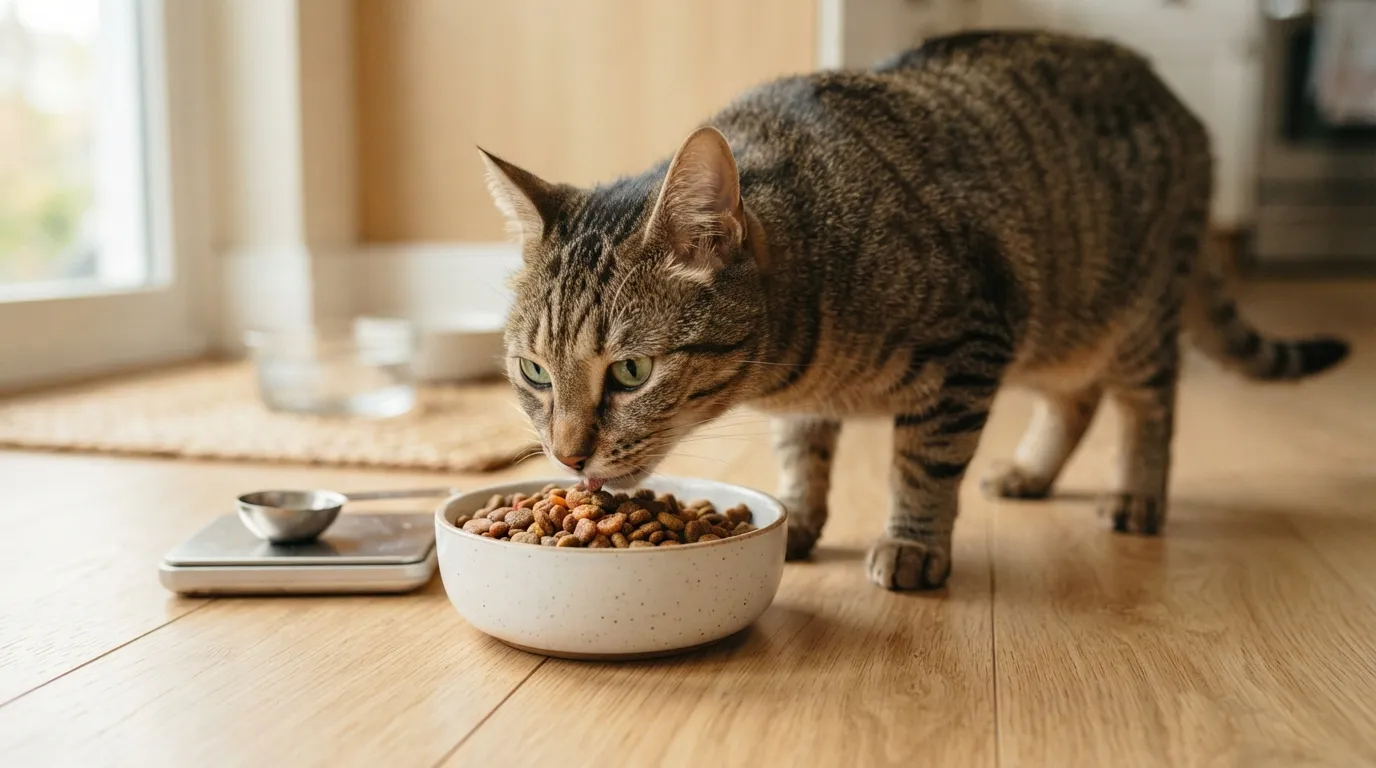
Leaving a bowl of dry food out all day feels generous. Vets call it one of the most common slow-burn mistakes owners make.
Overweight cats are up to four times more likely to develop diabetes. Excess fat cells also release compounds that inflame the joints, making every movement harder.
Heart disease, respiratory issues, and skin infections all become more likely as the weight climbs. Cats kept at an ideal Body Condition Score of 5 out of 9 lived measurably longer and avoided many age-related diseases entirely.
Portion control is one of the few levers entirely in your hands, every single day. And it sets up the next habit perfectly.
#12 – Prioritize High-Protein, Meat-First Food
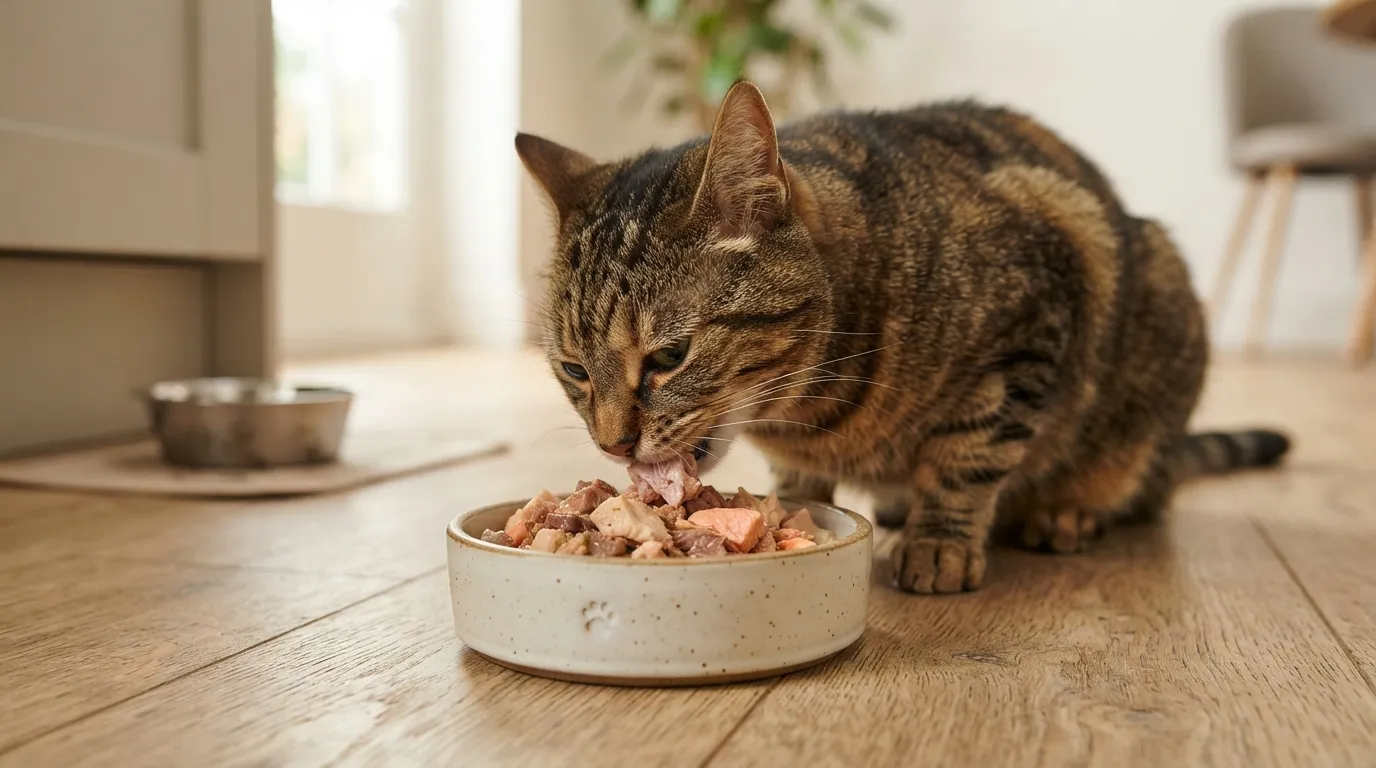
Not all cat food is created equal – and the ingredient list tells you more than the marketing ever will.
Cats are obligate carnivores, meaning they need meat-derived nutrients like taurine and arginine just to stay functional. Without them, cats can become seriously, sometimes irreversibly, ill.
Cornell University’s College of Veterinary Medicine recommends checking that meat, meat byproducts, or seafood appear among the first few ingredients. That’s usually a sign the food supplies enough real animal protein.
The best food is complete, balanced, and matched to your cat’s life stage – not just whatever’s cheapest on the shelf. Speaking of which, #11 changes the water math entirely.
#11 – Switch to Wet Food (or Add It In)
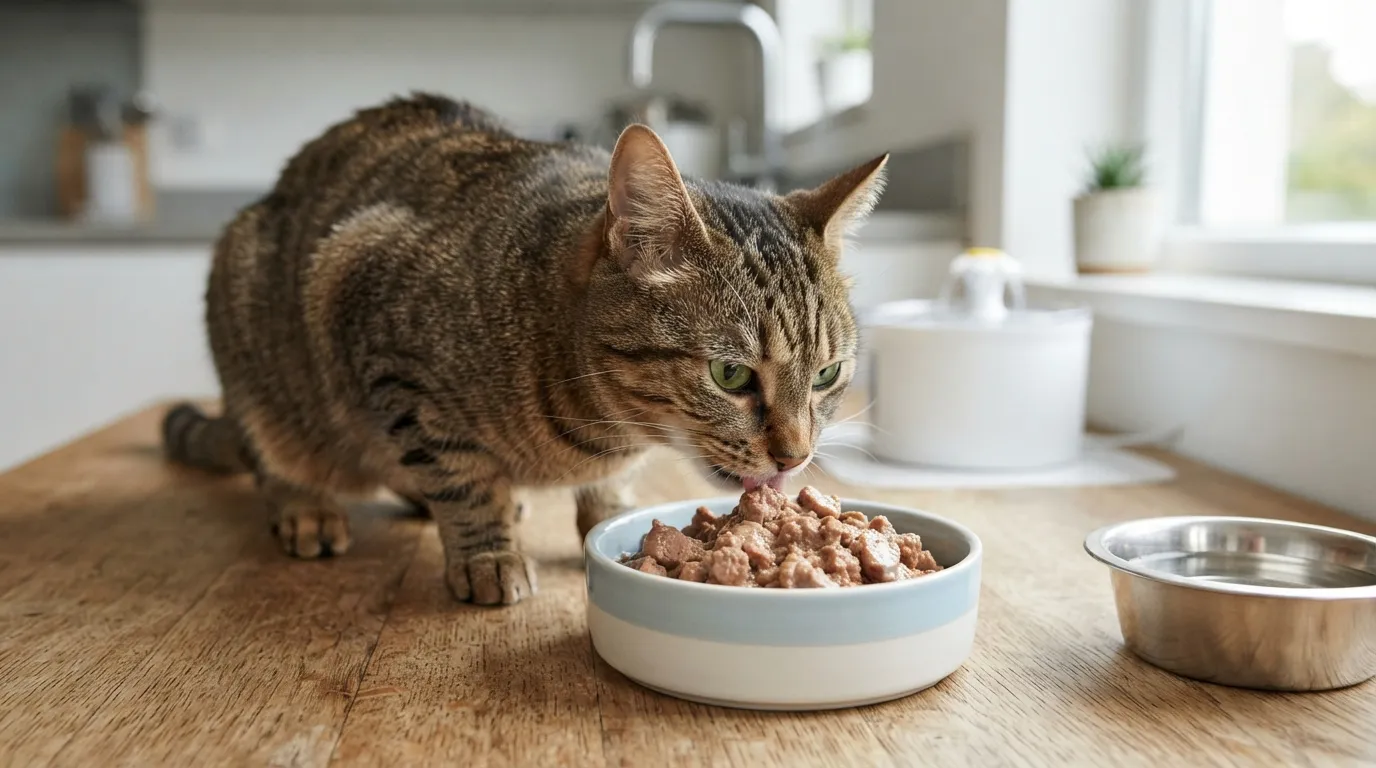
Here’s the habit most dry-food-only owners have never heard – and it directly affects kidney health.
Canned food runs 70-80% water, compared to just 10-12% in dry kibble. Diets high in protein and low in carbohydrates, like most wet foods, may be the better long-term choice for many cats.
Quick Compare
| Food Type | Water Content | Best For |
|---|---|---|
| Wet / Canned | 70-80% | Hydration, kidney support |
| Dry / Kibble | 10-12% | Convenience, dental texture |
Multiple water bowls, a kitty fountain, or even a dripping faucet can all nudge intake higher. Chronic dehydration stresses the kidneys quietly, for years – and by the time owners notice, damage is often already done.
Which brings us to a habit almost every owner underestimates.
#10 – Hydrate Actively, Every Day
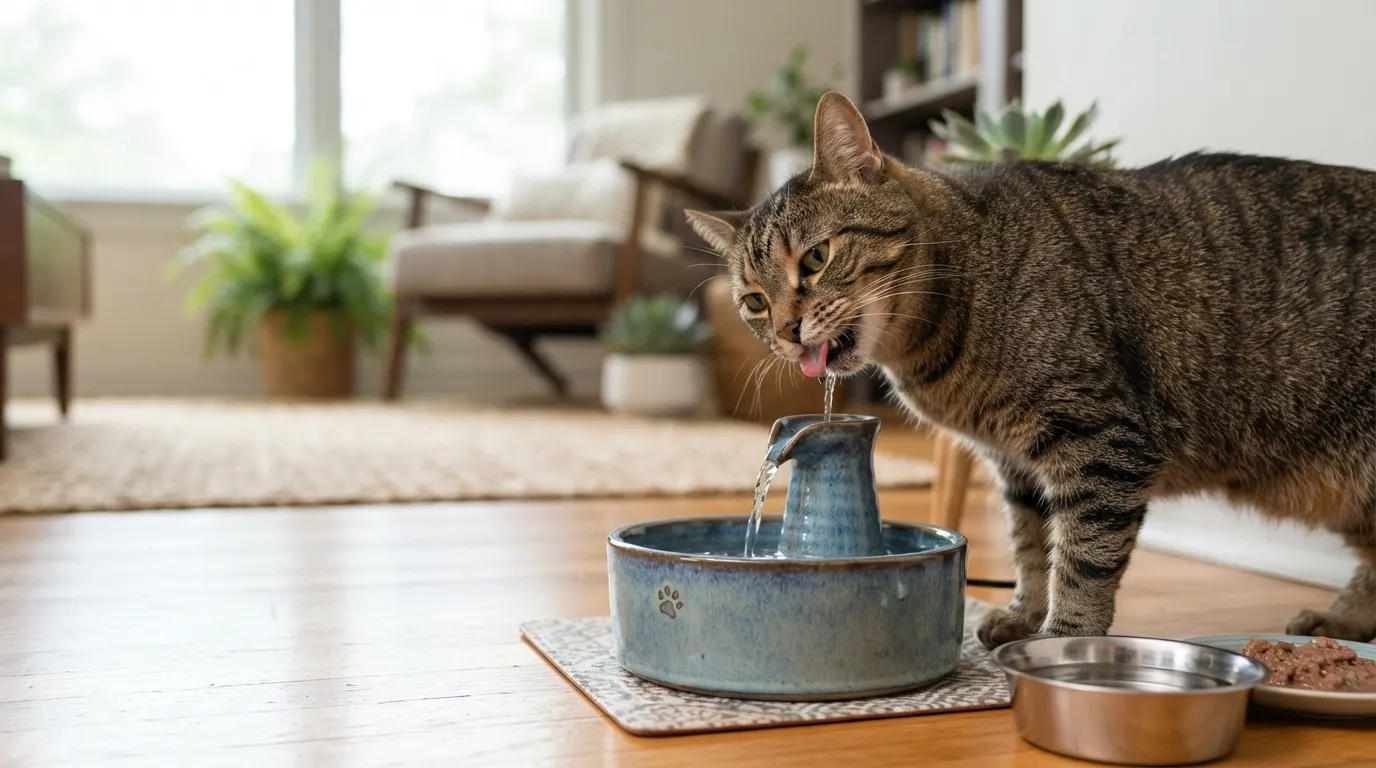
Water isn’t just a basic need. It’s one of the most underrated longevity tools in feline care.
Hydration and weight management are two of the biggest nutritional factors influencing how long a cat lives. Together they cut the risk of kidney disease, diabetes, and joint problems.
Cats evolved as desert animals with a naturally low thirst drive, so many are chronically under-hydrated without ever showing obvious signs. Running water, wet food, and multiple bowl locations are proven ways to change that.
Next up is a habit that looks like fun – but functions like medicine.
#9 – Build a Daily Play Routine
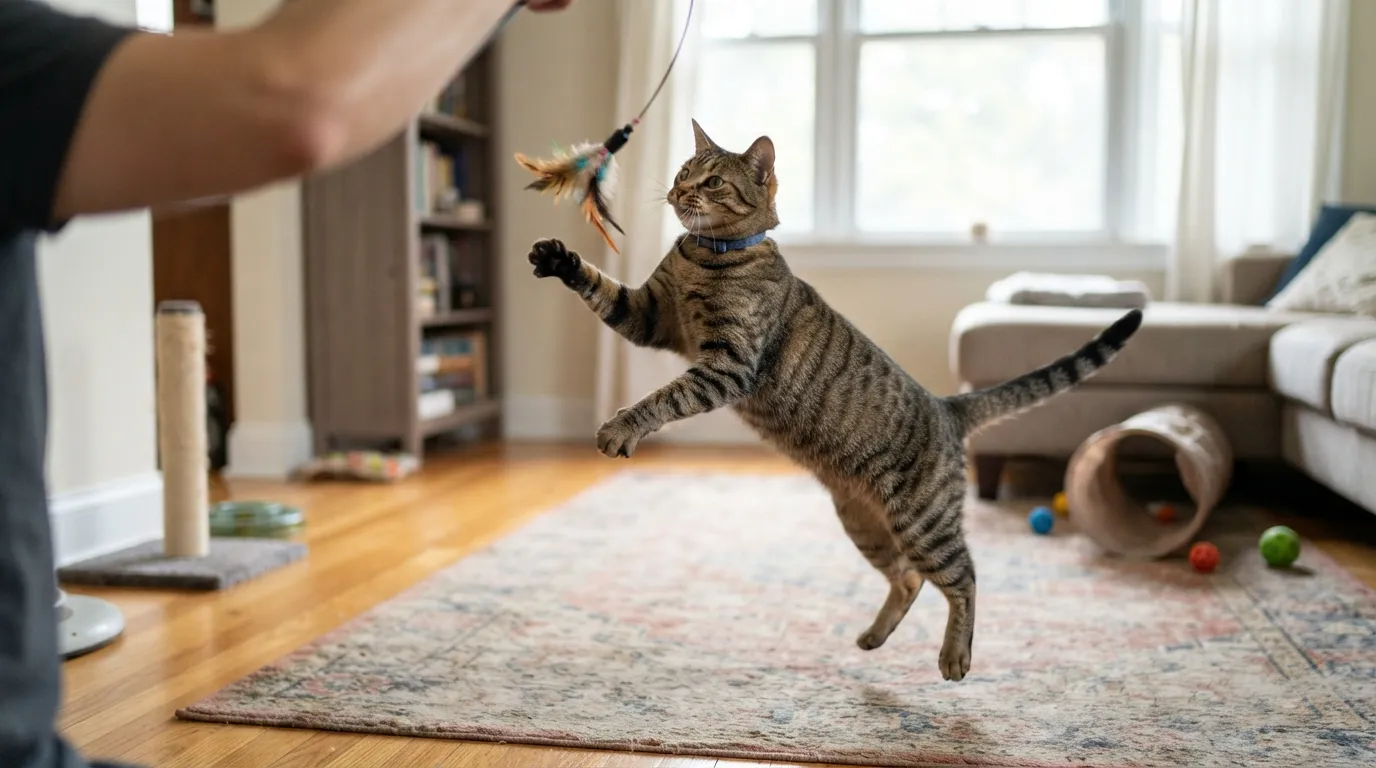
Play isn’t just entertainment for a cat. It’s closer to medicine.
Daily play keeps muscle tone, joint health, and mental sharpness intact in a way that passive lounging never will. Cats living sedentary, under-stimulated lives are far more prone to obesity, boredom, and stress.
Most owners think a quick laser pointer session covers it. It doesn’t – structured play that mimics the hunt-catch-kill sequence, ending with a small reward, is what actually satisfies a cat’s biological need.
Get the play right, and the next habit becomes noticeably easier to manage.
#8 – Actively Manage Stress
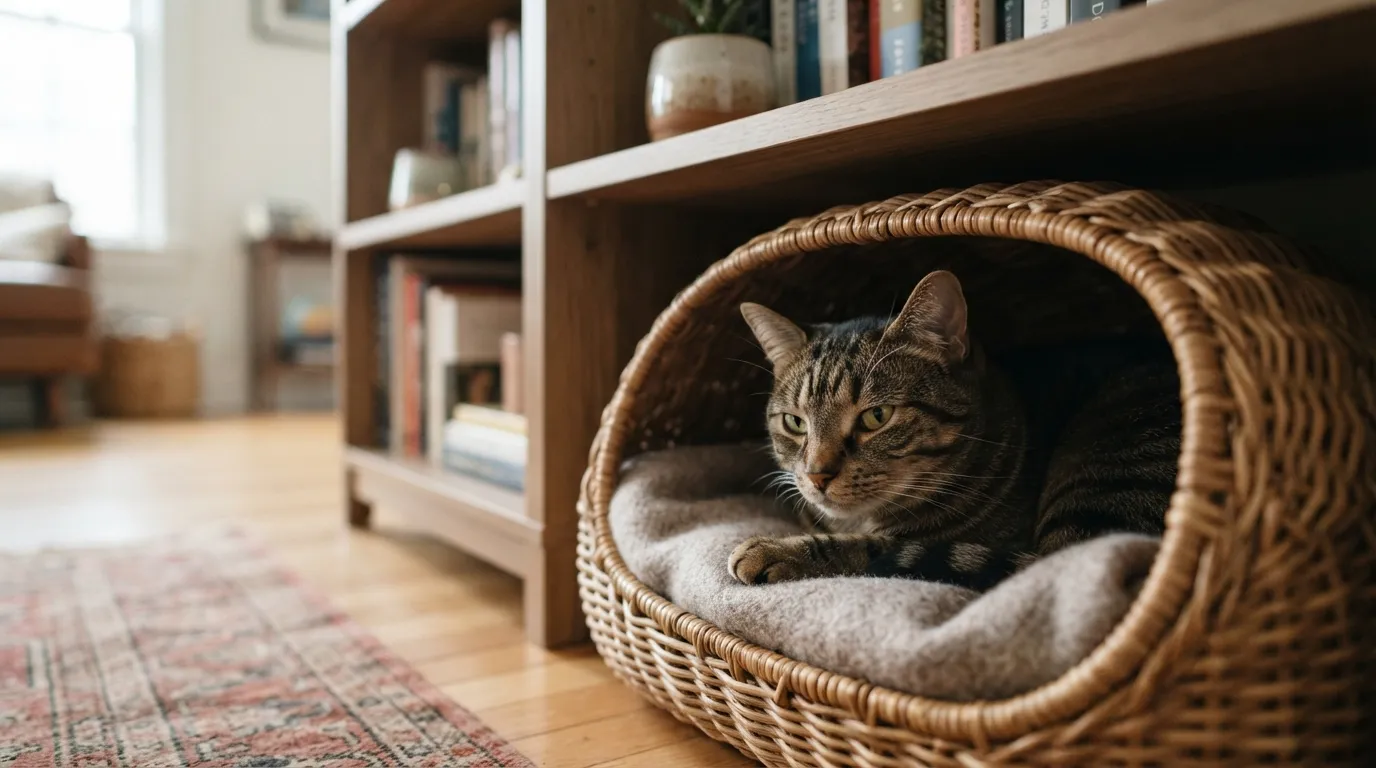
Cats are masters at hiding stress – which is exactly what makes it so dangerous.
Chronic, ongoing stress weakens the immune system, disrupts digestion, and increases vulnerability to illness over time. Common triggers include loud noise, tension with other pets, frequent routine changes, and a lack of safe hiding spots.
The fix is simpler than most people expect: dedicated hiding spots, consistent routines, and fewer forced interactions go further than any supplement. Stress is one of the few silent lifespan-reducers an owner can almost fully control.
But even a perfectly calm cat can be hiding something #7 is designed to catch early.
#7 – Schedule Annual Vet Visits (Biannual After Age 7)
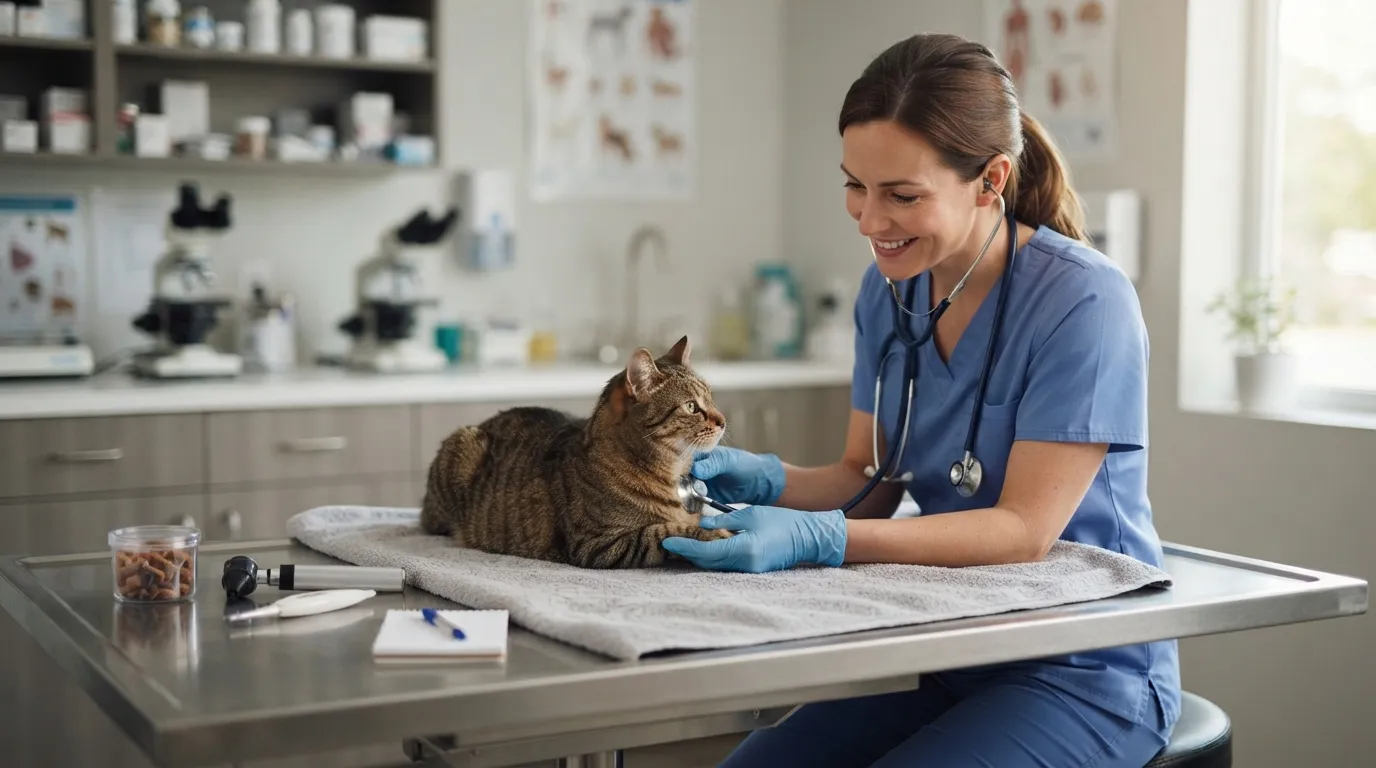
Here’s the uncomfortable truth: by the time your cat looks sick, the disease has usually been progressing quietly for months.
Routine wellness exams and lab tests let vets catch life-threatening conditions before they become emergencies. Annual physicals, bloodwork, and parasite screening form the backbone of feline preventive care.
These visits matter even more as cats age, since they assess everything from joint mobility to organ function. After age 7, most vets recommend twice-yearly exams – because in a senior cat, six months is plenty of time for a condition to advance undetected.
Worth Knowing
- Annual exams typically include a physical, bloodwork, and parasite screening.
- Vets recommend twice-yearly visits once a cat passes age 7.
- Six months is enough time for a senior cat’s condition to progress silently.
Speaking of things that sneak in undetected, #6 is a category most owners only address after it’s already a problem.
#6 – Stay Current on Parasite Prevention Year-Round
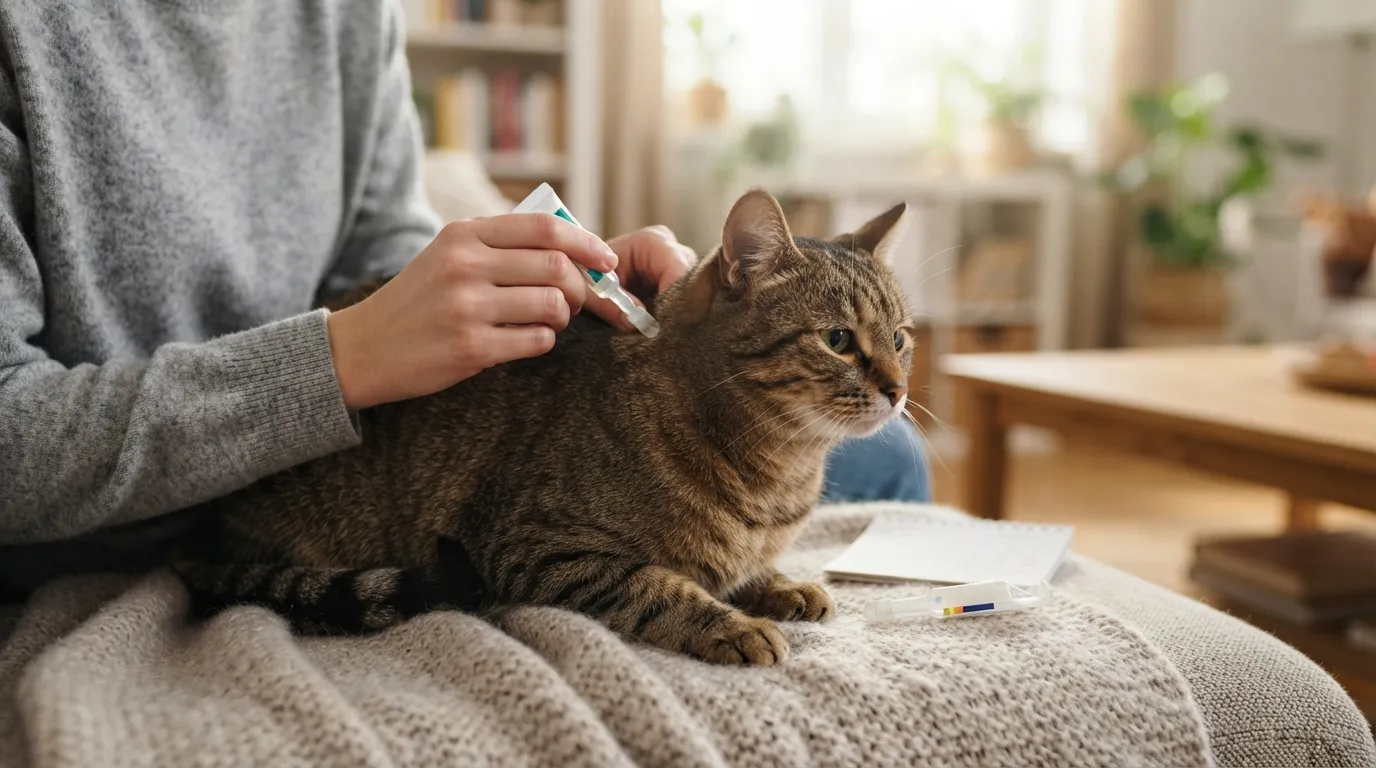
Most owners treat parasites reactively – only after they spot fleas or their cat starts scratching. By then, it’s already too late to call it prevention.
Cats on regular flea, tick, and heartworm prevention live longer, largely because they avoid the diseases these parasites carry. Outdoor cats are especially prone to picking up fleas, ticks, mites, and intestinal parasites that cause irritation and disease.
Here’s the part that surprises people: even indoor-only cats need year-round protection. Fleas and parasites can hitch a ride into the house on clothing, shoes, or another pet.
It’s a cheap habit that erases an entire category of preventable risk – much like the one coming up next.
#5 – Keep Vaccines Up to Date
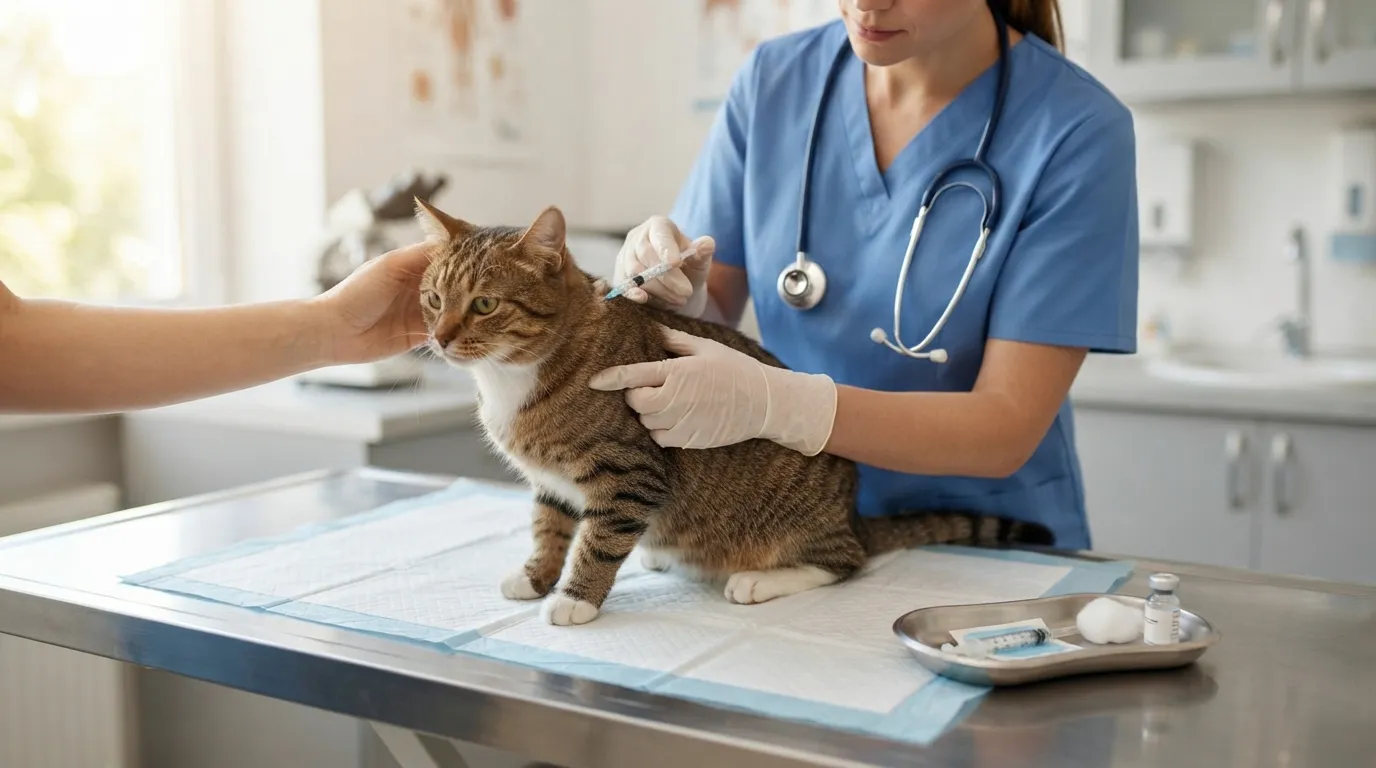
Vaccines aren’t just a kitten thing – and skipping boosters is a gamble many owners don’t realize they’re taking.
Core vaccines protect against feline panleukopenia, herpesvirus, and calicivirus – diseases that can turn fatal fast, especially in cats with any immune compromise. FeLV-positive status alone is linked to significantly shorter lifespans.
Vaccination remains one of the clearest tools available to prevent that outcome entirely. Your vet can tailor a schedule to your cat’s lifestyle, but letting boosters lapse is one of the most avoidable mistakes on this entire list.
The next habit is one almost every owner knows about – and almost nobody actually does.
#4 – Don’t Skip Dental Care
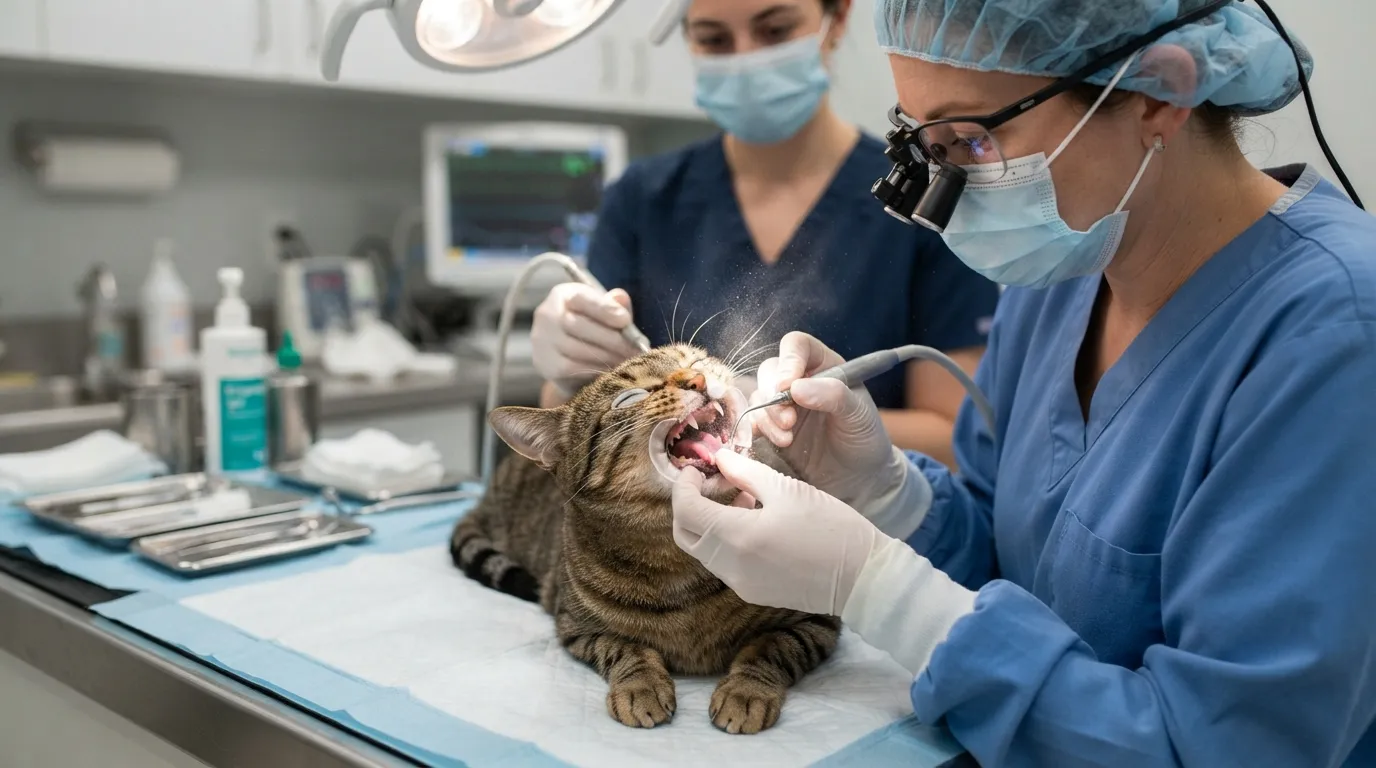
Most people know dental hygiene matters. Almost nobody acts on it – and the downstream effects go far beyond bad breath.
Bacteria from neglected teeth can enter the bloodstream, and from there it can damage organs and, in severe cases, shorten a cat’s life. Dental health isn’t cosmetic – it’s structural to overall health.
Daily brushing is the gold standard for prevention, though dental treats, water additives, and enzymatic gels help if brushing isn’t realistic. Annual professional cleanings under anaesthesia remain the best defense – yet most cats never receive one in their entire lives.
That gap in care is nothing compared to what happens when the wrong food fills the bowl.
#3 – Feed the Right Food for Their Life Stage
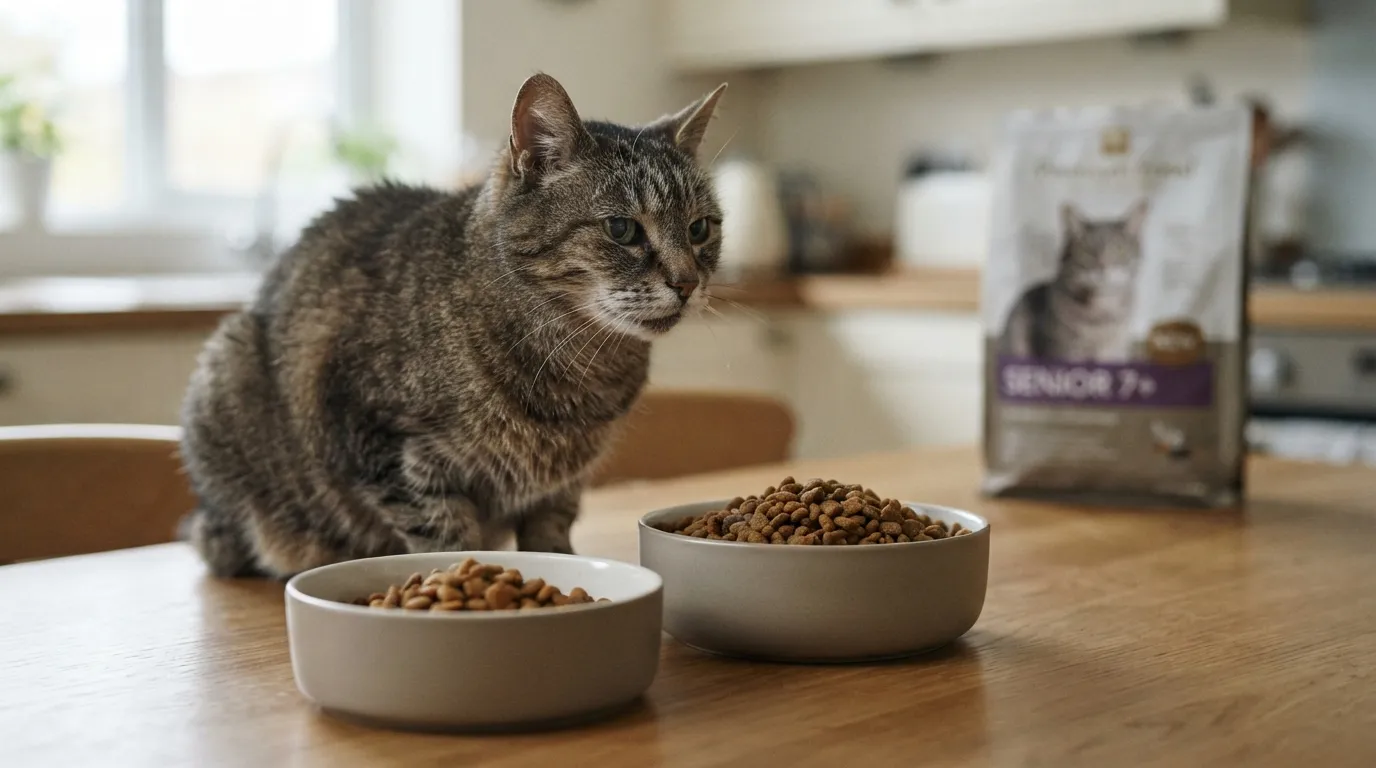
The cat food that was perfect at age 2 may be quietly working against your cat at age 10.
Different life stages bring different activity levels and nutritional needs. Ingredients that were fine for a young cat, like higher salt content, become harder to process as the kidneys age.
Senior formulas are built with altered ingredients specifically to support aging organs. Switching at the right time – kitten, adult, senior – isn’t a small tweak; it’s matching nutrition to biology at every chapter of a cat’s life.
Next comes the daily habit almost every owner overlooks completely.
#2 – Watch the Litter Box Like a Dashboard
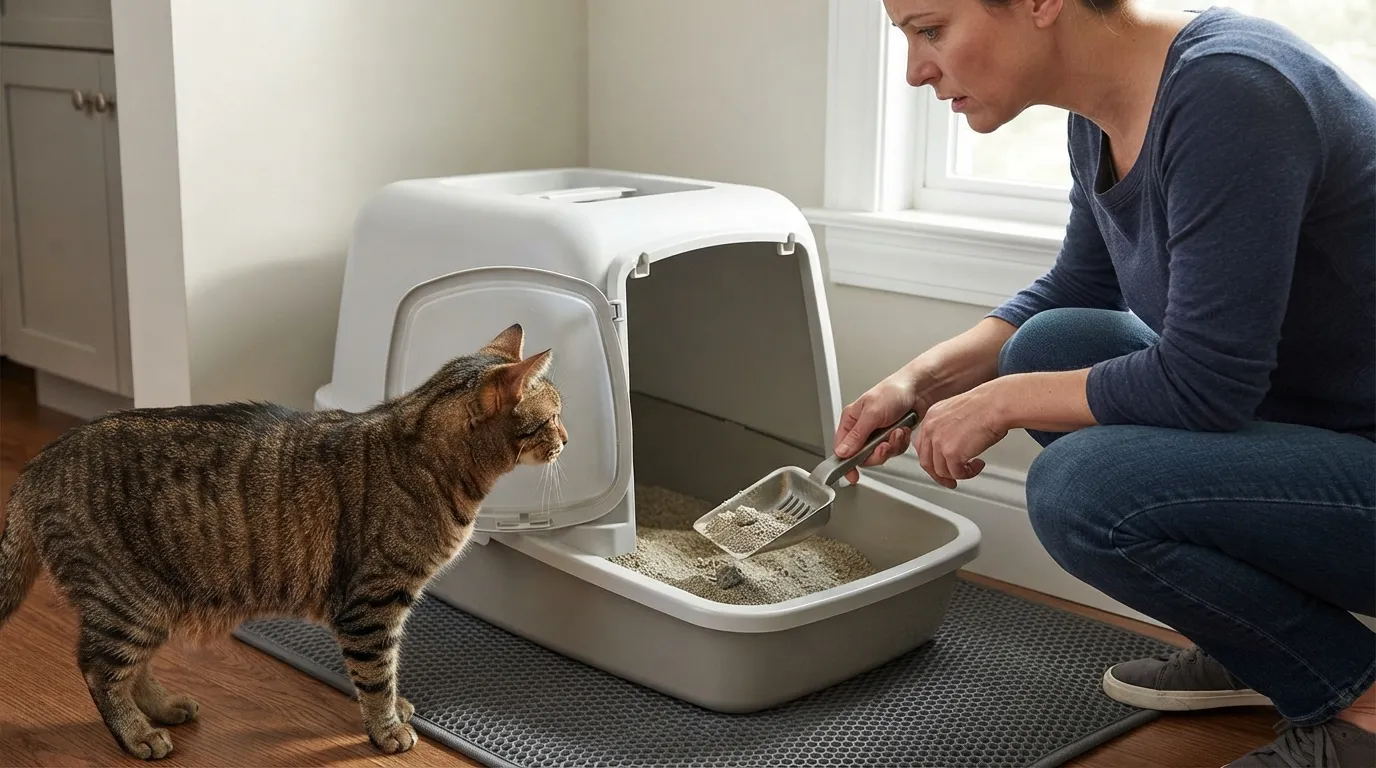
The litter box is the one daily health monitor most owners completely ignore – and it quietly reveals some of the earliest warning signs of serious illness.
Tracking litter box habits, appetite, and water intake daily helps catch changes before they escalate. Sudden shifts in urination, stool consistency, or box avoidance can signal kidney disease, urinary blockages, or diabetes.
In cases where treatment starts early, it’s almost always because an owner noticed something off before any vet visit flagged it. The litter box is where the story shows up first.
And that brings us to the one habit that decides how well every other habit on this list actually works.
#1 – Maintain a Lean, Healthy Body Weight – Always
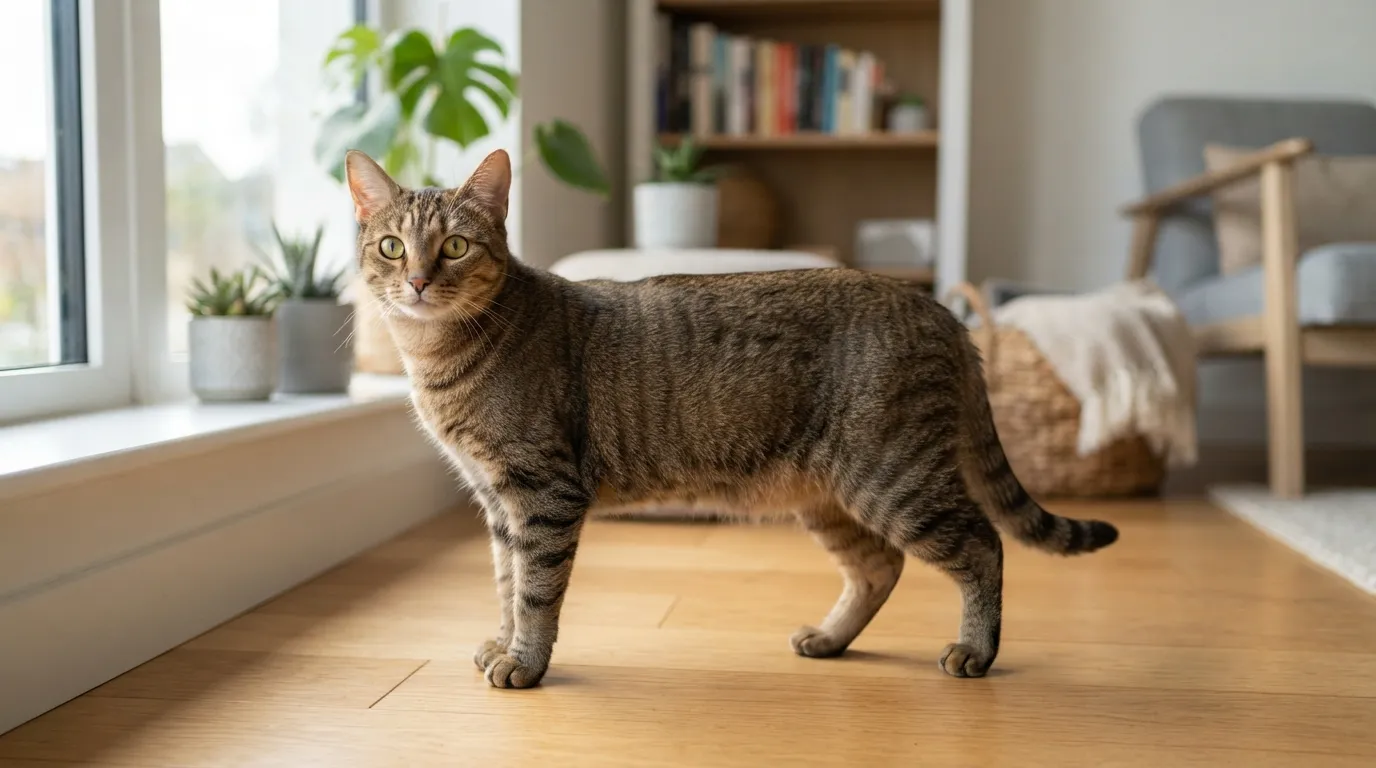
Every other habit on this list matters more when your cat is at their correct weight. And it matters less when they’re not.
The single most powerful factor linked to a longer cat life is maintaining an ideal, lean body weight. Cats kept at a Body Condition Score of 5 out of 9 lived longer and were significantly less likely to develop diabetes, arthritis, or liver disease.
A diet built around high-quality animal protein, paired with consistent weight management, protects joints, supports heart function, and lowers cancer risk. Weight isn’t one factor among fifteen – it’s the multiplier that makes every other habit on this list actually count.
At a Glance
- Ideal Body Condition Score: 5 out of 9.
- Lean cats show lower rates of diabetes, arthritis, and liver disease.
- Weight management amplifies every other habit on this list.
The Bottom Line
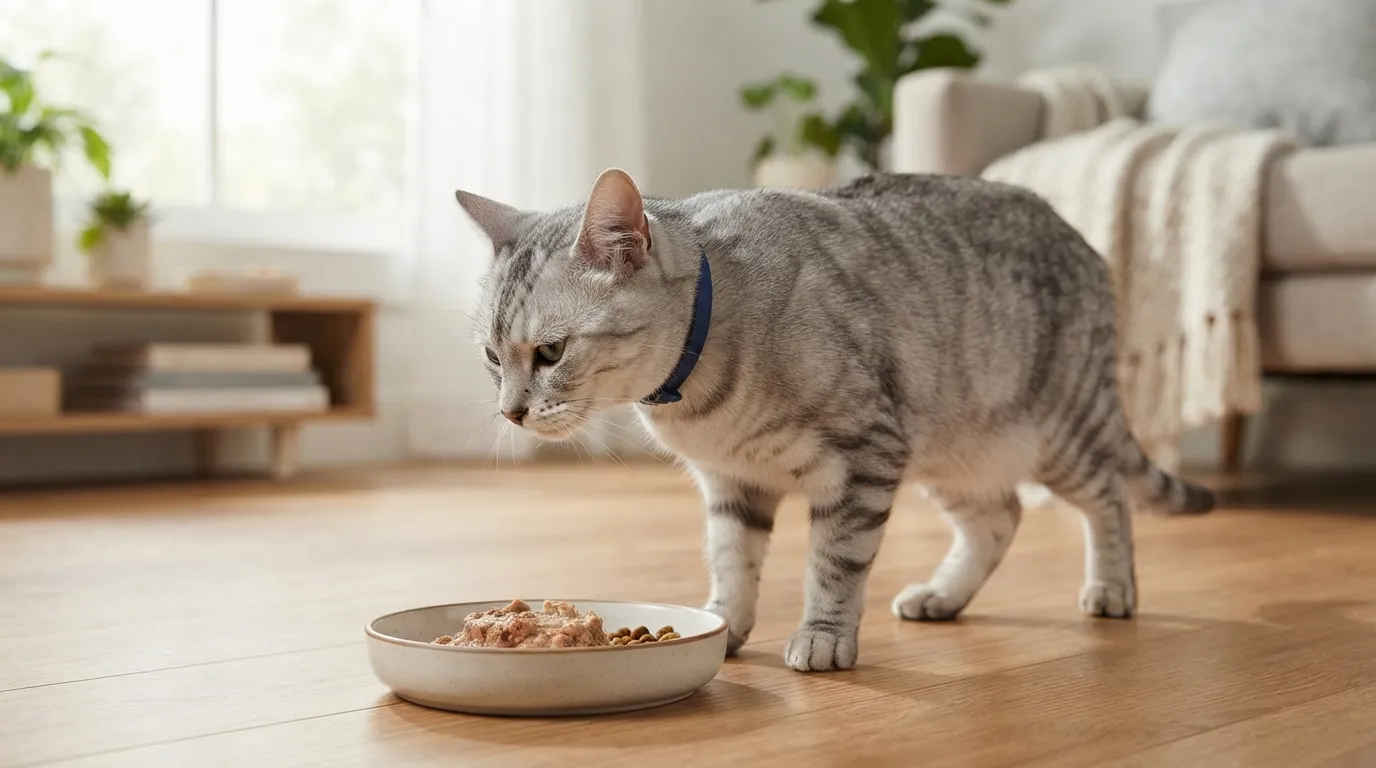
The gap between an average cat and a genuinely strong, long-lived one isn’t luck. It’s built habit by habit, choice by choice.
The biggest wins are the simplest to name: keep weight lean, feed real protein suited to their life stage, add wet food for hydration, manage stress, and stay ahead on vet visits, dental care, and parasite prevention. None of these habits are dramatic on their own.
All of them compound over time – quietly, then all at once. Which of these surprised you most, or is there a habit you’re already doing that deserves a spot on this list?
Growing up traveling and experiencing new cultures and wonders, I have had a passion for nature, adventuring, photography, and videography. I am currently working towards a BSc in Biodiversity and Ecology at Stellenbosch University, and I hope to specialise in Marine Sciences one day.
Please send any feedback to Feedback@animalsaroundtheglobe.com