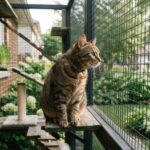
You did everything right. You kept your cat inside, away from cars and coyotes and disease, and you assumed that decision alone would guarantee a long, happy life.
Except vets and researchers have spent years quietly walking back the exact claims that convinced you to make that call. Some of them turned out to be flat wrong, and a few may have caused real harm to the cats they were supposed to protect.
#14 – “Indoor Cats Are Always Completely Safe From Parasites”
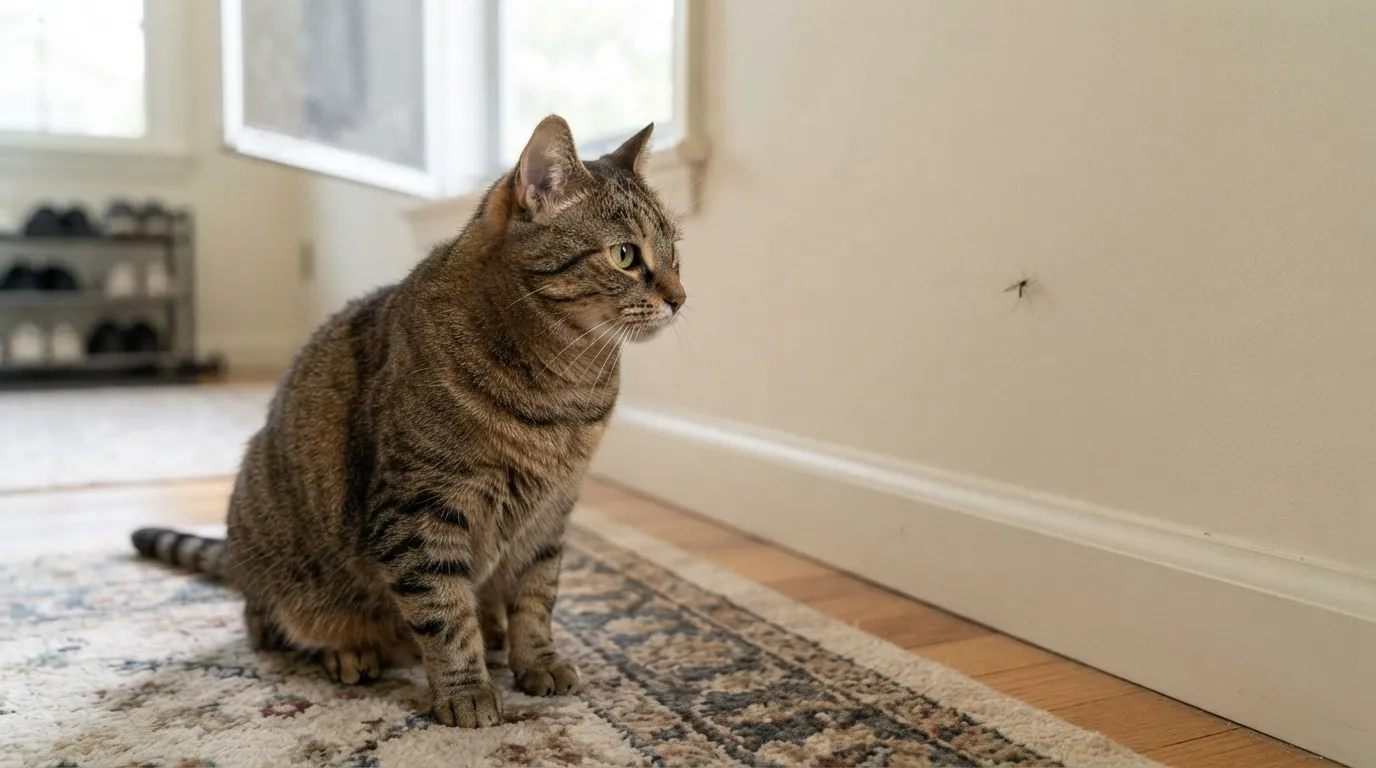
Plenty of owners cancel flea and tick prevention the moment their cat stops going outside. That instinct feels logical. It’s also flat-out wrong.
Indoor cats are still susceptible to fleas, ticks, and mosquitoes, and those parasites carry illnesses that can affect multiple organs and even be life-threatening. Fleas hitch rides on human clothing and shoes, and mosquitoes slip in through open windows.
- Flea eggs can live in carpets for months before hatching.
- A single mosquito indoors is enough to transmit heartworm.
The “sealed home” protection myth was always a comforting exaggeration. But that’s nothing compared to what we found about #13.
#13 – “Indoor Cats Don’t Need Regular Vet Visits”
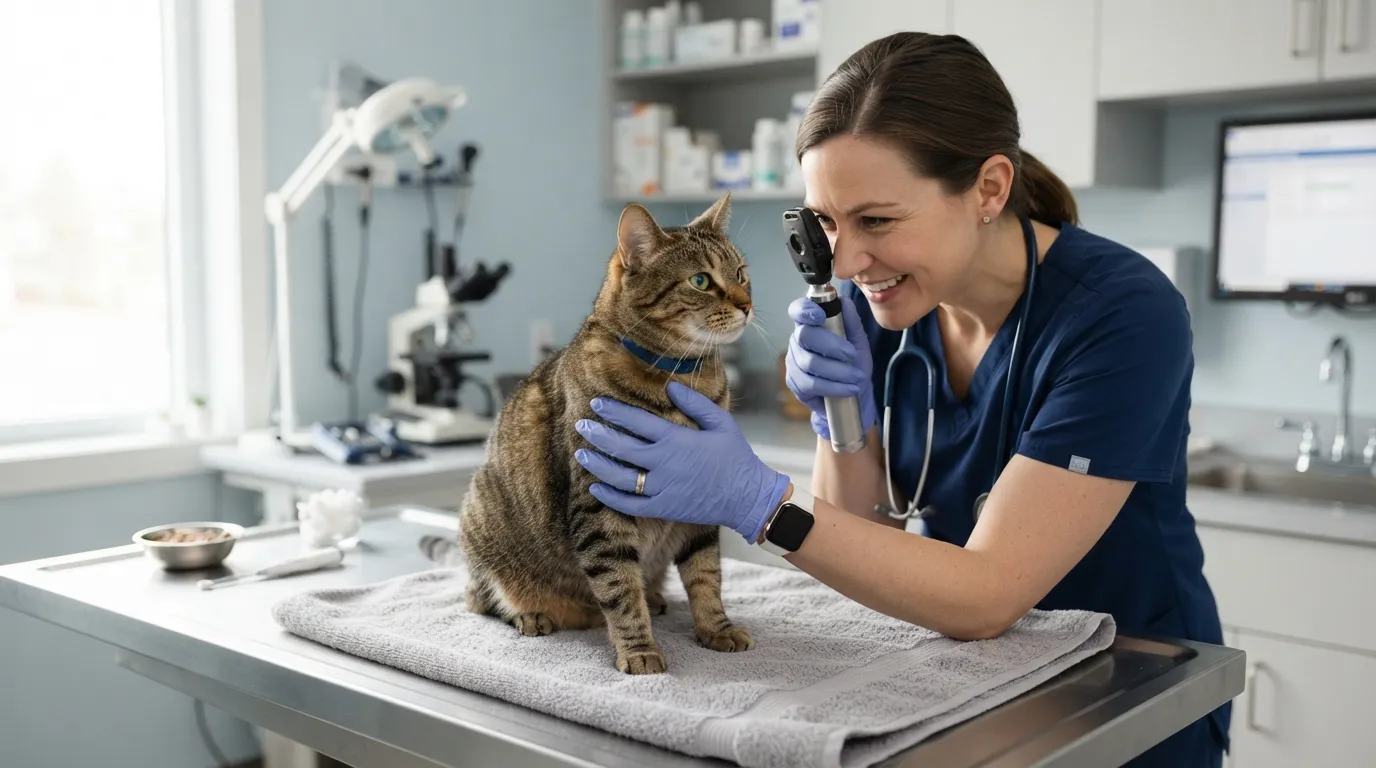
This one costs real lives. The assumption is simple: if nothing gets in, nothing can go wrong. Vets see the results of that logic constantly.
Indoor cats can still develop kidney disease, hyperthyroidism, dental disease, arthritis, and cancer. None of those require ever setting a paw outside.
- Dental disease is one of the most underdiagnosed conditions in indoor cats.
- Early detection, not lifestyle, is usually what saves them.
Skipping annual checkups based on indoor status is one of the costliest myths on this list. And #12 reveals the claim owners repeat most confidently of all.
#12 – “Indoor Cats Are Low-Maintenance Pets”
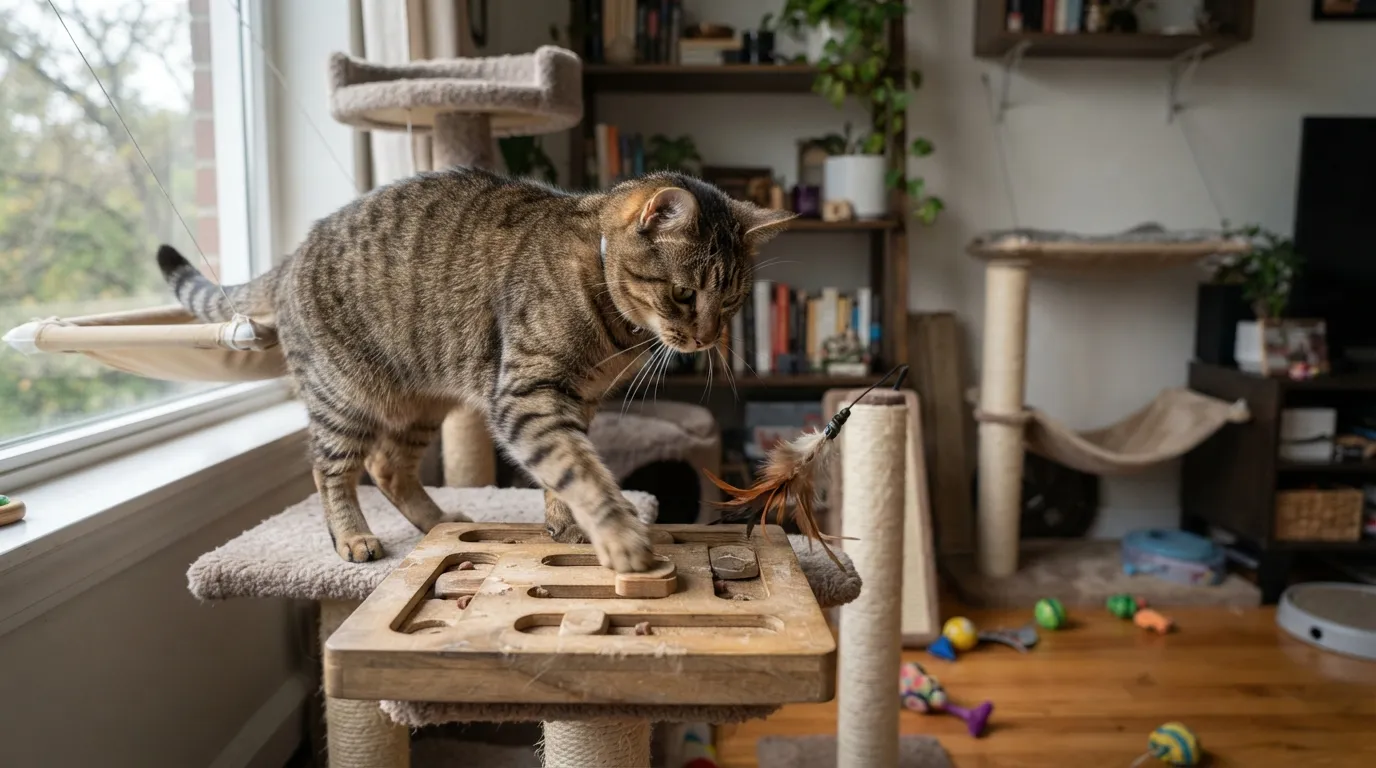
Cats have a reputation as the effortless alternative to dogs. Leave food, give a pat, done. That framing has caused real damage.
Cats housed exclusively indoors need serious enrichment to stay happy and healthy, and without it, behavioral problems follow fast. Many so-called “difficult” cats are simply bored, stressed, or under-stimulated.
- A bored cat is communicating something important, not acting out.
- Enrichment isn’t optional. It’s basic care.
The “easy pet” marketing pitch was never grounded in feline biology. Wait until you see what #11 says about how active cats actually need to be.
#11 – “Indoor Cats Don’t Need Much Exercise”
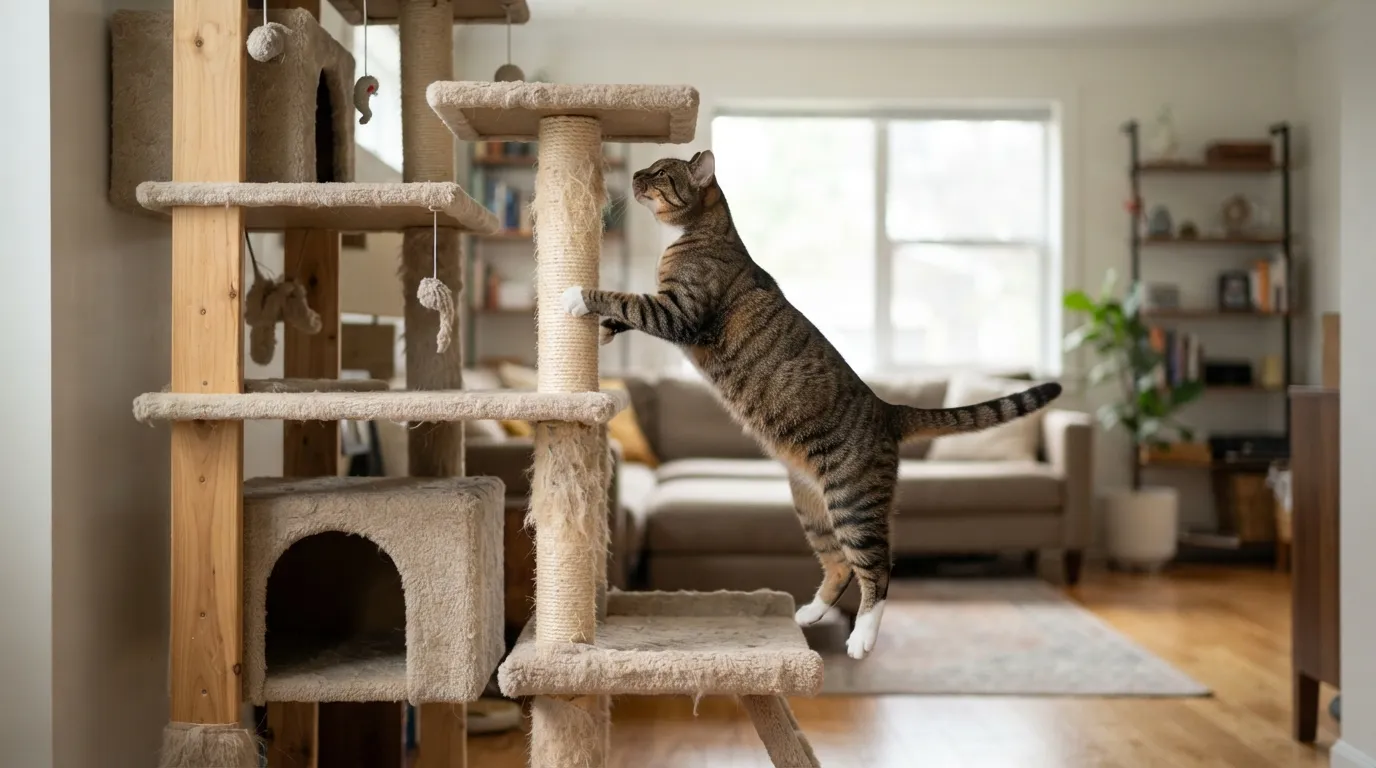
Cats sleep most of the day, so owners assume physical activity is optional. Vets disagree, strongly.
Cats are natural predators built for bursts of intense activity, and domestic indoor cats retain every one of those instincts. Most healthy adults need at least an hour of vigorous play daily, broken into short sessions.
- Indoor cats need vertical space, not just floor space.
- Lack of movement is a direct path to obesity and joint decline.
Fast Facts
- Short, repeated bursts of play mimic real hunting behavior better than one long session.
- Cat trees, window perches, and shelving all count as genuine exercise territory.
- An under-exercised indoor cat burns noticeably fewer calories than one with regular outdoor access, which is exactly why weight creeps up quietly.
An hour of daily play surprises most owners. But #10 might surprise you even more, because it’s about what’s silently happening inside your cat’s head.
#10 – “Indoor Cats Can’t Get Depressed or Truly Bored”
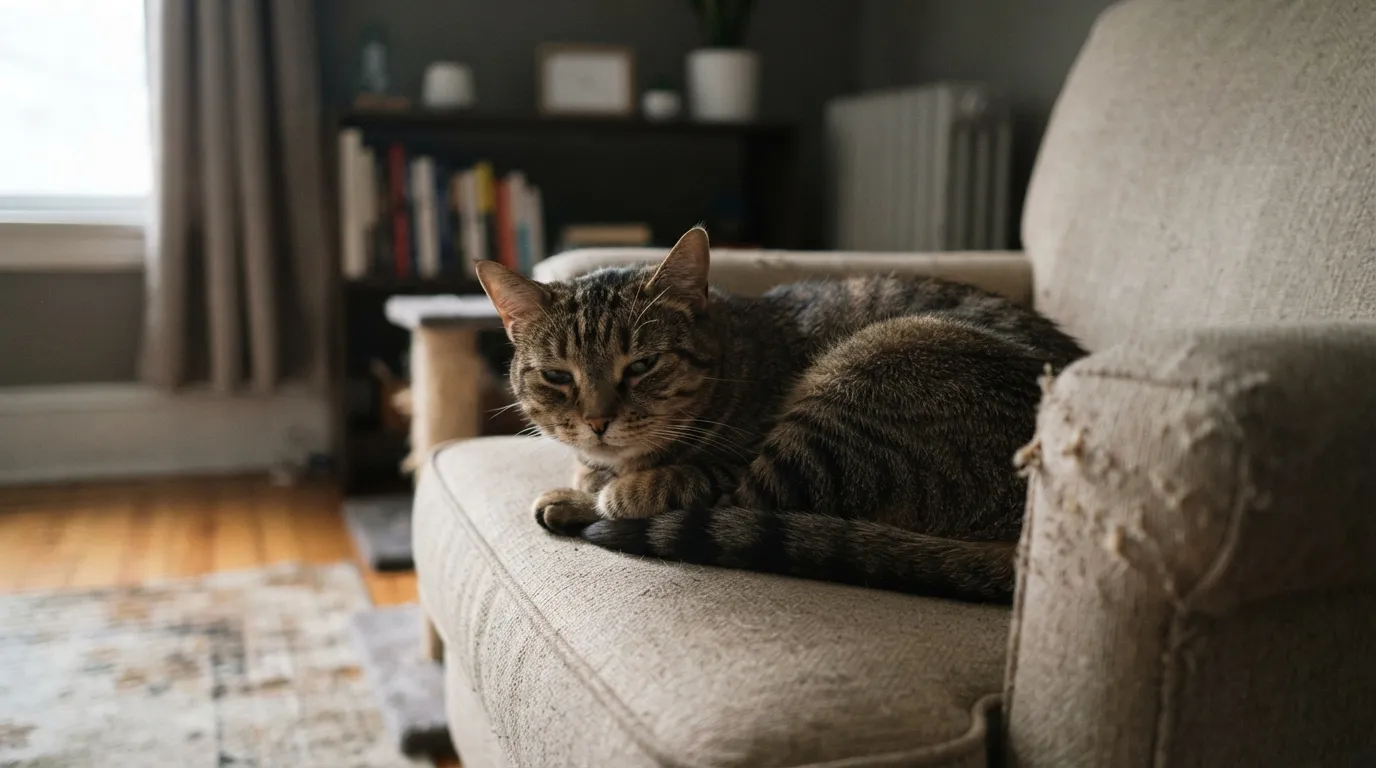
This claim gets dismissed as pure anthropomorphism. Behaviorists say ignoring it is a mistake.
When cats don’t get enough enrichment, boredom sets in, and boredom carries real consequences. A “safe” but understimulating environment can still lead to obesity, stress behaviors, and chronic distress.
- Signs include excessive sleeping, overgrooming, and furniture destruction.
- These are often mistaken for laziness or personality. They’re distress signals.
The idea that indoor life automatically equals contentment was always projection, not science. And #9 shows how that misread has a direct physical cost.
#9 – “Obesity in Indoor Cats Is Just About Food”
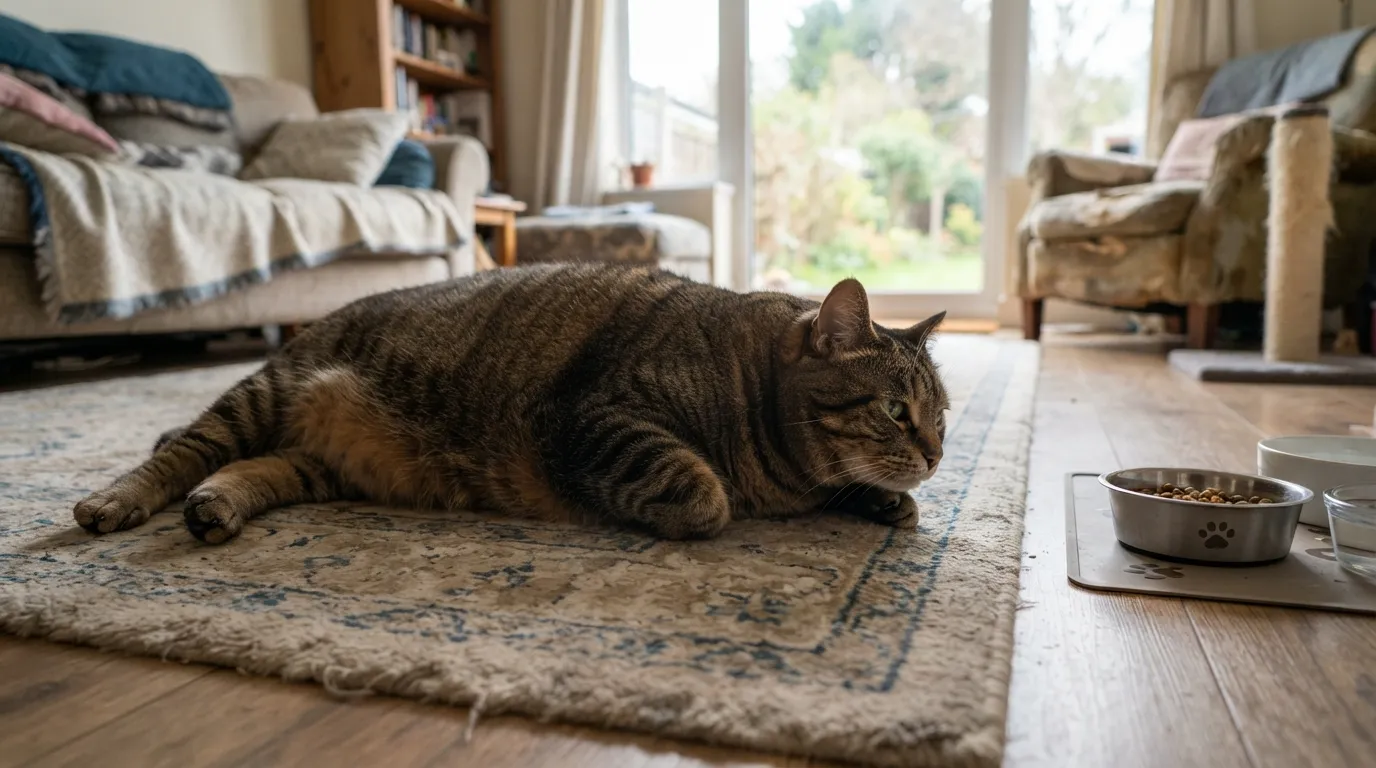
Most owners blame portion size. Vets say the picture is far messier, and fixing only the food bowl misses half the problem.
Indoor cats tend to be heavier than outdoor cats simply because they get less exercise, fresh air, and mental stimulation. Some cats follow their owners around out of boredom, and owners mistake that clinginess for hunger.
- Enrichment reduces boredom-driven eating as effectively as diet restrictions.
- Under-stimulation and overfeeding usually arrive together.
Treating obesity as a purely nutritional problem keeps owners on a treadmill. Now #8 tackles one of the biggest myths quoted in vet waiting rooms everywhere.
#8 – “Indoor Cats Definitely Live Twice as Long as Outdoor Cats”
You’ve seen the stat: indoor cats live 15 to 20 years, outdoor cats live 2 to 5. It sounds definitive. It’s shakier than advertised.
The gap is broadly real, but it’s often overstated, because those numbers rarely account for cats who get supervised outdoor time while still receiving full care. It’s an all-or-nothing comparison applied to a situation that isn’t all-or-nothing.
- The extreme figures often compare feral outdoor cats to pampered indoor ones, an unfair comparison.
- Care quality, genetics, and vet access matter as much as environment.
That headline number drove a generation of advice. But #7 reveals what a major university study actually found when researchers dug into the data.
#7 – “Any Outdoor Access Automatically Shortens a Cat’s Life”
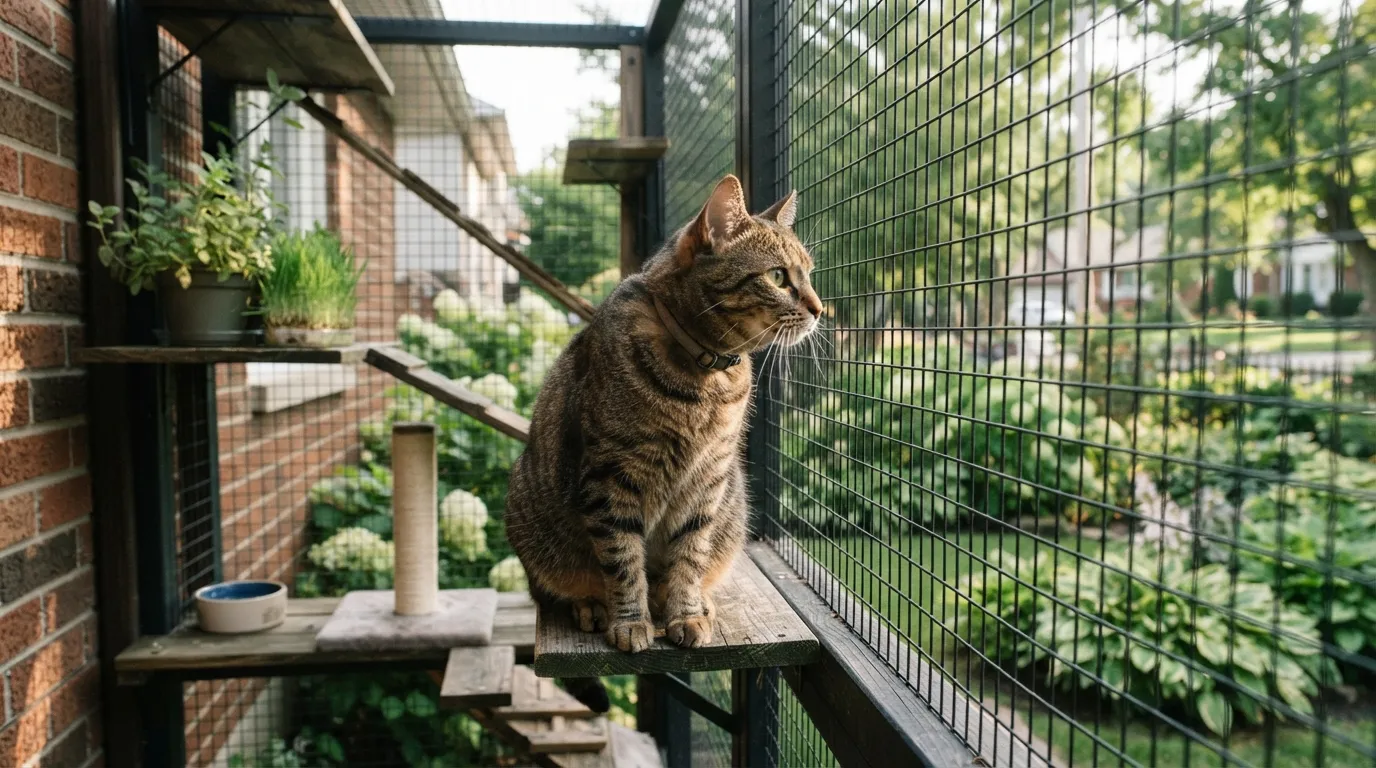
This was promoted as settled science. A large-scale study says it’s far more complicated.
A UC Davis study found that indoor/outdoor cats did not have a significantly shorter lifespan than indoor-only cats. Outdoor-only cats did, and that distinction gets collapsed constantly in popular advice.
- The key variable is managed versus unmanaged outdoor access, not outdoor access itself.
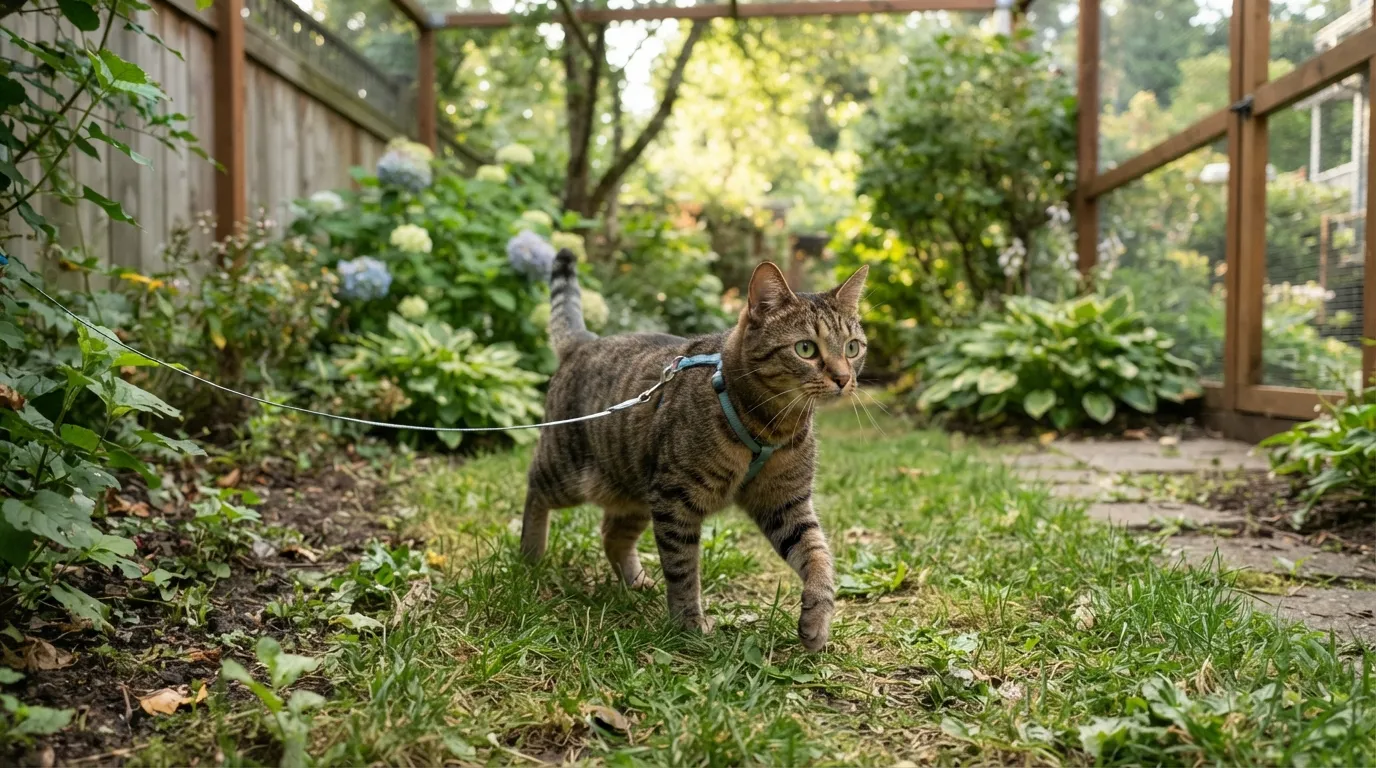
- Controlled outings, catios, and harness walks change the risk equation entirely.
Worth Knowing
- The research tracked more than 3,100 cats using decades of veterinary medical records.
- Indoor/outdoor cats showed no significant lifespan gap compared to strictly indoor cats, while outdoor-only cats did.
- Feline infectious peritonitis alone accounted for roughly 1 in 20 deaths among the young cats studied.
Blanket bans on any outdoor exposure were overcorrections. #6 tackles the claim owners hear most often at shelters, and it’s one of the least accurate.
#6 – “Indoor Cats Don’t Experience Separation Anxiety”
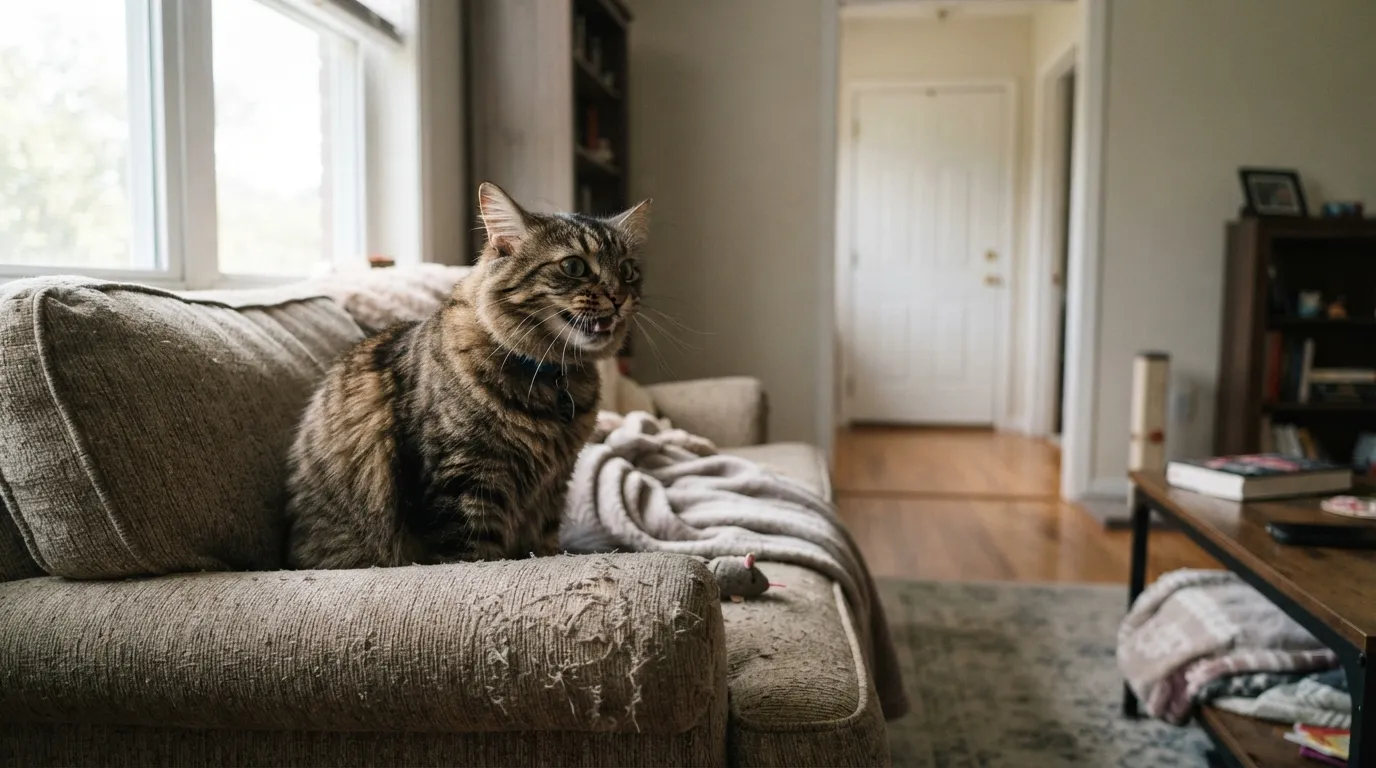
People believe cats are solitary enough that alone time is never a problem. Research says otherwise.
Separation anxiety in indoor cats is well documented, often alongside destructive scratching and inappropriate elimination. Long work absences can trigger chronic stress even in cats that seem fiercely independent.
- Separation anxiety is frequently mistaken for “bad behavior.”
- The self-sufficient loner image is cultural, not biological.
That myth shaped how millions of owners structure their workdays. Now #5 addresses the most repeated claim about indoor cat vaccination schedules.
#5 – “Indoor Cats Need Far Fewer Vaccines”
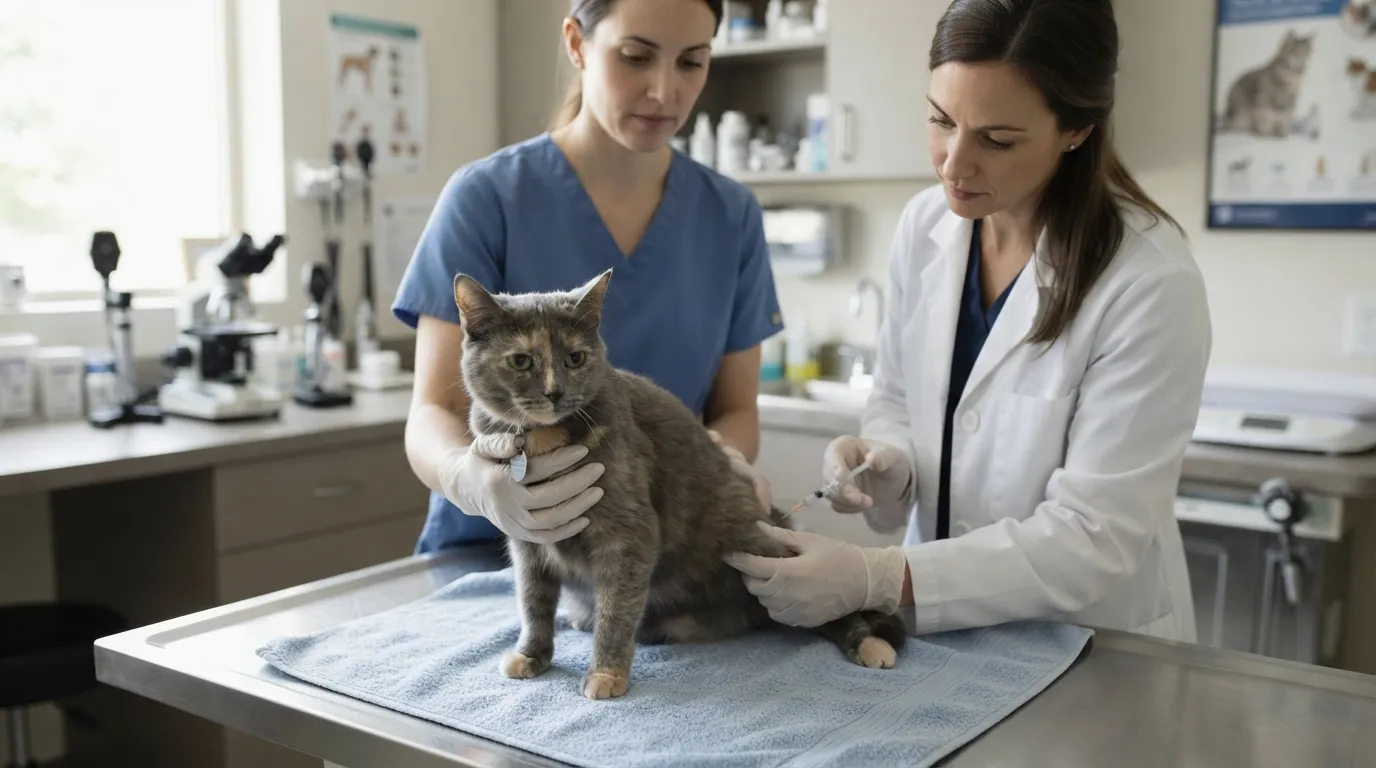
This one has real consequences. It leads owners to skip core vaccines for years, sometimes indefinitely.
Indoor cats need to be vaccinated just as often as cats that go outside, because the routes of exposure are simply less obvious. Boarding, harness walks, catios, and even the vet’s own waiting room all count as exposure events.
- Rabies vaccines are legally required regardless of indoor status in many jurisdictions.
- Vet clinic waiting rooms are themselves exposure events.
Vaccine gaps in indoor cats are far more common than vets would like. And #4 takes on one of the most emotionally loaded claims in this entire debate.
#4 – “Indoor Life Guarantees a Happy Cat”
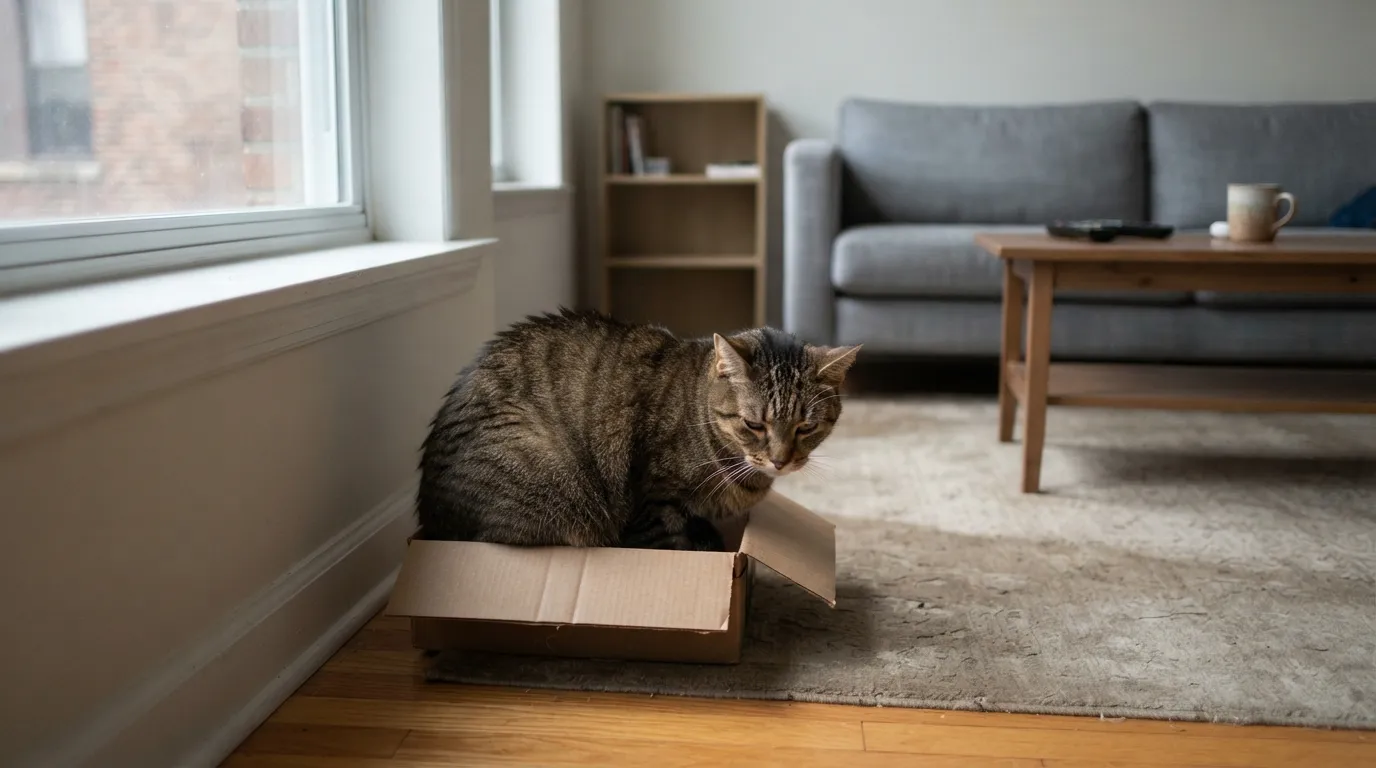
Owners feel virtuous keeping cats inside. The cat, however, doesn’t know it’s supposed to be grateful.
Indoor cats don’t suffer from being indoors. They suffer when indoor environments aren’t enriched enough, and chronic stress can weaken immunity and even trigger painful urinary conditions.
- A safe cat is not automatically a thriving cat.
- What’s happening inside the home matters as much as the danger outside it.
The equation “indoors equals happy” is incomplete at best. Now #3 confronts a claim that shapes how millions of owners feed their cats every single day.
#3 – “You Can Leave Food Out and Let Indoor Cats Self-Regulate”
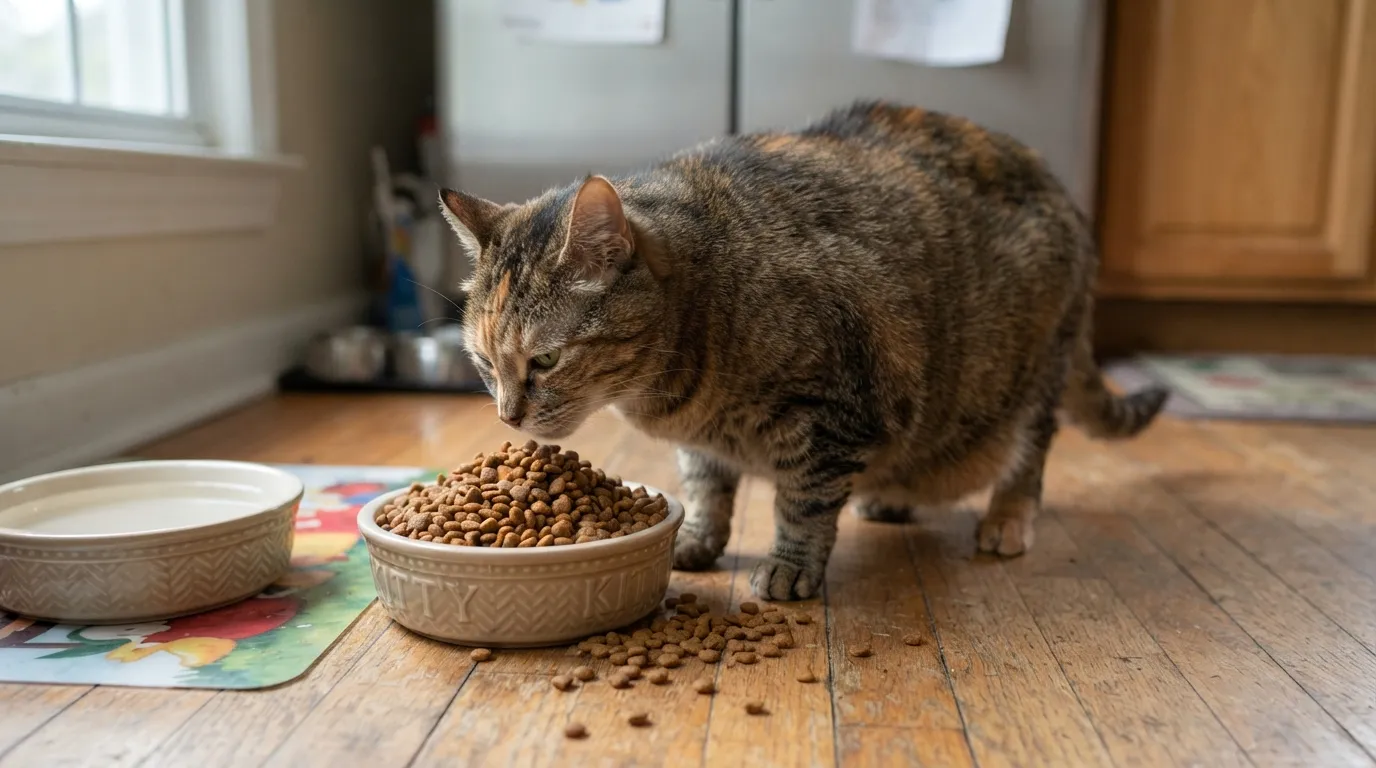
Free-feeding feels natural. For most indoor cats, it’s one of the fastest routes to chronic disease.
Cats will eat out of boredom, and most cat food runs upward of 400 calories per cup while the average cat only needs around 350 calories a day. Free-feeding in a low-stimulation environment is a perfect storm for weight gain.
- The “let them decide” approach assumes outdoor-level activity that simply isn’t there.
- Measured, timed meals are now the standard recommendation for most indoor cats.
Quick Compare
- A typical 10-pound cat needs roughly 200 to 250 calories a day, about 25 to 30 calories per pound.
- Many dry foods pack 300 to 500 calories per cup, so a “full bowl” can quietly double a cat’s actual needs.
- Indoor, low-activity cats generally need noticeably fewer calories than active outdoor cats, which is why free-feeding backfires fastest indoors.
Self-regulation works when a cat hunts for every calorie. In an apartment, it never does. Slide #2 challenges a claim that even many vets once repeated as established fact.
#2 – “Indoor Cats Don’t Need Behavioral Outlets – They Adapt”
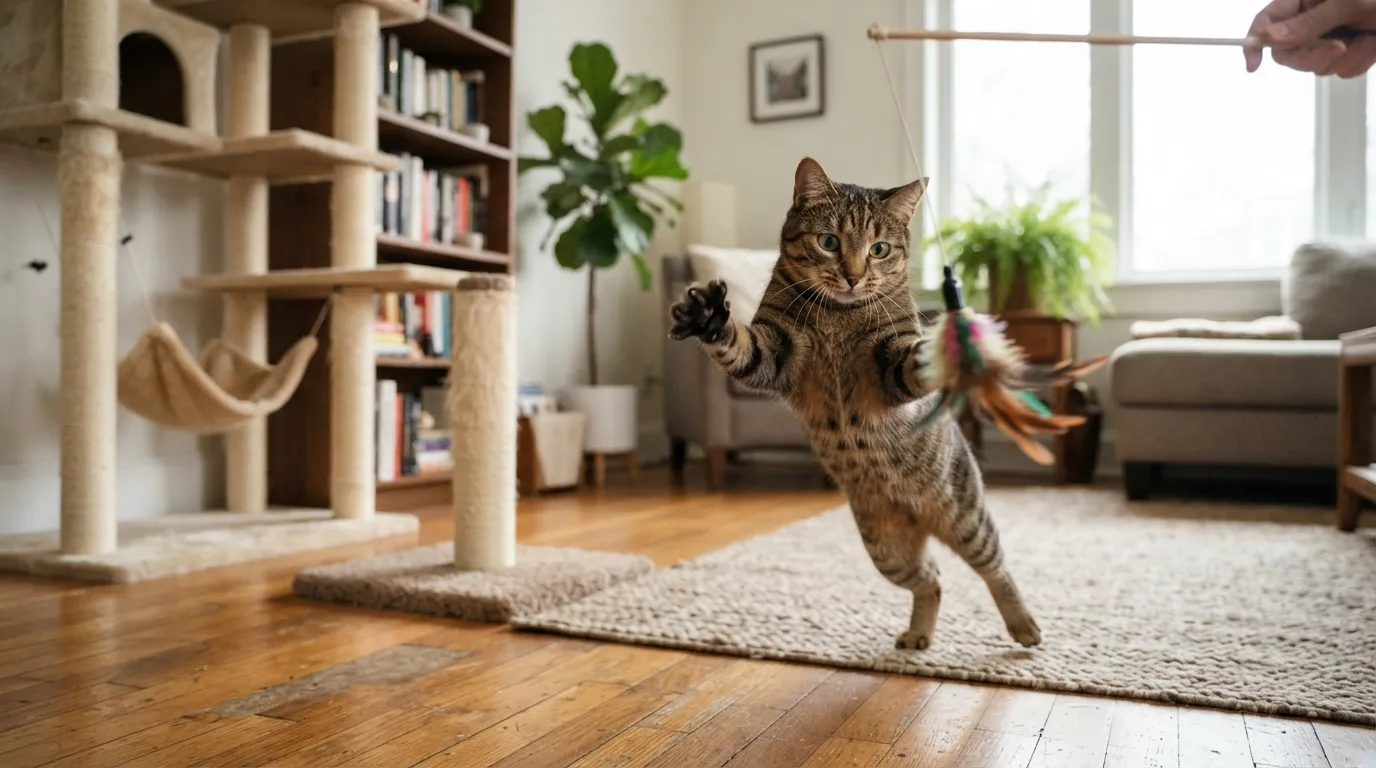
The idea that domestic cats evolve past their hunting drive in a few generations is widespread. It’s also false.
Cats remain natural explorers, driven to hunt, climb, and investigate, and those instincts don’t simply switch off indoors. Suppress them without an outlet, and boredom curdles into stress, illness, and behavior that gets blamed on the cat instead of the environment.
- Scratching, pouncing, and stalking aren’t nuisances. They’re biological necessities.
- Suppressing them without an outlet creates anxious, unhealthy animals.
Adaptation was the wrong word. Suppression was what was actually happening. And #1 is the claim that started it all, the one repeated most loudly, sourced least carefully, and believed most completely.
#1 – “The Outdoor Cat Lifespan of ‘2-5 Years’ Is Rock-Solid Science”
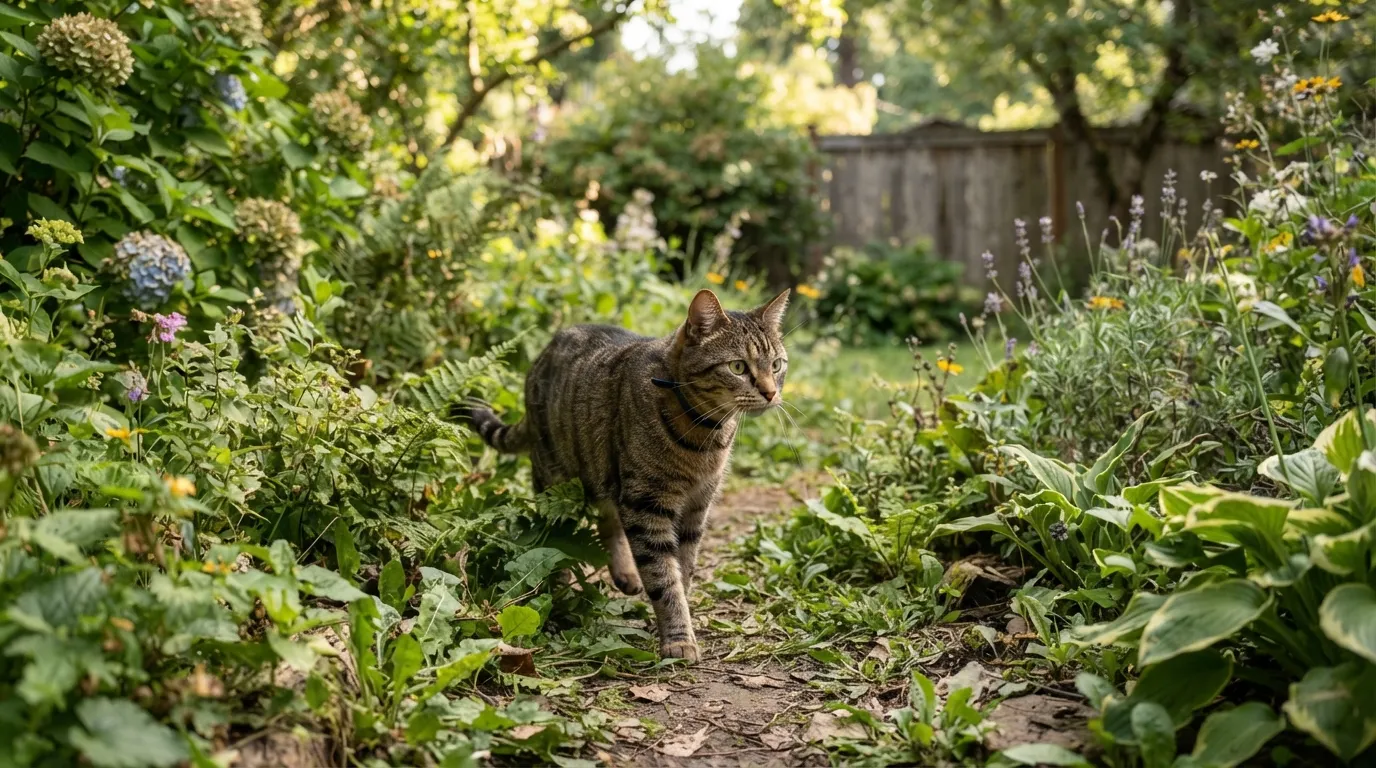
This statistic is everywhere: shelter walls, vet leaflets, rescue websites. Experts increasingly say it has almost no rigorous backing.
The “outdoor cats live 2-5 years, indoor cats live 15-20” claim circulates constantly with no cited source. It typically compares feral, unvaccinated strays to well-cared-for indoor pets, which are not equivalent populations.
- The “2-5 years” figure almost certainly underestimates well-cared-for outdoor cats.
- It became a persuasion tool, not a precise scientific measurement.
The stat did its job. It scared people indoors. But it was never as clean as the posters made it look.
The Bottom Line
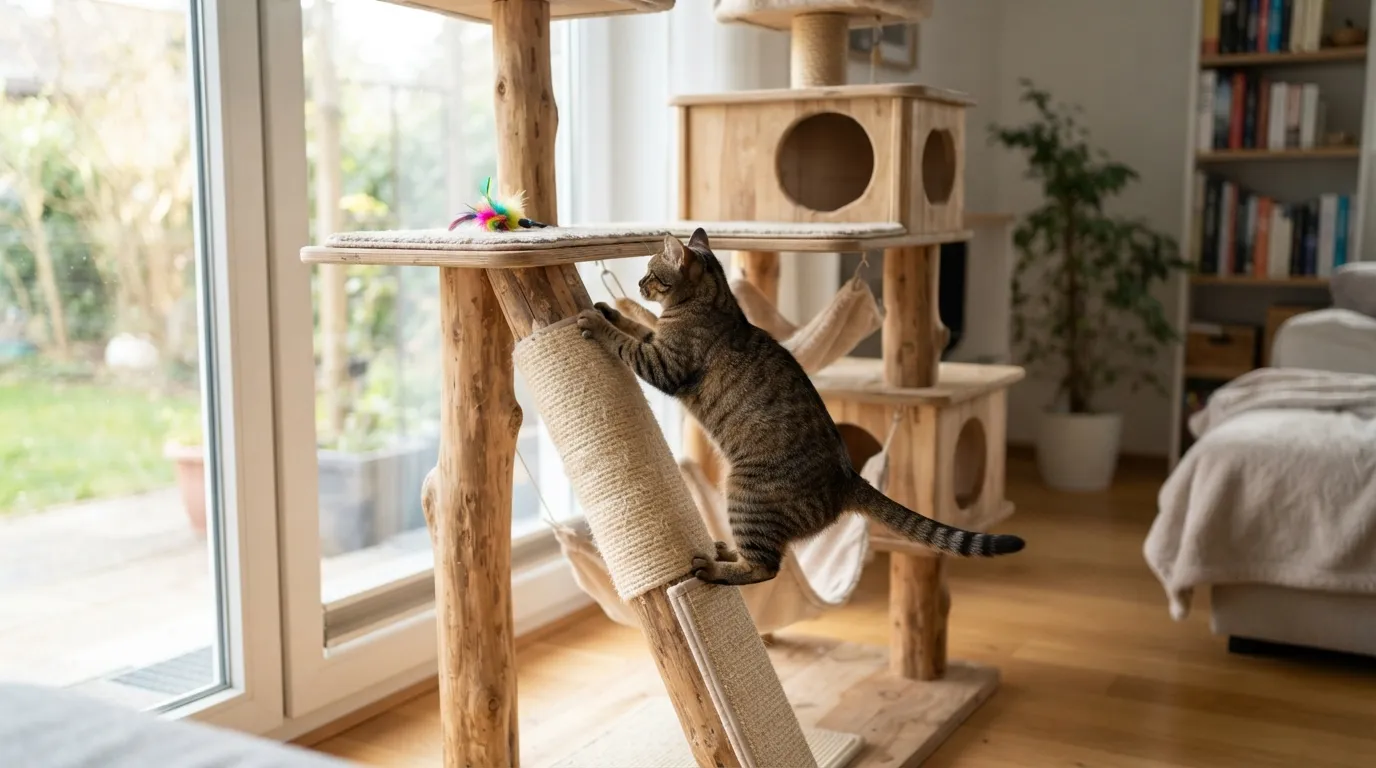
Indoor cats do get real benefits: fewer acute injuries, less disease exposure, more consistent care. But the lifestyle was oversold, and good welfare was never just the absence of harm.
It’s also the presence of movement, stimulation, and choice. The parasite-free myth, the no-vaccine myth, the self-regulating feeder myth, and the “2-5 year” outdoor stat all shaped real decisions based on exaggeration instead of evidence.
Your cat doesn’t need the convenient story. It needs the real one, enrichment, checkups, and honest math on calories included.
Growing up traveling and experiencing new cultures and wonders, I have had a passion for nature, adventuring, photography, and videography. I am currently working towards a BSc in Biodiversity and Ecology at Stellenbosch University, and I hope to specialise in Marine Sciences one day.
Please send any feedback to Feedback@animalsaroundtheglobe.com