13 Quiet Ways Your Indoor Cat Proves You Are Its Whole World
Most people assume their cat barely tolerates them. New research says the opposite is happening right under their nose, every single day.
Scientists have found that cats form the same kind of secure attachment to their owners that human infants form with parents. The catch is that cats never announce it out loud - they just leave clues everywhere, and most owners walk right past them.
#13. It Sits Just Close Enough to Matter
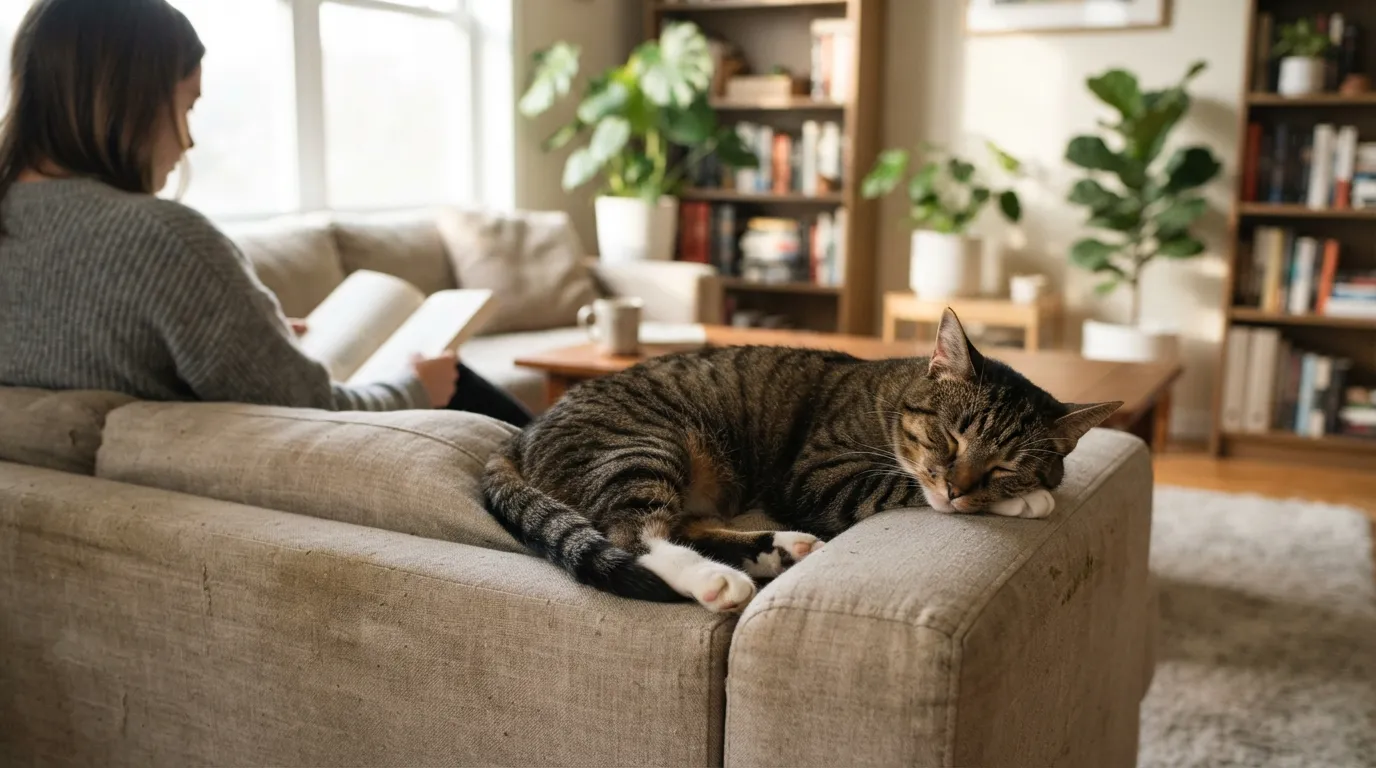
Your cat doesn't need to be touching you to be telling you everything.
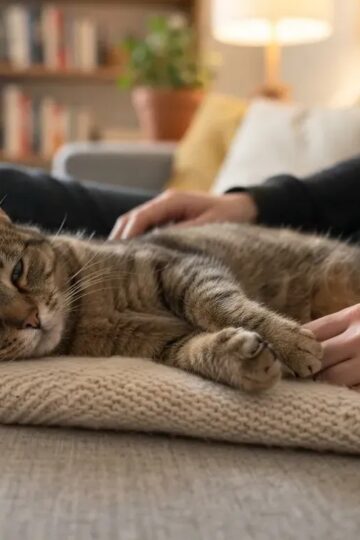
A cat that naps three feet away on the couch is choosing that exact distance on purpose. It's a quiet signal that it feels safe enough to fully let its guard down near you.
Following you from room to room is an even bigger tell. Cats are far more selective than dogs about who they shadow, so a cat that trails you everywhere is making a deliberate statement.
The gap between you isn't a limitation - it's a preference. That exact distance feels like safety, and you're the reason why.
But that's nothing compared to what's happening in #12.
#12. It Slow-Blinks at You on Purpose
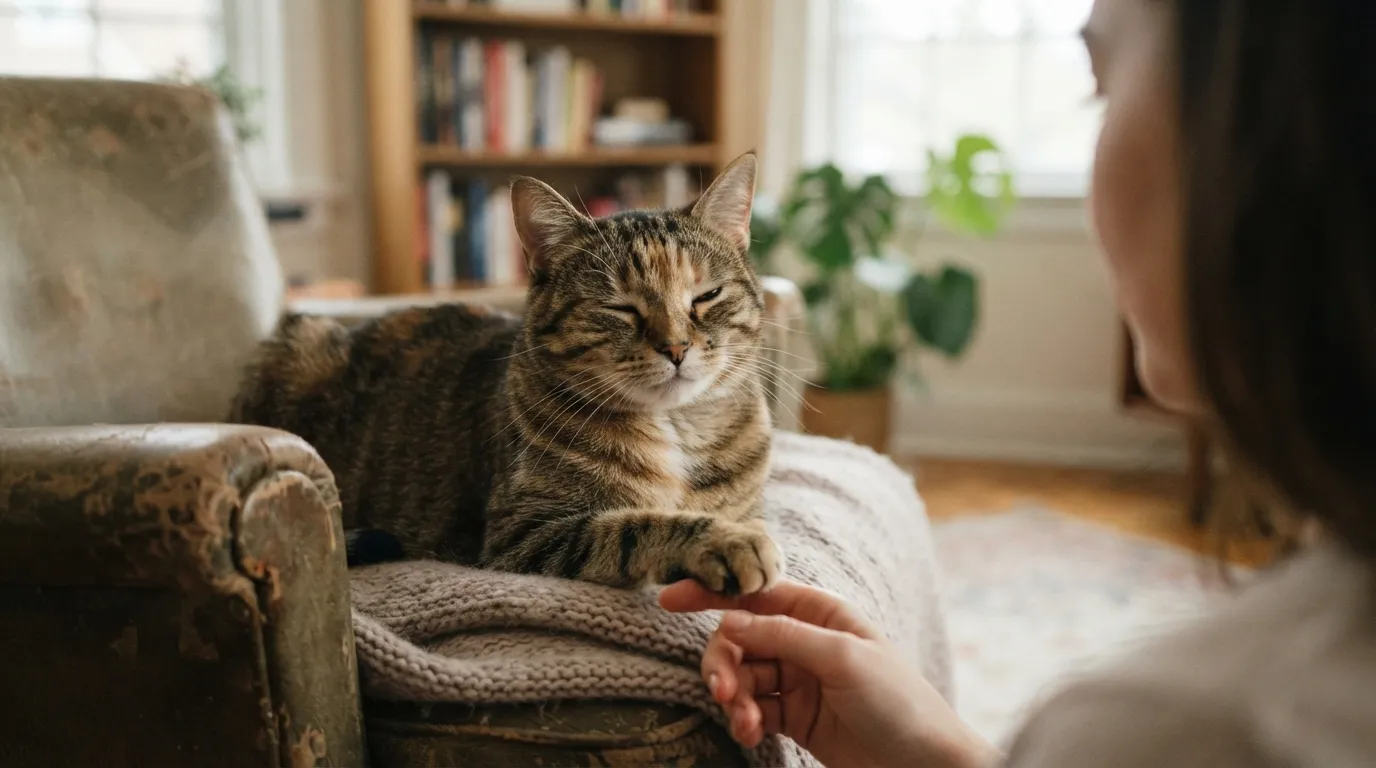
It looks like a sleepy accident. It's actually a message.
Researchers at the University of Sussex and the University of Portsmouth confirmed it in a study published in Scientific Reports on cat eye-narrowing movements. A slow blink moves at a noticeably different speed than a normal, reflexive one.
That difference matters because it proves the gesture is intentional, not automatic. Scientists have compared it to a small, feline version of a smile.
Fast Facts
- The study was run by psychologists at the University of Sussex and University of Portsmouth.
- The first experiment included 21 cats from 14 different households.
- The findings were published in the journal Scientific Reports.
- Cats in the study were more willing to approach a person who slow-blinked than one who kept a neutral face.
When your cat holds your gaze and lets its eyes drift shut slowly, it is choosing to be vulnerable in front of you. Few animals will do that willingly.
But that's nothing compared to what's coming in #11.
#11. It Kneads You Like You're Home
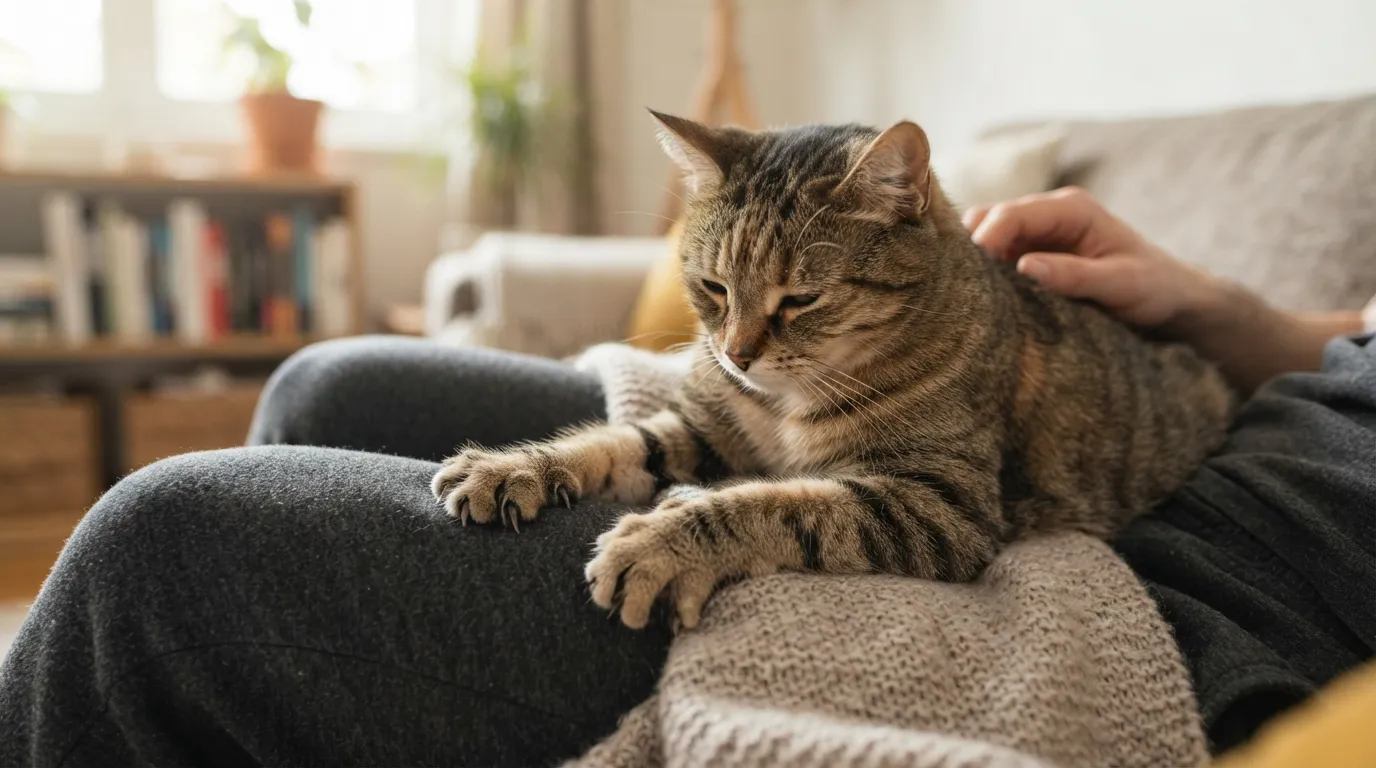
That rhythmic paw-press on your lap has a name: making biscuits. It goes back further than most owners realize.
Kittens knead their mother's belly to stimulate milk flow, and the motion often survives straight into adulthood. When it does, it's tied to comfort and security, not hunger.
A kneading cat is in a measurably relaxed neurological state, linked to a rise in oxytocin. It isn't a stray habit - it's a physiological signature of trust.
When your cat kneads you, it's treating you exactly the way it once treated its mother. There isn't a higher compliment in the feline world.
But that's nothing compared to what's waiting in #10.
#10. It Greets You With Its Tail Straight Up
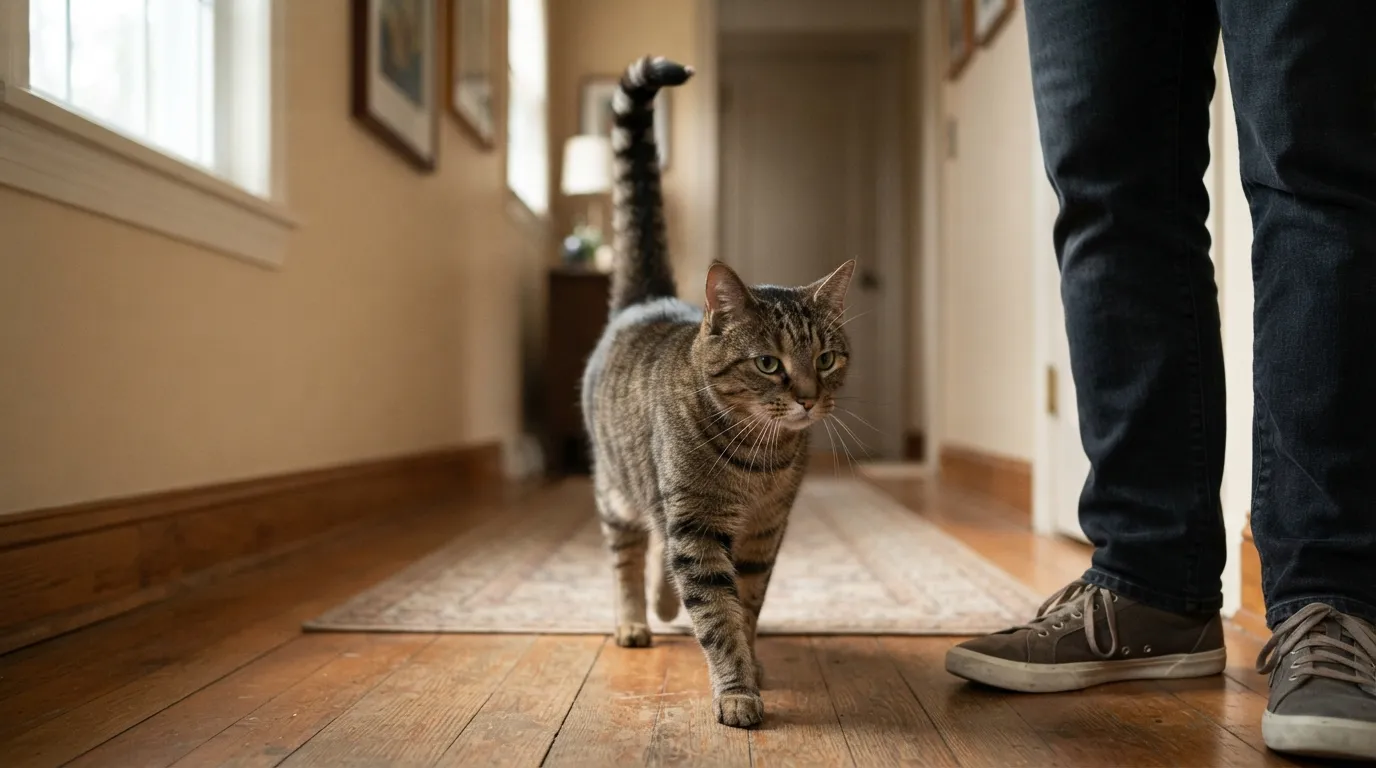
Most owners glance at the raised tail and think nothing of it. That's a mistake.
A cat walking toward you with its tail held straight up, tip curling or trembling slightly, is using the exact greeting it saves for cats it already trusts deeply. You're being welcomed the way a close companion would be.
Only domesticated cats use this signal, which suggests it evolved specifically for bonding. Wild cats don't do this.
Every time your cat rockets to the door with its tail flagged high, it's performing one of the most deliberate friendship gestures in its vocabulary.
But that's nothing compared to what's next in #9.
#9. It Brings You Gifts, Even Terrible Ones
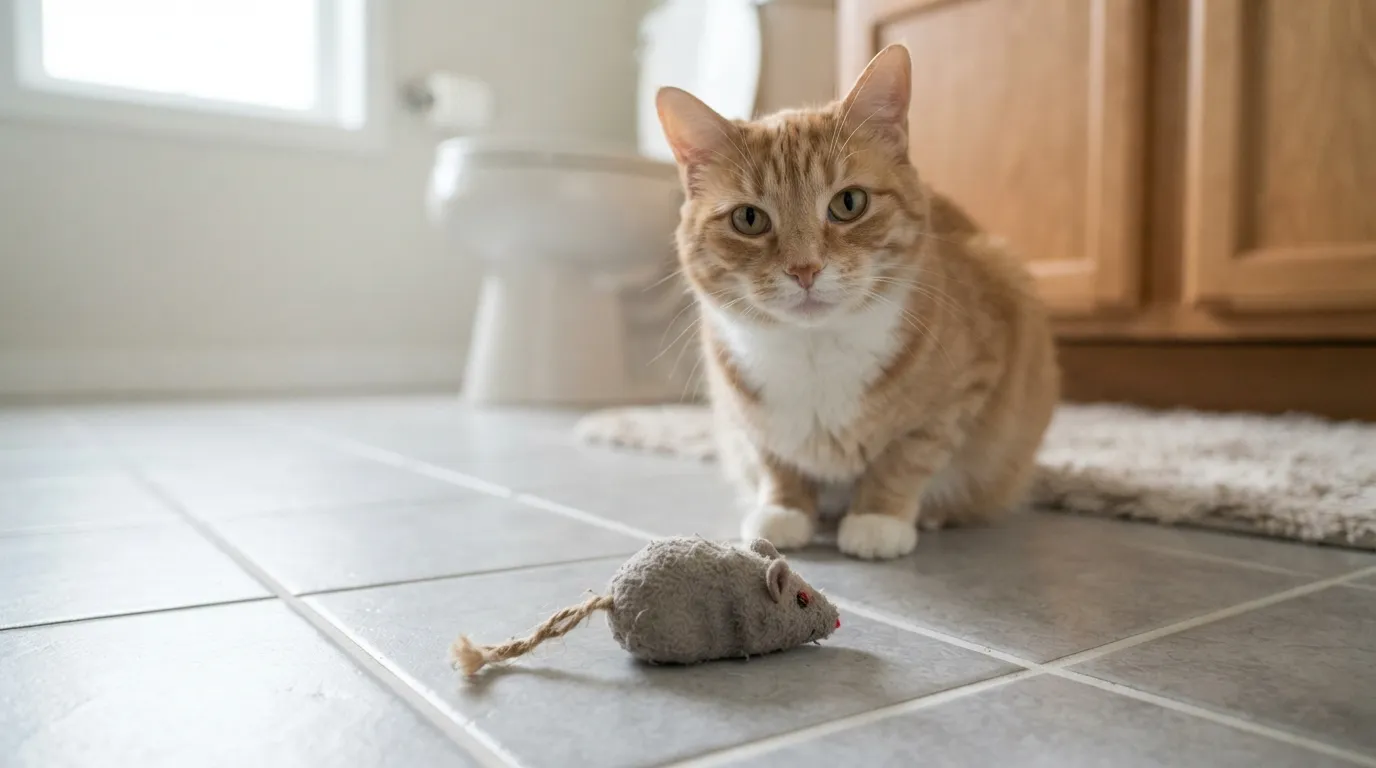
Yes, the dead moth on the bathroom floor is a love letter.
Even strictly indoor cats will sometimes catch an insect and present it to their owner. If nothing is available to hunt, a toy works just as well as a tribute.
In feline social groups, sharing prey is reserved for those who matter most. Your cat is including you in its inner circle, the same way a mother cat provisions her kittens.
The next time a toy mouse lands at your feet while your cat stares expectantly, know it isn't random. It's devotion, delivered in the only language your cat has.
But that's nothing compared to what's ahead in #8.
#8. It Grooms You Like Family
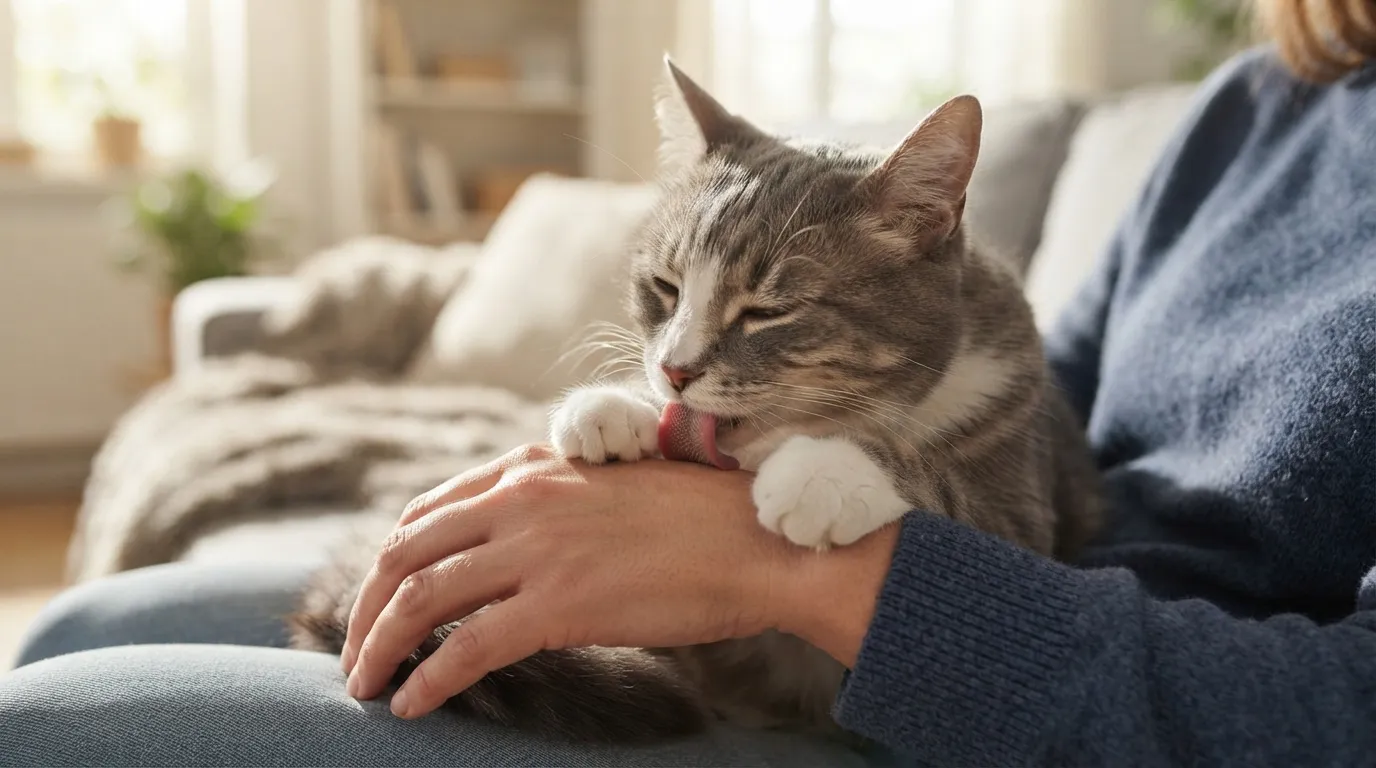
Allogrooming - mutual grooming between cats - is one of the most intimate bonding rituals in the feline world. Your cat is doing it to you.
When your cat licks your hair, hands, or face, it's treating you as part of its social group. That instinct doesn't extend to strangers.
A cat licking or grooming you is a form of affection.
Dr. Maggie Placer, EveryCat Health Foundation
Only cats with genuine social bonds groom one another. A lick from your cat isn't random - it's a deliberate act of inclusion.
But that's nothing compared to what happens in #7.
#7. It Head-Bunts You on Purpose
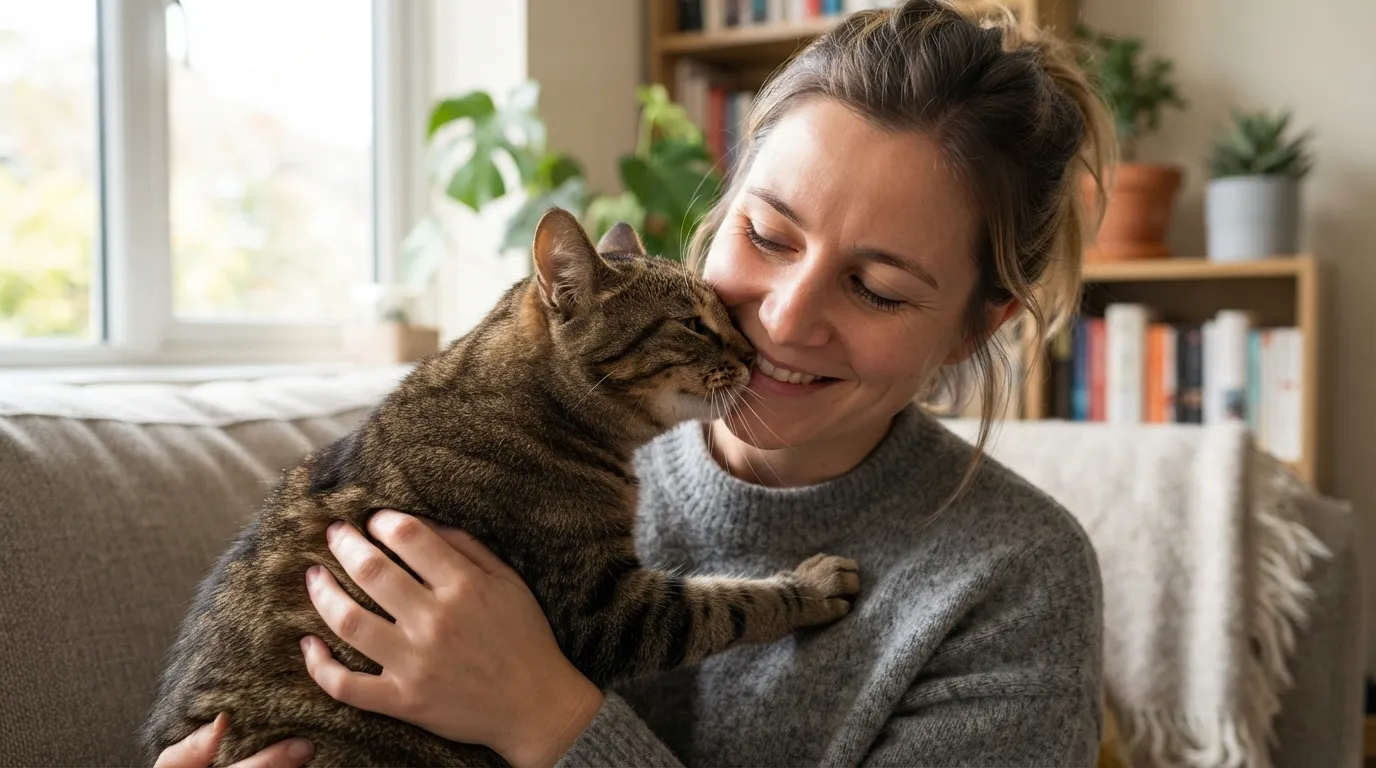
That forceful little headbutt to your chin or cheek is called bunting. It carries more weight than most owners realize.
When a cat rubs its cheeks or forehead against you, it releases pheromones that mark you as safe, familiar territory. It's a behavior learned in kittenhood from a cat's mother and littermates.
It isn't just affection - it's a claim. In chemical terms other cats can read, your cat is saying this person is mine, and I am theirs.
But that's nothing compared to what's coming in #6.
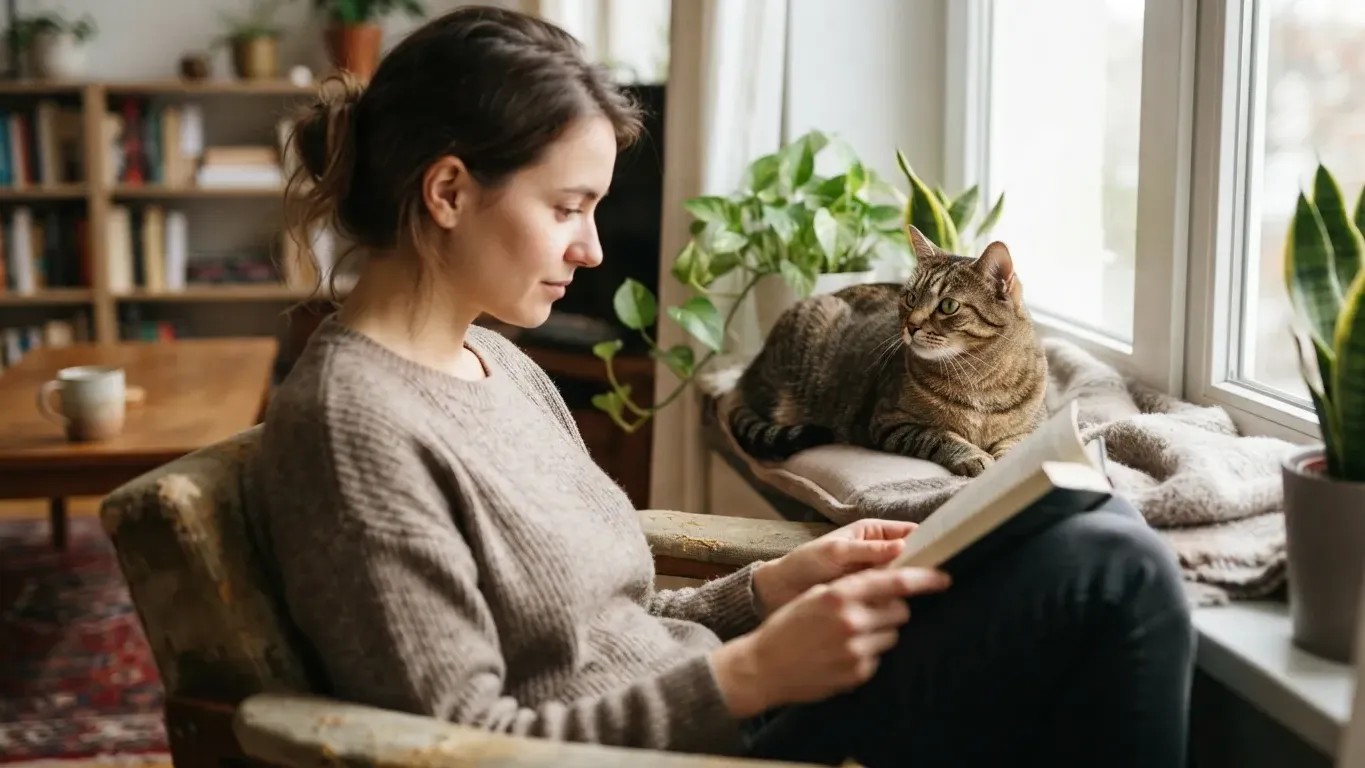
#6. It Tracks You With Its Eyes
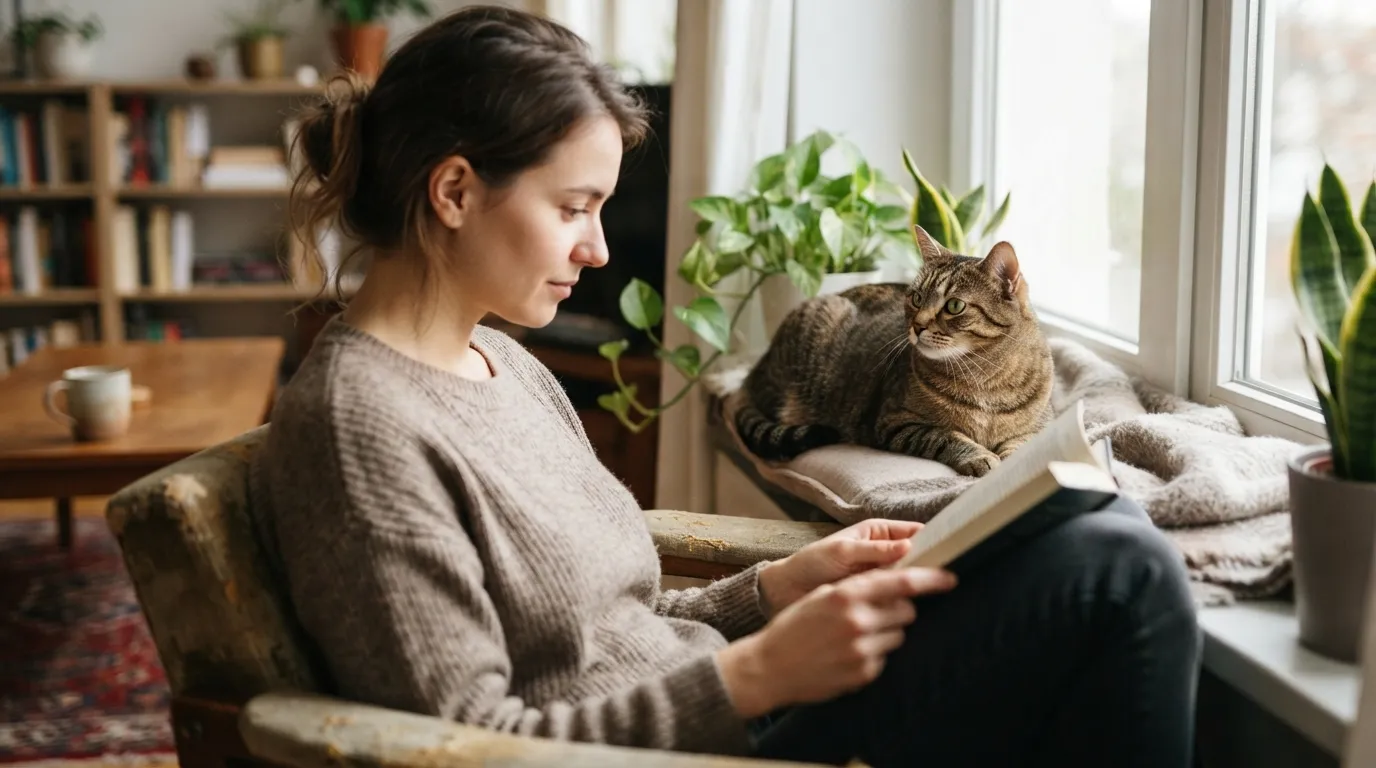
Your cat isn't just watching you. It's monitoring you, and the reason is surprisingly touching.
Cats stare at owners to check in on what researchers call a secure base, updating their sense of safety as they move through the day. Roughly 65% of cats show this kind of secure attachment behavior.
At a Glance
- About 64% of kittens tested showed secure attachment to their owner.
- A similar 66% of adult cats showed that same secure bond.
- Most insecurely attached cats were clingy and anxious, not distant.
- Researchers used the same test originally designed to study attachment in human infants.
That vigilance isn't suspicion. It's your cat treating you as its anchor in an uncertain world.
Most cats that seem obsessive about watching their owners are actually displaying one of the deepest forms of trust in feline behavior.
But that's nothing compared to what's revealed in #5.
#5. It Mirrors Your Mood
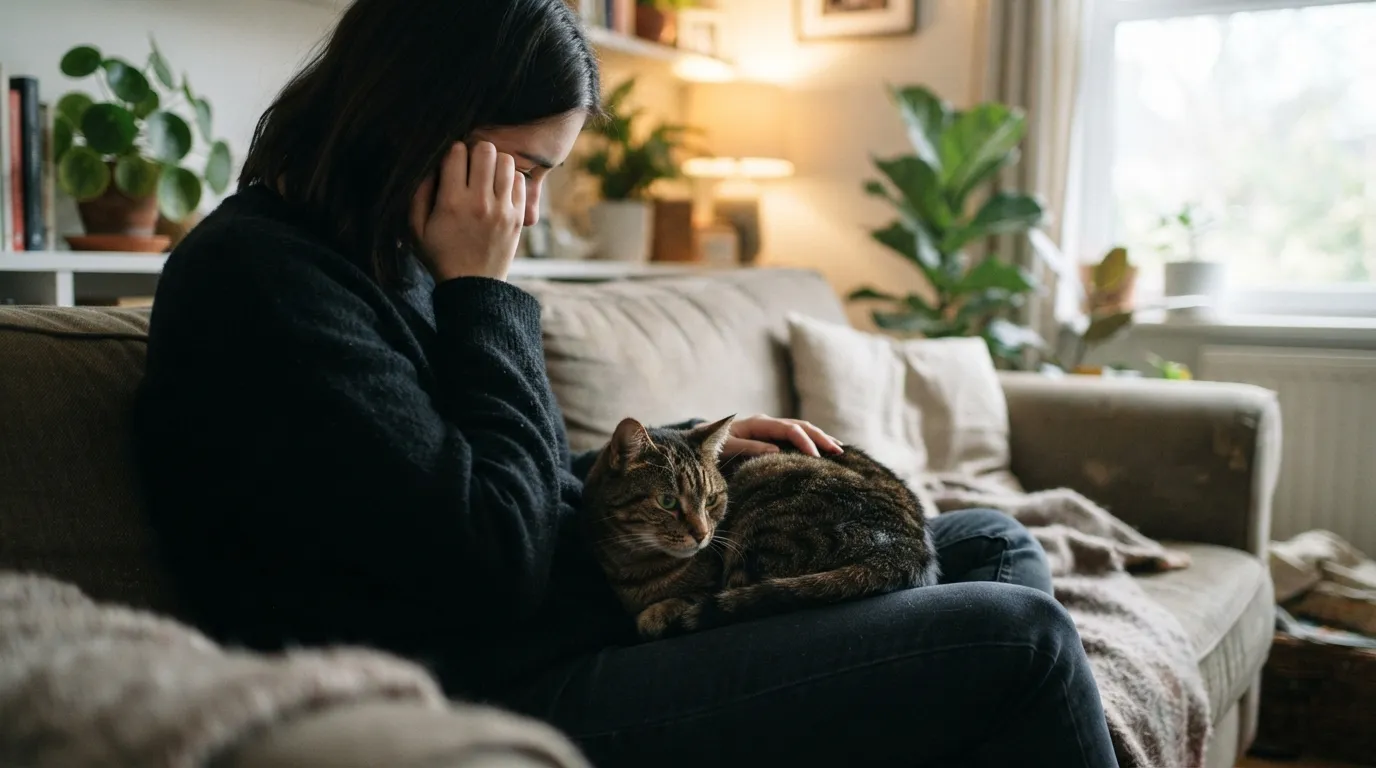
This one surprises most cat owners, and it rarely gets talked about.
Cats pick up on the emotional tone of the humans they live with, often growing quieter or clingier on a hard day. That's not coincidence - it's calibration.
A cat that consistently matches your mood has bonded so closely it has essentially tuned itself to you. That isn't independence. That's intimacy.
The cat sulking in the corner on your worst day isn't being difficult. It's being empathetic, in the only way a cat knows how.
But that's nothing compared to what's ahead in #4.
#4. It Purrs Specifically for You
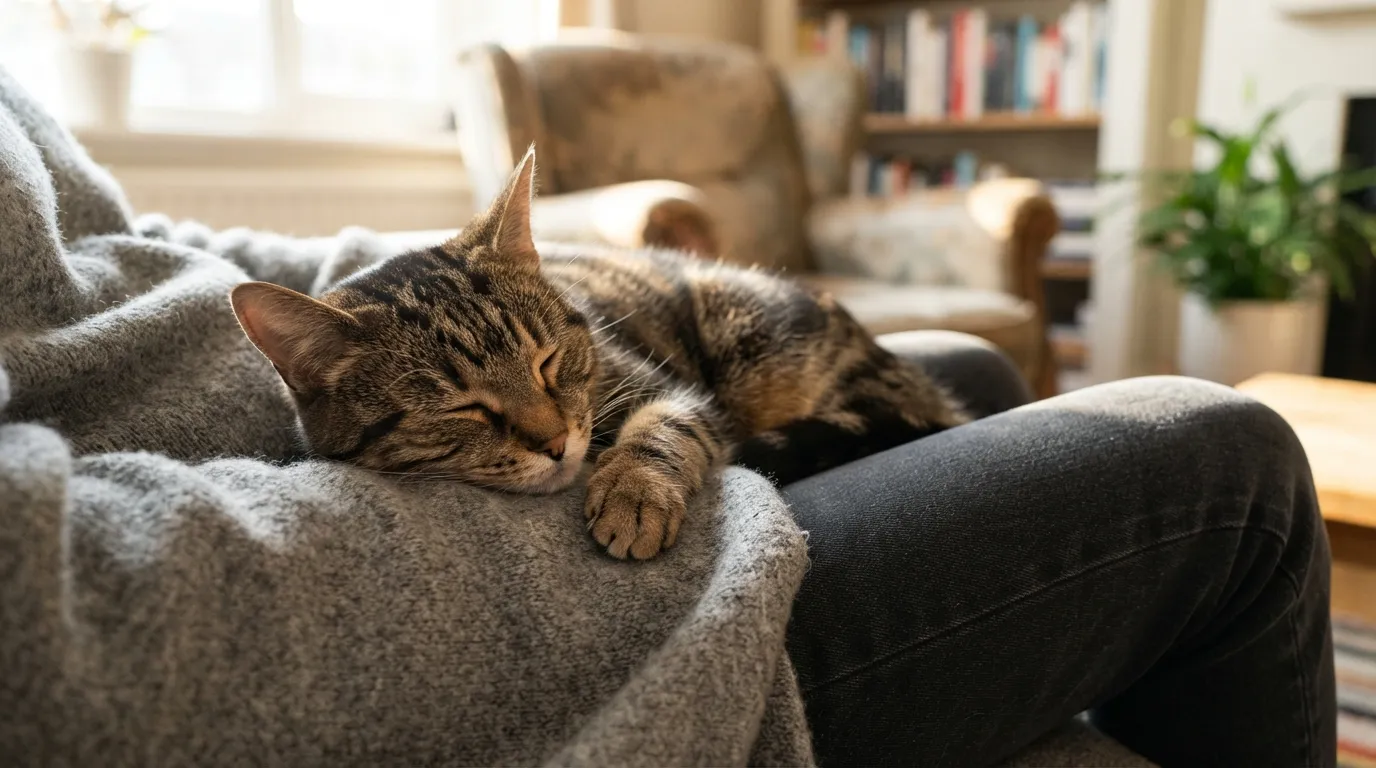
Not all purrs are equal, and the ones your cat saves for home are something else entirely.
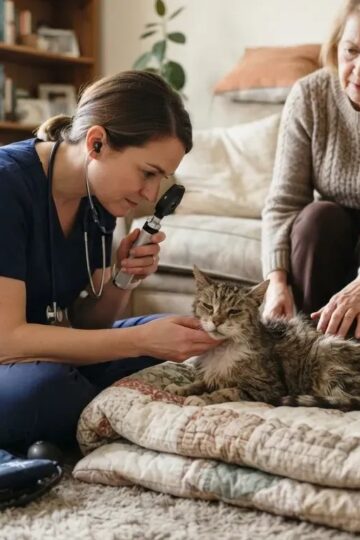
Cats also purr to self-soothe through pain or stress, like during a vet visit. But a purr at home, curled against you, is tied to comfort and genuine contentment.
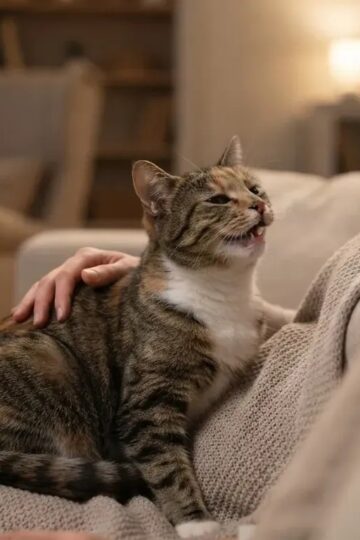
It's not just a sound - it's a vibration of trust, reserved almost exclusively for those a cat feels safest with. You're on a very short list.
But that's nothing compared to what's coming in #3.
#3. It Recognizes Your Voice and Chooses You
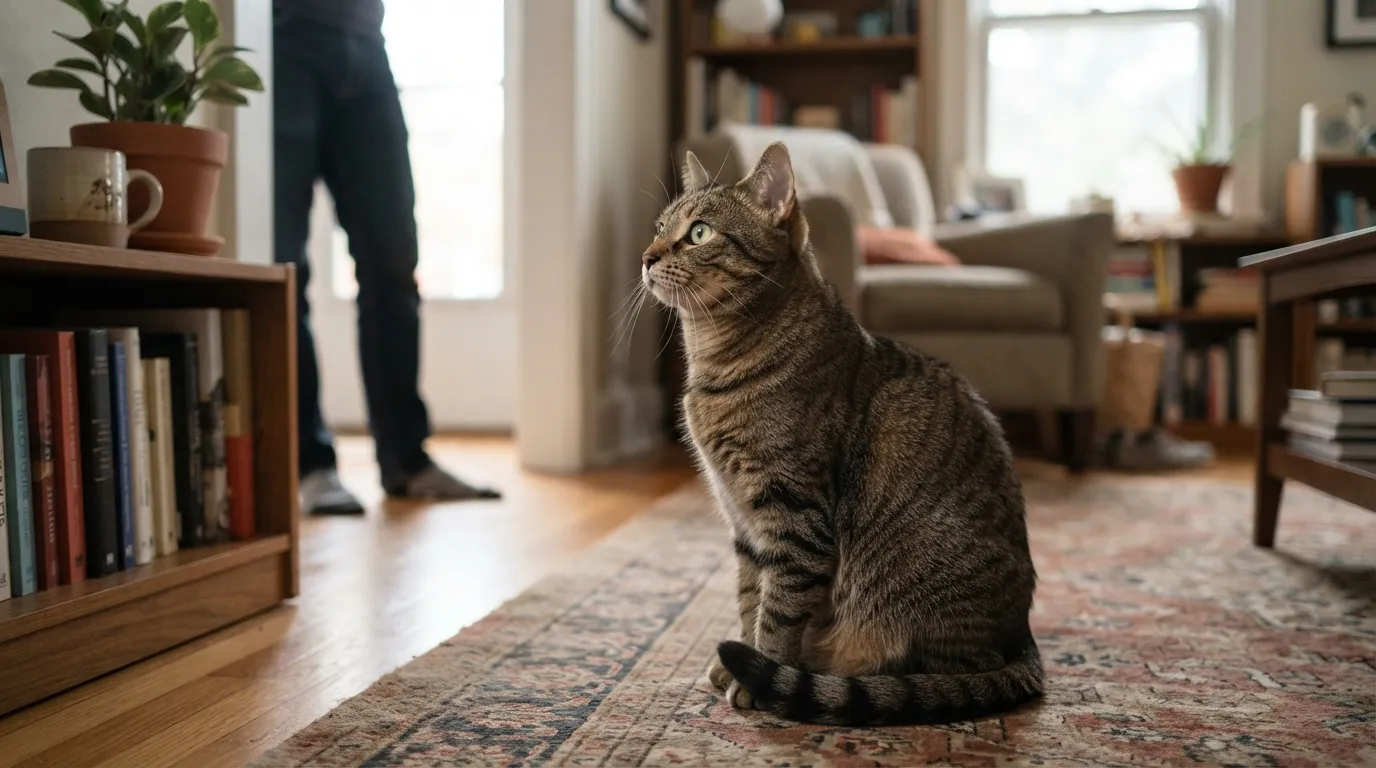
Here's something most people never fully appreciate: your cat knows exactly who you are, down to the sound of your footsteps.
Cats identify their owners through scent, voice, and even the way you move. Studies show they can distinguish your voice from a stranger's and remember familiar people for years.
They also recognize their own names, even when they choose to ignore them. That selective ignoring is the giveaway - they heard you, they know it's you, and they're deciding whether to bother.
Research has even shown cats will choose their owner over food. Let that sink in.
But that's nothing compared to what's in #2.
#2. It Uses You as Its Safe Haven Under Stress
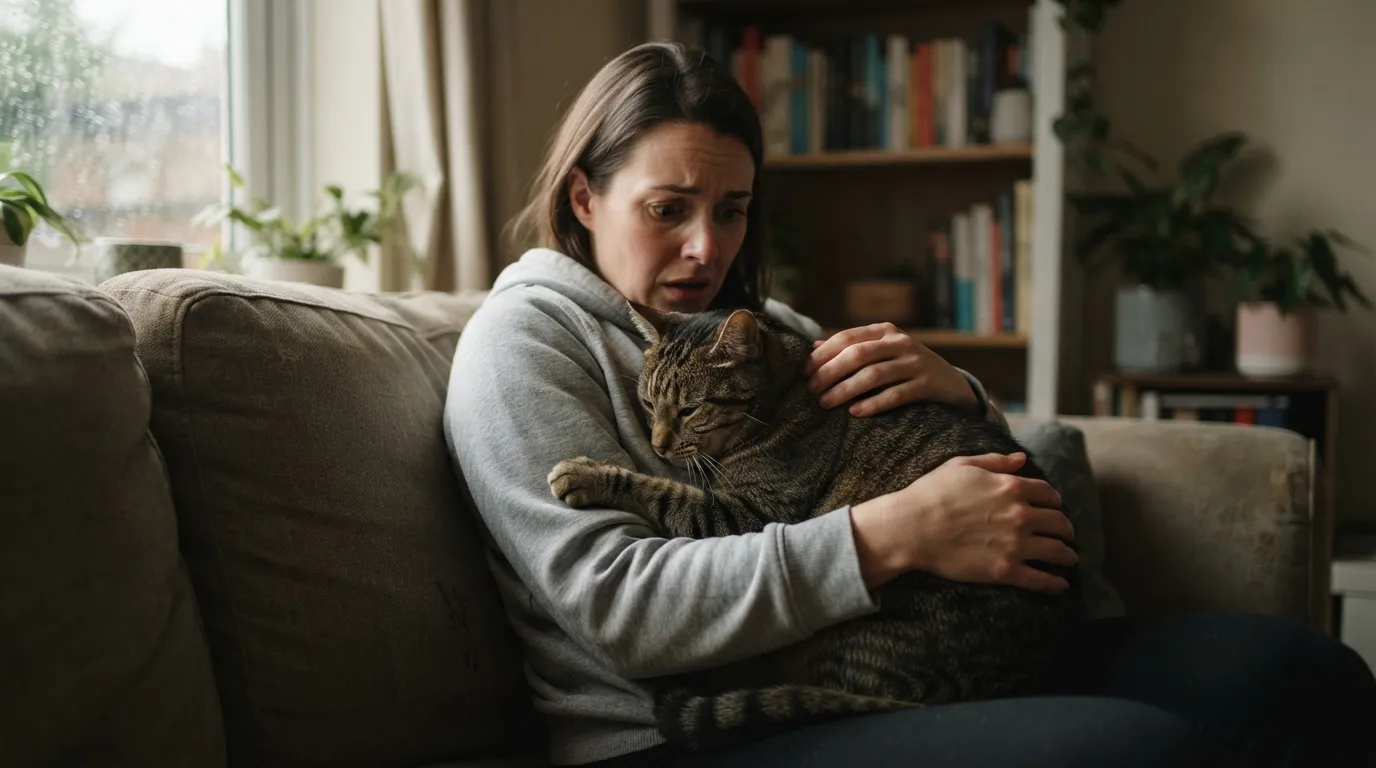
This is the most scientifically significant sign on the whole list, and the one owners overlook the most.
Controlled studies show cats form secure attachments to owners that closely resemble the bond between infants and caregivers. When owners returned after being away, cats greeted them and then explored the room confidently, at rates matching human infants and dogs tested the same way.
Worth Knowing
- The test is called the Secure Base Test, adapted from the same one used with human infants.
- Cat and owner sit together for two minutes, separate for two minutes, then reunite for two minutes.
- Researchers focus on how the cat behaves the moment its owner walks back in.
- The findings were published in the journal Current Biology.
Cats treat their owners as a safe haven, leaning on them for security whenever they feel stressed. That's not a coincidence of biology - it's a role you've earned.
Your cat doesn't hide during a thunderstorm and stumble onto you by accident. It comes to you because, in its nervous system, you are what safety feels like.
But save the best for last, because #1 changes how you'll see everything.
#1. It Chose You, and Keeps Choosing You
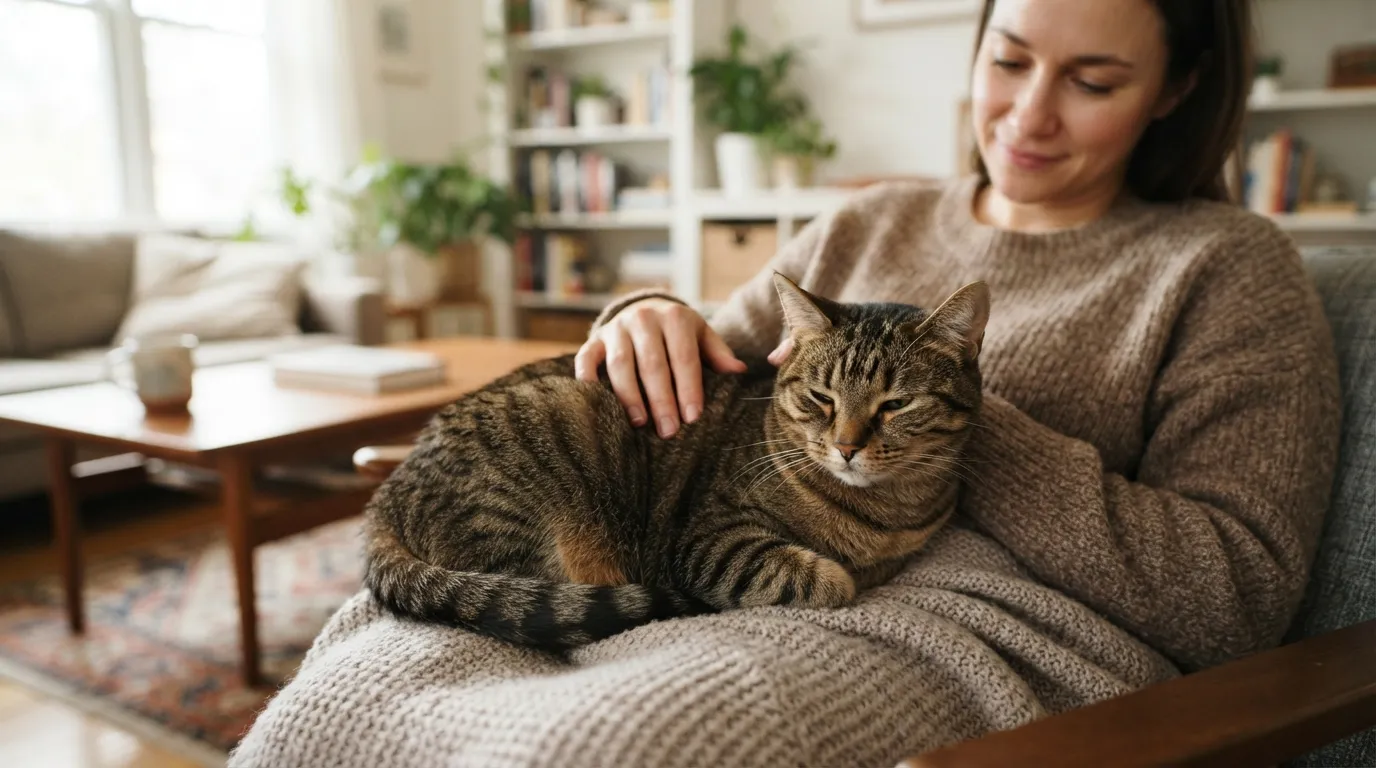
Every behavior on this list comes back to one thing: your cat's devotion is entirely voluntary.
Cats bond with humans just as strongly as dogs do, they simply express it through quieter, subtler behaviors. And every one of those behaviors is optional.
Feline affection is never performed for approval. It's only ever given when it's genuinely felt.
The bond runs both ways, too. Research links the human-cat relationship to lower blood pressure in owners and reduced stress behaviors in cats.
Your cat doesn't love you because it has to. It loves you because, quietly and repeatedly, it keeps choosing to.
Add up the slow blinks, the head bunts, the tail held high at the door, and one pattern becomes impossible to miss. Your cat has been telling you the truth all along - you just didn't know the dialect.
Now you do.