Your Cat Comes to Check on You While You Sleep for a Reason - And It May Not Be About Food
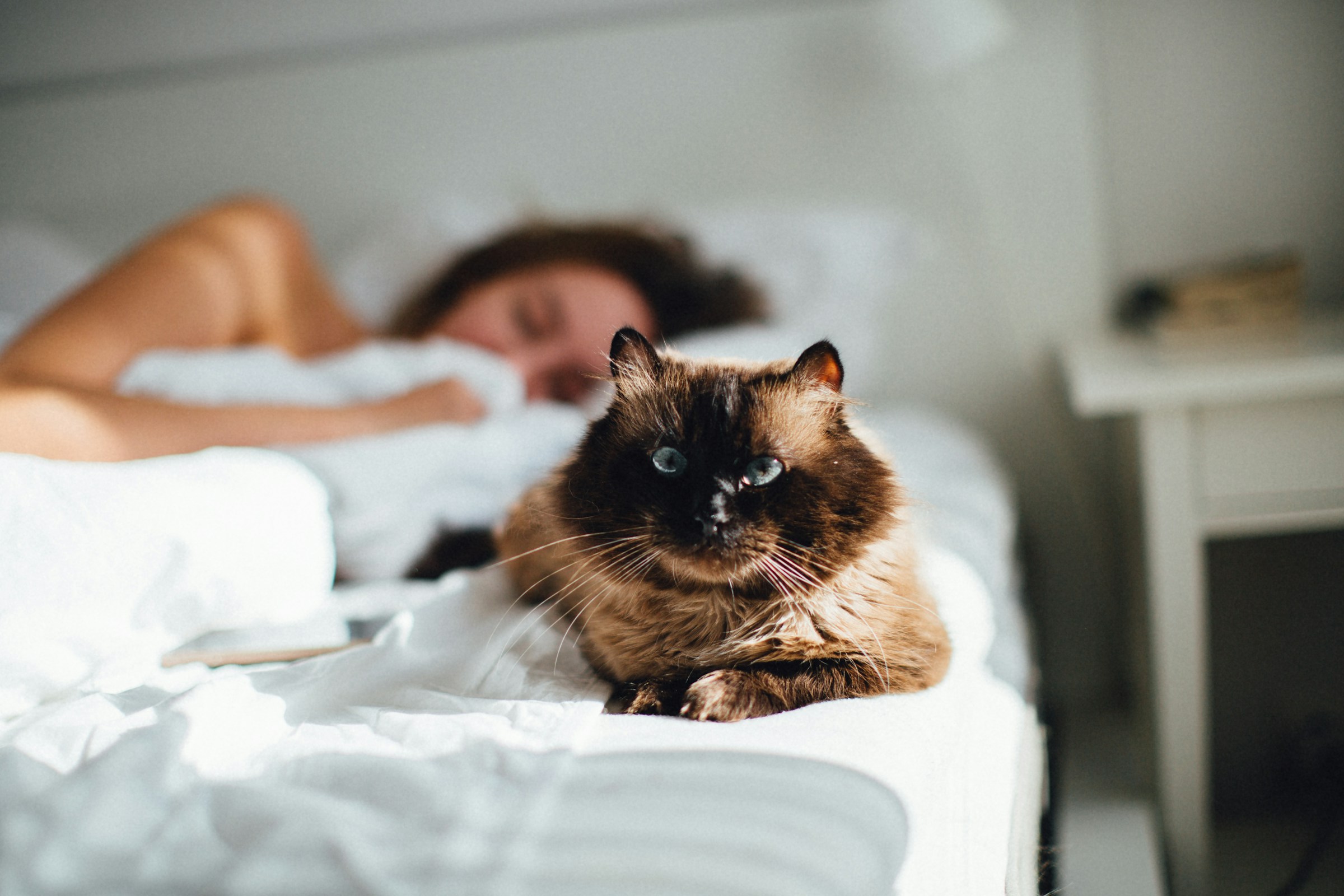
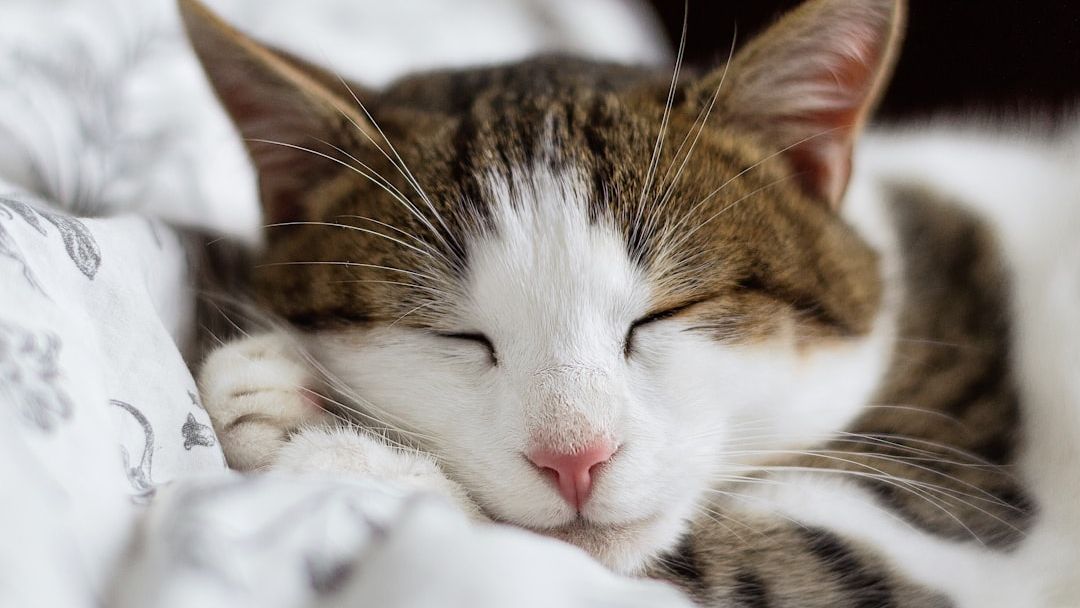
You know that feeling when you wake up at 3 a.m. and see two glowing eyes staring at you from the edge of the bed? For a split second, it’s eerie. Then you realize: it’s your cat, quietly checking in. It can feel oddly touching, even if it’s also a bit unsettling in the dark. You might brush it off as a hunger thing, but the truth is often more complicated - and, honestly, a lot more heart‑warming.
When your cat pads over to your bed in the middle of the night, it’s rarely a random habit. There are instincts at play, emotional bonds, health signals, and environmental triggers that all come together in that one small nightly ritual. Once you understand what’s really going on, you start to see those nighttime visits less as “annoying interruptions” and more as one of the clearest windows into how your cat actually feels about you.
Your Cat Is Doing a Nighttime “Safety Check” on the Colony
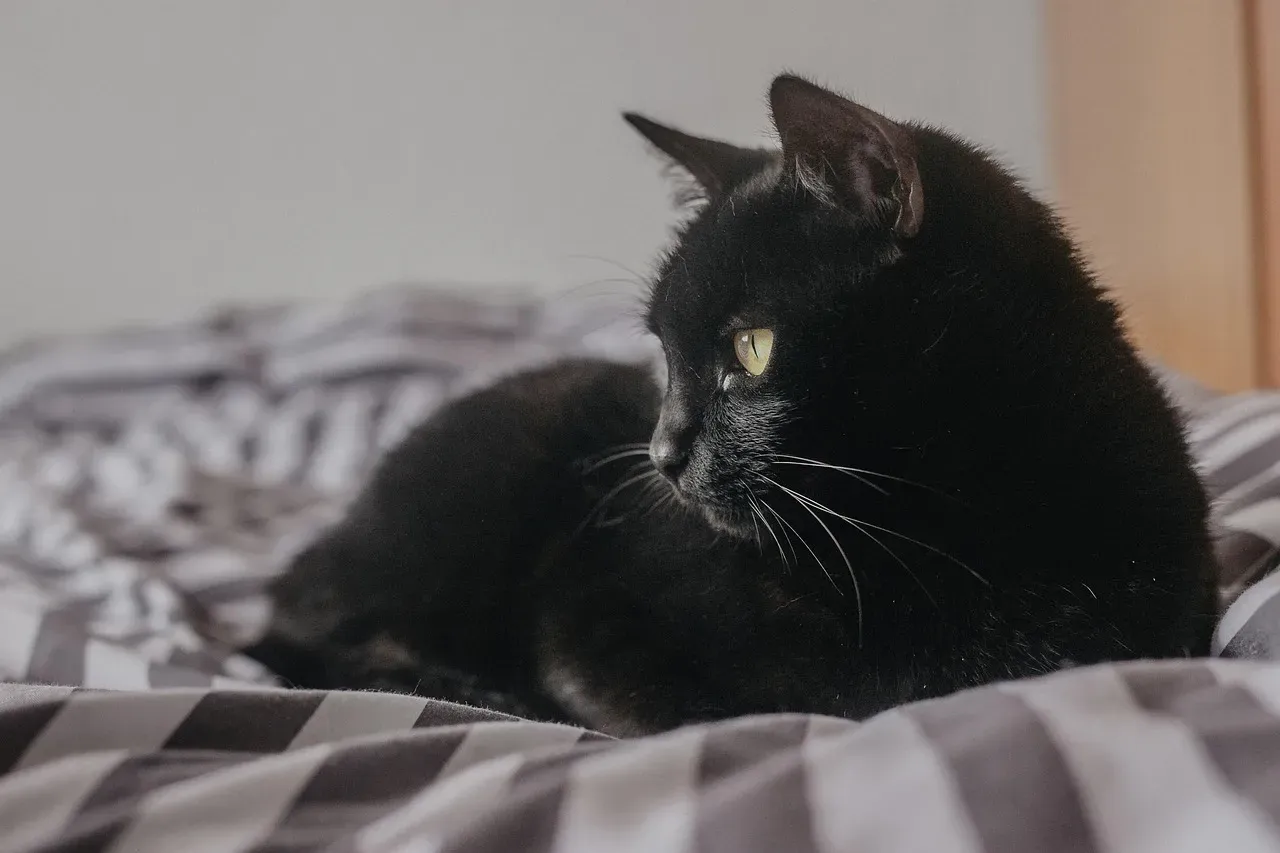
One of the biggest reasons your cat checks on you while you sleep is simple: you are part of their colony, and colonies get checked. In the wild, cats tend to rest in loose groups, and they keep quiet tabs on each other to make sure everyone’s still breathing, still safe, and not in distress. When your cat hops on your chest or noses your face at night, they may be doing the same thing - confirming that their key social partner is right where they left you.
You might notice that your cat seems particularly interested if you’re sleeping more deeply than usual, snoring loudly, or tossing and turning. Any change in your usual pattern can be a small red flag to them, so they come closer to investigate. It can feel intrusive when a whisker brushes your cheek at 4 a.m., but from your cat’s point of view, they’re running a quiet security patrol and you just happen to be the most important “resource” in the territory.
Your Breathing, Movement, and Smell Are Comforting Signals
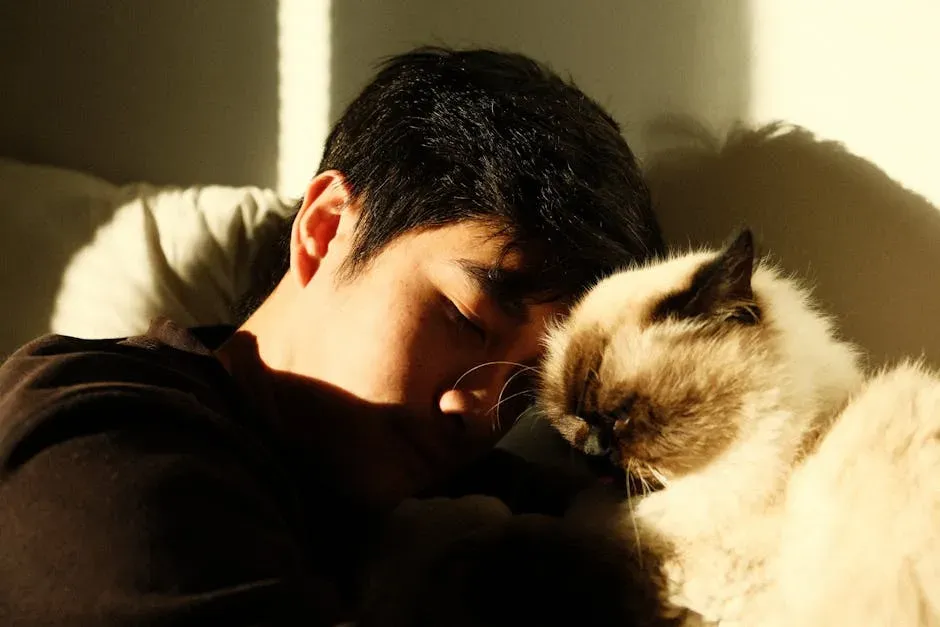
You might think you’re just lying there, but to your cat, you’re constantly sending out signals: the rhythm of your breathing, the warmth of your body, the familiar scent of your skin and hair. Cats are extremely sensitive to subtle changes in sound and smell. When they come to check on you, they may be reassuring themselves that everything smells, sounds, and feels normal in their world.
This is one reason your cat might nestle by your head or curl around your neck instead of sleeping by your feet. Your breath and your face carry strong scent markers that your cat uses to identify you as “theirs.” By monitoring these signals at night, your cat is doing more than looking for food or a warm spot; they’re anchoring themselves to the predictable presence that makes them feel safe.
Your Cat May Be Guarding You While You’re Vulnerable
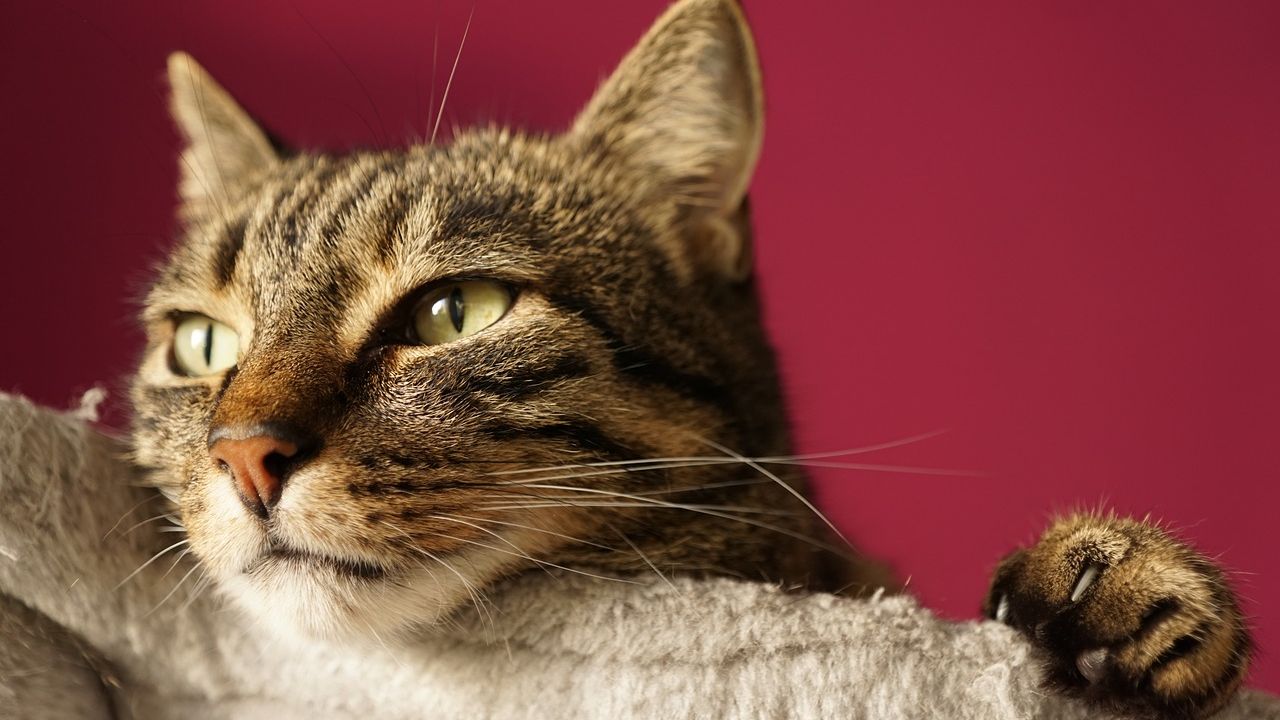
From an animal’s perspective, sleep is when you’re at your weakest. You can’t see danger coming, and you’re slow to react. Even though your home feels safe to you, your cat’s instincts do not simply switch off because there are locks on the doors. When your cat sits facing the bedroom door, perches on a nightstand, or rests at the foot of the bed while you sleep, they may be putting themselves in a position to notice any “threats” before they get to you.
You might interpret this as clinginess, but if you watch closely, you’ll see that your cat often sleeps in light, short bursts near you, ears twitching at every small sound. They may get up to patrol the hallway and then return to your bed, as if they’re running rounds. In their mind, they could be the lookout, the early warning system, the small but fiercely devoted guardian of their drowsy human.
Your Cat’s Internal Clock Doesn’t Match Yours
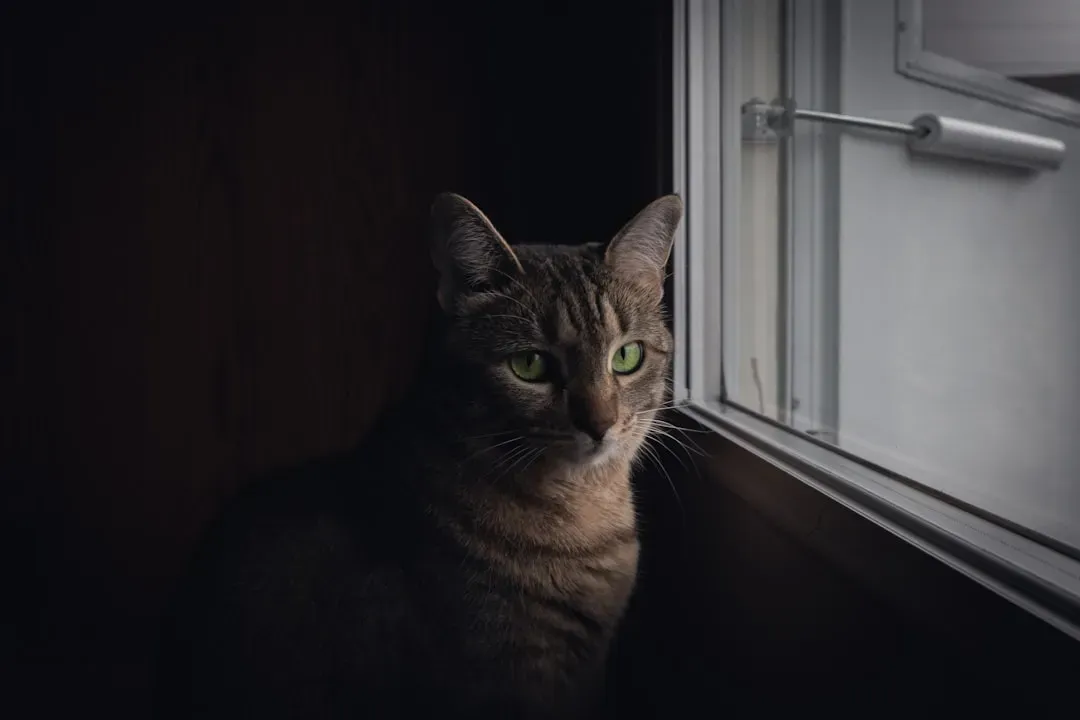
You live by clocks and alarms; your cat lives by light levels, routine, and internal rhythm. Cats are naturally most active at dawn and dusk, but many also experience short bursts of activity throughout the night. When your cat comes to check on you, they may simply be in an “awake and curious” phase while you’re in deep sleep mode, and you’re the most interesting thing in their environment.
If your cat does a quick walk across your pillow or gives you a gentle tap and then disappears, they might just be doing a casual status update before moving on to other overnight activities. You are, in a way, like the main “anchor point” in their world. They wake, they check the anchor, then they go inspect the rest of the ship. To them, it’s just good management of their territory and schedule.
Your Emotional State Can Draw Your Cat Closer at Night
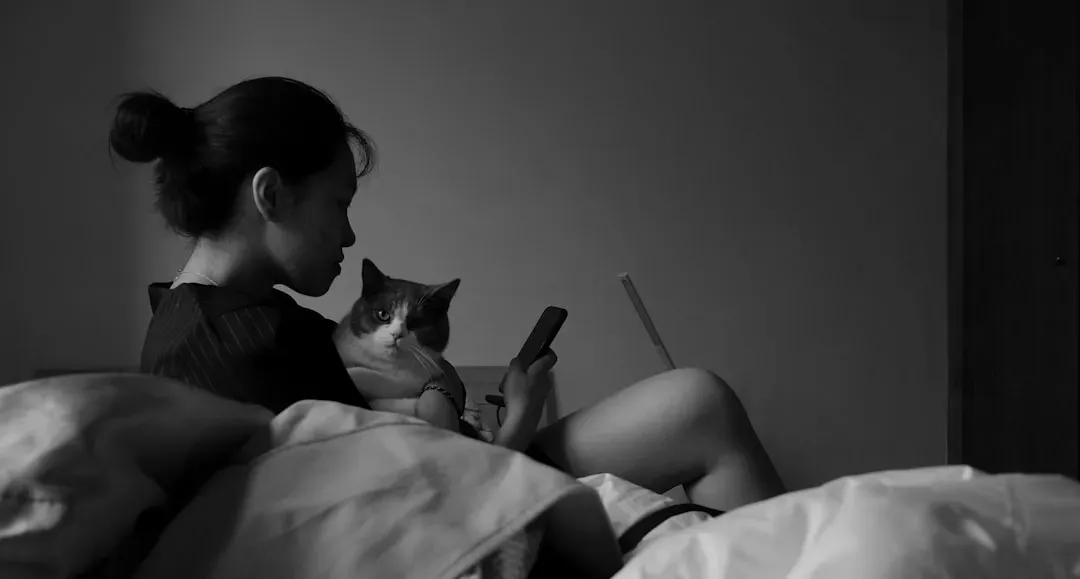
You’ve probably noticed that on nights when you are sick, anxious, or sad, your cat seems more persistent about staying close. Cats can pick up on emotional changes through your voice, body language, scent, and even heart rate and breathing patterns. When you are restless or quietly upset in bed, your cat may interpret that as a sign that their social partner is not okay - and that’s enough to bring them over for a check.
Sometimes they respond by lying on your chest, kneading your blanket, or purring loudly near your face. Those behaviors might soothe them, but they can also have a calming effect on you, almost like a furry white-noise machine that also loves you back. Even though you and your cat speak different languages, those middle‑of‑the‑night visits can become a subtle emotional feedback loop, where your distress pulls them in and their presence helps you settle.
Every creak of the house, distant car door, or rustle outside is louder and clearer to your cat than to you. When they suddenly appear beside your bed, staring into the darkness, they may have heard or smelled something unfamiliar outside the bedroom. Your sleeping body is like a safe base, and from that base they can decide whether the new stimulus is harmless or worth more attention.If your cat checks on you and then trots off toward a window or hallway, they may be acting on information your senses never even register. They confirm you’re there, confirm you’re okay, and then go investigate. In this way, your nighttime routine and their environmental monitoring overlap, and you end up with a small, built‑in early detection system that happens to have a tail.
Your Cat Has Learned That Night Checks Get a Reaction
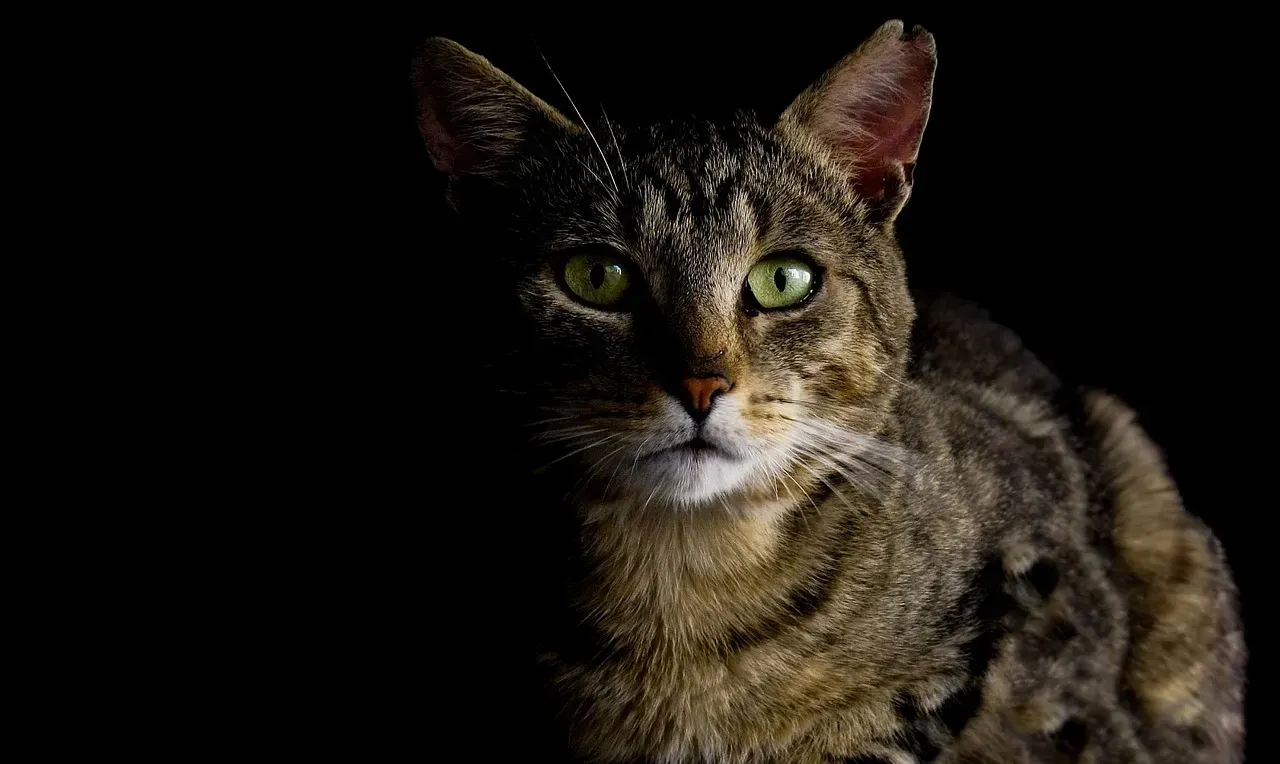
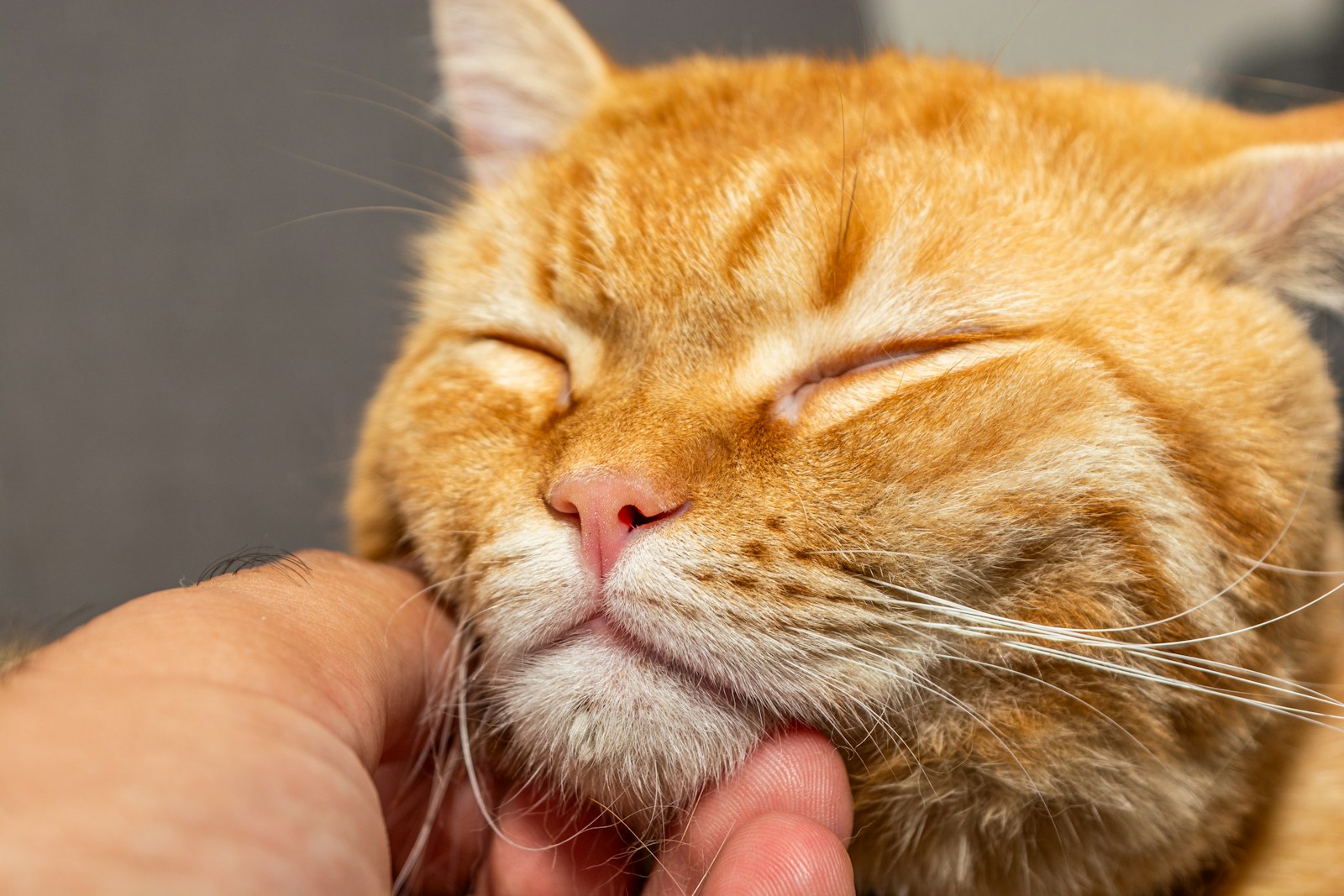
Even when it is not about food, it is often about reinforcement. If you have ever responded to a nighttime visit with petting, talking, or letting your cat under the covers, you have taught them that checking on you is rewarding. Cats are quick to remember what works, and a small nudge to your face that results in affection is likely to be repeated, even if breakfast is still hours away.
Sometimes this learned pattern blends with genuine affection and habit. Your cat may come to see their nighttime checks as part of the bond you share: they look in on you, you stir, you mumble something, maybe you scratch their head, and then you both drift back to sleep. From the outside, it looks like a disruption. From your cat’s perspective, it is a tiny daily ritual that reinforces closeness, security, and the sense that you and they are in sync.
Most of the time, your cat’s nocturnal visits are normal, even sweet. But there are moments when a change in pattern is worth your attention. If your cat suddenly starts checking on you far more often, meowing urgently at night, pacing, or seeming restless and clingy, they might be experiencing pain, anxiety, or an underlying medical problem. Cats often express discomfort through changes in sleep, activity, and attachment.
You should also pay attention if you notice that your cat is waking you more than usual and you yourself feel unusually unwell - very short of breath, dizzy, or off in some way. While it would be a stretch to say your cat can “diagnose” you, they can sometimes react to shifts in your breathing, movement, or odor that signal a problem. If your cat’s behavior changes suddenly and dramatically at night, it is a good reason to talk to a veterinarian for them and a doctor for you, rather than just assuming it is about treats or attention.
When you step back and really look at it, your cat’s habit of checking on you while you sleep is a surprisingly rich behavior. It blends ancient survival instincts with modern domestic comfort, emotional attunement with learned routines, and their need for security with your role as the center of their world. You are not just the food source; you are the anchor, the safe place, the familiar heartbeat they return to in the dark.
So the next time you wake to feel soft paws tiptoeing across your blanket or see those eyes blinking at you in the half‑light, you can read it differently. Instead of thinking only about hunger or annoyance, you can recognize what it really is: a quiet check‑in from a small creature that has decided you are worth guarding, monitoring, and loving, even at three in the morning. Knowing that, how will you respond the next time your personal night watch shows up?