10 Little Things Cats Notice About Their Favorite Human That Other People in the House May Miss

You probably think you’re just living your life around your cat, but from their perspective, you’re the star of a very intense, very specific reality show. While other people in the house see your big moments, your cat is quietly tracking the tiny details: how you walk, how you breathe, when your energy dips, when your mood shifts. To them, you’re not just a person; you’re their person.
When you start paying attention to how much they’re paying attention to you, you realize how tuned in they really are. You’ll notice that they show up when you’re sad, hover when your routine changes, and react to things you didn’t even realize you were doing. These little observations are exactly what bond a cat to their favorite human - and they often fly right over everyone else’s head.
1. The Way Your Footsteps Sound at Different Times
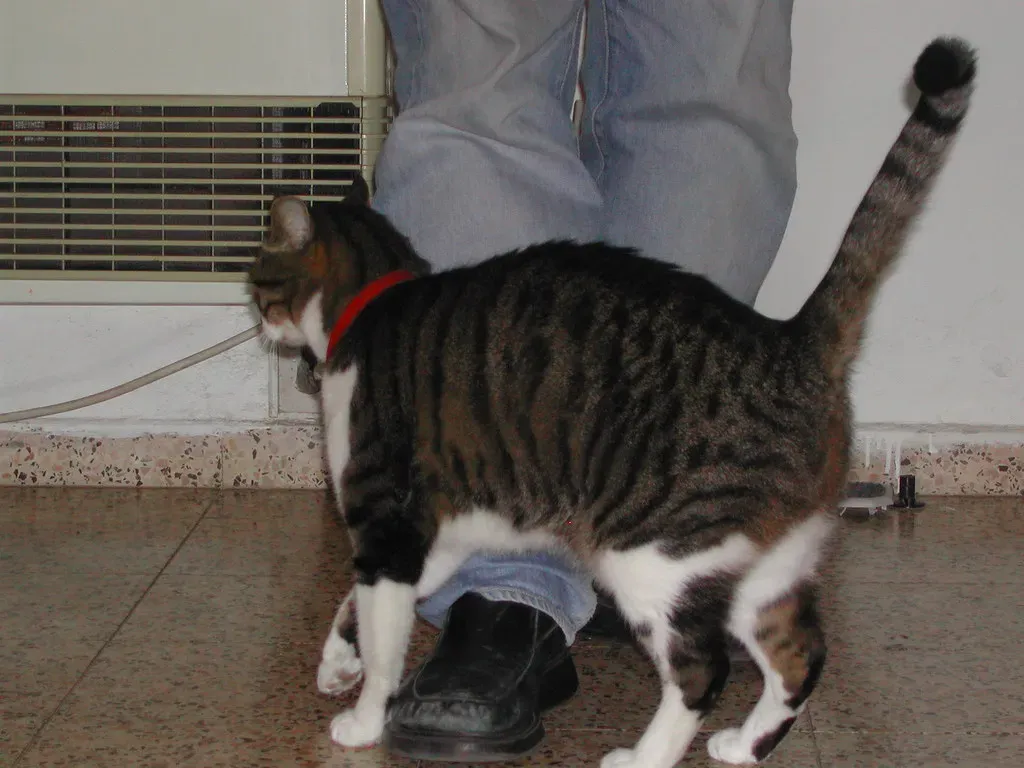
Your cat doesn’t just recognize your footsteps; they recognize the mood in your footsteps. The quick, light steps you take when you’re excited sound totally different from the slow, dragging ones after a long, exhausting day, and your cat learns that pattern over time. That is why they might run to the door the second they hear your familiar rhythm on the stairs, long before anyone else realizes you’re home.
Other people in the house might not notice that your steps are slightly heavier on a bad day, but your cat does. You may see them hesitate instead of charging toward you, or they might choose to greet you with a quiet rub on your leg instead of an energetic zoom. To them, your footsteps are like a daily emotional weather report, and they adjust their own behavior based on what they “hear” in that sound.
2. Tiny Changes in Your Daily Routine
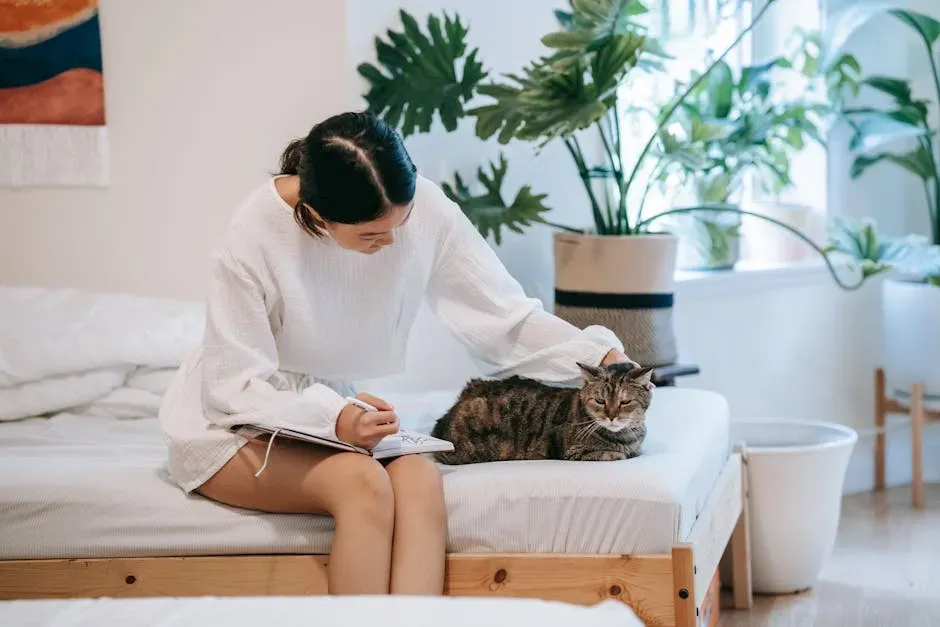
You might think your routine is pretty predictable: wake up, feed the cat, make coffee, go about your day. But your cat picks up on tiny deviations that no one else pays attention to. If you wake up ten minutes later than usual, linger a bit longer on the couch, or skip a usual step, your cat often reacts - maybe by pacing, meowing, or just watching you more intently than normal.
These small shifts matter because cats are creatures of habit, and they anchor their personal schedule to yours. When you leave for work later than usual or stay in bed with the curtains closed, they know something is off long before anyone says a word. To the rest of the household, it might just look like a slightly different morning; to your cat, it’s a flashing sign that their favorite human’s day - and possibly their own - is about to be different.
3. Your “I’m Really Not Okay” Body Language
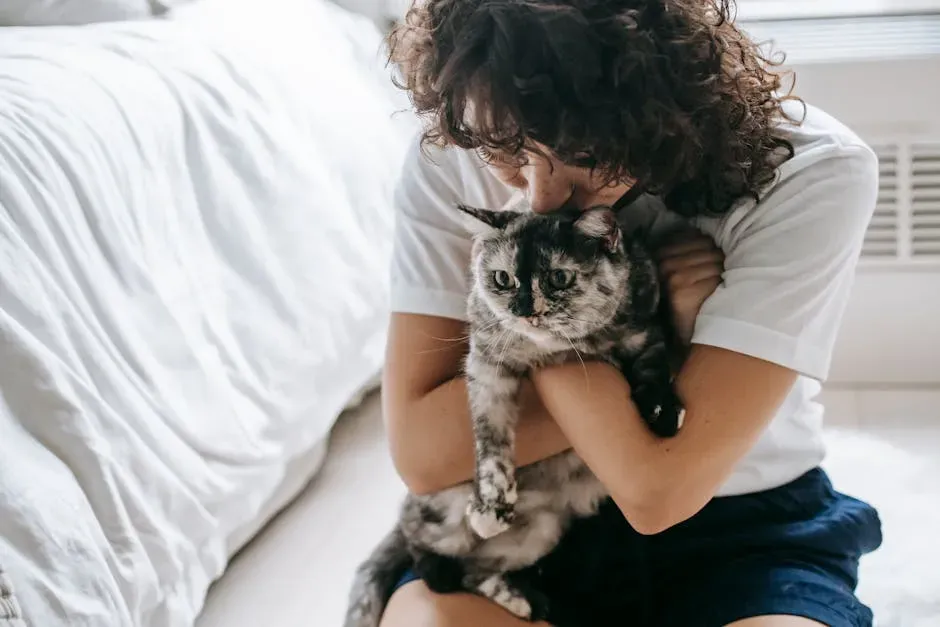
Most people only notice when you are obviously upset - crying, shutting a door, raising your voice. Your cat, on the other hand, often responds to the silent version of that: the way your shoulders slump, the way you sit a little too still, or the way your hands stay idle when you’d usually be scrolling or typing. These subtle physical shifts can draw them to you like a magnet.
You might find that they suddenly appear on your lap, curl at your feet, or sit just out of reach, watching you with slow blinks and quiet presence. They do this even if you never said a word about feeling stressed or sad. While others in the house might walk past you, assuming you’re just tired, your cat has already read your posture and decided you need backup, delivered in the form of fur, purrs, and silent company.
4. How Your Voice Changes With Your Mood

Your cat may not understand the literal meaning of your words, but they are experts at reading tone. The way you say their name when you’re amused is not the same sound you make when you’re distracted, anxious, or irritated. Over time, your cat builds a mental library of your different vocal tones and matches them to what usually happens next.
Maybe when your voice gets tight and clipped, you are about to have an argument on the phone, and your cat quietly leaves the room. When your voice is soft and sing-song, that usually means affection, so they trot over for head scratches. Others in the house might miss those subtle shifts or just shrug them off, but your cat is constantly decoding the emotional “music” behind your words and adjusting their distance accordingly.
5. The Exact Moment Your Attention Becomes Available
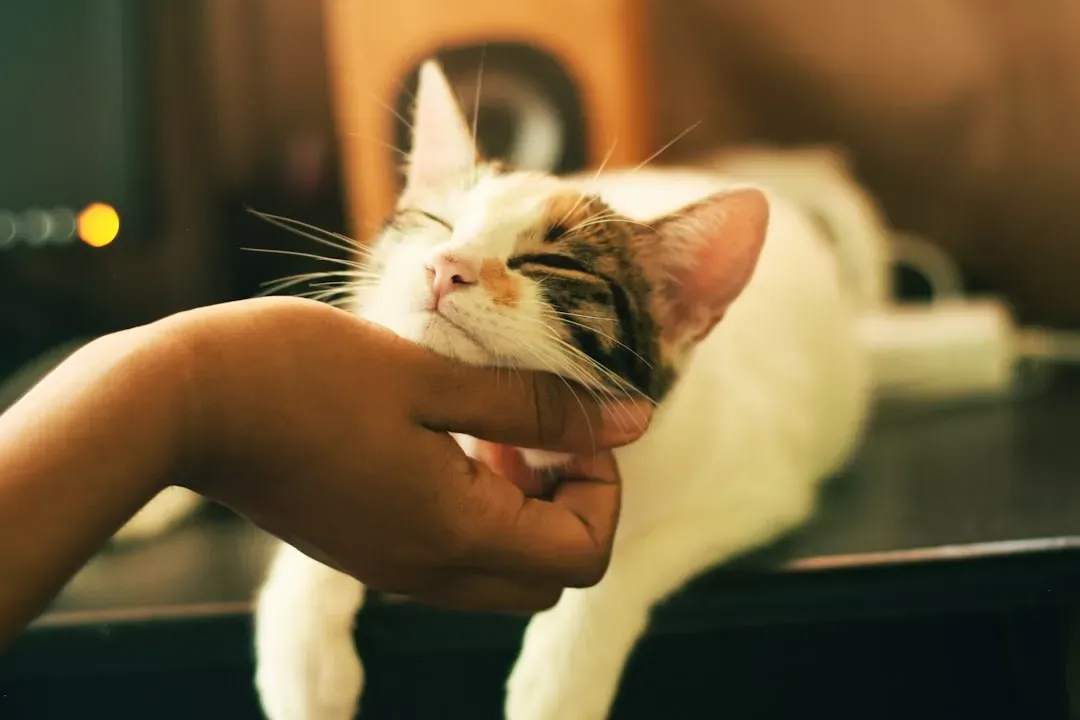
Your cat is eerily good at sensing the moment your brain finally switches off from “busy” mode. You might be finishing an email, scrolling your phone, or watching something, and as soon as your focus drops - even slightly - they seem to materialize. To other people, it looks like random timing, but your cat has been quietly waiting for that micro-pause, that tiny shift in your posture and breathing that says, “I’m done for now.”
They might jump on the desk right as you close the laptop, or hop onto the couch the second your shoulders relax. You probably notice patterns like “they always bother me the minute I sit down,” but from their viewpoint, they are just incredibly efficient at claiming your newly freed-up attention. Everyone else sees you going about your day; your cat sees opportunity windows, and they slip into them like it’s a sport.
6. Your Sleeping Patterns and Restlessness
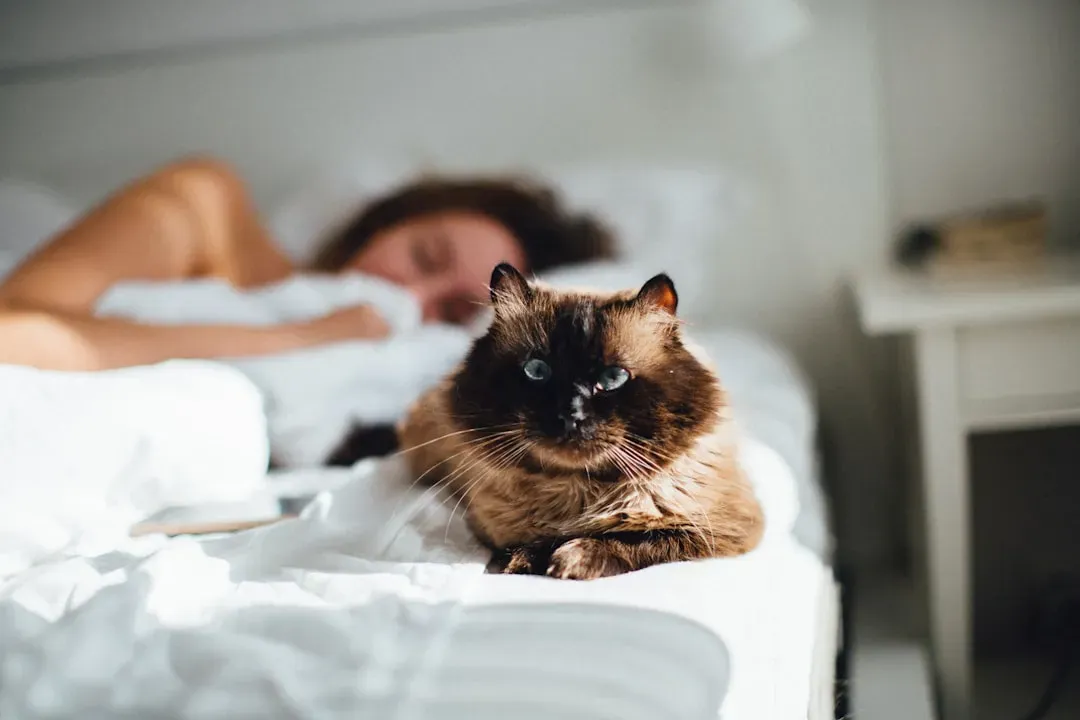
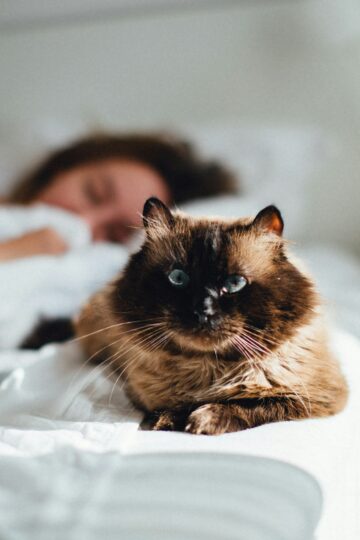
Even if you think you sleep like a rock, your cat knows the truth. They notice the nights when you toss and turn more, when your breathing is shallow, or when you fall asleep much earlier than usual on the couch instead of in bed. While others might just assume you are tired, your cat often responds immediately - curling near your head, lying on your chest, or camping out at the bedroom door like a little furry guardian.
Over time, they may adjust their own sleep and play schedule around your rest. If you’ve ever woken up to find your cat watching you quietly instead of racing around at night, there is a good chance they picked up that you were not sleeping well and toned things down. They do not need an alarm clock or a smartwatch; your breathing, movements, and timing are enough for them to tell when their favorite human is truly resting and when something feels off.
7. The Scent Clues That Say You’ve Had a Different Day
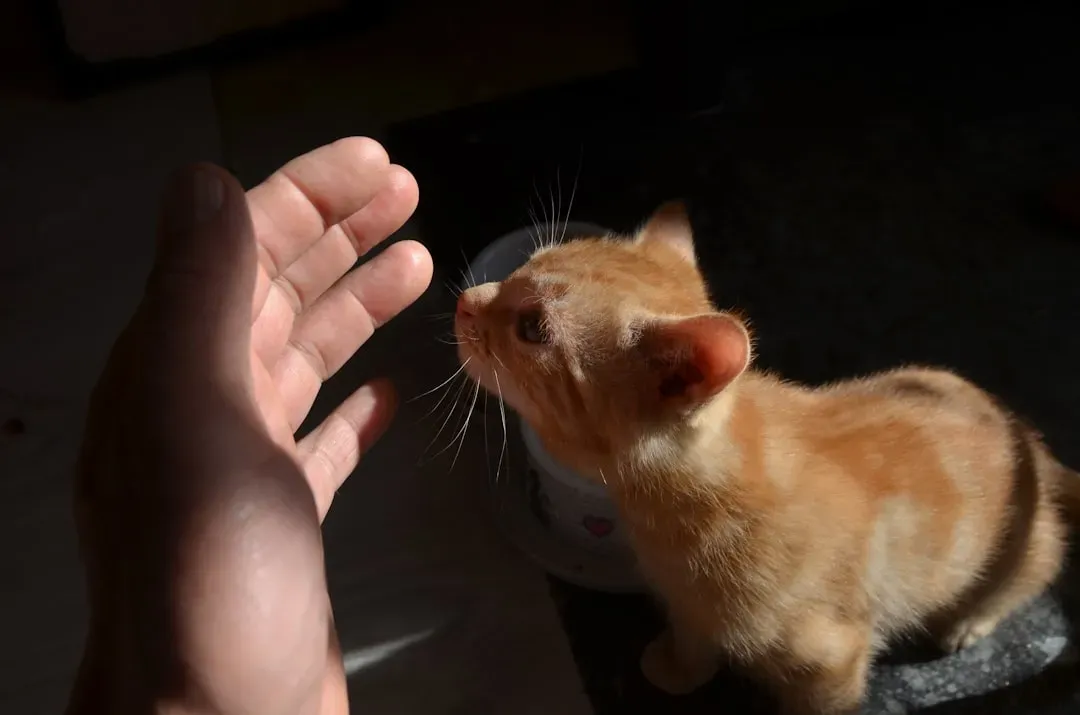
You know your cat uses their nose, but you probably underestimate how much they learn from your scent alone. When you come home smelling like a different place, person, animal, or even food, your cat often gives you a thorough sniffing exam before deciding how to react. Others might just ask, “How was your day?” but your cat is already gathering that information from the mix of smells on your clothes and skin.
Come home smelling like another cat or dog, and you may get a slightly offended tail flick or an extended sniff session. Return from the gym or from outside in the rain, and they treat you differently than when you come back from a quiet day at home. You do not need to tell them where you have been; your scent does that, and they quietly file those details away as part of understanding what kind of day their favorite human just had.
8. The Objects You Care About Most
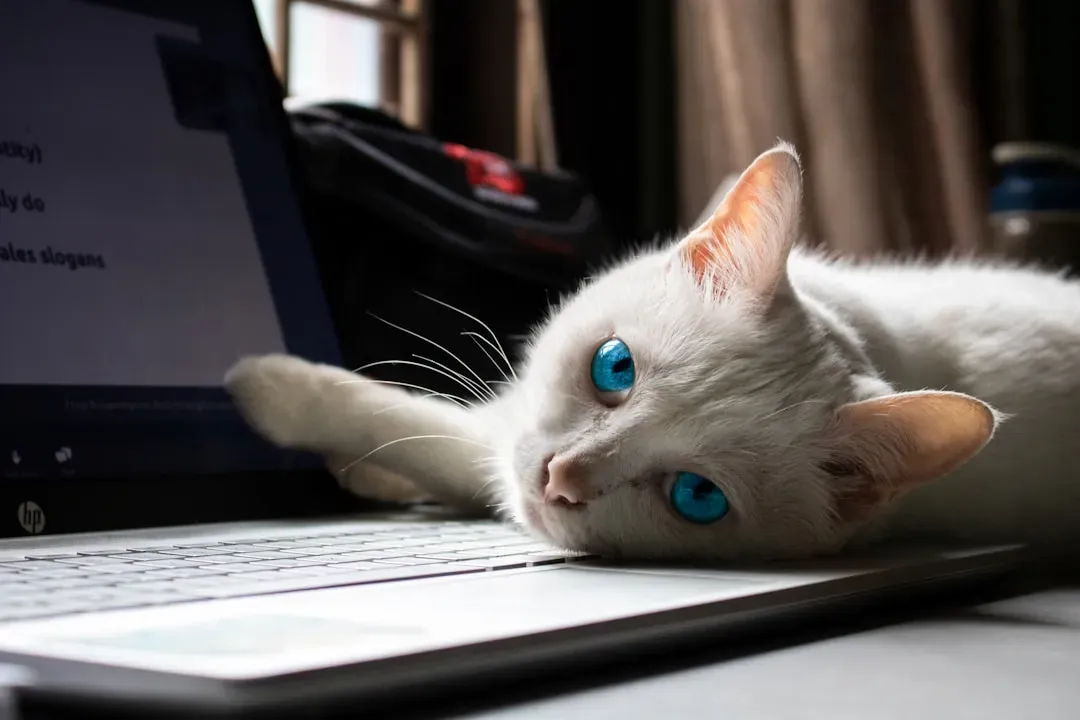
Your cat knows which things in your space actually matter to you, not because you told them, but because they see how you treat those objects. They watch what you handle gently, where you focus your eyes, which items make you sit up straighter or smile without thinking. It might be your laptop, a certain book, your pillow, or even a specific sweatshirt you reach for when you need comfort.
Sometimes they test those boundaries: lying on the keyboard, curling up on your clean laundry, or batting at the pen you keep reaching for. To other people, it might look like random mischief, but often your cat is drawn specifically to the things that seem important to you. They are following your attention like a spotlight, inserting themselves into the middle of what you value, partly out of curiosity and partly because, in their world, anything that matters to you matters to them too.
9. Your Energy Level Before You Even Sit Down

Long before you collapse on the couch or announce that you are exhausted, your cat has already read your energy. They see it in how fast you move, how you carry your shoulders, how quickly you react to things around you. When you come home buzzing with energy, they might respond with zoomies, extra play, or bold affection. When you drag yourself through the door, their greeting may be softer, slower, more cautious.
Other people might wait for you to say, “I’m tired,” but your cat often adjusts in silence. On days when you are drained, they might settle next to you instead of demanding to chase toys. On days when you are more lively, they are more likely to initiate games or vocal interaction. Your cat does not need a mood ring; your entire presence, every small movement, tells them how much of you is really available, and they read it like second nature.
10. The Moments When You Need Them, Even if You Don’t Realize It

There are times when you do not consciously reach for your cat, but some part of you is quietly asking for comfort or distraction. Maybe you are staring at the same spot on the wall a little too long, rereading the same line in a message, or just sitting in an unusual silence. Others in the house might assume you are daydreaming, but your cat often answers those moments with closeness - jumping beside you, nudging your hand, or settling nearby with a soft, grounding presence.
I have had days where I thought I was hiding my stress pretty well, only to notice the cat glued to my side like a shadow. You probably have those moments too, when they refuse to leave you, and later you realize just how much you needed that nonjudgmental calm. While other people may wait for you to put feelings into words, your cat reacts to the quiet, wordless signals that leak out in your breathing, your stillness, and your eyes. In their own way, they answer needs you have not even fully named yet.
Conclusion: Your Cat Sees the Version of You No One Else Does
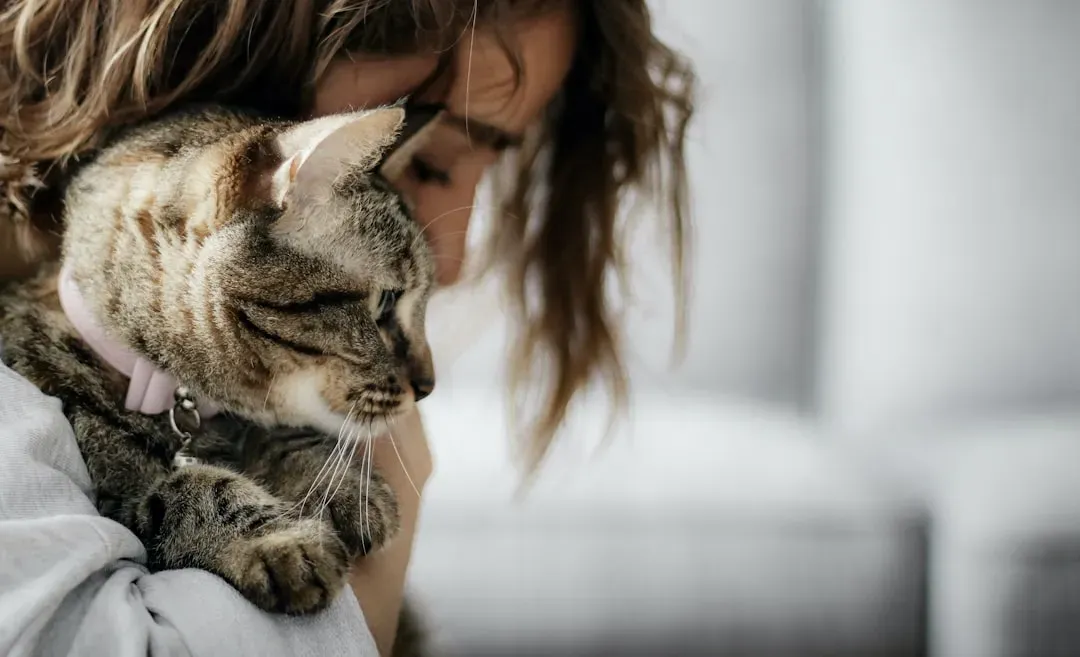
When you step back and look at all these subtle things together, it becomes clear that your cat is not just a passive roommate wandering in and out of your day. They are carefully, constantly tuned to your rhythms: how you sound, how you move, how you smell, how your energy shifts from morning to night. While everyone else might only catch the headlines of your life, your cat notices the tiny footnotes that reveal who you really are on an ordinary Tuesday.
The more you recognize how much they are noticing, the more intentional you can be about noticing them in return - responding to their routines, their moods, their own little signals. That mutual awareness is what quietly turns “a pet in the house” into “a relationship with a companion who actually gets you.” Next time your cat appears out of nowhere at exactly the right moment, you might ask yourself: who’s really watching whom more closely - you, or them?
- 6 Feline Habits That Signal They’re Forming a Lifelong Attachment
- Animal Behavior Says Cats Who Choose the Same Spot Near You Every Day May Be Maintaining a Social Routine
- 10 Cat Breeds That Are Surprisingly Good at Reading Human Moods
- Your Cat Comes to Check on You While You Sleep for a Reason - And It May Not Be About Food