What Your Cat's Slow Blink Is Really Telling You
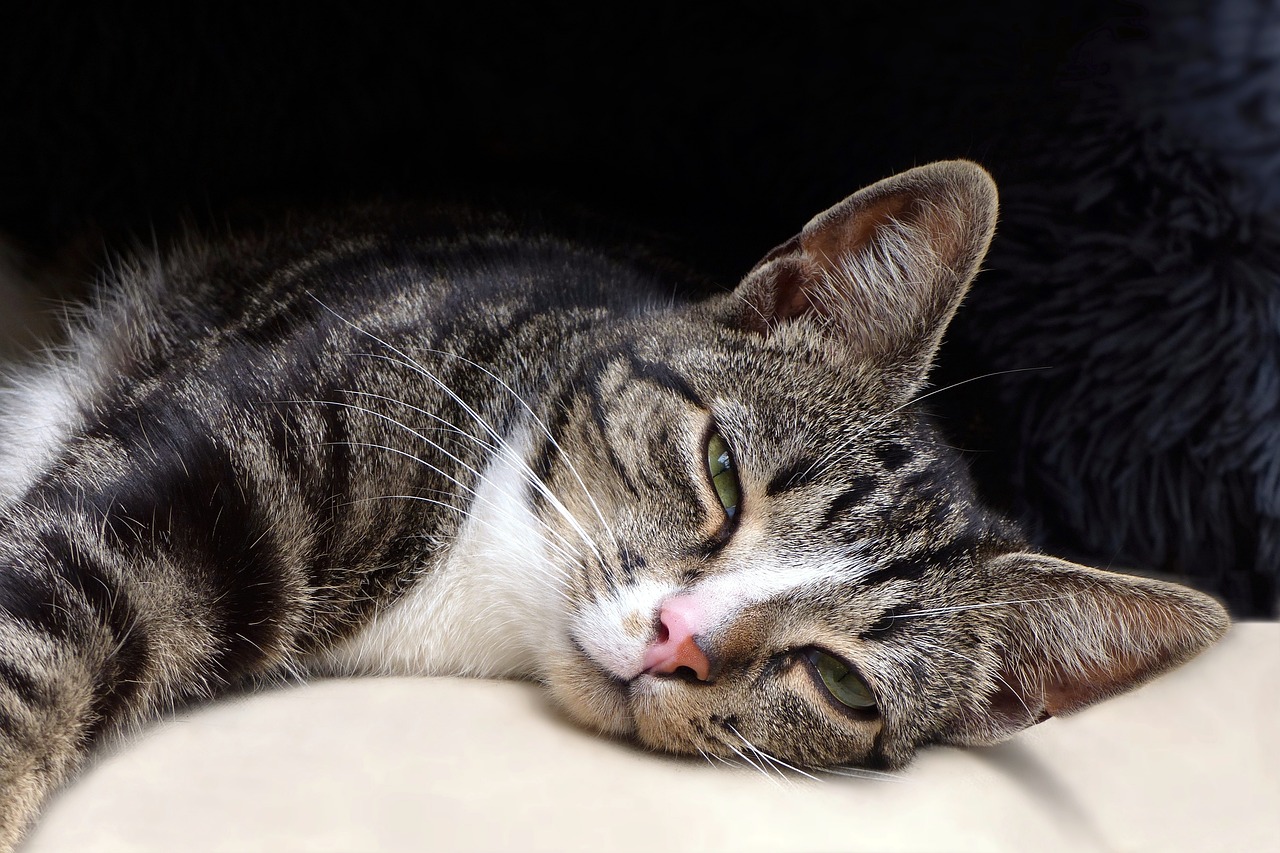
Most cat owners think that lazy, half-closed stare is just their pet winding down for a nap. It isn't. Behind that slow blink is something scientists at the University of Sussex and University of Portsmouth spent years proving in a lab: a genuine, two-way signal that shapes trust, approach behavior, and even how fast a cat gets adopted from a shelter - whether it's known you for years or met you five minutes ago.
That's not a cozy guess dressed up as a headline. It's the conclusion of a peer-reviewed study, and once you see how researchers actually proved it, you'll never look at your cat's eyes the same way again. Here's exactly what they found - starting with the detail most owners get completely backwards.
#1 - It's Not a Random Blink, It's a Three-Part Sequence
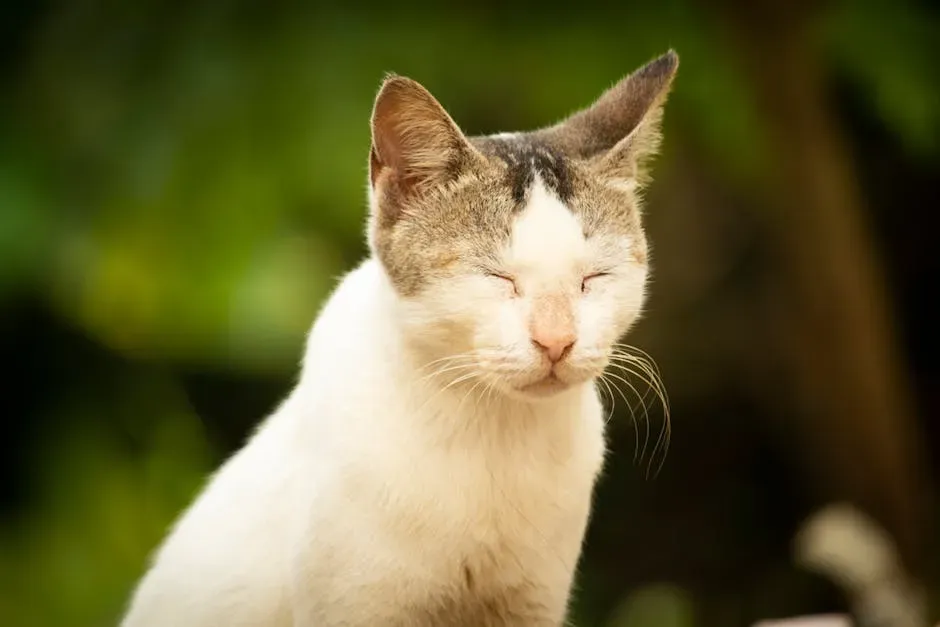
A slow blink isn't your cat simply closing its eyes for a beat longer than usual. It's a structured behavioral sequence with a beginning, middle, and end - and researchers had to break it down frame by frame to prove it.
Slow blink sequences typically involve a series of half-blinks followed by either a prolonged eye narrow or an eye closure. In practice, your cat isn't just resting its eyelids - it's performing a recognizable pattern that scientists could isolate, measure, and replicate in a lab setting.
The most surprising fact: this sequence is distinct enough from a normal blink that scientists could reliably tell it apart on video, which is exactly how they built an entire experiment around testing it. It's also different from the rapid, reflexive blinks your cat does throughout the day just to keep its eyes moist. Those are maintenance blinks. This one is a message. But that's nothing compared to what we found about #2...
#2 - The 2020 Study That Finally Proved It
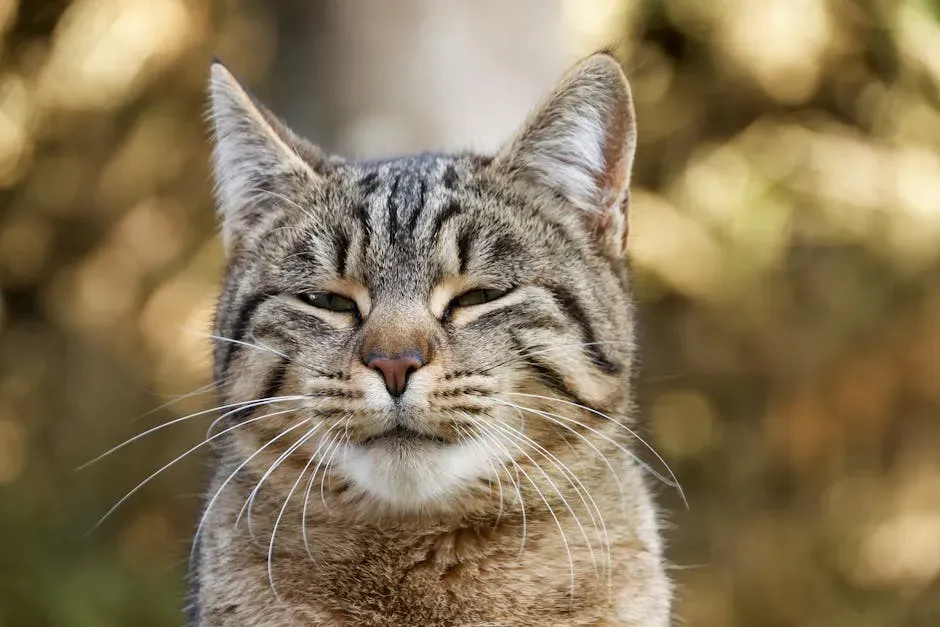
For years, cat owners insisted their pets were "talking" to them with slow blinks. Scientists finally put that theory under a microscope.
A landmark study examined the communicatory significance of a widely reported cat behaviour that involves eye narrowing, referred to as the slow blink sequence. The research, led by psychologist Karen McComb's team, was published in the journal Scientific Reports and became the first controlled experiment of its kind.
Here's the part most articles skip: the first experiment revealed that cat half-blinks and eye narrowing occurred more frequently in response to owners' slow blink stimuli towards their cats compared to no owner-cat interaction. That's not anecdote. That's a measured behavioral shift triggered by a specific human action.
The finding that shocked even the researchers: cats weren't just copying a random facial tic - they were responding to a deliberate stimulus with a matching signal, exactly the way two people might nod at each other in agreement. Keep scrolling, because #3 gets even more interesting.
#3 - It's the Feline Version of a Genuine Human Smile
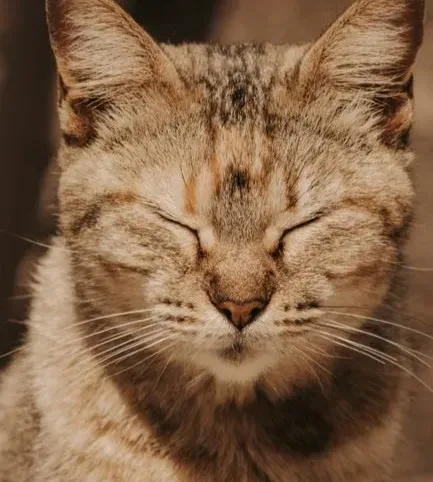
Here's a comparison that changes how you'll look at your cat forever: researchers believe the slow blink shares deep structural similarities with a real human smile - not a fake one.
Researchers noted that cat slow blinks share similarities with the Duchenne smile in humans, the genuine smile that reaches the eyes, and both are involuntary expressions of positive emotion. If you've ever noticed the difference between someone's polite, forced grin and their real laugh-crinkled eyes, you already understand the distinction scientists are drawing here.
Dogs narrow their eyes during play, horses and cows do it when being stroked, and humans do it when they genuinely smile, sharing the same basic feature of narrowed eyes paired with a relaxed face - which may be a cat's version of that same expression.
Quick Compare: Eye-Narrowing Across Species
- Cats: A slow blink signals ease and "I'm not a threat"
- Dogs: Narrow their eyes during relaxed, friendly play
- Horses & cows: Narrow their eyes when being stroked or groomed
- Humans: A genuine Duchenne smile narrows the eyes involuntarily
Most people don't realize this means the slow blink isn't a cat-specific quirk - it's tapping into something much older and more universal across mammals. That single fact reframes the entire behavior. But #4 is where the "why" gets uncomfortable.
#4 - A Slow Blink Is Basically a Peace Treaty
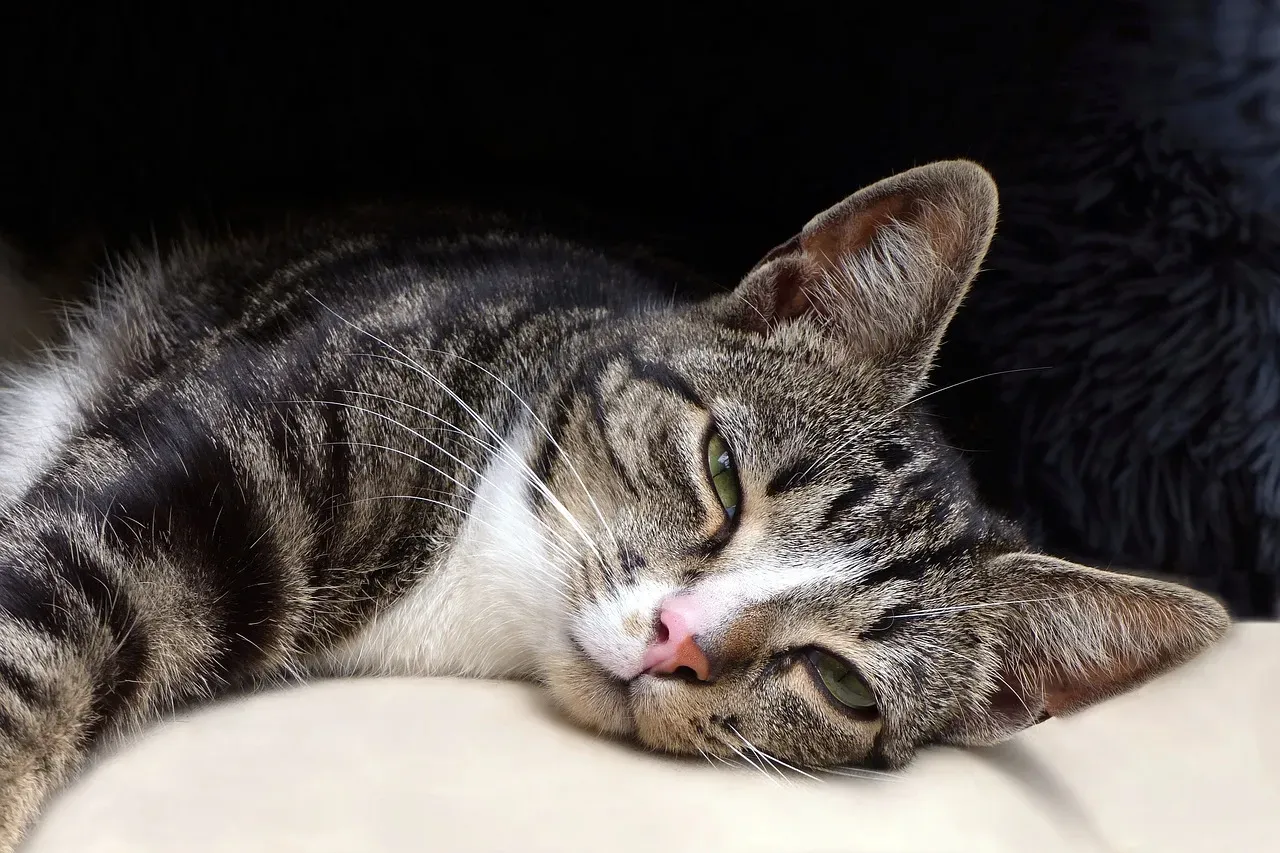
Here's the controversial part: unbroken eye contact from you might feel warm and affectionate, but to your cat, it can read as a threat.
Cats often avert their eyes when they sense danger and maintain unbroken eye contact when they're on the prowl, so some experts believe the slow blink signifies ease or contentment. Translation: predators stare down prey. A cat that breaks a stare with a slow, deliberate blink is essentially signaling "I'm not hunting you, and I don't think you're hunting me either."
Researchers have gone even further, suggesting it's also possible that slow blinking in cats began as a way to interrupt an unbroken stare, which is potentially threatening in social interaction.
This is the mistake nearly every cat owner makes: staring intensely at your cat to show affection, when what your cat actually needs is for you to look away - or better yet, blink slowly first. If you've been locking eyes with your cat thinking it's bonding, you may have been sending the opposite signal. Wait until you see what happened in #5.
#5 - Cats Blink Back More at People Who Blink First
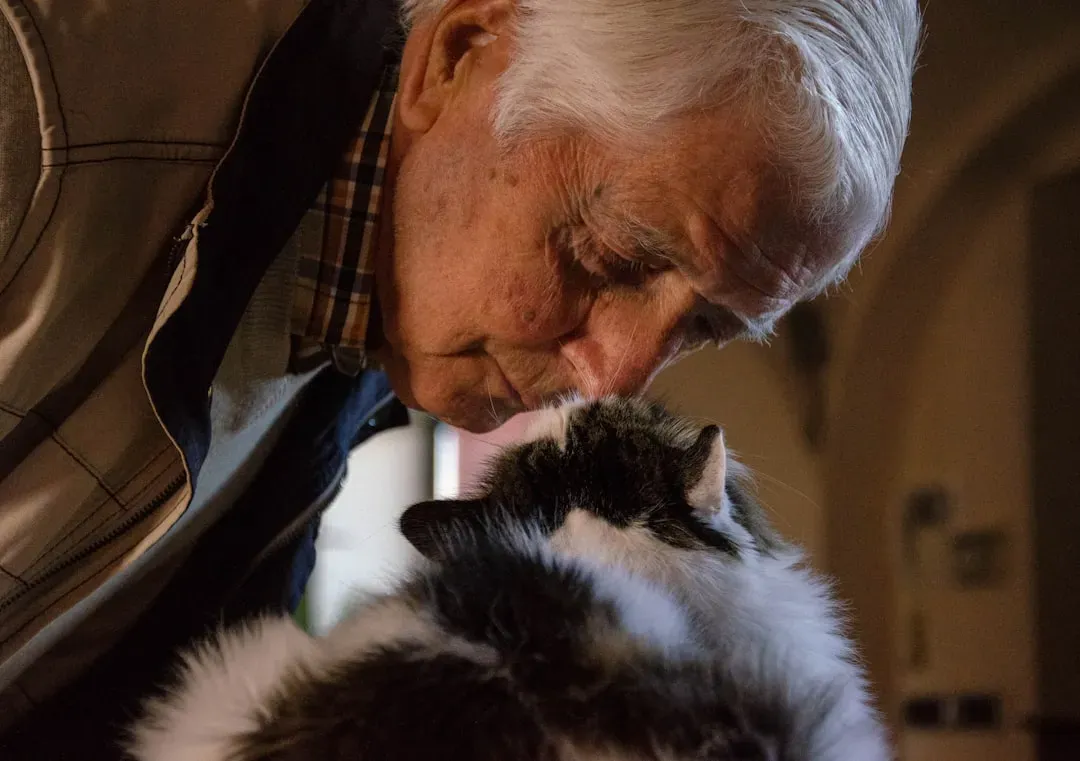
This is where the study stopped being theoretical and became genuinely testable. Researchers didn't just watch cats - they controlled exactly what humans did and measured the response.
In the first experiment, cat half-blinks and eye narrowing occurred more frequently in response to owners' slow blink stimuli towards their cats compared to no owner-cat interaction. The owners were literally scripted: blink slowly at your cat, then sit quietly and don't interact. The difference in the cat's response was measurable both times.
The detail that surprised even the research team: this wasn't a fluke tied to one affectionate household. The experiment involved 21 cats from 14 different households, with cats ranging in age from roughly 0.45 to 16 years old, and all had lived with their owners for a minimum of three months.
That's a real cross-section of ordinary pets, not a handful of unusually bonded lab animals. The pattern held up. But #6 proves this isn't even about your cat knowing you personally.
#6 - Strangers Get the Exact Same Treatment
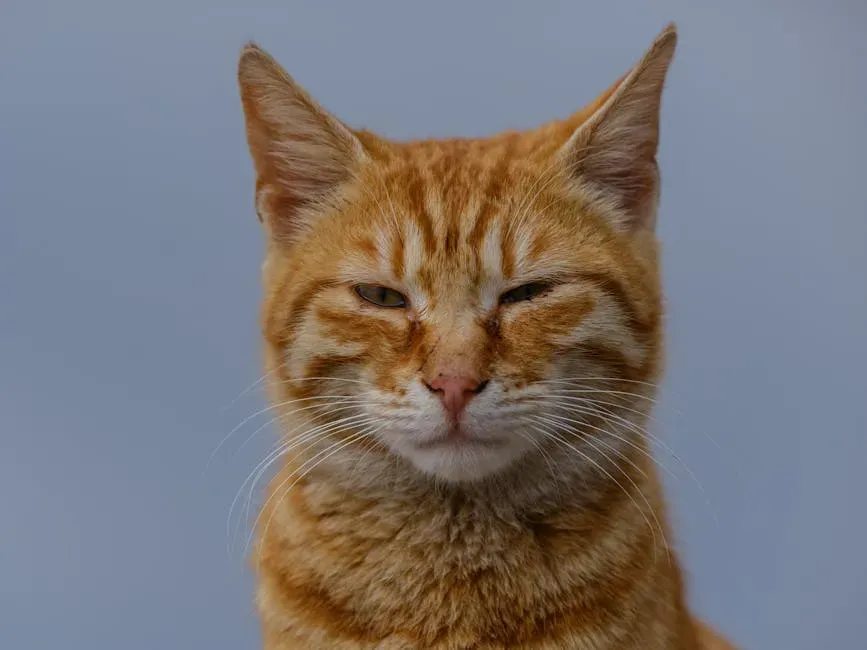
Here's the twist that separates this from simple owner recognition: your cat doesn't need to know you at all for the slow blink to work.
In the second experiment, an experimenter provided the slow blink stimulus, and cats had a higher propensity to approach the experimenter after a slow blink interaction than when they had adopted a neutral expression. These were people the cats had never met before, in unfamiliar settings, with zero prior relationship.
That means the slow blink isn't a learned response specific to "my human" - it's a universal feline signal that works on any person, familiar or not. By observing cat-human interactions, scientists confirmed that this expression makes cats - both familiar and strange - approach and be receptive to humans.
This is genuinely useful information: if you meet a nervous or standoffish cat at a friend's house, or a skittish shelter cat, this same technique works even from a total stranger. It's not owner magic. It's a shared language. But the next detail, #7, is the part almost nobody mentions.
#7 - The Hand-Extension Experiment Nobody Talks About
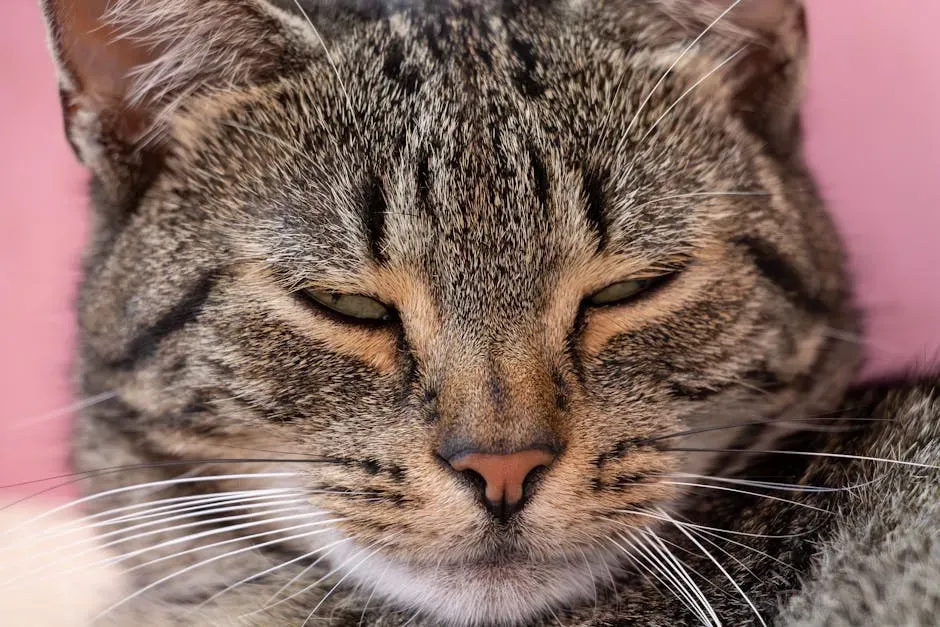
Most summaries of this study stop at "cats blink back." But the second experiment tested something far more practical: whether the slow blink actually changes a cat's willingness to physically approach you.
The researchers performed the same slow-blink process as the first experiment, then added an extended hand toward the cat. Not only were the cats more likely to blink back - they were also more likely to approach the human's hand after the human had blinked. That's the part with real-world value; it's not just an emotional signal, it changes physical behavior.
Here's the specific technique researchers used, straight from the study protocol: offering the cat a flat hand with palm faced upward while sitting or crouched directly opposite the cat. If you've ever wondered why some people seem to have an instant, magnetic effect on nervous cats while others get ignored, this sequence - slow blink, then open palm, no forcing - is likely the reason. Now here's where things get emotional: #8.
#8 - Shelter Cats Who Slow Blink Get Adopted Faster
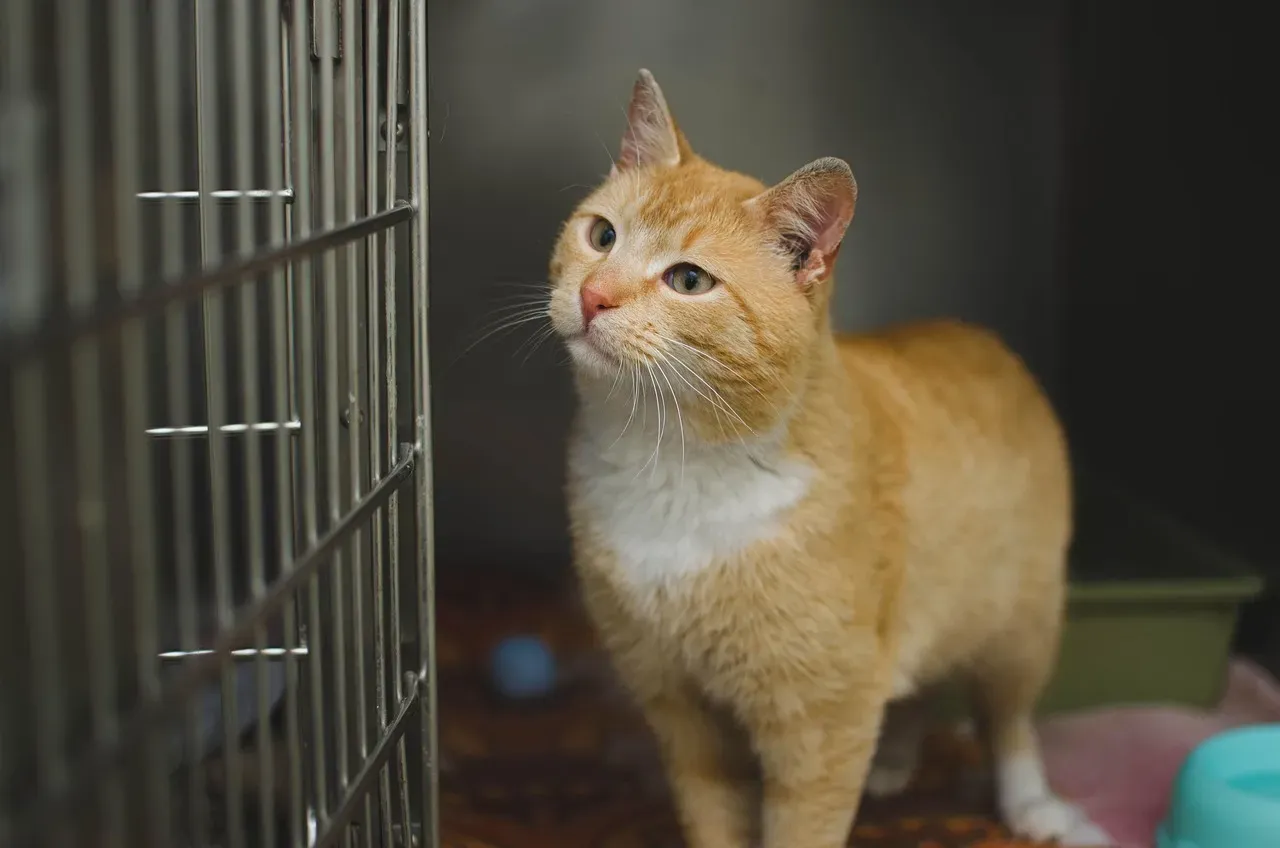
This is arguably the most consequential finding in the entire body of research, and it has nothing to do with home life.
Slow blinking is a type of interaction between humans and cats that involves a sequence of prolonged eye-narrowing movements given by both parties, and this interspecific social behaviour has recently been studied empirically. A follow-up study specifically looked at shelter cats, published under the title "Slow Blink Eye Closure in Shelter Cats Is Related to Quicker Adoption."
Worth Knowing
- The follow-up study's title directly links slow blinking to faster shelter adoptions
- Researchers say the behavior could help assess welfare in shelters and vet clinics
- An anxious cat that happens to slow blink may appear "friendlier" than a calm one that doesn't
- The signal likely reflects a temporary comfort state, not a fixed personality trait
The controversial opinion this raises: shelters may be unintentionally overlooking perfectly friendly cats simply because those cats don't slow blink as readily during stressful shelter visits, while more anxious cats who happen to slow blink get adopted first - meaning the behavior could be misread as a personality trait rather than a state of temporary comfort.
Understanding positive ways in which cats and humans interact can enhance public understanding of cats, improve feline welfare, and potentially be used to assess welfare in a variety of settings, including veterinary practices and shelters. That's not a small use case - that's a tool that could genuinely change adoption outcomes. Onward to #9, where the science gets murkier.
#9 - Nobody Actually Knows Why It Evolved
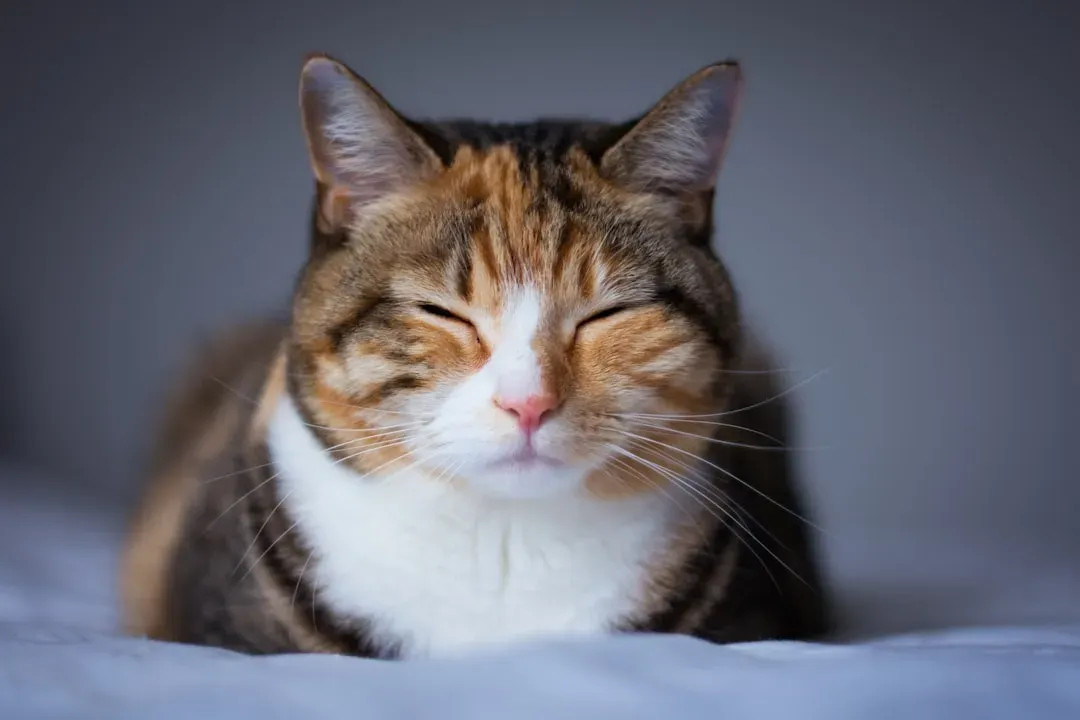
Here's the honest, slightly less satisfying truth: researchers still don't agree on the origin of this behavior, and they're upfront about it.
There are two competing theories. One argument is that cats developed slow blinking because humans perceived it as positive, meaning cats may have learned that humans reward them for responding to it. Under this theory, it's less an innate emotional signal and more a learned trick reinforced over thousands of years of domestication - cats figured out it works on us, so they kept doing it.
The competing theory circles back to the anti-stare idea: it's also possible that slow blinking began purely as a way to interrupt an unbroken stare, which is potentially threatening in social interaction.
At a Glance: Two Competing Theories
- Reward Theory: Cats learned humans respond positively, reinforcing the behavior over generations of domestication
- Anti-Stare Theory: Slow blinking evolved to interrupt a threatening, unbroken stare
- Most likely answer: a blend of both - an old survival gesture that domestication repurposed into a human-bonding tool
Most people assume scientists have this fully figured out - they don't. Both explanations are plausible, and the truth may be a blend of the two: an ancient anti-threat gesture that domestication then turned into a reward-seeking behavior aimed specifically at humans. That uncertainty makes #10 even more important.
#10 - The Biggest Mistake: Forcing Eye Contact
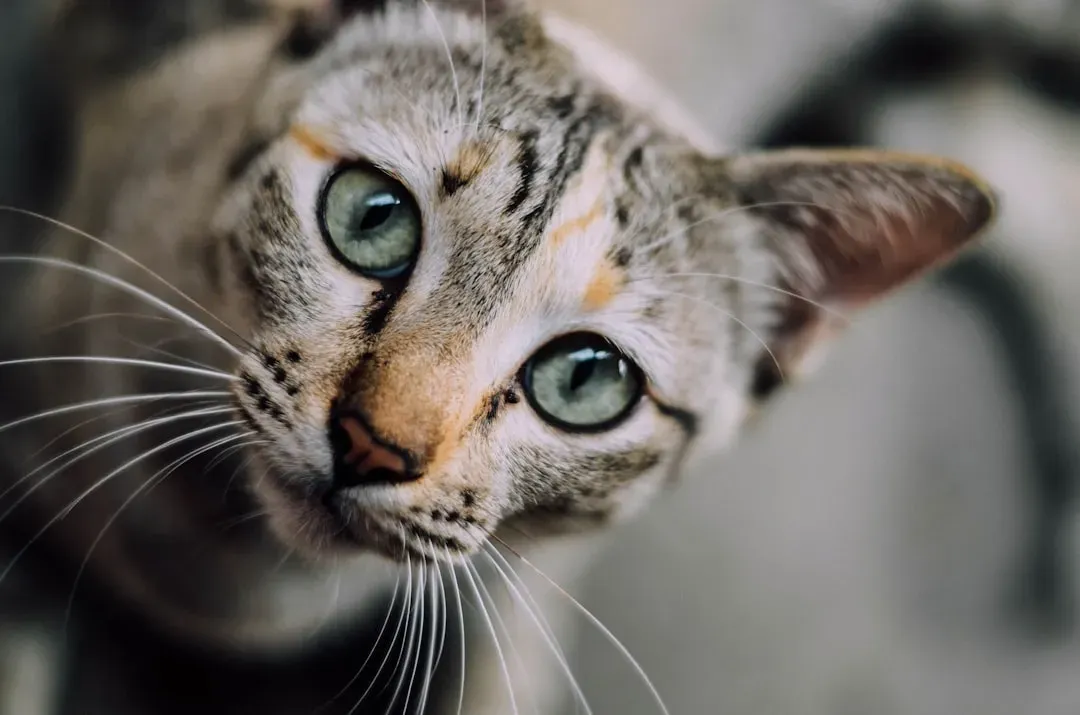
If there's one correction that deserves to go viral, it's this one: staring at your cat to "bond" is working against you, not for you.
As established earlier, cats often avert their eyes when they sense danger and maintain unbroken eye contact when they're on the prowl. A hard, unbroken stare - even a loving one from your perspective - sits closer to predator behavior in feline logic than affection.
Try narrowing your eyes at them as you would in a relaxed smile, followed by closing your eyes for a couple of seconds, and you'll find they respond in the same way themselves and you can start a sort of conversation.
Dr. Karen McComb, University of Sussex
No forcing, no staring contests, no holding your cat's face toward yours. Just narrow, close, release, and wait. It sounds too easy to be real science - but that's exactly what the data supports. #11 takes this outside the cat world entirely.
#11 - It's Not Just a Cat Thing
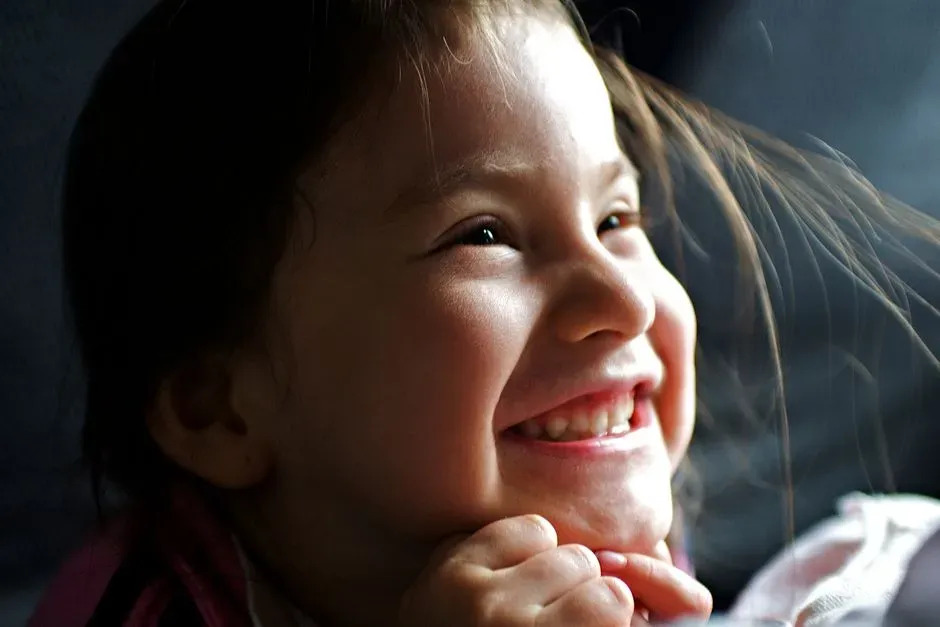
Here's a detail that should reshape how you think about animal communication in general: cats didn't invent this. They're borrowing from a signal that shows up across the entire mammal kingdom.
Dogs narrow their eyes during play, horses and cows do it when being stroked, and humans do it when they genuinely smile - the Duchenne smile, the kind that crinkles the corners of your eyes. All of them share the same basic feature: narrowed eyes paired with a relaxed face. That's a strikingly consistent pattern across species that don't share recent evolutionary history in terms of domestication timelines.
The opinion worth arguing about in the comments: if eye-narrowing really is a shared mammalian signal for safety and positive emotion, then the idea that cats are uniquely "aloof" or "hard to read" compared to dogs is largely a myth built on people not knowing what to look for. Cats communicate constantly - most owners just aren't fluent in the signal. That myth-busting theme carries straight into #12.
#12 - Purring Gets Misread the Exact Same Way
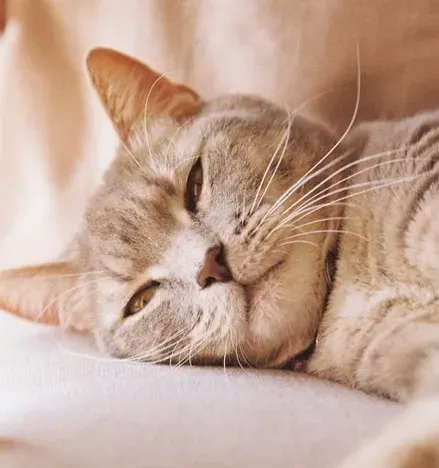
This one deserves a spot on this list because it proves cat owners have a pattern of confidently misreading feline signals - and slow blinking isn't the first time science has had to correct us.
Research had already discovered that cats purr as a means of soliciting human attention, with purring often misunderstood as a sign of happiness rather than a request for attention that may occur even when a cat is not feeling well. Sit with that for a second: the noise most people associate with pure contentment can just as easily mean "please pay attention to me" or even signal discomfort.
This is the pattern worth noticing: humans consistently project the meaning we want onto cat behavior instead of the meaning that's actually there. Purring isn't automatically happiness. Slow blinking isn't automatically sleepiness. Both require context - is the cat relaxed, is the body language loose, are the ears forward - before you can read the signal correctly. Get that context wrong, and you'll misjudge exactly what your cat is telling you, which brings us to the practical payoff in #13.
#13 - How to Actually Blink Back, Correctly
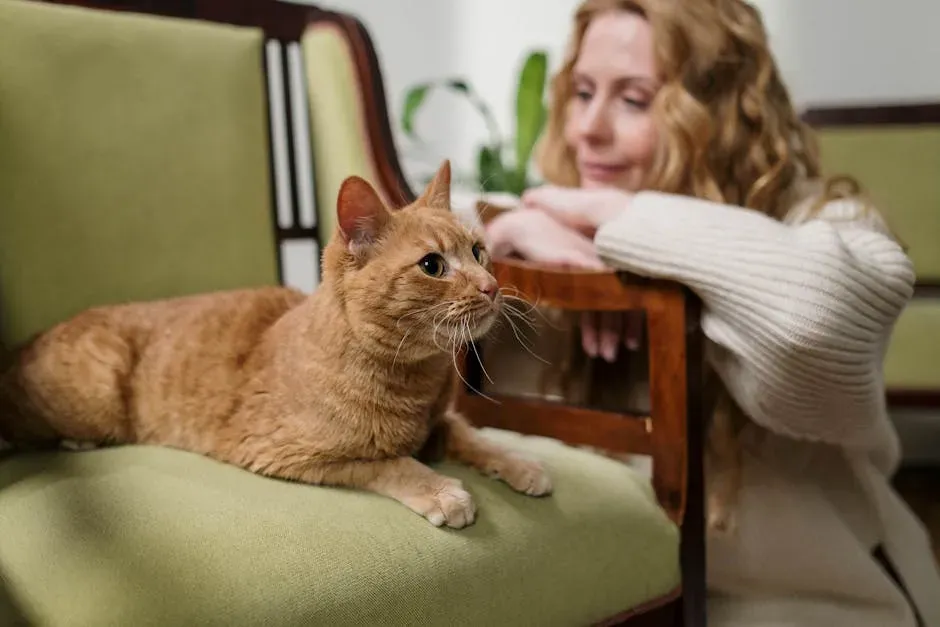
This is the slide worth screenshotting, because it's the one piece of actionable technique that comes directly from the people who ran the experiments.
The method is straightforward but has to be done in the right order. Wait until your cat is relaxed and looking in your direction, don't force eye contact, then narrow your eyes slowly, keeping them half-closed for a moment - think "sleepy," not "squinting" - before closing your eyes fully for a second or two and opening them softly. That sequence matters. Skipping straight to a hard eye-closure without the slow narrowing first isn't the same signal.
Fast Facts: The Slow-Blink Technique
- Wait until the cat is relaxed and already looking your way
- Narrow your eyes slowly - "sleepy," not squinting
- Hold the half-closed position for a moment
- Close your eyes fully for one to two seconds, then open softly
The payoff, according to the research team behind the study: this is something you can try with your own cat at home, or with any cat you meet on the street, and it's a genuine way of building trust - not a gimmick, but a peer-reviewed conclusion. Try it tonight and watch what actually happens.
The Bottom Line
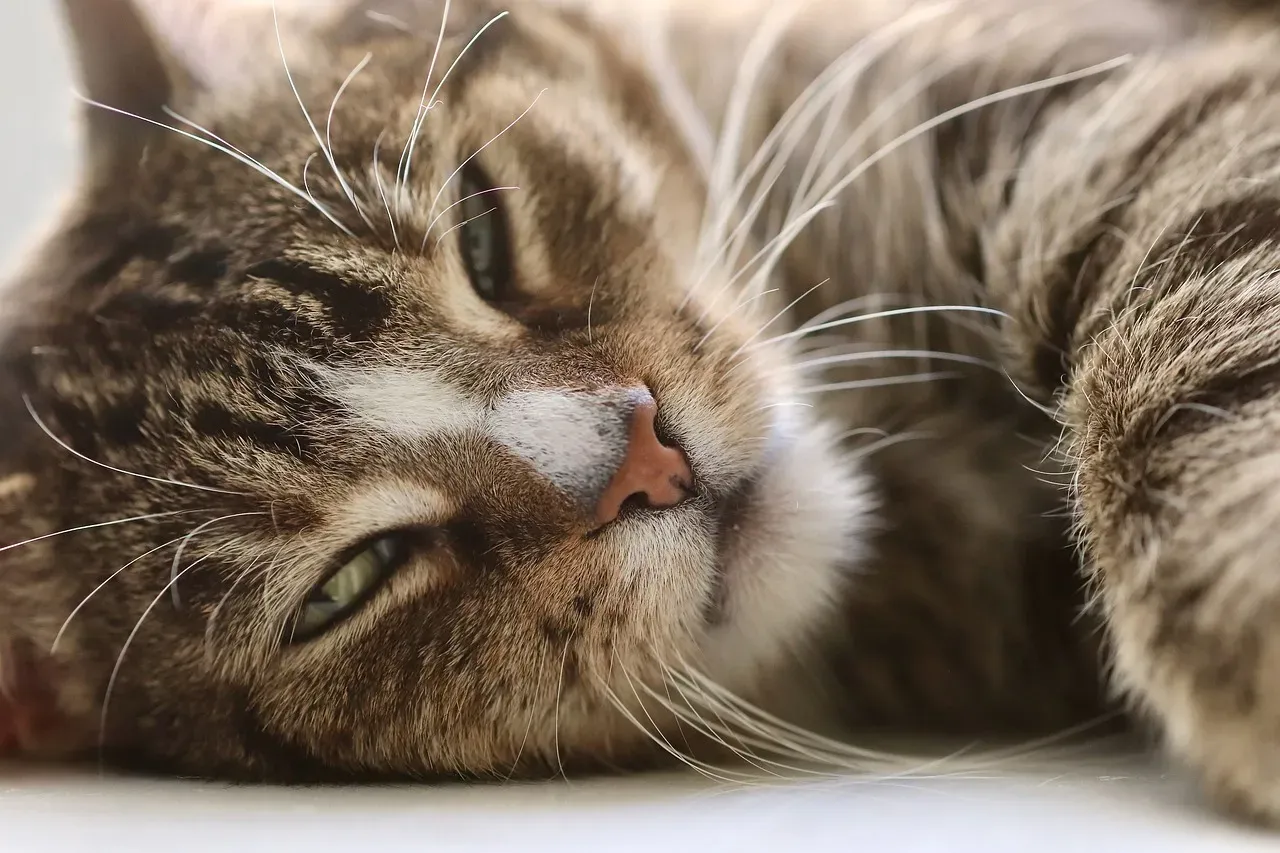
The slow blink isn't a party trick cat owners invented to feel special - it's one of the only pieces of feline body language that's actually been tested, measured, and confirmed under lab conditions. The real embarrassment isn't that cats have been talking to us this whole time. It's how long we assumed a loving, unbroken stare was the right move, when the science says the exact opposite.
Next time your cat looks at you, don't stare. Blink slow, look away, and wait - you might be surprised who blinks back first.