8 Cat Breeds That Often Want to Sleep as Close to Their Humans as Possible
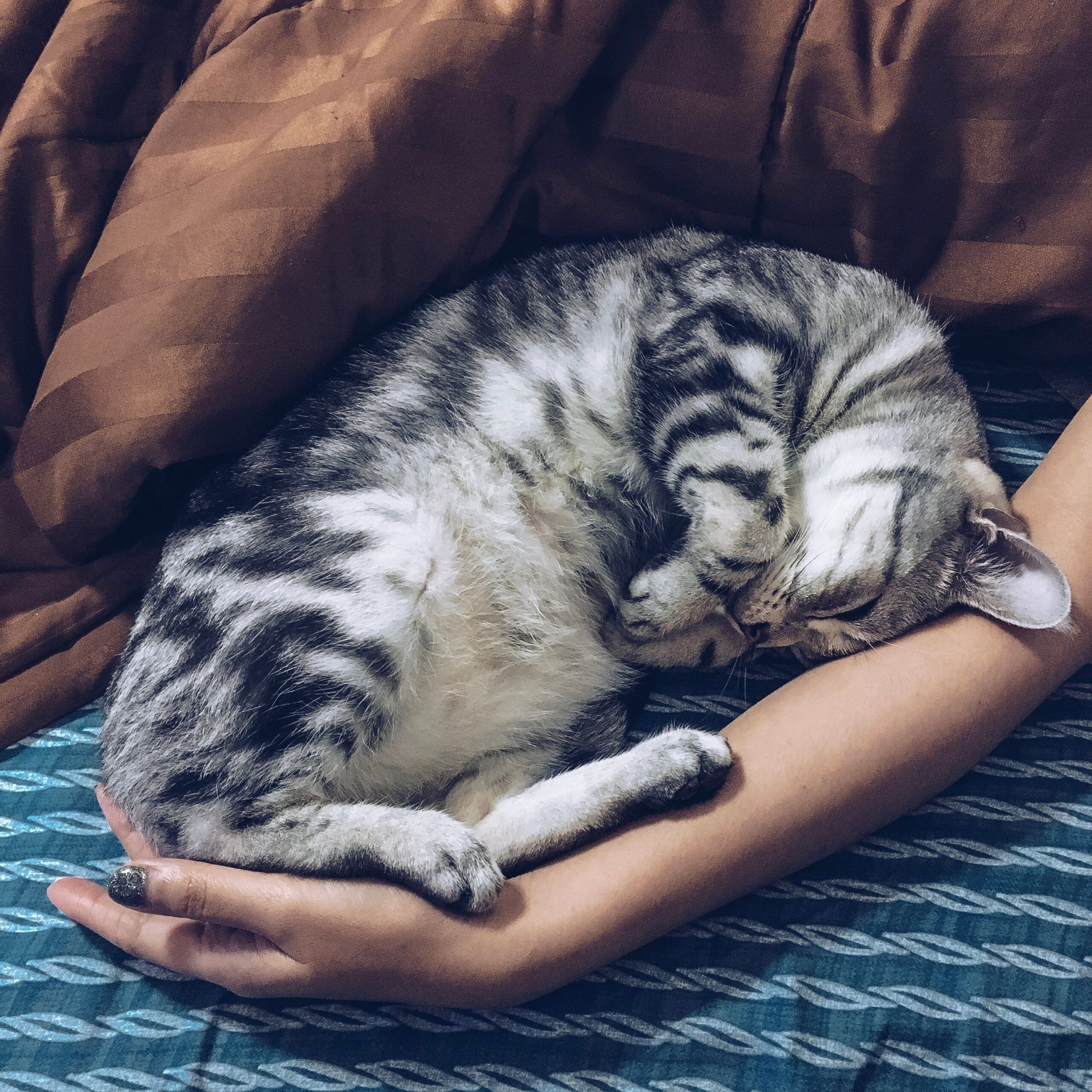
#1 Ragdoll
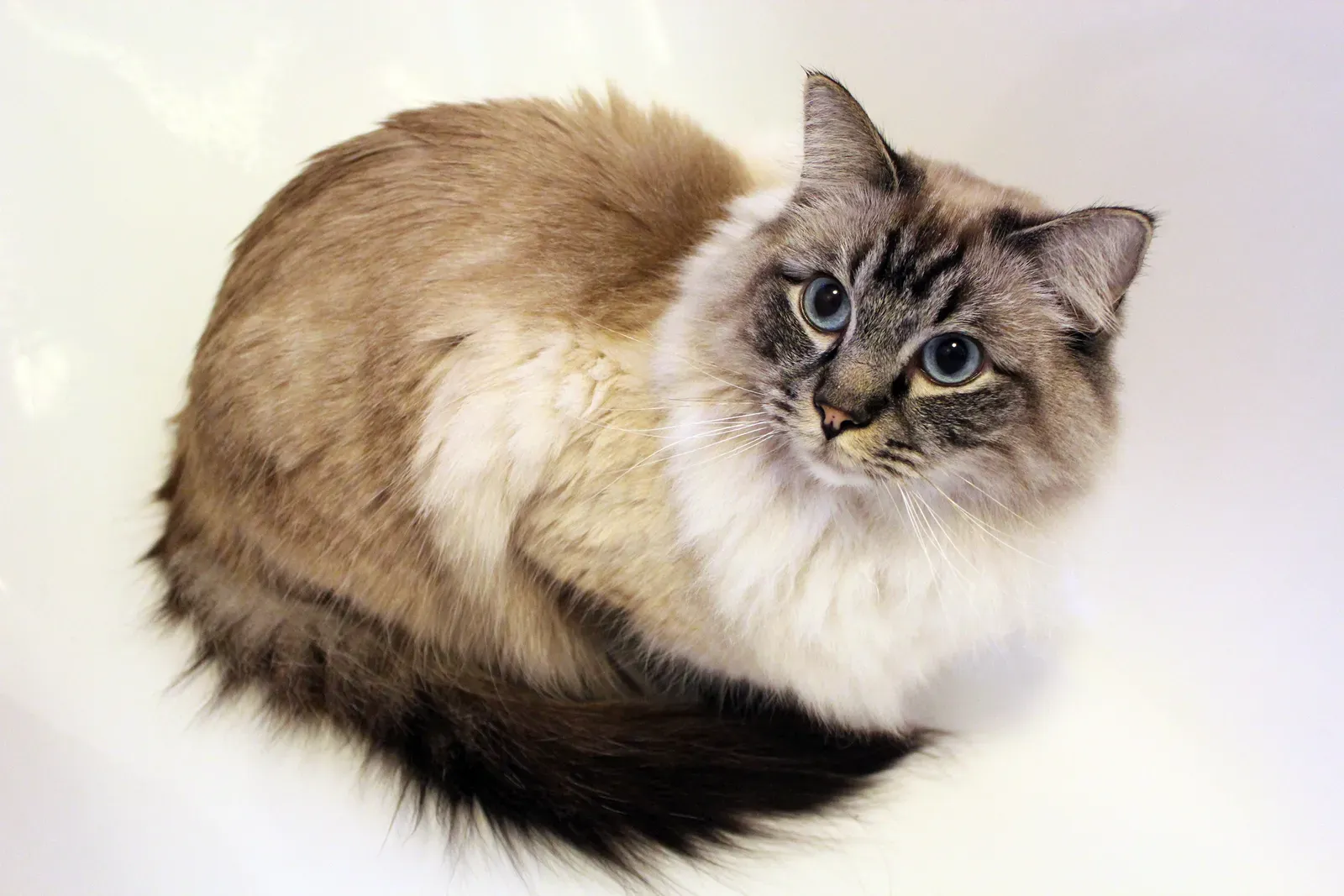
Ragdolls are famous for going limp when picked up, a trait that gave the breed its name, and that same relaxed nature tends to carry over into how they sleep. Many owners describe their Ragdolls flopping directly onto them rather than curling up nearby, as if physical contact is simply the default setting. This isn't just a cute quirk; the breed was developed with a calm, people oriented temperament in mind, and that shows up most clearly once the lights go out.
Ragdolls also tend to be less independent than other large breeds, following owners from room to room throughout the day. That habit of trailing after their favorite person rarely stops when bedtime arrives. It's common for a Ragdoll to wait by the bedroom door or hop up the moment a human settles in, treating the nightly routine as a scheduled reunion rather than a coincidence.
#2 Siamese
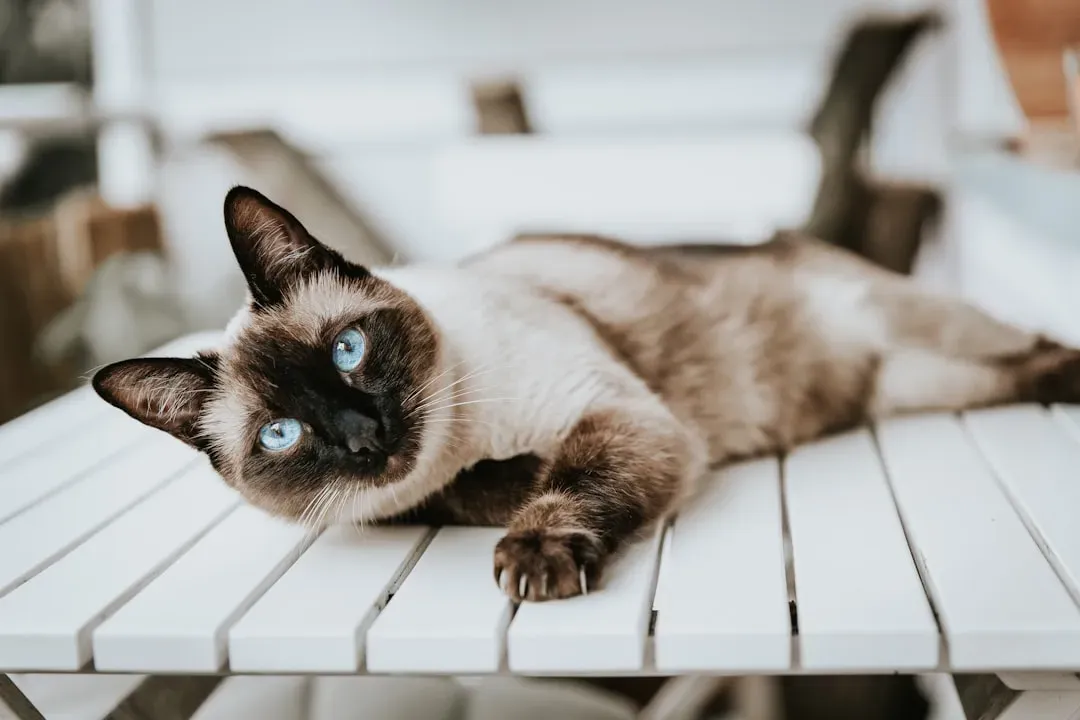
Siamese cats are vocal, opinionated, and famously attached to their chosen humans, sometimes to the point of forming a bond that resembles a dog more than a typical cat. That intensity doesn't switch off at night. Many Siamese owners report their cats sleeping pressed against a leg or curled into the crook of an arm, unwilling to settle for a spot across the room.
Part of this comes down to how the breed was shaped over generations, with breeders selecting for sociability and a strong drive to engage with people. Siamese cats also tend to run warmer and seek out heat sources, and a sleeping human is about as reliable a heat source as it gets. Combine that with their social nature, and it's easy to see why they gravitate toward the middle of the bed rather than the edges.
#3 Sphynx
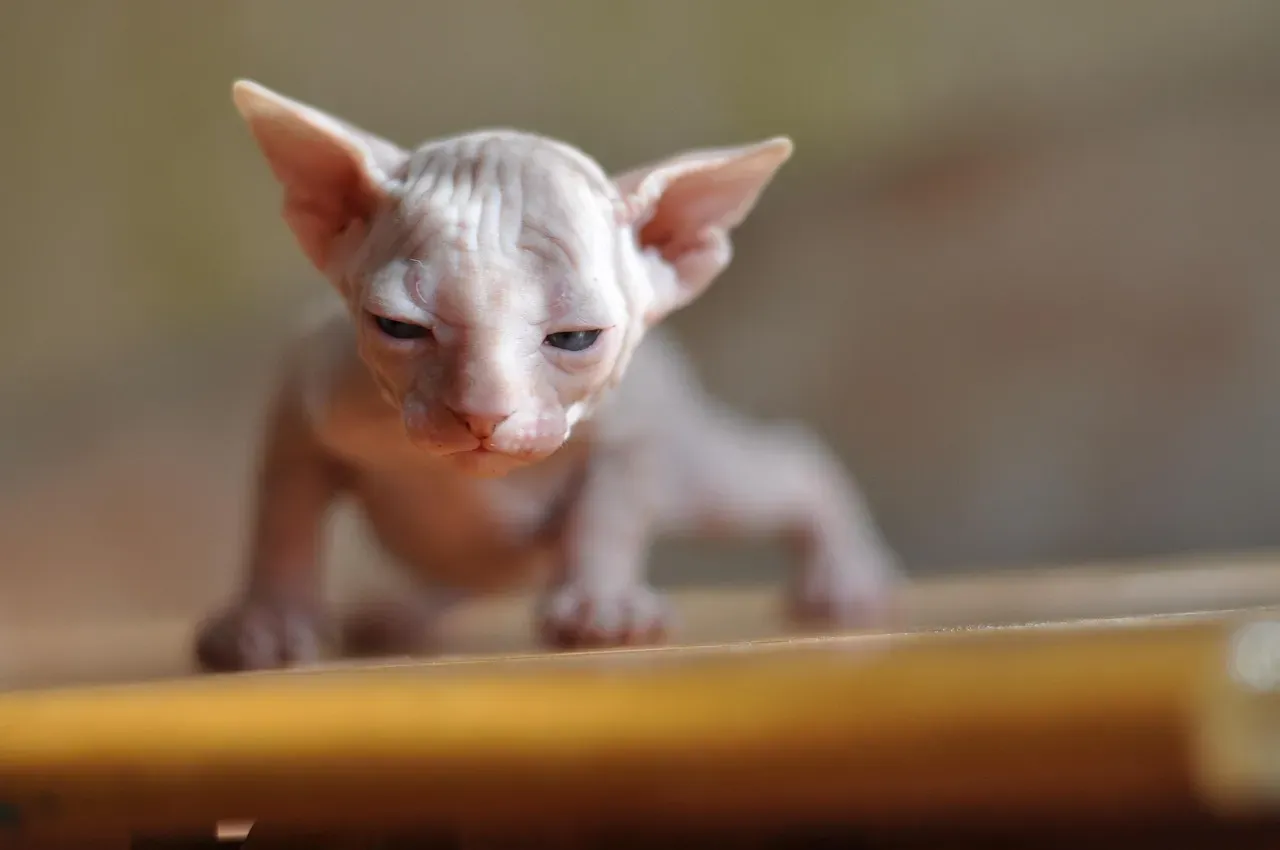
The Sphynx's lack of fur isn't just a visual signature, it's also a practical reason this breed seeks out warm bodies at night. Without an insulating coat, Sphynx cats lose heat more quickly than their furry counterparts, and burrowing under blankets or against a sleeping owner helps regulate their body temperature. This isn't affection alone, though affection certainly plays a role too.
Beyond the thermal need, Sphynx cats are known for being extroverted and people focused, often described as needing companionship the way some breeds need space. Owners frequently find them tucked under the covers by morning, having migrated there sometime overnight. It's a combination of biology and personality that makes this breed one of the more determined bed sharers out there.
#4 Maine Coon
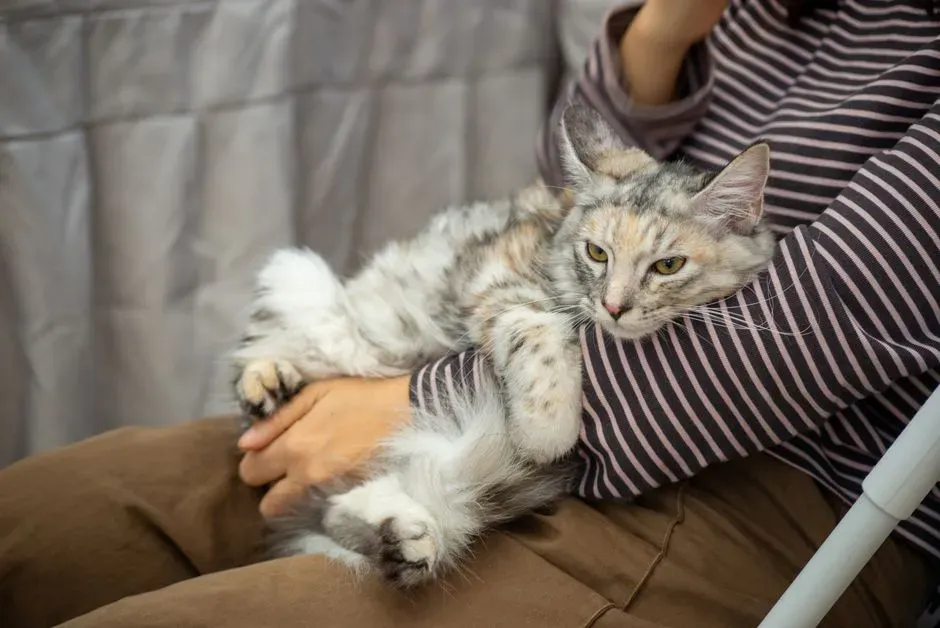
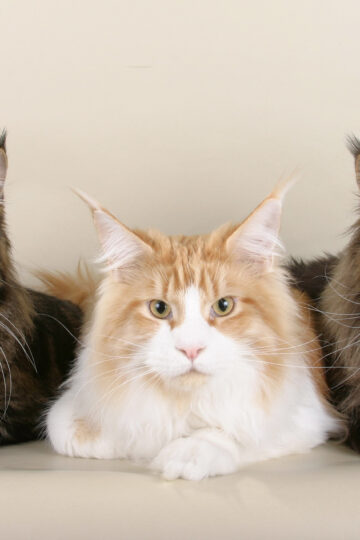
Maine Coons carry a reputation as gentle giants, and that easygoing temperament often extends to how they approach nighttime routines. Despite their size, many Maine Coons prefer to sleep in direct contact with their owners rather than sprawled out independently on their own cushion. Their affectionate but not overly needy nature means they're comfortable being close without being clingy throughout the day, yet nighttime seems to bring out a stronger pull toward physical closeness.
This breed also tends to be highly attuned to household routines and the people in it, often described as dog like in their loyalty. That loyalty shows up as cats waiting for their owner's bedtime rather than sleeping on their own schedule. A large cat settling in against your side changes the whole geometry of a bed, but most Maine Coon owners seem to accept the tradeoff without much complaint.
#5 Burmese

Burmese cats are often described by breed enthusiasts as needing near constant companionship, and that need doesn't pause when the day winds down. This breed has a long history of forming close, almost dependent attachments to their owners, sometimes following them into every room including the bedroom without exception. Sleeping apart from their person isn't really part of the Burmese playbook.
Their affectionate streak is paired with a fairly low tolerance for being ignored, which means a closed bedroom door can lead to some persistent meowing until access is granted. Once let in, Burmese cats typically settle quickly and stay put, often choosing a spot directly against their owner rather than at the foot of the bed. It's a breed that treats physical closeness as a baseline expectation rather than an occasional bonus.
Biscuit
Biscuit is looking at you hopefully.
#6 Devon Rex
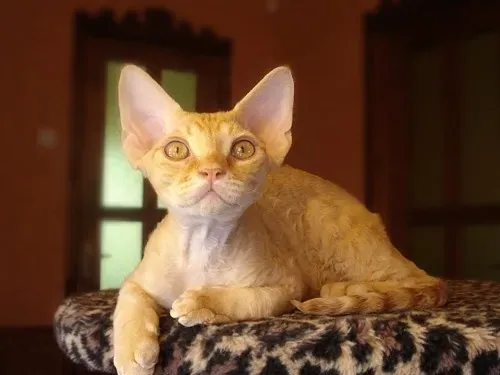
Devon Rex cats have a wiry, curly coat that offers less warmth than a typical double layered coat, giving them another practical reason to seek out body heat overnight. Like their Sphynx cousins, they're drawn to warm spots, and a sleeping human under a blanket checks that box perfectly. This breed is also known for a mischievous, highly social personality that keeps them engaged with their household well past typical playtime hours.
Devon Rex owners often describe their cats as shadow like, following them from task to task during the day and expecting that closeness to continue at night. It's common for this breed to climb onto shoulders, tuck into the crook of a neck, or wedge themselves between pillows rather than sleeping at a distance. Their curiosity and attachment tend to work together, making solo sleeping spots feel like missed opportunities in their eyes.
#7 Tonkinese
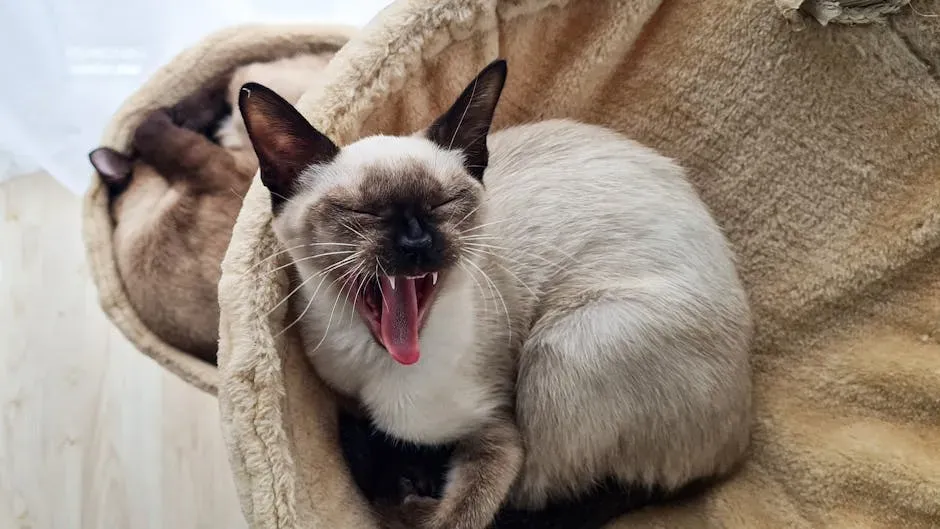
Tonkinese cats are a cross between Siamese and Burmese lines, and they've inherited a strong dose of sociability from both sides of that lineage. This breed is frequently described as people oriented to the point of following owners around the house all day, and nighttime is no exception to that pattern. Many Tonkinese cats treat sleeping alone as a last resort rather than a preference.
Energetic and playful during waking hours, Tonkinese cats often settle down more quickly once their favorite person does the same, using bedtime as an opportunity to finally slow down together. Their attachment style tends to be consistent rather than moody, meaning the cat that curls up against you tonight will likely do the same tomorrow. That reliability is part of what makes this breed popular among people who want steady companionship rather than unpredictable affection.
#8 Scottish Fold
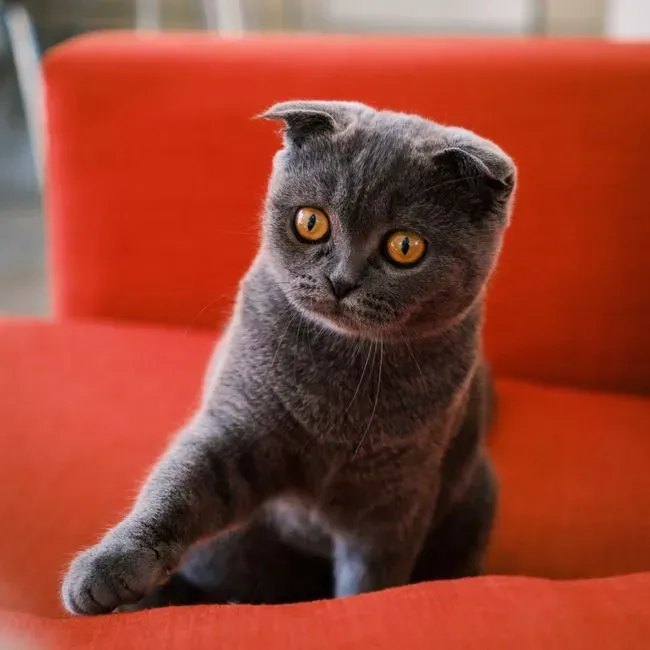
Scottish Folds are known for a calm, adaptable temperament that makes them comfortable settling into whatever routine their household follows, including sleeping arrangements. Many owners note that their Folds prefer curling up directly against them rather than choosing a separate bed or blanket, treating proximity as part of their comfort. This isn't a particularly vocal or demanding breed, but the quiet preference for closeness still comes through clearly at night.
Their easygoing nature also means Scottish Folds tend to adjust well to a partner's movements during sleep, rarely relocating in frustration the way more particular cats might. This adaptability, paired with a genuine fondness for their people, makes them reliable bed companions rather than restless ones. It's a subtler form of attachment than some of the more insistent breeds on this list, but no less consistent.
Final Thoughts
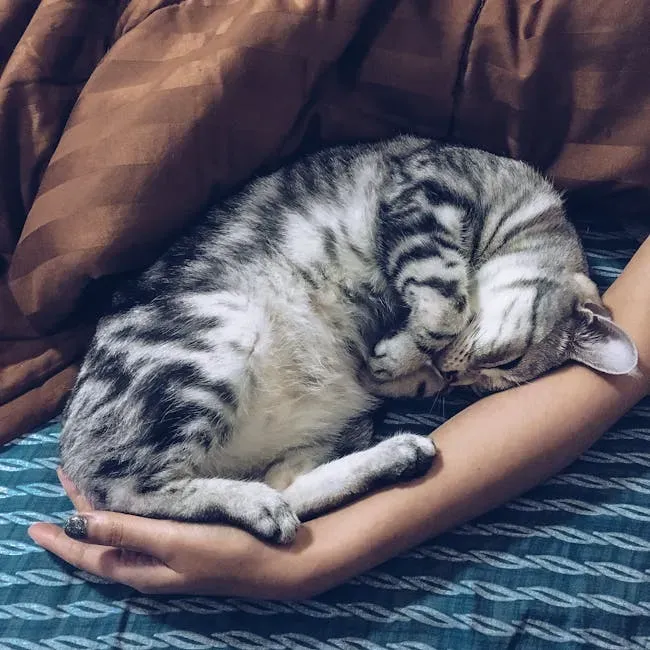
Looking at these eight breeds together, a pattern emerges that has less to do with fur length or body size and more to do with how each breed was shaped by generations of close human contact. Cats bred for companionship, whether through deliberate selection or the practical demands of a low body fat coat, tend to treat a sleeping human as the most obvious place to be. That's not a flaw in their personality, it's arguably one of the more endearing outcomes of selective breeding done with temperament in mind.
My honest take is that people who complain about a cat hogging the bed are usually the same people who wouldn't sleep as well without that particular weight pressing against them. There's something to be said for a pet that chooses closeness over independence, even if it occasionally means waking up with a numb arm. If a full night's sleep matters more than companionship, these eight breeds probably aren't the right fit, but for everyone else, that nightly closeness tends to be the whole point.