You might notice it on a random Tuesday. You reach for your shoes and your cat is already sitting by the door, tail curled, watching you with an expression that says she knew this was coming before you did. It feels almost eerie, like she read your mind. What is actually happening is quieter and more interesting than mind reading, and it says a lot about how your cat has been studying you all along.
Your cat is running a private surveillance operation

You probably think of your cat as a passenger in your household, someone who just shows up for meals and naps. In reality, you are being observed with more consistency than you realize. Cats track sounds, smells, and small shifts in your behavior throughout the day, building a mental record of what usually happens next.
Your cat has an impressive memory and can remember familiar places, people, and routines. That memory is not just for storage. The ability to remember routines develops around your schedule, which means your cat is not simply reacting to you in the moment. She is comparing what you are doing now to what you have done before, and drawing conclusions from the pattern.
The alarm clock in your cat’s head is not a myth

You have likely experienced the phenomenon of a cat appearing minutes before feeding time, as if summoned. That is not coincidence and it is not supernatural. Research shows cats have internal clocks that help them anticipate events and establish routines, according to certified cat behavior consultant Laura Cassiday.
This internal timing mechanism works alongside environmental cues you might not consciously notice yourself giving off. The light changing as evening approaches, the sound of your alarm, the specific creak of a particular door. Your cat stitches these signals together with an internal sense of elapsed time, and the result looks like uncanny foresight when it is really careful pattern tracking.
Sound is your cat’s favorite prediction tool
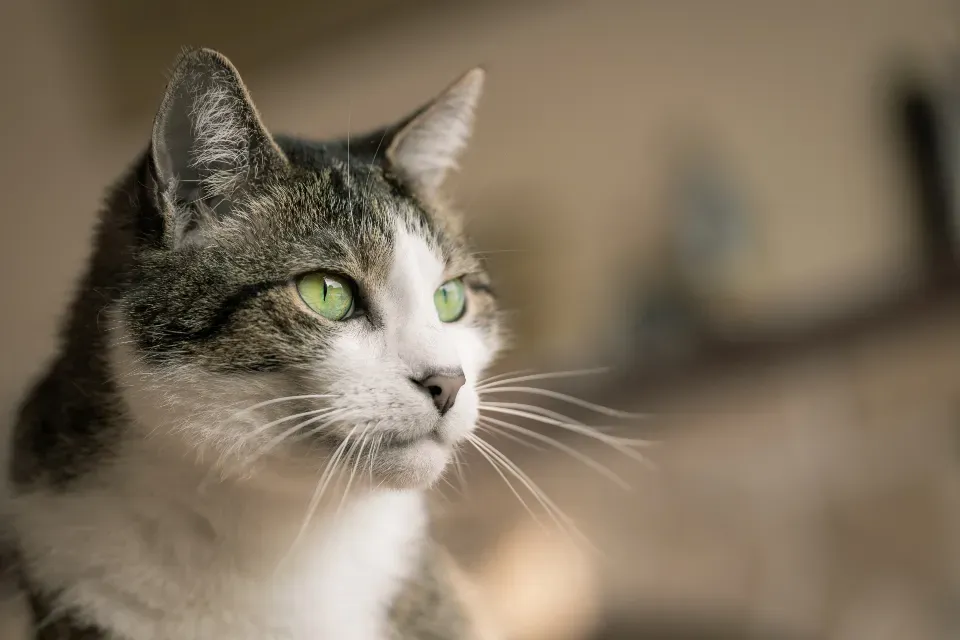
You might assume your cat is mostly watching you, but hearing plays an outsized role in how she anticipates your movements. Cats have ears built for detecting subtle acoustic differences, and they put that hardware to work constantly around the house.
Cats appear to be good at inferring physical and social presence from sounds, and researchers demonstrated that cats expected to see their owner’s face upon hearing their owner’s voice. In other words, your cat does not just hear you coming. She forms an expectation of exactly what she should see next, which is a more sophisticated kind of prediction than simple reflexive response. These studies provide evidence that cats can predict visual events based on auditory information.
Routine itself becomes a kind of language between you

You may not think of your daily habits as communication, but to your cat, they function that way. Consistent mealtimes, consistent departures, consistent evenings on the couch all become signals your cat learns to read fluently over time.
Cats are creatures of habit, and routine plays a crucial role in their emotional well-being, with predictability helping reduce anxiety and encourage stable behavior. Cats thrive when their day includes consistent mealtimes, play sessions, and rest periods, and these rituals create a sense of normalcy and provide daily opportunities for bonding. When you keep a steady rhythm, you are essentially teaching your cat a vocabulary of your life, one repeated cue at a time.
Your voice carries more information than you think

You talk to your cat, perhaps more than you would admit to a stranger. It turns out your cat is paying closer attention to that talk than a passive listener would.
Research shows that cats can remember their owners’ voices, and because people tend to use a distinct tone or style of speech when communicating with pets, cats can recognize and remember it, which is a testament to their cognitive abilities. This means the specific way you say a cat’s name, or the particular tone you use before opening a treat bag, becomes another data point in the prediction model your cat is quietly building about you.
Memory in cats is longer and more detailed than most people assume
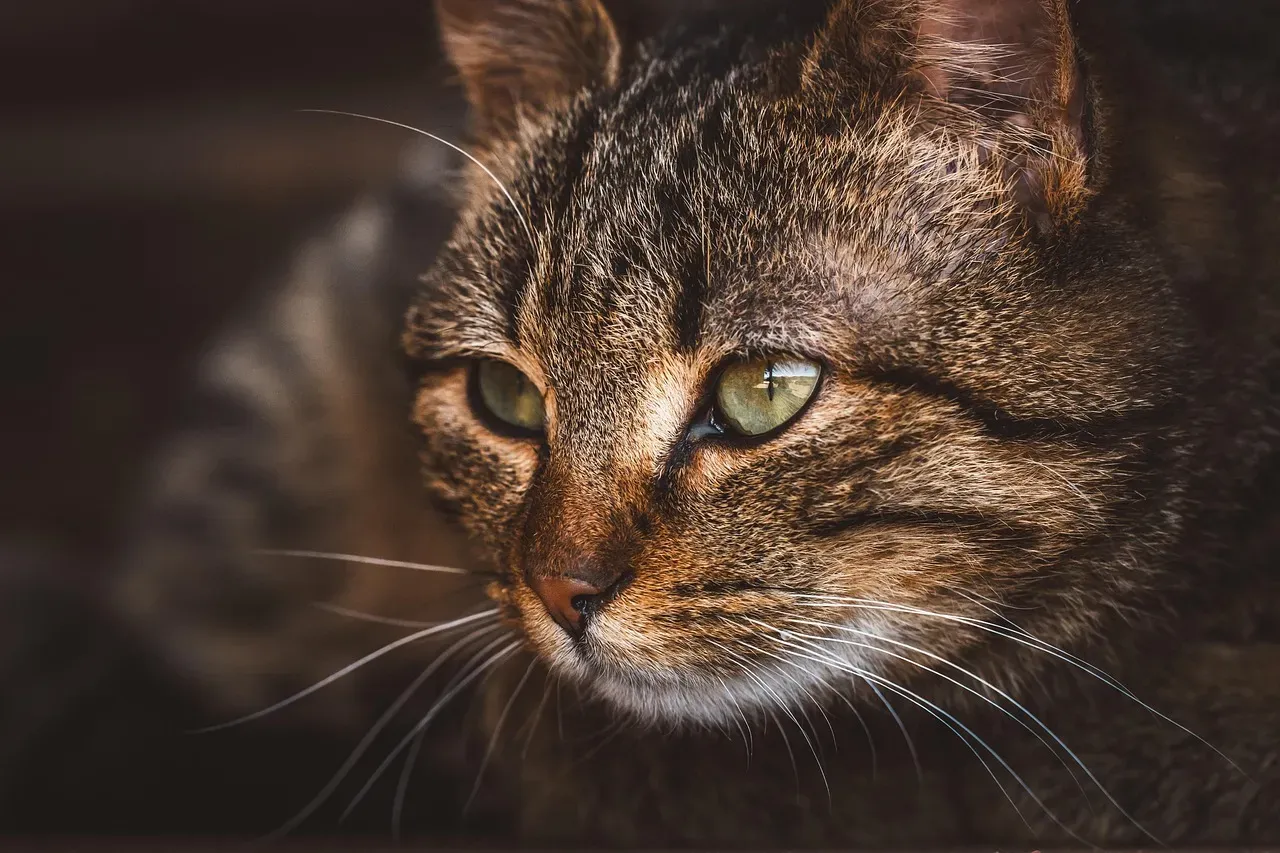
You might picture a cat’s memory as short and shallow, useful only for the last few minutes. That underestimates what is going on. Cats build a durable internal map of their environment and the people in it, one that persists well beyond the moment.
Cats can create mental maps of their environment, which may allow them to find their way home even if they venture a long distance away. Cats have excellent long-term memory and can remember routines, favorite spots, and even specific people or animals they encounter over time. That long memory is exactly what allows a cat to notice when your Tuesday behavior differs from your Monday behavior, and to adjust her expectations accordingly.
Prediction is not the same as imitation, and that distinction matters
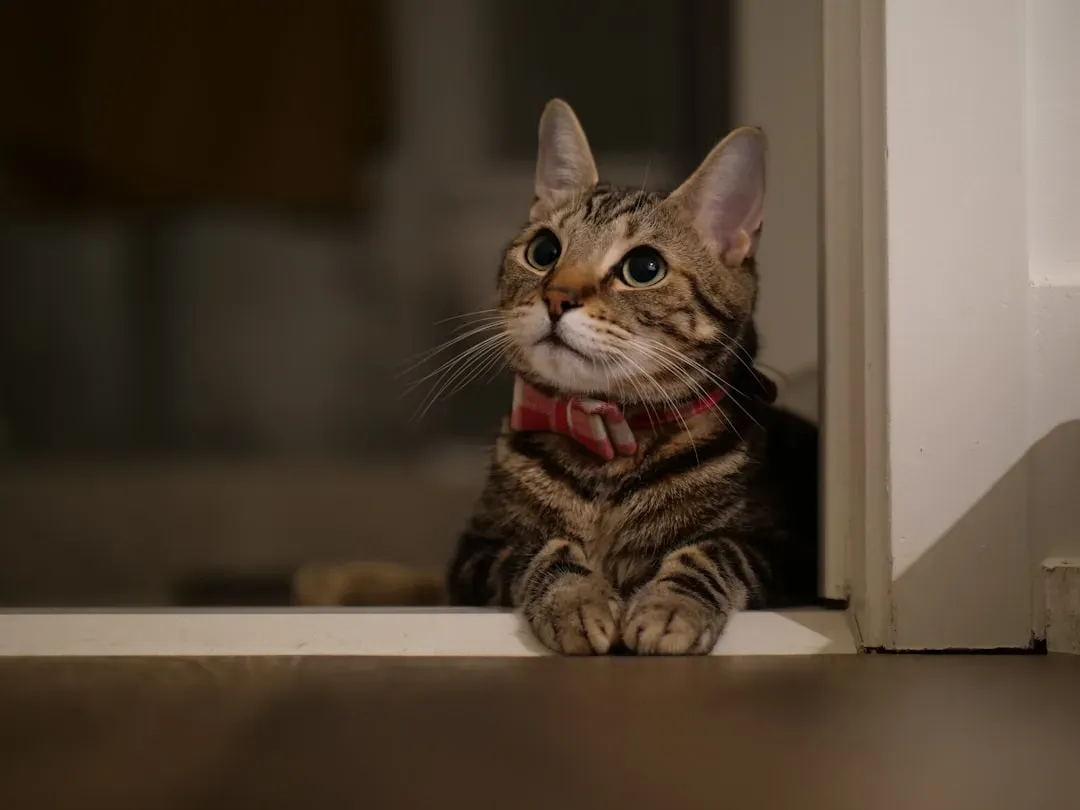
You might assume that a cat who anticipates your actions is also copying them, the way a dog might learn a trick by watching you demonstrate it. The research paints a more nuanced picture, and it is worth being honest about where the evidence is thin.
Researchers found no evidence that observing human behaviour enabled more efficient problem-solving by cats or caused them to change their behaviours in controlled experiments involving food rewards. This suggests your cat’s predictive skill comes less from copying your specific actions and more from associating cues, sounds, and timing with outcomes, a subtler and in some ways more independent kind of learning.
What this means for how you live with your cat
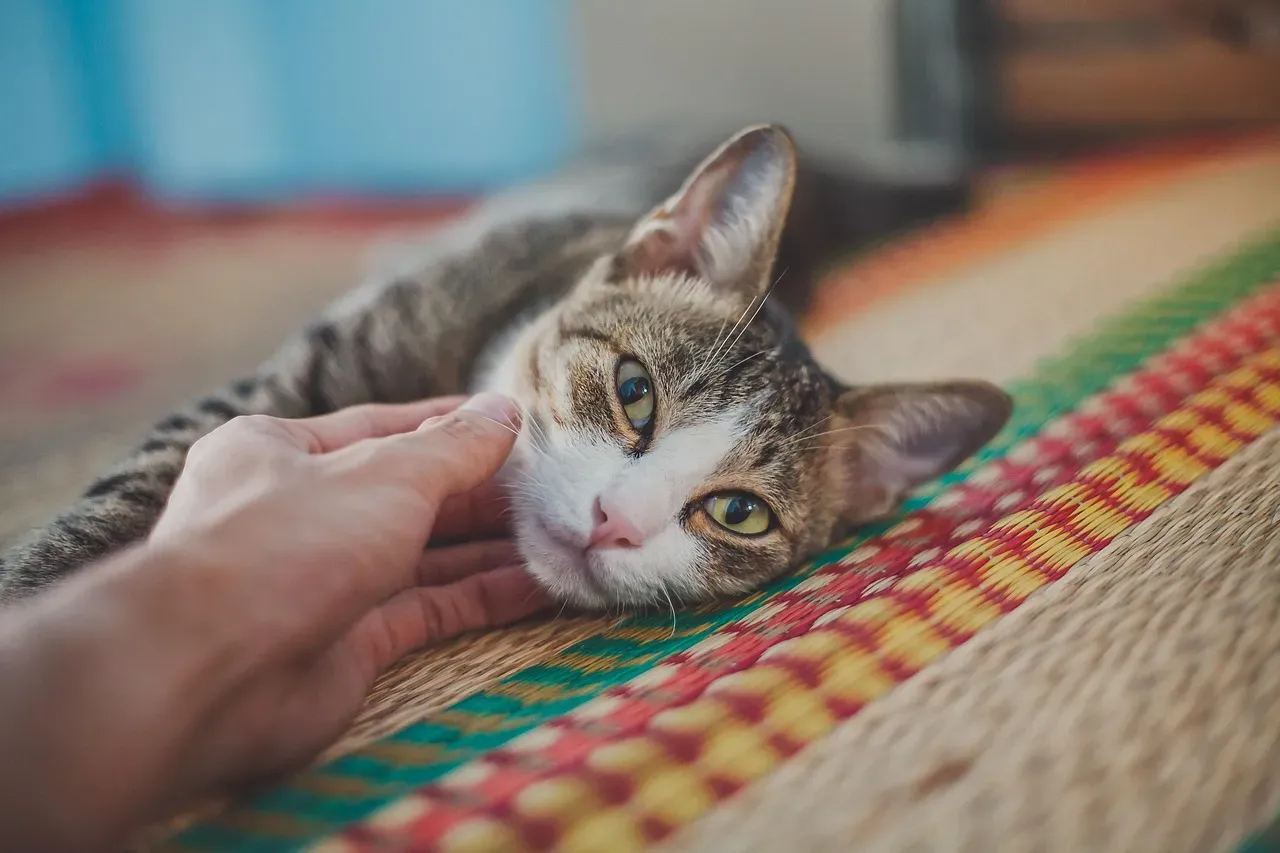
You do not need a laboratory to see this cognition at work. It shows up in small, repeated moments, the way your cat positions herself near the kitchen a few minutes before your usual dinner prep, or the way she disappears when she hears the specific rattle of a carrier being pulled from the closet.
Veterinary professionals have observed the problem-solving abilities of cats in clinical settings for decades, from the patient who learns to hide before carrier time to the one who figures out how to open cabinet doors. Recognizing this ability changes how you might think about your own habits. If your cat is quietly cataloguing your patterns, then consistency on your end becomes a kind of kindness, since predictability helps reduce anxiety, encourages stable behavior, and strengthens the human-cat bond.
The takeaway

You are not imagining the feeling that your cat sometimes seems a step ahead of you. She is not reading your thoughts, but she has been quietly reading your schedule, your sounds, and your voice for as long as you have lived together. That is not a small thing. It is a reminder that the animal curled up on your couch is running a more active internal life than the stereotype of aloof indifference usually gives credit for, and that the routine you keep without much thought is, to her, one of the clearest forms of conversation you have.
Kristina is a young writer from India. An arts graduate and an avid content creator, Kristina is passionate about animals and wildlife. She enjoys exploring topics related to pet care, animal behavior, conservation, and nature, combining thorough research with engaging storytelling.