You’ve probably caught your cat staring at you from across the room, eyes half closed, tail flicking ever so slightly. What’s going through that furry little head? Maybe they’re planning their next attack on your ankles. Perhaps they’re contemplating whether your houseplant deserves another swat. Or maybe, just maybe, they’re secretly judging every life choice you’ve ever made.
The truth is, your feline companion has been hiding their real motives in plain sight all along. Cats forecast their intentions and next moves by pointing their body in the direction they are likely to go. Every twitch, every blink, every seemingly random movement is actually part of an elaborate communication system that most of us barely understand. Let’s be real, we’ve all been fooled by the infamous belly trap or surprised by a sudden mood shift. So what’s really going on behind those mysterious eyes?
The Art of the Slow Blink: Kitty Kisses or Calculated Manipulation?
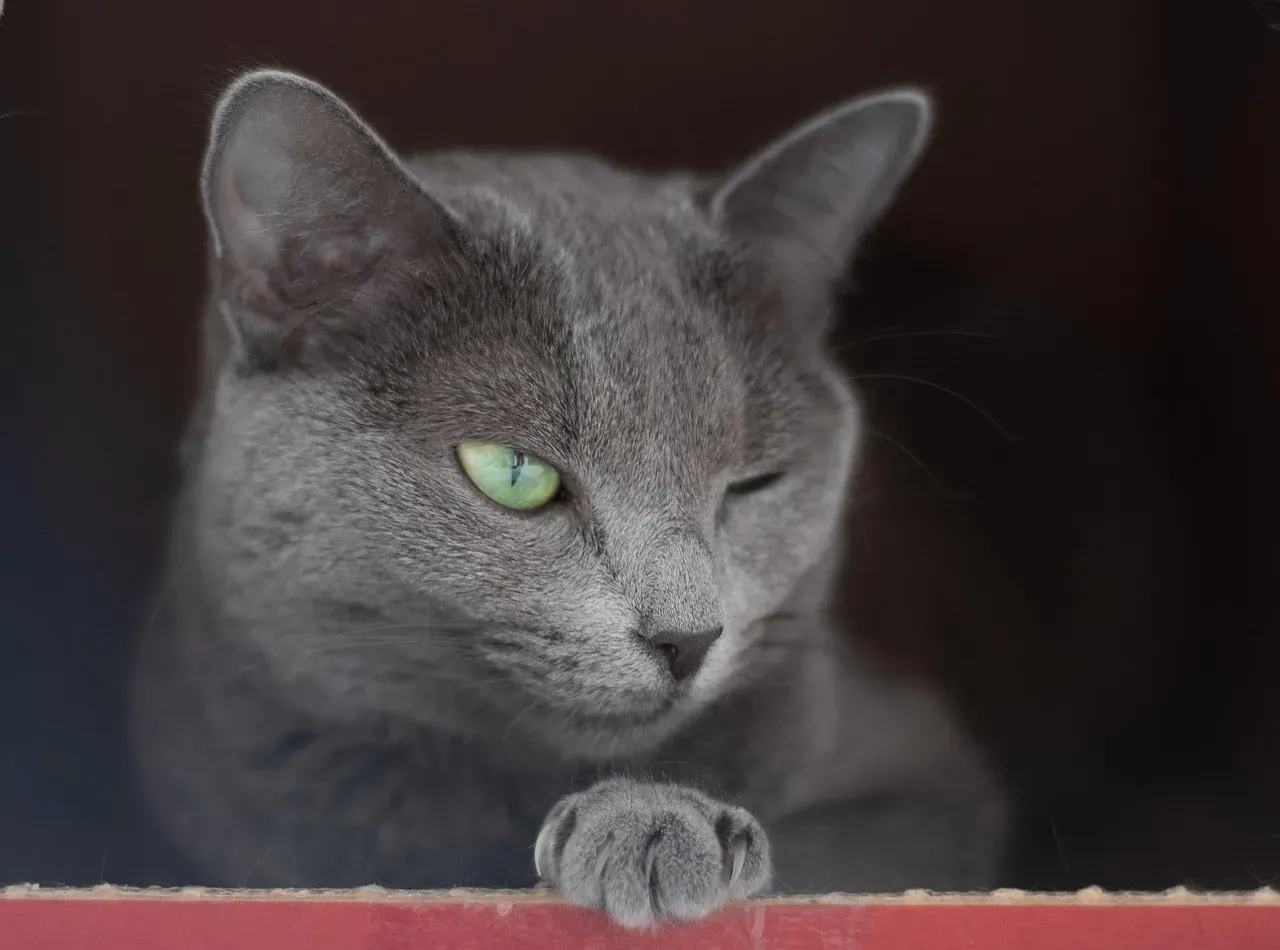
When your cat gives you slow, deliberate blinks, it’s their way of saying they trust you. This gesture, often called kitty kisses by behaviorists, seems sweet and innocent enough. You might feel honored, thinking you’ve finally earned your cat’s approval.
Here’s the thing though. It’s been interpreted as a means of signaling benign intentions since cats are thought to interpret unbroken staring as threatening, but it’s also possible that cats developed the expression since humans respond positively to it. So are they genuinely showing affection, or have they figured out that slow blinking gets them extra treats and attention? With cats, it’s hard to say for sure. Either way, when you blink slowly back at them, you’re speaking their language and strengthening your bond.
Tail Tales: Decoding the Flick and Twitch
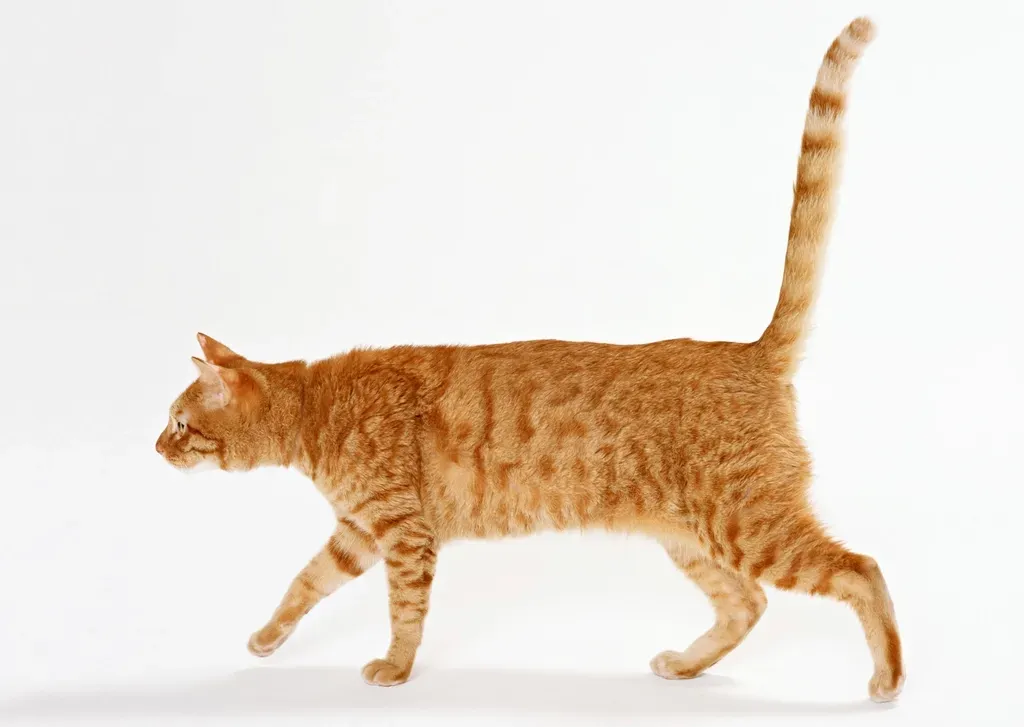
Cats use their tails as expressive tools to communicate their emotions and intentions. That elegant appendage isn’t just for balance. It’s basically a mood ring with fur.
When you see a tail held high with a slight curve at the tip, congratulations, your cat is happy to see you. A rapidly flicking tail or one lashing back and forth typically indicates irritation or agitation, and your cat is likely getting overstimulated and might be preparing to retreat or swipe at something that’s bothering them. Honestly, if you’ve ever ignored these warning signs and kept petting anyway, you’ve probably got the scratches to prove it. Learning to read tail language can save you from many unfortunate encounters.
The Belly Trap: Trust or Treachery?
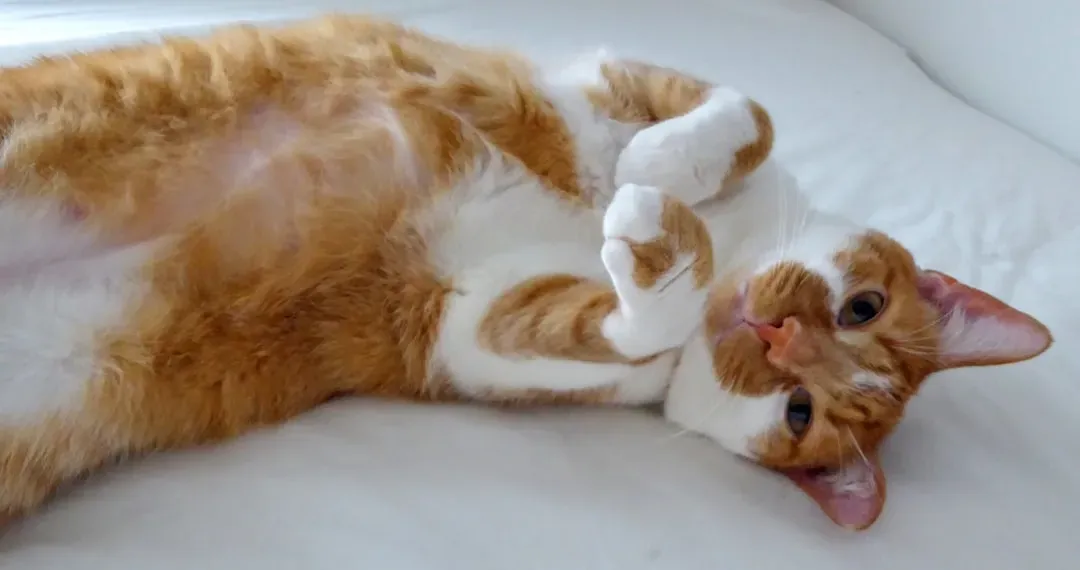
Your cat rolls over, exposing that fluffy belly, and you think it’s an invitation for cuddles. Think again. A cat rolling over to show its belly may be displaying ultimate trust, yet this is not always an invitation for a belly rub, as some cats may react defensively to protect this sensitive area.
This is one of the most famous examples of feline deception. The exposed belly signals comfort and relaxation, sure. It means your cat feels safe enough to show their most vulnerable area. Reaching out to touch it, however, is a gamble you’ll probably lose. Many cats will instantly grab your hand with all four paws and deploy the dreaded bunny kicks. It’s not that they’re being mean, they’re just protecting themselves. The mixed message drives us humans absolutely crazy, which I think might be part of their plan all along.
Rubbing Against You: Affection or Ownership Papers?
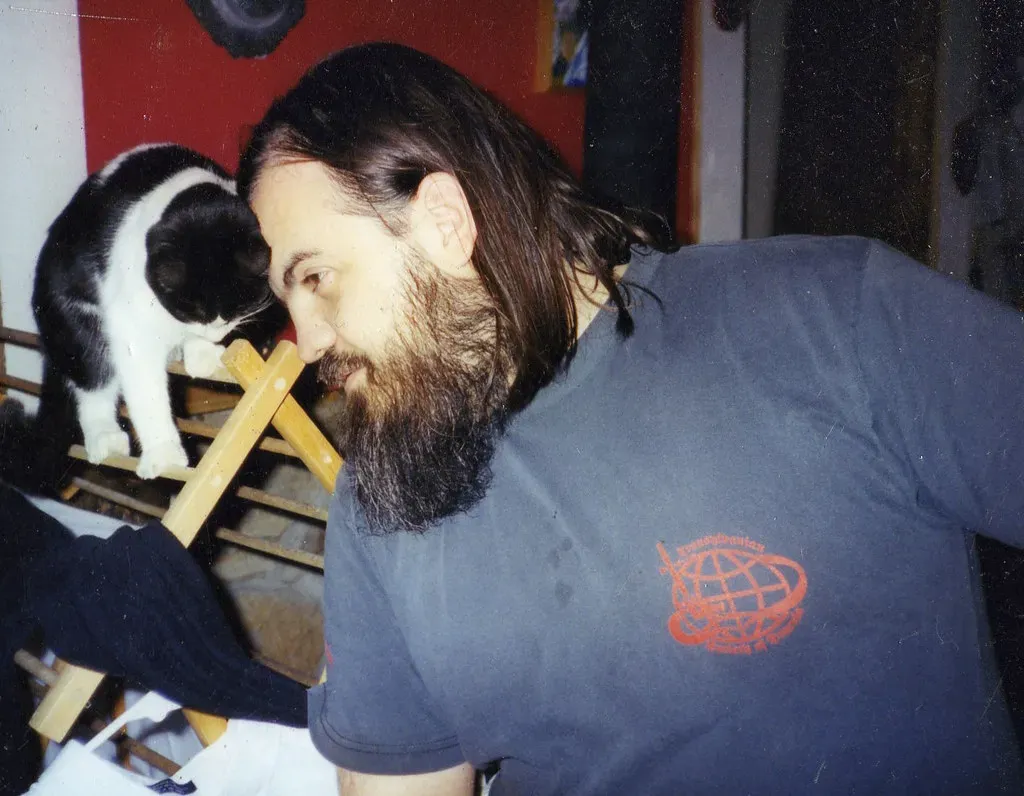
When your cat rubs their chin and body against you, what they’re really doing is marking their territory, and you’ll notice that they also rub the chair, the door, their toys and everything in sight, telling everyone that this is their stuff, including you. Well, that’s humbling.
Sure, there’s affection mixed in there somewhere. Cats do genuinely bond with their humans. Still, let’s not fool ourselves into thinking it’s purely about love. Your cat is claiming you as property, leaving scent markers from glands in their face and body all over you. They’re basically signing ownership documents every time they headbutt your leg. We might think we adopted them, but really, they’re the ones who adopted us and our entire living space.
The Mysterious Midnight Zoomies
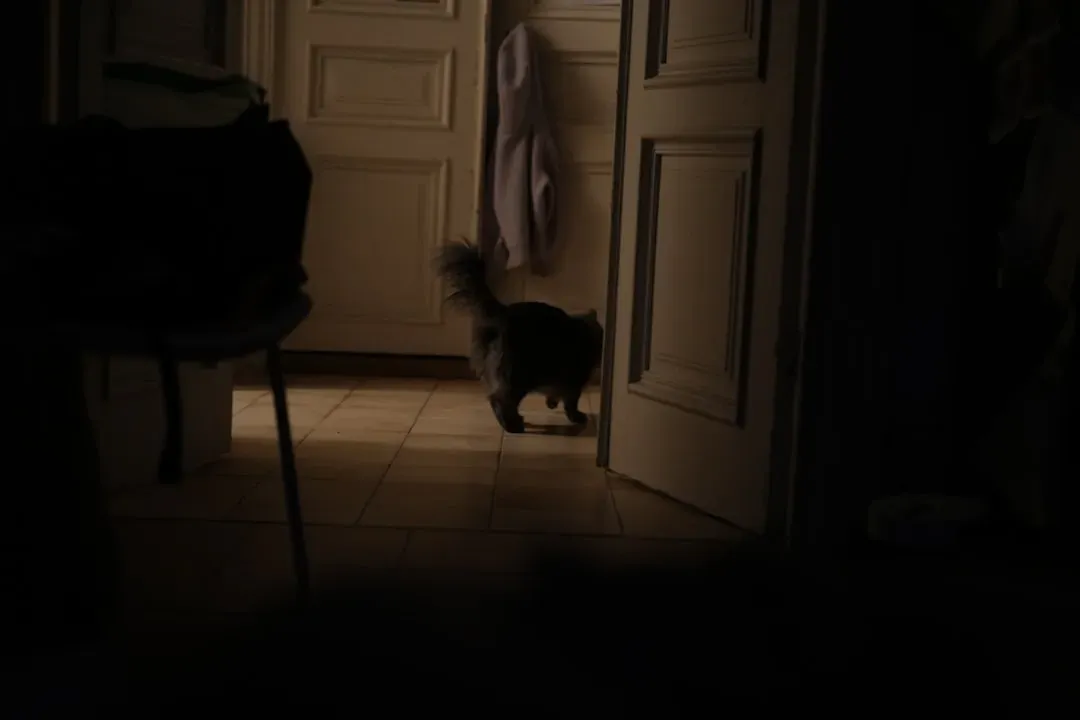
It’s three in the morning. You’re peacefully asleep. Suddenly, your cat transforms into a furry tornado, racing through the house like they’re being chased by invisible demons. What gives?
Their ancestors, the African wildcats, lived alone, hunting quietly and resting most of the day to save energy, which is why your cat can sleep for 16 hours and then suddenly leap into action. Cats are naturally crepuscular, meaning they’re most active at dawn and dusk. Even though your pampered house cat doesn’t need to hunt for survival, those instincts are still hardwired. These instincts are present in all cats, whether they live in the jungle or a high-rise in the concrete jungle, and in house cats, this translates to hunting, stalking, hiding, and play behaviors. Those midnight zoomies? That’s just your cat’s inner predator coming out to play.
Sneaky Business: The Stealth Mode Experts
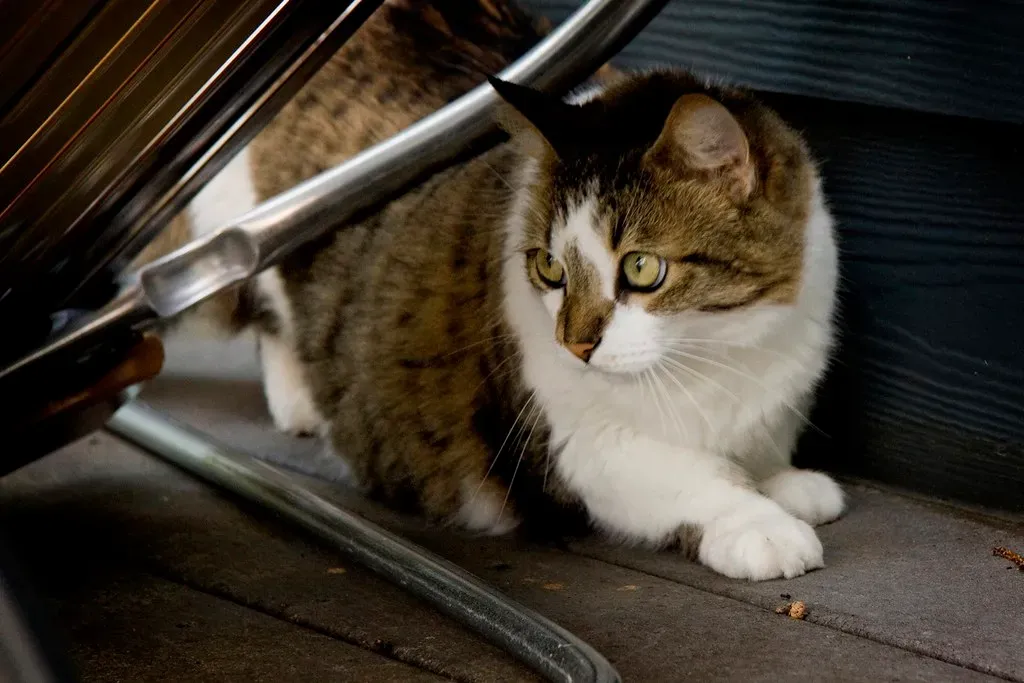
The most common reason for cat stealth is hunting, as cats are one of the most accomplished sneaks in the animal kingdom, and both their body and mind have been sharpened over millions of years to be a nigh-undefeatable hunter. Even your couch potato kitty who’s never seen a mouse has perfected the art of silent movement.
You’ll find them creeping through the house, bellies low to the ground, moving without making a sound. Cats have developed their own whole-body mechanics to be able to walk stealthily by distributing their body weight evenly onto their four legs, allowing them to move without making any noise. This allows them to sneak up on prey, or in the case of your indoor cat, your unsuspecting feet. Sometimes they’re just bored and looking for entertainment. Other times they’re genuinely patrolling their territory, checking all the exits and windows. This manifests in a stealthy patrol routine where your cat checks all the exits to the outdoors, the windows, and even the tiny gaps at floor level you don’t know about, which is a common cat behavior, and honestly, you should be flattered they’re doing it for free, as it means your home is their home and they don’t want anything unexpected to happen.
Kneading: Comfort Ritual or World Domination Plans?
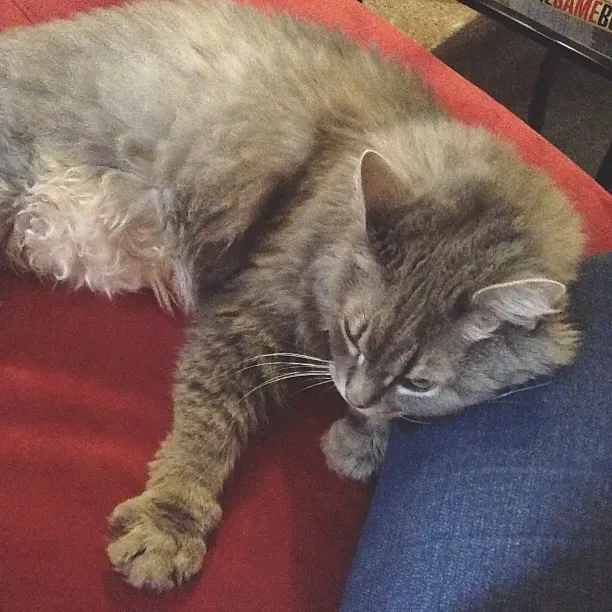
Cats usually knead when they’re feeling relaxed and nostalgic, remembering when they were kittens nursing from their mom, so when they knead you, it’s a sweet sign that they think you’re their special someone. This behavior, often called making biscuits, seems adorable and innocent.
While kneading does originate from kittenhood, there’s more to it. Cats also have scent glands in their paws, so when they knead on you or your favorite blanket, they’re marking it as theirs. Again with the territorial claims. I know it sounds crazy, but your cat might be showing affection and staking their claim simultaneously. The fact that their claws usually come out during this loving gesture just adds to the contradictory nature of feline affection. It’s painful love, but love nonetheless, right?
Ears Tell All: The Swivel and Flatten System
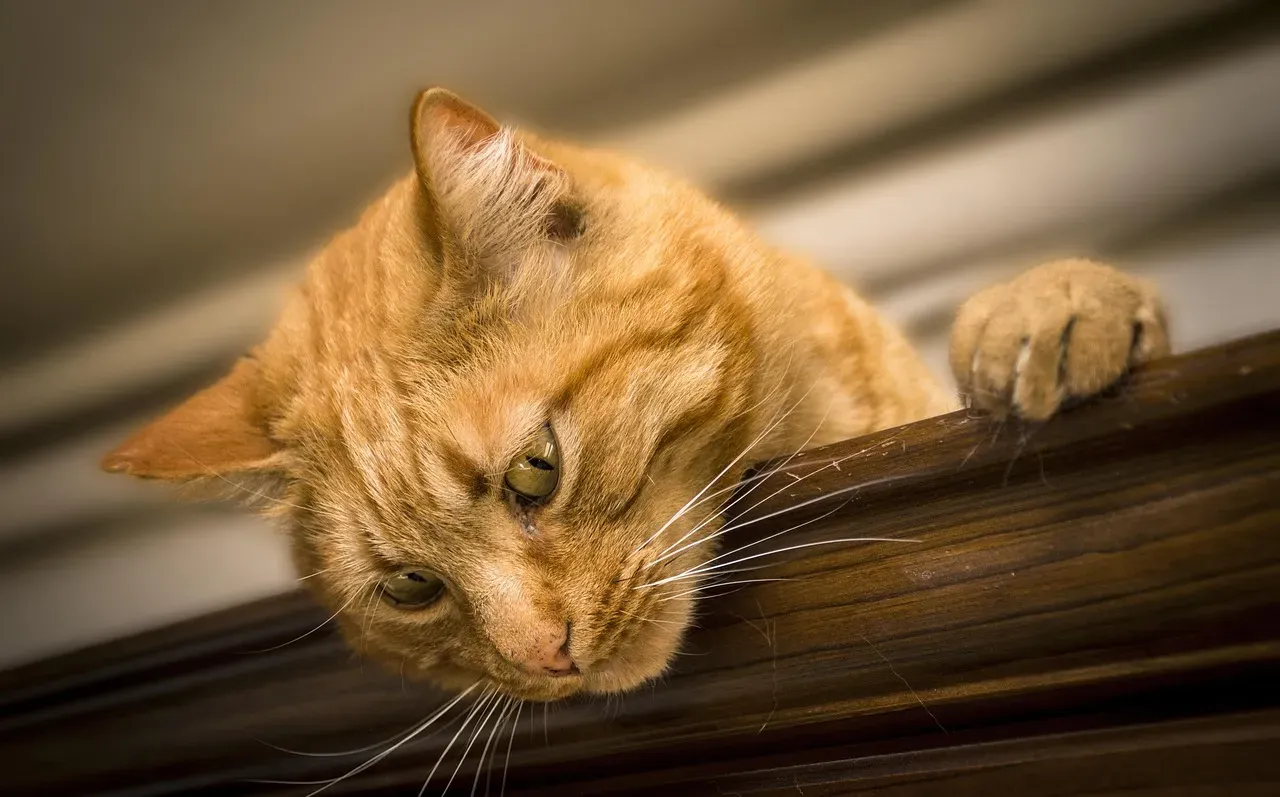
These subtle shifts in ear position can provide insight into your cat’s emotional state and intentions, with forward ears showing curiosity and interest, indicating a relaxed and engaged state, while pulled back ears signal fear or aggression, suggesting the cat feels threatened or defensive. Cat ears are like tiny satellite dishes, constantly adjusting to pick up information.
When ears are pricked forward, your cat is alert and interested in something. They’re processing their environment and feeling pretty confident. Ears that flatten against the head, though? That’s your cue to back off. When a cat flattens their ears until they push out the sides and look like airplane wings, the cat is feeling uncomfortable. Honestly, I’ve learned to check the ears before approaching any cat, especially ones I don’t know well. It’s like reading a mood meter that’s always visible.
The Stare Down: Intimidation Tactic or Deep Thoughts?
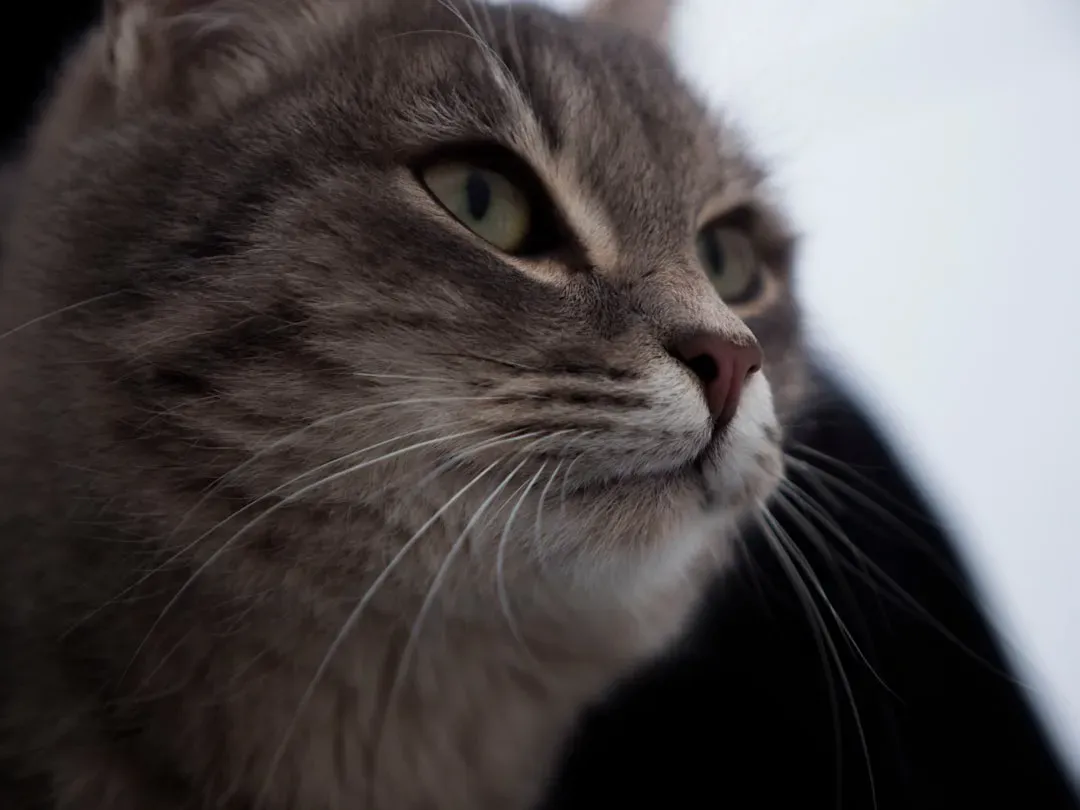
Your cat locks eyes with you across the room. Minutes pass. Neither of you looks away. What’s happening here? Staring at other cats with wide eyes and little blinking occurs during antagonistic meetings but may also occur when they are fixated on a threat and attempting to gather more information.
When your cat stares at you with wide, unblinking eyes, they might be feeling threatened or at least highly alert about something. Direct eye contact in the cat world can be challenging or aggressive. That’s why it’s generally advised not to stare directly into a cat’s eyes, especially an unfamiliar one. On the flip hand, if they’re staring but seem relaxed, they might just be trying to get your attention. Maybe it’s dinner time and you’re late. Maybe they want you to open the door. Or maybe they’re just pondering the mysteries of the universe while you happen to be in their line of sight.
Hidden Illness: The Ultimate Disguise
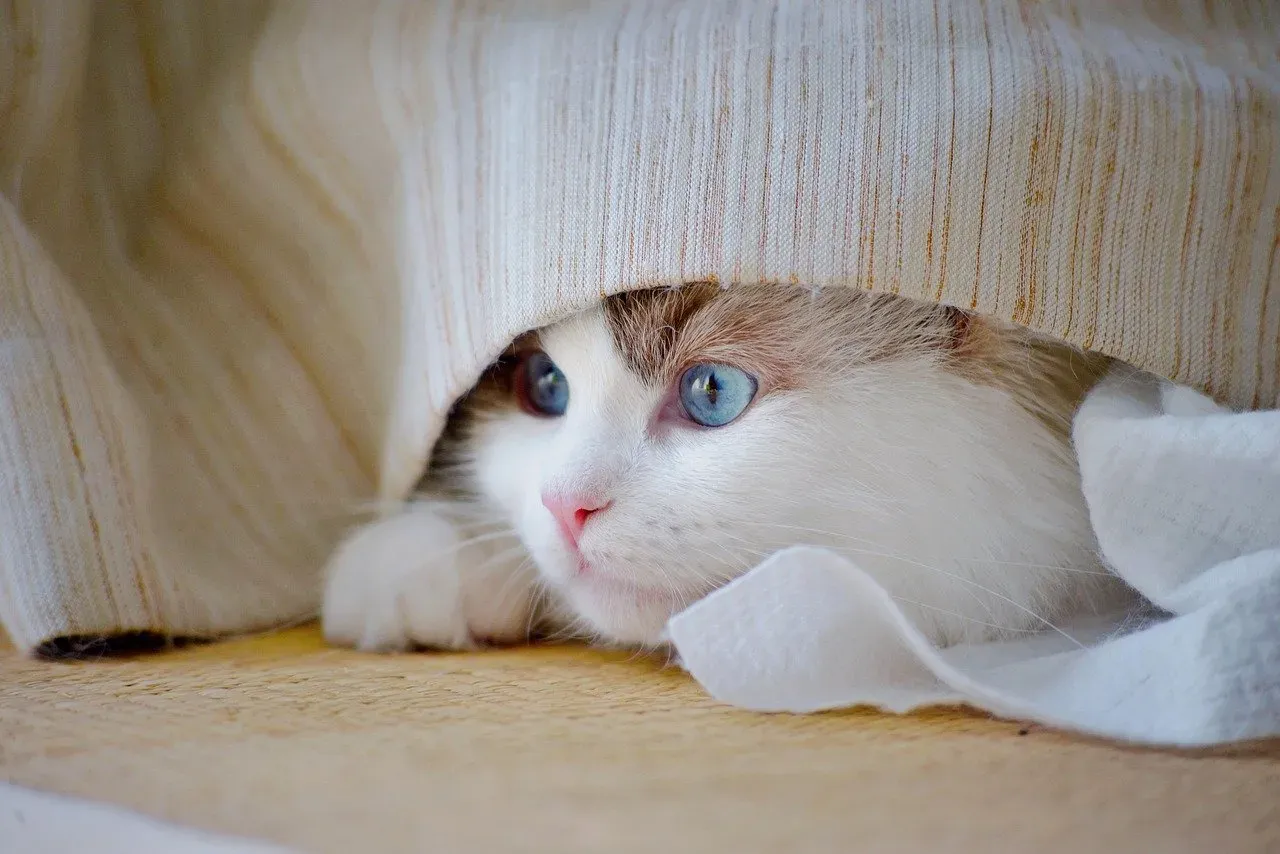
This behavior usually stems from a combination of their natural hunting instincts and their instincts to avoid being hunted themselves. In the wild, showing weakness makes an animal vulnerable to predators. This survival instinct means cats are incredibly good at hiding when they’re sick or in pain.
Unfortunately this means that we often don’t see cats until their illness is quite advanced before they are brought in for care, and the impression by many of these owners is often that the cat may have only been sick for a few days, when in actuality the disease may have been going on for a significantly longer period of time. This is one of the more serious aspects of feline disguise. Your cat might act totally normal even when dealing with significant health issues. Changes in behavior like hiding more, acting differently, or suddenly becoming more reclusive should always be taken seriously. Regular vet checkups become crucial because you can’t always trust what you see on the surface.
Conclusion: Living With Tiny, Furry Spies
Every cat is unique, and their behaviors are influenced by their individual personality, past experiences, and environment, so by paying attention to your cat’s body language, vocalizations, and actions, you can learn to decode their silent language and better understand their needs. The more time you spend observing your feline friend, the better you’ll become at reading their true intentions.
Cats haven’t been disguising themselves to deceive us maliciously. They’re simply being cats, following instincts that have served them well for millions of years. Understanding why cats seem sneaky reveals the fascinating complexity of feline behavior and the remarkable evolutionary adaptations that make cats such successful survivors, and rather than viewing sneaky behavior as mysterious or problematic, cat owners can appreciate these behaviors as expressions of sophisticated natural instincts that have served cats well for millions of years. Learning their language brings us closer to these enigmatic creatures we share our homes with. Did you notice any of these disguised intentions in your own cat today?