You might think your cat is simply lounging around, living their best life at your expense. There’s no denying they’re experts at napping and demanding treats. Yet something deeper happens every time your feline friend settles beside you or gazes at you with those knowing eyes. Something profoundly beneficial is unfolding beneath those whiskers and purrs.
Scientists have been quietly studying what cat lovers already knew in their hearts. Your furry companion isn’t just keeping you company. They’re actively improving your health in ways that might surprise you. From your heart to your mind, these creatures work their magic without any training or fanfare whatsoever. Let’s dive in and uncover how these mysterious animals became silent protectors of your physical and emotional wellness.
Your Heart Has a Secret Ally in Your Cat
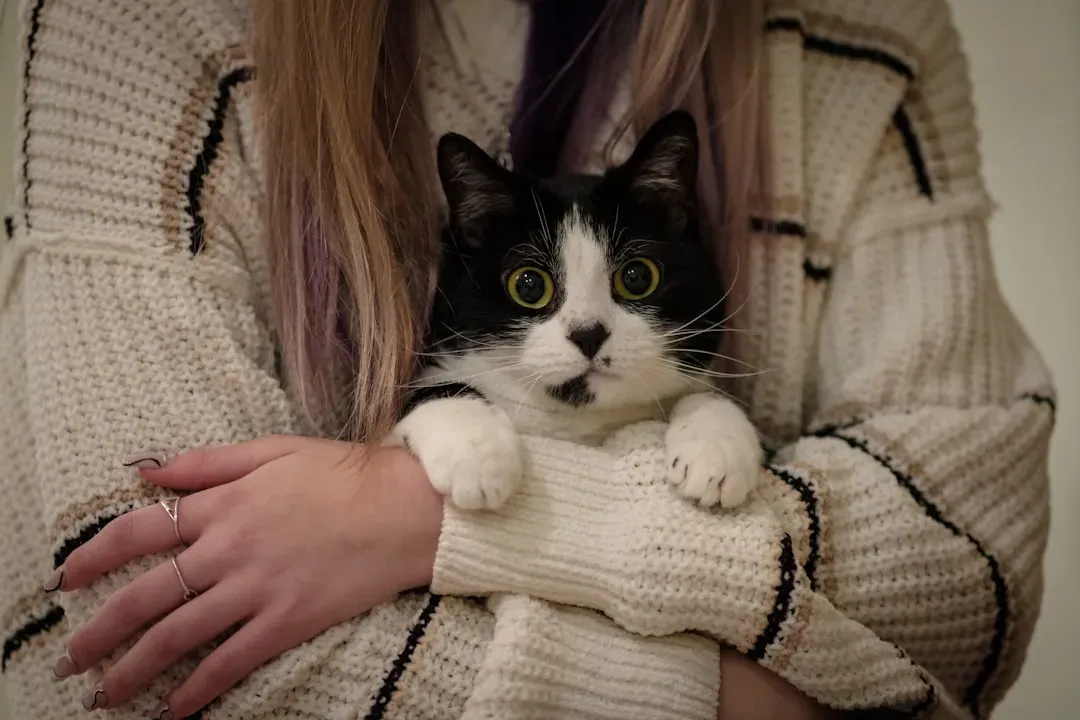
When you imagine ways to protect your cardiovascular system, you probably think about jogging or eating more vegetables. Here’s the thing though – your cat might be doing more for your heart than you realize. Research reveals that participants with past cat ownership showed a significantly lower risk for death due to myocardial infarction compared to those without cats. Even people who used to own cats but no longer do still enjoy cardiovascular benefits.
Before stressful tasks began, cat owners had lower resting heart rates and blood pressure than people who didn’t own pets, and during tasks, they were more likely to feel challenged than threatened with lower physiological responses. Your body literally responds differently to stress when you share your life with a cat. It’s hard to say for sure why this happens, but researchers think the calming presence of a cat creates a buffer against life’s daily chaos.
The Stress Hormone Dance Your Cat Leads
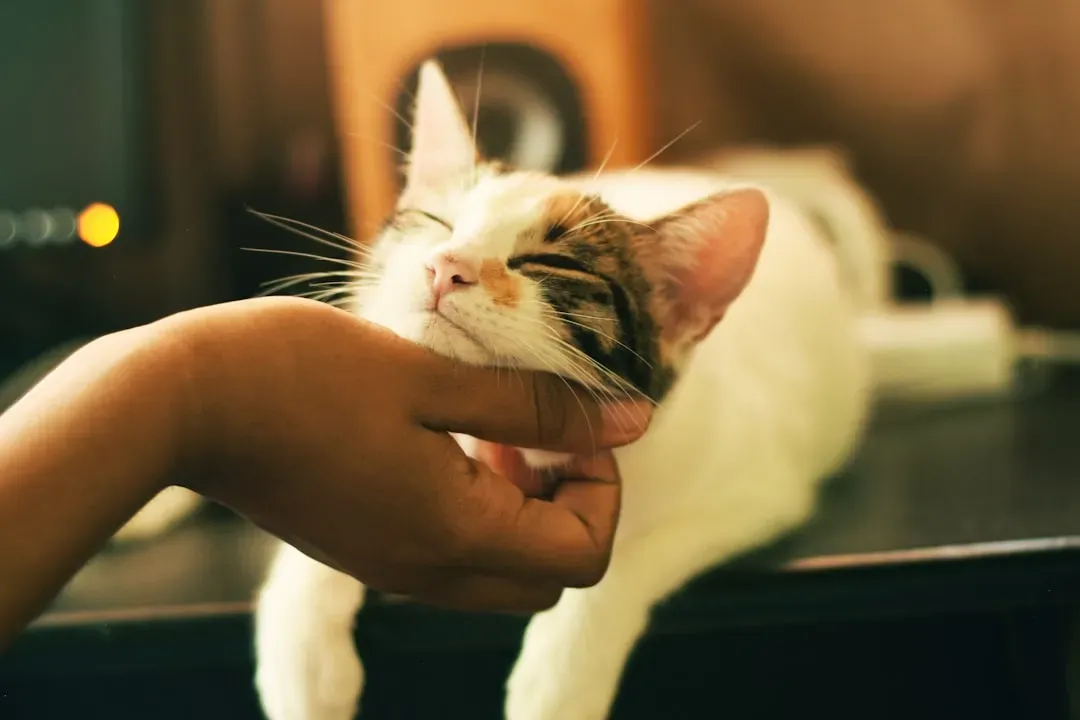
College students who spent as little as ten minutes per day petting a cat experienced decreased levels of cortisol, the hormone associated with stress. Ten minutes. That’s less time than it takes to scroll through social media, yet the impact ripples through your entire system. When cortisol levels drop, your body shifts out of fight-or-flight mode.
What’s equally fascinating is that interacting with cats triggers the release of hormones such as serotonin, dopamine and oxytocin, which are often associated with good, positive feelings, and oxytocin in particular has been recognized for its role in bonding and stress relief. Your cat essentially becomes a walking pharmacy, dispensing feel-good chemicals without a prescription. The best part? Zero side effects except maybe an increased desire to buy more cat toys.
Mental Health Gets a Furry Boost
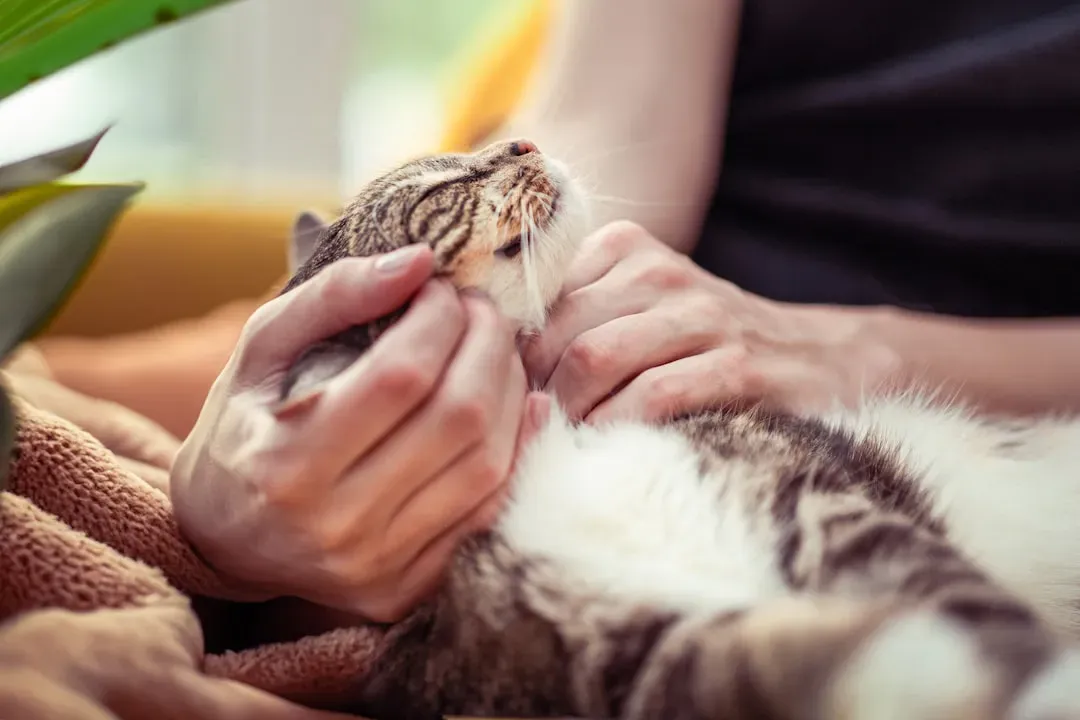
According to one Australian study, cat owners do have better psychological health than people without pets, claiming to feel more happy, more confident, and less nervous. Let’s be real – life throws curveballs constantly. Having a creature that offers unconditional acceptance makes those tough days more bearable. A national poll from twenty twenty-five about mental health and pets finds that roughly four out of five pet owners say their pets have a positive impact on their mental health.
Depression and anxiety don’t magically vanish because you own a cat. Still, caring for a cat helped people lower levels of stress, better manage their emotions, and even increased their ability to handle difficult life circumstances. The daily routine of feeding, grooming, and playing with your cat creates structure. That structure alone can anchor someone floating in the fog of mental health challenges.
The Mystical Frequency of Purring
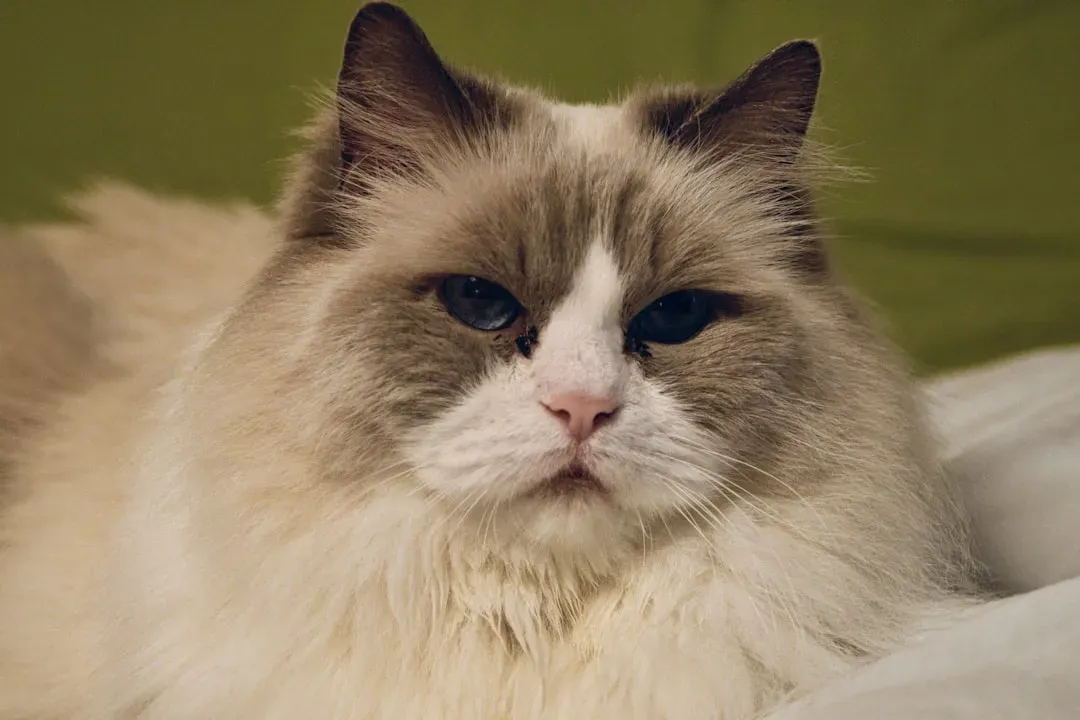
The frequency of cat purring has been shown to fall between twenty-five and one hundred forty Hertz, and the same frequency has been shown to aid in the healing of broken bones, joint and tendon repair, and wound healing. I know it sounds almost too good to be true. Yet your cat’s purr operates at the exact frequency used in medical settings to promote physical healing.
These vibrations can help reduce inflammation, improve circulation and stimulate the healing of damaged tissues, and have been shown to promote the regeneration of bone cells and increase bone density. Some people with chronic migraines report relief when resting near their purring cats. Whether it’s the vibrations, the comfort, or both, something tangible happens during those purring sessions on your lap.
Loneliness Meets Its Match
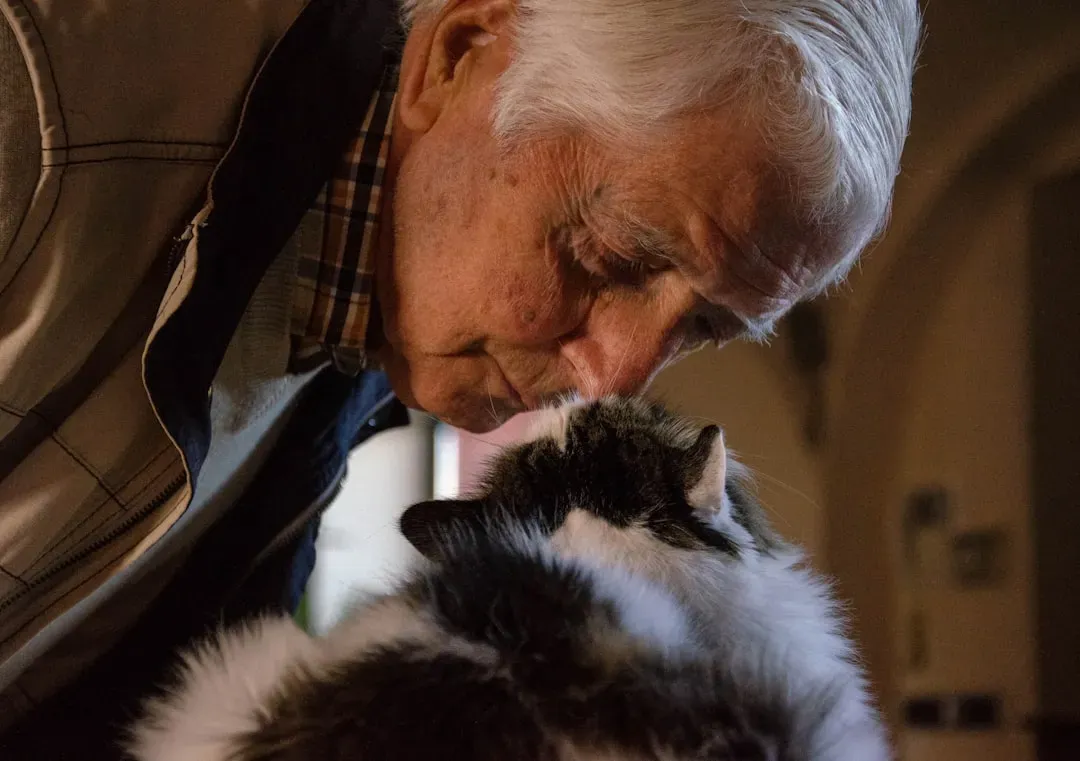
Social isolation has become an epidemic in our modern world. Honestly, you can be surrounded by people yet feel utterly alone. Cats can improve your well-being by providing companionship and reducing loneliness. They don’t judge your bad days or expect you to be anything other than yourself. That non-judgmental presence fills an emotional void many people didn’t even know existed.
For individuals experiencing social isolation or living alone, emotional support cats provide consistent, nonjudgmental companionship, helping fulfill the human need for connection especially in vulnerable populations such as the elderly. Your cat becomes more than a pet. They transform into a steadfast companion who greets you every day, reminding you that you matter to at least one living being in this vast universe.
Building Better Human Connections Through Cats
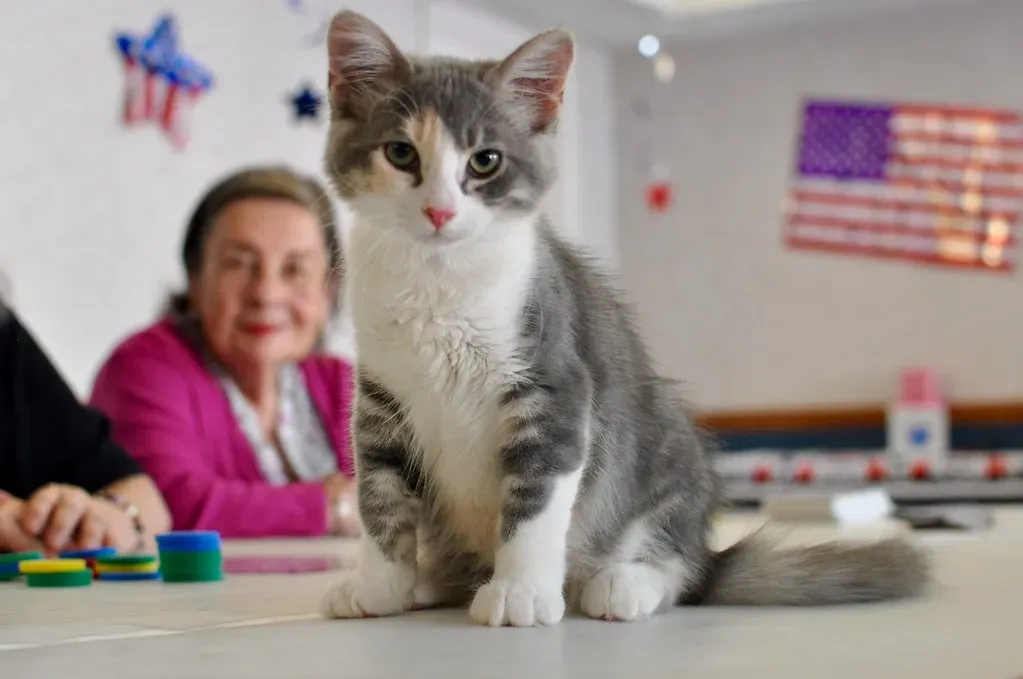
It might seem strange that cats help improve your relationships with other people. This cross-species bonding may benefit human-to-human relationships, and when someone makes us feel good and connected, it builds up our capacity for kindness and generosity toward others. The warmth you receive from your cat doesn’t stay contained. It overflows into how you interact with everyone around you.
Cats also serve as social catalysts. Whether you’re sharing funny cat videos with coworkers or bonding with neighbors over your outdoor adventures with a harnessed kitty, these conversations create connections. Research has found that cat-only owners are more open, imaginative, and curious. Those traits naturally draw people together in meaningful ways.
Children and Cats Form Powerful Bonds
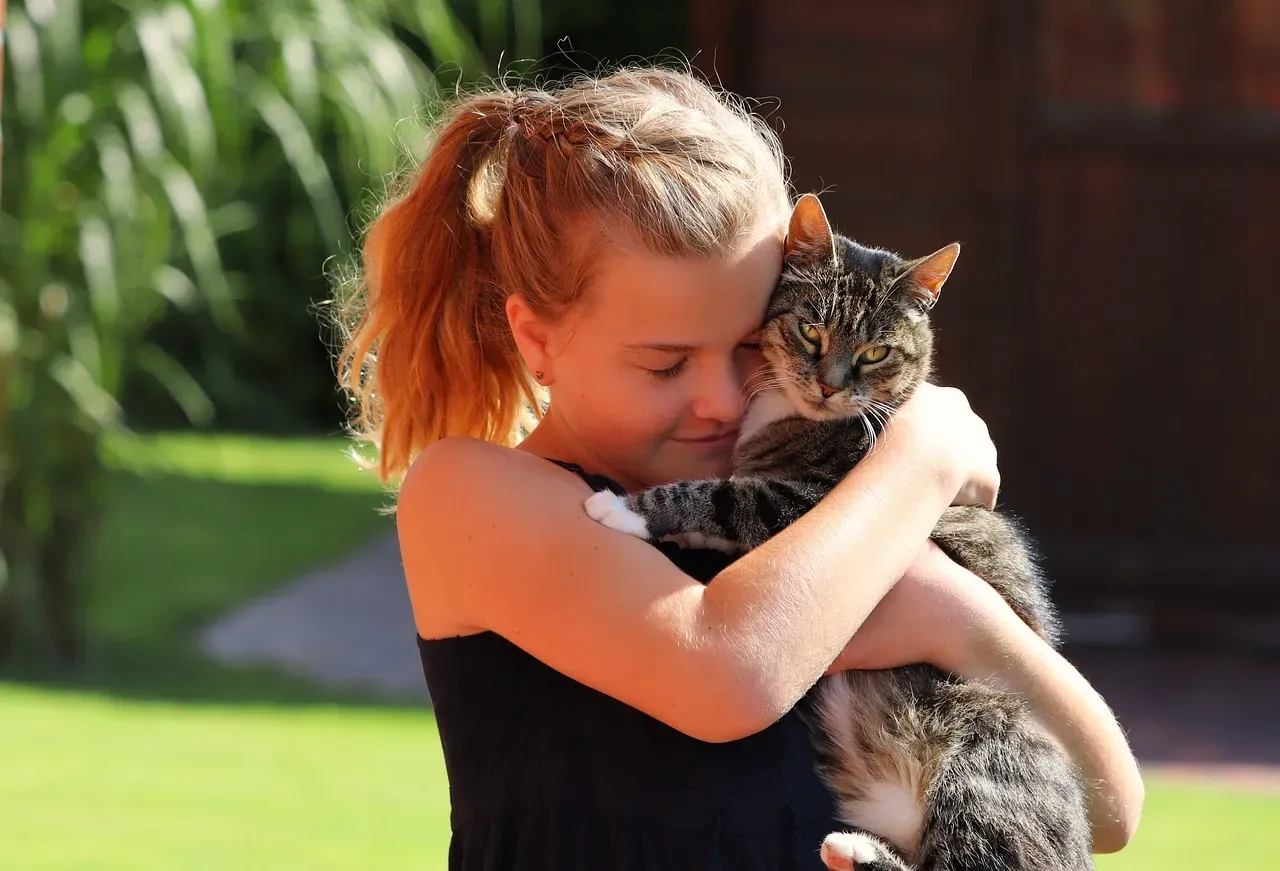
In a survey of more than two thousand young Scots ages eleven to fifteen, kids who had a strong bond with their kitties had a higher quality of life, feeling more fit, energetic, and attentive and less sad and lonely. Young people face tremendous pressure today. A cat offers them something stable in an unpredictable world. That bond teaches empathy, responsibility, and emotional regulation.
In children, living with cats can strengthen immunity in the first year of life, and a pet cat can help those with autism and their families. Early exposure to cats may actually help develop stronger immune systems that fight various allergens. For kids on the autism spectrum, cats provide sensory comfort without the overwhelming energy some dogs bring. Their calm demeanor creates a soothing environment perfect for children who struggle with sensory processing.
Emotional Support Without the Training Manual
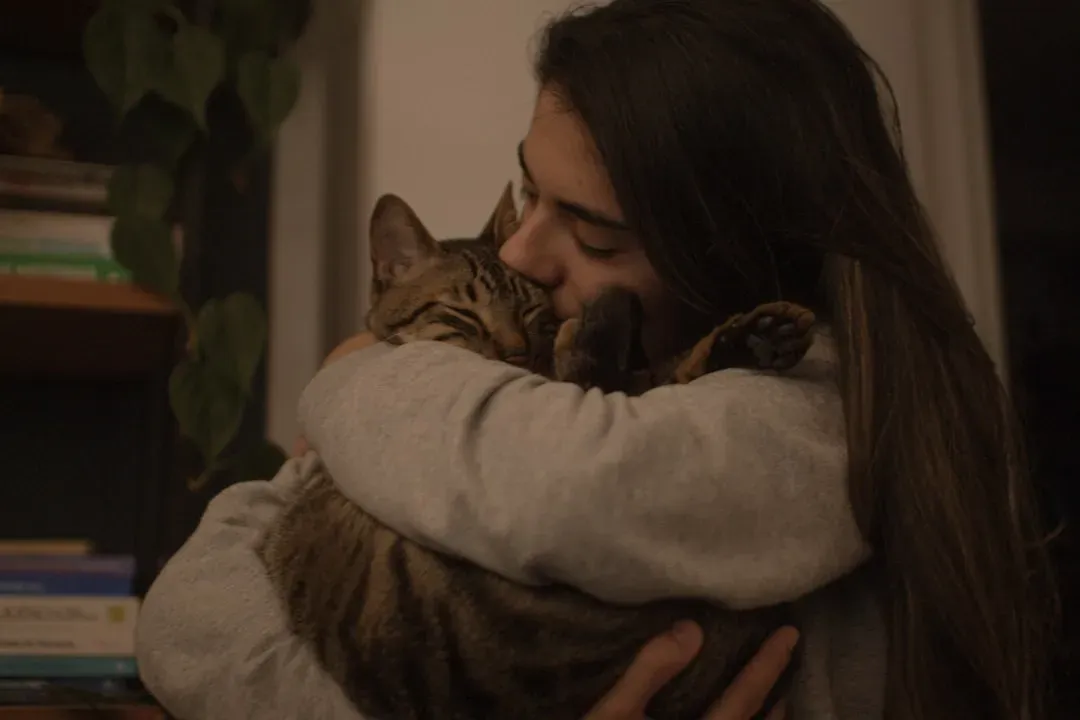
Research shows emotional support animals can lower anxiety, reduce depression, decrease feelings of loneliness, and may even offer benefits to those with PTSD. Unlike service animals that require extensive training, cats naturally excel at emotional support. They seem to possess an innate ability to sense when you need them most. Their gentle presence during panic attacks or depressive episodes provides grounding.
Cats have an uncanny ability to sense human emotions, offering comfort and companionship when we need it most, and their keen observational skills help them detect changes in behavior, body language, and tone. They notice everything. When you’re having a rough day, your cat often appears at precisely the right moment. Some might call it coincidence. Cat owners know better.
Sleep Quality Improves with Feline Companionship
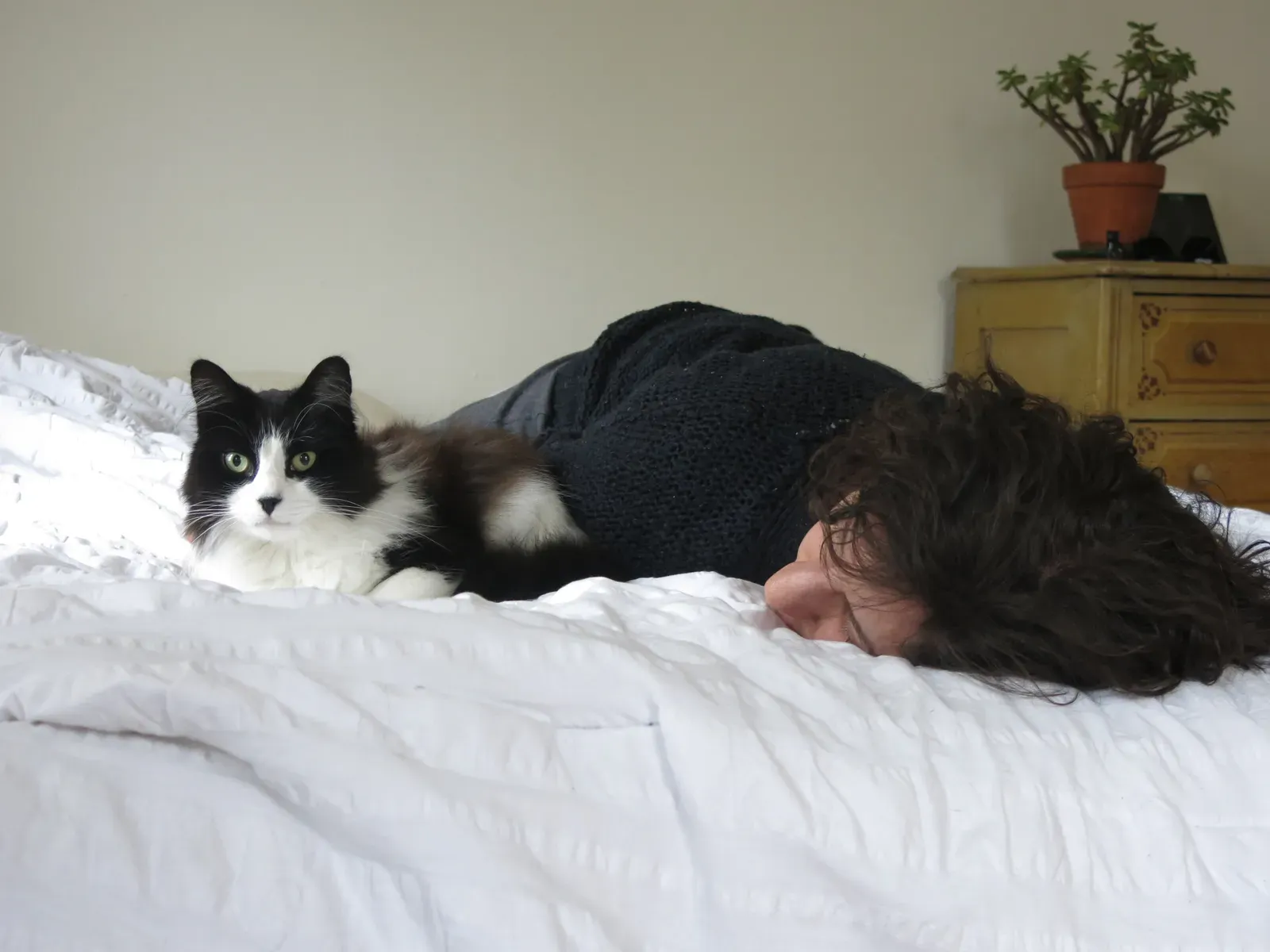
Getting quality sleep feels impossible for many people struggling with anxiety or stress. Your emotional support cat can greatly enhance the quality of your sleep by assisting in de-stressing and reducing anxiety before bedtime, and some individuals find that having their animal on the bed at night helps them go to sleep faster and wake up less during the night. The rhythmic purring creates white noise that soothes racing thoughts.
Your cat’s presence offers security. Knowing a vigilant creature shares your space allows your nervous system to relax. Cats are naturally alert to environmental changes, and subconsciously, your brain recognizes this protection. That sense of safety translates into deeper, more restorative sleep cycles that leave you genuinely refreshed.
Purpose and Routine Through Daily Cat Care
Caring for a cat from feeding schedules to grooming can restore structure to a person’s day, which is especially therapeutic for those dealing with depression or low executive function, creating a sense of purpose and accomplishment. When depression makes getting out of bed feel impossible, your cat needs you. That responsibility, however small it seems, provides motivation to keep moving forward.
The routine becomes therapeutic in itself. Morning feedings, litter box maintenance, playtime sessions – these tasks anchor your day. Caring for them can also increase a sense of purpose, as now a furry soul depends on you for love, attention, and basic healthcare and food. You become essential to another living being’s happiness. That matters more than words can express, especially during seasons when nothing else feels meaningful.
Conclusion: Your Silent Guardian Deserves Recognition
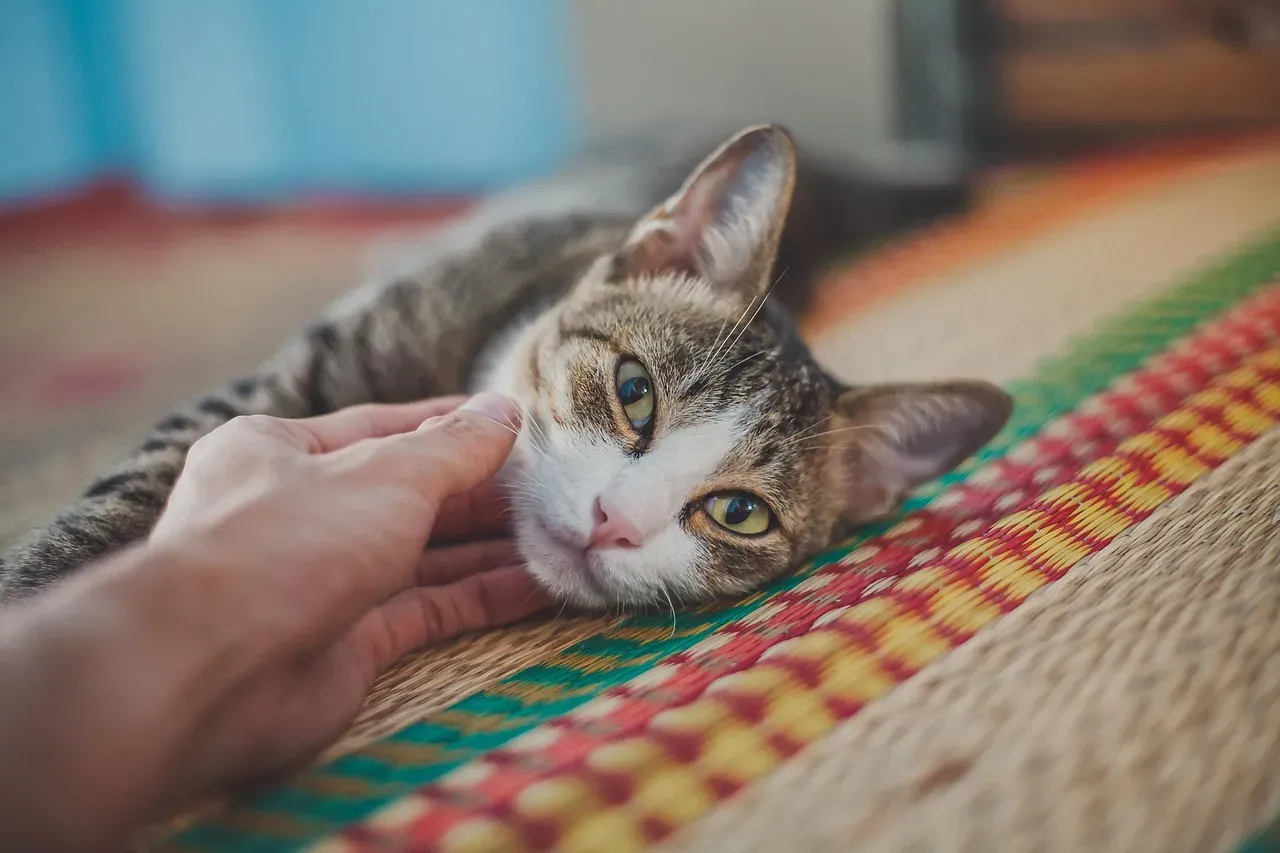
Your cat might steal your favorite chair and knock things off counters just to watch them fall. They’re also simultaneously protecting your heart, calming your mind, and improving your overall quality of life in measurable ways. These unsung guardians of human well-being deserve far more credit than they typically receive. The science confirms what cat lovers have always known deep down – these creatures are healing us every single day.
Next time your cat curls up beside you or headbutts your hand for attention, remember you’re not just petting a pet. You’re engaging with a companion who actively contributes to your physical and mental health. The bond between humans and cats has evolved over thousands of years, and it continues enriching lives in twenty twenty-six. What do you think about it? Does your cat seem to know exactly when you need comfort most?