#1 They Show Consistent Empathy, Not Just Excitement
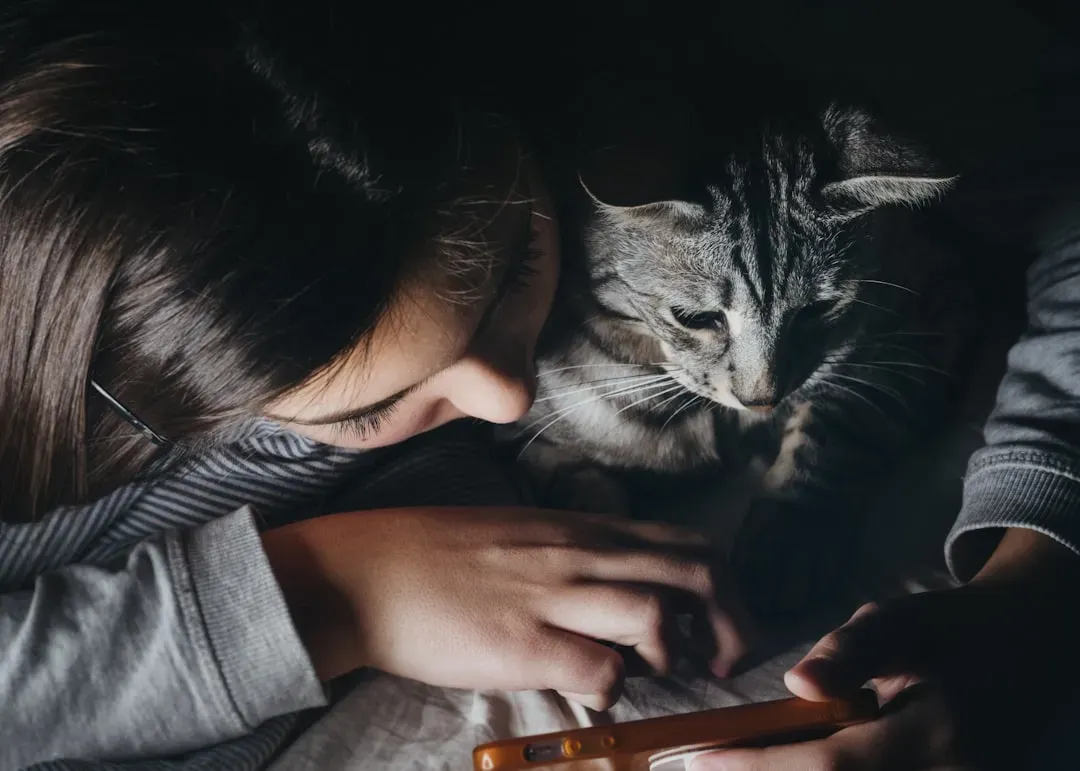
Excitement is easy to fake, or at least easy to feel temporarily. Empathy is harder to manufacture, and it’s the trait that predicts whether a child will actually notice when a cat is stressed, hiding, or in pain. Watch how your child reacts when a sibling gets hurt, or when a character in a movie is treated unfairly. A child who consistently shows concern for others, not just when it’s convenient, tends to translate that same instinct toward animals.
This matters more with cats than people often assume, because cats communicate discomfort quietly. A flattened ear, a swishing tail, a sudden stillness. These are all signals, and a child who’s tuned into subtle emotional cues in humans is more likely to pick up on them in a pet too. If your child tends to steamroll past other people’s discomfort to get what they want, that’s worth addressing before, not after, a cat enters the picture.
#2 They Can Handle Being Told No
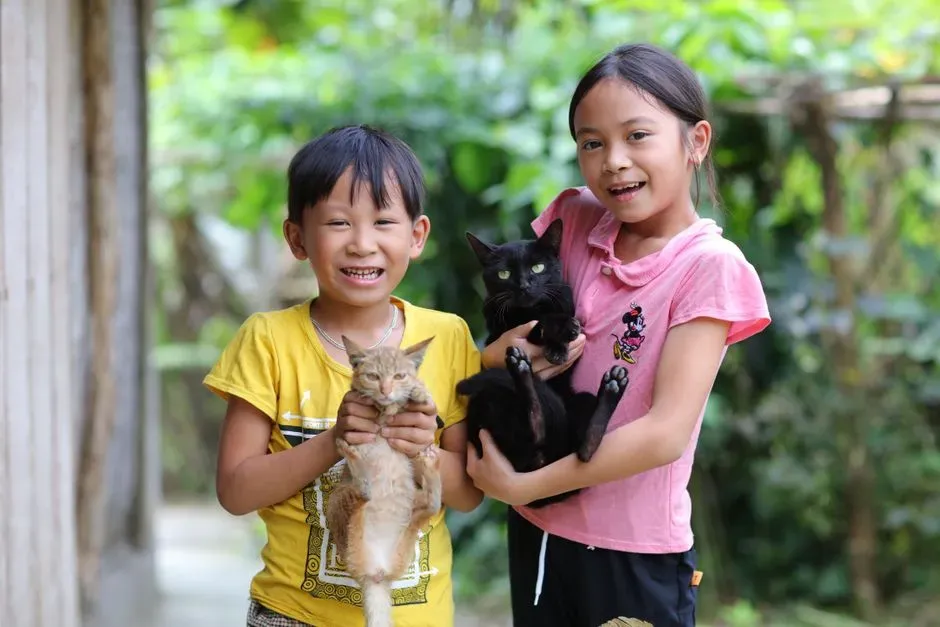
Cats are not dogs. They don’t always want to be picked up, petted, or dressed in a tiny sweater for a photo. A child who melts down every time a request is denied, whether it’s screen time or dessert, is going to struggle with a cat that walks away mid cuddle or hisses when overstimulated.
This is less about the child being “bad” and more about developmental readiness. Younger kids genuinely have a harder time regulating frustration, and that’s normal. But if a child can pause, accept a boundary, and try again later without a full emotional collapse, that’s a strong indicator they can handle a cat’s independence without forcing interaction that stresses the animal out.
#3 They Understand Gentle Touch, Not Just “Being Careful”
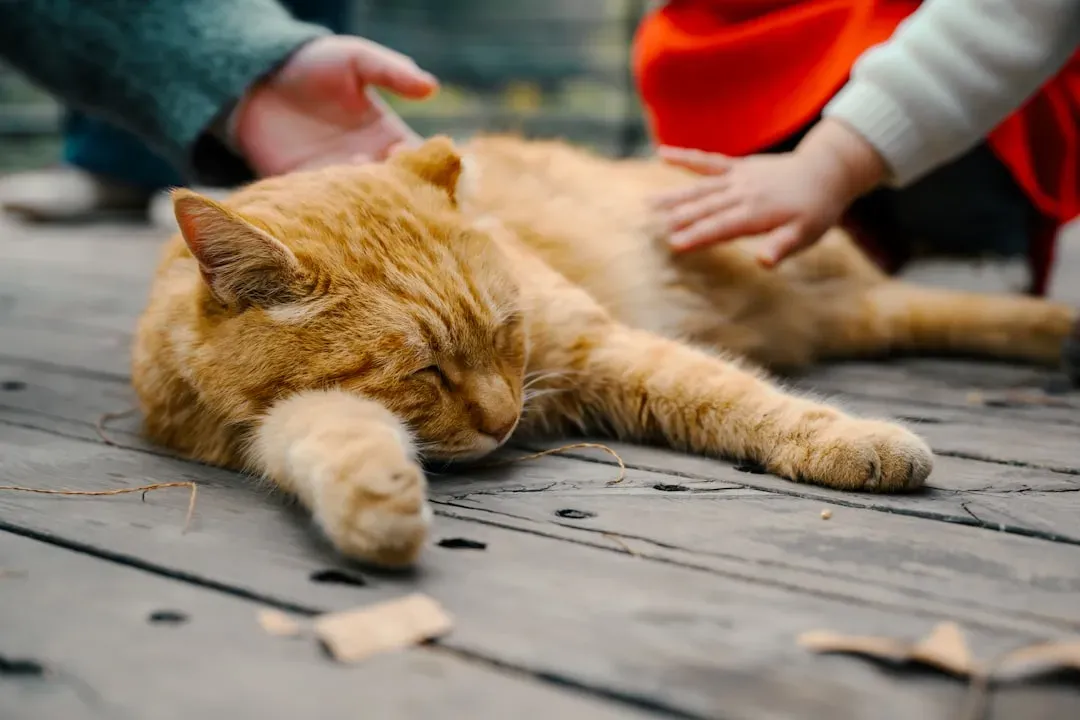
Almost every kid says they’ll “be careful” with a pet. Fewer actually know what that looks like in practice. Gentle touch is a learned skill, not an instinct, and it shows up in how a child interacts with toys, siblings, and even inanimate objects.
Does your child tend to grab things quickly, squeeze too hard when excited, or handle fragile items roughly without meaning to? These patterns often carry over to how they’d handle a cat, especially a kitten with delicate bones and a low tolerance for sudden movement. Kids who’ve already demonstrated soft, controlled handling with stuffed animals or younger children are showing you something real about their physical awareness.
#4 They Follow Through on Small Responsibilities
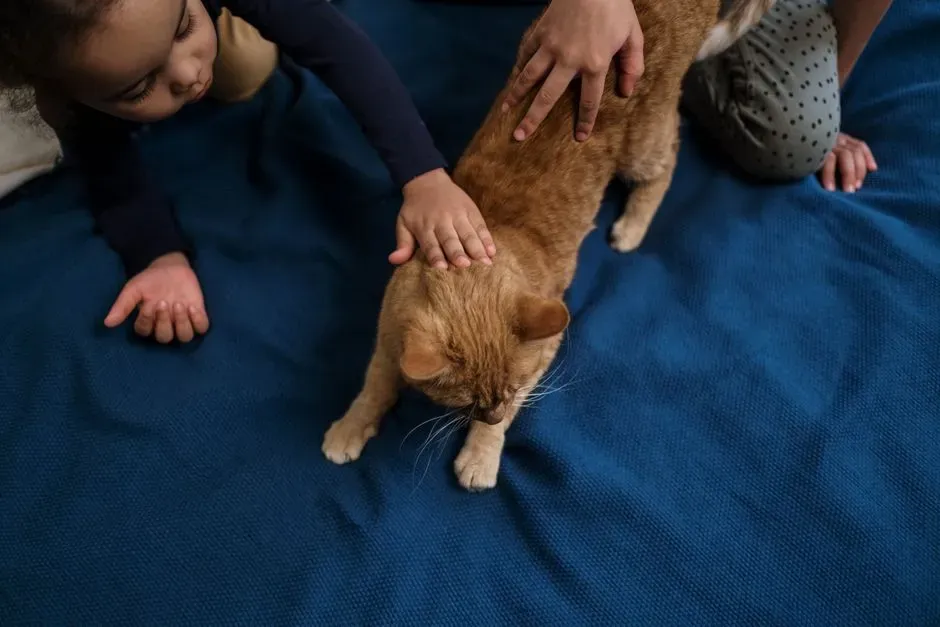
A cat’s care routine isn’t glamorous. It’s a litter box that needs scooping, a water bowl that needs refilling, and food that has to go out at roughly the same time each day. Before assuming a child can manage this, look at how they handle smaller, existing responsibilities.
Do they make their bed without ten reminders? Do they feed the fish or water the plant they asked for last year? Consistency with low stakes chores is a genuine preview of how they’ll handle pet care, and it’s far more reliable than a verbal promise made in the heat of pet store excitement.
#5 They Ask Questions Instead of Just Making Demands
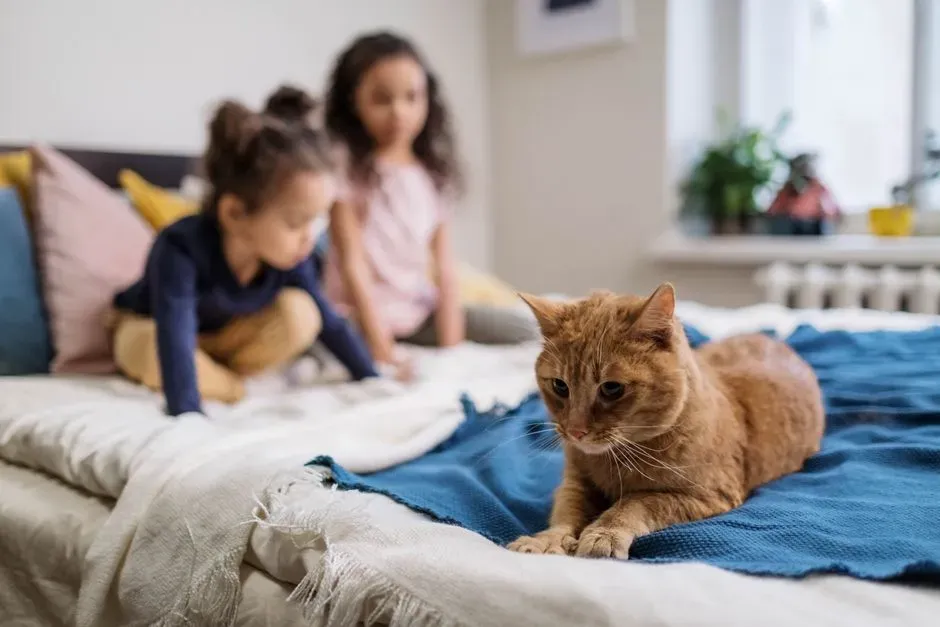
Curiosity is a quietly powerful sign of readiness. A child who wants a cat because they’ve thought about what cats need, how they behave, or why they scratch furniture is approaching the idea differently than a child who just wants a fluffy accessory.
Kids who ask things like “why does the cat hide sometimes” or “what if it doesn’t like me right away” are already thinking beyond ownership toward relationship. That kind of thinking suggests they’re prepared for a cat as a living creature with its own moods, not a toy that behaves on command. It’s a small distinction, but it tends to predict a much smoother adjustment period once the cat actually arrives.
#6 They Can Recognize and Respect Warning Signals
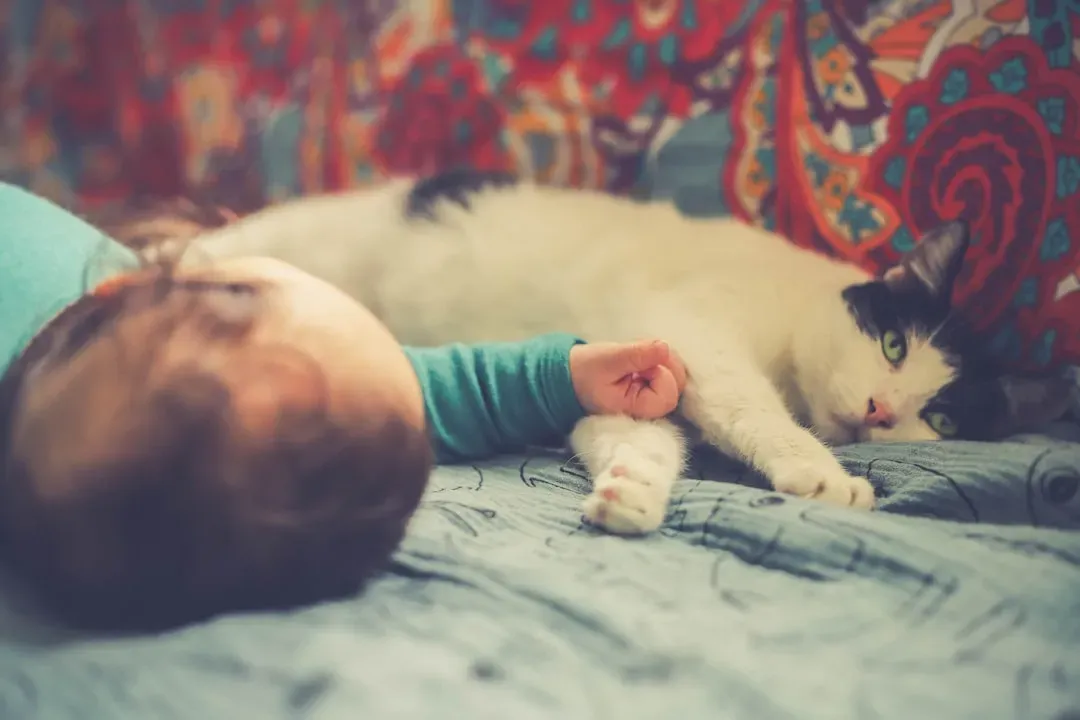
Cats give plenty of warning before things escalate to a scratch or bite, but those warnings only matter if someone’s paying attention. A raised paw, a low growl, ears pinned back. These are clear signals, and a child who notices and backs off is showing genuine situational awareness.
This skill often overlaps with how a child handles warning signs elsewhere, like recognizing when a friend is annoyed or when a parent’s patience is running thin. Kids who tend to push past social cues in other areas of life may need extra guidance before being left unsupervised with a cat. It’s not a dealbreaker, but it’s a gap worth closing with practice and clear rules first.
#7 They’re Motivated by Connection, Not Novelty
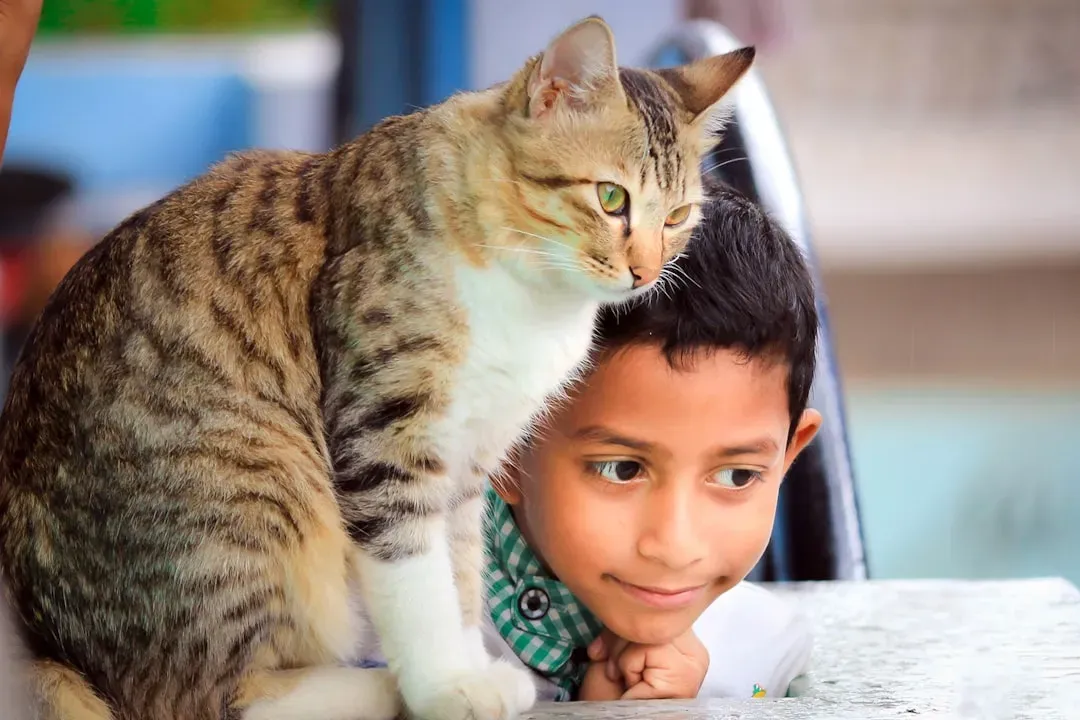
Novelty fades fast. The kid who wants a cat because their friend just got one, or because it looked cute in a video, often loses interest within weeks once the daily reality sets in. Motivation rooted in wanting a companion, something to talk to, sit with, or simply be near, tends to hold up much longer.
Ask your child why they want a cat specifically, and listen closely to the answer. If it’s about wanting company or a bond, that’s a more durable motivation than chasing a trend. Cats live well over a decade in many cases, and that kind of commitment needs a reason that survives the first difficult week just as easily as the first good one.
Final Thoughts
Kristina is a young writer from India. An arts graduate and an avid content creator, Kristina is passionate about animals and wildlife. She enjoys exploring topics related to pet care, animal behavior, conservation, and nature, combining thorough research with engaging storytelling.