When we welcome a cat into our lives, we rarely imagine the day we’ll have to say goodbye. Yet understanding how our feline companions communicate during their final journey can transform a heartbreaking experience into one of meaningful connection and compassion.
Cats possess an ancient wisdom about life and death that often surpasses our own understanding. Their subtle signals during end-of-life stages aren’t just random behaviors but deliberate communications that deserve our attention and respect.
The Silent Language of Farewell
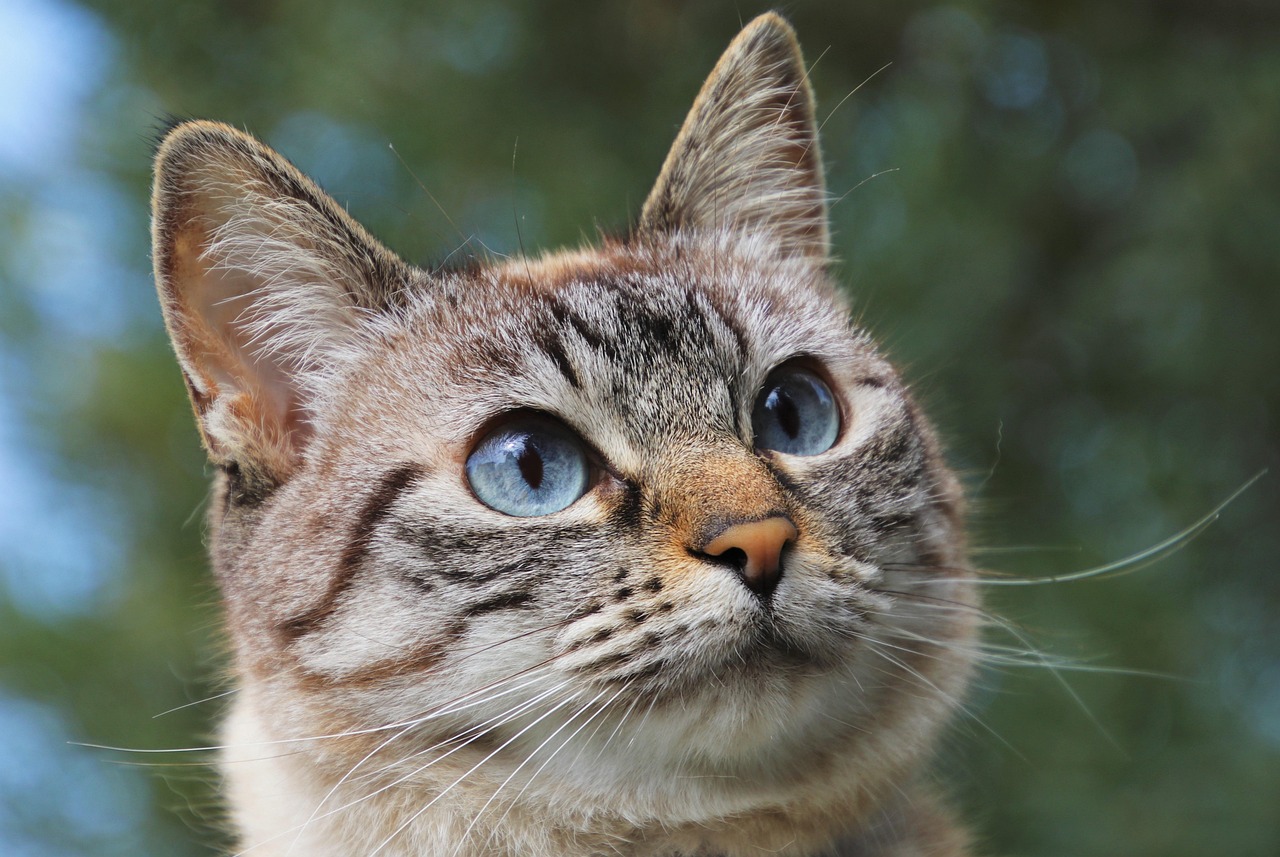
Cats possess an intuitive ability to sense when their time is near, and they begin communicating this through subtle behavioral changes that can help owners prepare for their final goodbye. When cats approach the end of their lives, they often exhibit several notable signs including lethargy, behavioral changes, altered eating habits, visible pain, and seeking solitude or comfort from their owners. These changes can be interpreted as a cat’s way of communicating their declining health.
Rather than saying “goodbye” literally, they display these physical and behavioral indicators. Recognizing these changes in feline temperament allows you to provide comfort and consult with your veterinarian on how best to support your cat.
Changes in Vocalization Patterns

Cats may display dramatic changes in their vocal behavior, ranging from excessive meowing and yowling to complete silence, often as they attempt to communicate discomfort or seek attention from their owners. If your cat suddenly begins meowing more or is making other out-of-the-ordinary noises, this could indicate discomfort or pain. Cats can be noticeably vocal when they aren’t feeling well.
Some cats become unusually quiet after being naturally chatty their whole lives. Confused cats might express their distress through yowling and other loud vocalizations. This shift in communication style often reflects their attempt to express needs they can’t otherwise articulate.
Seeking Comfort Through Closeness
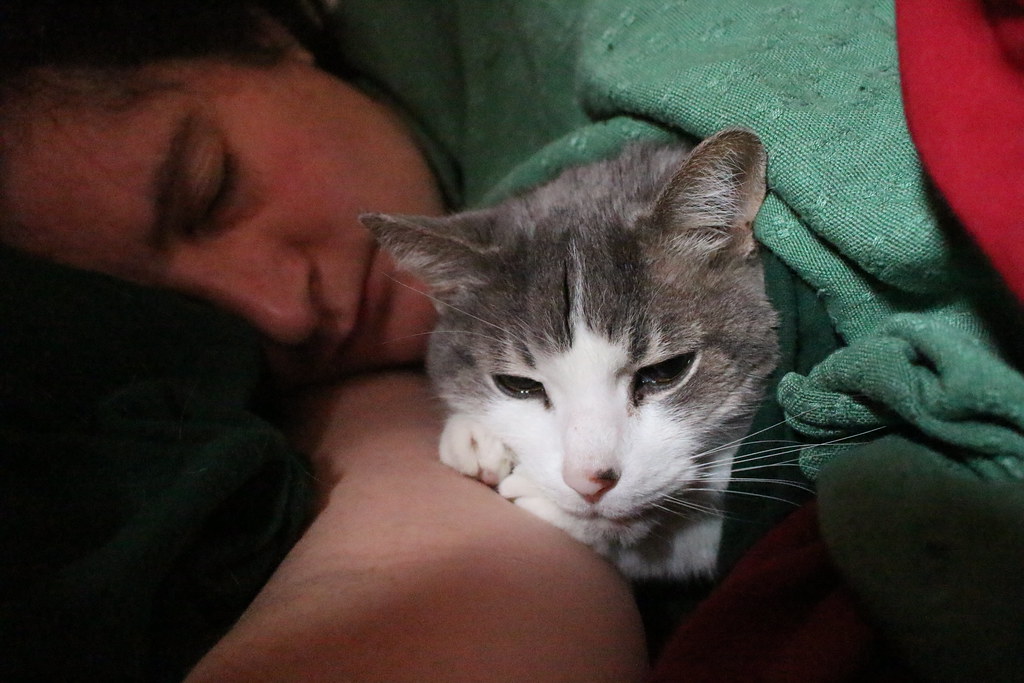
When a cat senses its life is nearing an end, it may seek out more affection from its owner. This behavior is one of the signs a cat is dying, as they instinctively seek the comfort of their loved ones in their final moments. It’s a way they say goodbye, by looking for warmth and affection from those they trust most.
Cats often display distinctive behaviors when saying goodbye, such as seeking unusual amounts of attention or finding isolated spots to rest. The increased clinginess might seem out of character for independent cats, but it represents their desire to maintain connection during vulnerable moments.
The Instinct to Hide and Withdraw

Many animals, including cats, will hide away when they are dying. Dying cats often secret themselves away somewhere safe and quiet, as an innate instinct to protect themselves from predators that would target a weak animal. If your cat is hiding all the time, it could mean the end is near.
Hiding may be how some cats say goodbye – by retreating into a quiet, comfortable spot away from disturbance. This withdrawal isn’t rejection but rather an ancient survival mechanism that honors their need for safety and peace during their most vulnerable time.
Dramatic Changes in Eating Habits

A noticeable decline in appetite is a common sign a cat is nearing the end of its life. Cats may no longer be interested in food or even refuse to eat altogether. This is due to their body’s gradual shutdown, making it difficult to process food. As their bodily functions weaken, the decrease in appetite serves as one of the clearer signs a cat is dying.
When a cat is dying, it’s normal for their appetite to slow down and for them to eventually stop eating altogether. This doesn’t necessarily mean the end is imminent. Yet this change often marks the beginning of their final communication about their needs and comfort.
Physical Signs of the Body’s Preparation
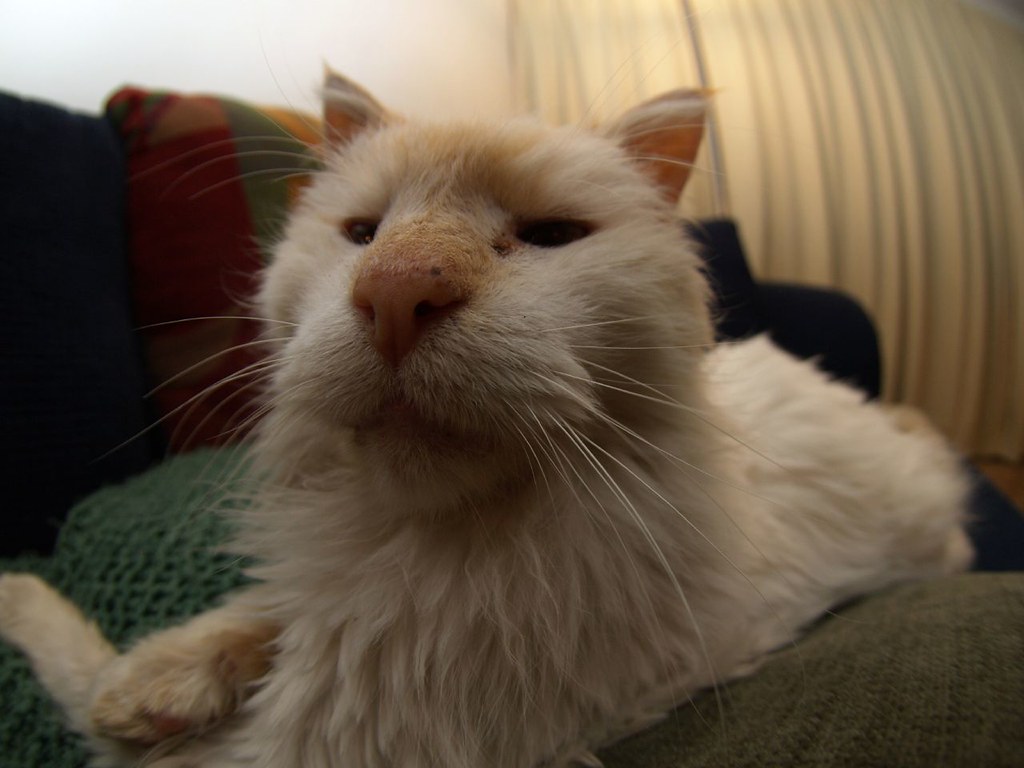
Your cat’s lungs are controlled by muscles and nerves, and these are not immune to breakdown as your cat ages. A dying cat may have an abnormal breathing pattern, with her respiratory rate speeding up and slowing down at random. She may even stop breathing for short periods of time and then start back up again.
As a cat’s body starts to break down, he or she might not be able to regulate temperature as well as they once did. This could present in cold extremities (specifically the paws and ears). Pay attention to your cat to see if it seems like it’s becoming difficult to regulate temperature. These physical changes represent the body’s natural transition process.
Altered Sleep Patterns and Energy Levels
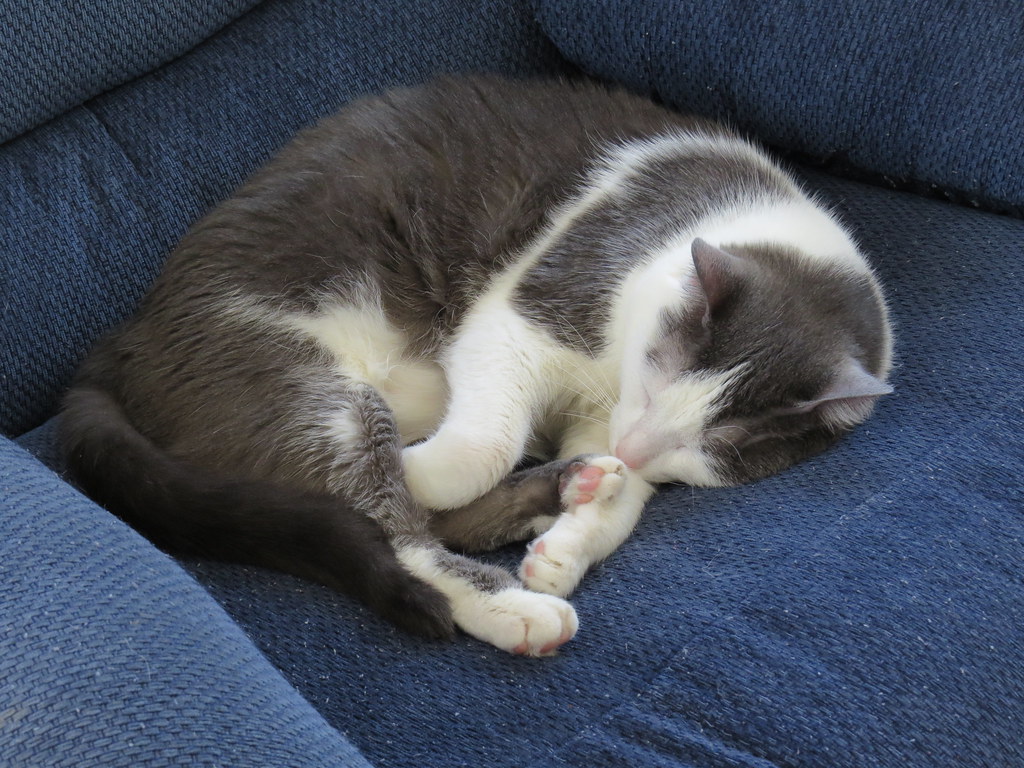
In the last days of life, your cat might show extreme weakness and lethargy. They might not rouse as usual for fuss and attention, and might even sleep through meals and toileting. Cats nearing the end of their lives will often have less energy. They may spend a significant amount of time sleeping more than they previously did. Your cat may seem uninterested in eating, grooming, or interacting with anyone else.
This increased need for rest isn’t laziness but rather the body’s wisdom in conserving energy for essential functions. The extended sleep periods allow cats to process their transition in peaceful solitude while still remaining connected to their environment.
Creating Comfort During Their Final Days

Make sure your cat is in a comfortable setting. Prepare a quiet and warm space with soft bedding. You should also keep your cat’s food, water, and litter box close to its resting area. This can make their last moments easier to spend. Take time to sit quietly with your cat, gently petting them and speaking softly to provide comfort and reassurance.
During its final hours, spend time with your cat. Stay by its side for as long as possible and talk to them. It’s important to speak to them in soothing tones, as your love and affection can make them comfortable. Your presence becomes their greatest comfort during this sacred transition.
Understanding allows us to honor their natural process while providing the love and support they need. Knowing the signs your cat is dying will make it possible for you to provide your kitty with the best care during their final days, including providing them with a peaceful passing. It will also allow you to make the most of your cat’s last days so you can say goodbye and give yourself some peace.
The rainbow bridge represents more than just an ending – it’s a beautiful transition that cats approach with dignity and grace when supported by understanding owners. What moments with your beloved companion will you treasure most when their time comes?