Most cat owners have made peace with a quiet insult: their cat barely notices they exist. The story goes that dogs adore you, and cats just… tolerate the food source. But new behavioral research is quietly demolishing that idea, and the truth is a little unsettling once you actually sit with it.
Your cat isn’t ignoring your life. It’s studying it. Every footstep, every keychain jingle, every subtle shift in your tone gets logged somewhere in that small, unreadable brain like data in a spreadsheet. Here are 13 details your cat has almost certainly memorized about you – starting with the one that ruins your alarm clock’s entire purpose.
#1 – The Exact Minute You Wake Up
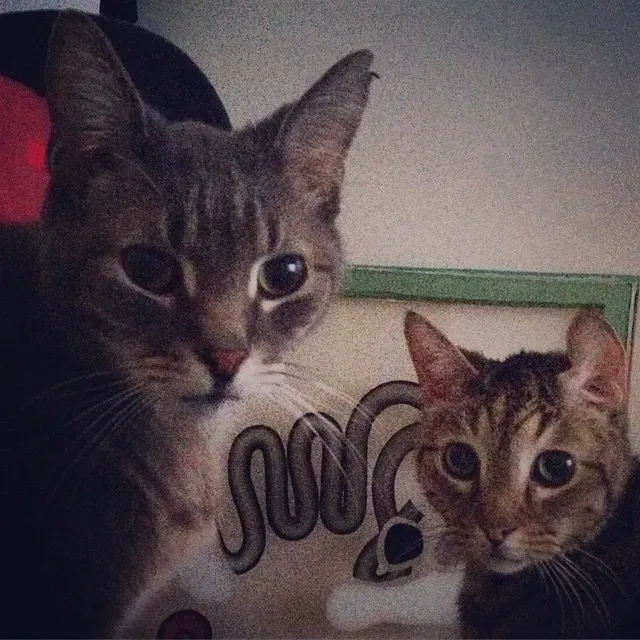
Your alarm clock is basically decorative if you own a cat. Cats will often wake their owners at the same time every single day, accurate to the minute, and it is not a lucky guess. It’s a pattern reinforced by weeks or months of nearly identical mornings, repeated until your cat could probably run your schedule better than you do.
The biology behind it is genuinely impressive. Cats lean on their circadian rhythm and their sense of smell to track time passing, and they layer that internal clock over tiny cues – the click of your phone charger, the particular creak of your mattress. Most owners assume their cat “just happens” to wake up early. In reality, it’s closer to a trained response than random chance, and miss your usual wake time by even fifteen minutes and you’ll likely hear about it.
Fast Facts
- Cats rely on circadian rhythm and scent cues to track time, not calendars or clocks.
- Repeated daily patterns can hardwire a wake-up “trigger” in just a few weeks.
- Missing your usual wake time by fifteen minutes or more is often enough to earn a reminder meow.
#2 – The Sound of Your Front Door Keys
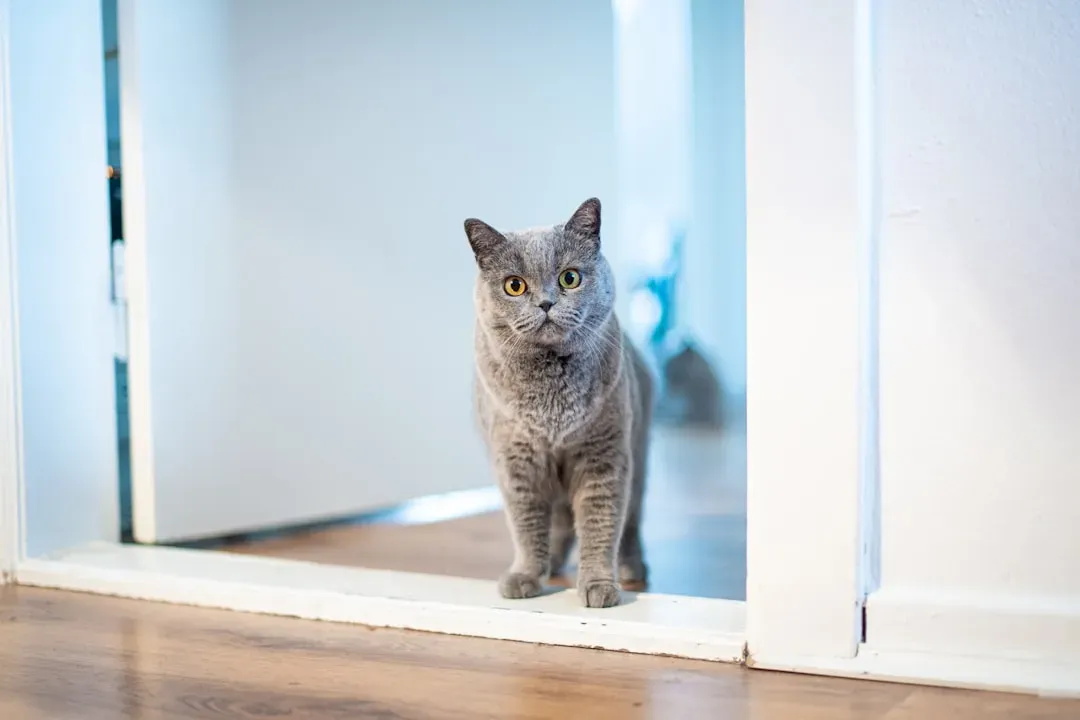
Your keys aren’t just keys to your cat. They’re a countdown timer. Long before you physically walk through the doorway, your cat has already registered the jingle, the specific pitch of your particular keyring, and the pattern of footsteps that usually follows it. This isn’t guesswork – it’s audio pattern recognition built from months of repetition.
Here’s the detail most people miss: it’s not just about hearing the door open. Cats have been observed waiting by the door every evening around the same time, after months of near-identical work-day arrivals. That means your cat has essentially built a mental spreadsheet linking sound, time, and reward – you, home, attention. Some behaviorists argue this level of anticipation rivals dog-style loyalty, which quietly wrecks the old “cats don’t care” stereotype.
#3 – The Precise Minute Food Hits the Bowl
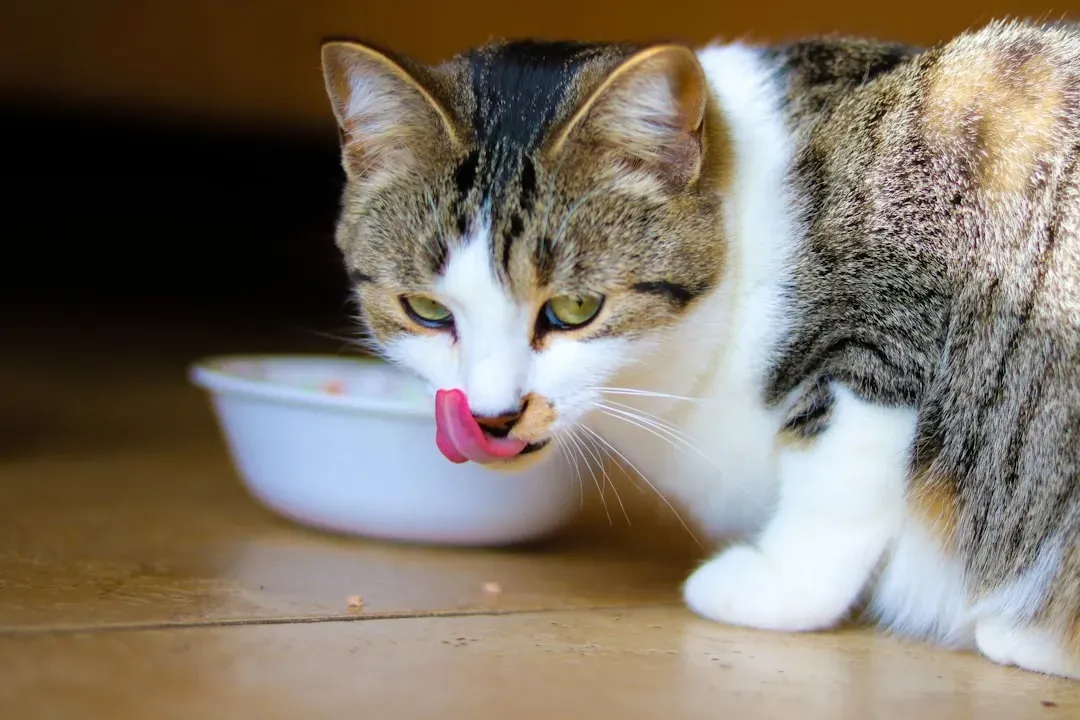
If you think your cat’s pre-dinner meowing is random noise, think again. Mealtimes are one of the most reliably anticipated events in a cat’s day, and cats will vocalize or camp near feeding areas shortly before the usual hour. This is one of the most well-documented routine behaviors in domestic cats, largely because food is the single strongest motivator in feline life.
The specificity is what surprises most owners. A cat might start meowing 10 to 15 minutes before breakfast, tied not to hunger alone but to the exact hour the bowl usually gets filled and the exact cupboard sound that precedes it. Change the cupboard, and you’ll likely confuse your cat more than if you’d actually changed the feeding time. Many owners unknowingly trained this behavior themselves, one identical feeding time at a time.
#4 – The Cupboard You Keep Their Food In
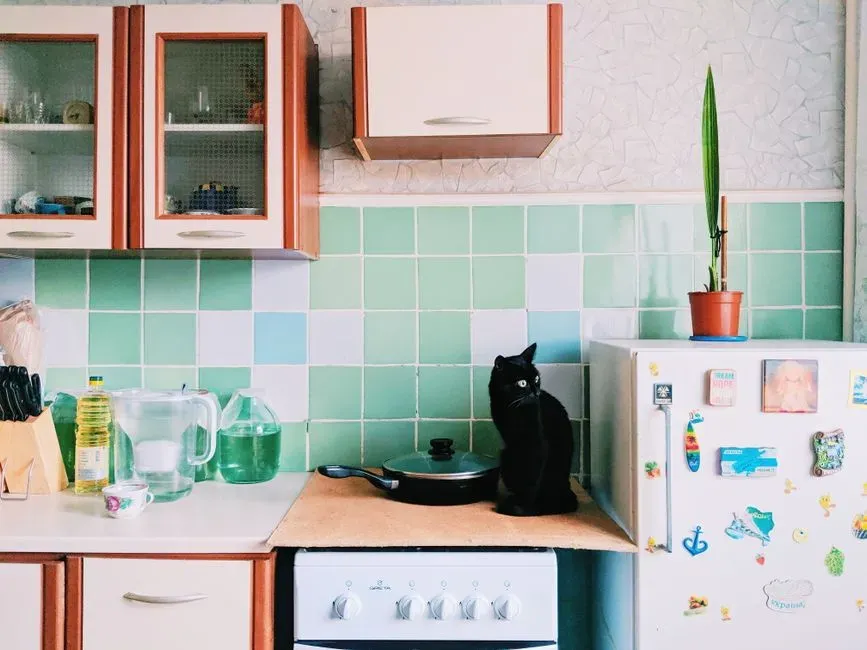
It’s not just when you feed your cat – it’s where the food physically lives. Cats build detailed spatial maps of their environment, and food storage location sits near the top of that mental map. This is why a cat can walk straight to the food cabinet from three rooms away without a single wrong turn.
What’s surprising is how fast that memory forms, and how stubbornly it sticks around afterward. Cats are naturally excellent at spatial memory, which is part of why they rarely get lost in familiar territory. Move the food to a new cupboard and many cats will still sit loyally at the old spot for days, waiting on a memory that hasn’t caught up to reality yet. It’s one of the most underrated forms of feline intelligence – not emotional, just pure geography.
Worth Knowing
- Cats build detailed mental maps of home, prioritizing food, water, and favorite resting spots.
- Spatial memory lets cats navigate familiar territory confidently, even in low light.
- Moving food to a new spot can leave a cat waiting at the old cupboard for days.
#5 – Your Specific Footsteps
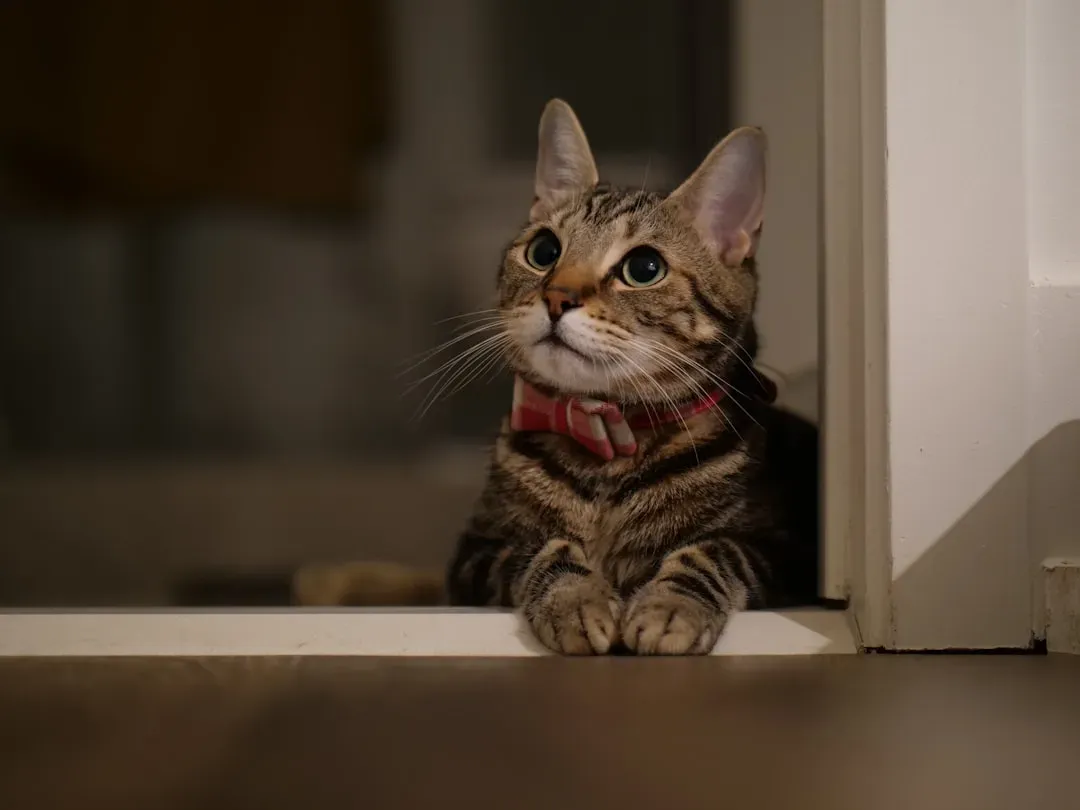
Your cat can probably tell it’s you walking down the hallway before you’ve even rounded the corner. That’s not a party trick – it’s associative learning doing exactly what it’s built to do. Changes in scent, weight, pace, and rhythm all combine into something close to a fingerprint, and your cat has quietly memorized yours.
This is part of why cats often react differently to a stranger’s footsteps than to a familiar family member’s. The recognition is built through stimulus-response learning rather than anything like verbal memory – cats link cause and effect, not words and calendars. Most owners assume their cat recognizes them by sight first, but sound and scent likely arrive as the priority signal, especially in dim light or from another room.
#6 – Whether You’re Wearing “Work Clothes” or “Weekend Clothes”

Your wardrobe might be quietly leaking your entire schedule to your cat. If a blazer and a bag mean you’re gone for hours every weekday, that combination becomes a predictive signal fast. Sweatpants and slippers, on the other hand, often mean “today is a lounging day,” and that can visibly shift your cat’s behavior before you’ve even had coffee.
This ties directly into how cats reinforce associations – when an action reliably leads to a certain outcome, they adjust their expectations around it almost immediately. The unsettling part is how fast that association forms, sometimes within a week or two of consistent clothing patterns. Some behaviorists have even noted subtle stress signs on days that break the expected pattern, since it quietly disrupts a routine your cat was counting on.
#7 – The Sound of Your Car Pulling Into the Driveway

Long before your key hits the front door, your cat may already know you’re home. Engine sound recognition is one of the more debated behaviors in multi-pet households, but it’s frequently reported anyway. Paired with the predictable timing of your commute, plenty of cats seem to clock a familiar engine note the second it hits the driveway, not when the door finally opens.
This is where routine and emotional attachment start to overlap. If your homecoming has consistently meant attention, play, or affection, your cat will come to expect that pattern to repeat, and will visibly demand it if it doesn’t. Some owners insist their cat can tell their car apart from a neighbor’s engine entirely by sound, while skeptics argue it’s really just time-of-day pattern recognition. Either way, the anticipation itself is real, and it repeats like clockwork.
#8 – Your Nightly Wind-Down Routine
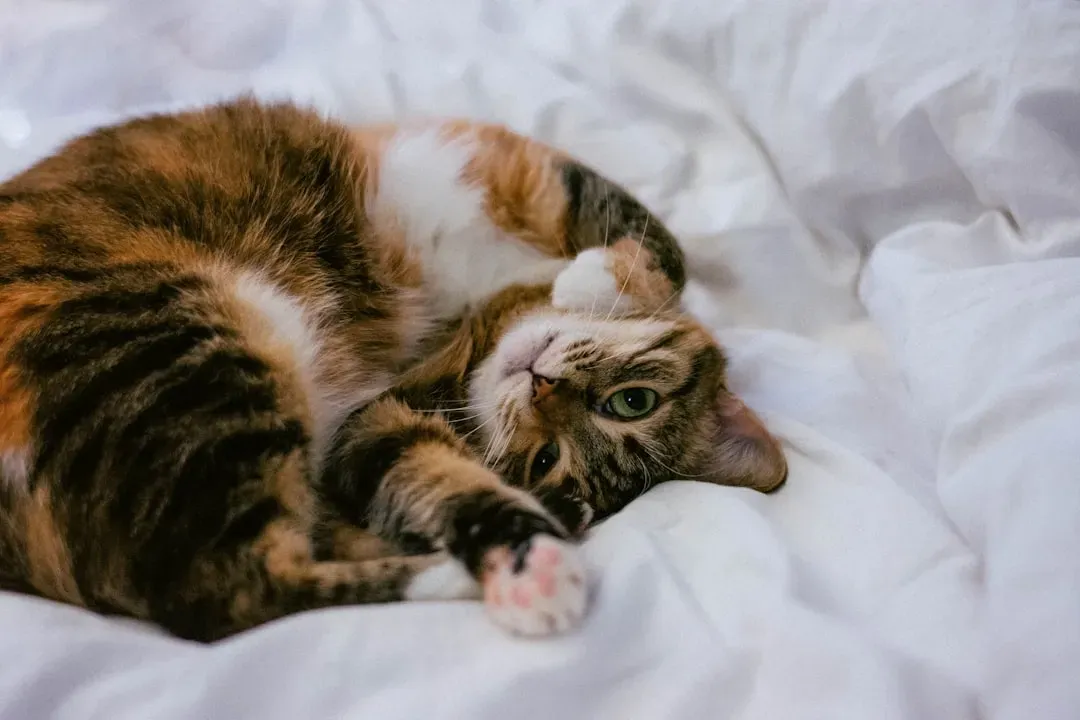
Cats don’t just track your day – they track your entire evening shutdown sequence. Dimming the lights, brushing your teeth, plugging in your phone: these small actions form a chain, and your cat likely recognizes the whole pattern rather than treating each step as separate.
The interesting wrinkle here is anticipatory positioning. Many cats will claim a specific spot on the bed or couch before you’ve even sat down, almost as if they’ve pre-loaded the next scene in tonight’s routine. Owners often write this off as coincidence, but it’s really pattern completion – your cat has watched this exact sequence enough times to jump straight to the ending.
#9 – The Difference Between Weekdays and Weekends
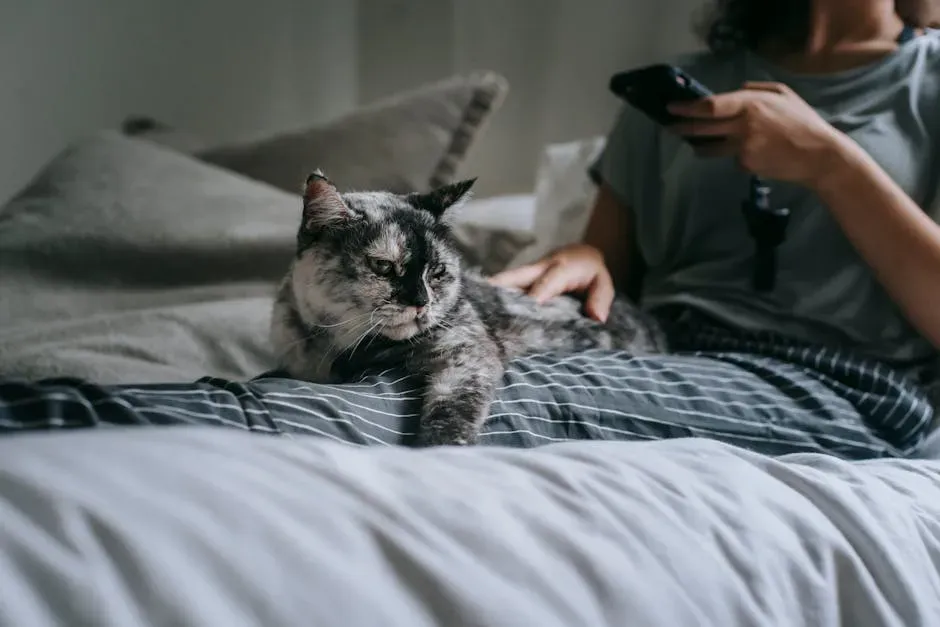
Your cat likely knows it’s Saturday before you fully process it yourself. Cats don’t understand calendars, but they absolutely notice pattern breaks. If weekdays mean an early alarm, a fast breakfast, and a quick exit – and weekends mean slow mornings and lounging – your cat registers that shift almost immediately, purely through timing.
This lines up with the idea that routine changes should be introduced gradually, since over-reliance on rigid schedules can otherwise cause real stress when the pattern suddenly vanishes. Some behaviorists argue weekend disruptions are a bigger source of subtle cat stress than most owners realize, precisely because the predictability they rely on disappears for 48 hours straight. Whether your cat “knows” it’s the weekend in any human sense is debatable – but the behavioral shift is not.
Quick Compare
- Weekdays: Early alarm, fast breakfast, quick exit – the routine stays tight and predictable.
- Weekends: Slower mornings, more lounging – and often more clinginess from your cat.
- The switch: Cats notice the shift almost immediately, purely through timing cues.
#10 – The Specific Ringtone or Alarm Sound You Use

That chime isn’t just noise to your cat – it’s a trigger. Repeated exposure to the same sound at the same time each day builds an incredibly strong associative link, exactly the kind of stimulus-response learning cats specialize in. If your alarm reliably precedes you getting up, showering, or leaving for the day, your cat may start reacting to the sound alone, before you’ve even sat up.
This is why changing your ringtone or alarm sound can visibly throw a cat off for a few days afterward. Most owners never realize their cat has quietly memorized their phone’s specific chime as a countdown cue for the rest of the morning. It’s a small detail, but it says a lot about how attentive cats are to auditory patterns most humans have long since tuned out.
#11 – Which Chair or Cushion Is “Yours”
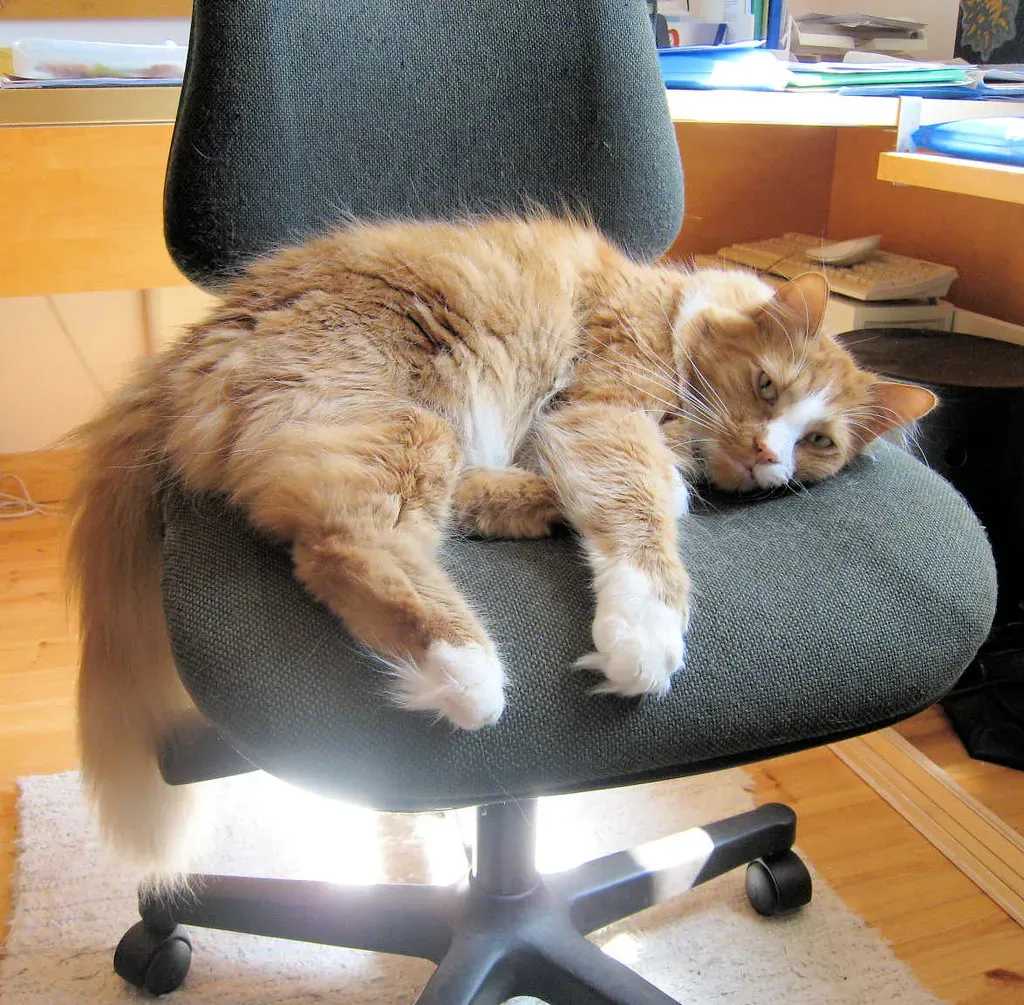
Cats notice territorial patterns with almost architectural precision. If you always sit in the same chair at the same time, many cats start treating that spot as an extension of you – sometimes guarding it, sometimes claiming it the second you stand up and walk away.
The pattern becomes especially obvious when guests visit. Plenty of cats will hesitate, stare intently, or vocalize if a stranger dares to sit in “your” chair, which says a lot about how deeply routine and territory intertwine in feline memory. It’s one of those quietly opinion-splitting behaviors – some owners find it endearing, others read it as low-key possessiveness dressed up as affection.
Why It Stands Out
- Territorial memory in cats is tied closely to routine, not just scent marking.
- Guests sitting in “your” spot can trigger staring, vocalizing, or visible discomfort.
- This behavior blurs the line between possessiveness and genuine attachment.
#12 – The Tone of Your Voice During Stressful Moments
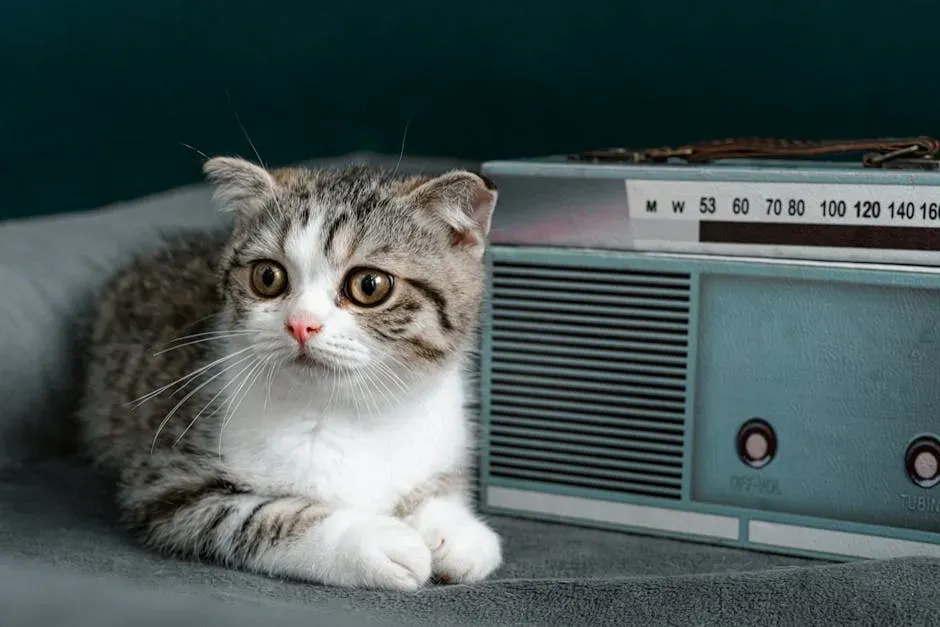
Cats don’t just hear your words – they track your emotional patterns underneath them. Repeated exposure to specific vocal tones during arguments, stress, or excitement creates a learned association that has nothing to do with the actual words being said. This fits with broader findings that cats are surprisingly socially intelligent, capable of reading human emotion and adjusting their own behavior around it.
Over time, many cats learn to associate a raised voice with tension, and will retreat, hide, or go unusually still – not because they understand the fight, but because they’ve registered the pattern of what tends to follow that tone. This quietly challenges the popular idea that cats are emotionally checked out. In reality, plenty of them are monitoring household emotional weather far more closely than they get credit for.
#13 – The Exact Way You Say Goodbye Before Leaving
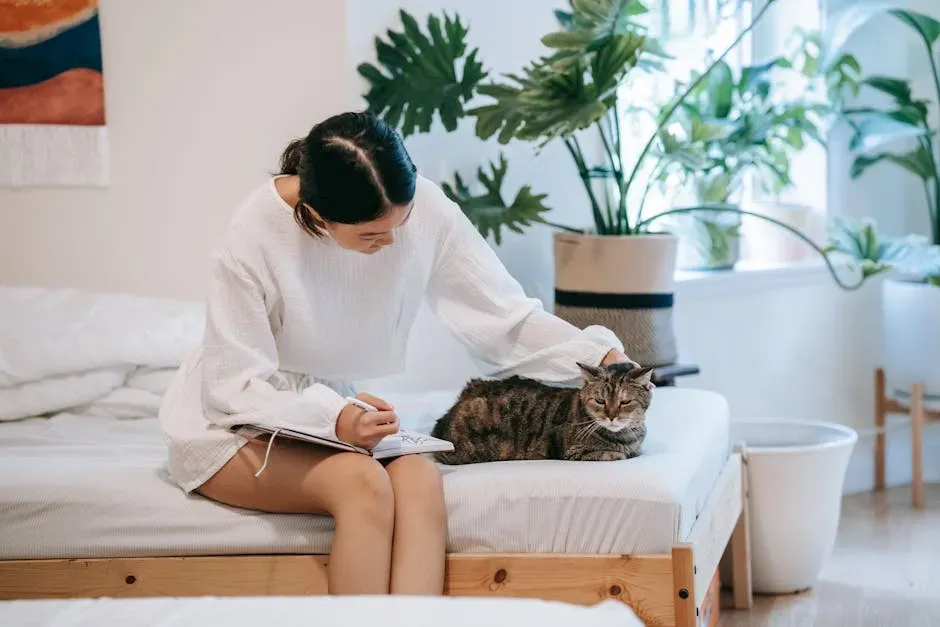
This is the routine detail cats seem to hold onto the longest. Whether it’s a specific phrase, a pat on the head, or simply grabbing your bag a certain way, many cats learn to associate that exact sequence with an extended absence. It taps into the same long-term memory system responsible for cats recognizing owners after months, or even years, apart.
This is also why routines matter so much during transitions like moving or travel – shifting schedules gradually and adding enrichment helps soften the stress, because the “goodbye routine” is often one of the most emotionally loaded patterns a cat tracks all week. Some owners swear their cat reacts differently to a real goodbye than to a quick errand, which suggests cats may be quietly sorting your departures into short and long before you’ve even left the driveway.
The Bottom Line
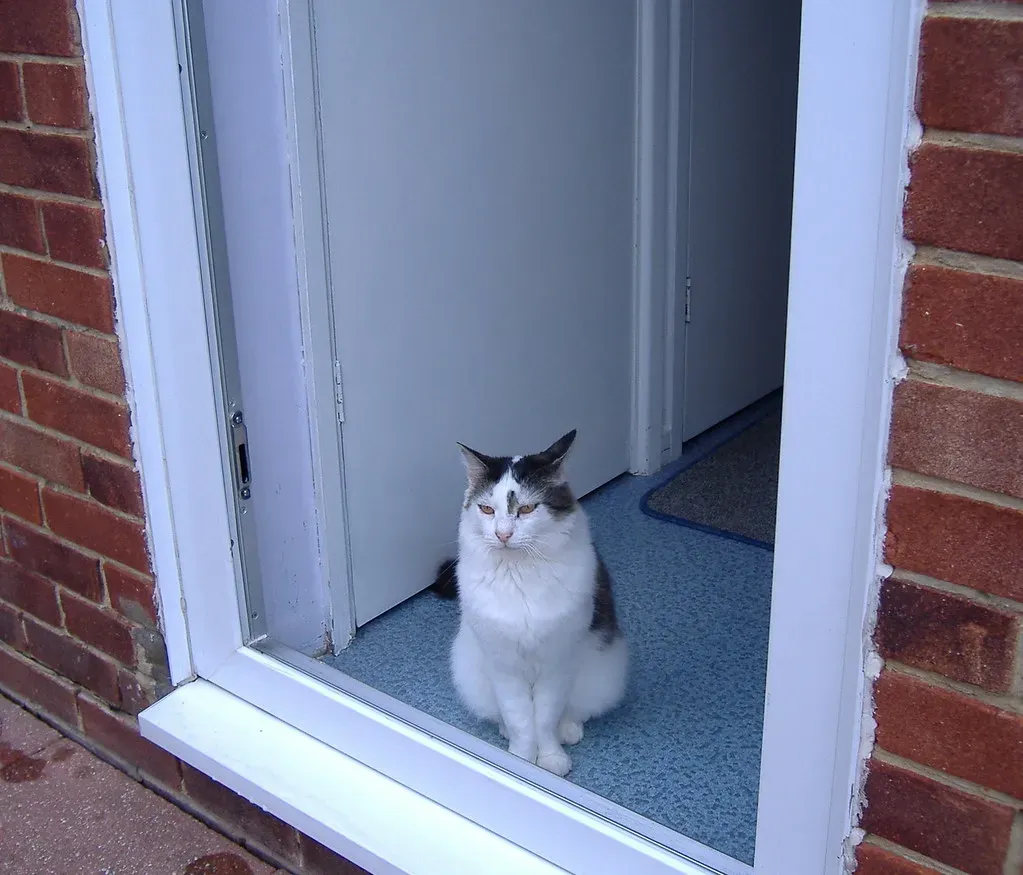
Cats aren’t passive furniture that happens to breathe. They’re quietly cataloguing your life, minute by minute, sound by sound, cupboard by cupboard. From the exact second you wake up to the exact way you say goodbye, your routine is far more “monitored” than most owners ever bother to consider.
This isn’t about sentimentality – it’s associative memory, scent, sound, and timing working together in a system that’s honestly more sophisticated than people give cats credit for. And here’s the opinionated part: cats probably understand your schedule better than some roommates or partners ever have. They just don’t complain about it out loud – they just wait by the door, right on time, every single day. Which detail on this list did your cat nail first? Tell us in the comments.
Kristina is a young writer from India. An arts graduate and an avid content creator, Kristina is passionate about animals and wildlife. She enjoys exploring topics related to pet care, animal behavior, conservation, and nature, combining thorough research with engaging storytelling.