You’ve likely felt it—that soft, deliberate bump of your cat’s head against your hand, face, or even your leg. It may seem like a simple affectionate gesture, but there’s far more meaning behind it than meets the eye. When your cat nuzzles you, they’re engaging in a deeply instinctive behavior rooted in communication, bonding, and territorial marking.
Understanding this subtle act gives you a clearer window into how your cat sees you—not just as a companion, but as part of their safe, familiar world. When you recognize what’s really happening during these quiet moments, you begin to appreciate just how meaningful this tiny gesture truly is.
What a Head Nuzzle Actually Means
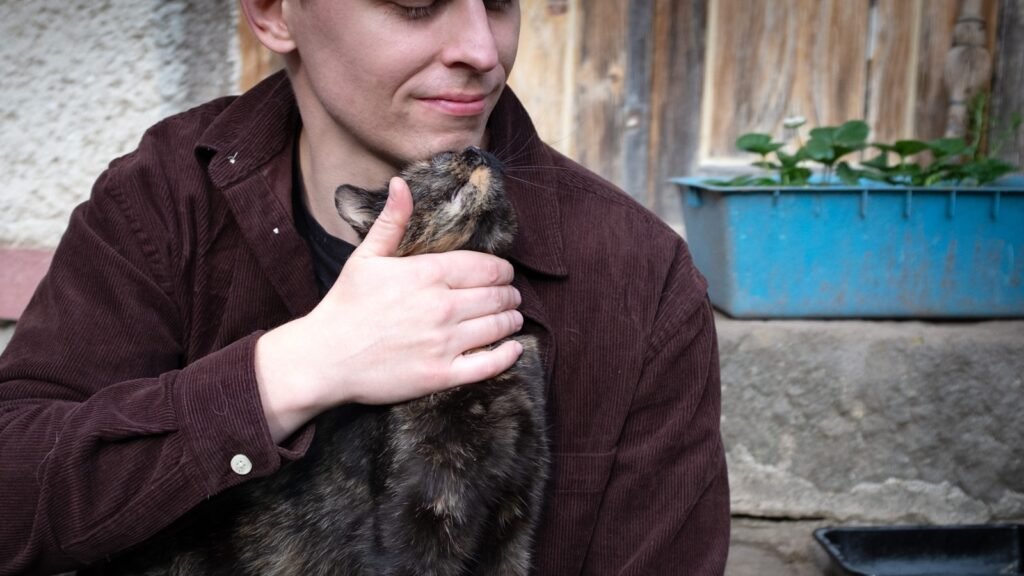
When your cat gently presses their head against you, they’re performing a behavior known as bunting. This action involves scent glands located around their forehead, cheeks, and chin. By rubbing these areas against you, your cat is leaving behind their unique scent.
This isn’t random or accidental—it’s intentional. You’re being marked as something important in their environment. In your cat’s world, scent defines familiarity and safety, and by placing their scent on you, they’re essentially claiming you as part of their trusted circle.
Why Scent Marking Is So Important to Your Cat
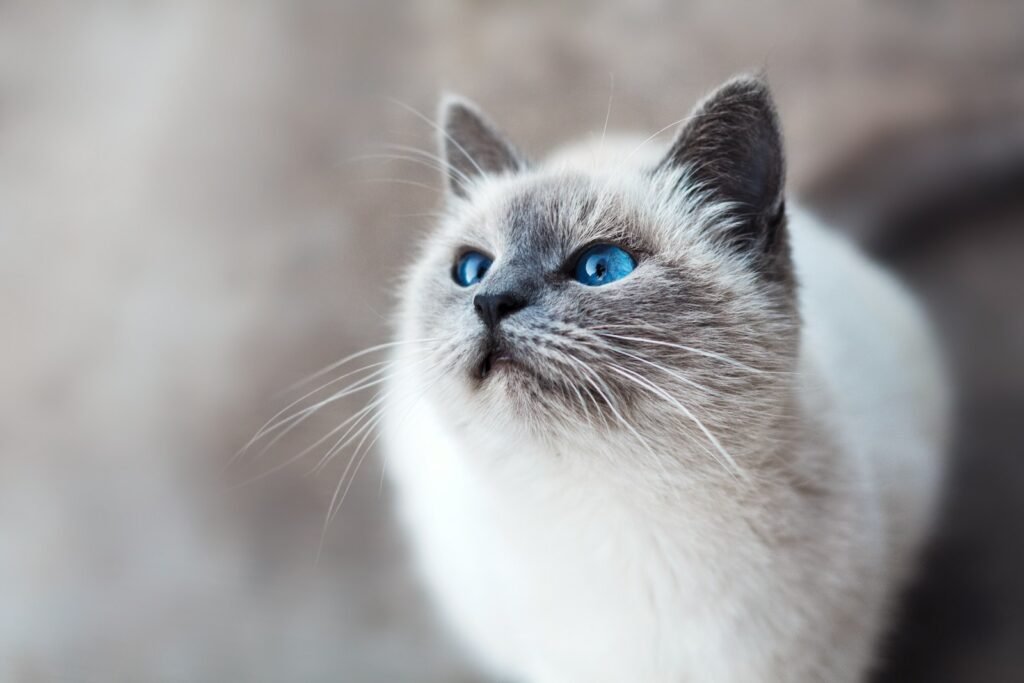
Cats rely heavily on scent to understand their surroundings. Unlike humans, who depend more on vision, your cat uses scent as a primary way to navigate their world. Every object, space, and living being carries meaning through smell.
When your cat nuzzles you, they’re reinforcing a shared scent profile. This helps them feel more secure because you begin to “smell like them.” It’s a quiet but powerful way your cat builds a sense of stability and belonging in their environment.
A Sign of Trust and Emotional Bonding
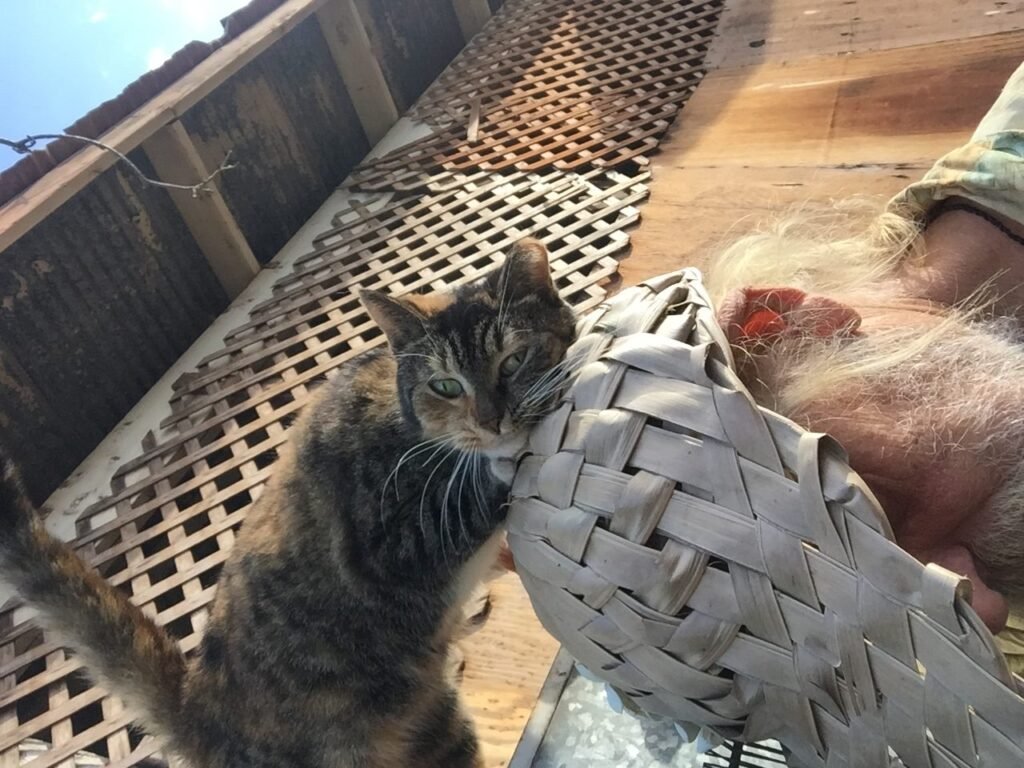
Your cat won’t just nuzzle anyone. This behavior is reserved for individuals they trust and feel comfortable around. When they choose to press their head against you, it’s a sign that they feel safe in your presence.
This moment is more than physical contact—it’s emotional communication. Your cat is telling you that they recognize you as a positive, non-threatening part of their life. Over time, these interactions strengthen the bond between you and your pet in a subtle but meaningful way.
How Head Nuzzling Differs from Other Affection

You might notice your cat showing affection in various ways—purring, kneading, or sitting close to you. Head nuzzling, however, carries a unique layer of meaning because it combines affection with scent marking.
While other behaviors may signal comfort or contentment, nuzzling actively alters your cat’s environment by marking you. It’s both a social gesture and a territorial one, blending love and instinct into a single, gentle action.
The Role of Facial Scent Glands
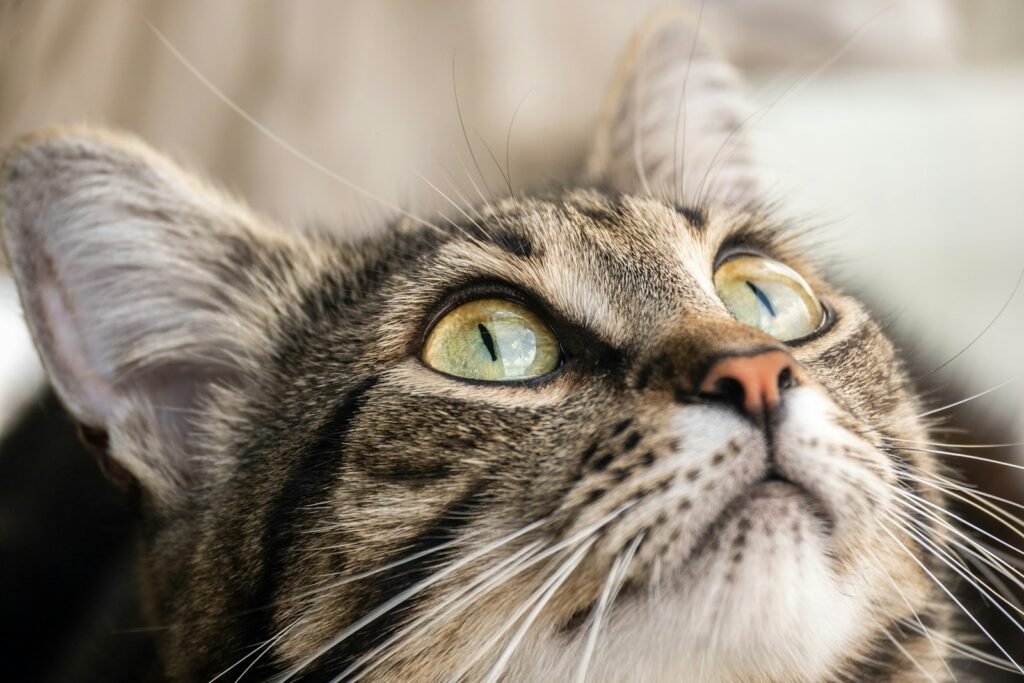
Your cat’s face is equipped with specialized scent glands that release pheromones. These chemicals are undetectable to you but carry important messages for your cat and other animals.
When your cat rubs their head against you, these glands deposit pheromones that signal familiarity and calmness. This helps reduce stress and creates a reassuring environment. In essence, your cat is making you part of a comforting scent map that they rely on daily.
Why Your Cat Targets Specific Areas
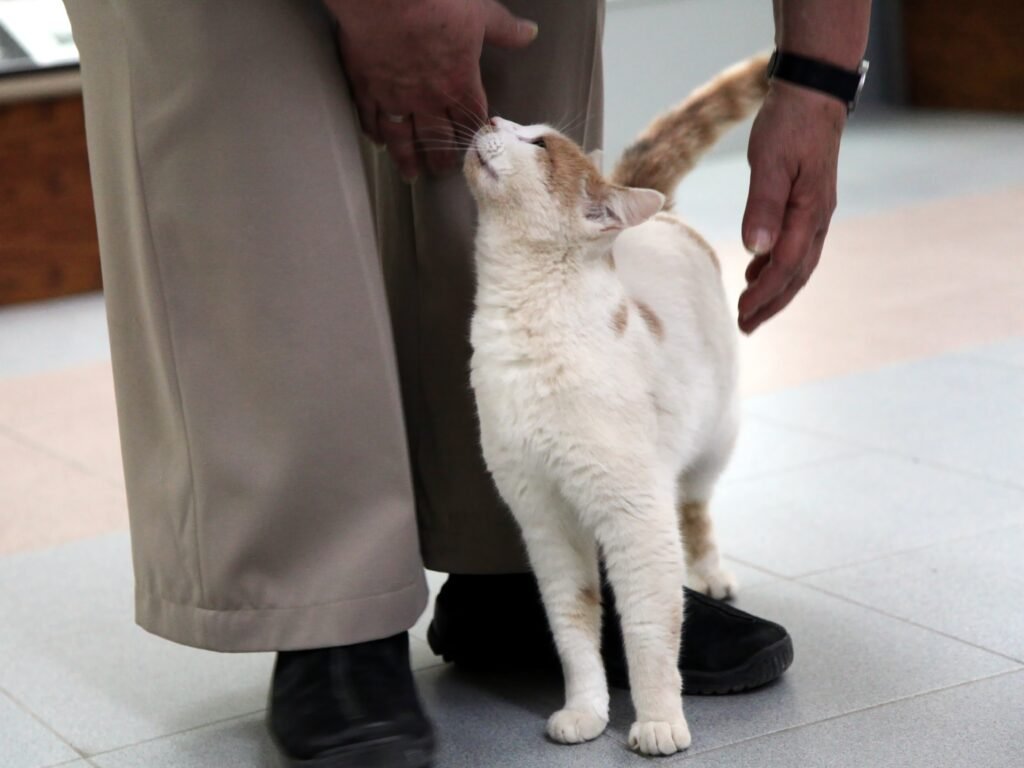
You may notice your cat prefers to nuzzle certain parts of your body—like your face, hands, or legs. These areas are usually easy for them to reach and are often associated with interaction, such as petting or feeding.
By focusing on these spots, your cat reinforces positive associations. Each nuzzle strengthens the connection between your presence and their sense of comfort, making your relationship feel even more secure from their perspective.
How You Should Respond to a Head Nuzzle
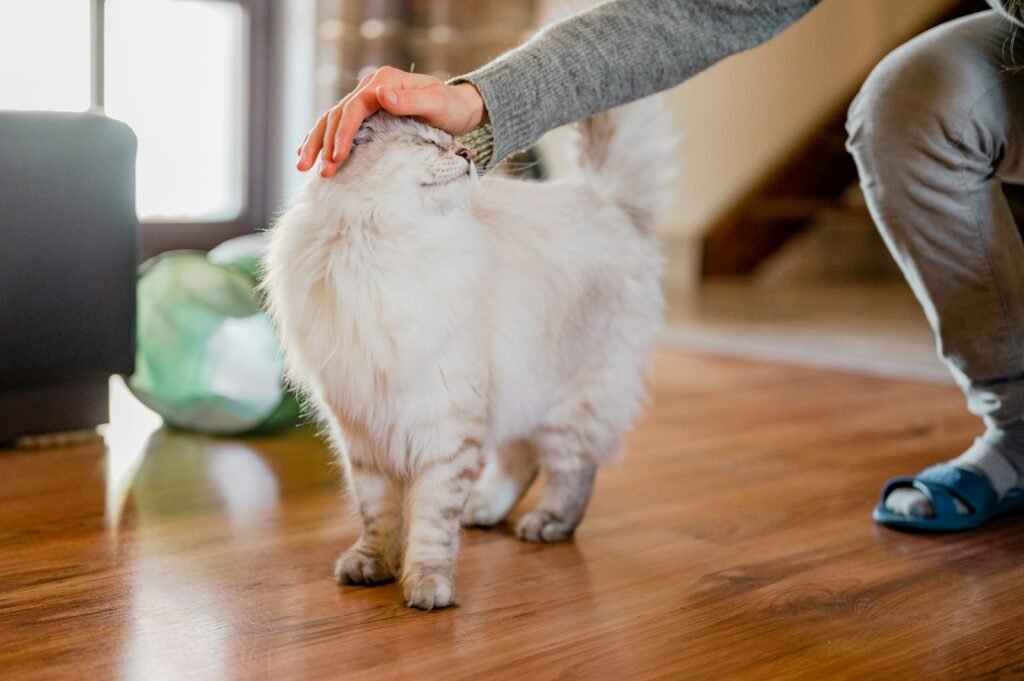
When your cat nuzzles you, the best response is simple—acknowledge it gently. You can softly pet them, speak in a calm voice, or simply stay still and let them continue.
Avoid pulling away abruptly, as this can disrupt the moment. By responding positively, you reinforce their trust and encourage more bonding interactions. Over time, your cat will feel even more confident expressing affection in this way.
When Head Nuzzling Becomes More Frequent
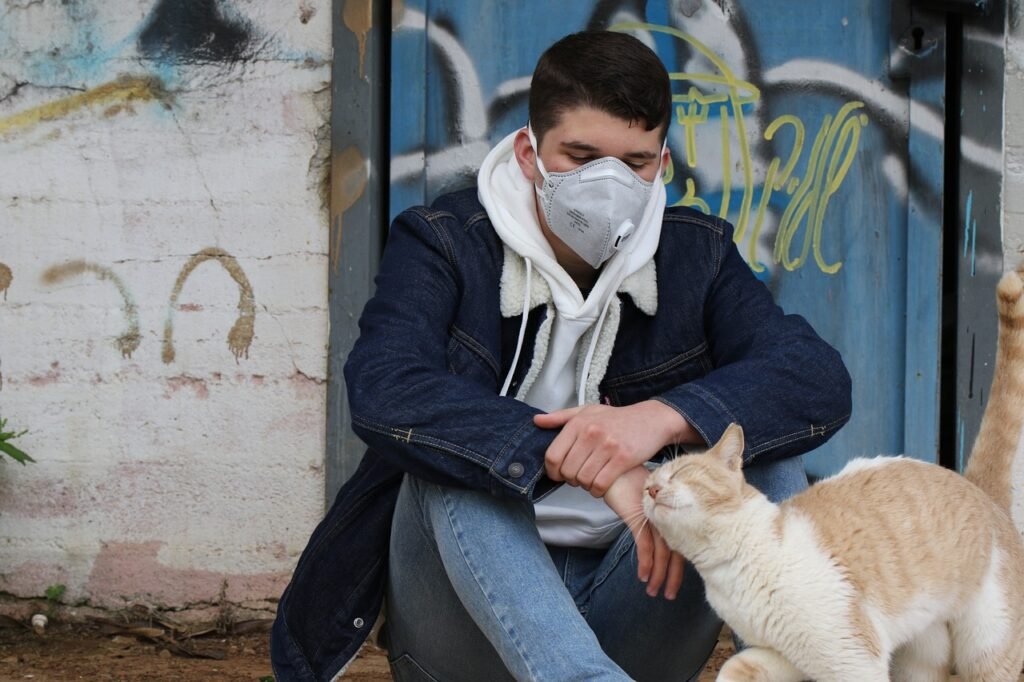
If your cat starts nuzzling you more often, it usually indicates growing attachment. They may be seeking comfort, reassurance, or simply enjoying your presence more than usual.
However, increased nuzzling can also happen during changes in routine or environment. In these moments, your cat may rely on scent marking to re-establish a sense of stability. Paying attention to these patterns helps you better understand their emotional state.
The Deeper Meaning Behind This Gentle Gesture
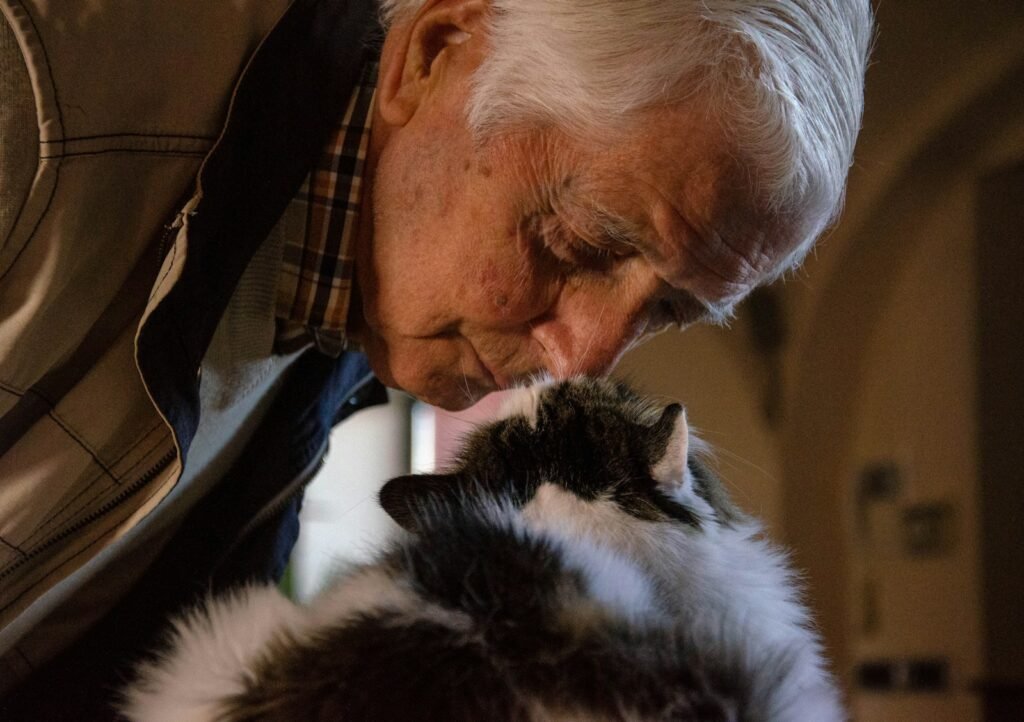
At its core, a head nuzzle is your cat’s way of blending instinct with affection. It’s not just about marking territory—it’s about creating a shared identity between you and them.
You’re not just someone who feeds or plays with them—you’re part of their world. Each nuzzle reinforces that connection, making you a central figure in their sense of safety and belonging.
Conclusion
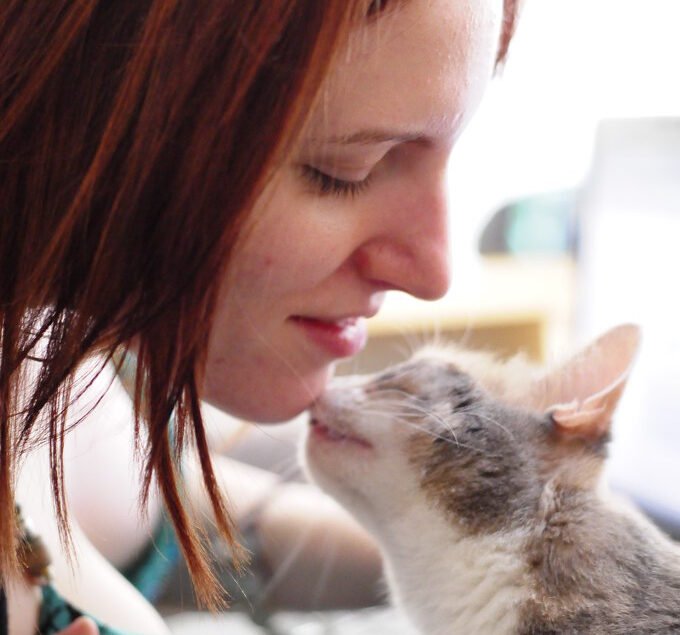
That soft head bump you feel isn’t just a passing gesture—it’s a meaningful act rooted in trust, communication, and instinct. When your cat nuzzles you, they’re marking you as safe, familiar, and deeply important in their life.
By understanding this behavior, you gain insight into how your cat experiences the world and their place within it. The next time your cat gently presses their head against you, you’ll know—it’s their quiet way of saying you truly belong to them.
Kristina is a young writer from India. An arts graduate and an avid content creator, Kristina is passionate about animals and wildlife. She enjoys exploring topics related to pet care, animal behavior, conservation, and nature, combining thorough research with engaging storytelling.