There’s a particular moment that most cat owners know well. You’re going about your day, and you glance over to find your cat sitting perfectly still, watching you with those luminous, unreadable eyes. It’s not threatening. It’s not exactly warm, either. It’s simply ancient. That gaze, which can feel almost uncomfortably perceptive, isn’t just a personality quirk. It’s a biological archive.
Your cat’s eyes are the product of tens of millions of years of evolutionary pressure, predator strategies, and genetic mutation. Everything from the shape of the pupil to the shimmer behind the iris carries a story far older than domestication itself. Understanding what you’re actually looking at when your cat holds your gaze changes the way you see the relationship entirely.
Tracing the Eye Back 30 Million Years
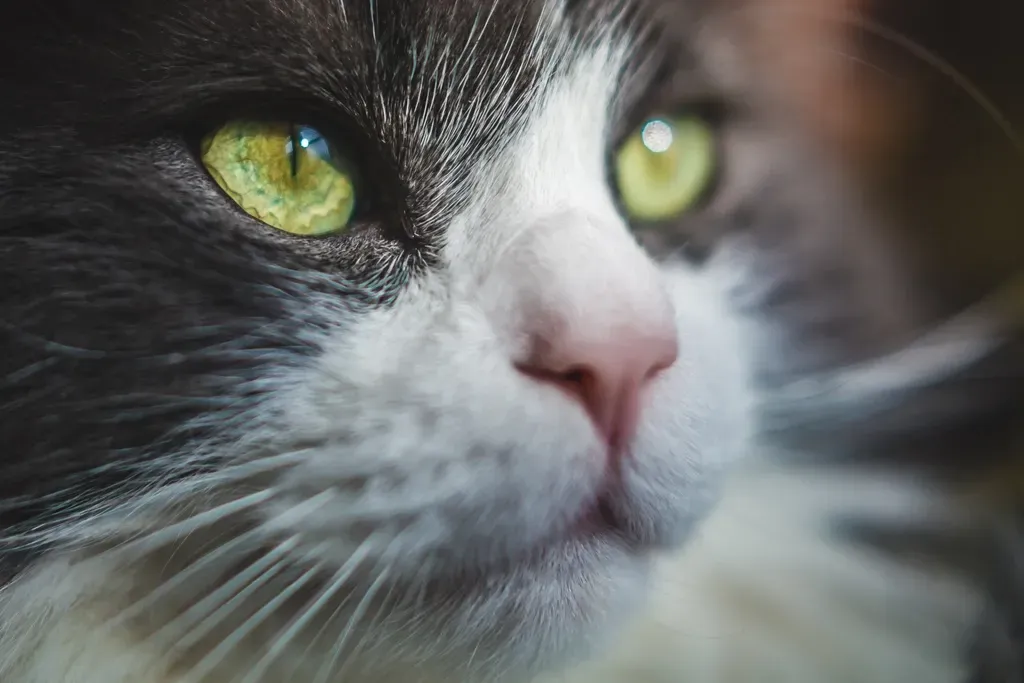
The piercing golden gaze of cheetahs, the striking blue stare of snow leopards, and the luminous green glare of leopards are all traits that can be traced to one ancestor, an ocelot-like feline progenitor that roamed Earth more than 30 million years ago. That ancient cat is, in a very real sense, looking back at you through your tabby’s half-closed eyes on a Tuesday afternoon.
Harvard researchers say this ancestral population likely featured felines with both brown and gray eyes, with the gray variation emerging due to a genetic mutation that drastically decreased pigment in the eye. Those gray-eyed felines opened the door to a burst of greens, yellows, and blues, providing an anchor between brown eyes and the new colors. What you see in your cat’s iris today is the end result of that ancient genetic pivot.
The Gray Bridge That Made Color Possible
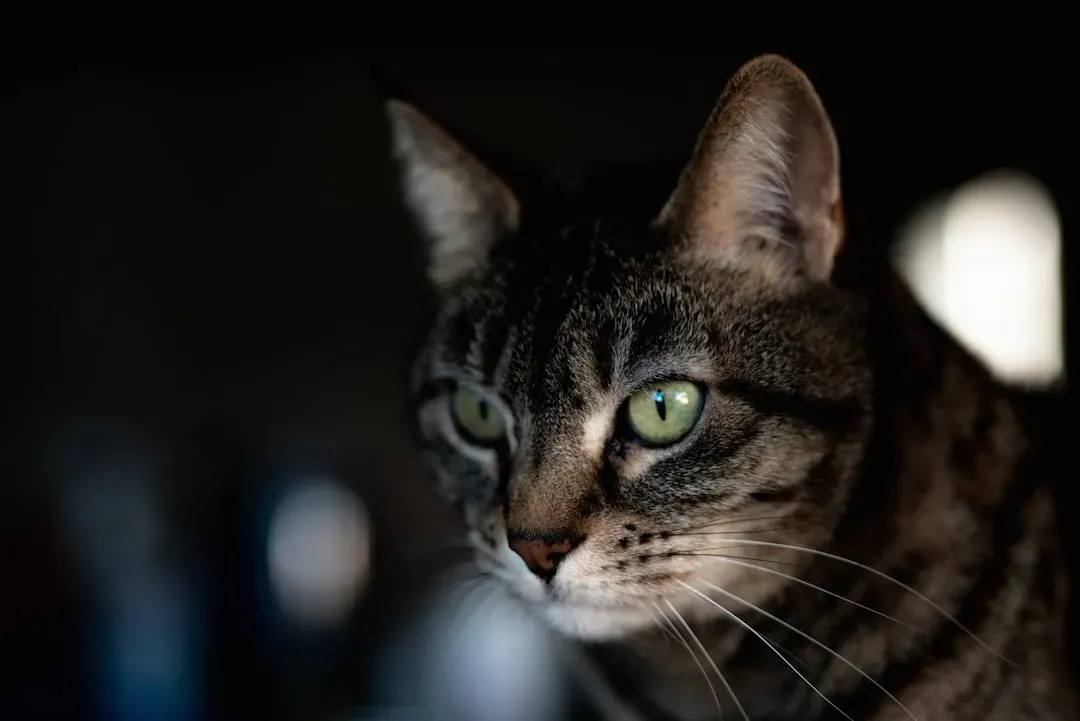
Early, pre-felid lineages had brown eyes only. After the linsang species branched off, the population of the felid ancestor gained gray-eyed individuals, which coexisted with the brown-eyed ones. This shift was the genetic foundation for everything that followed. Without those gray-eyed intermediaries, the dazzling spectrum of feline eye color you see in wildlife photography simply wouldn’t exist.
Blue eyes require carefully balanced low levels of pigment and are likely recessive in felids. A wild population would probably not be able to maintain blue eyes with only one blue-eyed individual among a sea of brown eyes. It’s probable that you would need something lighter than brown, but not as light as blue, to be the mediator. In every single cat species with blue eyes, they also have gray eyes. Your cat’s eye color is, in this sense, the visible outcome of millions of years of very patient genetic negotiation.
The Slit Pupil: A Precision Hunting Tool
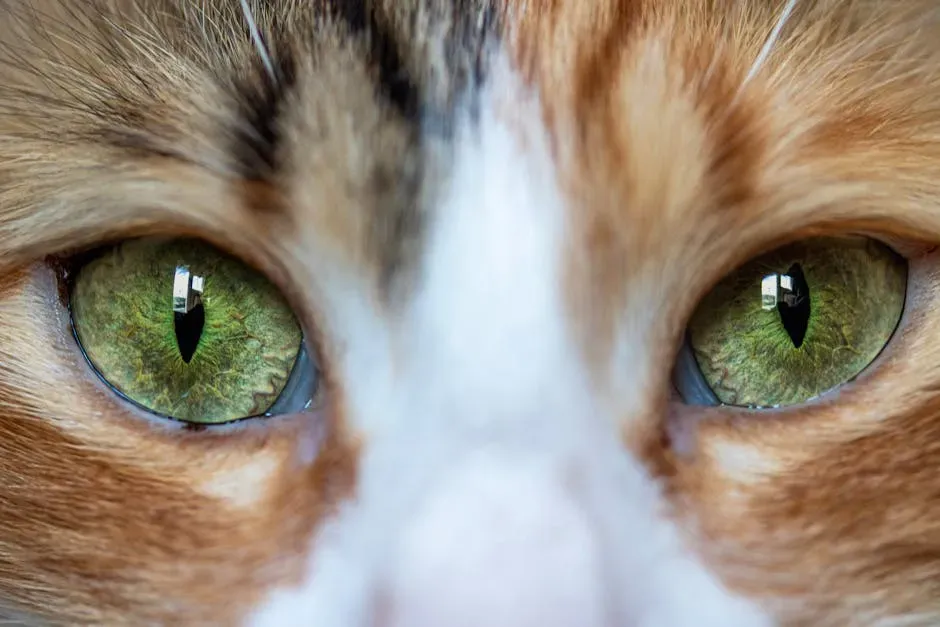
The vertical slit pupil found in domestic cats and their smaller wild cousins is a specialized piece of evolutionary equipment. According to a landmark 2015 study by researchers at UC Berkeley and Durham University, this shape is the hallmark of the low-to-the-ground ambush predator. It’s not an aesthetic choice. It’s architecture designed under pressure.
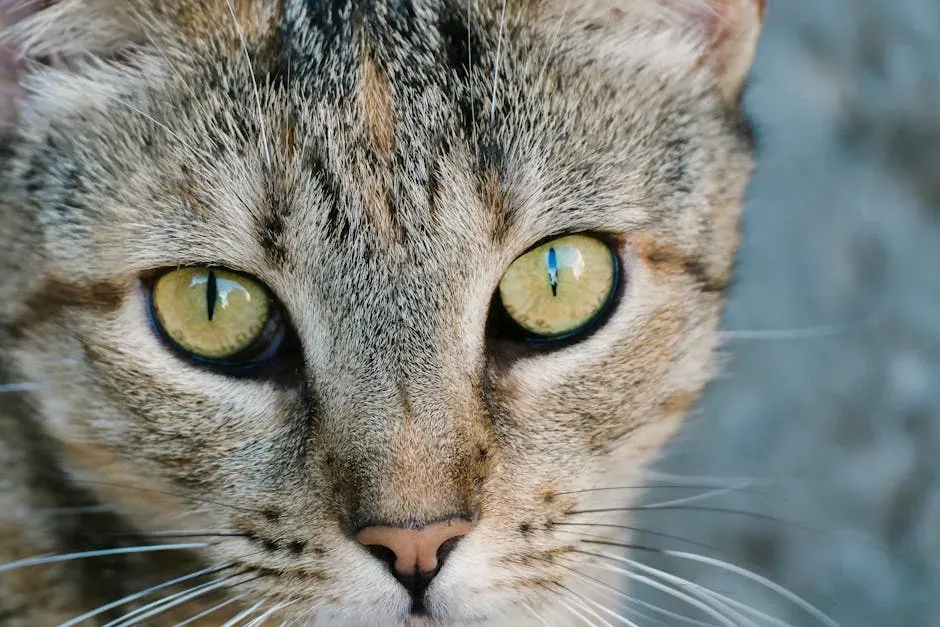
The shape of a feline’s pupil is a sophisticated biological strategy, a blueprint designed by millions of years of environmental pressure. It is the signature of an animal’s ecological niche, revealing how it hunts, where it hides, and the height from which it views the world. Vertically shaped pupils exclude light more effectively and change size much faster than round pupils. In high abundance of light, a cat’s pupils appear elliptical, while in darker conditions they are round, almost filling the entire iris area.
The Tapetum Lucidum: Your Cat’s Built-In Night Vision
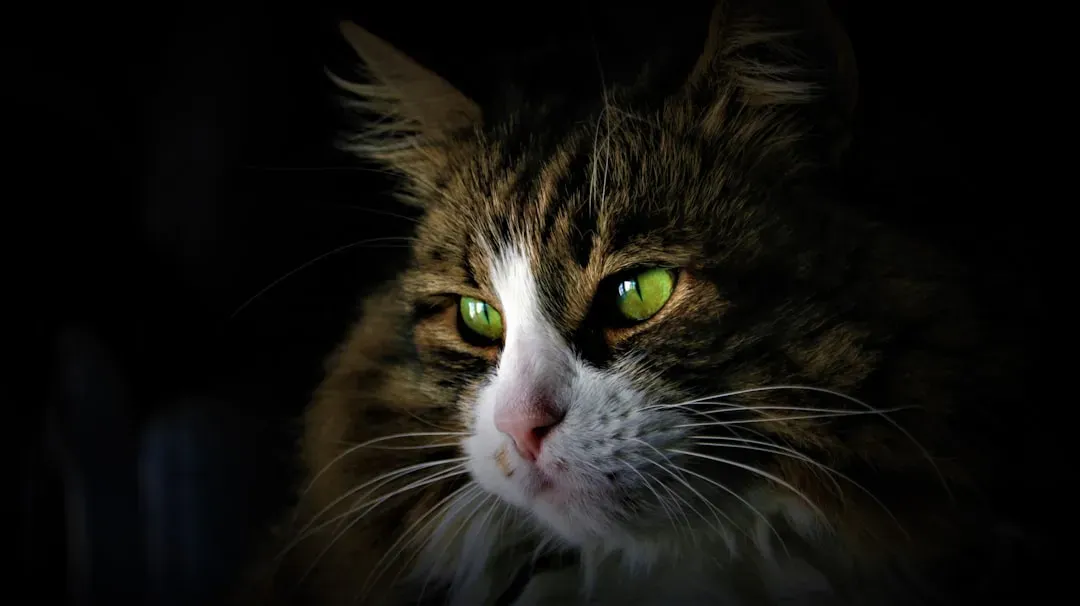
Behind the retina, cats have a reflective layer called the tapetum lucidum. This eye layer sends light that passes through the retina back into the eye, increasing the light available to the photoreceptors. It’s the reason your cat’s eyes glow eerily in a flash photo, and it’s also why they can navigate a pitch-dark hallway with a confidence that seems almost supernatural.
It acts like a mirror, reflecting light back through the retina to increase the available light for photoreceptor cells. This gives cats their famous glowing eyes at night and allows them to see six times better than humans in low light. The combination of large corneas, wide pupils, and the tapetum lucidum allows cat eyes to gather and use nearly every photon of available light. When your cat prowls the house at night or gazes outside under a full moon, they rely on their night vision to navigate and detect the slightest movements.
Where Your Cat Came From: The Wild Ancestor Behind Every Glance
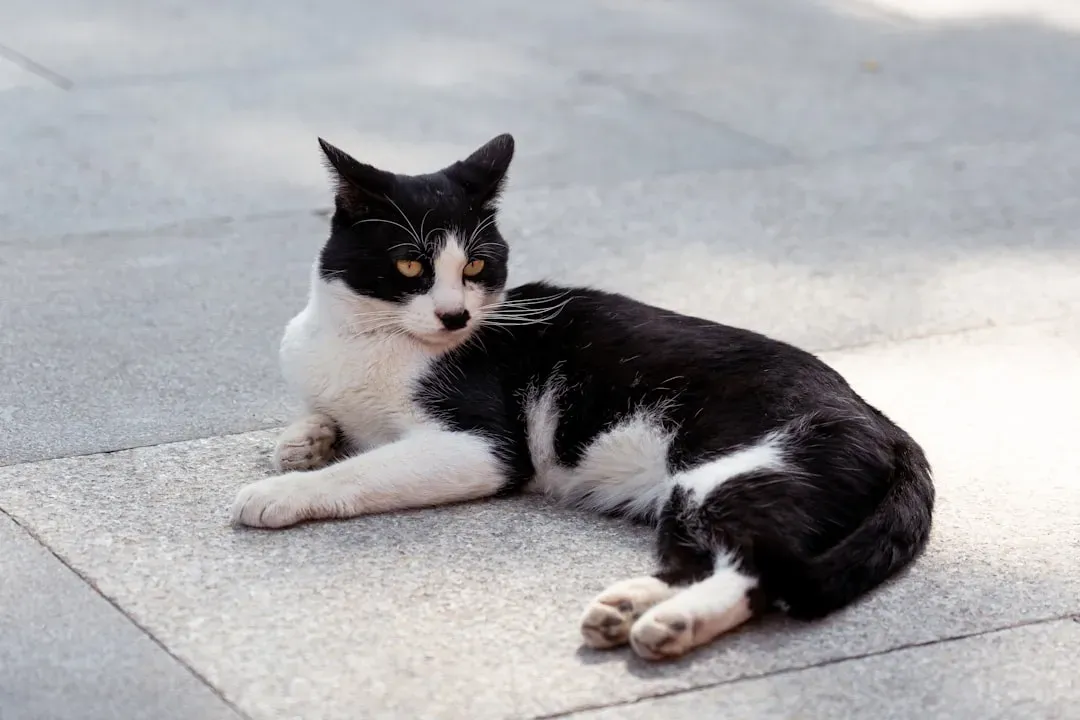
Genetic analysis and mitochondrial DNA studies show that domestic cats descended from the African wildcat, Felis silvestris lybica, a subspecies of the broader Felis silvestris lineage. This wildcat, found in North Africa and the Middle East, coexisted with early human settlements in the Fertile Crescent. Archaeological evidence from places like Cyprus suggests that humans and cats were living side by side as far back as 9,500 years ago.
In general, cats haven’t undergone major changes during domestication and their form and behavior remain very similar to that of their wildcat ancestors. They remain perfectly capable of surviving in the wild, and many can revert to a feral or wild existence. That independent streak your cat displays isn’t stubbornness. It’s an honest biological signal of how little has actually changed beneath the surface.
The Hunt Is Still Happening in Your Living Room
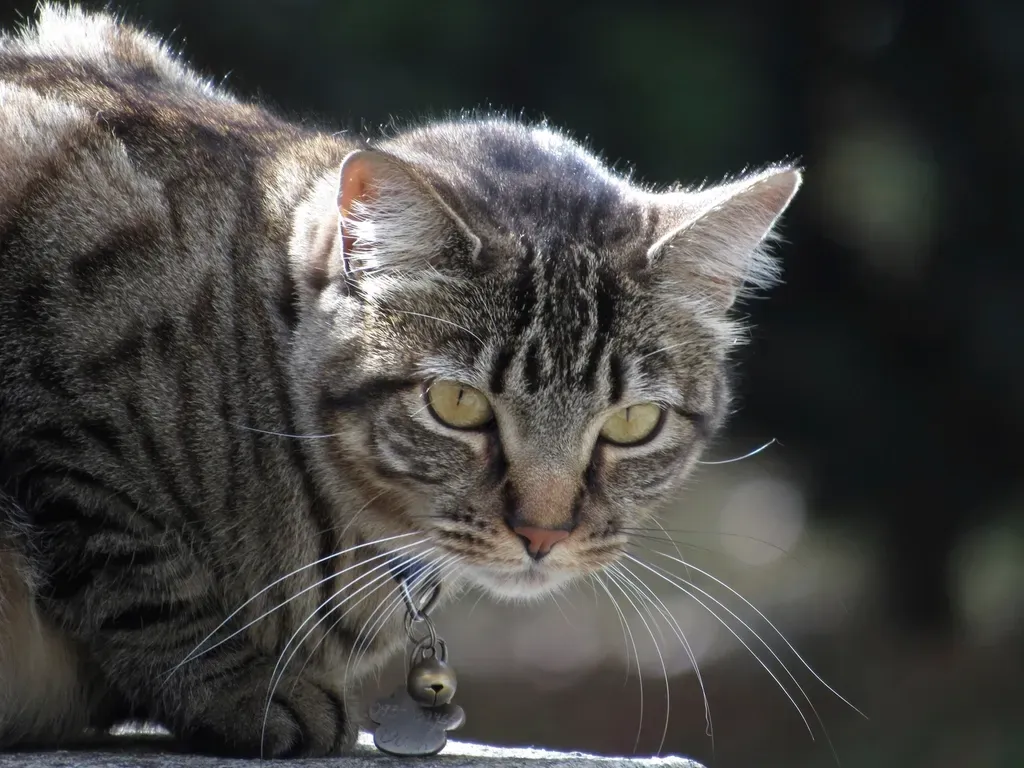
If you watch a cat play at home, they will often mimic hunting behaviors. A cat will wait, ambush its toy, then roll around with it, and bite at it. Your pet cat is mimicking a hunt, a behavior taught to young kittens in the wild. Every toy mouse you toss across the floor is triggering a behavioral script that was written long before your apartment existed.
Most cats are ambush predators, lying in wait in cover near where prey gathers. A tabby hiding near a birdfeeder is using the same technique as a leopard at a water hole. Smaller species of cat tend to seize their prey in a pounce, but larger cats may make a short dash from their hiding place. The eyes narrow, the weight shifts low, the tail twitches. You’re watching a predator perform a ritual it didn’t learn from you.
How Your Cat Communicates With That Gaze
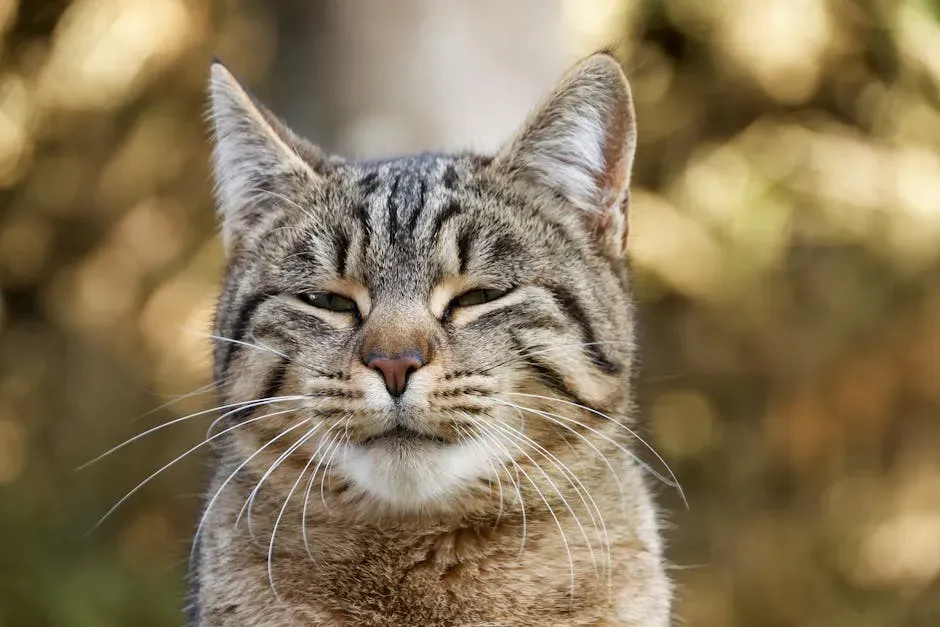
One of the most heartwarming messages your cat can send with their eyes is the slow blink. When a cat looks at you and slowly closes and opens their eyes, they are showing trust and affection. You can return the slow blink to build an even stronger bond with your cat. It’s a gesture of vulnerability, a signal that says “I’m relaxed enough to briefly close my eyes in your presence.” From a predator, that means something.
A study published in the Journal Scientific Reports found that the slow blink is related to a positive emotional state. A slow-blinking person was associated with cats approaching that person in a friendly manner. This slow blink seems to promote social interaction, an important tool for building relationships and maintaining bonds. So the next time you catch your cat watching you from across the room, try blinking back, slowly and deliberately. You might be surprised by the response.
The Wild Behaviors That Never Left
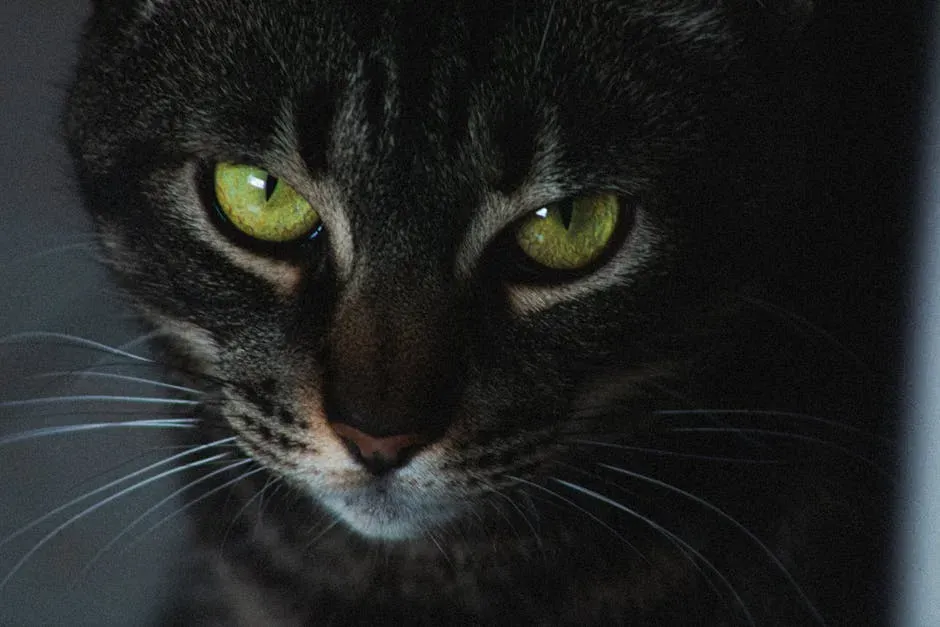
Territoriality is another trait deeply embedded in both domestic cats and wildcats. Wildcats are solitary creatures, fiercely protective of their territory. This behavior is echoed in domestic cats, who often exhibit strong territorial instincts, marking their space and showing distress when their territory is invaded. Your cat’s surveying stare from a high shelf isn’t idle observation. It’s a territorial audit.
Domestic cats spend a considerable amount of time grooming, a habit inherited from their wild ancestors. This behavior helps in removing parasites, distributing natural oils, and reinforcing social bonds when done in groups. In the wild, lions and other big cats groom to maintain their appearance and health. Many pet cats will rub on their owners to give a proper greeting. They may bump their head or push their cheeks into your hand. While this behavior is certainly enough to melt your heart, there is some ancestral drive to this action. Cats can rub their scent onto those they love, and in the wild, will regularly rub against each other to claim their family and partners.
What Science Still Doesn’t Know About That Gaze
The researchers found no significant correlations for activity mode, zoogeographical region, habitat and uniformity of eye color, which leaves the specific adaptive benefit of having varied eye colors an open question to pursue. Even with modern genomic tools at our disposal, the full story of feline eye color evolution remains incomplete. The “why” remains one of the great remaining mysteries of feline evolution.
Some researchers wonder whether eye color has less evolutionary meaning for cats, perhaps because most species are active at night. It could be that eye color is a “side effect” of selection on coat color, since they both rely on the production of melanin pigments. It serves as a humbling reminder that even in the age of whole-genome sequencing, nature still keeps some secrets behind those glowing irises. Every blink of a cat’s eye is a record of 30 million years of survival, mutation, and the complex physics of light.
Conclusion
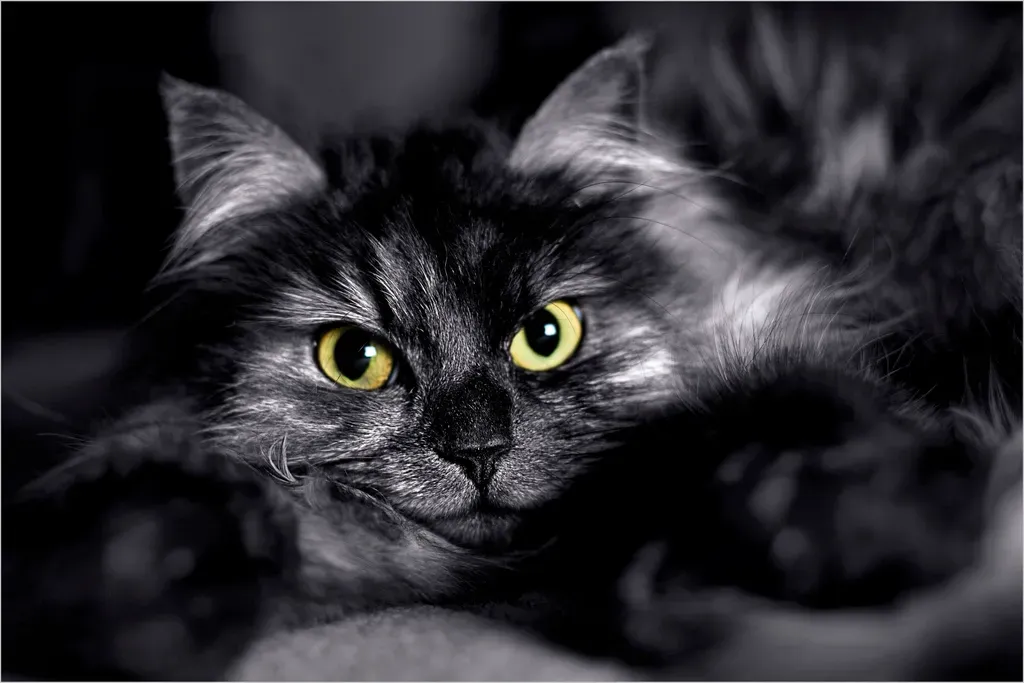
Your cat has lived with you, relied on you, and occasionally ignored you with great theatrical flair. Yet that gaze it levels at you from the arm of the sofa carries a weight that has nothing to do with domestication. It belongs to an unbroken lineage of predators who learned to read the world through a pair of extraordinarily engineered eyes. The amber, green, or blue light you see reflected there is the product of ancient mutations, survival pressures, and tens of millions of years of refinement.
Understanding the science behind your cat’s eyes doesn’t flatten the mystery. If anything, it deepens it. You’re not just sharing your home with a pet. You’re sharing it with a living artifact of evolutionary history, one that occasionally knocks things off counters and demands breakfast at four in the morning. The wild wisdom is real. It just happens to come packaged in something that purrs.
Kristina is a young writer from India. An arts graduate and an avid content creator, Kristina is passionate about animals and wildlife. She enjoys exploring topics related to pet care, animal behavior, conservation, and nature, combining thorough research with engaging storytelling.